


Niacinamide vs Vitamin C: You're Asking the Wrong Question
They brighten through completely different machinery — which is exactly why the 'pick one' framing is a trap.
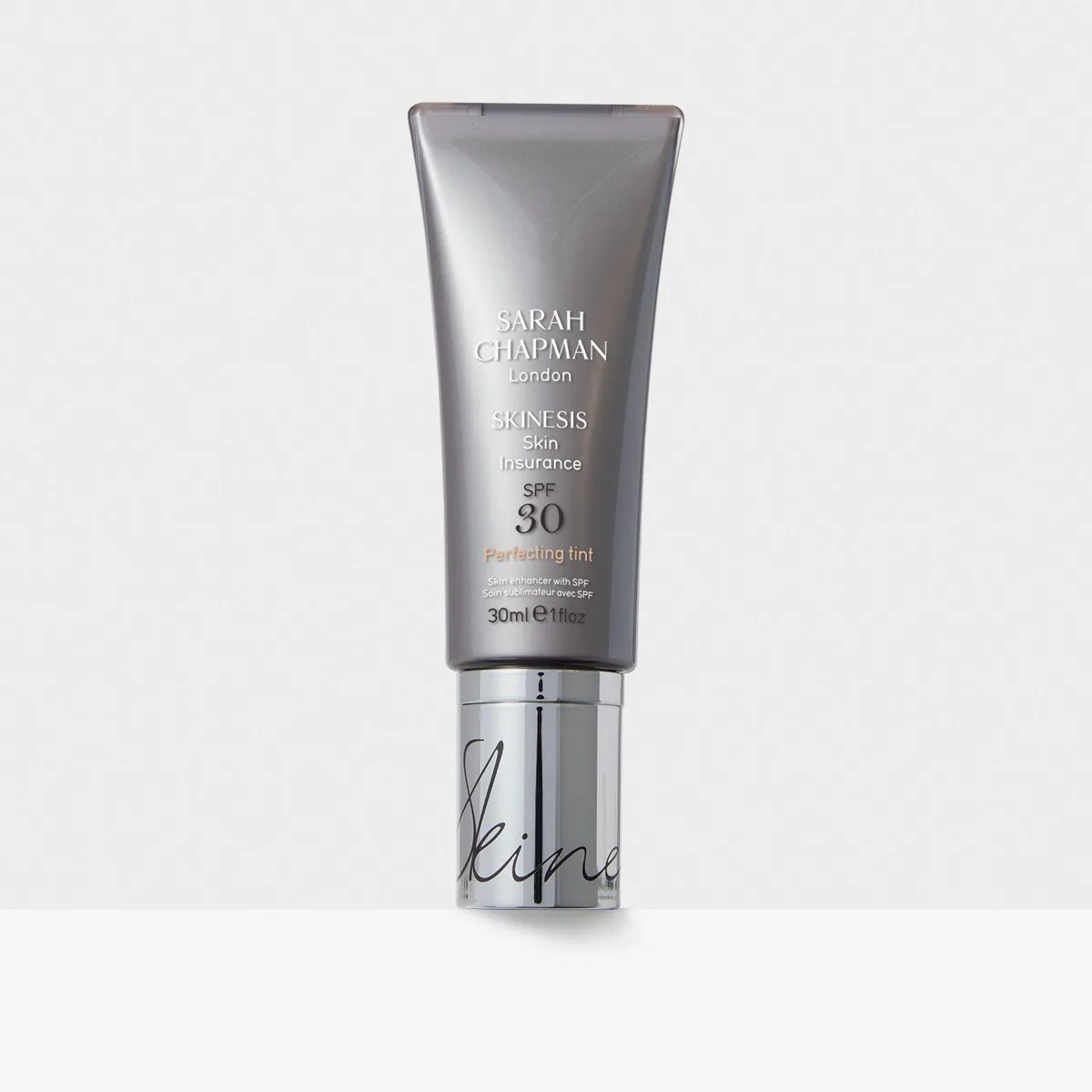
It fuses a broad-spectrum chemical SPF 30 with an adaptive iron-oxide tint that also guards against visible and blue light, then loads in a serum-style antioxidant and peptide complex - so it aims to replace sunscreen, tinted moisturizer and part of a daytime treatment in one featherlight step. The iron-oxide visible-light protection is a real point of difference for pigmentation-prone skin.
An elegant, do-everything tinted SPF 30 that genuinely earns part of its keep: the featherlight texture leaves no white cast, the iron-oxide tint blurs redness and adds visible-light protection useful for pigmentation, and a real antioxidant layer rides along. But it's heavily fragranced, contains alcohol, and carries a luxury price that only makes sense if it replaces several daytime steps for you.
The case for it
What would change this: A declared concentration would move this to a firmer reading of the dose.
Same rule for everyone. “Full protection” is the verdict on 2,288 of 45,024 concern verdicts across the catalog; rule P1 decided 2,232 of them. Unchanged since September 5, 2026, engine 5.1.1.
Brand or formulator? Disclose a concentration or correct a fact →
The studies behind the evidence row
The case for it
What would change this: A declared concentration would move this to a firmer reading of the dose.
Same rule for everyone. “Full protection” is the verdict on 2,288 of 45,024 concern verdicts across the catalog; rule P1 decided 2,232 of them. Unchanged since September 5, 2026, engine 5.1.1.
Brand or formulator? Disclose a concentration or correct a fact →
The studies behind the evidence row
The case for it
What would change this: A declared concentration would move this to a firmer reading of the dose.
Same rule for everyone. “Basic protection” is the verdict on 175 of 45,024 concern verdicts across the catalog; rule P3 decided 68 of them. Unchanged since September 5, 2026, engine 5.1.1.
Brand or formulator? Disclose a concentration or correct a fact →
The studies behind the evidence row
The case for it
What would change this: A declared concentration would move this to a firmer reading of the dose.
Same rule for everyone. “Full protection” is the verdict on 2,288 of 45,024 concern verdicts across the catalog; rule P1 decided 2,232 of them. Unchanged since September 5, 2026, engine 5.1.1.
Brand or formulator? Disclose a concentration or correct a fact →
The studies behind the evidence row
Also listed for Dullness — the actives here (Avobenzone, Ectoin, Niacinamide, Vitamin C) are in our research queue for that concern; there is no verdict until their evidence rows are written. That is a gap in our table, not a mark against the product.
Does the jobDoes what a sunscreen is for: UVA coverage, holds up in sunlight. Not measured from the label: pleasant enough to actually use.
A verdict is DermApproved’s assessment of how well a product’s ingredients fit a concern — never a claim about what the product treats. Evidence dots and collected reviews sit beside it and are never blended in. Rules 0.5.1 · evidence table ev-2026.09-r228 · how we decide
Most tinted sunscreens ask you to pick a lane: protection or polish. Skin Insurance is Sarah Chapman's attempt to refuse the choice entirely, cramming a broad-spectrum SPF 30, a sheer skin-perfecting tint, and what reads like a full anti-aging serum's worth of antioxidants and peptides into one 30ml tube. Whether that maximalist ambition justifies a three-figure price is the question that hangs over the whole product, and the honest answer is: it depends a lot on what you actually want a sunscreen to do.
The product's origin explains the maximalism. Chapman built it out of a complaint she kept hearing across the treatment table in her London facial practice — clients wanted protection, a little coverage and something doing treatment work, but they did not want to layer three products under makeup to get it. Skin Insurance was the single-step answer, and it has been one of the line's signature daytime pieces since around 2016.
Start with the protection, because that's the job. The filter system is a classic organic (chemical) line-up - homosalate, ethylhexyl salicylate, octocrylene, octinoxate and avobenzone - delivering broad UVA and UVB coverage at SPF 30. That's a competent, well-balanced filter blend, though it's worth knowing it's an SPF 30 rather than 50, and that octinoxate is one of the filters some regions and reef-conscious buyers choose to avoid. The genuinely clever part is the tint: iron oxides give it a sheer, adaptive color that blurs redness and evens tone, and because iron oxides also help shield against visible and blue light, they add a layer of protection that pure UV filters miss - a real benefit for anyone managing melasma or post-inflammatory pigmentation, where visible light is a known aggravator. It's also the answer to a persistent misconception, which is that a foundation with SPF in it does the same job. It doesn't: a token SPF number in a base you apply thinly for coverage is not a dedicated broad-spectrum filter blend with a purpose-built pigment layer sitting on top of it.
Then there's everything else, and there is a lot of it. Niacinamide, a stabilized vitamin C (sodium ascorbyl phosphate), squalane, ectoin, panthenol, allantoin, a couple of peptides and a long parade of plant extracts and antioxidants are all in here. In a leave-on daytime product worn for hours, this antioxidant layering isn't pure decoration - antioxidants meaningfully complement UV filters by mopping up the free radicals that slip through, and that's a legitimate argument for a 'do everything' daytime base. Ectoin is the one worth singling out, an osmolyte that helps cells hold their shape under environmental stress rather than acting on any single pathway, which is a sensible thing to put in a product designed to be worn through a whole day of it. The flip side is that many of these actives sit so low in the formula, well past the preservatives, that their contribution is more supporting cast than headline. You're getting a well-antioxidant-ed sunscreen, not a serum that also happens to protect. Treat the peptide and vitamin C content as a bonus riding along on the filters, and you will not be disappointed; buy it expecting to retire your actual treatment serum, and you will be.
On the skin, this is where the product earns its fans. The texture is featherlight and silky, it sinks in without the greasy slip or white cast that plagues some chemical sunscreens, and the tint lends an immediate, healthy-looking evenness that makes skin look polished rather than made-up. Many people wear it in place of both moisturizer and base, which is genuinely where the value math starts to make sense - if it replaces two or three steps, the price per use looks less alarming. The finish is natural and slightly luminous rather than matte, so oilier skin may want a touch of powder on top. In practice it goes on last, after your moisturizer and before any makeup, and it needs the same generous two-finger measure any other SPF does — a thin, foundation-style layer will give you the tint while quietly halving the protection you paid for. On a 30ml tube, applied properly, that works out to about six to eight weeks per tube, which is the number that makes the price sting.
Now the caveats, and they're real. This is heavily fragranced - parfum plus a long list of declared allergens including citral, geraniol, eugenol, linalool and farnesol, alongside fragrant essential oils like jasmine, rose, geranium and sandalwood. For a product you reapply to your face daily and ideally in a generous sunscreen-appropriate amount, that's a meaningful sensitization risk, and it rules the product out for reactive, rosacea-prone or fragrance-sensitive skin - which is a shame, because the iron-oxide tint would otherwise be lovely for redness-prone complexions. There's also alcohol fairly high in the formula, which helps the elegant feel but won't suit everyone. And as with any SPF 30, you must apply enough and reapply, or the sophisticated filter blend underperforms. Anyone with a currently compromised barrier should leave this on the shelf entirely and come back when the skin has settled.
The user response, across several hundred reviews averaging around 4.3, splits along exactly these lines. The praise is sensory and unanimous: no white cast, a tint that does real work on redness, one product doing the job of three. The complaints are equally consistent, and none of them are about whether it works — they're about the price of 30ml, the strength of the perfume, and the fact that it stops at SPF 30 with a shade range that asks a lot of the word 'adaptive'. That's a product whose fans and detractors agree on what it is; they just disagree on whether that's worth paying for.
The price is the last hurdle and the hardest. At full brand pricing this is a genuine luxury splurge for a 30ml SPF, and you can find it discounted elsewhere, but even so you're paying a premium that only makes sense if you'll genuinely use it as an all-in-one daytime step and you value the tint and the elegant finish. As pure sun protection per dollar, it's poor value; as a multitasking tinted day base that replaces several products, it's defensible for the right person. It's also worth being clear-eyed about where the brand's authority comes from — Chapman's credibility is built on clinical facial work and a decade of editor goodwill, not on published trials of this specific formula. That's not a mark against it, but it does mean the elegance is the evidence.
So who is this for? Someone with normal to dry, non-reactive skin who wants one elegant daytime product that protects, evens out tone and blurs redness, and who is happy to pay luxury prices for that convenience and finish. If you have sensitive or fragrance-reactive skin, want maximum SPF 50 protection, or simply want the most sun protection for your money, this isn't the bottle for you - and again, that's a question of fit, not a knock on a genuinely well-formulated product.
The hero actives that drive this product's performance.
| Ingredient | Function | Evidence |
|---|---|---|
| Broad-Spectrum Chemical UV Filters (Homosalate, Ethylhexyl Salicylate, Octocrylene, Octinoxate, Avobenzone) | A balanced organic filter blend delivering SPF 30 broad-spectrum UVA and UVB coverage, with avobenzone handling longer UVA wavelengths and octocrylene helping stabilize it - the core sun-protection engine the rest of the formula is built around. | Regulator-approved for Sun Damage · emerging certainty |
| Iron Oxides (Tint) | Provide the sheer adaptive tint that blurs redness and evens tone, and crucially add visible-light and blue-light shielding that the UV filters alone don't cover - a meaningful extra for melasma and post-inflammatory pigmentation. | Not yet assessed |
| Niacinamide | Sits in the daytime formula to support the barrier and tone-evening alongside the tint, complementing the sun protection rather than acting as a high-dose treatment given its mid-list placement. | Emerging for Hyperpigmentation |
| Sodium Ascorbyl Phosphate (Vitamin C) | A stable vitamin C derivative included as part of an antioxidant layer that mops up free radicals the filters let slip - genuinely useful in a leave-on daytime product, though present at a supporting level. | Limited for Sun Damage |
| Ectoin | A protective osmolyte that helps skin cells resist environmental and UV-related stress, reinforcing the 'all-day defense' positioning beyond the filters themselves. | Not yet assessed |
Ingredient standings describe the active at treatment-level doses and vehicles; this product's own condition grades weigh its actual formula.
Aqua (Water), Homosalate, Ethylhexyl Salicylate, Octocrylene, Ethylhexyl Methoxycinnamate, Glycerin, Butyl Methoxydibenzoylmethane, Potassium Cetyl Phosphate, C12-15 Alkyl Benzoate, Dimethicone, Nylon-12 Fluorescent Brightener 230 Salt, Isomalt, Helianthus Annuus (Sunflower) Seed Oil, Silica, Ammonium Acryloyldimethyltaurate/Vp Copolymer, Octadecenedioic Acid, Saccharide Isomerate, Panthenyl Triacetate, Xanthan Gum, Squalane, Dimethiconol, Ethyl Linoleate, Tocopheryl Acetate, Limnanthes Alba (Meadowfoam) Seed Oil, Dehydroacetic Acid, Lepidium Meyenii Root Extract, Cedrus Atlantica Bark Oil, Lecithin, Cichorium Intybus (Chicory) Root Extract, Ectoin, Polyvinylalcohol Crosspolymer, Stearyl Triethoxysilane, Niacinamide, Polygonum Aviculare Extract, Sodium Starch Octenylsuccinate, Calcium Pantothenate, Maltodextrin, Tocopherol, Buddleja Davidii Extract, Ethyl Ferulate, Jasminum Officinale (Jasmine) Flower Extract, Pelargonium Graveolens Flower Oil, Polyglyceryl-5 Trioleate, Santalum Spicata Wood Oil, Allantoin, Aloe Barbadensis Leaf Juice Powder, Plankton Extract, Vitis Vinifera (Grape) Fruit Cell Extract, Sodium Ascorbyl Phosphate, Rosa Damascena Flower Oil, Pyridoxine HCL, Rosmarinus Officinalis (Rosemary) Leaf Extract, Ethylhexylglycerin, Disodium Uridine Phosphate, Dextran, Nonapeptide-1, Cyclotetrapeptide-24 Aminocyclohexane Carboxylate, Butylene Glycol, Alcohol, Oleyl Alcohol, Parfum (Fragrance), Phenoxyethanol, Benzoic Acid, Sodium Hydroxide, Sodium Benzoate, Citric Acid, Potassium Sorbate, BHT, Sodium Citrate, Sorbic Acid, Benzyl Alcohol, Benzyl Benzoate, Benzyl Cinnamate, Citral, Citronellol, Eugenol, Farnesol, Geraniol, Hydroxycitronellal, Linalool, May Contain: CI 77891 (Titanium Dioxide), CI 77492/77491/77499 (Iron Oxides)
sunscreen
AM
Apply as the last skincare step every morning, after moisturizer and before makeup, using a generous two-finger amount for full SPF; the tint means you can often skip foundation, and a light powder helps oilier skin set the luminous finish.
Immediate sun protection and an instant evening of tone from the tint; any antioxidant or niacinamide benefit accrues gradually over weeks of daily wear as a complement to the SPF.
The protection logic here is sound and rests on established sun-care science. The organic filter blend pairs avobenzone, the workhorse UVA filter, with octocrylene, homosalate, ethylhexyl salicylate and octinoxate; octocrylene matters because avobenzone is photo-unstable on its own and octocrylene helps stabilize it, a well-documented pairing that keeps UVA protection from degrading in sunlight. The standout from a pigmentation standpoint is the iron-oxide tint. A growing body of dermatology research shows that tinted sunscreens containing iron oxides protect against visible light, including high-energy blue light, which conventional UV-only filters do not - and visible light is an established driver of melasma and post-inflammatory hyperpigmentation, particularly in deeper skin tones. That makes the tint a functional protective element, not just cosmetic. The antioxidant rationale is also legitimate: UV filters are not 100 percent efficient, and the free radicals that reach the skin contribute to photoaging, so topical antioxidants such as the stabilized vitamin C (sodium ascorbyl phosphate), tocopherol, ferulate derivatives and ectoin can complement filters by neutralizing that residual oxidative stress. Where evidence-based caution is warranted is dose and placement: niacinamide, vitamin C and the peptides appear well down the ingredient list, past the preservative system, so their concentrations are likely modest and their effect supportive rather than treatment-level. The fragrance is the formulation's scientific weak point - parfum and allergens like citral, geraniol and eugenol are documented contact sensitizers, and concentrating them in a daily, generously applied facial product raises avoidable sensitization risk. The honest read: an effective, smartly protective tinted sunscreen whose antioxidant extras are a real bonus but not a serum substitute.
Dermatologists increasingly emphasize that iron-oxide-tinted sunscreens offer protection against visible light, which is why they are frequently recommended for patients with melasma and post-inflammatory hyperpigmentation, where UV-only sunscreens fall short. A broad-spectrum chemical SPF 30 with a stabilized avobenzone system is considered solid daily protection, provided enough is applied and it is reapplied. Clinicians also recognize the value of antioxidants layered under or within daytime sun protection to address the free radicals filters don't fully block. The reservations they would raise are practical: the heavy fragrance and added alcohol make this a poor fit for rosacea, eczema and sensitive skin, for whom a fragrance-free mineral tinted sunscreen is usually preferred, and SPF 30 may be considered insufficient for those with significant photosensitivity or active pigmentation, who are often advised to use SPF 50. Used by suitable skin and applied properly, it is regarded as a capable, elegant daytime option.
Every morning, apply as the final skincare step after your moisturizer and before any makeup, using a generous two-finger length to actually reach SPF 30 - skimping is the most common reason tinted sunscreens underperform. Smooth it evenly over the face, ears and neck, let the adaptive tint settle, and set with a light powder if your skin runs oily. Because it's an SPF, reapply during prolonged sun exposure. The tint usually means you can skip or lighten foundation, and if your skin reacts to fragrance, patch test on the jaw for a few days before committing to daily facial use.
At full brand pricing this is a luxury splurge for a 30ml tinted sunscreen, and judged strictly as sun protection per milliliter it's poor value - you can buy excellent broad-spectrum SPF for a fraction of the cost. The case for the price is multitasking: if it genuinely replaces your moisturizer, tinted base and part of a daytime antioxidant step, the per-use math becomes more reasonable, and it's frequently discounted at third-party retailers to a more palatable level. There's no larger size to improve the ratio. The verdict is that it's defensible for someone who will use it as a true all-in-one day base and values the elegant finish and iron-oxide tint, but a hard sell for anyone who just wants effective, affordable sun protection.
Choose this if you have normal, dry or combination, non-reactive skin and want a single elegant daytime product that protects, evens tone, blurs redness and adds antioxidant defense. It's especially worth considering for pigmentation-prone skin that benefits from iron-oxide visible-light protection, and for anyone happy to pay luxury prices for a featherlight, multitasking finish.
Skip it if your skin is sensitive, rosacea-prone or fragrance-reactive, since the heavy fragrance and alcohol are likely to cause trouble. It's also the wrong pick if you need SPF 50 protection, have a very deep or very fair complexion the limited shade range won't flatter, or simply want the most effective sun protection for your money.
Ready to try Sarah Chapman Skinesis Skin Insurance SPF 30?
Buy at Amazon ♥A featherlight, silky tinted lotion that sinks in fast without greasiness or white cast.
A noticeable floral-botanical perfume from jasmine, rose and added fragrance - elegant but unmistakably present.
A sleek squeeze tube in the line's clinical-luxe styling, hygienic and travel-friendly.
On first use the tint adapts to a sheer, even wash of color and skin instantly looks more polished; the fragrance is apparent on application. Oilier skin may notice the luminous finish needs powder, and fragrance-reactive skin should patch test before daily facial use.
A 30ml tube lasts roughly 6-8 weeks if you apply a proper sunscreen-sized amount daily - less if you're generous, as you should be.
All Year
Sarah Chapman built the product around a frustration her facial clients voiced - that they wanted protection, a little coverage and treatment without layering three products under makeup. Skin Insurance was her single-step answer, and it became one of the line's signature daytime pieces.
Sarah Chapman's Skinesis line, founded in 2008, grew out of the founder's London facial practice, and Skin Insurance reflects her preference for multitasking, treatment-style formulas. The brand's authority comes from clinical experience and editor goodwill rather than published trials of the products themselves.
The serum-grade actives mean this works as both a treatment serum and a sunscreen.
Niacinamide, vitamin C and the peptides sit low in the formula and act as a supporting antioxidant layer; treat it as a well-formulated tinted sunscreen with bonus antioxidants, not a serum replacement.
A tinted SPF gives the same protection as foundation with SPF in it.
The dedicated iron-oxide tint here is paired with a proper broad-spectrum filter blend at SPF 30 and adds visible-light defense, which makeup with token SPF can't match - provided you apply enough.
It's a chemical (organic) sunscreen, using homosalate, ethylhexyl salicylate, octocrylene, octinoxate and avobenzone for broad-spectrum SPF 30. The iron-oxide tint adds visible-light protection on top, but the UV filtering itself is entirely chemical.
It can support a pigmentation routine because the iron oxides shield against visible and blue light, which are known to aggravate melasma and post-inflammatory marks. Combined with daily broad-spectrum SPF and a stable vitamin C, it's a sensible daytime base for pigment-prone skin - if you tolerate the fragrance.
Many people do. The adaptive iron-oxide tint gives a sheer, skin-evening wash of color that blurs redness, so it often replaces both moisturizer and a light base. The shade range is limited, though, so it suits a moderate range of tones better than very deep or very fair complexions.
You're paying for a multitasking formula - broad-spectrum SPF, an iron-oxide tint and a serum-style antioxidant and peptide complex - in a luxury brand's 30ml tube. As pure sun protection per milliliter it's poor value, but if it replaces several daytime steps the math improves, and it's often discounted at third-party retailers.
Not really. Despite soothing extracts, it's heavily fragranced with parfum and numerous declared allergens and also contains alcohol, both of which make it a risky daily choice for reactive, rosacea-prone or fragrance-sensitive skin. Those skin types should choose a fragrance-free mineral tinted SPF instead.
Sunscreens are encouraged during pregnancy, and this formula contains no retinoids or other actives typically flagged in pregnancy. If you're cautious about chemical filters or have become more fragrance-sensitive, a fragrance-free mineral SPF may be a more comfortable choice - check with your doctor.
Recurring themes our editors read across retailer reviews of this product — summaries in our words, not quotations, and not a substitute for your own patch test.
Featherlight texture with no white cast
Tint blurs redness and evens tone beautifully
Doubles as sunscreen, moisturizer and base
Very expensive for 30ml
Strongly fragranced
SPF 30 rather than 50, and shade range is limited
Verified answers from our questions library — the nuance a product page cannot carry.