


Shea Butter Is Doing a Different Job Than You Think
It is sold as deeply nourishing. What it measurably does is seal — and the difference decides whether you should apply it to damp skin or not at all.
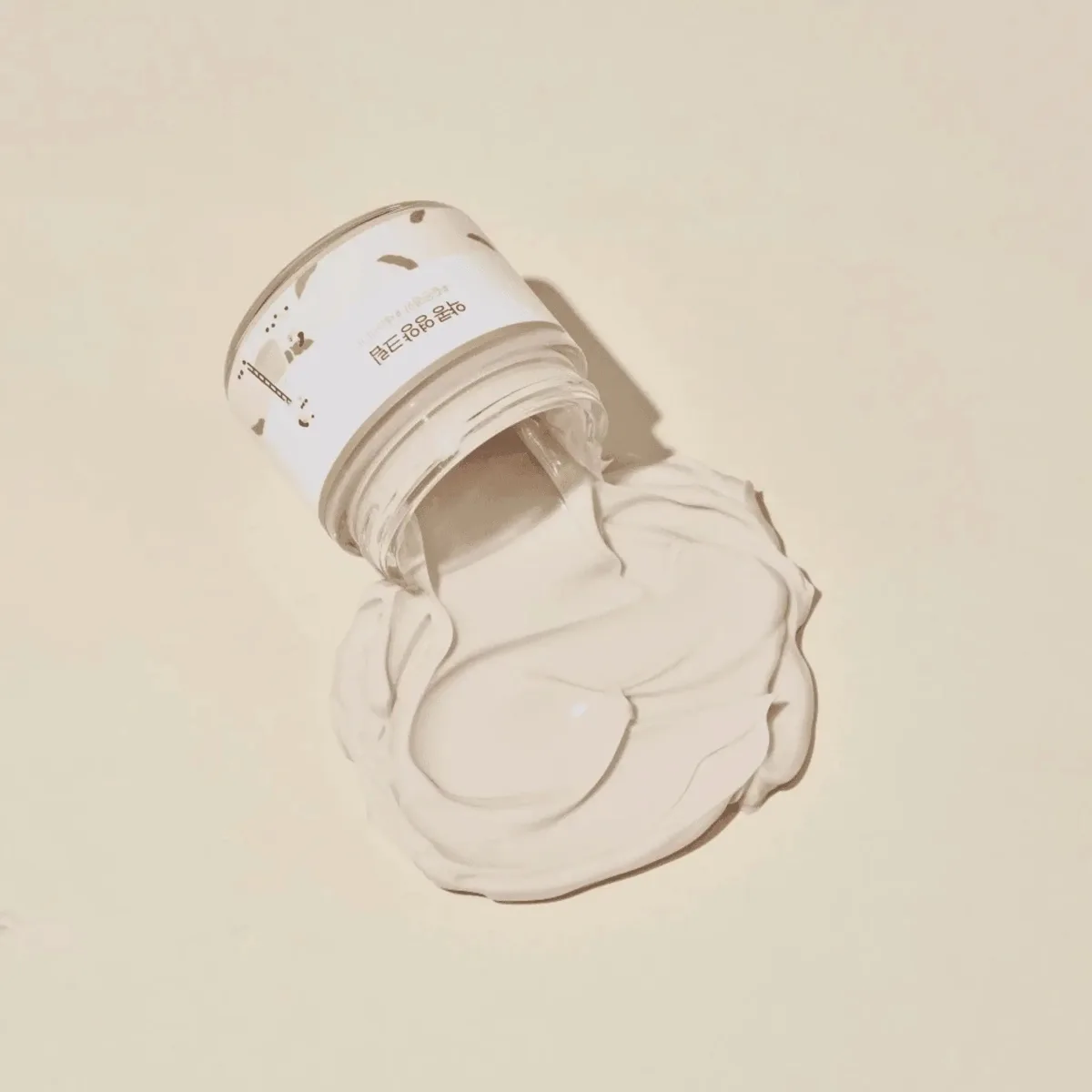
Most K-beauty nourishing creams either lean heavily on marketing-driven botanical fermentation claims or default to generic shea-butter-plus-hyaluronic-acid formulas. Round Lab does both — a fermented soybean base, bifida ferment lysate, and lactobacillus-fermented extract do the fermentation work, while shea butter, squalane, and ceramide NP handle the structural emollient and barrier side. The two halves of the formula support each other rather than competing for space.
A genuinely rich Korean nourishing cream built on a fermented soybean base with shea butter, squalane, ceramides, and niacinamide. A strong pick for dry and mature skin, especially in winter — less versatile than the Dokdo Cream, but more effective on the specific needs it targets.
The case for it
What would change this: A declared concentration would move this to a firmer reading of the dose.
Same rule for everyone. “Good choice” is the verdict on 9,564 of 45,024 concern verdicts across the catalog; rule R5 decided 9,072 of them. Unchanged since September 5, 2026, engine 5.1.1.
Brand or formulator? Disclose a concentration or correct a fact →
The studies behind the evidence row
The case for it
What would change this: A researched evidence row for the lead active would replace this with a verdict.
Same rule for everyone. “Supporting role” is the verdict on 8,197 of 45,024 concern verdicts across the catalog; rule R8 decided 4,250 of them. Unchanged since September 5, 2026, engine 5.1.1.
Brand or formulator? Disclose a concentration or correct a fact →
The case for it
What would change this: A researched evidence row for the lead active would replace this with a verdict.
Same rule for everyone. “Supporting role” is the verdict on 8,197 of 45,024 concern verdicts across the catalog; rule R8 decided 4,250 of them. Unchanged since September 5, 2026, engine 5.1.1.
Brand or formulator? Disclose a concentration or correct a fact →
The case for it
What would change this: A declared concentration would move this to a firmer reading of the dose.
Same rule for everyone. “Good choice” is the verdict on 9,564 of 45,024 concern verdicts across the catalog; rule R5 decided 9,072 of them. Unchanged since September 5, 2026, engine 5.1.1.
Brand or formulator? Disclose a concentration or correct a fact →
The studies behind the evidence row
Does the jobDoes what a moisturizer is for: draws in water, softens and smooths.
A verdict is DermApproved’s assessment of how well a product’s ingredients fit a concern — never a claim about what the product treats. Evidence dots and collected reviews sit beside it and are never blended in. Rules 0.5.1 · evidence table ev-2026.09-r228 · how we decide
The Round Lab story in Korea is built on the Dokdo line, and for most users that's the right entry point. But hydration and nourishment aren't the same problem. A lightweight daily moisturizer like the Dokdo Cream is the correct choice for skin that's mostly healthy but needs consistent barrier support. When the skin is genuinely dry — the kind of dryness that comes with maturity, chronic environmental exposure, winter, or long-term barrier compromise — what you need isn't more water-binding humectants, it's structural emollients and lipids that stay on the surface long enough to let the stratum corneum actually recover. The Soybean Nourishing Cream is Round Lab's answer to that second problem, and the formulation reads like the brand thought carefully about the distinction.
The first ingredient is fermented soybean (Glycine Soja) seed extract, not water, which ties this product into Korean traditional skincare aesthetics and gives the cream its nourishment-focused positioning. Soybean extract carries amino acids, small amounts of phytoestrogen-like isoflavones, and polysaccharides that Korean formulators traditionally associate with skin softening and support. Whether those molecules deliver clinically distinct benefits versus other well-formulated bases is debatable, but what's not debatable is that the formula uses them as the solvent base instead of purified water, which is a real commitment. And since the word phytoestrogen tends to raise eyebrows: the isoflavone content in a finished topical cream is far below anything dermatology literature considers endocrine-disruptive, and the ingredient is regarded as safe for cosmetic use — including during pregnancy. The soy concern that actually matters is allergy, not hormones. On top of that base sits the emollient core: shea butter and squalane, both well-evidenced lipid sources that complement each other — shea provides longer-lasting occlusion and fatty-acid richness, while squalane mimics natural sebum and keeps the whole cream from feeling heavy despite its density. Caprylic/capric triglyceride adds a lightweight ester emollient. Cetearyl olivate and sorbitan olivate handle emulsification with an olive-derived profile.
The barrier-support cast is where the cream earns its ingredient-quality score. Ceramide NP provides exogenous lipids for stratum corneum repair. Niacinamide stimulates the skin's own ceramide synthesis and supports barrier function. Panthenol converts to pantothenic acid and adds soothing repair. Bifida ferment lysate and lactobacillus-fermented soybean extract are popular Korean ferments with some published evidence for supporting skin resilience and recovery — their role here extends the fermentation theme beyond a single hero ingredient. Sodium hyaluronate and glycerin handle humectancy. A calming botanical tail — centella asiatica, licorice root, portulaca oleracea — rounds out the anti-inflammatory profile. Even the fine print behaves: allantoin adds another quiet soother, tocopherol covers antioxidant duty, adenosine makes the standard K-beauty anti-wrinkle gesture, a modest dose of dimethicone smooths the spread, and the whole emulsion sits at a skin-neutral pH of 5.5. The formula is fragrance-free, alcohol-free, and builds a coherent nourishment story rather than throwing in ingredients for marketing weight.
In use, the cream is noticeably richer than the Dokdo Cream and clearly positioned for a different skin type. The texture is cushiony and dense on first contact, spreads cleanly with gentle pressure, and absorbs in one to two minutes with a slightly glowy, satin finish. It's not a sticky or heavy sit-on-top cream, but it's also not a lightweight daily moisturizer — there's real substance here, and for dry skin in winter or on mature skin that needs genuine emollient support, that substance is the point. Users frequently report waking up with visibly plumper, softer skin after the first night of use, and longer-term improvements in flaking, tightness, and overall skin comfort build over the following weeks — most people see the full barrier payoff somewhere in the four-to-six-week range. It also earns a spot as the closing step over a retinoid night: rich enough to buffer the dryness a retinoid brings, bland enough not to interfere. In deep winter, layering it over a lighter moisturizer as a final occlusive step is a legitimate strategy rather than overkill. The one packaging gripe is structural: it comes in the same screw-lid plastic jar as the Dokdo Cream, which means air exposure with every opening — not ideal for a formula whose ceramides and ferments would rather live in a pump — so keep the lid time short.
The reception has been solid: around 3,600 reviews averaging 4.4, with the praise clustering exactly where the formula aims — genuine nourishment for dry skin, a noticeable softening effect, and gratitude that something this rich manages to stay fragrance-free. The complaints cluster just as predictably, and they're the trade-offs that track with the formula's ambition. Oily and combination-oily skin will find this too heavy for daily use, particularly in warm weather — Round Lab's own lineup has better options (Dokdo Lotion, Dokdo Cream) for those skin types. Fungal-acne-prone users need to look elsewhere; the formula contains olive emulsifiers, polysorbate 60, and shea butter, any of which can feed Malassezia. Users with soy allergies should skip this entirely — the soybean extract is the first ingredient, and there's lactobacillus-fermented soybean lower in the list as well. And the 80 ml jar runs out faster than users might expect given the dense texture, because the nourishing positioning usually means more product per application — figure two to three months of twice-daily face-and-neck use from a $25 jar, which is fair value rather than a steal. None of this disqualifies the cream; it just means buying it requires matching your skin's actual needs rather than defaulting to brand loyalty. For dry, mature, or winter-compromised skin, it's one of the better-formulated Korean nourishing creams at this price point, and the right product for its audience.
The hero actives that drive this product's performance.
| Ingredient | Function | Evidence |
|---|---|---|
| Fermented Soybean (Glycine Soja) Extract | Sits as the first INCI ingredient — fermented soybean extract replaces water as the formula's base, carrying phytoestrogen-like isoflavones and amino acids that Korean formulators traditionally associate with nourishment and mature-skin support. | Not yet assessed |
| Shea Butter | Provides the rich emollient core that distinguishes this cream from the lighter Dokdo Cream — shea's fatty acid and unsaponifiable content creates a longer-lasting occlusive feel appropriate for dry and mature skin. | Established mechanism for Dryness · established mechanism |
| Squalane | Pairs with the shea butter as a lightweight emollient that mimics natural skin sebum, helping the rich formula absorb without feeling greasy — a critical balance for a nourishing cream aimed at dry but still normal-functioning skin. | Established mechanism for Dryness · established mechanism |
| Ceramide NP + Niacinamide | Delivers the barrier-support pairing — niacinamide stimulates ceramide synthesis while ceramide NP provides an exogenous lipid source, and together they rebuild the stratum corneum structure that dry, mature skin gradually loses. | Established mechanism for Dryness · established mechanism |
| Bifida Ferment Lysate | A fermented probiotic-derived ingredient popular in Korean nourishing formulas for supporting skin resilience and recovery — reinforces the fermentation theme established by the soybean base. | Not yet assessed |
Ingredient standings describe the active at treatment-level doses and vehicles; this product's own condition grades weigh its actual formula.
Glycine Soja (Soybean) Seed Extract, Butylene Glycol, Glycerin, Cetyl Alcohol, Caprylic/Capric Triglyceride, Cetearyl Olivate, Niacinamide, Dimethicone, Sorbitan Olivate, Glyceryl Stearate, Hydrogenated Polydecene, Shea Butter, Squalane, Panthenol, 1,2-Hexanediol, Polysorbate 60, Carbomer, Xanthan Gum, Tromethamine, Disodium EDTA, Ethylhexylglycerin, Adenosine, Tocopherol, Ceramide NP, Bifida Ferment Lysate, Lactobacillus/Soybean Ferment Extract, Sodium Hyaluronate, Allantoin, Centella Asiatica Extract, Glycyrrhiza Uralensis Root Extract, Portulaca Oleracea Extract
moisturizer
AM & PM
Apply after toner and serums as the final nourishing step. Particularly useful as a night cream for dry skin, or layered over a lighter moisturizer in winter for additional occlusion.
Immediate comfort and softness from day one. Visible plumping and improved texture after 1-2 weeks. Full nourishment and barrier benefits typically evident at 4-6 weeks of consistent use.
The evidence base for this formula is stronger on the barrier-and-emollient side than on the fermentation side. Shea butter has extensive published evidence as a topical emollient — it contains fatty acids (oleic, stearic, linoleic, palmitic) and unsaponifiables (including triterpene alcohols) that support occlusion and skin softening. Squalane is a saturated, highly stable derivative of squalene that mimics natural sebum and has well-documented evidence for reducing transepidermal water loss. Ceramide NP is one of the most studied ceramides in topical dermatology, with clinical evidence for supporting stratum corneum lipid organization and barrier recovery. Niacinamide has robust evidence for stimulating ceramide synthesis, reducing transepidermal water loss, and improving skin tone, consistent with the literature on nicotinamide's role in barrier function. Panthenol has published evidence for barrier repair and anti-inflammatory effects. The fermentation side of the formula is less rigorously supported: bifida ferment lysate has emerging research suggesting benefits for skin resilience and photodamage recovery, but the evidence base is smaller than for better-studied ingredients, and results vary by formulation. Fermented soybean extract contains isoflavones like genistein and daidzein with mild phytoestrogen activity, and published research has suggested possible benefits for mature-skin concerns, though concentrations in topical formulas are far below anything considered systemically active. The coherent takeaway is that this cream's clinical credibility rests primarily on its well-evidenced emollient and barrier cast rather than on the fermentation story.
Dermatologists frequently recommend rich, ceramide-containing nourishing creams for patients with dry, mature, or barrier-compromised skin, particularly for overnight use or during winter months. The Soybean Nourishing Cream fits this clinical pattern — the combination of shea butter, squalane, ceramide NP, niacinamide, and panthenol aligns closely with what skin-care clinicians typically recommend for patients with xerosis or age-related barrier changes. For patients with fungal acne, seborrheic dermatitis, or oily skin, dermatologists generally recommend against shea butter and olive-derived emulsifiers, which rules out this formula for those populations. Patients with soy allergies should also avoid it. For the majority of dry-skin patients, the fragrance-free formulation and the absence of essential oils makes it a reasonable option that layers cleanly with prescription retinoids or other active routines.
Apply a pea-sized amount to clean skin after toner and any serums or treatments, pressing and patting gently until absorbed. Use AM and PM as a standalone moisturizer for dry skin, or layer as a night cream over a lighter daytime moisturizer. Particularly useful in winter or after exfoliating treatments that compromise the barrier. Compatible with retinoids and other actives — the rich formulation helps buffer irritation. Store at room temperature. Use a clean fingertip or small spatula to protect the formula from contamination in the jar.
At roughly $23-26 for 80 ml, the Soybean Nourishing Cream is priced fairly relative to its formulation quality — similar to the Dokdo Cream but with a more substantial emollient profile. Compared to Western nourishing creams with similar ingredient depth (ceramides, niacinamide, shea, squalane, ferments), it undercuts most options at a comparable quality tier. The 80 ml size is the main value caveat — heavy users in winter or as a night cream may finish it in 6-8 weeks, putting annual cost in the $150-200 range. For its intended dry-skin audience, that's reasonable.
Dry, mature, and winter-compromised skin users looking for a rich, fragrance-free Korean nourishing cream with real emollient substance. A strong pick as a night cream for patients on retinoids or during seasonal barrier dips.
Oily, combination-oily, and fungal-acne-prone users should choose a lighter formula instead. Anyone with a soy allergy must avoid this entirely. Users looking for a daily year-round daily driver may prefer the Dokdo Cream for its lighter profile.
Ready to try ROUND LAB Soybean Nourishing Cream?
Buy at Amazon ♥Rich, cushiony cream with a slightly silky slip — denser than the Dokdo Cream but still spreads easily and absorbs within 1-2 minutes.
Unscented.
Plastic jar with screw-on lid — the same format Round Lab uses for the Dokdo Cream, with the same air-exposure concerns for ceramides and ferments.
First use feels noticeably richer than a daily lightweight cream — immediate softness, slight tacky-glow finish that dries down comfortably. Most users report waking up with visibly plumper, smoother skin after the first night.
Approximately 2-3 months with once or morning and evening face and neck application.
fall winter
Round Lab launched the Soybean line in 2021 as the richer, more nourishing counterpoint to the Dokdo hydration range. The brand sources fermented soybean extract from Korean soy regions, continuing its regional-sourcing philosophy while targeting a different skin need — dryness, maturity, and seasonal barrier compromise.
Round Lab launched in 2017 with a regional-sourcing philosophy. The Soybean line extends that concept by sourcing fermented soybean extract from Korean soy-growing regions and positioning the formulas as nourishing options for dry and mature skin.
Soybean extract in skincare is an estrogen disruptor.
Topical soybean extract contains small amounts of isoflavones like genistein, which have mild phytoestrogen activity, but concentrations in finished skincare are far below anything considered endocrine-disruptive in dermatology literature. The ingredient is considered safe for cosmetic use, including during pregnancy.
Rich creams clog pores by default.
Pore-clogging depends on specific ingredients, not overall texture. This formula does contain shea butter, which can be problematic for some acne-prone users, but the rest of the cream is built on non-comedogenic emollients. Users without a shea sensitivity can tolerate it well.
The Soybean Cream is significantly richer and more nourishing — built on fermented soybean extract with shea butter, squalane, and additional ferments. The Dokdo Cream is a lightweight daily moisturizer. Use Soybean for dry or mature skin, and Dokdo for normal-to-combination skin or daily use.
No — the formula contains Glycine Soja (soybean) seed extract as the first INCI ingredient and a lactobacillus-fermented soybean extract. Anyone with a soy allergy or strong sensitivity should choose a different moisturizer.
Combination skin can usually tolerate it during winter or as a night cream, but oily skin will likely find it too heavy and potentially clogging due to the shea butter content. Use the Dokdo Cream or Dokdo Lotion instead.
No. The formula contains olive emulsifiers, polysorbate 60, and shea butter, which can feed Malassezia. Users with confirmed fungal acne should choose a strictly FA-safe cream.
Yes — the richer texture and nourishing ingredient profile make it particularly well-suited to overnight use, especially during winter or for users with dry, mature, or barrier-compromised skin.
Recurring themes our editors read across retailer reviews of this product — summaries in our words, not quotations, and not a substitute for your own patch test.
genuinely nourishing for dry skin
noticeable softening effect
fragrance-free despite the rich texture
good winter night cream
too heavy for oily/combination skin
soy allergy concerns for sensitive users
not fungal acne safe
80 ml jar runs out fast