Beta-Glucan Does Niacinamide's Job Without the Marketing Budget
It hydrates, calms, and quietly supports the barrier with one of the better safety records in skincare. So why has almost nobody heard of it?
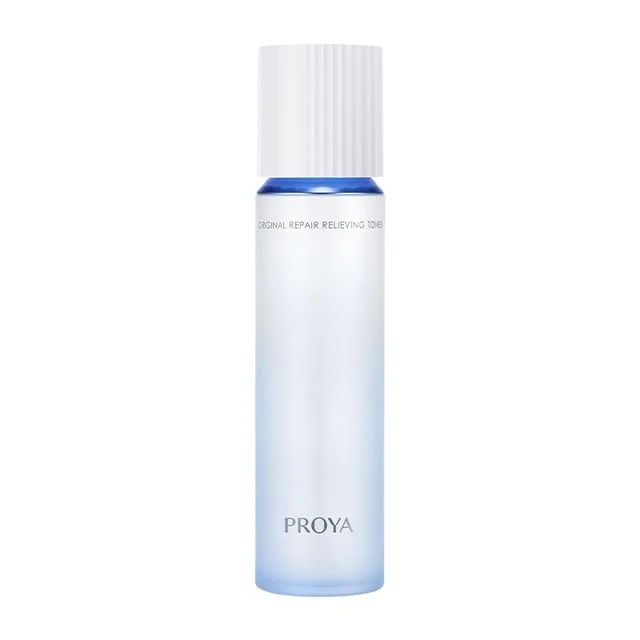
It is a nineteen-ingredient hydrating toner with nothing in it to react to, no alcohol, fragrance, essential oil, acid or witch hazel, and it still carries a real anti-inflammatory in dipotassium glycyrrhizate with allantoin and beta-glucan. Where most 'soothing' toners hedge with a botanical and a scent, this one is built the way a dermatologist would spec a compress liquid.
A nineteen-ingredient toner that does two things, hydrate and calm, and refuses to do anything else: glycols and glycerin for water, dipotassium glycyrrhizate, allantoin and beta-glucan for redness, and no alcohol, fragrance, acid or essential oil to undo either. For sensitised, oily or combination skin it is close to the ideal first layer. It is also a quiet product at a reseller-only price, and the collagen on the label is along for the ride.
This score is a reading of a short ingredient list against the general science of humectants and licorice-derived anti-inflammatories, not a summary of user experience: Proya's site and domestic reviews are unreachable from the West, and the 2025 toner has about fifty ratings at one overseas reseller, so its behaviour across many skin types and over months of use is inferred from the formula rather than documented.
The case for it
What would change this: A researched evidence row for the lead active would replace this with a verdict.
Same rule for everyone. “Good choice” is the verdict on 1,938 of 45,024 concern verdicts across the catalog; rule F2 decided 1,938 of them. As of September 25, 2026, engine 5.1.1.
Brand or formulator? Disclose a concentration or correct a fact →
The case for it
Same rule for everyone. “Good choice” is the verdict on 9,564 of 45,024 concern verdicts across the catalog; rule R5 decided 9,072 of them. As of September 25, 2026, engine 5.1.1.
Brand or formulator? Disclose a concentration or correct a fact →
The studies behind the evidence row
Also listed for Compromised Skin Barrier — the actives here (Glycerin, Allantoin, Beta-Glucan, Licorice Root Extract) are in our research queue for that concern; there is no verdict until their evidence rows are written. That is a gap in our table, not a mark against the product.
Does the jobDoes what a toner is for: not alcohol-driven, adds something real. Not measured from the label: restores skin pH, plays well with what follows.
A verdict is DermApproved’s assessment of how well a product’s ingredients fit a concern — never a claim about what the product treats. Evidence dots and collected reviews sit beside it and are never blended in. Rules 0.5.1 · evidence table ev-2026.09-r228 · how we decide
For most of the twentieth century a toner was the bottle that stung. Alcohol, witch hazel, a menthol tingle, the bracing slap that told you the cleanser had missed something. Asian skincare reinvented the category as a hydrating first layer, and the good ones now feel like nothing at all. Proya's Original Repair Relieving Toner is at the far end of that evolution: a liquid whose entire design brief was to be applied to a face that reacts to everything, and to not be one more thing it reacts to.
Proya, the Hangzhou company that became one of China's biggest beauty groups partly by teaching its customers to layer vitamin C and retinoids, built the Original Repair line, Source Force at home, for the people that advice left with damaged barriers. The Relieving Toner is that line's opening step, reformulated in 2025 to add the recombinant collagen story the brand now attaches to everything, and it reaches English-speaking buyers through YesStyle, with a full ingredient list and a price that converts to the low thirties in dollars for 120 millilitres before the retailer's frequent discounts.
The list is short enough to read aloud and worth reading. Water, dipropylene glycol, butylene glycol, glycerin, a glucose-derived humectant, a dimethyl ether that gives slip without oil, two modern preservatives, a mild solubiliser, allantoin, the Oldenlandia herb, collagen, a small peptide, beta-glucan, dipotassium glycyrrhizate, a thickener, a pH adjuster, hydrogenated lecithin, a chelator. Nineteen items, none of them alcohol, fragrance, essential oil, acid, witch hazel, niacinamide or anything else that a sensitised face might object to. The brand's own framing, free of alcohol, fragrance, fluorescent brighteners, pigment, formaldehyde releasers, mineral oil and talc, is unusually specific for a Chinese label and checks out against the list.
What the toner actually does is the humectant phase plus three soothing agents. The glycols and glycerin draw water into the surface and hold it; beta-glucan adds a faint cushioned film that stops the water leaving; allantoin and dipotassium glycyrrhizate, the water-soluble licorice salt that mirrors the oil-soluble licorice ester in the line's emulsion, calm low-grade redness. That is a compress liquid, essentially the thing a dermatologist would spec for a patient to press onto an over-exfoliated cheek, and it behaves like one. Pressed onto damp skin after cleansing it goes on like water, does not tingle or tighten, and leaves the face comfortable and hydrated within a minute. Layered two or three times on a flaring day, or soaked into a cotton pad for five minutes, it takes the sting out of the rest of the routine. The redness settles over a few days.
That is also the whole of what it does, and it should be said plainly. There is no exfoliant, no brightener, no niacinamide, nothing that changes the skin over weeks. The collagen is a surface film that holds a little water and does not become dermal collagen regardless of how it was made, and the Oldenlandia is a brand-signature herb with preclinical evidence. A reviewer expecting a toner to do something visible will call it boring, and the reviews that exist do occasionally; a reviewer whose face has been burning for a fortnight will call it the first thing that did not hurt. Both are right about the same product.
The honest comparison is with the Western pharmacy shelf, where fragrance-free hydrating toners exist but usually carry either a scent, an alcohol, or a botanical that some fraction of reactive skin dislikes. This one carries none, and it is fungal-acne safe as a bonus, with no fatty acids, esters or oils in the list. The formulation restraint is real and worth crediting even if the marketing around it is not. Chinese brands get discounted by Western readers for their claims, and the claims here deserve it; the liquid underneath does not.
The practical limits are the ones every Proya product carries abroad. No stable US price, no US retailer, a bottle with an open pour spout that makes over-dosing easy, and about fifty reseller ratings standing in for a track record. At a discounted reseller price it is fairly valued for a 120 millilitre calming toner; at full price it is ordinary; at an importer's markup it loses to pharmacy hydrating toners that are heavier-handed but on a shelf tomorrow. It lasts two to three months at a few drops twice a day.
So, for sensitised, oily, combination or simply reactive skin that needs a first layer it can trust, and for anyone running a retinoid or acid routine who wants a cushion under it, this is a very good toner precisely because it is a quiet one. For skin that wants a toner to exfoliate, brighten or otherwise earn its keep, it will disappoint, and the same money should go to a serum.
The hero actives that drive this product's performance.
| Ingredient | Function | Evidence |
|---|---|---|
| Dipotassium Glycyrrhizate | The water-soluble licorice salt sitting just before the thickener, and the toner's one genuine anti-inflammatory: glycyrrhizinate calms the low-grade redness that sensitised skin shows after actives. It is the counterpart to the oil-soluble licorice ester in the line's emulsion, chosen because a watery toner needs the salt form to dissolve. | Not yet assessed |
| Allantoin | Tenth in a nineteen-item list, the classic skin-soothing agent that takes the sting out of applying anything to a barrier that has been over-exfoliated. It is the first of the calming set and the one with the longest record. | Not yet assessed |
| Beta-Glucan | A soothing, film-forming polysaccharide listed after the collagen and the peptide, adding a soft, slightly cushioned feel to an otherwise watery liquid and a modest anti-irritant effect that pairs with the licorice salt. It is also what keeps the toner from evaporating to tightness. | Not yet assessed |
| Glycerin | Fourth, after dipropylene and butylene glycol, in a humectant phase that makes up most of what is not water. The three glycols together are the toner's hydration mechanism, drawing water into the surface and holding it there long enough for the next layer to seal it. | Established mechanism for Dehydration · established mechanism |
Ingredient standings describe the active at treatment-level doses and vehicles; this product's own condition grades weigh its actual formula.
Water/Aqua, Dipropylene Glycol, Butylene Glycol, Glycerin, Methyl Gluceth-20, PEG/PPG-14/7 Dimethyl Ether, 1,2-Hexanediol, Hydroxyacetophenone, PEG-40 Hydrogenated Castor Oil, Allantoin, Oldenlandia Diffusa Extract, Collagen, Acetyl Dipeptide-1 Cetyl Ester, Beta-Glucan, Dipotassium Glycyrrhizate, Carbomer, Tromethamine, Hydrogenated Lecithin, Disodium EDTA
toner
AM & PM
Press a few drops into the skin straight after cleansing while it is still damp, then follow with the line's emulsion or any serum and moisturiser; it is a hydrating, calming first layer rather than an exfoliating one, so it goes under actives, not instead of them. It can be pressed on in two or three thin layers on a flaring day, or soaked into a cotton pad for a five-minute compress on a red cheek.
Skin feels hydrated and comfortable immediately, and stinging on a sensitised face eases within minutes of the first application. Redness settles over a few days of twice-daily use from the licorice salt and allantoin; the toner has no exfoliating or brightening actives, so there is no longer arc to wait for, and its value is in making the rest of the routine tolerable.
The toner's mechanism is that of a humectant-and-anti-irritant solution, and the relevant science is the physiology of stratum corneum hydration rather than any single active. Surface hydration depends on hygroscopic compounds within the stratum corneum binding water and on the lipid barrier limiting its evaporation; a 2025 review in the International Journal of Dermatology on restoring hydration and barrier function set out that framework and confirmed that humectants such as glycerol improve water-binding capacity and are a foundation of emollient care for dry and compromised skin. This formula supplies humectancy through dipropylene glycol, butylene glycol, glycerin and methyl gluceth-20, which together draw water into the outer layers and, with beta-glucan's thin film, slow its loss until an emulsion or cream seals it. The anti-inflammatory component is dipotassium glycyrrhizate, the water-soluble salt of glycyrrhizic acid from licorice, which inhibits inflammatory mediator release and reduces erythema in topical use and is widely employed in soothing formulations for sensitive skin; allantoin, a long-established skin-protectant, and beta-glucan add modest, well-tolerated anti-irritant effects. PEG/PPG-14/7 dimethyl ether provides slip without oil, and the preservative pair of 1,2-hexanediol and hydroxyacetophenone avoids the classes most associated with contact allergy. The remaining ingredients have little topical evidence: collagen is a large protein that cannot cross the stratum corneum and acts as a surface humectant film, acetyl dipeptide-1 cetyl ester is a lightly supported soothing peptide, and Oldenlandia diffusa extract has preclinical anti-inflammatory data only. The formula contains no exfoliant, brightener or barrier lipid, so its scope is hydration and calming; its scientific strength is what it omits, since the absence of alcohol, fragrance, essential oils and acids removes the ingredient classes most often responsible for toner intolerance on sensitised skin.
Toners are optional in dermatological routines, and when clinicians do suggest one for sensitised skin the specification is simple: alcohol-free, fragrance-free, no acids or astringents, with humectants and a soothing agent, used as a damp first layer or a short compress. This formula matches that brief closely, and its licorice-derived glycyrrhizate is the kind of mild anti-inflammatory dermatologists are comfortable with on reactive skin. The reservations would be about expectations rather than safety: it treats nothing, the collagen and herbal claims are marketing, and a patient whose burning or redness persists beyond a couple of weeks of a bland routine needs assessment for contact dermatitis, rosacea or another cause rather than a gentler toner. As a first layer under a retinoid or acid regimen, or during recovery from over-exfoliation, it is a reasonable and low-risk choice.
Straight after cleansing, while the skin is still slightly damp, pour a few drops into the palm and press gently over the face and neck rather than wiping, then follow with serum, the line's emulsion or a moisturiser. On a red or stinging day, press on two or three thin layers, or soak a cotton pad and rest it on the affected area for five minutes. Use morning and night. Pause actives while the skin is flaring and reintroduce them over the toner once it has settled. Tip the bottle carefully, since the spout pours freely.
Judged at the discounted reseller price that converts to roughly the low thirties in dollars for 120 millilitres, this is fair value for a fragrance-free, alcohol-free calming toner with a real anti-inflammatory, and it lasts two to three months at a few drops twice daily; at full reseller price it is ordinary, and at an importer's markup it is outcompeted by pharmacy hydrating toners that are less refined but far easier to buy. No US retailer holds a stable price, which is the recurring caveat for this brand. The money is paying for restraint and a short, clean list; the collagen and herb add nothing to the price that should be paid for, and the open pour spout is the only packaging economy worth grumbling about.
People with sensitised, oily, combination or reactive skin who want a first layer that hydrates and calms without a single ingredient to react to, especially those recovering from retinoid or acid overuse or building a barrier-first routine. It also suits fungal-acne-prone users looking for a safe toner, and anyone who can buy it at or near its reseller price.
Anyone who wants a toner to exfoliate, brighten or otherwise change the skin will find it does none of those things, and dry skin will need an emulsion and cream over it rather than expecting it to moisturise alone. Buyers facing a doubled import price, or wanting a product with a long review history and a pump, have simpler pharmacy options.
Ready to try Proya Original Repair Relieving Toner?
Buy at Amazon ♥A clear, water-thin liquid with a barely perceptible slip from the beta-glucan and glycols, absorbing within seconds and leaving the skin damp, soft and un-tight rather than sticky.
Fragrance-free; effectively odourless.
A 120 ml frosted blue-to-white gradient bottle with a white screw cap and an open pour spout.
The first use is a non-event, which on a stinging face is the point: it goes on like water, does not tingle or tighten, and the skin feels calm and hydrated a minute later. Anyone expecting a toner to do something visible will find it quiet; anyone whose skin has been reacting to everything will find that quietness a relief.
Around two to three months at a few drops twice daily, less if used for compresses.
All Year
The Relieving Toner is the first step of Proya's Original Repair line, Source Force in China, which the brand built for customers whose barriers had been damaged by the active-layering routines it helped popularise. It was reformulated in 2025 alongside the emulsion and creams to fold in the recombinant collagen story, and it reaches overseas buyers chiefly through YesStyle, where it is sold with a full ingredient list.
Proya is a Hangzhou company founded in 2003 that has grown into one of China's largest listed cosmetics groups with in-house research, though its efficacy claims rest on internal testing, its official site cannot be reached from the West, and its overseas presence runs through resellers with floating prices and inconsistent naming.
A toner has to tingle or tighten to be doing anything.
Tingling is a sign of irritation or alcohol, and tightening is water evaporating from a formula with too little humectant. This toner does neither because it is built from glycols, glycerin and soothing agents; its work is to hydrate and calm, which is felt as comfort rather than sensation.
Collagen in a toner plumps the skin from within.
Collagen is a large protein that cannot pass the stratum corneum; in a watery toner it forms a thin surface film that holds a little moisture, and the plumpness anyone notices is the glycol and glycerin hydration. The brand's 'recombinant' framing changes the origin of the protein, not what it can do on skin.
Nineteen ingredients: water, three glycols and glycerin as the humectant phase, a mild solubiliser, a modern preservative pair, and a calming set of allantoin, dipotassium glycyrrhizate and beta-glucan, plus collagen, a small peptide and the Oldenlandia herb the brand markets. There is no alcohol, fragrance, acid or essential oil.
Yes, and fragrance-free too. Proya lists it as free of alcohol, traditional preservatives, fragrance, fluorescent brighteners, pigment, formaldehyde releasers, mineral oil and talc, and the ingredient list bears that out; it is preserved with 1,2-hexanediol and hydroxyacetophenone.
No. It contains no acids, enzymes, niacinamide or vitamin C. Its job is to hydrate and calm sensitised skin as a first layer, and anyone wanting exfoliation or brightening should add a separate serum once the skin has settled.
Pour a few drops into the palm and press over the face straight after cleansing while the skin is still damp, then follow with serum, emulsion or moisturiser. On a red, flaring day it can be layered two or three times or soaked into a cotton pad for a short compress.
No US retailer holds a stable price. YesStyle lists the 120 ml bottle in local currency at a figure that converts to roughly the low thirties in dollars before its frequent discounts, and importers vary; Proya's own site does not serve the US.
Its list contains no fatty acids, esters, oils or polysorbates, so it is one of the few products in the line that fits fungal-acne-safe criteria. The lecithin near the end is hydrogenated and present at a trace, which most fungal-acne guides accept.
Recurring themes our editors read across retailer reviews of this product — summaries in our words, not quotations, and not a substitute for your own patch test.
Watery, no sting, absorbs instantly
Calms redness after actives
Genuinely fragrance- and alcohol-free
Does little beyond hydrate
Expensive for 120 ml via resellers
No dispensing cap, easy to over-pour