Your 'Skin Barrier' Is a Brick Wall — and Most 'Barrier Repair' Creams Don't Have the Mortar
'Barrier repair' is the most over-used phrase in skincare, usually printed on products that contain none of the lipids a barrier is actually built from.
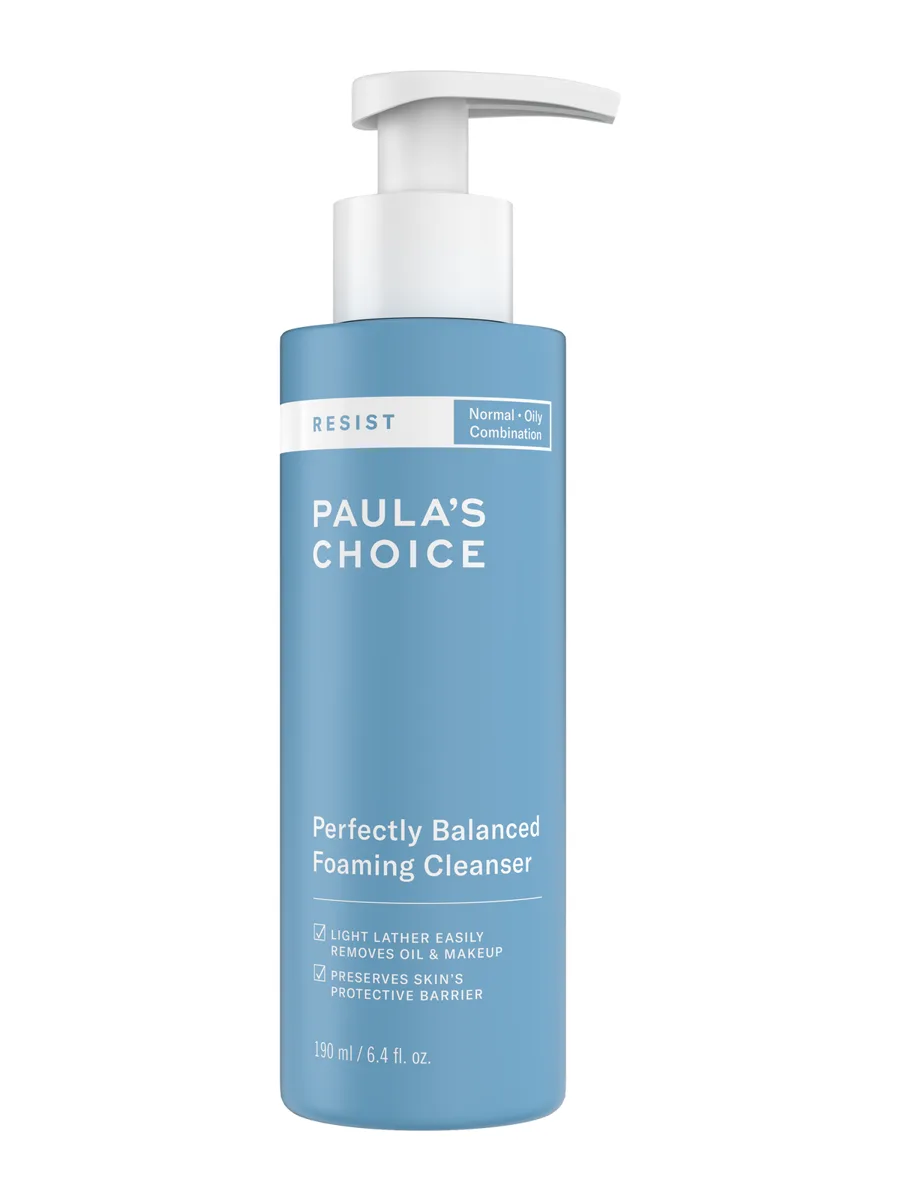
Cream-to-foam cleansers usually pick a side — creamy ones under-cleanse, foaming ones strip. This one pairs SCI with an amphoteric co-surfactant for a genuinely mild, dense foam, then adds a full skin-identical lipid set — three ceramides, phytosphingosine, cholesterol, phospholipids — and humectants, so it removes a day's sunscreen and makeup and leaves the skin conditioned. That it does so fragrance-free, for a decade, with nearly five thousand reviews, is why it is a benchmark rather than a novelty.
Ignore the anti-aging label and judge it as a cleanser, and it is one of the best everyday foams around: a mild SCI-and-amphoteric surfactant system, a dense cushiony lather, and a skin-identical lipid set that leaves the face soft rather than squeaky. It removes a day's sunscreen and makeup in one go and suits almost every skin type. Twenty-eight dollars is more than a cleanser needs to cost, and that is the only real complaint.
The case for it
Cautions: fungal-acne triggers.
What would change this: A researched evidence row for the lead active would replace this with a verdict.
Same rule for everyone. “Supporting role” is the verdict on 8,197 of 45,024 concern verdicts across the catalog; rule R8 decided 4,250 of them. As of September 25, 2026, engine 5.1.1.
Brand or formulator? Disclose a concentration or correct a fact →
The case for it
Cautions: a stronger surfactant system.
What would change this: The same active in a leave-on form would be judged on its evidence rather than its contact time.
Same rule for everyone. “Supporting role” is the verdict on 8,197 of 45,024 concern verdicts across the catalog; rule R6 decided 2,017 of them. As of September 25, 2026, engine 5.1.1.
Brand or formulator? Disclose a concentration or correct a fact →
The studies behind the evidence row
Also listed for Large Pores and Aging — the actives here (Hyaluronic Acid, Sodium Cocoyl Isethionate (SCI) are in our research queue for those concerns; there is no verdict until their evidence rows are written. That is a gap in our table, not a mark against the product.
Does the jobDoes what a cleanser is for: puts something back, surfactant mildness. Not measured from the label: pH match to skin.
A verdict is DermApproved’s assessment of how well a product’s ingredients fit a concern — never a claim about what the product treats. Evidence dots and collected reviews sit beside it and are never blended in. Rules 0.5.1 · evidence table ev-2026.09-r228 · how we decide
'Anti-aging cleanser' is one of skincare's small absurdities. Nothing you rinse off in thirty seconds is going to touch a wrinkle, and Paula's Choice — a brand that built its reputation on saying such things out loud — knows it. So the RESIST label on this cleanser is best read as a statement about the line it belongs to rather than a promise about the bottle. What the bottle actually promises is subtler and, for anyone over thirty, more useful: it will clean your face without doing the kind of damage that makes skin look older. Harsh cleansing strips barrier lipids, raises water loss and leaves skin tight, dull and more prone to the fine dehydration lines that pass for ageing in a bathroom mirror. A cleanser that avoids all that, twice a day for years, is doing more for a face than most serums. That is the case for this product, and it makes it well.
The formula reads like a brief for gentle-but-thorough. Sodium cocoyl isethionate is the second ingredient — the mild syndet that dermatology has trusted for decades — paired with sodium lauroamphoacetate, an amphoteric surfactant that lowers the irritation potential of the mix and builds a creamy, cushioned foam. Stearic acid, glycol distearate and sunflower oil give the cream its pearlescent, lotion-thick body and leave a whisper of conditioning behind. Then, in the top half of a rinse-off product, a full skin-identical lipid set: ceramides NP, AP and EOP, phytosphingosine, phospholipids, sphingolipids, lecithin and cholesterol, plus glycerin, sodium hyaluronate and aloe. Contact time is short and most of it goes down the drain, but the design intent is clear and the after-feel bears it out. No fragrance, no essential oils, no sulfates; a preservative system built on phenoxyethanol, chlorphenesin and the benzoic and sorbic acids.
In the hand it is a thick white cream; on a wet face it turns, within a second or two of working, into a dense mousse that feels more like whipped cream than bubbles. One pump does a morning wash, two do a full face of makeup, and it rinses clean without the slippery film that some ceramide cleansers leave or the squeak that SCI-only foams produce. It handles a day's chemical sunscreen and light-to-medium makeup in one pass and is comfortable over the eye area, which is unusual for a foam; waterproof mascara and long-wear foundation are better tackled with a balm first, as with almost any second cleanser. Skin afterward is soft, not tight, and ready for toner. It is a cleanser you stop noticing, which is the highest compliment a cleanser can earn.
Who it suits is nearly everyone, and that breadth is its strength. Normal, combination and oily skin can use it morning and night year-round. Dry and mature skin can use it too — the lipids and the mild surfactant pair are why — though the very driest faces may still prefer a cream wash in winter. Sensitive skin tolerates it well, though anyone with an active eczema or rosacea flare would be better served by the brand's gentler CALM cleanser. The one group that should look elsewhere is fungal-acne-prone skin: stearic and coconut acids, sunflower oil, lecithin, phospholipids and a lactylate ester are all on the Malassezia-avoid lists, and although rinsing lowers the risk, a simpler gel is the safer bet.
The things it will not do are worth stating plainly, because the marketing gestures at them. It will not refine pores in any active sense — there is no salicylic acid or enzyme — though clean, unstripped skin does keep pores looking clearer over time. It will not deliver ceramides to the barrier in any meaningful quantity; they are a courtesy that makes the wash kinder, not a treatment. And it will not do anything about wrinkles, redness or tone beyond not making them worse. None of that is a criticism of the product; it is a description of what cleansers are.
The price is the honest sticking point. Twenty-eight dollars for 190ml from the brand's site is a lot for a daily cleanser, even a very good one, and Amazon pricing swings widely — sometimes well under the brand, sometimes over. A bottle lasts three to four months at a pump twice a day, so the running cost is around eight dollars a month, which is tolerable; and the pump, thick cream and generous foam mean little is wasted. Against the price stand a decade on sale without reformulation, nearly five thousand Amazon ratings at a 4.5 average, and a brand with thirty years of fragrance-free, ingredient-transparent formulation behind it. You are paying for reliability and a well-chosen surfactant system, not for the RESIST name.
So: for anyone who wants a single gentle foaming cleanser that removes a normal day thoroughly, never stings, never strips, and works across skin types and seasons, this is an easy, durable recommendation and a product many people repurchase for years. For fungal-acne-prone skin, for anyone who needs a cleanser to remove heavy makeup alone, and for anyone unwilling to pay nearly thirty dollars for a face wash, better-matched options exist — including elsewhere in the brand's own range.
The hero actives that drive this product's performance.
| Ingredient | Function | Evidence |
|---|---|---|
| Sodium Cocoyl Isethionate + Sodium Lauroamphoacetate | The surfactant pair that defines this cleanser — SCI, the mild syndet, second on the list, with an amphoteric co-surfactant that blunts its irritation potential further and builds the dense, creamy foam. This combination is why a cleanser that removes sunscreen and makeup in one pass can still be run over the eye area without stinging. | Not yet assessed |
| Stearic Acid + Glycol Distearate + Sunflower Seed Oil | The 'cream' half of the cream-to-foam texture: stearic acid and glycol distearate give the pearlescent, lotion-like body and opacity, and sunflower oil deposits a whisper of linoleic acid as the foam rinses, so skin is left conditioned rather than squeaky. It is a deliberately richer base than a gel cleanser for oily skin would use. | Not yet assessed |
| Ceramides NP, AP, EOP + Phytosphingosine + Cholesterol + Phospholipids | A full skin-identical lipid set in a rinse-off product — three ceramides, a precursor, cholesterol and phospholipids — placed in the top half of the list. Contact time is short, so their effect is limited, but they are the reason the brand can describe the cleanser as barrier-respecting, and the foam does leave skin feeling less stripped than an SCI wash without them. | Not yet assessed |
| Sodium Hyaluronate + Glycerin + Aloe Leaf Extract | Humectants and a soothing extract that sit in the foam to counter the drying pull of the surfactants — glycerin at position five is the one doing measurable work, while the hyaluronate and aloe are conditioning gestures that survive rinsing only in trace amounts. | Established mechanism for Dehydration · established mechanism |
Ingredient standings describe the active at treatment-level doses and vehicles; this product's own condition grades weigh its actual formula.
Water (Aqua/Eau), Sodium Cocoyl Isethionate, Sodium Lauroamphoacetate, Stearic Acid, Glycerin, Glycol Distearate, Helianthus Annuus (Sunflower) Seed Oil, Coconut Acid, Acrylates Copolymer, Cetyl Alcohol, Stearyl Alcohol, Sodium Hyaluronate, Ceramide NP, Ceramide AP, Ceramide EOP, Phytosphingosine, Phospholipids, Sphingolipids, Lecithin, Arginine, Cholesterol, Aloe Barbadensis Leaf Extract, Sodium Chloride, Disodium EDTA, Sodium Hydroxide, Sodium Lauroyl Lactylate, Xanthan Gum, Hexylene Glycol, Carbomer, Pentylene Glycol, Sodium Citrate, P-Anisic Acid, Tocopherol, Sodium Isethionate, Sodium Glycolate, Arachidyl Alcohol, Myristyl Alcohol, Behenyl Alcohol, Lauryl Alcohol, Chlorphenesin, Ethylhexylglycerin, Caprylyl Glycol, Benzoic Acid, Sorbic Acid, Phenoxyethanol
cleanser
AM & PM
Use it as the single cleanse in the morning and as the second step after an oil or balm at night if you wear heavy makeup or a mineral sunscreen; on its own it handles a normal day's SPF and light makeup. One to two pumps is enough. Follow straight away with toner and your exfoliant — nothing in it interferes with acids or retinoids.
Skin is clean, soft and not tight from the first wash. There is no treatment effect to wait for; the 'pore-refining' language reflects thorough, non-stripping cleansing that keeps pores clearer over weeks rather than any active ingredient, and the ceramide-lipid content shows up as a lack of dryness rather than a visible change.
The evidence that matters for a cleanser is about what it takes off the skin besides dirt, and this formula is designed around that question. Sodium cocoyl isethionate's mildness is unusually well documented: a 2007 study in the Journal of Cosmetic Science showed that its micelles are large relative to the aqueous pores of the stratum corneum, so far less surfactant penetrates and disrupts the barrier than with small-micelle detergents such as sodium lauryl sulfate. Pairing an anionic surfactant like SCI with an amphoteric one — here sodium lauroamphoacetate — is the other classic mildness strategy, because mixed micelles are more stable and less prone to shedding the free surfactant monomers that irritate skin. A 2012 review in Dermatology Research and Practice on cleansing formulations that respect barrier integrity summarised exactly this toolkit: mild primary surfactants, amphoteric co-surfactants, added lipids and humectants, and a pH close to the skin's own, as the way to clean without raising transepidermal water loss.
The lipid content follows the same logic. Ceramides NP, AP and EOP, phytosphingosine, cholesterol and phospholipids are present at low doses in a rinse-off product, and no cleanser deposits enough of them to rebuild a barrier; their contribution is to reduce the net lipid loss of the wash and improve the after-feel, which is a legitimate though modest benefit. Glycerin at position five does measurable work as a humectant in the foam, and sunflower oil leaves a trace of linoleic acid behind.
What the formula does not contain is any active with a treatment effect — no salicylic acid, no enzyme, no retinoid — so the brand's pore-refining and anti-aging framing rests on the indirect benefit of not damaging the skin rather than on any direct mechanism. That is a real benefit, supported by the surfactant literature, but it is the same benefit any well-made mild cleanser provides.
The clinical view of cleansers is simple: the best one is the mildest that still gets the job done, because cumulative surfactant damage — raised transepidermal water loss, lipid depletion, a disrupted acid mantle — is a common and underappreciated cause of the dryness, sensitivity and dull texture patients bring to clinic. This product's surfactant system, a syndet with an amphoteric co-surfactant and added lipids, is the kind routinely recommended as a daily wash for normal to oily skin and for patients on retinoids or acne treatments, where a harsh cleanser is often what tips a regimen into intolerable dryness. It is fragrance-free and free of essential oils, so contact allergy is unlikely; the preservative system is conventional. The counselling points are modest. The anti-aging and pore-refining language should be understood as describing the absence of harm rather than any treatment effect. Patients with Malassezia folliculitis may be better served by a fatty-acid-free gel cleanser. And patients with active eczema or rosacea flares generally do better with a non-foaming cream or lotion cleanser until the flare settles, returning to a foam like this afterward.
Wet the face with lukewarm water, dispense one pump into the palms — two for a full face of makeup — and massage it over the face and, if you like, the closed eye area in gentle circles for twenty to thirty seconds, letting the cream build into its dense foam. Rinse thoroughly and pat dry. In the morning this is the only cleanse needed; at night, use a cleansing balm or oil first on heavy-makeup or mineral-sunscreen days and follow with this, or repeat the foam with a soft, damp washcloth as the brand suggests. Go straight on to toner, exfoliant or serum — it leaves no residue to interfere with actives. Store the pump bottle upright out of direct sun and use within twelve months of opening.
Twenty-eight dollars for 190ml on the brand's site places this among the pricier daily cleansers, and the price has risen in recent years; Amazon listings are erratic and worth checking, and a one-ounce travel size is sold for trialling. At one pump twice a day a bottle lasts three to four months, roughly eight dollars a month, and the concentrated cream wastes little. What justifies the premium over a drugstore syndet is the amphoteric-plus-SCI surfactant design, the lipid-and-humectant base and a decade of consistency, backed by a brand with thirty years of fragrance-free formulation and nearly five thousand Amazon ratings. What does not justify it is the RESIST branding, which adds nothing a cleanser can deliver. Fair value for anyone who wants one reliable gentle foam for years; if the budget matters more than the finish, a plainer SCI cleanser gets most of the way there.
Normal, combination and oily skin that wants one gentle, thorough daily foam for years, and anyone on retinoids, acids or acne treatments who needs a cleanser that will not add to the dryness. Dry and mature skin that dislikes cream washes but finds most foams stripping will also get on well with it.
Fungal-acne-prone skin, because of the fatty acids, lecithin and phospholipids. Anyone with an active eczema or rosacea flare should use a non-foaming cleanser until it settles, and anyone expecting a cleanser to treat wrinkles or pores, or unwilling to pay close to thirty dollars for a face wash, should look elsewhere.
Ready to try Paula's Choice RESIST Perfectly Balanced Foaming Cleanser?
Buy at Amazon ♥A pearlescent, lotion-thick white cream that turns into a dense, cushiony foam the moment it meets water — more mousse than bubbles — and rinses clean without a slippery film or a squeaky afterfeel.
Fragrance-free; a faint clean, soapy-neutral smell in the hand that leaves no trace on the skin.
A 190ml light-blue plastic bottle with a white lockable pump that dispenses a measured dose of the thick cream; a 1 oz travel tube is also sold. The pump can slow when the formula thickens in cold bathrooms.
It feels like a cream in the hand and a foam on the face, which surprises people on the first wash — and the second surprise is that skin feels soft, not tight, afterward. No sting around the eyes, no scent, and no adjustment period; it is a cleanser that gets out of the way.
About three to four months at one pump twice a day; two pumps for a full face of makeup shortens that to around two and a half.
All Year
Paula's Choice introduced the RESIST Perfectly Balanced Foaming Cleanser in the early-to-mid 2010s as the cleanser for its RESIST anti-aging line, aimed at normal to oily skin that was ageing and did not want a heavy cream wash. The 'anti-aging' label was always more about the line than the formula — a cleanser cannot treat wrinkles — but the choice of a barrier-friendly surfactant system and ceramide-cholesterol lipids reflected founder Paula Begoun's long-standing argument that harsh cleansing accelerates visible ageing, and the product has changed little since.
Paula's Choice has formulated fragrance-free, research-referenced skincare since 1995 under founder Paula Begoun, and its RESIST line — launched in the early 2010s — is the brand's anti-aging range for normal to oily skin. This cleanser has been on sale for roughly a decade with thousands of retail reviews; the brand cites ingredient literature rather than product-specific clinical trials.
An 'anti-aging' cleanser does something for wrinkles.
No rinse-off product can. The anti-aging value of this cleanser is entirely indirect: a mild surfactant system and a lipid-and-humectant base that avoid the barrier damage and dryness which make lines more visible. Judge it as a gentle, effective cleanser and the label stops mattering.
Foaming cleansers are always drying, so a foam must be wrong for anyone over thirty.
Foam is a property of the surfactant, not a measure of harshness. Sodium cocoyl isethionate and sodium lauroamphoacetate produce a rich foam while removing far fewer skin lipids than sulfates or soap, and the ceramides, cholesterol and glycerin in this formula further offset the wash — which is why dry and mature skin can use it without tightness.
A normal day's sunscreen and light-to-medium makeup, yes, in one pass — the brand says it can be used over the eye area too. Waterproof mascara and full-coverage, long-wear foundation are better handled by an oil or balm cleanser first, with this as the second step.
Both are gentle foaming cleansers for combination and oily skin. The RESIST version is a richer cream-to-foam with ceramides, cholesterol, phospholipids and sunflower oil, designed for ageing skin that still gets oily. The Skin Balancing cleanser is a lighter gel-to-foam aimed more squarely at oil control and blemish-prone skin.
Generally, yes: fragrance-free, no essential oils, a mild SCI-and-amphoteric surfactant system and soothing aloe. It is not the very gentlest option for skin with active eczema or rosacea flares — the brand's CALM cleanser is milder still — but most sensitive skin tolerates it well.
No. It contains stearic acid, coconut acid, sunflower oil, lecithin, phospholipids and sodium lauroyl lactylate — all ingredients on the usual Malassezia-avoid lists. Because it is rinsed off the risk is lower than with a leave-on product, but fungal-acne-prone users usually do better with a simpler gel cleanser.
One pump for a morning wash or a light day; two for a full face of makeup. The cream is concentrated and foams generously once it hits wet skin, so more than that just wastes product and rinses longer.
Yes — it is the brand's own recommended first step before the RESIST retinol and BHA products. It leaves no residue that would interfere with actives, and its lipid content helps keep skin that is on retinoids or acids from drying out.
Recurring themes our editors read across retailer reviews of this product — summaries in our words, not quotations, and not a substitute for your own patch test.
Removes makeup and sunscreen without leaving skin tight
Rich, creamy foam — a small amount goes a long way
Gentle enough for the eye area and reactive skin
Many users have repurchased for years
Pricey for a daily cleanser at nearly thirty dollars
Struggles with waterproof mascara and very heavy makeup
Not fungal-acne safe because of the fatty acids and lecithin
Pump occasionally clogs with the thick formula