


Homemade Sunscreen Fails for a Reason You Cannot Fix in a Kitchen
Every other DIY mistake announces itself. This one stays silent for eight hours, and the equipment that would prevent it does not fit on a countertop.
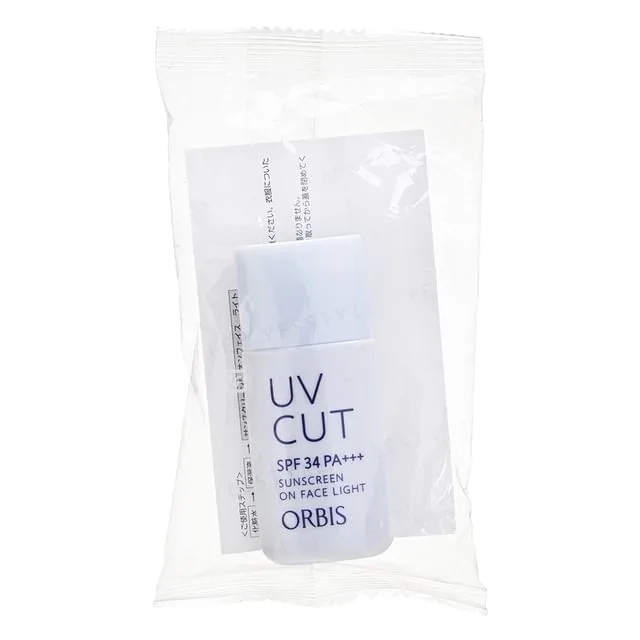
Mineral sunscreens almost always skew dewy or thick; this one uses a silicone-and-silica base to deliver a genuinely matte, shine-controlling finish while staying fully fragrance-free and oil-free. It's a mineral SPF built specifically for oily Japanese skin preferences, a rare combination.
A rare matte, fully mineral daily face sunscreen built for oily skin, fragrance-free, light, and minimal on white cast thanks to a clever silicone-silica base. The trade-offs are honest ones: a modest SPF34, a drying ethanol base, and import markups that make a 28ml tube feel pricey abroad.
International reviews for this sunscreen are limited (around 150 on the main overseas retailer), as it sells mostly within Japan, so the assessment rests substantially on ingredient analysis and the straightforward, fully mineral filter system rather than a large Western feedback pool. Pricing varies widely by importer, and the value judgment here reflects typical grey-market listings rather than the lower domestic-Japan price available through official channels.
The case for it
Same rule for everyone. “Full protection” is the verdict on 2,288 of 45,024 concern verdicts across the catalog; rule P1 decided 2,232 of them. Unchanged since September 5, 2026, engine 5.1.1.
Brand or formulator? Disclose a concentration or correct a fact →
The studies behind the evidence row
The case for it
What would change this: Removing the trigger named above would let the actives be judged on their own.
Same rule for everyone. “Avoid” is the verdict on 1,909 of 45,024 concern verdicts across the catalog; rule F1 decided 605 of them. Unchanged since September 5, 2026, engine 5.1.1.
Brand or formulator? Disclose a concentration or correct a fact →
Also listed for Excess Oiliness — the actives here (Titanium Dioxide, Zinc Oxide, Silica, Rosemary) are in our research queue for that concern; there is no verdict until their evidence rows are written. That is a gap in our table, not a mark against the product.
Does the jobDoes what a sunscreen is for: UVA coverage, kind to the skin wearing it. Not measured from the label: pleasant enough to actually use.
A verdict is DermApproved’s assessment of how well a product’s ingredients fit a concern — never a claim about what the product treats. Evidence dots and collected reviews sit beside it and are never blended in. Rules 0.5.1 · evidence table ev-2026.09-r228 · how we decide
Mineral sunscreens have a well-earned reputation that this one quietly sets out to overturn. The standard complaints, that physical filters feel thick, look chalky, and leave skin greasy or dewy, are exactly the problems oily-skinned users dread most, which is why so many of them reach for chemical sunscreens instead. ORBIS's UV Cut Sunscreen On Face Light is an attempt to build a mineral sunscreen that an oily-skinned person would actually choose, and on its central promise, a genuinely matte finish, it largely delivers.
The protection comes entirely from titanium dioxide and zinc oxide, with no chemical filters at all. That makes it a clean pick for anyone who prefers or needs physical sunscreens, whether for sensitivity, pregnancy, or simple preference. Zinc oxide handles the broadest spectrum and brings a mildly calming, oil-absorbing quality, while titanium dioxide reinforces the UVB and shorter-UVA range. The rating lands at SPF34 PA+++, which is worth being clear-eyed about: it's a solid everyday number for commuting, errands, and incidental sun, but it's not the SPF50+ PA++++ you'd want for a beach day or extended time outdoors. ORBIS positions this as a daily face sunscreen, and judged on that basis the SPF is reasonable, if not class-leading.
What genuinely distinguishes it is the finish. Where most mineral sunscreens settle dewy or tacky, this one uses a silicone-and-silica base to set down dry and matte. The silica complex soaks up surface oil and diffuses shine, so the sunscreen finishes with an almost powdery touch that oily and combination skin will appreciate, and that makes a tidy, shine-controlled base under makeup. ORBIS also addressed the white-cast problem thoughtfully: a small amount of iron oxides and mica offsets the lightening pull of the minerals, so on light to medium skin it reads fairly skin-true. Deeper skin tones may still notice some lift, as is common with physical filters, so it's worth swatching.
True to the ORBIS philosophy, the formula is fragrance-free and oil-free, with a short, sensible supporting cast: rosemary extract and tocopherol provide antioxidant backup against UV-generated free radicals, and silver oxide lends some antimicrobial function. There's no added fragrance to irritate the eyes or reactive skin, which is a real advantage for a face sunscreen you'll wear daily. Notably, because it's free of the fatty esters that feed malassezia, it's one of the rare sunscreens that's effectively fungal-acne safe, a meaningful plus for that audience.
A few caveats are mostly about the base and the logistics. Ethanol sits fourth on the ingredient list, high up, and it's doing real work, keeping the formula light, fast-drying, and matte. For oily skin that's often a feature, but for dry or dehydrated skin it can feel tightening, and it's the main reason this isn't a great match for those types. Layering a hydrating moisturizer underneath helps, but if your skin runs dry, the companion 'Moist' version of this sunscreen is the better pick. The formula also uses methylparaben, fine for most people but a dealbreaker for the paraben-averse, and the 28ml tube is small, emptying faster than the larger bottles many sunscreens come in.
Then there's price, the recurring theme with Japan-domestic skincare. In Japan this is an inexpensive everyday sunscreen. Reaching other countries through importers, it commonly runs around twenty to twenty-five dollars for that modest 28ml, which is a noticeable premium for an SPF34 daily sunscreen. If you can buy it domestically or through an official channel, the value equation improves considerably; at typical grey-market prices, you're paying as much for the import as for the product.
Weighing it up, this is a well-made, genuinely matte mineral sunscreen that fills a specific and underserved niche: oily, sensitive, or fungal-acne-prone skin that wants physical filters without grease, shine, or fragrance. It won't be the right pick for dry skin, for high-sun activities that demand SPF50+, or for bargain hunters facing steep import costs. But for the oily-skinned mineral-sunscreen seeker who's been frustrated by every dewy, chalky option out there, it's a quietly impressive solution, exactly the kind of thoughtful, narrow-focus product ORBIS has spent decades making.
A couple of practical habits make it work better. Because it's a mineral suspension, give the tube a firm shake before each use so the filters are evenly dispersed; skip that and you risk uneven protection. Reapplication is the perennial sunscreen weak point, and the matte finish here actually helps, a quick re-coat or a powder SPF over makeup blends in without going greasy. Within ORBIS's own range, treat this as the everyday, oily-skin pick: for a beach day or long hours outdoors, the brand's higher-SPF UV Cut Super is the better tool. Matched to its intended job, light daily protection for shine-prone skin, it does exactly what it sets out to and little it doesn't. It's also worth remembering that a sunscreen you enjoy wearing is one you'll actually reapply, and the clean, fragrance-free, non-greasy feel here makes that easier than most mineral options, which is half the battle in real-world sun protection.
The hero actives that drive this product's performance.
| Ingredient | Function | Evidence |
|---|---|---|
| Zinc Oxide | Zinc oxide is the broad-spectrum mineral anchor, covering UVA and UVB and bringing a calming, slightly sebum-absorbing quality that fits this 'Light' version's mattifying brief for oily skin. | Regulator-approved for Sun Damage · limited certainty |
| Titanium Dioxide | Paired with zinc oxide, titanium dioxide reinforces UVB and short-UVA defense; the small amount of mica and iron oxides alongside it helps offset the white cast minerals can leave, keeping the finish closer to skin-true. | Regulator-approved for Sun Damage · limited certainty |
| Silica & Silica Silylate | The silica complex is the engine of the mattifying finish, soaking up surface oil and diffusing shine so the sunscreen sets to a dry, powdery touch rather than the dewy slip of most mineral formulas. | Not yet assessed |
| Rosemary Extract | Rosemary leaf extract works with vitamin E as the antioxidant layer, helping mop up the free radicals UV exposure generates and adding a mild protective dimension beyond the physical filters. | Not yet assessed |
| Tocopherol (Vitamin E) | Natural vitamin E rounds out the antioxidant support and helps stabilize the formula, a sensible companion to the mineral filters in a daily-wear face sunscreen. | Limited for Sun Damage |
Ingredient standings describe the active at treatment-level doses and vehicles; this product's own condition grades weigh its actual formula.
Water, Cyclopentasiloxane, Trisiloxane, Ethanol, Titanium Oxide, Zinc Oxide, Dimethicone, Butylene Glycol, PEG-10 Dimethicone, PEG-9 Polydimethylsiloxyethyl Dimethicone, Sodium Polyacrylate, Hydrous Silica, Aluminum Hydroxide, Calcium Sodium Borosilicate, Silver Oxide, Rosemary Extract, Tocopherol, Trimethoxysilyl Dimethicone, Mica, Tin Oxide, Silica Silylate, Acrylates/Dimethicone Copolymer, Hydrogen Dimethicone, Iron Oxides, Sorbitan Sesquiisostearate, Polyglyceryl-3 Polydimethylsiloxyethyl Dimethicone, Magnesium Sulfate, Methylparaben
sunscreen
AM
Apply as the final morning step over a lightweight moisturizer, smoothing it evenly and letting the silicone-and-silica base set to its matte finish before makeup; because it dries quickly and mattifies, a hydrating layer underneath helps offset the drying ethanol.
Immediate broad-spectrum protection and an instant matte, shine-controlled finish; sun-damage prevention is cumulative and depends entirely on daily, generous reapplication over time.
The protective rationale is straightforward and well-grounded: titanium dioxide and zinc oxide are both broad-spectrum inorganic UV filters, with zinc oxide offering the widest single-filter coverage across UVA and UVB and titanium dioxide adding strong UVB and short-UVA attenuation. Combined, they provide genuine broad-spectrum defense without chemical absorbers, which is the basis for the formula's appeal to sensitive and physical-filter-preferring users. The SPF34 PA+++ rating reflects moderate-to-good UVB protection and good UVA protection, sufficient for daily incidental exposure though below the SPF50+ tier recommended for prolonged sun. The matte finish is achieved through silica and silica silylate, porous particles documented to absorb sebum and diffuse light, a well-established mechanism for shine control. Antioxidant support comes from rosemary (Rosmarinus officinalis) extract and tocopherol; both have evidence for free-radical scavenging, and topical antioxidants are a reasonable adjunct to UV filters since UV exposure generates reactive oxygen species that contribute to photoaging, though antioxidants supplement rather than replace the filters. The iron oxides serve a dual cosmetic and functional role, reducing white cast and contributing modest visible-light attenuation. The main formulation trade-off is the high-ranking ethanol, which aids the light, quick-drying matte texture but can increase transepidermal water loss on dry or compromised skin.
From a clinical standpoint, fully mineral sunscreens like this are frequently suggested for sensitive, reactive, or pregnant patients and for those who prefer to avoid chemical absorbers, and the fragrance-free formulation strengthens that suitability. The matte, oil-absorbing finish makes it a practical recommendation for oily and acne-prone skin that often struggles with greasy sunscreens, and the absence of malassezia-feeding esters is a genuine advantage for patients managing fungal acne. The standard caveats are about adequacy and base: SPF34 is appropriate for everyday incidental sun but a higher SPF is advised for extended outdoor exposure, and the alcohol-forward base may aggravate dryness or barrier dysfunction, so it's better matched to oily than to dry or eczema-prone skin. As always, real-world protection depends heavily on applying a sufficient quantity and reapplying, which clinicians stress more than the label number itself.
Shake the tube well, then apply as the final step of your morning routine over a lightweight moisturizer, using a generous amount, roughly a two-finger length for the face, to reach the labeled SPF. Smooth it evenly and let the silica base set to its matte finish for a minute before makeup. Reapply every couple of hours with sun exposure, ideally with a powder or stick SPF over makeup. If your skin tends dry, layer a hydrating gel or essence underneath to offset the ethanol.
As with most Japan-domestic skincare, value hinges on where you buy. Domestically this is a cheap, sensible daily sunscreen; reaching other markets via importers, it typically costs around twenty to twenty-five dollars for just 28ml, a clear premium for an SPF34 daily formula. The small size also means it runs out faster than larger-bottle competitors, pushing up the real cost-per-use. The formula's strengths, a matte mineral finish and fragrance-free gentleness, are distinctive enough to justify some premium for the right user, but not a steep one. The honest guidance is to seek it at or near its Japanese price through an official channel, where it's good value; at typical grey-market markups, oily-skinned shoppers can find capable matte sunscreens, including higher-SPF options, for less elsewhere.
This is a strong pick for oily, combination, or fungal-acne-prone skin that wants a fragrance-free, fully mineral sunscreen with a genuinely matte, makeup-friendly finish. It also suits sensitive or pregnancy-conscious users who prefer physical filters and don't mind a modest SPF34 for everyday wear.
Dry, dehydrated, or eczema-prone skin should skip it, since the high ethanol content can feel tight and drying. Those needing high protection for prolonged outdoor activity should choose an SPF50+ formula, and anyone avoiding parabens, or facing steep import prices for the small size, may prefer a different daily sunscreen.
Ready to try ORBIS UV Cut Sunscreen On Face Light?
Buy at Amazon ♥A light, milky fluid that spreads thinly and sets fast to a dry, powdery-matte finish, with the slightly slippery initial glide of a silicone-heavy base.
Fragrance-free, with only a faint clean note from the ethanol that flashes off as it dries.
A slim 28ml squeeze tube, compact and travel-friendly; you'll need to shake it before use, as mineral suspensions tend to separate.
It goes on as a thin milky fluid with a brief cooling flash from the alcohol, then sets within a minute to a notably matte, almost powdery finish; there's no scent and minimal white cast, though dry skin may register a slight tightness.
About 1-1.5 months as a daily facial sunscreen at proper application; the small 28ml tube empties faster than larger bottles.
spring summer
ORBIS's suncare grew out of the same 1987 oil-free, fragrance-free philosophy as the rest of its range, aimed at people who found conventional sunscreens greasy or irritating. The 'On Face Light' splits the line for oily skin, prioritizing a matte, makeup-friendly feel where the companion 'Moist' version leans hydrating.
ORBIS, founded in 1987 within Japan's POLA ORBIS group, built its reputation on oil-free, fragrance-free formulations. Its UV Cut suncare line reflects that ethos with fully mineral, fragrance-free filters; the 'Light' version is the brand's mattifying, oily-skin-oriented daily face sunscreen.
Mineral sunscreens are always thick, greasy, and leave a white cast.
This formula counters all three: a silicone-silica base keeps it light and matte, and a touch of iron oxides and mica offsets the white cast, showing that physical filters can be cosmetically elegant when formulated for oily skin.
It's fully mineral (physical), using only titanium dioxide and zinc oxide for broad-spectrum protection with no chemical UV filters. That makes it a gentle option for those who prefer or need physical sunscreens, paired with antioxidant rosemary and vitamin E.
The Light version is mattifying, with a silica-driven dry finish aimed at oily and combination skin, while the Moist version is a more hydrating cream formula for normal to dry skin. Both share the same SPF34 PA+++ fully mineral protection.
Less than most mineral sunscreens. A small amount of iron oxides and mica helps neutralize the white pull of the titanium and zinc, so on light to medium skin it sets fairly skin-true, though deeper tones may still notice slight lightening.
SPF34 is adequate for everyday incidental sun, commuting, errands, indoor light, provided you apply enough and reapply. For prolonged direct sun exposure, a higher SPF50+ sunscreen like ORBIS's own UV Cut Super is the safer choice.
Ethanol sits high in the formula to keep it light, fast-drying, and matte, which suits oily skin but can feel drying on dry or dehydrated skin. Applying a hydrating moisturizer underneath helps balance that effect.
Recurring themes our editors read across retailer reviews of this product — summaries in our words, not quotations, and not a substitute for your own patch test.
Genuinely matte, shine-controlling finish
Fragrance-free and gentle on the eyes
Lightweight, not heavy or greasy
Minimal white cast for a mineral formula
Ethanol base can feel drying
Only SPF34, lower than many daily SPFs
Small 28ml size for the price
Hard to find outside Japan
Verified answers from our questions library — the nuance a product page cannot carry.