


Mandelic Acid: The Gentle AHA Built for Sensitive and Deeper Skin
Its molecule is roughly twice the size of glycolic's — and that single fact is why it's the exfoliating acid dermatologists reach for when irritation could cost you pigment.
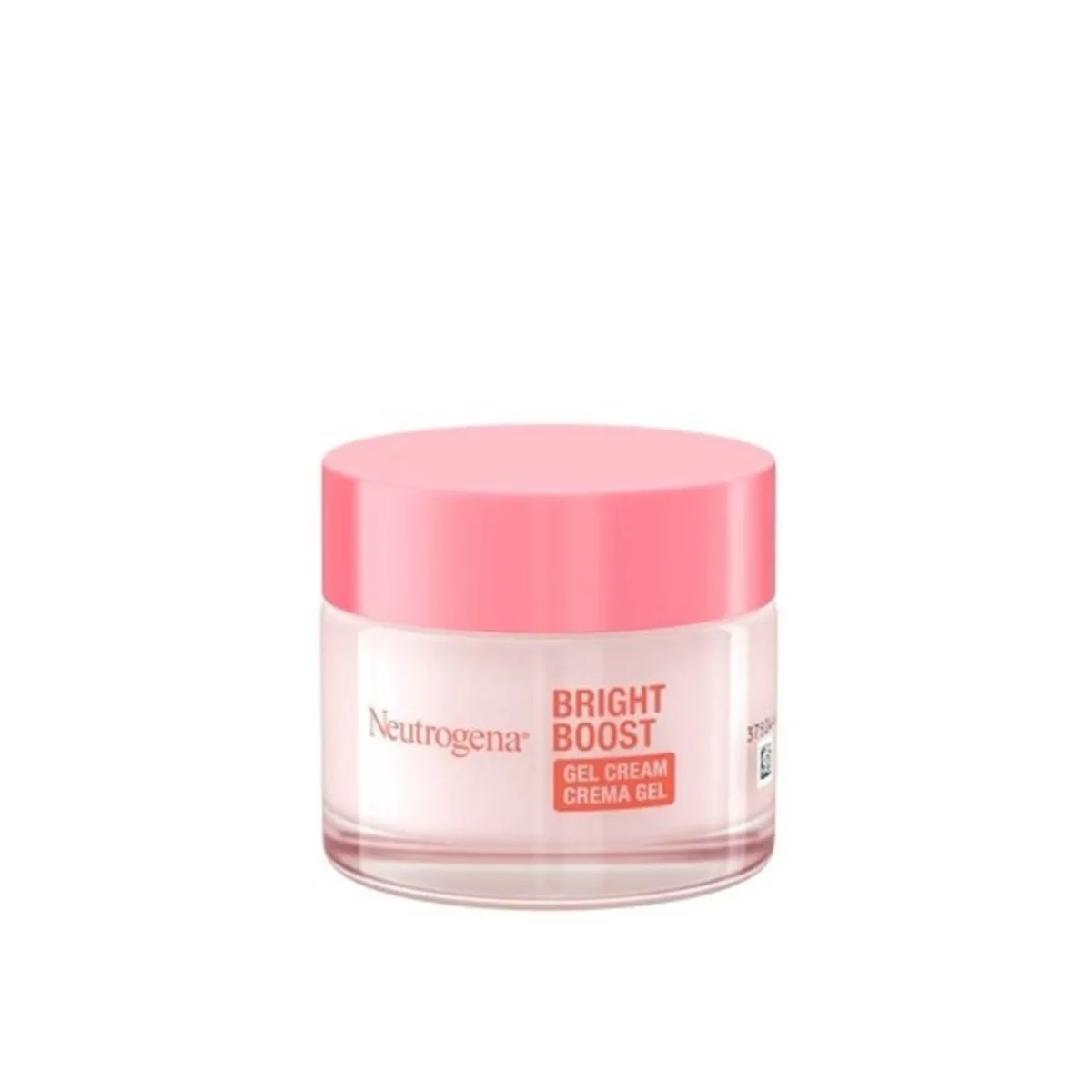
Most brightening moisturizers lean on vitamin C or niacinamide. This gel-cream takes a fundamentally different approach: enzymatic melanin inhibition via Neoglucosamine (acetyl glucosamine) combined with a gentle three-acid exfoliation system — mandelic acid (AHA) and gluconolactone (PHA). The addition of cosmetic optical diffusers (mica, tin oxide) provides instant visible brightening while the actives work on long-term pigmentation correction.
A cleverly formulated brightening gel-cream that attacks dullness from multiple angles — enzymatic melanin inhibition, gentle acid exfoliation, and instant optical brightening. The Neoglucosamine has real clinical backing, and the mandelic acid-gluconolactone pairing is gentler than glycolic alternatives. Discontinued now, which makes its quiet effectiveness all the more frustrating to discover.
The case for it
What would change this: Guideline or regulatory standing for the active on this concern would move this from a promising bet to a recommendation.
Same rule for everyone. “Promising” is the verdict on 7,858 of 45,024 concern verdicts across the catalog; rule R9p decided 7,858 of them. Unchanged since September 5, 2026, engine 5.1.1.
Brand or formulator? Disclose a concentration or correct a fact →
The studies behind the evidence row
The case for it
Cautions: a photosensitising active — use sun protection.
What would change this: A researched evidence row for the lead active would replace this with a verdict.
Same rule for everyone. “Supporting role” is the verdict on 8,197 of 45,024 concern verdicts across the catalog; rule R8 decided 4,250 of them. Unchanged since September 5, 2026, engine 5.1.1.
Brand or formulator? Disclose a concentration or correct a fact →
Also listed for Hyperpigmentation, Dark Spots and Rough Texture — the actives here (Glycerin, Mandelic Acid, Gluconolactone, Acetyl Glucosamine) are in our research queue for those concerns; there is no verdict until their evidence rows are written. That is a gap in our table, not a mark against the product.
Does the jobDoes what a moisturizer is for: draws in water, softens and smooths.
Where our review and the verdict differ. The review below was written on the formulation and the published trials; the verdicts above apply the stricter standing test in our methodology — an active earns a recommendation only with guideline or regulatory standing for the concern. Where the two disagree, the verdict is DermApproved’s position.
A verdict is DermApproved’s assessment of how well a product’s ingredients fit a concern — never a claim about what the product treats. Evidence dots and collected reviews sit beside it and are never blended in. Rules 0.5.1 · evidence table ev-2026.09-r228 · how we decide
In 2019, four female scientists at Neutrogena's research lab looked at their own complexions and recognized the same problem they were seeing in survey data from over a thousand women: dull, uneven skin that made them look tired no matter how rested they were. Two-thirds of millennial women reported the same experience. The Bright Boost line was their answer, and the Gel Moisturizing Face Cream was its centerpiece — a lightweight treatment moisturizer built around an ingredient most consumers have never encountered on a drugstore shelf.
That ingredient is Neoglucosamine, Neutrogena's branded name for N-acetyl glucosamine, an amino sugar that works on hyperpigmentation through a mechanism entirely different from vitamin C or niacinamide. While those ingredients primarily act as antioxidants or melanin transfer inhibitors, acetyl glucosamine directly inhibits tyrosinase — the enzyme that catalyzes melanin production in the first place. Turn down the factory, and the output decreases. It is an elegant approach, and it has genuine science behind it. A double-blind, placebo-controlled trial published in the Journal of Cosmetic Dermatology demonstrated that topical N-acetyl glucosamine reduced visible facial hyperpigmentation over eight weeks. A larger follow-up study in the British Journal of Dermatology involving 202 women confirmed the effect was statistically significant.
But Neutrogena did not stop at one active. The gel-cream formula pairs Neoglucosamine with mandelic acid — an AHA with a larger molecular weight than the glycolic acid found in most exfoliating products. That larger molecule translates to slower, more even skin penetration, which means less of the stinging and uneven irritation that makes glycolic acid products a gamble for anyone without robust skin. Backing up the mandelic acid is gluconolactone, a polyhydroxy acid that published research in Cutis showed delivers antiaging benefits comparable to glycolic acid with significantly less irritation. It is a three-agent exfoliation and brightening system — enzymatic inhibition from Neoglucosamine, AHA resurfacing from mandelic acid, and gentle PHA exfoliation from gluconolactone — that feels genuinely thoughtful rather than thrown together.
The texture is immediately appealing. A translucent gel-cream that feels silky on application thanks to the dimethicone base, absorbing into a non-greasy finish that layers well under sunscreen and makeup. There is a brief tacky phase before full absorption — a common characteristic of gel-cream textures — but it resolves within a minute. The squalane and glycerin provide enough hydration that combination and normal skin types feel adequately moisturized, though dry skin will likely want something richer on top.
Now, about that instant glow. The first time you apply this product and look in the mirror, your skin will look brighter. Immediately. Suspiciously immediately. That is because the formula contains mica, tin oxide, and titanium dioxide — optical diffusers that physically scatter light on the skin surface to create a luminous appearance. It is a cosmetic trick, not a skincare result, and it is the aspect of this product that draws the most polarized reactions. Some users love the instant gratification. Others feel deceived, as if the product is using parlor tricks to make you believe the actives are working faster than they possibly could.
The honest assessment is that it is both things. The optical brightening is real and visible and makes your skin look better right now. The ingredient-driven brightening is also real and takes four to eight weeks. The mica is not replacing the Neoglucosamine — it is bridging the gap while the Neoglucosamine does its work. Whether that feels like smart product design or like cheating probably depends on your relationship with cosmetic elegance in skincare.
The less defensible inclusion is the fragrance — a fruity-floral scent that is noticeable enough to bother the fragrance-averse. In a product containing AHA and PHA exfoliants that are already asking skin to tolerate some chemical activity, adding an undisclosed fragrance mixture is an unnecessary irritation risk. The Red 40 dye is similarly gratuitous — it serves no skincare purpose and is a known sensitizer for a small percentage of users.
The jar packaging is another misstep. Mandelic acid and gluconolactone are pH-dependent actives that can degrade with repeated air exposure. An airless pump would have preserved the formula's efficacy over its lifespan far better than a screw-top jar that gets opened twice daily and exposed to fingers, air, and bathroom humidity.
For what this product does well, though, it does it impressively. The brightening effect — both immediate and long-term — is real and well-documented. Users consistently report smoother texture, more even tone, and a radiant quality to their skin within the first two weeks, with continued improvement over two months. The price point around twenty dollars for a clinically-backed brightening treatment is excellent drugstore value.
The tragic footnote is that Neutrogena has discontinued the entire Bright Boost collection. The official product page now carries the discontinuation notice. Whatever calculus drove that decision — reformulation plans, category consolidation, sales thresholds — it leaves a gap in the drugstore brightening space. The Neoglucosamine-mandelic acid-gluconolactone combination was genuinely novel, backed by real research, and accessible at a price point that made serious brightening ingredients available to everyone.
If you can find remaining stock, it is worth trying. If you cannot, the loss says something about the gap between what is formulated well and what sells well enough to survive.
The hero actives that drive this product's performance.
| Ingredient | Function | Evidence |
|---|---|---|
| Acetyl Glucosamine (Neoglucosamine) | Neutrogena's proprietary brightening active — a non-acid amino sugar that inhibits tyrosinase to reduce melanin production at the source. In this formula, it works alongside mandelic acid and gluconolactone to address hyperpigmentation through both enzymatic inhibition and accelerated surface cell turnover, attacking dullness from two different angles simultaneously. | Not yet assessed |
| Mandelic Acid | An AHA with a larger molecular weight than glycolic acid, providing slower, more even penetration for gentler exfoliation. In this gel-cream, mandelic acid handles the surface-level resurfacing — clearing dead cells and improving texture — while the Neoglucosamine works deeper on melanin production. The larger molecule also gives this formula some antibacterial benefit that glycolic acid does not offer. | Not yet assessed |
| Gluconolactone | A PHA (polyhydroxy acid) that exfoliates while simultaneously functioning as a humectant and antioxidant — a triple role that AHAs cannot match. Published research shows gluconolactone delivers antiaging benefits comparable to glycolic acid with significantly less stinging and irritation, making it the gentlest exfoliant in this three-acid system. | Not yet assessed |
| Squalane | A plant-derived emollient that mimics skin's natural lipids, providing moisture barrier reinforcement without heaviness. In a gel-cream that contains three exfoliating agents, squalane's presence is strategic — it helps maintain hydration and barrier integrity while the acids do their resurfacing work. | Not yet assessed |
| Glycerin | Third on the ingredient list, glycerin serves as the primary humectant drawing water to the skin surface. Works in concert with the gluconolactone (which also has humectant properties) to keep skin hydrated despite the exfoliating acid content — preventing the dryness and tightness that many brightening products cause. | Plausible mechanism for Dullness |
Ingredient standings describe the active at treatment-level doses and vehicles; this product's own condition grades weigh its actual formula.
Water, Dimethicone, Glycerin, Mandelic Acid, Triethyl Citrate, Gluconolactone, Acetyl Glucosamine, Hydroxyethyl Acrylate/Sodium Acryloyldimethyl Taurate Copolymer, Polyacrylate Crosspolymer-6, Butylene Glycol, Squalane, Aluminum Starch Octenylsuccinate, Sodium Hydroxide, Phenoxyethanol, Dimethicone Crosspolymer, Cetearyl Olivate, Dimethiconol, Sorbitan Olivate, Chlorphenesin, Cetearyl Alcohol, Polysorbate 60, Succinoglycan, Coco-Glucoside, Disodium EDTA, Fragrance, Ethylhexylglycerin, Silica, Tin Oxide, Titanium Dioxide, Mica, Red 40 (CI 16035)
moisturizer
AM & PM
Apply as the final skincare step before sunscreen in the AM. Sunscreen is essential with this product due to the AHA content. At night, use as the last step after serums. Avoid layering with other strong AHA/BHA products or retinoids — alternate nights to prevent over-exfoliation.
Immediate optical brightening from light-reflecting particles on first application. Within 1-2 weeks, improved skin texture and a more even tone become noticeable. Full brightening and hyperpigmentation reduction from Neoglucosamine and mandelic acid typically visible after 4-8 weeks of consistent use.
The Neutrogena Bright Boost Gel Cream's brightening strategy centers on three mechanisms: enzymatic melanin inhibition, AHA resurfacing, and PHA exfoliation with humectant properties.
N-acetyl glucosamine (branded as Neoglucosamine) is the most distinctive active. A double-blind, placebo-controlled trial published in the Journal of Cosmetic Dermatology (Bissett et al., 2007) demonstrated that topical 2% N-acetyl glucosamine reduced visible facial hyperpigmentation over eight weeks. The mechanism is tyrosinase inhibition — NAG blocks the glycosylation step that activates protyrosinase, reducing melanin production at the enzymatic level. A larger study published in the British Journal of Dermatology (Kimball et al., 2010) with 202 women confirmed that the combination of 4% niacinamide and 2% NAG was significantly more effective than vehicle control at reducing irregular pigmentation over ten weeks.
Mandelic acid provides the AHA exfoliation component. Its larger molecular weight (152 Da vs glycolic acid's 76 Da) results in slower, more uniform penetration into the stratum corneum. This translates to effective exfoliation with a lower irritation profile — particularly relevant in a leave-on moisturizer that sits on skin for hours.
Gluconolactone contributes as a PHA. A clinical trial published in Cutis (Edison et al., 2004) compared a gluconolactone-based regimen to a glycolic acid regimen over twelve weeks, finding comparable antiaging benefits as measured by silicone replicas, clinical grading, and skin resiliency — but with significantly less stinging, burning, and sensitivity. Gluconolactone also functions as a humectant and chelating antioxidant, making it the most multifunctional exfoliant in the formula.
Dermatologists recognize N-acetyl glucosamine as a legitimate brightening agent with a distinct mechanism of action from more commonly recommended ingredients like vitamin C or hydroquinone. Clinical dermatologists typically agree that the mandelic acid and gluconolactone pairing offers a gentler exfoliation profile than glycolic acid, making this gel-cream a reasonable option for patients seeking brightening without the irritation risk of stronger peels. However, dermatologists working with sensitive-skinned patients would typically prefer a fragrance-free formulation, and the jar packaging raises stability concerns for the pH-dependent acid actives over time.
Apply a dime-sized amount to clean, dry skin morning and evening. In the morning, always follow with SPF 30+ sunscreen — the mandelic acid increases photosensitivity. At night, apply as the final skincare step after any serums. Avoid combining with other AHA/BHA products or retinoids in the same routine — use on alternating nights to prevent over-exfoliation. If new to acid-based products, start with once-daily evening application and build to twice daily over two weeks.
At approximately $20 for 1.7 ounces, the Bright Boost Gel Cream offered solid drugstore value for a brightening moisturizer with clinically-backed actives. The Neoglucosamine, mandelic acid, and gluconolactone represent a meaningful active ingredient investment at this price point — comparable formulations from prestige brands command two to three times the price. The single-size offering and jar packaging are drawbacks, and the discontinuation status means pricing may become erratic as remaining stock clears through secondary retailers.
Anyone with normal, combination, or oily skin dealing with dullness, uneven tone, or early hyperpigmentation who wants a gentle brightening approach at a drugstore price. Especially suited for those who find glycolic acid too harsh but still want active exfoliation in their moisturizer.
Those with sensitive, rosacea-prone, or very dry skin — the acid content and fragrance create unnecessary risk. It is similarly a skip if you strongly prefer fragrance-free products or are bothered by cosmetic shimmer particles in skincare. Since this product is discontinued, skip if you need a long-term staple you can reliably repurchase.
Ready to try Neutrogena Bright Boost Gel Moisturizing Face Cream?
Buy at Amazon ♥A lightweight, translucent gel-cream with a smooth, silicone-soft consistency. Melts into skin quickly with a brief tacky phase before fully absorbing. The mica and tin oxide particles give it a subtle luminosity in the jar.
Light fruity-floral fragrance — noticeable upon application but fades within a few minutes. Polarizing among users: some find it pleasant, others find it artificial and too strong for a facial product.
Standard plastic jar with screw-top lid. Not an airless pump, which is suboptimal for the acid actives that can degrade with repeated air exposure. Functional drugstore packaging without luxury touches.
On first application, expect an immediate optical brightening effect — the light-reflecting mica and tin oxide particles create a subtle glow that is visible in the mirror right away. The gel-cream feels lightweight and silky with a brief tacky phase. No stinging or tingling for most users, though those with very sensitive skin may feel a mild warmth from the mandelic acid. The fragrance is noticeable but dissipates quickly.
Roughly 2-3 months applied morning and evening to the face
All Year
Neutrogena launched Bright Boost in September 2019 after surveying over 1,100 US women and finding that 66% of millennial women noticed their skin becoming duller. The line was created by four female millennial scientists at the company who experienced the same concern firsthand and wanted to develop a gentle exfoliation approach that avoided the harshness of traditional glycolic acid peels. The entire Bright Boost collection has since been discontinued.
Neutrogena was founded in 1930 and has been one of the most widely recommended drugstore skincare brands by dermatologists in the United States. Now under Kenvue, the brand holds extensive clinical data and the Bright Boost line was developed by an in-house team of scientists with published research on its key active, Neoglucosamine.
The instant glow means the product is actively brightening your skin right away.
The immediate brightening effect is largely cosmetic — caused by light-reflecting mica, tin oxide, and titanium dioxide particles that optically diffuse light on the skin surface. The real skincare brightening from Neoglucosamine's tyrosinase inhibition and mandelic acid's exfoliation takes 4-8 weeks of consistent use.
Neoglucosamine is just a marketing name for a basic sugar with no real evidence.
N-acetyl glucosamine (Neoglucosamine's INCI name) has multiple published clinical studies demonstrating its ability to inhibit tyrosinase activation and reduce visible hyperpigmentation, including a 2007 double-blind placebo-controlled trial in the Journal of Cosmetic Dermatology and a 2010 study in the British Journal of Dermatology.
This product is too gentle to actually exfoliate because it uses mandelic acid instead of glycolic acid.
Mandelic acid's larger molecular size means slower, more uniform penetration — not weaker exfoliation. Combined with gluconolactone (PHA), this formula provides effective resurfacing. Clinical research shows PHA regimens deliver antiaging benefits comparable to glycolic acid with significantly less stinging and irritation.
Yes — Neutrogena has officially discontinued the entire Bright Boost collection. Remaining stock may still be available through some retailers and Amazon, but it is no longer being manufactured. If you currently use and love this product, now is the time to stock up on remaining inventory.
Both. The mica and tin oxide particles provide an immediate cosmetic glow by reflecting light on the skin surface. The real skincare brightening comes from Neoglucosamine (which inhibits melanin production) and mandelic acid (which exfoliates dead cells to reveal brighter skin underneath). The optical effect is instant; the ingredient-driven brightening takes 4-8 weeks.
Yes, but not at the same time. This gel-cream contains mandelic acid (AHA) and gluconolactone (PHA), which combined with retinol could cause over-exfoliation and irritation. Use the Bright Boost on alternating nights from your retinol product, and always apply sunscreen in the morning when using either.
Yes — the Neoglucosamine (acetyl glucosamine) in this formula is clinically shown to reduce visible hyperpigmentation by inhibiting tyrosinase, the enzyme that drives melanin production. Combined with mandelic acid's exfoliating action to clear pigmented surface cells, this dual approach targets dark spots from both production and removal angles. Expect visible results after 4-8 weeks.
Absolutely — the mandelic acid (AHA) in this gel-cream increases photosensitivity, making your skin more vulnerable to UV damage. Using this product without daily SPF 30+ sunscreen would be counterproductive, as UV exposure is the primary driver of the hyperpigmentation and dullness this product is designed to treat.
Recurring themes our editors read across retailer reviews of this product — summaries in our words, not quotations, and not a substitute for your own patch test.
Lightweight gel-cream texture absorbs quickly without heaviness
Skin looks noticeably brighter and more even within the first week
Instant glow effect makes skin look radiant immediately after application
Effective at smoothing rough texture and reducing dullness
Affordable drugstore price for active brightening ingredients
Contains a noticeable fragrance that some find too strong or artificial
Cosmetic shimmer particles (mica, tin oxide) feel like a gimmick rather than real skincare
Can feel slightly tacky before fully absorbing into skin
Not moisturizing enough for dry skin types — may need layering
Some users with sensitive skin experienced irritation from the acid content
Product has been discontinued — limited remaining availability
Verified answers from our questions library — the nuance a product page cannot carry.