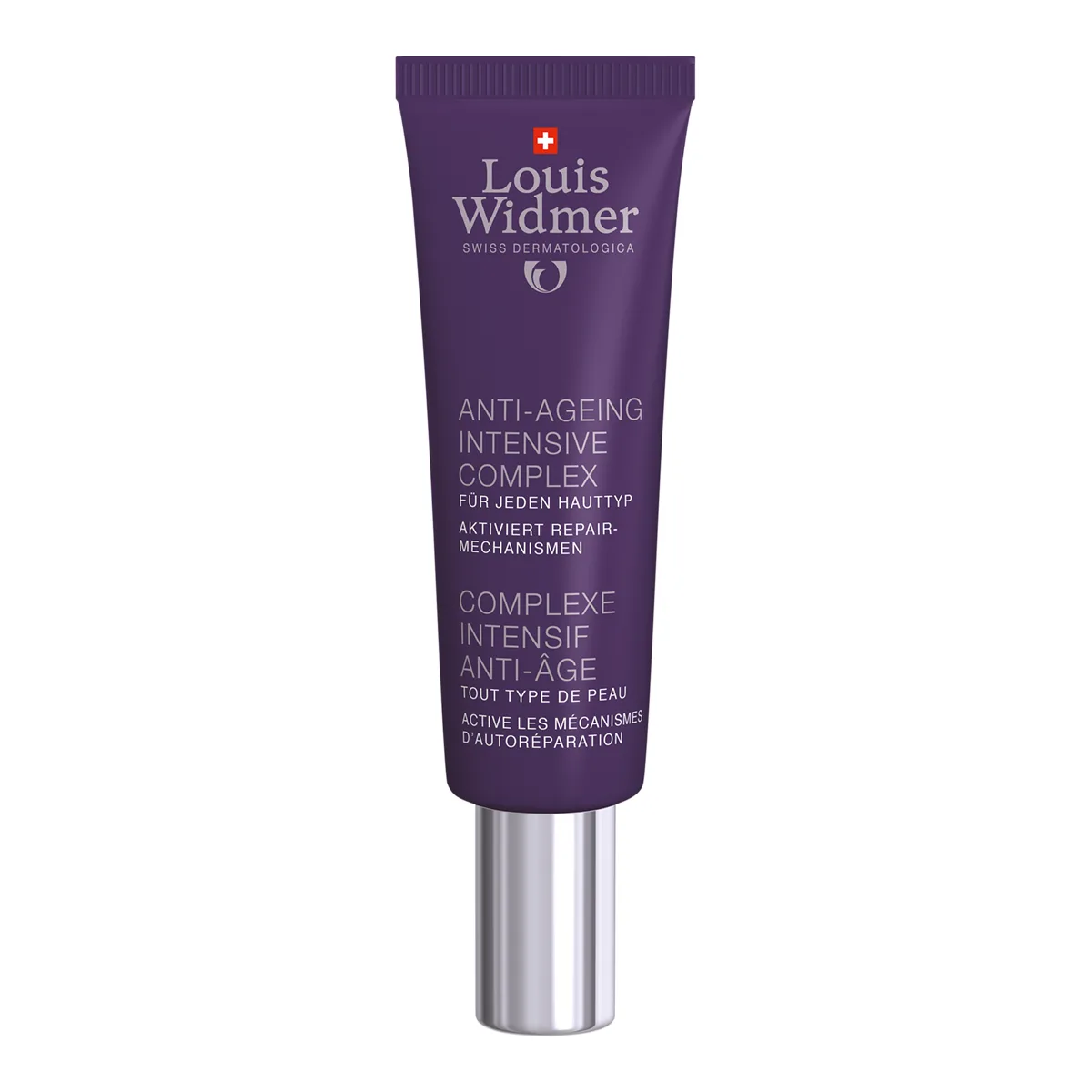
It builds an anti-aging concentrate around the genuinely-evidenced antioxidant trio of pure vitamin C, green tea catechins and vitamin E, in a water-in-oil base that helps keep the ascorbic acid stable — and offers a fragrance-free version. The caveats are the scented default, a rich texture for oily skin, and a premium price for a small tube.
A well-formulated antioxidant anti-aging concentrate that pairs pure vitamin C with green tea catechins and vitamin E — a genuinely complementary, evidence-backed trio — in a water-in-oil base that helps keep the vitamin C stable. It smooths and brightens gradually. The caveats are a scented default (a fragrance-free version exists), a rich texture for oily skin, and a premium price for a small tube.
Promisingfor AgingIn your profileYou chose · Vitamin C has trial-level evidence for aging but no guideline or regulatory standing yet — promising, short of a recommendation; the other actives here are not yet assessed for it.Moderate evidenceStandard tolerabilityNo reviews collected yet
The case for it
Vitamin C has trial-level evidence for this concern but no guideline or regulatory standing yet.
It is plausibly present at a working level, though the concentration is not declared.
The formula carries no trigger this concern is sensitive to, with the cautions noted.
What would change this: A declared concentration would move this to a firmer reading of the dose.
Same rule for everyone. “Promising” is the verdict on 7,858 of 45,024 concern verdicts across the catalog; rule R9p decided 7,858 of them.
Unchanged since September 5, 2026, engine 5.1.1.
R9p — 0.5.0: 'Unproven' beside three filled dots read as one question answered twice with opposite words (7,018 rows). The chip measures standing, the dots measure trial volume; where the row carries at least one RCT or a tier-2 source (moderate dots) and the active is present at a working level, the honest word is Promising. Unproven is reserved for plausible-standing rows with limited or weak evidence, or an under-dosed form. Same rank as Unproven — a bet either way; the dots order them. · the full register
Carrying active
Vitamin C
Standing
plausible — trials support it
Form
plausible — studied range 5%, from the trials on the row; needs leave-on contact; judge it after ~12 weeks
Tolerability
standard
Row checked
against its sources on July 17, 2026 (evidence table ev-2026.09-r228)
Promisingfor Sun DamageIn your profileYou chose · Vitamin C has trial-level evidence for sun damage but no guideline or regulatory standing yet — promising, short of a recommendation; the other actives here are not yet assessed for it.Moderate evidenceStandard tolerabilityNo reviews collected yet
The case for it
Vitamin C has trial-level evidence for this concern but no guideline or regulatory standing yet.
It is plausibly present at a working level, though the concentration is not declared.
The formula carries no trigger this concern is sensitive to, with the cautions noted.
What would change this: A declared concentration would move this to a firmer reading of the dose.
Same rule for everyone. “Promising” is the verdict on 7,858 of 45,024 concern verdicts across the catalog; rule R9p decided 7,858 of them.
Unchanged since September 5, 2026, engine 5.1.1.
R9p — 0.5.0: 'Unproven' beside three filled dots read as one question answered twice with opposite words (7,018 rows). The chip measures standing, the dots measure trial volume; where the row carries at least one RCT or a tier-2 source (moderate dots) and the active is present at a working level, the honest word is Promising. Unproven is reserved for plausible-standing rows with limited or weak evidence, or an under-dosed form. Same rank as Unproven — a bet either way; the dots order them. · the full register
Carrying active
Vitamin C
Standing
plausible — trials support it
Form
plausible
Tolerability
standard
Row checked
against its sources on July 17, 2026 (evidence table ev-2026.09-r228)
The studies behind the evidence row
Use of topical ascorbic acid and its effects on photodamaged skin topography — Archives of Otolaryngology–Head & Neck Surgery — PubMed type includes 'Randomized Controlled Trial'; n=19 evaluable; active AND vehicle supplied by Cellex-C International; private facial plastic surgery practice (1999), opened July 16, 2026
Also listed for Dullness and Dehydration — the actives here (Jojoba Oil, Green Tea Extract, Vitamin C, Vitamin E) are in our research queue for those concerns; there is no verdict until their evidence rows are written. That is a gap in our table, not a mark against the product.
Where our review and the verdict differ. The review below was written on the formulation and the published trials; the verdicts above apply the stricter standing test in our methodology — an active earns a recommendation only with guideline or regulatory standing for the concern. Where the two disagree, the verdict is DermApproved’s position.
A verdict is DermApproved’s assessment of how well a product’s ingredients fit a concern — never a claim about what the product treats. Evidence dots and collected reviews sit beside it and are never blended in.
Rules 0.5.1 · evidence table ev-2026.09-r228 · how we decide
Assessment
Pros & Cons
Pros
✓ Genuinely complementary antioxidant trio: vitamin C, green tea, vitamin E
✓ Pure ascorbic acid stabilized in a water-in-oil base
✓ Green tea catechins (OM24) add real polyphenol defense
✓ Hydrating, smoothing finish from amino acids and glycerin
✓ Available in a fragrance-free version
✓ Gradual brightening and improved resilience
✓ Competent formulation from a trusted Swiss brand
Cons
✗ Scented default not for the fragrance-sensitive
✗ Rich water-in-oil texture too heavy for oily skin
✗ 'Collagen amino acids' don't rebuild collagen
✗ Premium price for a small 30ml tube
✗ Results are gradual, not dramatic
Review
Full Review
There is a particular kind of confidence that shows up when a brand stops chasing the molecule of the month and instead builds around chemistry that has been quietly working for decades. Louis Widmer, a Swiss dermo-cosmetic house that has been formulating through pharmacies since 1959, takes exactly that route with its Anti-Age Intensive Complex Cream. The anti-aging core here is almost unfashionably classic: vitamin C, vitamin E, and a polyphenol-rich botanical, assembled into the antioxidant team that researchers have leaned on for years to neutralize the free radicals that age skin. It is not a trendy concentrate, and that restraint turns out to be its biggest selling point.
The antioxidant trio is the reason to pay attention. At the center sits pure ascorbic acid, the most potent and best-studied form of vitamin C, with a long track record for photoprotection, brightening, and supporting collagen synthesis. It is partnered with vitamin E in two forms, tocopheryl acetate and free tocopherol, which is not a coincidence: vitamin E helps regenerate oxidized vitamin C, and the pair has well-documented synergy that improves photoprotective coverage beyond either alone. The third member is green tea, present as both Camellia sinensis leaf extract and concentrated catechins under the brand's OM24 banner. This is the part that distinguishes the formula from the dozens of products that float a token botanical in a base for marketing copy. Here the green tea is a genuine, complementary polyphenol layer that adds real free-radical and UV-stress defense, making this a coherent antioxidant system rather than a single hero ingredient surrounded by filler.
There is also a quietly smart formulation decision underneath all of it. Pure ascorbic acid is notoriously unstable in water, which is why so many vitamin C serums oxidize and turn brown before you finish the bottle. This is a water-in-oil concentrate, an oil-dominant emulsion, and that lower-water environment helps shield the ascorbic acid from the rapid degradation that plagues watery formats. It is the sort of considered choice that reflects formulation knowledge rather than a slogan, and it is a meaningful reason the vitamin C here is more likely to actually be working when you apply it.
Where honesty is required is the biostimulator framing around the collagen amino acids. The name implies collagen rebuilding, and that is not what is happening. Collagen-derived amino acids and glycerin act as skin-identical humectants: they hydrate and smooth the surface, and combined with conditioning jojoba they leave skin looking plumper and more supple. That is pleasant and useful, but the plumping is moisture, not regeneration. Hydrolyzed collagen fragments cannot reassemble into your skin's own collagen matrix, so the structural anti-aging value lives entirely in the antioxidants, not in any collagen-building claim. As long as you read it that way, you will not be disappointed.
On the skin, it behaves like the rich water-in-oil concentrate it is. It spreads silky, absorbs to a nourished, slightly dewy finish, and feels genuinely comfortable on normal-to-dry skin. That richness is also a limitation: it is heavier than oily or congestion-prone complexions will want, so this is squarely a treatment for drier, more mature skin rather than a universal pick. Because there is ascorbic acid in here, a brief mild tingle on application is possible and normal. And then there is fragrance. The default version is scented, which makes it a non-starter for the fragrance-sensitive, but to the brand's credit a fragrance-free version exists, and anyone reactive should simply choose that one. Realistically, you are looking at a fresher, smoother, more luminous appearance within two to three weeks, with gradual gains in tone and resilience building over roughly eight to twelve weeks of consistent use. This is steady antioxidant work, not an overnight transformation, and the brand does not pretend otherwise.
Value is the softest point in the assessment. This is a premium-priced concentrate in a small thirty-milliliter tube, and the proven antioxidant actives inside are available in other well-formulated products for less. What you are paying for is the stable water-in-oil delivery, the OM24 green tea, and the Swiss pharmacy pedigree, a fair if not bargain proposition. The saving grace is that the concentrate is genuinely concentrated; a little goes a long way and the tube stretches across a couple of months, which softens the per-use cost.
It is worth saying a word about how this fits into a routine, because the format dictates placement. As a rich water-in-oil concentrate, it works best as one of the last steps in a morning or evening routine, layered after any watery serums and before, or in place of, a heavier occlusive on the driest skin. Used in the morning, the antioxidant trio earns its keep most under sunscreen, where vitamin C, vitamin E, and green tea catechins are documented to extend photoprotection by mopping up the free radicals that UV exposure generates beneath the SPF. That makes daily sun protection less of an optional add-on and more of a structural partner to this product; without it, you are leaving a meaningful chunk of the antioxidant benefit on the table. A little also goes a remarkably long way, so resist the urge to overapply a rich concentrate like this one.
So who should reach for it? Normal-to-dry, mature-leaning skin that wants proven antioxidant care from a trusted brand, applied where the vitamin C and green tea can do their photoprotective job. Judge it on the trio that earns the score rather than on the collagen-amino-acid language, pick the fragrance-free version if you are sensitive, and pair it religiously with daily SPF. Bought on those terms, it is a quietly reliable anti-aging concentrate, premium in price but competent in a way trendier serums often fail to be. Oily skin, anyone seeking dramatic overnight change, and the fragrance-averse who skip the unscented option are the ones who should look elsewhere; for everyone else in its lane, this is a measured, evidence-led choice that does not need novelty to justify itself.
Formula
Key Ingredients
The hero actives that drive this product's performance.
Pure ascorbic acid, the potent form of vitamin C, providing antioxidant defense and brightening — and in this water-in-oil concentrate the oil-rich base helps shield it from the rapid oxidation that degrades it in watery serums, the antioxidant centerpiece of the formula.
Camellia sinensis leaf extract plus concentrated catechins — the brand's OM24 antioxidant — defend against free-radical and UV-related stress, working alongside the vitamin C in a genuinely complementary antioxidant pairing rather than as a token botanical.
Both tocopheryl acetate and free tocopherol round out the classic vitamin-C-and-E antioxidant duo, where vitamin E helps regenerate oxidized vitamin C and broadens the photoprotective antioxidant coverage of the concentrate.
A biostimulator complex of collagen-derived amino acids with glycerin acts as skin-identical humectants that hydrate and smooth, while jojoba conditions — supporting a plumper, more supple look, though these moisturize rather than rebuild the skin's own collagen.
Not yet assessed
Ingredient standings describe the active at treatment-level doses and
vehicles; this product's own condition grades weigh its actual formula.
Apply a small amount as a concentrate after cleansing and before your moisturizer, morning and night. In the morning the antioxidants add daytime defense under sunscreen. Choose the fragrance-free version if your skin is reactive.
Results Timeline
A fresher, smoother, more luminous look within two to three weeks; gradual improvement in tone and resilience over eight to twelve weeks of consistent use.
The concentrate is built on a well-evidenced antioxidant strategy. Pure ascorbic acid (vitamin C) is the most-studied topical antioxidant, with strong support for photoprotection, brightening and collagen-synthesis support; it is unstable in aqueous formulas, but here the water-in-oil emulsion base provides a more protective, lower-water environment that helps preserve its activity. Vitamin E (tocopheryl acetate and free tocopherol) is its classic partner, with research showing the two work synergistically — vitamin E regenerating oxidized vitamin C and the combination improving photoprotection beyond either alone. Green tea (Camellia sinensis) leaf extract and concentrated catechins (chiefly EGCG) add polyphenol antioxidants with topical evidence for reducing oxidative and UV-related stress, making a genuinely complementary trio. Jojoba, isohexadecane and the emollient esters condition and form the rich base, and glycerin and sorbitol hydrate. The 'biostimulator' collagen amino acids function as skin-identical humectants that improve surface hydration and smoothness; despite the marketing implication, hydrolyzed collagen fragments cannot reconstitute into the skin's own collagen matrix, so their benefit is moisturizing rather than structural. The evidence-relevant caveat is the fragrance in the scented version, a common sensitizer, mitigated by the availability of a fragrance-free option. Overall a sound antioxidant formulation. Evidence is at the ingredient level rather than from trials on the finished product.
Dermatologist Perspective
Dermatologists regard the vitamin C, vitamin E and green tea combination as a legitimate, well-supported antioxidant approach for daytime photoprotective support and gradual improvement in tone and texture, and would view the water-in-oil base as a sensible way to stabilize pure ascorbic acid. The collagen amino acids are seen as hydrating humectants rather than collagen-building actives, so clinicians would temper expectations accordingly. The standard guidance applies: use antioxidants in the morning under sunscreen, which they complement rather than replace, and introduce a pure-vitamin-C product gradually. The reservation specific to this concentrate is the fragrance in the scented version, so dermatologists would direct sensitive, rosacea-prone or reactive patients to the fragrance-free option, and note the rich texture suits dry rather than oily skin. Overall, a competent, antioxidant-led anti-aging treatment with realistic, cumulative benefits.
Guidance
Usage & Recommendations
How to Use
Apply a small amount of the concentrate to clean skin after cleansing and before your moisturizer, morning and night — a little is enough, as it is rich and concentrated. In the morning, the antioxidants add daytime defense, so always follow with a broad-spectrum sunscreen, which the concentrate complements rather than replaces. Introduce it gradually if your skin is unused to pure vitamin C, and choose the fragrance-free version if you are reactive. Store it sealed, away from heat and light, to preserve the ascorbic acid, and use it within a few months of opening. Its rich texture suits drier skin; oily skin should use it sparingly.
Value Assessment
Value is the concentrate's weakest dimension. It is premium-priced in a small 30ml tube, and although it is concentrated enough that a little goes a long way and a tube lasts a couple of months, the proven antioxidant actives — vitamin C, vitamin E, green tea — are available in other well-formulated products for less. What the premium buys is a genuinely stable water-in-oil formulation that protects the ascorbic acid, the OM24 green tea complex, the fragrance-free option, and decades of Swiss pharmacy credibility, which together justify a fair but not bargain price. For someone who specifically wants a stable, antioxidant-led concentrate from a trusted brand, it is worth it; for a value-focused shopper, a well-formulated C-E-ferulic serum may deliver comparable antioxidant benefit for less.
Who Should Buy
Buy this if you have normal, dry or combination skin, want proven antioxidant anti-aging care — vitamin C, green tea and vitamin E — in a stable, well-formulated concentrate, and value a trusted Swiss pharmacy brand. The fragrance-free version suits reactive skin, and the rich texture suits those who like a nourishing treatment.
Who Should Skip
Skip it if you have oily or acne-prone skin (the rich water-in-oil texture is too heavy and it is not fungal-acne safe), if you are fragrance-sensitive and would need to ensure the fragrance-free version, or if you want maximum antioxidant value per dollar — a well-formulated C-E-ferulic serum may cost less. Don't buy it expecting collagen rebuilding.
Ready to try Louis Widmer Anti-Age Intensive Complex Cream?
Rich water-in-oil concentrate that spreads silky and absorbs to a nourished, slightly dewy finish
Scent
Light cosmetic fragrance in the scented version; the fragrance-free version is essentially scentless
Packaging
Small tube or bottle; offered in scented and fragrance-free versions
Finish
nourishedsmoothdewy
What to Expect on First Use
Spreads as a silky, rich concentrate that sinks into a nourished, slightly dewy finish; the scented version has a light fragrance, and a brief mild tingle from the ascorbic acid is possible.
How Long It Lasts
Around 2-3 months of morning and night use from the 30ml size, as it is concentrated
Part of Louis Widmer's anti-aging range, the Intensive Complex is a concentrated antioxidant treatment built on the brand's OM24 green tea extract alongside vitamins C and E, reflecting its dermatological, antioxidant-led approach to aging skin.
About Louis Widmer Legacy Brand (20+ years)
Louis Widmer is a Swiss dermo-cosmetic brand founded in 1959, sold through pharmacies and known for allergen-conscious formulas offered in scented and fragrance-free versions. This intensive anti-aging concentrate centers on a well-evidenced antioxidant trio of vitamin C, green tea and vitamin E.
Brand founded: 1959
Myth vs. Reality
Common Myths
Myth
Collagen amino acids in a cream rebuild your skin's collagen.
Reality
Collagen-derived amino acids in skincare act as skin-identical humectants that hydrate and smooth the surface; they cannot reassemble into your skin's own collagen. The concentrate's real anti-aging value comes from its antioxidant vitamin C, green tea and vitamin E, not from collagen rebuilding.
FAQ
Frequently Asked Questions
What are the main actives in the Intensive Complex?
It centers on an antioxidant trio: pure vitamin C (ascorbic acid), green tea extract and concentrated catechins (the brand's OM24), and vitamin E. Together they defend against free-radical and UV-related stress, brighten, and support a smoother, more resilient look.
Is the vitamin C in it stable?
It uses pure ascorbic acid, which is potent but normally unstable in water. Here it sits in a water-in-oil base, which helps shield it from oxidation better than a watery serum, though you should still store it sealed, away from light, and use it within a few months.
Is there a fragrance-free version?
Yes — Louis Widmer offers this in both scented and fragrance-free versions. The fragrance-free option is the better choice for sensitive, rosacea-prone or reactive skin.
Do the collagen amino acids rebuild collagen?
No — collagen-derived amino acids act as hydrating, skin-identical humectants that smooth and plump the surface; they cannot rebuild your skin's own collagen. The genuine anti-aging benefit comes from the antioxidant vitamins and green tea.
Which skin types suit it?
Normal, dry and combination skin focused on antioxidant defense and a smoother, brighter look suit it best. Its rich water-in-oil texture is heavier than oily skin may want, and sensitive skin should choose the fragrance-free version.
Reviews
What Reviewers Tend to Say
Recurring themes our editors read across retailer reviews of this product — summaries in our words, not quotations, and not a substitute for your own patch test.
Common Praise
Smooths and brightens over time
Stable vitamin C in an oil base
Available fragrance-free
Concentrated, a little goes far
Common Complaints
Scented version not for the sensitive
Pricey for the size
Rich w/o texture not for oily skin
Results are gradual
Notable Endorsements
Swiss pharmacy anti-aging concentrateVitamin C and green tea antioxidant complex
The famous 15/1/0.5 trio isn't marketing folklore — it traces to a specific Duke experiment. But 'the studied combination' and 'any serum with all three names on the label' are not the same thing.
The one home formulation with a genuinely coherent case, taken apart on its own terms: the pH window, the oxidation clock, and what a browning serum has actually become.
Products, answers, therapy guides, tools and articles in one search. Brand names,
slang and abbreviations all work — accutane finds isotretinoin, bacne finds truncal acne.