




You Can Mix L-Ascorbic Acid at Home. Keeping It Alive Is the Hard Part.
The one home formulation with a genuinely coherent case, taken apart on its own terms: the pH window, the oxidation clock, and what a browning serum has actually become.
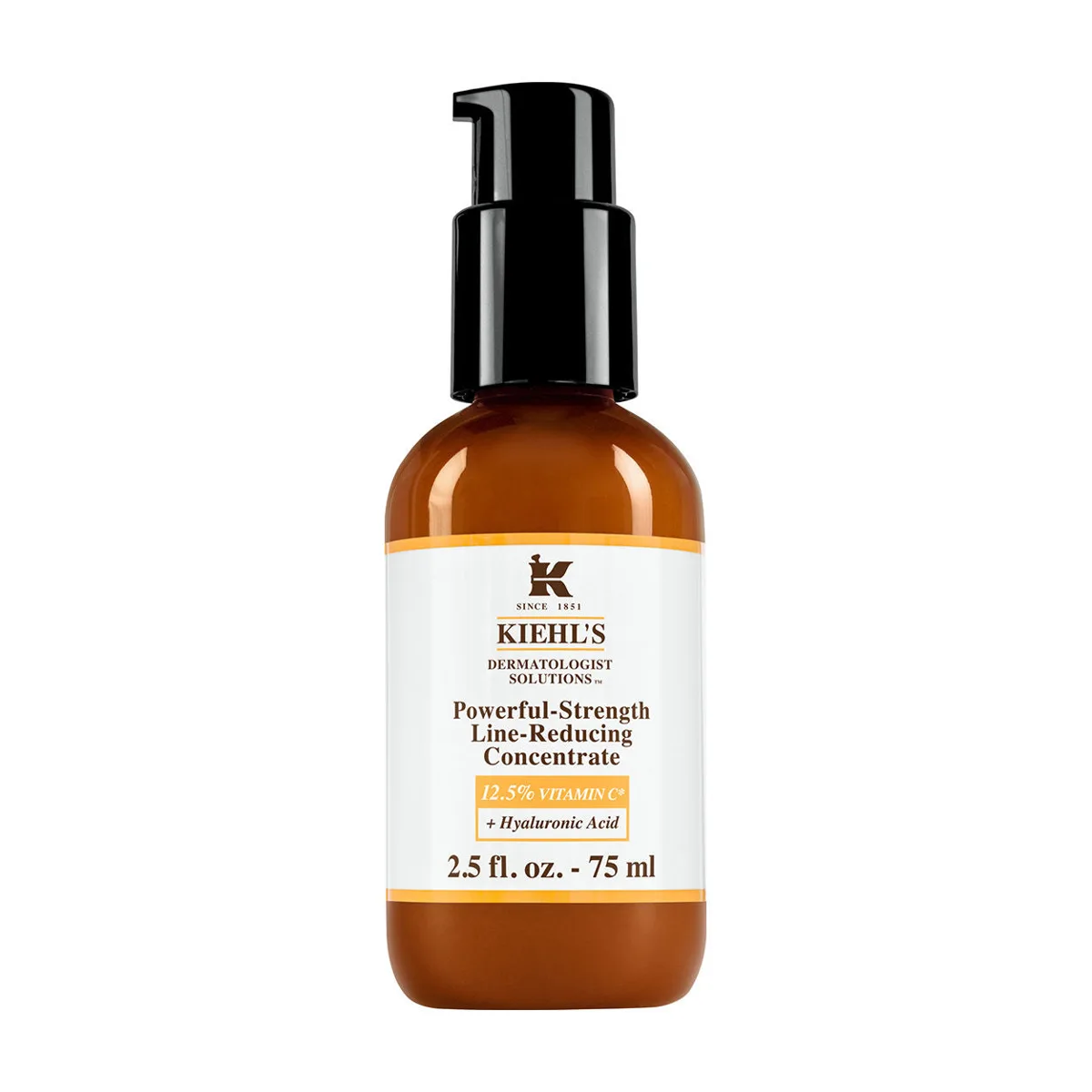
The anhydrous (water-free) formula is the key innovation here. Most vitamin C serums are water-based, which means the L-ascorbic acid begins oxidizing the moment the product is manufactured. By using a propylene glycol and dimethicone base instead of water, this concentrate keeps the vitamin C stable for significantly longer. The dual vitamin C system — 10.5% L-ascorbic acid for immediate potency plus 2% ascorbyl glucoside for sustained release — provides a 12.5% total concentration with extended activity.
A scientifically robust vitamin C serum whose anhydrous formula solves the biggest problem in the category — oxidation. At 12.5% total vitamin C with fragmented hyaluronic acid, it delivers meaningful brightening and wrinkle reduction backed by clinical data. The citrus oils and premium price are the only real caveats.
The case for it
Cautions: a photosensitising active — use sun protection.
What would change this: Guideline or regulatory standing for the active on this concern would move this from a promising bet to a recommendation.
Same rule for everyone. “Promising” is the verdict on 7,858 of 45,024 concern verdicts across the catalog; rule R9p decided 7,858 of them. Unchanged since September 5, 2026, engine 5.1.1.
Brand or formulator? Disclose a concentration or correct a fact →
The studies behind the evidence row
The case for it
What would change this: A declared concentration would move this to a firmer reading of the dose.
Same rule for everyone. “Promising” is the verdict on 7,858 of 45,024 concern verdicts across the catalog; rule R9p decided 7,858 of them. Unchanged since September 5, 2026, engine 5.1.1.
Brand or formulator? Disclose a concentration or correct a fact →
The studies behind the evidence row
The case for it
Cautions: a photosensitising active — use sun protection.
What would change this: Guideline or regulatory standing for the active on this concern would move this from a promising bet to a recommendation.
Same rule for everyone. “Promising” is the verdict on 7,858 of 45,024 concern verdicts across the catalog; rule R9p decided 7,858 of them. Unchanged since September 5, 2026, engine 5.1.1.
Brand or formulator? Disclose a concentration or correct a fact →
The studies behind the evidence row
The case for it
Cautions: a photosensitising active — use sun protection.
What would change this: Guideline or regulatory standing for the active on this concern would move this from a promising bet to a recommendation.
Same rule for everyone. “Promising” is the verdict on 7,858 of 45,024 concern verdicts across the catalog; rule R9p decided 7,858 of them. Unchanged since September 5, 2026, engine 5.1.1.
Brand or formulator? Disclose a concentration or correct a fact →
The studies behind the evidence row
The case for it
Cautions: a photosensitising active — use sun protection.
What would change this: Guideline or regulatory standing for the active on this concern would move this from a promising bet to a recommendation.
Same rule for everyone. “Promising” is the verdict on 7,858 of 45,024 concern verdicts across the catalog; rule R9p decided 7,858 of them. Unchanged since September 5, 2026, engine 5.1.1.
Brand or formulator? Disclose a concentration or correct a fact →
The studies behind the evidence row
Where our review and the verdict differ. The review below was written on the formulation and the published trials; the verdicts above apply the stricter standing test in our methodology — an active earns a recommendation only with guideline or regulatory standing for the concern. Where the two disagree, the verdict is DermApproved’s position.
A verdict is DermApproved’s assessment of how well a product’s ingredients fit a concern — never a claim about what the product treats. Evidence dots and collected reviews sit beside it and are never blended in. Rules 0.5.1 · evidence table ev-2026.09-r228 · how we decide
The fundamental problem with vitamin C serums has always been the vitamin C itself. L-ascorbic acid — the gold standard, most-studied form — is notoriously unstable. Dissolve it in water, which is what most serums do, and it begins oxidizing almost immediately. Within weeks of opening, that elegant serum starts turning brown, losing potency, and becoming a $60 bottle of expensive water with a faint citrus smell.
Kiehl's solved this by removing the water entirely. The Powerful-Strength Line-Reducing Concentrate uses a propylene glycol and dimethicone base — an anhydrous vehicle that keeps L-ascorbic acid stable for significantly longer than any water-based formula can manage. It is not the only brand to use this approach, but it was one of the first in the prestige market to commit to it, and after over a decade of reformulations from an apothecary house that has been compounding skincare since 1851, the current version represents a mature, well-refined product.
The vitamin C system is genuinely clever. You get 10.5% pure L-ascorbic acid for immediate, potent activity — this is the form with the deepest evidence base for collagen stimulation, tyrosinase inhibition, and antioxidant protection. Alongside it, 2% ascorbyl glucoside acts as a slow-release reservoir, gradually converting to active vitamin C on the skin through enzymatic cleavage. The total 12.5% concentration sits in the sweet spot identified by research: high enough for clinical efficacy, low enough to maintain tolerability for most skin types. It's a deliberate choice that answers the common assumption that more is always better — L-ascorbic acid saturates the skin around 20%, and pushing past that mostly buys irritation, not results.
The silicone base gives the serum a texture unlike any water-based vitamin C product. It glides on smooth, almost primer-like, with a velvety finish that provides an unexpectedly good canvas for sunscreen and makeup. There is none of the stickiness or grittiness that plagues poorly formulated ascorbic acid serums. The trade-off is that the dimethicone can pill under certain moisturizers or sunscreens — particularly water-based ones — requiring a moment of patience between layers.
Fragmented hyaluronic acid adds a hydration dimension that addresses fine lines through plumping rather than just collagen stimulation. Standard hyaluronic acid sits on the skin surface; the hydrolyzed form in this concentrate has smaller molecular fragments that penetrate deeper, providing multi-level hydration. Adenosine, a proven anti-wrinkle ingredient recognized by both the EU and Korean regulatory authorities, adds cell-energizing support.
Kiehl's clinical data shows this combination delivers: visible reduction in lines and wrinkles at two weeks, and improvement in deep-set wrinkles at four weeks. These are aggressive timelines for a topical product, and while the specific study details (sample size, methodology) are not fully disclosed in marketing materials, the results align with the extensive published research on L-ascorbic acid at similar concentrations — and with the roughly 4,000 reviewers, averaging 4.3 stars, who most often cite visible brightening inside the first fortnight. In routine terms it's a morning step, before moisturizer and mandatory SPF, and best kept away from high-strength niacinamide or other acids in the same layer.
The formula's weaknesses are predictable and fall into two categories. First, the citrus peel oils — orange and lemon — are present purely for scent and contribute limonene and citral as fragrance allergens. In a product from the Dermatologist Solutions line, this is a frustrating concession to sensorial appeal over clinical purity. The vitamin C itself can cause tingling in the first week of use; adding potential sensitizers on top is an unnecessary complication for reactive skin. (One reassurance for the worried: the serum's faint amber tint is normal for a potent L-ascorbic acid formula — genuine oxidation shows up as dark brown plus an off smell, and the anhydrous base slows that considerably.)
Second, the price. At $105 for 2.5 oz (or $79 for 1.7 oz), this is a significant investment in a vitamin C serum. The anhydrous formula and dual vitamin C system justify a premium over basic L-ascorbic acid serums, and the longer shelf stability means you waste less product to oxidation. But the competition in the vitamin C serum category has intensified dramatically since this product first launched, and several well-formulated alternatives exist at lower price points.
The 2.5 oz size offers better per-ounce value and lasts 3-4 months of daily morning use — long enough to see meaningful results. The shorter PAO (period after opening) of 6 months is worth noting; unlike your moisturizer, this is not a product to stockpile. It's pregnancy-safe and vegan, though not a fungal-acne-safe pick given the silicone-and-ester base.
For those seeking a potent, stable vitamin C serum with proven anti-aging benefits and a silky texture that works under sunscreen, this concentrate delivers on its promises. The anhydrous formula genuinely solves the oxidation problem, the dual vitamin C approach provides both immediate and sustained activity, and the clinical data supports real-world results. It is not the gentlest vitamin C option available, nor the most affordable, but it is among the most thoughtfully formulated.
The hero actives that drive this product's performance.
| Ingredient | Function | Evidence |
|---|---|---|
| L-Ascorbic Acid (Vitamin C) (10.5%) | The primary active at a clinically significant 10.5% concentration, L-ascorbic acid is the gold standard form of vitamin C for topical use. In this water-free formula, it directly inhibits tyrosinase to brighten dark spots, stimulates collagen synthesis to reduce fine lines, and provides potent antioxidant protection. The anhydrous base prevents the rapid oxidation that plagues L-ascorbic acid in water-based serums. | Limited for Aging |
| Ascorbyl Glucoside (2%) | A stable vitamin C derivative that slowly releases L-ascorbic acid as it is enzymatically cleaved by the skin. At 2%, it supplements the direct L-ascorbic acid to create a sustained-release effect — the pure vitamin C provides immediate activity while the glucoside form continues working as it gradually converts, extending the formula's brightening window. | Limited for Aging |
| Hydrolyzed Hyaluronic Acid | A fragmented form of hyaluronic acid with smaller molecular weight that penetrates deeper into the skin than standard HA. In this vitamin C concentrate, it provides multi-depth hydration that plumps fine lines from within — complementing the collagen-stimulating action of the L-ascorbic acid for a dual approach to wrinkle reduction. | Plausible mechanism for Dullness |
| Adenosine | A cell-energizing molecule with proven anti-wrinkle activity that supports the vitamin C's collagen-stimulating effects. In this line-reducing formula, adenosine adds a third mechanism for wrinkle improvement — cell energy support — on top of the vitamin C's collagen synthesis and the hyaluronic acid's hydration plumping. | Limited for Aging |
Ingredient standings describe the active at treatment-level doses and vehicles; this product's own condition grades weigh its actual formula.
Propylene Glycol, Dimethicone, Glycerin, Ascorbic Acid, Ethylhexyl Palmitate, Cetyl PEG/PPG-10/1 Dimethicone, Dimethicone Crosspolymer, Ascorbyl Glucoside, Cyclohexasiloxane, Hydroxyethylpiperazine Ethane Sulfonic Acid, Lauroyl Lysine, Acrylonitrile/Methyl Methacrylate/Vinylidene Chloride Copolymer, Polysilicone-11, Adenosine, Hydrolyzed Hyaluronic Acid, Limonene, Isobutane, Citrus Aurantium Dulcis Peel Oil, Citrus Limon Peel Oil, Citral, Pentaerythrityl Tetra-Di-T-Butyl Hydroxyhydrocinnamate
serum
AM
Apply after cleansing and toning, before moisturizer. The silicone-based texture spreads easily and creates a smooth base for sunscreen. Wait 1-2 minutes for absorption. Always follow with SPF 30+ — vitamin C is photoprotective but UV exposure generates the damage it is fighting.
Initial brightening glow within 1-2 weeks. Clinical study showed visible reduction in lines and wrinkles at 2 weeks, with deep-set wrinkle improvement at 4 weeks. Full brightening and anti-aging benefits accumulate over 8-12 weeks of consistent morning use.
L-ascorbic acid remains the most extensively studied topical antioxidant in dermatology. A landmark study by Pinnell et al. published in Dermatologic Surgery (2001) established that topical L-ascorbic acid at concentrations of 10-20% provides photoprotection, stimulates collagen synthesis, and inhibits melanogenesis. The 10.5% concentration in this formula falls within this clinically validated range.
The anhydrous delivery system is scientifically significant because L-ascorbic acid undergoes rapid oxidative degradation in aqueous solutions — a 2018 study in the International Journal of Pharmaceutics demonstrated that vitamin C stability in anhydrous vehicles was maintained for over 12 months compared to weeks in water-based formulations. The propylene glycol base also enhances skin penetration of ascorbic acid, as documented in pharmaceutical permeation studies.
Ascorbyl glucoside (2%) functions as a prodrug — it is enzymatically converted to free L-ascorbic acid by alpha-glucosidase in the skin. A clinical trial reported in the Journal of Cosmetic Dermatology confirmed that ascorbyl glucoside demonstrates significant inhibition of melanin synthesis and has superior stability compared to L-ascorbic acid. The combination of an immediate-release form (ascorbic acid) with a sustained-release form (ascorbyl glucoside) creates a pharmacologically rational delivery strategy.
Hydrolyzed hyaluronic acid, with its reduced molecular weight (typically 5-50 kDa vs 1,000+ kDa for standard HA), penetrates into deeper epidermal layers where it can hydrate from within. Published research in the Journal of Clinical and Aesthetic Dermatology has shown that fragmented HA improves skin hydration, elasticity, and fine line depth more effectively than high-molecular-weight HA alone.
Adenosine's anti-wrinkle mechanism involves the activation of the A2A receptor on fibroblasts, which upregulates collagen synthesis and inhibits the expression of matrix metalloproteinases (MMPs) that degrade collagen. Korean regulatory authorities recognize adenosine as a validated anti-wrinkle functional ingredient at concentrations as low as 0.04%.
Dermatologists consistently recommend topical vitamin C as a cornerstone of anti-aging and photoprotection routines, and this concentrate is among the frequently cited prestige options. Clinical dermatologists consistently point out that the anhydrous formula addresses the primary practical concern with L-ascorbic acid serums — instability — while the 12.5% concentration falls within the evidence-based efficacy range. The dual vitamin C system (immediate + sustained release) is recognized as pharmacologically sound. Dermatologists typically recommend morning application under broad-spectrum sunscreen, emphasizing that vitamin C's antioxidant protection is additive to UV filters. For patients with sensitive skin, dermatologists may suggest building up tolerance gradually or opting for a gentler vitamin C derivative like ascorbyl glucoside or tetrahexyldecyl ascorbate.
Apply 2-3 drops to clean, dry skin in the morning after toning. Spread evenly across the face, avoiding the eye area. Wait 1-2 minutes for the serum to absorb and set before applying moisturizer and sunscreen. The silicone base means you may need to pat (not rub) your moisturizer over the top. Always follow with broad-spectrum SPF 30+ — this is non-negotiable with vitamin C. For sensitive skin, start every other day and build to daily use over 2 weeks.
At $105 for 2.5 oz, this is positioned in the premium tier of vitamin C serums. The price reflects the anhydrous formula technology, dual vitamin C system, fragmented hyaluronic acid, and L'Oréal's research infrastructure. The 2.5 oz size provides better per-ounce value than the 1.7 oz at $79, and the 3-4 month supply at daily use brings the per-day cost to roughly $1. The key value differentiator is stability — because the anhydrous formula prevents oxidation, you use the full bottle at full potency rather than watching your investment turn brown. However, the vitamin C serum market has matured significantly, and comparable formulations exist at lower price points.
Anyone seeking a stable, potent vitamin C serum for brightening, anti-aging, and photoprotection. Particularly well-suited for normal-to-combination skin types who want wrinkle reduction alongside dark spot correction. Those who have been frustrated by water-based vitamin C serums that oxidize too quickly.
Sensitive or rosacea-prone skin that reacts to high-concentration L-ascorbic acid or citrus essential oils. Budget-conscious shoppers who can find comparable vitamin C concentrations at lower price points. Those who dislike silicone-heavy textures or have experienced pilling issues with silicone-based serums.
Ready to try Kiehl's Powerful-Strength Line-Reducing Concentrate?
Buy at Amazon ♥Smooth, silicone-based serum with a lightweight gel-like consistency. Feels silky and spreadable — very different from water-based vitamin C serums. Creates a soft, velvety finish that provides an excellent base for sunscreen and makeup.
Light citrus scent from the orange and lemon peel oils. Pleasant but noticeable. Dissipates within 1-2 minutes of application.
Frosted glass bottle with an airless pump dispenser. The opaque packaging protects the light-sensitive L-ascorbic acid from degradation. The pump provides controlled dosing and minimizes air exposure, extending the product's active life.
On first application, the silicone-based texture feels distinctly different from traditional serums — smooth, slippery, and instantly spreadable. There may be mild tingling or warmth from the 10.5% ascorbic acid, especially in the first week — this is normal and typically subsides. The citrus scent is immediate but brief. Allow 1-2 minutes for the serum to set before applying moisturizer.
3-4 months with daily morning use of the 2.5 oz size
All Year
Originally launched around 2009, this concentrate has been reformulated multiple times — each iteration increasing the vitamin C concentration and adding complementary actives. The current formula with 12.5% total vitamin C and fragmented hyaluronic acid represents over a decade of refinement. It leverages L'Oréal's research infrastructure while maintaining the Kiehl's identity of accessible, effective skincare rooted in pharmaceutical tradition.
Kiehl's was founded in 1851 as a New York City apothecary and has been formulating skincare with pharmaceutical expertise for over 170 years. Acquired by L'Oréal in 2000, the brand maintains its apothecary heritage with dermatologist-recommended formulations backed by clinical testing.
Higher percentage vitamin C is always better.
Research shows that L-ascorbic acid reaches maximum skin saturation at around 20%, with diminishing returns beyond that concentration and increased irritation. The 10.5% in this formula provides clinically meaningful brightening and collagen stimulation with better tolerability than maximum-strength formulas.
Vitamin C serums should be clear — any color means it has oxidized.
This serum has a natural slight amber tint from the high concentration of L-ascorbic acid, which is perfectly normal for a potent vitamin C product. Oxidation would present as a dark brown color and a change in smell. The anhydrous formula significantly slows oxidation compared to water-based alternatives.
The formula contains 12.5% total vitamin C from two sources: 10.5% pure L-ascorbic acid (the most potent, evidence-backed form) and 2% ascorbyl glucoside (a stable derivative that slowly converts to active vitamin C on the skin). This dual system provides both immediate potency and sustained release for extended brightening activity.
Morning application is optimal. Vitamin C provides photoprotective antioxidant benefits that complement your sunscreen by neutralizing free radicals generated by UV exposure. Applied in the AM before moisturizer and sunscreen, this serum maximizes its antioxidant defense. Save retinol and AHA/BHA treatments for your nighttime routine.
The anhydrous (water-free) formula uses a propylene glycol and dimethicone base instead of water. This gives it a smooth, silicone-like texture rather than the watery feel of most vitamin C serums. The benefit is significantly better stability — L-ascorbic acid degrades rapidly in water but remains potent much longer in this anhydrous vehicle.
The 10.5% L-ascorbic acid concentration can cause tingling or warmth, especially in the first week of use. The formula also contains citrus peel oils and their associated allergens (limonene, citral). For sensitive skin, start with every-other-day use and build up tolerance. Those with rosacea or eczema should patch test carefully or consider a gentler vitamin C derivative.
Store in a cool, dry place away from direct sunlight. The opaque packaging helps, but keeping it in a bathroom cabinet rather than on a window ledge extends potency. Refrigeration is not necessary thanks to the anhydrous formula, but it can extend shelf life. Discard if the serum turns dark brown or develops an off smell.
Recurring themes our editors read across retailer reviews of this product — summaries in our words, not quotations, and not a substitute for your own patch test.
Visible brightening within first two weeks of use
Silky texture absorbs well and sits nicely under sunscreen
12.5% vitamin C concentration feels effective without being harsh
Noticeable improvement in fine lines and overall skin clarity
Anhydrous formula stays potent longer than water-based vitamin C serums
Citrus essential oils may irritate sensitive skin
Expensive at $105 for 2.5 oz
Silicone-heavy texture can pill under certain moisturizers
Orange/lemon scent is not universally enjoyed
Can cause tingling or warmth in first few uses due to high vitamin C concentration
Verified answers from our questions library — the nuance a product page cannot carry.