Hyaluronic Acid Can Actually Dehydrate Your Skin (Here's When)
The internet's favorite hydrator has a counterintuitive dark side — in dry air, a humectant with nothing to seal it can pull water out of your skin instead of into it.
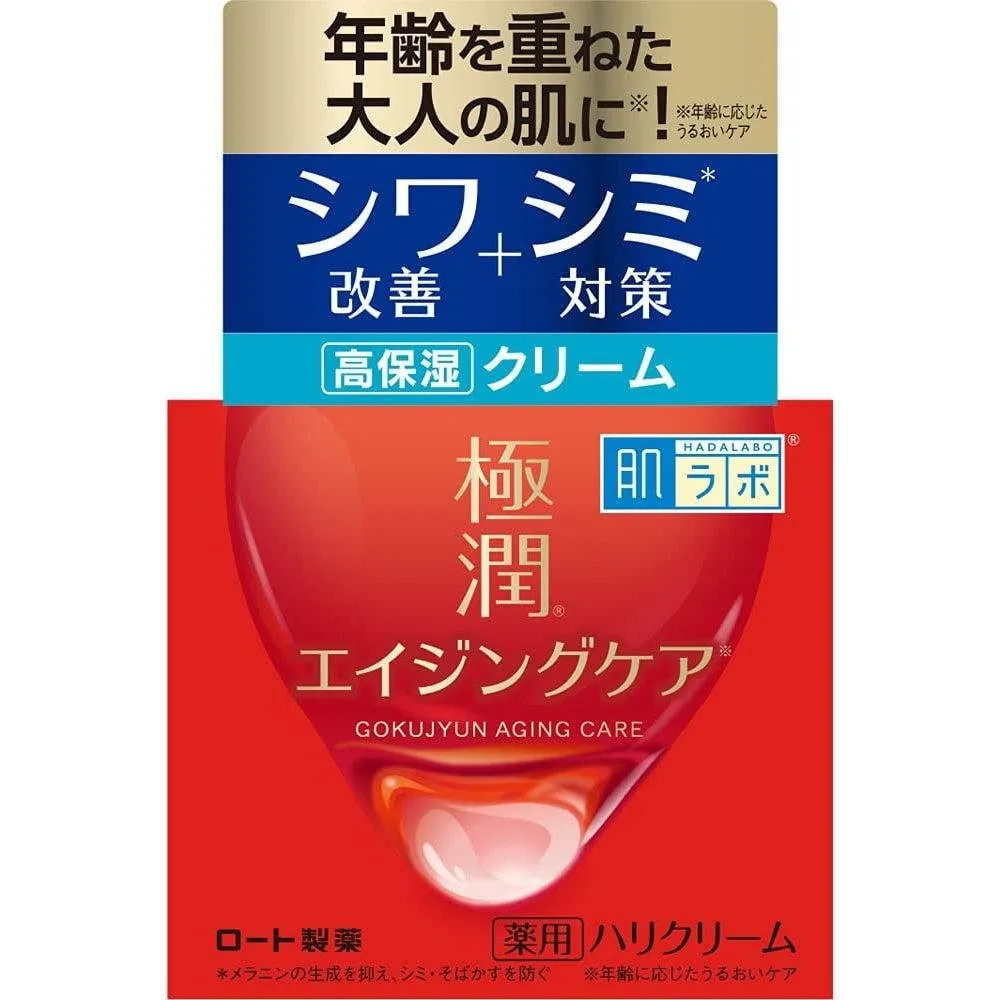
It is the night-cream form of a Japanese quasi-drug: niacinamide registered for both wrinkle improvement and melanin suppression, acetyl glucosamine beside it as the trial-backed pairing, and Rohto's three hyaluronic acids in a shea, hydrogenated-oil and pullulan base that seals and lightly tightens overnight. Fragrance-free, alcohol-free, paraben-free and under seventeen dollars, it is a pharmaceutical company's wrinkle cream, built to the letter of its registration and not one adjective beyond it.
The night-cream form of Rohto's niacinamide quasi-drug: the registered active, acetyl glucosamine beside it, three hyaluronic acids, shea and a pullulan film, no fragrance, no alcohol, no parabens, under seventeen dollars. It seals dry skin overnight, firms the surface until morning and works on fine lines and shallow spots over a season; oily skin will find it heavy and no one will find it exciting.
The case for it
What would change this: A declared concentration would move this to a firmer reading of the dose.
Same rule for everyone. “Supporting role” is the verdict on 8,197 of 45,024 concern verdicts across the catalog; rule R8a decided 1,489 of them. As of September 25, 2026, engine 5.1.1.
Brand or formulator? Disclose a concentration or correct a fact →
The studies behind the evidence row
The case for it
What would change this: A declared concentration would move this to a firmer reading of the dose.
Same rule for everyone. “Good choice” is the verdict on 9,564 of 45,024 concern verdicts across the catalog; rule R5 decided 9,072 of them. As of September 25, 2026, engine 5.1.1.
Brand or formulator? Disclose a concentration or correct a fact →
The studies behind the evidence row
The case for it
What would change this: A declared concentration would move this to a firmer reading of the dose.
Same rule for everyone. “Promising” is the verdict on 7,858 of 45,024 concern verdicts across the catalog; rule R9p decided 7,858 of them. As of September 25, 2026, engine 5.1.1.
Brand or formulator? Disclose a concentration or correct a fact →
The studies behind the evidence row
The case for it
What would change this: A declared concentration would move this to a firmer reading of the dose.
Same rule for everyone. “Good choice” is the verdict on 9,564 of 45,024 concern verdicts across the catalog; rule R5 decided 9,072 of them. As of September 25, 2026, engine 5.1.1.
Brand or formulator? Disclose a concentration or correct a fact →
The studies behind the evidence row
Does the jobDoes what a moisturizer is for: draws in water, softens and smooths.
Where our review and the verdict differ. The review below was written on the formulation and the published trials; the verdicts above apply the stricter standing test in our methodology — an active earns a recommendation only with guideline or regulatory standing for the concern. Where the two disagree, the verdict is DermApproved’s position.
A verdict is DermApproved’s assessment of how well a product’s ingredients fit a concern — never a claim about what the product treats. Evidence dots and collected reviews sit beside it and are never blended in. Rules 0.5.1 · evidence table ev-2026.09-r228 · how we decide
A wrinkle cream makes two promises, and it helps to separate them before opening the jar. The first is the promise of the morning: skin that feels firmer, plumper and smoother when you wake, which almost any rich night cream delivers by sealing water in for eight hours and which this one delivers with a small extra tightening from a pullulan film. The second is the promise of the season: fine lines softened and shallow spots faded over two or three months, which only an active with evidence can deliver. The Hada Labo Gokujyun Anti Aging Wrinkle Cream keeps both, and the reason it keeps the second is the same reason it costs sixteen dollars and ninety-five cents rather than ninety: Rohto is a pharmaceutical company, it registered the cream as a Japanese quasi-drug, and the active is niacinamide at a dose the health ministry recognises for exactly those two claims.
The declaration reads the Japanese way, active first and the rest by category. Niacinamide. Then the three hyaluronic acids the line is famous for, a native sodium salt, a hydrolysed low-weight fraction and Rohto's own acetylated form that clings to the corneum. Acetyl glucosamine, which is the choice that shows someone read the literature. Amur cork tree bark as the kampo soothing note, shea butter, delta-tocopherol, glycerin and butylene glycol, a hydrogenated vegetable oil for a waxy seal, a triglyceride and a light olefin for slip, pentylene glycol, three mild emulsifiers, dimethicone, pullulan, carbomer and a neutraliser, a chelator, citric acid, two fatty alcohols and phenoxyethanol. No fragrance, no alcohol, no parabens, no essential oils, no retinoid. The retinyl palmitate that the old Alpha cream carried under this same import name was retired in 2021, and this is a different, calmer product.
Acetyl glucosamine is the paragraph the jar earns. In 2010 a randomised, double-blind, vehicle-controlled trial in the British Journal of Dermatology compared a moisturiser combining niacinamide with N-acetyl glucosamine against niacinamide alone and against vehicle, and found the combination reduced the appearance of facial hyperpigmentation more than either comparator over eight weeks. It is one of the more solid results in the cosmetic-brightening literature, and Rohto did not need it to earn the melanin-suppression registration; it included the amino sugar because the pairing works. Together with the five percent niacinamide trial in Dermatologic Surgery that measured improvements in fine lines, spots and sallowness over twelve weeks, it gives this sixteen-dollar cream a better evidence base than most prestige wrinkle creams can show.
In the jar it is dense and pale and buttery, and it behaves better than its density suggests: a fingertip spreads further than expected, softens on contact and sinks in over a minute to a supple, faintly glossy finish that does not feel like a coating. Over the Gokujyun lotion at night it is a complete routine for dry and normal skin; over the milk it is a winter routine for very dry skin. By morning the face is plumped, comfortable and noticeably firm to the touch, and the firmness is the pullulan, a fermentation polysaccharide that contracts slightly as its film dries and that lasts precisely until the next wash. It is a pleasant, honest, cosmetic effect and it should be enjoyed as one. On combination skin it is manageable at night in cold months; on oily skin it is simply too much, and the milk from the same line is the better vehicle for the same active.
Over the season the results are the results niacinamide gives, and no more. Fine lines soften as hydration improves and the active does its work on barrier lipids and dermal signalling; shallow, recent spots fade with daily sunscreen, and deep, old or hormonal pigmentation does not budge. Expression lines and established wrinkles are not this cream's business, and Rohto, to its credit, does not suggest otherwise. The process is gradual, consistent and invisible week to week, and it takes twelve weeks to judge, which is the correct expectation for the active and one most anti-ageing marketing is built to obscure.
The limitations are the ones the formula chooses. The percentage is undisclosed, which is the only transparency lapse in an otherwise pharmacist-plain product and a genuine irritation for anyone who compares. The shea and hydrogenated oil put it off the strictest fungal-acne lists and make it heavy on oily skin. The jar is small, fifty grams, and lasts about two months on the face alone, six weeks if the neck is included as Rohto suggests. And the import naming is a trap: the current niacinamide cream and the retired retinol Alpha cream have both been sold abroad as the Anti Aging Wrinkle Cream, and a buyer should check for niacinamide on the label before assuming which they have.
Five years in this formulation, a quasi-drug registration and a review base that is largely Japanese and largely content put it on firm ground. For dry, normal and sensitive skin that wants a fragrance-free night cream with a regulator-approved active and a trial-backed partner ingredient, at a price that makes a year of nightly use cost less than one luxury serum, this is one of the quietest good decisions in Japanese pharmacy skincare. It will not thrill anyone, and it is not trying to.
The hero actives that drive this product's performance.
| Ingredient | Function | Evidence |
|---|---|---|
| Niacinamide | The quasi-drug active, approved in Japan for wrinkle improvement and melanin suppression, carried here in the richest vehicle of the Gokujyun aging line; the percentage is undisclosed but the dual registration implies a working dose, and it is the reason a sixteen-dollar cream can call itself a wrinkle cream without blushing. | Limited for Aging |
| Acetyl Glucosamine | The amino sugar that a 2010 vehicle-controlled trial found improves niacinamide's effect on facial hyperpigmentation when the two are combined; its place beside the active makes the spot side of this cream's claim better supported than most brightening creams manage. | Not yet assessed |
| Sodium Hyaluronate, Hydrolyzed Hyaluronic Acid and Sodium Acetylated Hyaluronate | The three hyaluronic acids that define the line, a native salt, a low-weight fraction and Rohto's corneum-clinging acetylated form, folded into a cream base so the overnight plumping outlasts the humectant effect of the lighter lotion and milk. | Established mechanism for Dehydration · established mechanism |
| Shea Butter and Hydrogenated Vegetable Oil | The occlusive lipids that make this the night step: shea for barrier-compatible fatty acids and a hydrogenated oil for a waxy seal, together holding in the water the hyaluronic acids and glycerin have drawn, which is what a wrinkle cream mostly does for fine dehydration lines by morning. | Established mechanism for Dryness · established mechanism |
| Tocopherol | The delta form of vitamin E, an antioxidant that protects the shea and oils from rancidity and adds a little lipid-phase defence against oxidative stress; a quiet, sensible inclusion in a paraben-free cream meant to last months in a jar. | Limited for Aging |
| Pullulan | A fermentation-derived polysaccharide that forms a light tightening film as it dries, the source of the immediate firmed feel Japanese reviewers describe; cosmetic in the honest sense, and gone by the next wash. | Not yet assessed |
Ingredient standings describe the active at treatment-level doses and vehicles; this product's own condition grades weigh its actual formula.
Active Ingredient: Niacinamide. Other Ingredients (Japanese quasi-drug declaration, not in descending order): Sodium Hyaluronate, Hydrolyzed Hyaluronic Acid, Sodium Acetylated Hyaluronate, Acetyl Glucosamine, Phellodendron Amurense Bark Extract, Butyrospermum Parkii (Shea) Butter, Tocopherol, Glycerin, Butylene Glycol, Hydrogenated Vegetable Oil, Caprylic/Capric Triglyceride, Hydrogenated Poly(C6-12 Olefin), Pentylene Glycol, PEG-20 Glyceryl Triisostearate, PEG-20 Sorbitan Isostearate, Beheneth-20, Dimethicone, Pullulan, Carbomer, Triethanolamine, Disodium EDTA, Citric Acid, Behenyl Alcohol, Stearyl Alcohol, Phenoxyethanol
moisturizer
PM
Apply it as the last step at night over the Gokujyun lotion, or over the milk on very dry skin; it is rich enough that a retinoid can go underneath it as a buffer, and in winter it can double as a day cream under sunscreen for dry faces.
Plumper, smoother, more comfortable skin by the first morning from the overnight seal. The niacinamide's effect on fine lines and shallow spots builds over eight to twelve weeks of nightly use with daily sunscreen, gradually rather than visibly week to week.
The cream's evidence is the evidence for its active, its pairing ingredient and its format, and all three are published. The active, niacinamide, was tested in a 2005 Dermatologic Surgery trial in which a five percent moisturiser applied to one side of the face for twelve weeks, against vehicle on the other, produced measurable improvements in fine lines and wrinkles, hyperpigmentation, red blotchiness, sallowness and elasticity. Japan's health ministry recognises niacinamide as a quasi-drug active for wrinkle improvement and for suppressing melanin production, and registration constrains the concentration to the range those approvals were granted at; Rohto does not print it, but the dual claim implies a working dose.
The pairing ingredient has its own trial. A 2010 randomised, double-blind, vehicle-controlled study in the British Journal of Dermatology compared a moisturiser containing niacinamide and N-acetyl glucosamine with niacinamide alone and with vehicle in women with facial hyperpigmentation and found the combination reduced the appearance of pigmentation more than either comparator over eight weeks, an effect attributed to the two molecules acting on different steps of melanin synthesis and transfer. Acetyl glucosamine in this cream is that amino sugar, and its inclusion is the most evidence-directed decision in the formula.
The format contributes the overnight effect. Shea butter and a hydrogenated vegetable oil are occlusive lipids that reduce transepidermal water loss while the three hyaluronic acids, glycerin and butylene glycol hold water in the stratum corneum, which is the mechanism behind plumper, smoother skin by morning and the temporary softening of fine dehydration lines. Pullulan is a fermentation-derived polysaccharide that forms a thin film with mild contractile tightening as it dries, well documented as a cosmetic firming agent and honestly transient. Delta-tocopherol protects the lipid phase from oxidation. The absence of fragrance, alcohol and parabens removes the three ingredients most often implicated in cosmetic intolerance; Amur cork tree bark extract has keratinocyte studies showing anti-inflammatory activity and no clinical data at cosmetic doses. The remaining caveat is the label's silence on percentage, which leaves the dose inferred from the registration rather than read.
A fragrance-free night cream with niacinamide at a regulator-recognised dose and acetyl glucosamine alongside is the sort of product a clinician is happy to see a patient using: the active has vehicle-controlled evidence for fine lines and pigmentation, the pairing has its own trial, and the base is free of the alcohol, fragrance and essential oils that complicate anti-ageing routines on reactive skin. Expectations would be set against the literature, gradual softening of fine lines and shallow spots over three months with daily sunscreen, and no effect on established wrinkles or dermal pigmentation, for which retinoids, procedures or prescription agents are the tools. The cream's richness is noted as a fit issue rather than a safety one; oily and acne-prone patients are steered to the milk in the same line or a gel. As a buffer under a topical retinoid it is well suited, since niacinamide has evidence for reducing retinoid-associated irritation and nothing in the base adds to it.
At night after cleansing and the Gokujyun lotion, and after the milk on very dry skin, scoop a pea-to-almond-sized amount with a clean fingertip or spatula, warm it between the fingers and press it over the face and neck, smoothing outward and patting until it sinks in. It absorbs within a minute or two. If a retinoid is part of the routine, apply it first, wait a few minutes and then the cream. In winter, dry skin can use it by day under sunscreen; oily skin should keep it to cold-weather nights or choose the milk. Give it twelve weeks with daily sunscreen before judging the effect on lines and spots.
Sixteen dollars and ninety-five cents for fifty grams is drugstore money for a cream carrying a regulator-registered active, a trial-backed pairing ingredient and three hyaluronic acids, a combination that Western brands sell for several times the price and with less evidence. The jar is small and nightly use empties it in six to eight weeks, so a year costs around a hundred dollars, which is still less than a single prestige wrinkle cream and buys twelve months of an active with published trials behind it. Rohto's pharmaceutical manufacturing standard and two decades of Gokujyun make the purchase about as low-risk as skincare gets. The only value caution is the import naming, which can land a buyer the retired retinol formula if the label is not checked for niacinamide. One size, jar only.
Dry, normal and sensitive skin that wants a fragrance-free, paraben-free night cream with a regulator-approved niacinamide active and a trial-backed pairing ingredient, at a pharmacy price, and anyone completing the Japanese lotion-milk-cream routine or looking for a gentle buffer over a retinoid.
Oily and combination skin in warm months, which will find the shea-and-hydrogenated-oil base heavy, and strict fungal-acne routines that exclude those lipids. Anyone who wants a stated niacinamide percentage, a retinoid in the same jar, or a dramatic effect on deep wrinkles or pigmentation should look elsewhere.
Ready to try Hada Labo Gokujyun Anti Aging Wrinkle Cream?
Buy at Amazon ♥A dense, pale cream with a smooth, buttery glide that softens on contact and sinks in over a minute to a supple, lightly sealed finish.
None; unscented, with only the faint neutral note of shea from the jar.
A red-and-gold Gokujyun aging-care carton with the wrinkle-and-spot claims printed on a blue band in Japanese, holding a squat wide-mouthed plastic jar with a screw lid and an inner disc; no spatula is included.
The first night's application is rich without being heavy: it spreads further than a jar cream usually does and leaves the face soft and faintly glossy rather than coated. By morning skin feels plumped and firm. There is no scent, tingle or purge, and dry skin can start nightly from the first jar; oily skin will want to reserve it for winter.
About two months of nightly use on the face; six weeks if the neck is included.
fall winter
When Rohto rebuilt the Gokujyun aging-care line around niacinamide in 2021, it kept the three-step Japanese structure of lotion, milk and cream and registered all three as quasi-drugs on the same active. The cream took the night role, richer and more occlusive than the milk and the only one of the trio with a film-forming pullulan, and it replaced the paraben-preserved retinol Alpha cream that import retailers had sold under the Anti Aging Wrinkle Cream name since the mid-2010s.
Hada Labo has been Rohto Pharmaceutical's minimalist skincare line since 2004 and its Gokujyun hyaluronic lotion has sold in the hundreds of millions of bottles in Japan. Rohto manufactures to a pharmaceutical standard and registers its aging-care products as quasi-drugs with a ministry-approved active, which guarantees the dose of that ingredient without constituting an independent trial of the finished cream.
A wrinkle cream tightens skin overnight, so the firm feel on waking means it is working on wrinkles.
The morning firmness comes from pullulan, a polysaccharide film that contracts slightly as it dries, and from overnight hydration under the shea seal; both are gone at the next wash. The niacinamide's effect on fine lines is a separate, slower process over two to three months, and neither changes deep or expression wrinkles.
The Anti Aging Wrinkle Cream contains retinol like the old Hada Labo Alpha cream.
The retinyl palmitate formula was retired in 2021. The current cream's registered active is niacinamide, with acetyl glucosamine and three hyaluronic acids, and it contains no retinoid at all; anyone wanting retinol should add a separate product underneath, which this cream buffers well.
No. The current formula's registered active is niacinamide, approved in Japan for wrinkle improvement and melanin suppression, paired with acetyl glucosamine and three hyaluronic acids. The older Alpha cream sold under a similar name used retinyl palmitate and parabens; it was retired in 2021 and this cream contains no retinoid.
Rohto designs it for night, as the richest step of the Gokujyun aging line, and that is where the shea, hydrogenated oil and pullulan film make the most sense. Dry skin can wear it by day under sunscreen in winter; combination skin will find it too much before makeup.
Same active, same acetyl glucosamine, same three hyaluronic acids; the cream trades the milk's meadowfoam and Lipidure for hydrogenated vegetable oil, vitamin E and a pullulan film, making it thicker, more occlusive and more firming on the surface. Milk for day or normal skin, cream for night or dry skin, both for the full Japanese routine.
Yes, and the cream is a good buffer for it. It contains no acids, fragrance or alcohol that would compound retinoid irritation, and applied over a retinoid it cushions dryness; the niacinamide also has evidence for reducing retinoid-related redness. Apply the retinoid first, wait a few minutes, then the cream.
It is among the gentler anti-ageing creams sold: fragrance-free, alcohol-free, paraben-free, mildly acidic and free of essential oils and acids, built by a brand whose whole line targets reactive Japanese skin. The one caveat is the shea and hydrogenated oil for fungal-acne-prone or breakout-prone faces.
Rohto does not publish the percentage. Japanese quasi-drug approval for both wrinkle improvement and melanin suppression requires niacinamide at a ministry-recognised working concentration, so the dose is constrained to an effective range even though the label does not state it; that is the strongest inference available and the only transparency gap in the formula.
Recurring themes our editors read across retailer reviews of this product — summaries in our words, not quotations, and not a substitute for your own patch test.
Rich but sinks in cleanly with no greasy film
Skin feels firm and plump on waking
Unscented and gentle enough for reactive skin
Heavy for oily or combination skin
Niacinamide percentage not published
Small jar goes quickly if used on the neck