


The Eye Cream Question: Real Science, or Moisturizer in a Smaller, Pricier Jar?
The eye-area aisle sells the idea that your under-eyes need their own branch of dermatology. Sometimes that's true. A lot of the time you're paying for the jar.
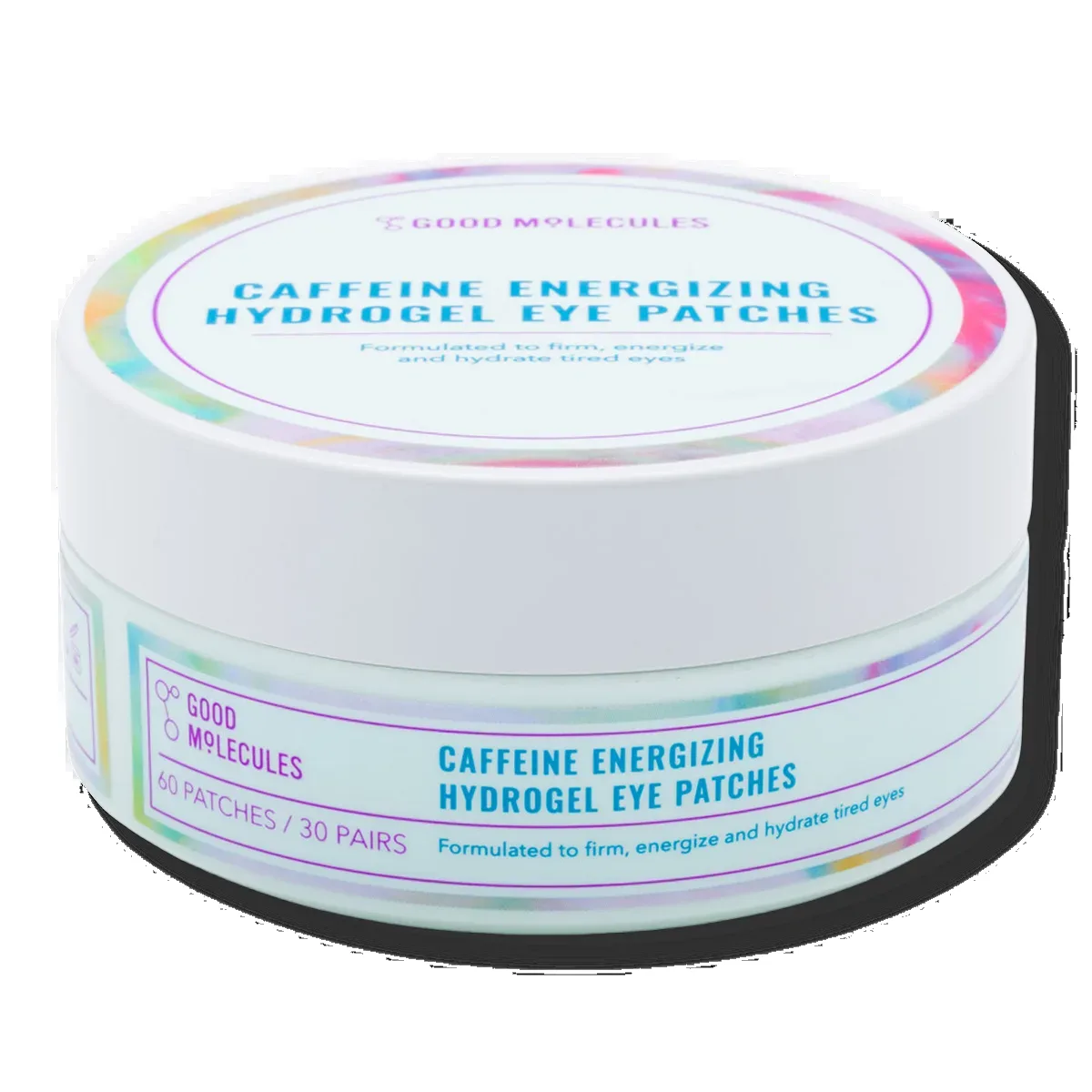
Most affordable eye patches in the hydrogel category sacrifice active ingredient quality — they're essentially shaped hyaluronic acid sheets. These pack a genuinely functional formula with 1% caffeine, meaningful niacinamide concentration, the Eyeseryl depuffing peptide, and licorice root brightener. At $0.60 per pair, they deliver the ingredient profile of a $40+ eye patch at a fraction of the cost.
A genuinely impressive budget eye patch that packs caffeine, niacinamide, Eyeseryl peptide, and licorice root into a hydrogel format for $0.60 per pair. The depuffing effect is noticeable and the brightening builds with regular use. They won't replace your eye cream, but as a weekly boost — especially on puffy mornings — they deliver real value without the luxury price tag.
The case for it
What would change this: Trial evidence for the active on this concern would move this from a bet to a recommendation.
Same rule for everyone. “Supporting role” is the verdict on 8,197 of 45,024 concern verdicts across the catalog; rule R8a decided 1,489 of them. Unchanged since September 5, 2026, engine 5.1.1.
Brand or formulator? Disclose a concentration or correct a fact →
The studies behind the evidence row
The case for it
What would change this: A declared concentration would move this to a firmer reading of the dose.
Same rule for everyone. “Good choice” is the verdict on 9,564 of 45,024 concern verdicts across the catalog; rule R5 decided 9,072 of them. Unchanged since September 5, 2026, engine 5.1.1.
Brand or formulator? Disclose a concentration or correct a fact →
The studies behind the evidence row
The case for it
What would change this: A declared concentration would move this to a firmer reading of the dose.
Same rule for everyone. “Promising” is the verdict on 7,858 of 45,024 concern verdicts across the catalog; rule R9p decided 7,858 of them. Unchanged since September 5, 2026, engine 5.1.1.
Brand or formulator? Disclose a concentration or correct a fact →
The studies behind the evidence row
The case for it
What would change this: A declared concentration would move this to a firmer reading of the dose.
Same rule for everyone. “Promising” is the verdict on 7,858 of 45,024 concern verdicts across the catalog; rule R9p decided 7,858 of them. Unchanged since September 5, 2026, engine 5.1.1.
Brand or formulator? Disclose a concentration or correct a fact →
The studies behind the evidence row
Does the jobDoes what a eye cream is for: safe for eye skin, targets a real eye concern. Not measured from the label: hydrates without heaviness, stays where it's put.
A verdict is DermApproved’s assessment of how well a product’s ingredients fit a concern — never a claim about what the product treats. Evidence dots and collected reviews sit beside it and are never blended in. Rules 0.5.1 · evidence table ev-2026.09-r228 · how we decide
Eye patches used to live in the territory of K-beauty luxury — those pretty, individually wrapped half-moons that cost $4-5 per pair and felt like a small indulgence. Good Molecules looked at that category and asked the question that drives their entire brand: what if we kept the good ingredients and ditched the markup?
The ingredient list reveals a formula that takes the assignment seriously. Caffeine at 1% is the headliner, and it's doing real work. When you place a caffeine-loaded hydrogel patch over the thin, vascular-rich skin under your eyes, the caffeine promotes vasoconstriction — narrowing the blood vessels that contribute to dark circles and the fluid accumulation behind morning puffiness. The patch format is genuinely superior to a cream for this purpose because it holds the caffeine against the skin for fifteen or twenty sustained minutes rather than having it absorbed and diluted by subsequent product layers within seconds.
Niacinamide appears third in the INCI list at a reported 3.6-5.4% concentration, which is substantial for an eye patch. At that level it actively inhibits melanosome transfer in the periorbital area, addressing the pigmentation component of dark circles. It is also strengthening the under-eye barrier with each application — a cumulative benefit that shows up as healthier-looking skin over several weeks of regular use.
Acetyl tetrapeptide-5, sold commercially as Eyeseryl, is a genuine eye-specific peptide rather than a general anti-aging peptide repurposed for the area. It was developed to reduce the capillary permeability that lets fluid leak into the tissue around the eyes, creating bags and puffiness. Its mechanism complements the caffeine neatly: caffeine constricts the vessels, while the peptide reduces the leakage that filled the tissue in the first place. Two different levers on the same problem.
Licorice root extract adds a second brightening pathway through glabridin, which inhibits tyrosinase directly. Combined with niacinamide's melanosome-transfer inhibition, the formula attacks dark-circle pigmentation from two angles. Green tea leaf extract contributes antioxidant and anti-inflammatory support, astragalus root adds another soothing botanical, allantoin and aloe calm, and sodium hyaluronate delivers the hydration that visibly plumps fine lines during the application window.
The hydrogel itself is a natural polymer blend — carrageenan, carob gum, guar gum, cellulose gum and glucomannan, set with calcium lactate and potassium chloride — creating the flexible, translucent patch material. It holds its shape, conforms to the under-eye contour without the rigid edges that cheaper patches have, and releases its serum gradually across the wear time rather than dumping it all at once. That is a genuinely well-engineered gel matrix for eighteen dollars.
In use, the patches provide an immediate cooling sensation — not dramatic, but pleasant. They adhere reasonably well to clean, slightly damp skin, though they can slide on very oily skin or if you are moving around, which is the single most common complaint across three thousand reviews. The sweet spot is fifteen to twenty minutes while you have coffee, do your hair, or scroll through your phone. After removal, the under-eye area looks noticeably brighter and less puffy, with a hydrated plumpness that makes fine lines less visible. Pat in the residual serum rather than rinsing it — it is the same formula the patch was delivering.
The effects are real but honest about their limits. The caffeine-driven vasoconstriction lasts a few hours before fading; this is a temporary vascular effect, not a structural change. The brightening and hydration benefits are the cumulative ones, building over two to four weeks of use three or four times a week. And the depuffing is most dramatic precisely when you are actually puffy — after a salty dinner, bad sleep, or an allergy flare — and correspondingly modest on mornings when your under-eyes were behaving anyway. That is worth internalizing before you judge them: these patches deflate fluid, and if there is no fluid to deflate, they simply hydrate.
What they cannot touch is worth stating too. Dark circles that come from hollowing — the shadow cast by orbital anatomy rather than pigment or pooled blood — will not respond to caffeine, niacinamide, or any topical, and no amount of consistency will change that. Filler and lighting will; a hydrogel patch will not. Knowing which kind of dark circle you have is most of the battle in this category.
Good Molecules launched in 2019 with the explicit goal of making skincare ingredients accessible at every price point, and the eye patches are perhaps the clearest expression of that mission. At $18 for thirty pairs — sixty cents a use, and two to three months per jar — they cost roughly a fifth of what comparable patches run from prestige brands. The formula justifies the purchase on its own terms, not merely as a cheap substitute.
The packaging is functional rather than elegant: a screw-top jar with the patches stacked and submerged in serum, plus a small spatula for hygienic removal. The jar keeps them moist and fresh but is less convenient than individual packets for travel, and it does require either the spatula or genuinely clean hands — fishing around in a shared jar of serum with unwashed fingers is a good way to grow something you did not order. Refrigerating them is optional; the cold feels wonderful and adds a brief extra constriction, but the caffeine and the peptide work at room temperature regardless.
The honest limitation is that these are eye patches, not eye cream. They provide a boost to your eye care, not a replacement for daily treatment, and they do not do the collagen work that a retinol eye cream does. But for the price, the ingredient quality, and the genuine efficacy, they are hard to beat. They will not make you cancel anything. They will become the thing you reach for on the mornings your face needs a visible pick-me-up before you leave the house — which, for most people, is exactly what they were shopping for.
The hero actives that drive this product's performance.
| Ingredient | Function | Evidence |
|---|---|---|
| Caffeine (1%) | The primary depuffing active, caffeine promotes vasoconstriction in the under-eye capillaries, temporarily reducing the fluid accumulation and blood pooling that cause morning puffiness and dark circles. Delivered through a hydrogel patch that provides sustained contact time, the caffeine has longer to work than it would in a quickly-absorbed eye cream. | Limited for Dark Circles |
| Niacinamide (3.6-5.4%) | At a substantial concentration (listed third in INCI), niacinamide brightens the under-eye area by inhibiting melanosome transfer and strengthening the periorbital skin barrier. The extended contact time of the patch format allows for enhanced penetration compared to a leave-on eye cream that might be rubbed off or diluted by subsequent products. | Limited for Dark Circles |
| Acetyl Tetrapeptide-5 (Eyeseryl) | A peptide developed specifically for the eye area that targets under-eye puffiness through anti-edema action — it reduces capillary permeability and fluid leakage into the surrounding tissue. Working alongside caffeine, it addresses puffiness through a complementary mechanism: caffeine constricts vessels while the peptide reduces the fluid leakage that causes bags. | Limited for Dark Circles |
| Glycyrrhiza Uralensis (Licorice) Root Extract | Contains glabridin, which inhibits tyrosinase and melanin production in the periorbital area. This brightening activity complements the niacinamide's melanin-transfer inhibition, attacking dark circle pigmentation from two angles. Licorice root also provides anti-inflammatory benefits that help calm the delicate under-eye skin. | Not yet assessed |
| Sodium Hyaluronate | Delivers deep hydration to the thin periorbital skin during the 15-20 minute patch application. The occlusive hydrogel format creates a sealed environment that enhances HA penetration compared to open-air application, plumping fine dehydration lines and leaving the under-eye area smoother and more supple. | Established mechanism for Dehydration · established mechanism |
Ingredient standings describe the active at treatment-level doses and vehicles; this product's own condition grades weigh its actual formula.
Water, Glycerin, Niacinamide, Carrageenan, Caffeine, Acetyl Tetrapeptide-5, Ceratonia Siliqua (Carob) Gum, Cyamopsis Tetragonoloba (Guar) Gum, Cellulose Gum, Ricinus Communis (Castor) Seed Oil, Glucomannan, Allantoin, Sodium Hyaluronate, Astragalus Membranaceus Root Extract, Glycyrrhiza Uralensis (Licorice) Root Extract, Camellia Sinensis Leaf Extract, Aloe Barbadensis Leaf Juice, Butylene Glycol, Potassium Chloride, Arginine, Hydroxyacetophenone, Chlorphenesin, Polysorbate 80, 1,2-Hexanediol, Caprylyl Glycol, Calcium Lactate, Sucrose
treatment
AM
Apply to clean, dry under-eye skin for 15-20 minutes in the morning before the rest of your routine. The patches work best when used after cleansing but before serums and moisturizer. After removal, gently pat any remaining serum into the skin — don't rinse. Follow with your regular eye cream and sunscreen.
Immediate depuffing and cooling effect upon application. After 15-20 minutes, under-eye area appears visibly brighter and more hydrated. The depuffing effect lasts several hours. With regular use (3-4 times per week), cumulative brightening and hydration benefits become more apparent over 2-4 weeks.
Caffeine's topical efficacy in the periorbital area has been studied for its vasoconstrictive and anti-inflammatory properties. A 2015 study published in the Journal of Applied Pharmaceutical Science demonstrated that topical caffeine at 1-3% concentration produces measurable vasoconstriction and reduction in periorbital edema, supporting its use in depuffing eye treatments.
Acetyl Tetrapeptide-5 (Eyeseryl) has been specifically studied for periorbital puffiness. Clinical data from the peptide's manufacturer shows that it reduces under-eye puffiness by decreasing vascular permeability and improving microcirculation in the periorbital tissue. The mechanism involves inhibiting glycation of the vascular wall, maintaining capillary integrity and reducing fluid leakage.
Niacinamide's brightening mechanism is well-documented. A 2002 study in the British Journal of Dermatology demonstrated that niacinamide inhibits melanosome transfer from melanocytes to keratinocytes at concentrations as low as 2%. At the 3.6-5.4% concentration reported in these patches, the brightening effect on periorbital pigmentation is well-supported by clinical evidence.
The occlusive hydrogel format enhances ingredient penetration compared to open-air application. Research on patch-based delivery systems published in the International Journal of Pharmaceutics has shown that occluded application increases stratum corneum hydration and the absorption rate of both hydrophilic and lipophilic actives — particularly relevant for the thin, absorption-prone periorbital skin.
Clinical dermatologists recognize caffeine and niacinamide as evidence-based ingredients for periorbital concerns. Dermatologists who recommend eye patches note that the hydrogel format provides enhanced ingredient delivery through occlusion, which is particularly effective for the thin, permeable periorbital skin. The Eyeseryl peptide is specifically noted in dermatological literature for periorbital puffiness. Dermatologists typically recommend using caffeine-based eye treatments in the morning for maximum depuffing benefit, as morning is when periorbital edema from overnight fluid pooling is most pronounced.
Remove two patches from the jar using the included spatula or clean fingers. Apply to clean, dry under-eye skin with the pointed end toward the inner corner of the eye. Leave on for 15-20 minutes. Remove and gently pat any remaining serum into the skin — do not rinse. Follow with your regular eye cream and morning skincare routine. Use 3-4 times per week in the morning for best results. Optional: refrigerate the jar for an enhanced cooling effect.
At $18 for 30 pairs ($0.60 per use), these represent exceptional value in the eye patch category. Comparable hydrogel patches from prestige brands cost $3-5 per pair for similar active ingredients. With use 3-4 times per week, the jar lasts 2-3 months. The formula justifies the purchase on ingredient quality alone — caffeine, niacinamide, Eyeseryl, and licorice root are all evidence-based actives delivered at meaningful concentrations. The only value limitation is the single size option; a larger economy jar would further improve the proposition for dedicated users.
Anyone dealing with morning puffiness, dark circles, or dull under-eyes who wants a regular eye treatment at an accessible price point. Particularly good for pre-event prep, post-poor-sleep mornings, or anyone who enjoys a brief self-care moment in their routine. The gentle, fragrance-free formula works for virtually all skin types.
Those looking for a permanent solution to deep structural dark circles or hollowing — eye patches address surface-level concerns and provide temporary depuffing, not volumizing. If you find the patch format impractical (they require 15-20 minutes of stillness), a caffeine-based eye cream may suit your routine better.
Ready to try Good Molecules Caffeine Energizing Hydrogel Eye Patches?
Buy at Amazon ♥Soft, flexible hydrogel patches that conform to the under-eye contour. They feel cool and moist on application. The gel is translucent with a subtle golden tint and a slippery surface that holds a generous amount of serum.
Unscented — no added fragrance. Very faint clean scent from the ingredients themselves.
Screw-top jar containing 60 patches (30 pairs) submerged in serum. Includes a small spatula for hygienic removal. The jar format keeps patches moist and fresh but requires clean hands or the spatula to prevent contamination.
The patches feel cool and refreshing on first application, providing an immediate soothing sensation. They adhere well to slightly damp skin and stay in place for the recommended 15-20 minutes. After removal, the under-eye area looks visibly plumper, brighter, and less puffy. The residual serum pats in easily and feels hydrating, not sticky.
2-3 months with use 3-4 times per week
All Year
Eye patches became a K-beauty staple long before they went mainstream in Western skincare, but the price point kept many consumers from making them a regular habit. Good Molecules entered the category with the aim of making ingredient-rich eye patches an everyday affordable product rather than a special-occasion luxury. The formula focuses on the two most-requested eye concerns — puffiness and dark circles — with targeted actives for each.
Good Molecules was founded in 2019 as the in-house skincare brand of Beautylish. The brand focuses on affordable, transparent formulations and expanded to Ulta Beauty in 2021 and Target, building a following for accessible, no-fuss skincare products.
Eye patches are just a gimmick — they don't actually work better than eye cream.
The hydrogel format creates an occlusive environment that enhances ingredient penetration compared to open-air application. The sustained contact time (15-20 minutes) allows actives like caffeine and peptides more time to absorb into the thin periorbital skin. Eye patches don't replace daily eye cream, but they provide a weekly boost that serums can't replicate.
You need to refrigerate eye patches for them to work.
Refrigeration adds a cooling sensation that can temporarily constrict blood vessels and reduce puffiness, but the formula's caffeine and Eyeseryl peptide work through biochemical mechanisms regardless of temperature. The patches work at room temperature — refrigeration is optional for an enhanced sensory experience.
Apply for 15-20 minutes. This gives the caffeine, niacinamide, and peptides sufficient contact time to absorb into the periorbital skin through the occlusive hydrogel format. Leaving them on longer isn't harmful, but most of the active delivery happens within the first 20 minutes. After removal, pat any remaining serum into the skin rather than rinsing.
No — each pair is single-use. The active ingredients (caffeine, niacinamide, peptides) are absorbed during the application, and the hydrogel loses its structural integrity and serum content after one use. The jar contains 30 pairs for 30 uses.
Yes, daily use is safe and the fragrance-free, gentle formula is designed for regular application. However, 3-4 times per week is sufficient for most people to see consistent depuffing and brightening results. Daily use offers no significant advantage over regular use for most skin types.
They address both concerns through different mechanisms. The caffeine and Eyeseryl peptide target puffiness by reducing fluid accumulation and promoting vasoconstriction. The niacinamide and licorice root extract target dark circles by inhibiting melanin production and brightening the under-eye area. For pigmentation-based dark circles, regular use over 2-4 weeks provides the best results.
At $0.60 per pair, these deliver comparable active ingredients — caffeine, niacinamide, hyaluronic acid, and peptides — to patches costing $3-5 per pair. The formula quality is genuinely competitive. Where luxury patches may differ is in additional actives, more elegant hydrogel materials, or more sophisticated delivery systems, but the core efficacy is similar.
Recurring themes our editors read across retailer reviews of this product — summaries in our words, not quotations, and not a substitute for your own patch test.
Effective at reducing morning puffiness within minutes
Affordable price for 30 pairs — significantly cheaper than luxury patches
Fragrance-free and gentle on sensitive under-eye skin
Hydrating and brightening with visible improvement after removal
Patches can slip and slide during the 15-20 minute application
Some users find the cooling effect minimal
Results are temporary — depuffing fades after a few hours
Jar packaging requires sanitary hands to avoid contamination