Best Peptide Eye Creams
Updated September 2026 · independently researched, no sponsored placements
Our top 40 picks, ranked from 82 reviewed products — ordered by how well each product does its category’s job.










How to Choose
The best peptide eye creams use peptides for what they genuinely are — gentle chemical messengers that nudge skin toward making more collagen — not as the needle-free face-lift the marketing keeps implying. Peptides are short chains of amino acids that act as signals: some, like Matrixyl, tell skin cells to ramp up collagen and repair; others, the neuropeptides like Argireline, aim to soften the muscle contractions behind expression lines, which is where the "Botox in a jar" line comes from.
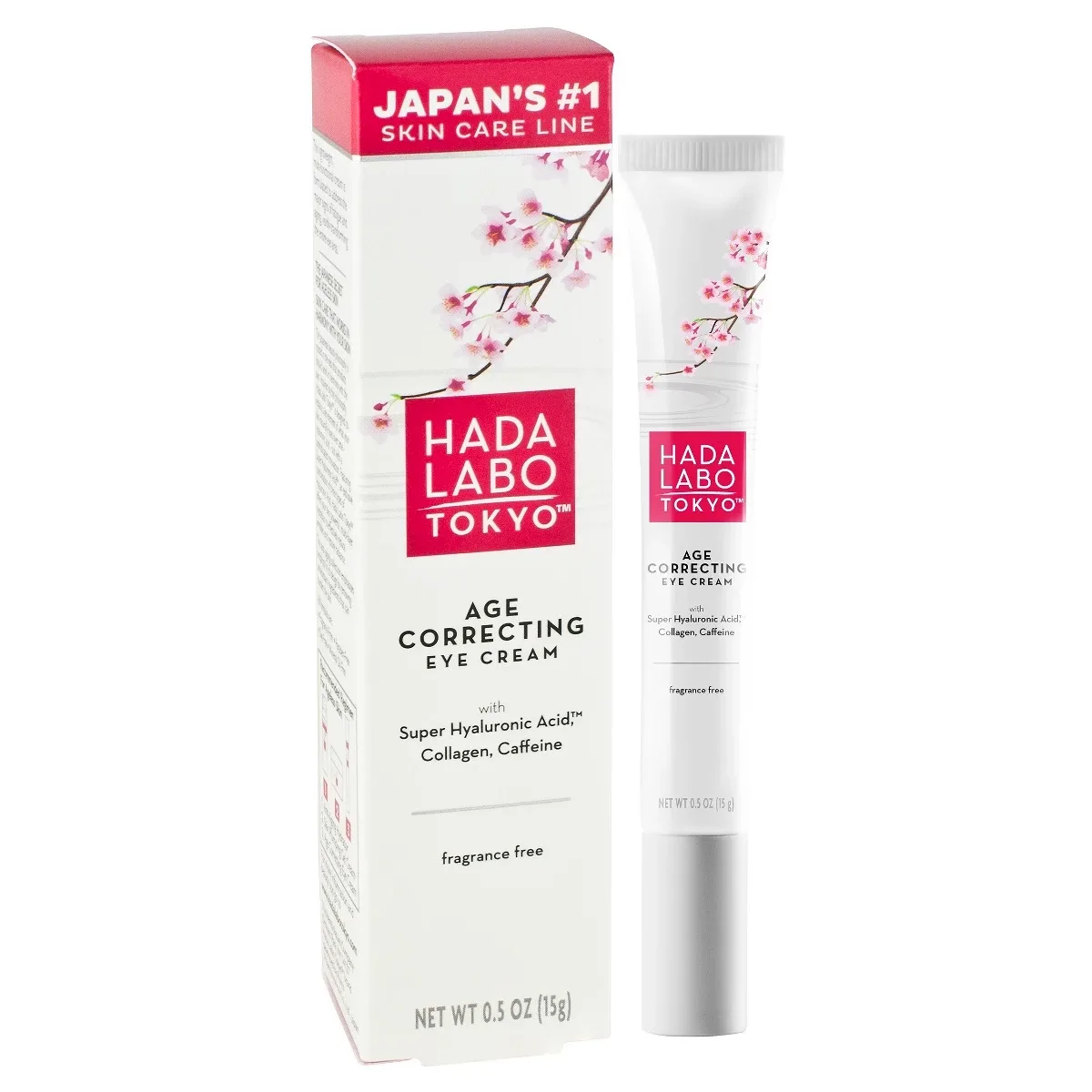
Be skeptical of that phrase. A topical peptide can't replicate an injectable, and the delicate eye-area skin still has to absorb it deeply enough to matter. What peptides do offer is real if modest: they're exceptionally well tolerated, which makes them ideal for the thin, reactive skin around the eyes where retinoids and acids often sting. Look for a recognizable peptide (Matrixyl, copper peptides, Argireline) backed by the supporting cast that does visible work — niacinamide, hyaluronic acid for plumping, and caffeine to temporarily reduce puffiness. Numbuzin's NAD+ peptide-and-retinol eye cream ($21) and Dieux's transparency-first Auracle serum ($65) are smart, honest formulas. The caveat that matters most: this is a category where price runs wild, $11 to $150, with little evidence the $150 derm-counter creams outperform the $21 one on peptides alone. Set expectations for gradual softening of fine lines over 8 to 12 weeks, not dramatic tightening, and remember that consistent sunscreen and a retinoid (used carefully near the eyes) still do more for aging than any peptide. Buy it for gentle, cumulative support — and don't overpay for the promise.
Buying Guide
Look for a named, credible peptide as the anchor — Matrixyl (signal peptides for collagen), copper peptides for repair, or Argireline if you specifically want to target expression lines — rather than a vague "peptide complex" with no specifics. Just as important is the supporting formula, since peptides work slowly: niacinamide and hyaluronic acid add visible smoothing and hydration, and caffeine offers a temporary depuffing effect for morning use. For the delicate eye area, prioritize gentleness and a fragrance-free base, which is exactly why peptides suit this zone better than stinging retinoids or acids. Texture matters around the eyes — a lightweight cream or serum that absorbs cleanly avoids milia and won't disturb makeup. Set realistic expectations: peptides deliver gradual, modest improvement, not injectable-level results, so judge a product over two to three months. The biggest trap is price: this category spans $11 to $150 with little proof the luxury options outperform affordable ones on peptides, so let the formula, not the price tag, decide.
Frequently Asked Questions
Do peptide eye creams actually work?
Peptides can offer real but modest benefits — signal peptides encourage collagen production and improve skin texture over time, and they're gentle enough for the delicate eye area. They won't produce dramatic, injectable-level tightening, so think of a peptide eye cream as gradual support for fine lines and firmness rather than a quick fix.
Are peptides or retinol better for the eye area?
Retinol has stronger evidence for anti-aging, but it can irritate the thin skin around the eyes, while peptides are far gentler and rarely sting. Many people use both — a careful retinoid a few nights a week for results and a peptide eye cream for everyday tolerable support — since peptides complement rather than replace retinoids.
What does 'Botox in a jar' mean for peptide eye creams?
It refers to neuropeptides like Argireline that aim to relax the muscle movements causing expression lines, loosely mimicking how Botox works. The comparison is marketing hyperbole, though — a topical can't penetrate or act like an injectable, so any effect is subtle and temporary rather than comparable to actual Botox.
Is an expensive peptide eye cream worth it?
Usually not for the peptides alone — this category runs from around $11 to $150 with little evidence the priciest creams outperform affordable ones on peptide benefits. You're often paying for packaging, brand, and texture, so a well-formulated budget option with a named peptide and good supporting ingredients is a smarter buy.