


Industry & Trends News
Skin Flooding and the Great Barrier Obsession of 2026
Half a genuine correction to the acid-everything era, half a new excuse to sell you five products where two would do.
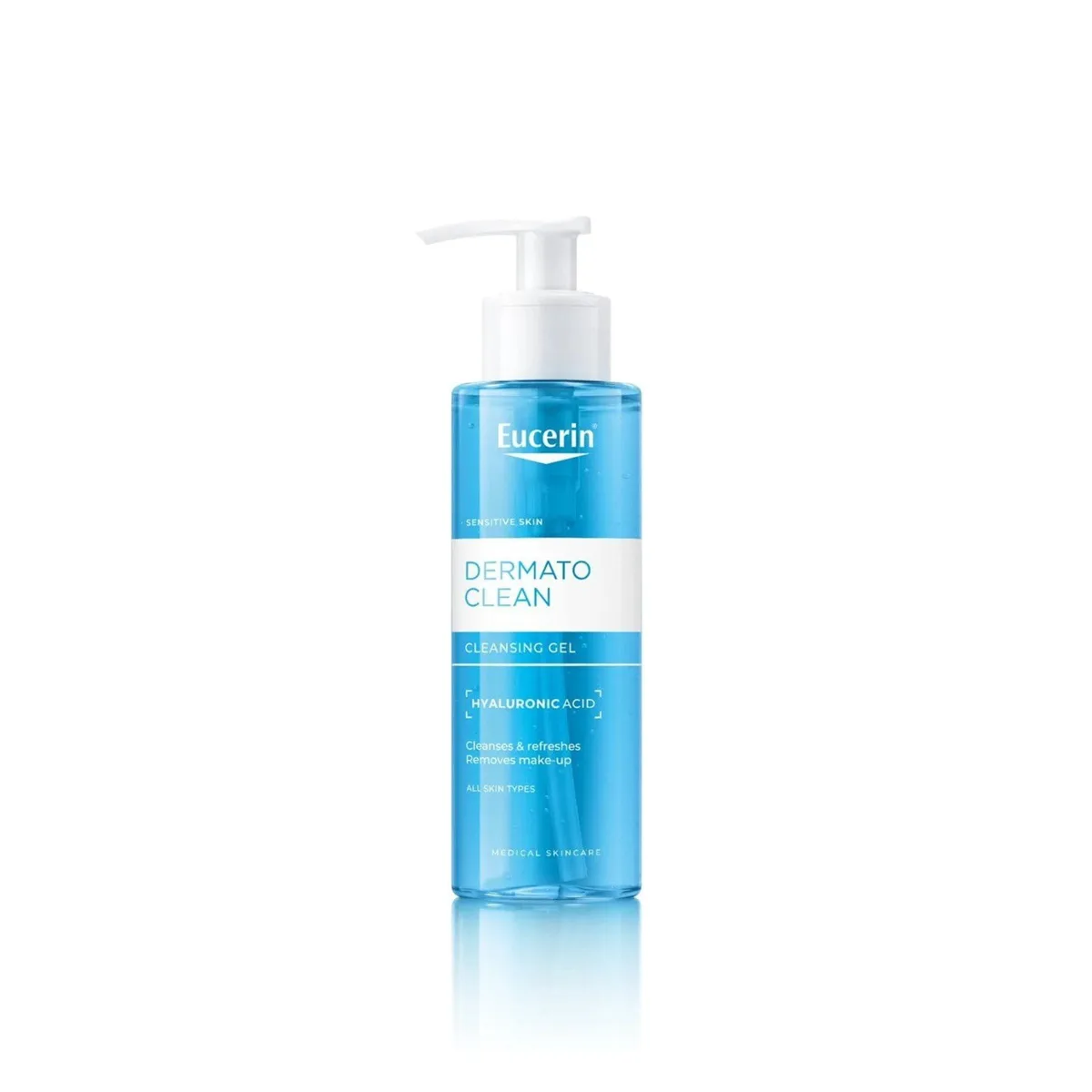
Most affordable face cleansers rely on sulfate surfactants (SLS, SLES) or harsh sodium-based alkali surfactants that disrupt the stratum corneum during cleansing. This one uses APG-class surfactants (coco-glucoside, coco-betaine) that are among the gentlest cleansing actives in widespread cosmetic use, supplemented with glycerin, glyceryl glucoside, and hyaluronic acid for hydration support during cleansing. The combination produces a cleanser that actually maintains rather than disrupts skin barrier function — unusual at the $14 price point.
A genuinely gentle daily cleanser built around APG-class surfactants — among the gentlest cleansing actives in widespread use — supplemented with glycerin, glyceryl glucoside, and hyaluronic acid for hydration support during cleansing. The 200 mL size at $14 is reasonable. Limited US availability is the main friction point; for US users, CeraVe Hydrating Cleanser is the functional equivalent at better US-market availability.
The case for it
What would change this: A researched evidence row for the lead active would replace this with a verdict.
Same rule for everyone. “Good choice” is the verdict on 1,938 of 45,024 concern verdicts across the catalog; rule F2 decided 1,938 of them. Unchanged since September 5, 2026, engine 5.1.1.
Brand or formulator? Disclose a concentration or correct a fact →
The case for it
What would change this: A researched evidence row for the lead active would replace this with a verdict.
Same rule for everyone. “Supporting role” is the verdict on 8,197 of 45,024 concern verdicts across the catalog; rule R8 decided 4,250 of them. Unchanged since September 5, 2026, engine 5.1.1.
Brand or formulator? Disclose a concentration or correct a fact →
The case for it
What would change this: The same active in a leave-on form would be judged on its evidence rather than its contact time.
Same rule for everyone. “Supporting role” is the verdict on 8,197 of 45,024 concern verdicts across the catalog; rule R6 decided 2,017 of them. Unchanged since September 5, 2026, engine 5.1.1.
Brand or formulator? Disclose a concentration or correct a fact →
The studies behind the evidence row
Also listed for Compromised Skin Barrier and Post-Procedure — the actives here (Glycerin, Coco-Glucoside, Humectants, Hyaluronic Acid) are in our research queue for those concerns; there is no verdict until their evidence rows are written. That is a gap in our table, not a mark against the product.
Excellent at the jobDoes what a cleanser is for, on every measure we can take from the label: pH match to skin, surfactant mildness.
A verdict is DermApproved’s assessment of how well a product’s ingredients fit a concern — never a claim about what the product treats. Evidence dots and collected reviews sit beside it and are never blended in. Rules 0.5.1 · evidence table ev-2026.09-r228 · how we decide
The cleanser is the most-used product in essentially every skincare routine. Twice daily, often more, the cleanser interacts with skin surface chemistry, surfactants strip oils, and the cumulative effect of those interactions over years has real consequences for skin barrier function. This is one of the most underappreciated facts in consumer skincare — users invest substantial money in serums, treatments, and moisturizers while using $6 drugstore cleansers that quietly degrade barrier function with every use. The cleanser is doing more harm than the downstream products are doing good. Choosing a gentle cleanser is one of the highest-leverage decisions in a skincare routine, and it is one of the easiest to get wrong because the cleansing category has been dominated for decades by harsh sulfate-based formulations that feel productive (lots of foam, squeaky-clean post-cleanse feel) while producing measurable barrier disruption.
Eucerin DermatoCLEAN Refreshing Cleansing Gel is built around the premise that cleansing should not disrupt the barrier it is cleaning. The formulation uses APG-class surfactants — alkyl polyglucosides derived from coconut oil and sugar — as the primary cleansing actives. Coco-glucoside and coco-betaine appear at the third and fourth INCI positions, providing the cleansing function with significantly less stratum corneum disruption than sulfate-based equivalents (SLS, SLES) would produce. APG surfactants have been studied extensively in cosmetic chemistry research for their gentleness profile: lower irritation potential, less disruption to the skin's lipid matrix, and a milder effect on the skin microbiome compared to harsher surfactant classes. They are not the cheapest surfactants to formulate with, which is part of why budget cleansers continue to use sulfates despite the published evidence that gentler alternatives produce better barrier outcomes.
The supporting cast in this formulation is what differentiates it from generic APG cleansers. Glycerin at the second INCI position provides meaningful humectant water-binding that buffers the cleansing surfactants and maintains skin comfort during use. Glyceryl glucoside — Eucerin's signature aquaporin-3-supporting humectant from the parent company Beiersdorf's research — provides newer-generation hydration support that compounds with the glycerin. Sodium hyaluronate adds further humectant water-binding. The combination produces a cleanser that maintains skin hydration during the cleansing process rather than stripping it, which is unusual at the $14 price point. Most cleansers either focus on aggressive cleansing without hydration support or include token humectant additions for marketing purposes; this one delivers a real humectant load alongside the gentle surfactant system.
In practice the cleanser behaves exactly as the formulation suggests. The texture is clear, slightly viscous gel that lathers lightly with water — not the dramatic foam of sulfate cleansers, but enough to provide tactile feedback during use. The rinse is clean without leaving film or residue. The post-cleanse skin feel is comfortable rather than tight, with no squeaky-clean sensation that signals stratum corneum disruption. Users transitioning from harsher cleansers notice the improved post-cleanse skin comfort within the first few uses. The cumulative effect on barrier function compounds over weeks of consistent use — skin that has been gradually disrupted by years of sulfate cleansing typically takes 4-8 weeks to fully recover under a gentler routine, and this cleanser is among the better options for supporting that recovery.
The formulation is appropriate for an unusually broad population. Sensitive skin, rosacea-prone, eczema-prone, post-procedure recovery, pregnancy use, fragrance-allergic users — essentially the full range of populations where harsher cleansers cause problems. The fragrance-free profile, pH-balanced formulation (approximately 5.5, matching skin's natural acid mantle), and APG surfactant base remove most of the common cleanser-related irritation triggers. For very dry skin populations, the cleanser may not provide quite enough cushioning compared to a richer cleansing balm or oil cleanser, but for the broad middle of skin types it works reliably.
The practical limits are predictable for a gentle gel cleanser. For heavy waterproof makeup, long-wear foundations, or heavy mineral sunscreens, a first-cleanse with an oil-based makeup remover is necessary — this cleanser is appropriate as the second-cleanse in a double-cleanse routine rather than as the sole cleanser for heavy-makeup days. The cleansing is genuinely effective for everyday use including light makeup, daily oil and debris, and standard sunscreen application, but it is not engineered for heavy-duty cleansing tasks. Users who do not wear heavy makeup can use it as a standalone cleanser; users who do should plan for a double-cleanse approach.
The US availability is the main friction point for North American users. The DermatoCLEAN line is primarily a European product range, with limited US distribution through specialty retailers (Amazon US via European-import sellers, iHerb, Care to Beauty). For US users seeking a gentle APG-based cleanser with similar formulation philosophy, the practical alternatives are CeraVe Hydrating Cleanser, La Roche-Posay Toleriane Hydrating Cleanser, or Cetaphil Gentle Skin Cleanser — all available at US drugstores with similar gentle cleansing profiles. The import premium for the Eucerin version is typically not justified given the functional equivalence to these more available alternatives. For European and international users, the DermatoCLEAN line is one of the better-value gentle cleansers available in mainstream pharmacy retail.
The broader framing is that this is a quietly well-engineered cleanser that does the unglamorous work of supporting daily barrier function rather than disrupting it. It is not exciting. It does not have a celebrity founder, a viral marketing moment, or a hero active. It is an APG-based gentle cleanser with a thoughtful humectant supplementation system at a reasonable price point, made by a 125-year-old dermatological skincare brand. For users who appreciate cleanser formulation as one of the higher-leverage decisions in a skincare routine, and who have access to the European-market or specialty-retailer distribution, this is a defensible choice. For users in markets where it is not easily available, the US-market equivalents from CeraVe and La Roche-Posay deliver comparable outcomes at better availability.
The hero actives that drive this product's performance.
| Ingredient | Function | Evidence |
|---|---|---|
| Coco-Betaine + Coco-Glucoside (APG Complex) | The cleansing actives — coco-betaine (an amphoteric surfactant) and coco-glucoside (an alkyl polyglucoside derived from coconut oil and sugar) — are among the gentlest surfactant combinations in widespread cosmetic use. APG-class surfactants like coco-glucoside have an excellent safety profile and produce significantly less stratum corneum disruption than sulfate-based cleansers, which is the entire point of this formulation's positioning for sensitive skin and daily use. | Not yet assessed |
| Glyceryl Glucoside | A sugar-derived humectant developed by Beiersdorf for its aquaporin-3 supporting activity — supports stratum corneum water mobility through the cellular water channels. Including a humectant active in a face cleanser is unusual and reflects the formulation's positioning for maintaining hydration during cleansing rather than just removing oil and debris. | Not yet assessed |
| Sodium Hyaluronate | Sodium salt form of hyaluronic acid included for humectant water-binding during cleansing. In a rinse-off product the hyaluronate cannot deliver long-term hydration benefits, but its presence helps offset the mild barrier disruption that any cleanser produces and improves the post-cleanse skin comfort for sensitive users. | Not yet assessed |
| Glycerin | Primary humectant at the second INCI position, providing meaningful concentration that buffers the cleansing surfactants and maintains skin comfort during use. The glycerin content is what gives this cleanser its non-stripping reputation compared to typical sulfate cleansers. | Clinically supported for Eczema · well-established certainty |
Ingredient standings describe the active at treatment-level doses and vehicles; this product's own condition grades weigh its actual formula.
Water, Glycerin, Coco-Betaine, Coco-Glucoside, Glyceryl Glucoside, Acrylates/C10-30 Alkyl Acrylate Crosspolymer, Sodium Hyaluronate, Trisodium EDTA, Sodium Chloride, Sodium Benzoate
cleanser
AM & PM
Dispense a small amount onto wet hands or wet skin, lather lightly, and rinse with lukewarm water. The formulation is gentle enough for daily morning and evening use without leaving skin tight or stripped. Particularly appropriate as the second-cleanse in a double-cleanse routine after an oil-based first-cleanse, or as a standalone cleanser for users who do not wear heavy makeup or sunscreen.
Immediate: skin feels clean without tightness or stripping after a single use. Short-term (1-2 weeks): improved post-cleanse skin comfort, better tolerance of subsequent serums and treatments. Full benefits (4-8 weeks): cumulative reduction in cleanser-related barrier disruption, improved skin tolerance for users transitioning from harsher sulfate cleansers.
The clinical evidence base for Eucerin DermatoCLEAN Refreshing Cleansing Gel rests on the well-established surfactant chemistry literature on APG-class cleansing actives. Alkyl polyglucosides like coco-glucoside have been studied extensively in cosmetic chemistry research, with consistent evidence demonstrating significantly lower stratum corneum disruption compared to sulfate-based surfactants (SLS, SLES). Mehling et al. (Int J Cosmet Sci, 2007) and related research has characterized APG surfactants' effects on skin lipid extraction, transepidermal water loss, and irritation potential, consistently showing better outcomes than sulfate alternatives. Coco-betaine is an amphoteric surfactant that combines with the APG to provide effective cleansing while further reducing irritation potential through its zwitterionic properties. The glycerin humectant supplementation has extensive established cosmetic science backing for stratum corneum hydration support. Glyceryl glucoside is supported by Beiersdorf-published research on aquaporin-3 expression and stratum corneum water mobility. The pH-balanced formulation (approximately 5.5) is supported by extensive research on skin acid mantle function and the importance of maintaining slightly acidic surface pH for barrier integrity and microbiome health. Overall, the formulation rests on a solid evidence base for the gentle cleansing mechanism and a supporting evidence base for the humectant additions, with each ingredient choice aligning with current cosmetic science consensus on gentle daily cleansing.
Eucerin DermatoCLEAN is widely recommended in European dermatology practice for sensitive skin cleansing, post-procedure recovery, and daily use across the broad pharmacy-brand cleansing population. The APG-class surfactant combination is generally considered well-aligned with current dermatological consensus on gentle daily cleansing. Clinicians familiar with the European Eucerin line frequently recommend this product specifically for sensitive skin, rosacea-prone, eczema-prone, and post-procedure patients. The formulation is widely considered pregnancy-appropriate. For US-based dermatology practice, the equivalent recommendations are typically CeraVe Hydrating Cleanser, La Roche-Posay Toleriane Hydrating Cleanser, or Cetaphil Gentle Skin Cleanser — products with similar gentle cleansing profiles available at major US drugstores. The most common clinical caveats raised are that the cleanser is appropriate for daily use but may need a first-cleanse partner (oil cleanser or makeup remover) for heavy-makeup or waterproof-product users, and that the import premium for US users is typically not justified given the availability of functionally similar US-market alternatives.
Dispense a small amount (1-2 pumps) onto wet hands or wet skin. Massage gently across the face for 30-60 seconds, working the gel into a light foam. Rinse thoroughly with lukewarm water. Pat dry with a soft towel. Use twice daily — morning and evening. For users with heavy makeup or waterproof sunscreen, use after an oil-based first-cleanse for the standard double-cleanse approach. Compatible with all standard skincare routines and safe for use after in-office procedures including chemical peels, microneedling, and laser treatments. For body use, the formulation is appropriate but more economical body washes are typically a better choice for full-body cleansing.
At $14 for 200 mL in international markets, the per-mL pricing is approximately $0.07/mL — reasonable for a derm-brand cleanser. Through US import retailers, the pricing typically runs $18-22 for the same product, an import premium of 30-50% over European retail. Comparable US-market gentle cleansers include CeraVe Hydrating Cleanser ($14 for 12 oz, similar formulation philosophy with added ceramides), La Roche-Posay Toleriane Hydrating Cleanser ($16 for 13.5 fl oz, similar gentle APG-based approach), and Cetaphil Gentle Skin Cleanser ($14 for 16 fl oz, more established formulation). All three US-market alternatives deliver functionally similar gentle cleansing at better availability and similar or better per-mL economics. For European users where DermatoCLEAN is the local standard, the product is one of the better-value gentle cleansers in the European pharmacy market. For US users, the import premium is typically not justified given the functionally equivalent domestic alternatives. The 200 mL size lasts 3-4 months at twice-daily face cleansing, putting the monthly cost in the $5-7 range — modest for a daily-use staple.
Users with sensitive, rosacea-prone, eczema-prone, or post-procedure recovery skin who want a genuinely gentle daily cleanser that supports rather than disrupts barrier function. Especially valuable for users in European and international markets where the DermatoCLEAN line is the standard, and for users transitioning away from harsher sulfate cleansers who want to support stratum corneum recovery.
Skip if you are US-based and have access to CeraVe Hydrating Cleanser, La Roche-Posay Toleriane Hydrating Cleanser, or Cetaphil Gentle Skin Cleanser — the import premium for the Eucerin version is typically not justified given the functional equivalence. Skip if you wear heavy waterproof makeup and want a single-step cleansing solution — a cleansing balm or oil is more appropriate for that use case. Skip if you specifically want cruelty-free certification.
Ready to try Eucerin DermatoCLEAN Refreshing Cleansing Gel?
Buy at Amazon ♥Clear, slightly viscous gel that produces a light, soft foam when lathered with water. Rinses cleanly without leaving residue or film on skin.
Fragrance-free with a very faint plant-derived note characteristic of coconut-derived surfactant formulations.
200 mL clear plastic pump bottle. Also available in 400 mL and 100 mL travel formats internationally.
First use is unmistakably gentler than typical sulfate cleansers — the foam is light, the rinse is clean, and the post-cleanse skin feel is comfortable rather than tight. Most users transitioning from harsher cleansers notice the improved post-cleanse skin comfort within the first few uses. There is no purging or adjustment period; the formulation is too gentle for any reactive response. The cumulative barrier improvement compared to sulfate cleansers becomes meaningful over 2-4 weeks of consistent use.
Roughly 3-4 months applied morning and night face cleansing.
All Year
Eucerin launched the DermatoCLEAN line as the brand's European cleansing range, positioned as a gentle dermatologically-appropriate alternative to harsher mainstream cleansers. The line has been a staple in European pharmacy networks for over a decade and is one of Eucerin's better-known cleansing products internationally. US availability has been limited primarily because Eucerin's US-market cleansing focus is on the Skin Calming and Q10 cleansing lines rather than the DermatoCLEAN range, with the European DermatoCLEAN gel only available through import retailers and specialty channels.
Eucerin's DermatoCLEAN line is the brand's European cleansing range, positioned as a gentle dermatologically-appropriate face cleanser alternative to harsher sulfate-based formulations. The line uses APG (alkyl polyglucoside) surfactants — derived from coconut and sugar — which are among the gentlest cleansing surfactants in widespread cosmetic use. The Eucerin brand carries over a century of dermatological research backing across its broader portfolio.
Sulfate-free cleansers don't clean as well as sulfate cleansers.
APG-class surfactants like coco-glucoside provide effective cleansing of skin oil, daily debris, and water-soluble makeup at concentrations that produce significantly less stratum corneum disruption than sulfates. For users with heavy waterproof makeup or sunscreen, double-cleansing with an oil cleanser first is the appropriate approach regardless of which water-based cleanser is used as the second cleanse. Sulfate-free does not mean inadequately cleansing — it means cleansing without the barrier disruption that sulfates produce.
A cleanser is just a cleanser — the cheap ones work the same.
Cleanser formulation choices have meaningful effects on skin barrier function over time. Harsh sulfate-based cleansers used twice daily for years can contribute to chronic stratum corneum disruption, reactive skin patterns, and reduced tolerance of treatment ingredients. Gentle APG-based cleansers like this one support sustained barrier integrity over time, which compounds with downstream skincare investment. The cleanser is one of the most-used products in any routine; getting it right matters more than most users assume.
Limited availability — primarily through Amazon US (often via European-import sellers), iHerb, and specialty international retailers like Care to Beauty. Eucerin's US-market cleansing portfolio uses different product names (Skin Calming Cleanser, Q10 Cleanser) but follows similar formulation philosophy. For US users seeking a gentle APG-based cleanser, alternatives like CeraVe Hydrating Cleanser, La Roche-Posay Toleriane Hydrating Cleanser, or Cetaphil Gentle Skin Cleanser provide functionally similar gentle cleansing experiences at US-market pricing.
Yes — the APG surfactant base is among the gentlest cleansing systems available, and the fragrance-free formulation is appropriate for sensitive skin populations including rosacea-prone, eczema-prone, and post-procedure recovery use. The pH-balanced formulation (around 5.5) matches the skin's natural acid mantle and minimizes the alkaline shift that harsher cleansers produce.
For light daily makeup and water-soluble products, yes — the APG surfactants effectively cleanse most daily makeup formulations. For heavy waterproof makeup, long-wear foundations, or heavy mineral sunscreens, a first-cleanse with an oil-based cleanser or makeup remover is the appropriate approach, followed by this gel as the second cleanse. This is the standard double-cleanse method used in Korean and Japanese skincare routines.
Yes — the formulation is appropriate for body use, though the 200 mL size makes it more practical as a face cleanser than as a body wash. For full-body cleansing, dedicated body washes in larger formats provide better economic value. The gel is also appropriate for hand washing and intimate area cleansing given its gentle, fragrance-free profile.
Both are well-formulated gentle cleansers with humectant additions. The key differences: this Eucerin uses APG surfactants (coco-glucoside, coco-betaine) as the primary cleansing actives; CeraVe Hydrating uses a slightly different surfactant combination but includes ceramides for additional barrier support. For sensitive skin users, both products are reasonable choices — selection often depends on regional availability and individual preference. CeraVe is more widely available at US drugstores; Eucerin DermatoCLEAN requires specialty retailers for US users.
Yes — every ingredient is on standard pregnancy-safe lists, with no retinoids, salicylic acid, or other commonly avoided ingredients. The fragrance-free formulation is also appropriate for users with pregnancy-related olfactory sensitivity.
Generally no — the APG surfactants plus glycerin and hyaluronic acid combination minimizes the cumulative dryness that harsher cleansers produce over time. For users with very dry skin or compromised barrier function, the formulation is gentle enough for daily use without contributing to barrier issues. Compared to typical sulfate-based cleansers, the long-term effect on skin barrier function should be neutral or modestly positive rather than degrading.
Recurring themes our editors read across retailer reviews of this product — summaries in our words, not quotations, and not a substitute for your own patch test.
Genuinely non-stripping even with twice-daily use
Sulfate-free without compromising cleansing efficacy
Suitable for daily use on sensitive and post-procedure skin
Glycerin and hyaluronic acid additions improve post-cleanse feel
200 mL size lasts several months at typical use
Affordable for a derm-brand cleanser
Limited US availability — requires import or specialty retailers
Lighter cleansing than oil cleansers — needs double-cleanse for heavy makeup
Pump bottle could dispense more cleanly
Faint plant-derived note in the otherwise fragrance-free formula
Verified answers from our questions library — the nuance a product page cannot carry.