Castor Oil Grows Nothing. What It Actually Does Is Stranger and More Useful.
No trial has ever shown it produces a single new lash — and the one adverse event with its own case literature is weirder than anything on the bottle.
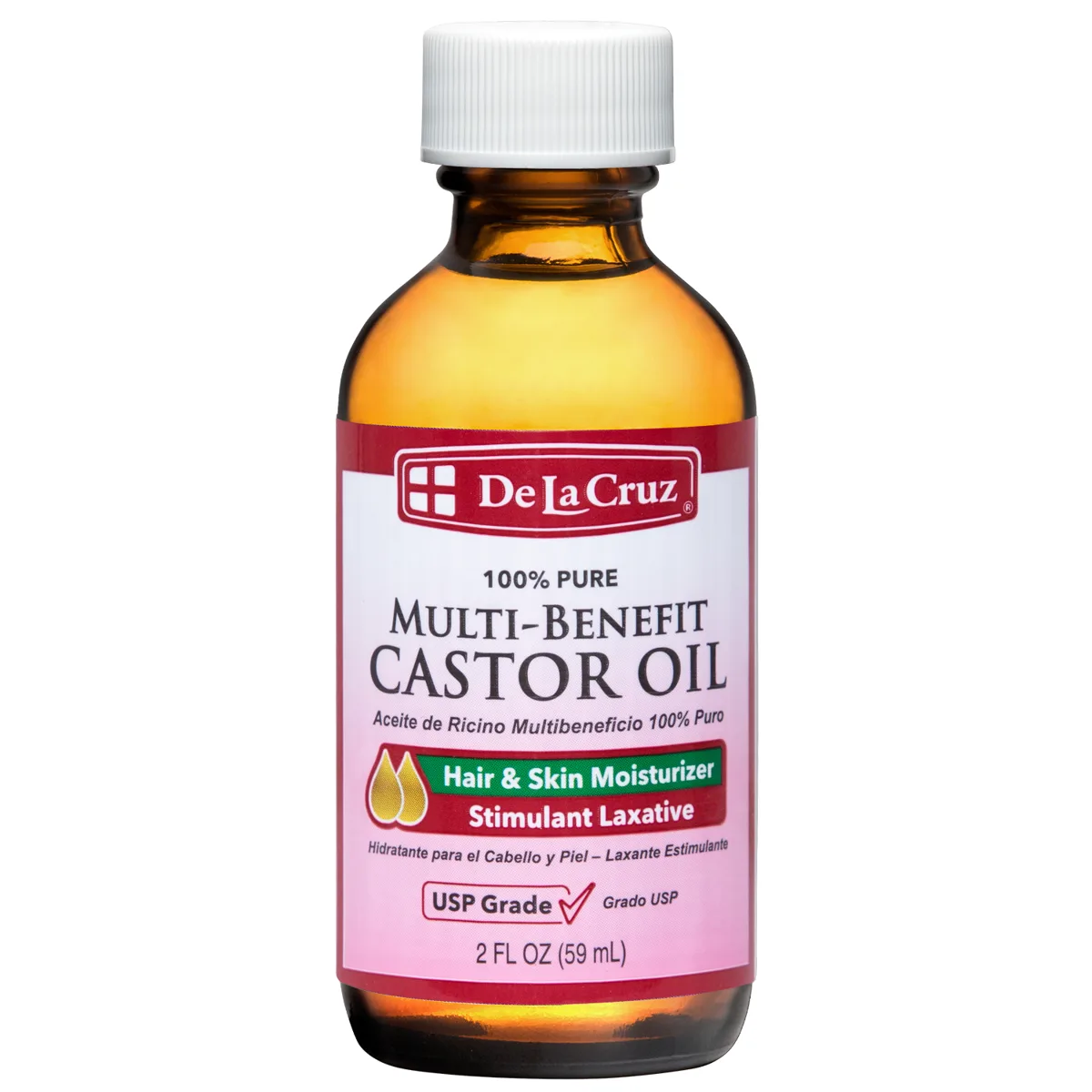
It's a genuinely pure, USP-grade single ingredient — just expeller-pressed castor seed oil, no fillers — sold at a price that makes the boutique 'lash serums' built around the same oil look absurd. Its ricinoleic-acid richness is what gives it the unusual heaviness and the mild anti-inflammatory edge over ordinary carrier oils.
A pure, USP-grade bottle of castor oil at a price that exposes how overpriced boutique 'lash serums' built on the same ingredient really are. It's a genuinely versatile occlusive-and-conditioning multitasker for lashes, brows, cuticles, and dry patches — just expect a thick, sticky texture best used diluted or targeted, and don't believe the eyelash-growth folklore.
The case for it
What would change this: A researched evidence row for the lead active would replace this with a verdict.
Same rule for everyone. “Supporting role” is the verdict on 8,197 of 45,024 concern verdicts across the catalog; rule R8 decided 4,250 of them. Unchanged since September 5, 2026, engine 5.1.1.
Brand or formulator? Disclose a concentration or correct a fact →
Also listed for Rough Texture and Winter Skin — the actives here (Castor Oil) are in our research queue for those concerns; there is no verdict until their evidence rows are written. That is a gap in our table, not a mark against the product.
As a oilNot judged: what a oil is for — fatty-acid profile, seals moisture, resists going rancid — cannot yet be measured from the ingredient list (only pore and malassezia risk can).
A verdict is DermApproved’s assessment of how well a product’s ingredients fit a concern — never a claim about what the product treats. Evidence dots and collected reviews sit beside it and are never blended in. Rules 0.5.1 · evidence table ev-2026.09-r228 · how we decide
Somewhere out there is a beauty brand selling a tiny tube of 'lash growth serum' for thirty dollars, and its ingredient list, if you squint, is mostly this: castor oil. De La Cruz's 100% Pure Expeller-Pressed Castor Oil is the seven-dollar bottle of the actual stuff, USP grade, nothing added, and understanding that is half the value of buying it. The other half is understanding what castor oil genuinely does — because the folklore around it has run considerably ahead of the science, and the truth is still good enough to justify a permanent spot in your bathroom drawer.
What's in the bottle is refreshingly simple: Ricinus communis seed oil, full stop, expeller-pressed to a pharmaceutical purity grade. What makes castor oil unlike any other cosmetic oil is its chemistry. It's roughly 90% ricinoleic acid, an unusual omega-9 fatty acid that gives the oil two defining traits. First, it's extraordinarily viscous — the thickest, tackiest of the common oils — which makes it a powerful occlusive that seals moisture against the skin and coats hair strands in a way lighter oils can't. Second, ricinoleic acid carries a documented mild anti-inflammatory and antimicrobial character, which is why castor oil turns up in the dermatology literature for a surprisingly wide range of uses. That combination — heavy seal plus a gentle bioactive edge — is what separates it from a plain carrier oil.
In practice, the thickness dictates how you use it, and the smart move is rarely 'slather it on your face.' Neat castor oil is sticky and slow to absorb; a single drop stretches remarkably far. Where it excels is targeted conditioning: brushed through lashes and brows at night, worked into dry cuticles, dabbed on flaky patches, or smoothed onto the ends of thirsty hair. As a facial oil it's usually too heavy alone, so most people blend a few drops into a moisturizer or a lighter oil to borrow its sealing power without the tack. Used that way, it's one of the most versatile single ingredients you can own.
Now the honest part, starting with the claim that sells the most bottles: castor oil does not grow eyelashes or eyebrows. There's no solid evidence it stimulates new hair. What it does — and does well — is coat and condition the lashes and brows you already have, reducing breakage and adding a glossy fullness that is very easy to mistake for growth. That's a real, worthwhile cosmetic effect; it's just not the miracle the internet promises. Setting the expectation correctly is the difference between a happy purchase and a disappointed one.
The other limitations are texture-driven and worth respecting. That lovely occlusivity is also a clogging risk on the face for oily and acne-prone skin, and it's not a fungal-acne-safe oil. The essential purity that makes it appealing is also a mild caveat: native castor oil and ricinoleic acid are the forms most associated with the occasional case of contact dermatitis, so a patch test is wise for reactive skin. And there's a specific pregnancy nuance — oral castor oil is a known labor stimulant, and while topical use is a different matter, enough people prefer caution that this doesn't earn a blanket pregnancy-safe rating; check with a doctor. The packaging is bare-bones too: a plain bottle without a dropper, so dosing this thick oil precisely takes a steady hand.
On value, there's almost nothing to argue about. Around seven dollars buys a 2-ounce bottle of pure, USP-grade oil that, used a few drops at a time on lashes, brows, and dry spots, lasts many months; the 8-ounce size is effectively a year-plus supply or for hair and body use. The entire category of premium lash and brow serums is, to a significant degree, castor oil with marketing, and this bottle lets you opt out of the markup entirely. What you give up is a fancy applicator wand and a story — not the ingredient.
It's worth appreciating how much this one ingredient has quietly been rediscovered. Castor oil sat in medicine cabinets for generations as an unglamorous grandma remedy before beauty social media seized on it, spun up the lash-growth narrative, and repackaged it at a steep markup. The irony is that the plain USP-grade bottle is the better buy on every axis except the applicator: same oil, same ricinoleic-acid chemistry, a fraction of the cost, and no inflated promises to be let down by. Buying the commodity version and setting realistic expectations is the move that actually respects what the ingredient does.
Who should buy it? Anyone wanting an affordable, pure multitasker for conditioning lashes and brows, softening cuticles, sealing dry patches, or boosting the richness of a moisturizer — especially value-minded folks tired of paying serum prices for a commodity oil. Who should skip: oily and acne-prone faces wary of a heavy occlusive, sensitive skin that hasn't patch-tested, anyone wanting a light everyday facial oil, and those expecting literal lash growth. Take castor oil for the genuinely useful, slightly old-fashioned workhorse it is, and this is one of the best few dollars you can spend in skincare.
The hero actives that drive this product's performance.
| Ingredient | Function | Evidence |
|---|---|---|
| Ricinus Communis (Castor) Seed Oil (100%) | The entire product — a thick, viscous oil roughly 90% ricinoleic acid, an omega-9 fatty acid that gives castor oil both its heavy occlusive seal and its mild anti-inflammatory character, expeller-pressed to USP grade with nothing added. | Not yet assessed |
Ricinus Communis (Castor) Seed Oil
occlusive
PM
Because it's thick and sticky, castor oil works best diluted — blend a few drops into a moisturizer or a lighter carrier oil, or use it neat only as a targeted sealing step on lashes, brows, cuticles, or very dry patches. On the face, always apply it last, over water-based products.
Immediate sealing and softening on dry patches, lashes, and cuticles. Any conditioning benefit to brows or lashes is gradual and cosmetic, appearing over weeks of nightly use; castor oil does not grow new hair despite the folklore.
Castor oil's distinctiveness is chemical: it is dominated — roughly 90% — by ricinoleic acid, a hydroxylated monounsaturated omega-9 fatty acid found in almost no other common oil, and that single fact explains both its heavy, occlusive texture and its bioactivity. A 2026 narrative review of castor oil in dermatology in Cureus (Girdler and colleagues) summarizes the current evidence: the oil demonstrates anti-inflammatory, antimicrobial, and antioxidant properties, increases skin hydration and elasticity, and in one study reduced the appearance of periocular rhytides by about a third after two months of twice-daily use, all with a favorable topical safety profile in which adverse reactions are rare and usually limited to mild contact dermatitis. The mechanism behind the moisturization is straightforward occlusion — castor oil's exceptional viscosity forms a substantial surface barrier that markedly reduces transepidermal water loss — while ricinoleic acid contributes the anti-inflammatory edge documented in experimental inflammation models. Importantly, the review notes that adverse reactions are most associated with native, unmodified castor oil and ricinoleic acid, which is precisely the form in this pure bottle, underscoring the sense of patch-testing on sensitive skin. On the popular lash-and-brow-growth claim, the science is far thinner: the plausible and observed benefit is conditioning and reduced breakage of existing hairs rather than stimulation of new growth, and the review's own framing — that further clinical investigation is warranted to establish efficacy and optimal formulations — applies squarely to those headline uses.
Castor oil occupies an interesting spot in clinical thinking: a genuinely versatile, well-tolerated oil whose folk reputation outruns its proven uses. Reviews of its dermatologic use credit it with real anti-inflammatory, antimicrobial, and moisturizing properties and a favorable safety profile, while cautioning that much of the enthusiasm — especially for hair and lash growth — outpaces controlled evidence. Practically, clinicians tend to frame castor oil as a useful occlusive and conditioning agent: helpful for dry patches, cuticles, and as a booster in emollient routines, and reasonable for conditioning brows and lashes with the expectation of reduced breakage rather than new growth. The standard cautions are its comedogenic heaviness on acne-prone facial skin, the small but real risk of contact dermatitis with the native oil (favoring a patch test), and a preference for caution around the eyes and in pregnancy. For most patients it's a low-cost, low-risk multitasker best used with realistic expectations.
Because it's thick, use it sparingly and often diluted. For lashes and brows, dip a clean spoolie or cotton swab and lightly coat them before bed, keeping the oil out of the eyes. For skin, either blend a few drops into your moisturizer or a lighter oil, or dab it neat onto dry cuticles, flaky patches, or hair ends. On the face use it only as a final sealing step over water-based products, and go light if you're oily. Patch test on the inner arm first if your skin is sensitive, avoid active breakouts, and check with a doctor before use if you're pregnant.
At roughly $6.99 for 2 fluid ounces — with an 8-ounce size for those who use it on hair and body — this is about as much value as skincare offers, because the product is a pure commodity ingredient sold without markup. The comparison that makes the point is the premium lash- and brow-serum market, much of which is castor oil dressed up with an applicator wand and growth claims at four or five times the price per ounce. A few drops at a time means a small bottle lasts many months, driving cost-per-use into the negligible range. You forgo a dropper and a marketing narrative; you keep a USP-grade oil that does everything those pricier products actually do. For a value-minded multitasker, it's an easy recommendation.
Value-minded people who want one pure, versatile oil to condition lashes and brows, soften cuticles, seal dry patches, and enrich a moisturizer — especially anyone unwilling to pay boutique-serum prices for what is essentially this ingredient. Dry and normal skin will get the most out of it.
Very oily or acne-prone complexions should be cautious with such a heavy occlusive, and fungal-acne sufferers should avoid it. Sensitive skin should patch test first, anyone wanting a light everyday facial oil should look elsewhere, and those expecting literal lash or brow growth will be disappointed.
Ready to try De La Cruz 100% Pure Expeller-Pressed Castor Oil?
Buy at Amazon ♥A notably thick, viscous, slightly tacky clear oil — the heaviest of the common cosmetic oils, slow to spread and slow to absorb.
Nearly odorless with only a faint natural oil note; no added fragrance.
A basic 2 fl oz plastic bottle with a small pour opening (an 8 fl oz size is also sold) — no dropper, so precise dosing takes care.
You'll notice immediately how much heavier and stickier it is than lighter oils; a drop goes a long way. No sting on intact skin, but the tackiness means most people prefer to dilute it or reserve it for lashes, brows, and cuticles.
Used a few drops at a time on lashes, brows, and dry spots, the 2 fl oz bottle lasts many months; the 8 fl oz size is effectively a year-plus supply or for hair and body use.
All Year
Castor oil is one of the oldest cosmetic and medicinal oils in continuous use, and De La Cruz's USP-grade bottle is a straightforward, affordable entry marketed for multi-use skin, hair, lash, and brow conditioning — the kind of pharmacy staple that predates the beauty industry's rediscovery of it on social media.
DLC Laboratories markets this as USP-grade castor oil under the De La Cruz name; the brand's decades in Latino pharmacies rest on plain, single-ingredient staples like this one.
Castor oil makes your eyelashes and eyebrows grow longer and thicker.
There's no solid evidence castor oil stimulates new hair growth. What it does is coat and condition existing lashes and brows, reducing breakage and making them look glossier and fuller — a real cosmetic effect often mistaken for growth.
Because it's natural and pure, castor oil is perfectly safe for everyone everywhere.
It's generally safe, but native castor oil and ricinoleic acid are the forms most associated with the occasional contact dermatitis, and its heaviness can clog pores or overwhelm the delicate eye area if over-applied. Pure doesn't mean risk-free.
Not in the grow-new-hair sense — there's no strong evidence castor oil stimulates hair growth. What it genuinely does is coat and condition existing lashes and brows, cutting breakage and adding shine, which makes them look fuller and healthier over time. That cosmetic effect is real; the growth claim is folklore.
Castor oil is roughly 90% ricinoleic acid, an unusual fatty acid that makes it far more viscous than lighter oils like jojoba or safflower. That heaviness is why it's such a strong occlusive sealer, but it's also why most people prefer to dilute it or use it sparingly on targeted areas.
USP grade means it meets United States Pharmacopeia purity standards — a pharmaceutical-level benchmark, not just cosmetic. For a single-ingredient oil, it's a reassurance that what's in the bottle is pure, well-processed castor seed oil with no fillers or contaminants.
You can, but dilute it. Neat castor oil is heavy and tacky and can clog pores on the face, so it's best blended a few drops into a moisturizer or lighter oil, or reserved for targeted sealing on very dry patches. Oily and acne-prone skin should be cautious, and it isn't fungal-acne safe.
It shines as a targeted conditioner: lashes and brows at night, dry cuticles, flaky patches, and the ends of dry hair. As a whole-face oil it's usually too heavy on its own, so most people use it as a spot sealer or a booster mixed into other products.
Topically it's generally considered low-risk, but because oral castor oil is a known labor stimulant, many people are cautious with it during pregnancy and prefer to check with their doctor first — which is why we don't give it a blanket pregnancy-safe rating for topical use.
Recurring themes our editors read across retailer reviews of this product — summaries in our words, not quotations, and not a substitute for your own patch test.
Conditions lashes and brows over time
USP grade and genuinely pure
Excellent value for a versatile oil
Great for cuticles and dry patches
Very thick and sticky neat
No dropper, easy to over-pour
Lash-growth claims are overblown