


Mandelic Acid: The Gentle AHA Built for Sensitive and Deeper Skin
Its molecule is roughly twice the size of glycolic's — and that single fact is why it's the exfoliating acid dermatologists reach for when irritation could cost you pigment.
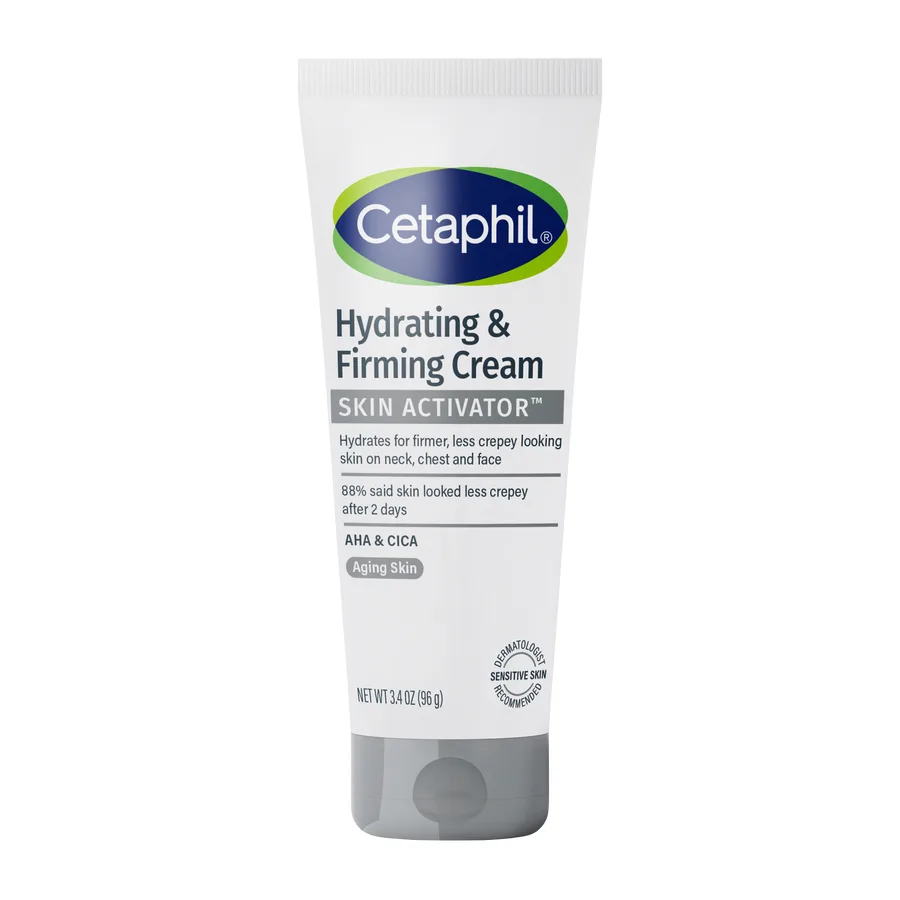
Most firming creams chase results with retinoids or strong glycolic acid that the thin, fragile skin of the neck and chest can't easily tolerate. This pairs mandelic acid — the gentlest AHA, chosen specifically for its slow, low-irritation resurfacing — with soothing centella in a fragrance-free Cetaphil base, designed for the exact areas other anti-aging products are too harsh to treat.
A genuinely smart entry in accessible anti-aging: Cetaphil pairs gentle mandelic acid with soothing centella in a fragrance-free, richly hydrating cream built for the thin, crepe-prone skin of the neck and chest that harsher actives can't safely treat. Firming results are gradual and the tube is small, but for tolerable daily resurfacing where it's hardest to achieve, it earns its place.
Because this Skin Activator cream only reached shelves in September 2025, the score draws more on the predictable behavior of mandelic acid and centella and on Cetaphil's decades-long formulation record than on a deep pool of long-term reviews, of which there are still only a few hundred. Expect this assessment to firm up as more real-world feedback on its durability and firming results accumulates over the coming year.
The case for it
Cautions: a photosensitising active — use sun protection.
What would change this: A researched evidence row for the lead active would replace this with a verdict.
Same rule for everyone. “Supporting role” is the verdict on 8,197 of 45,024 concern verdicts across the catalog; rule R8 decided 4,250 of them. Unchanged since September 5, 2026, engine 5.1.1.
Brand or formulator? Disclose a concentration or correct a fact →
The case for it
Same rule for everyone. “Good choice” is the verdict on 9,564 of 45,024 concern verdicts across the catalog; rule R5 decided 9,072 of them. Unchanged since September 5, 2026, engine 5.1.1.
Brand or formulator? Disclose a concentration or correct a fact →
The studies behind the evidence row
The case for it
Same rule for everyone. “Good choice” is the verdict on 9,564 of 45,024 concern verdicts across the catalog; rule R5 decided 9,072 of them. Unchanged since September 5, 2026, engine 5.1.1.
Brand or formulator? Disclose a concentration or correct a fact →
The studies behind the evidence row
Also listed for Rough Texture — the actives here (Sunflower Oil, Glycerin, Mandelic Acid, Centella Asiatica) are in our research queue for that concern; there is no verdict until their evidence rows are written. That is a gap in our table, not a mark against the product.
Does the jobDoes what a moisturizer is for: draws in water, softens and smooths.
A verdict is DermApproved’s assessment of how well a product’s ingredients fit a concern — never a claim about what the product treats. Evidence dots and collected reviews sit beside it and are never blended in. Rules 0.5.1 · evidence table ev-2026.09-r228 · how we decide
Ask any skincare enthusiast where their routine falls apart, and a surprising number will point below the jaw. The neck and chest are the orphans of skincare: the skin there is thinner, has fewer oil glands, and is more fragile than the face, yet it racks up just as much sun damage and shows aging in the form of crepiness, sagging, and that characteristic sun-mottled texture. The cruel irony is that this delicate skin desperately needs anti-aging help but can't tolerate the potent retinoids and strong glycolic acids that the face handles fine. That's the precise problem this cream was built to solve, and understanding the problem is the key to understanding why Cetaphil made the formulation choices it did.
The whole strategy hinges on one deliberate decision: the choice of acid. Rather than reaching for glycolic acid, the small, fast-penetrating AHA that does great work on resilient facial skin but tends to sting and inflame fragile areas, Cetaphil chose mandelic acid. This matters more than it sounds. Mandelic acid has a notably larger molecular size, which slows how quickly it penetrates the skin, and that slower delivery translates directly into gentler, lower-irritation resurfacing. It still does the job of an AHA, lifting dead surface cells and encouraging cell turnover to smooth texture and improve tone, but it does so at a pace that thin neck and chest skin can actually handle daily. It's the difference between a tool sized for the job and one that's too aggressive for it.
The other half of the formula's intelligence is what it puts alongside the acid. Centella asiatica, the CICA ingredient that K-beauty made famous, brings madecassoside and asiaticoside, compounds with a real reputation for soothing and supporting the moisture barrier. Pairing a gentle exfoliating acid with a dedicated soothing agent is a thoughtful bit of formulation: the centella actively counterbalances whatever mild irritation the mandelic acid might cause, keeping the net experience calming rather than stripping. Around these two actives, Cetaphil built a genuinely rich, nourishing base. Sunflower seed oil sits unusually high as the second ingredient, lending a linoleic-acid-rich emollient cushion, backed by glycerin for humectant hydration, dimethicone for silky slip, and sweet almond oil for extra nourishment. The result is a cream that feels substantial and comforting, which is exactly right for dry, fragile skin.
In use, it lives up to the gentle billing. The texture is rich but not heavy, melting in via the silicone slip to a velvety, non-greasy finish. It's fragrance-free and essential-oil-free, a Cetaphil hallmark, and despite containing an AHA, most people feel nothing beyond comfortable hydration on application. Sensitive skin might register a faint, fleeting warmth, but the stinging you'd expect from an acid product simply isn't there, which is the entire point. From the first use, skin feels smoother and deeply hydrated, and the look of dryness-exaggerated crepiness softens immediately.
Now for the honest expectations, because this is where firming creams routinely overpromise. The resurfacing benefit from the mandelic acid is real and arrives reasonably quickly, with texture and tone improving over two to four weeks. The firming, however, is the slow, subtle kind. This is not a product that tightens sagging skin dramatically, and anyone expecting a visible lift will be disappointed. What it actually does is improve the quality, smoothness, and hydration of the skin over a couple of months of consistent use, with the plumping effect of good hydration doing a lot of the visible work. Manage expectations and it satisfies; expect a facelift in a tube and it won't.
There are a couple of practical caveats worth flagging. The tube is 3.4 ounces, which is genuinely small for a product meant to cover the face, neck, and chest, so it can disappear faster than you'd like if you're generous across all three areas. The rich, oil-forward base is lovely on dry and normal skin but too heavy for oily skin, and it contains cetearyl alcohol and sweet almond oil, the latter being a tree-nut-derived ingredient that anyone with a nut allergy should approach cautiously. And because there's an AHA in the mix, daytime use on the often sun-exposed neck and chest absolutely demands sunscreen.
On value, it's reasonable rather than a bargain. At around $13.49 for a small tube, you're paying a fair drugstore-plus price for a thoughtfully formulated, fragrance-free cream from a brand with genuine dermatological credibility going back to 1947. It's worth being clear that this is a 2025 launch, so the long-term track record is still thin and the firming claims rest more on the well-understood behavior of the ingredients than on years of user data. But Cetaphil's reputation for gentle, sensible formulas is earned, and nothing here is overhyped or padded with marketing actives.
The recommendation sorts cleanly by skin type and expectation. If you have dry, normal, or sensitive skin, you're bothered by crepey, sun-textured neck and chest skin, and you want a genuinely tolerable way to resurface and hydrate those fragile areas daily, this is one of the smarter options on the shelf precisely because it was designed for the job. If your skin is oily, if you have a tree-nut allergy, or if you're after dramatic firming rather than gradual quality improvement, look elsewhere. Used for what it honestly is, a gentle daily resurfacing and hydrating cream for hard-to-treat skin, it delivers.
The hero actives that drive this product's performance.
| Ingredient | Function | Evidence |
|---|---|---|
| Mandelic Acid | The gentlest of the alpha-hydroxy acids, mandelic acid has a large molecular size that slows its penetration, so it resurfaces and boosts cell turnover on the delicate neck and chest skin with far less irritation than glycolic — a deliberate choice for the thin, fragile areas this cream targets. | Not yet assessed |
| Centella Asiatica Leaf Extract | The CICA half of the formula, centella supplies madecassoside and asiaticoside that soothe and support the moisture barrier, counterbalancing the mandelic acid's exfoliation so the overall effect stays calming rather than stripping on aging, thinning skin. | Not yet assessed |
| Glycerin | The primary humectant, third on the list, drawing water into the skin and working with the rich sunflower and almond oils and dimethicone above and below it to deliver the deep, lasting hydration that plumps the look of crepey neck and chest skin. | Established mechanism for Dryness · established mechanism |
| Helianthus Annuus (Sunflower) Seed Oil | Sitting unusually high as the second ingredient, this linoleic-acid-rich emollient oil gives the cream its rich, nourishing texture and supports the lipid barrier — a generous emollient base that makes the formula feel comforting on the dry, fragile skin of the neck and chest. | Not yet assessed |
Ingredient standings describe the active at treatment-level doses and vehicles; this product's own condition grades weigh its actual formula.
Water, Helianthus Annuus (Sunflower) Seed Oil, Glycerin, Dimethicone, Cetearyl Alcohol, Hydrogenated Vegetable Oil, Synthetic Beeswax, Methyl Glucose Sesquistearate, Prunus Amygdalus Dulcis (Sweet Almond) Oil, Mandelic Acid, Tocopheryl Acetate, Centella Asiatica Leaf Extract, Dimethiconol, Propanediol, Acrylates/C10-30 Alkyl Acrylate Crosspolymer, Potassium Cetyl Phosphate, Lecithin, Disodium EDTA, Ethylhexylglycerin, Phenoxyethanol, Sodium Hydroxide, Tocopherol
moisturizer
AM & PM
Smooth onto the neck, chest, and face after cleansing and any thinner serums. The mandelic acid means daytime use should always be paired with sunscreen on these often sun-exposed areas, and you can ease into nightly use if your skin is reactive.
Immediate hydration and a smoother surface feel from the first use. Over two to four weeks the mandelic acid's resurfacing improves texture and tone; firming and crepey-skin improvements are gradual and build over roughly eight to twelve weeks of consistent use.
The formulation logic here is grounded in the specific dermatology of alpha-hydroxy acids and barrier support. Mandelic acid is an AHA derived from bitter almonds with a molecular weight of roughly 152 g/mol, considerably larger than glycolic acid's 76 g/mol; this larger size slows transepidermal penetration, which clinical and formulation literature associates with reduced irritation and a gentler resurfacing profile, making it well-suited to thin, sensitive skin like the neck and chest. Its mechanism is the standard AHA pathway: loosening corneocyte adhesion to accelerate desquamation, improving surface texture, tone, and over time stimulating modest dermal remodeling. The pairing with centella asiatica is the formulation's smart counterweight; centella's triterpenoids, principally madecassoside and asiaticoside, have documented soothing, anti-inflammatory, and barrier-supportive activity in topical studies, and there is research interest in their role supporting collagen synthesis, though robust clinical firming evidence specific to this combination is not yet established. Glycerin's hydration benefits are extensively validated, and the linoleic-acid-rich sunflower seed oil supports barrier lipids. It's worth being precise: the resurfacing and hydration claims rest on solid, well-understood mechanisms, while the 'firming' claim is supported more by the plumping effect of hydration and the theoretical collagen-supportive interest in centella than by definitive lift-demonstrating trials. The honest scientific summary is a well-reasoned gentle-resurfacing formula with realistic, hydration-driven benefits.
Treating the neck and chest is a recognized clinical challenge, since this skin is thinner, has fewer sebaceous glands, and tolerates potent actives poorly while accumulating significant photodamage. Clinical guidance generally favors gentler exfoliating acids and diligent sun protection for these areas over the stronger retinoids and glycolic acid reserved for the face, which makes a mandelic-acid-based cream a sensible, well-aligned choice. Centella asiatica is frequently noted in dermatologic discussion for its soothing and barrier-supportive properties. Realistic counseling typically frames such products as improving skin texture, hydration, and the appearance of crepiness gradually, rather than producing dramatic tightening of laxity, which usually requires in-office procedures. Patients are routinely reminded that any AHA use on sun-exposed areas like the chest must be paired with daily broad-spectrum sunscreen, and those with tree-nut sensitivities should note the sweet almond oil content.
After cleansing, smooth an even layer over the neck, chest, and face, applying any thinner serums first. Start with once-daily use, ideally at night, and build to twice daily as your skin confirms it tolerates the mandelic acid well. Because the formula contains an AHA and the neck and chest are heavily sun-exposed, always apply a broad-spectrum sunscreen over these areas during the day — this is non-negotiable for safe acid use. Avoid layering it in the same session with strong retinoids or other exfoliating acids to prevent over-exfoliation. A little spreads a long way, so use sparingly to make the small tube last.
At around $13.49 for a 3.4 oz tube, this sits at a fair drugstore-plus price, though the small size is a genuine drawback for a product meant to cover the face, neck, and chest — it can run out within two to three months and there's no larger format to improve the per-ounce math. You're paying for a thoughtfully gentle, fragrance-free formula from a brand with real dermatological credibility rather than for hype, which is reassuring. As a 2025 launch its firming claims lean on ingredient behavior more than long-term proof, so value is best judged on what it reliably delivers: tolerable daily resurfacing and rich hydration for hard-to-treat skin. On those terms, it's reasonable, honest value rather than a standout bargain.
People with dry, normal, or sensitive skin who want to address crepey, sun-textured, or aging skin on the neck and chest as well as the face, and who need a resurfacing acid gentle enough for those fragile areas. It's ideal for anyone who finds stronger retinoids or glycolic acid too harsh below the jaw.
Skip it if you have oily skin that won't tolerate the rich, oil-forward base, or a tree-nut allergy given the sweet almond oil. Anyone expecting dramatic tightening of sagging skin should also look elsewhere, since the firming here is gradual and hydration-driven rather than a visible lift.
Ready to try Cetaphil Skin Activator Hydrating & Firming Cream for Neck, Chest & Face?
Buy at Amazon ♥A rich but cushiony cream that melts in smoothly thanks to the silicone slip, leaving a soft, nourished finish without a heavy greasy film.
Fragrance-free and essential-oil-free, with only a faint neutral note from the plant oils in the base.
A 3.4 oz squeeze tube with a flip cap — hygienic and easy to dispense a controlled amount.
Glides on richly and absorbs to a velvety finish with no fragrance and no sting, even though it contains an AHA. The mandelic acid is gentle enough that most people feel nothing beyond comfortable hydration; sensitive skin may notice a very mild warmth at first that settles quickly.
Around 2-3 months when used once or twice daily on the neck, chest, and face — less if applied generously across all three areas.
All Year
The neck and chest are notoriously hard to treat: thinner and more fragile than facial skin, prone to crepiness and sun damage, yet too sensitive for the potent actives used on the face. Cetaphil built the 2025 Skin Activator line around that gap, reaching for mandelic acid's gentleness and centella's soothing to make daily resurfacing tolerable where stronger anti-aging products fail.
Cetaphil, created in 1947 and owned by Galderma, is one of the most dermatologist-recommended drugstore skincare brands worldwide, built on a reputation for gentle, barrier-friendly formulas. This Skin Activator line is a 2025 foray into accessible anti-aging using mandelic acid and centella.
You need a strong retinol or glycolic acid to firm aging skin.
On fragile neck and chest skin, potent actives often cause more irritation than benefit. This cream's gentler mandelic acid delivers steady resurfacing and turnover with far less risk, and consistency on tolerable strength beats intensity that your skin can't sustain.
An AHA cream will always sting and irritate.
Mandelic acid's larger molecule penetrates slowly, and here it's buffered by centella, rich emollient oils, and a fragrance-free base. Most users feel nothing but hydration, which is why it works on areas too sensitive for harsher acids.
Mandelic acid is a gentle AHA that resurfaces skin and boosts cell turnover. Its large molecule penetrates slowly, so it smooths texture on fragile neck and chest skin with far less irritation than stronger acids like glycolic — which is why Cetaphil chose it for these delicate areas.
Yes, for most people. It's fragrance-free and essential-oil-free, the mandelic acid is the mildest AHA, and centella is included to soothe. Most users feel only hydration, though very sensitive skin may notice a brief, mild warmth at first that settles quickly.
It improves skin texture, hydration, and the look of crepiness gradually over about eight to twelve weeks, with hydration plumping doing much of the visible work. It won't dramatically tighten sagging skin — significant laxity usually needs in-office treatments.
Yes, but because it contains an AHA and the neck and chest are heavily sun-exposed, you must apply a broad-spectrum sunscreen over these areas afterward. Using an exfoliating acid without daytime sun protection can worsen sun damage on this fragile skin.
Be cautious. The formula contains sweet almond oil, which is derived from a tree nut. If you have a tree-nut allergy, patch test carefully or consult your doctor before using it, since reactions to topical nut-derived oils are possible.
The 3.4 oz tube typically lasts two to three months when used once or twice daily, and less if you apply it generously across the face, neck, and chest. A little spreads a long way, so using sparingly helps stretch the small tube.
Recurring themes our editors read across retailer reviews of this product — summaries in our words, not quotations, and not a substitute for your own patch test.
Gentle enough for daily neck and chest use
Rich and hydrating without irritation
Fragrance-free and non-stinging
Noticeable smoothing of crepey skin
Small tube for a face, neck, and chest product
Rich texture too heavy for oily skin
Firming results are subtle and slow
Contains almond oil, a tree-nut allergen