Strawberry Legs: What Those Dark Dots Actually Are
The speckling isn't dirt trapped in your pores, which is exactly why scrubbing harder makes it worse — the real fix looks a lot like acne care, moved south.
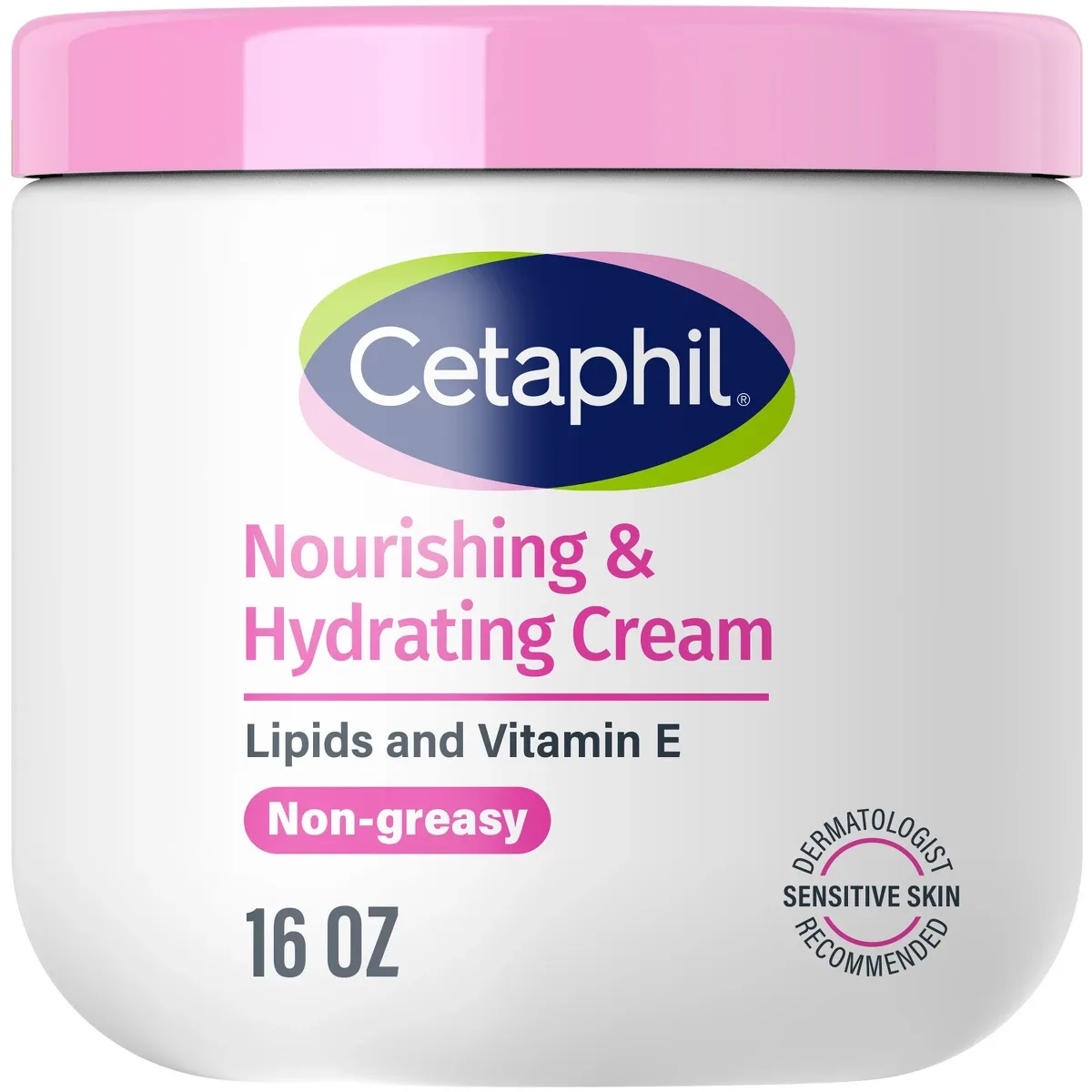
Seventeen ingredients, sunflower oil in second place, sweet almond oil in ninth and a hydrogenated-oil-and-beeswax backbone instead of petrolatum: it is the first Cetaphil body cream built on plant lipids rather than on the brand's petrolatum-and-NMF template, and it is fragrance-free and silicone-cushioned so the oil never reads as grease. Among mass-market 'oil-infused' creams, the oil here is actually near the top of the list.
The first Cetaphil body cream built on plant oils rather than petrolatum: sunflower oil second on the list, almond oil ninth, a wax occlusive and enough silicone to keep it from feeling like oil. It is simple, fragrance-free and effective on very dry limbs. It has no humectant beyond glycerin, no track record beyond 2026, and a price above the brand's classic cream, which still holds water better on cracked skin.
This cream launched in 2026 and the thousands of Amazon ratings on its listing appear to be pooled with Cetaphil's older creams rather than earned by this formula, so there is no independent read on how it performs over months of real use; the assessment draws on the published behaviour of sunflower oil, almond oil, waxes and glycerin and on the brand's sensitive-skin testing, and the 72-hour hydration figure is the manufacturer's own unpublished measurement.
The case for it
Same rule for everyone. “Strong choice” is the verdict on 1,459 of 45,024 concern verdicts across the catalog; rule R2 decided 892 of them. As of September 25, 2026, engine 5.1.1.
Brand or formulator? Disclose a concentration or correct a fact →
The studies behind the evidence row
Also listed for Winter Skin and Rough Texture — the actives here (Sunflower Oil, Glycerin, Dimethicone, Beeswax) are in our research queue for those concerns; there is no verdict until their evidence rows are written. That is a gap in our table, not a mark against the product.
As a body productNot judged: what a body product is for — real substance, not just slip, realistic to use daily — cannot yet be measured from the ingredient list (only fragrance load can).
A verdict is DermApproved’s assessment of how well a product’s ingredients fit a concern — never a claim about what the product treats. Evidence dots and collected reviews sit beside it and are never blended in. Rules 0.5.1 · evidence table ev-2026.09-r228 · how we decide
For most of its history, Cetaphil has had one answer to very dry skin: the Moisturizing Cream in the tub, a petrolatum-and-humectant formula so plain and so effective that dermatologists have been naming it for decades. This new jar is the brand's first attempt at a different answer. Sunflower oil sits second on the list, ahead of the glycerin. Sweet almond oil sits ninth. There is no petrolatum at all; the occlusive backbone is hydrogenated vegetable oil and synthetic beeswax. It is, structurally, closer to a traditional cold cream than to anything else Cetaphil makes, and the question a long-time Cetaphil user should ask is whether the departure is an improvement or just a different product.
The case for the oils is a good one. Sunflower seed oil is rich in linoleic acid, the essential fatty acid the skin uses to build its own barrier ceramides, and the topical literature consistently favours linoleic-rich oils over oleic-heavy ones for barrier support; a 2025 narrative review in Drug Delivery and Translational Research on sunflower seed oil in dermatology summarised its barrier-repair and anti-inflammatory evidence, including trials in infants and in atopic skin. Placing it second on a body cream list is unusual for a mass-market brand and it is the honest content of the phrase 'oil-infused', which most competitors use for a trace near the bottom. Sweet almond oil, oleic-rich and cushioning, adds slower slip further down. Vitamin E acetate protects both from oxidising in the jar. Two waxes set them into a cream; dimethicone and dimethiconol spread that cream into a thin film that sets dry-touch within a minute, which is the trick that stops an oil-based formula from reading as grease. Glycerin, third, draws in the water the oils then hold. Seventeen ingredients, no fragrance, no paraben, phenoxyethanol as the preservative. It is a tidy formula.
In use, the departure from the classic cream is obvious in the hand. This is glossier, softens faster under the fingers, spreads further, and sets sooner; skin looks smoothed and matte rather than sealed and slightly shiny. On very dry shins, rough elbows and winter hands it does what an oil-and-wax cream should, and the flaking settles within a week of nightly use. The 72-hour claim on the label comes from Cetaphil's own corneometry and should be read the way all such claims should: skin measured under test conditions stays hydrated for days after one application, but in real life the wax film leaves at the next shower and the benefit of the cream is that daily use keeps skin ahead of dryness.
What the formula gives up compared with the classic is worth naming. Petrolatum reduces water loss more than any plant oil or wax, and on cracked heels, split knuckles or fissured eczema, the old tub still wins. The classic cream also carries the brand's NMF humectant blend, urea and lactate and PCA, which this jar does not; glycerin is its only humectant. That makes the Nourishing cream a better product for dry-but-intact skin that dislikes the feel of petrolatum, and a lesser one for skin that is actually broken. The almond oil is a second consideration: it is mildly comedogenic, which matters on a breakout-prone chest or back, and it is a tree-nut oil, which matters to the small number of people with a significant almond allergy, though reactions to refined topical almond oil are rare.
The record is the other gap. The cream launched in 2026, and yet its Amazon listing shows thousands of ratings, which is the sign of a rating pool shared with older Cetaphil creams rather than of this product's own history. Cetaphil's site uses a review system I could not read. So the honest position is that the ingredients are well understood, the brand's sensitive-skin testing is credible, and this specific jar has no independent track record, which is why I have kept the confidence low.
On price, about twenty-one dollars for a 16-ounce jar is above the classic cream of the same size and a few dollars below the brand's new lotion, which is an odd ordering, since the cream is the richer product. The jar lasts three to four months of nightly use, so the weekly cost is small, and smaller tubs exist for travel. A jar is also a jar: less hygienic than a pump, a magnet for wet fingers, and awkward to pack. What the money buys is a genuinely oil-based, fragrance-free cream from a brand with seventy-plus years in the dermatology aisle; what it does not buy is the water-holding power of petrolatum or the NMF chemistry the classic tub already offers for less.
My advice to a friend would be to decide on the basis of what their skin is, not on what the label promises. For dry, rough, intact skin that hates the feel of petrolatum and wants something plant-based without fragrance, this is a good jar and a real alternative to the classic. For cracked, fissured or actively eczematous skin, the old tub is still the better tool. And for anyone buying it for the 'glow', know that the glow is silicone and sunflower oil doing their jobs well, which is fine, but it is not new.
The hero actives that drive this product's performance.
| Ingredient | Function | Evidence |
|---|---|---|
| Helianthus Annuus (Sunflower) Seed Oil | Sunflower oil is the second ingredient, ahead of the glycerin, which makes this one of the few mass-market body creams that is genuinely oil-based; its high linoleic acid content is the barrier lipid the skin uses to build its own ceramides, and it is the reason the cream feels rich without the waxiness of a shea formula. | Not yet assessed |
| Prunus Amygdalus Dulcis (Sweet Almond) Oil | A second plant oil, oleic-rich where the sunflower is linoleic-rich, placed ninth to give the cream a slower, more cushioning slip on very dry skin; it is the ingredient that tilts the formula toward 'very dry' on the label and toward caution for anyone with a tree-nut allergy. | Not yet assessed |
| Hydrogenated Vegetable Oil and Synthetic Beeswax | The wax pair is what turns two liquid oils into a jar cream and what gives the 72-hour claim its occlusive backbone; they form the semi-solid film that slows water loss through the night in the way the brand's petrolatum-based creams do, without petrolatum. | Not yet assessed |
| Dimethicone with Dimethiconol | Silicone fourth on the list and its gum-like cousin further down are what keep a cream this oily from feeling greasy; they spread the oils into a thin, breathable film and give the dry-touch finish that lets clothes go on within a minute. | Regulator-approved for Dryness · established mechanism |
| Glycerin | The only humectant in the formula, glycerin third on the list is what stops an oil-and-wax cream from merely sealing dry skin; it draws water into the outer layers for the oils to hold, and its absence of company, no urea or NMF salts here, is the main difference from the brand's lotion. | Established mechanism for Dryness · established mechanism |
Ingredient standings describe the active at treatment-level doses and vehicles; this product's own condition grades weigh its actual formula.
Water, Helianthus Annuus (Sunflower) Seed Oil, Glycerin, Dimethicone, Cetearyl Alcohol, Hydrogenated Vegetable Oil, Synthetic Beeswax, Methyl Glucose Sesquistearate, Prunus Amygdalus Dulcis (Sweet Almond) Oil, Tocopheryl Acetate, Dimethiconol, Phenoxyethanol, Acrylates/C10-30 Alkyl Acrylate Crosspolymer, Potassium Cetyl Phosphate, Disodium EDTA, Ethylhexylglycerin, Sodium Hydroxide
moisturizer
PM
Scoop it onto damp skin straight after an evening shower, when the oils and waxes can seal the water in overnight; it is too rich for daytime under clothes in warm weather, so pair it with the brand's lighter lotion for mornings, and keep it off the chest and back if you break out there.
Very dry skin looks and feels smoother the moment the cream is worked in; flaking on shins and rough elbows settles within a week of nightly use, and the second- and third-day softness behind the 72-hour claim becomes noticeable by the end of the second week.
The cream's evidence is the evidence for plant-oil emollients and wax occlusives, which is reasonably strong, and it is worth separating from the 'oil-infused' marketing. Sunflower seed oil is the second ingredient and the best-supported component: a 2025 narrative review in Drug Delivery and Translational Research on Helianthus annuus seed oil in dermatology summarised mechanistic and clinical evidence for its barrier-repair and anti-inflammatory effects, attributed largely to its high linoleic acid content, and a 2017 review in the International Journal of Molecular Sciences on the anti-inflammatory and barrier-repair effects of topical plant oils reached the same conclusion for linoleic-rich oils generally, in contrast to a 2013 Pediatric Dermatology study showing that oleic-dominant olive oil can impair stratum corneum integrity. Sweet almond oil, placed ninth, is oleic-rich and contributes emollience and slip; a 2022 review in the International Journal of Cosmetic Science of sweet almond, evening primrose and jojoba oils found modest supporting evidence for almond oil's emollient and soothing use, alongside a note on its low but real potential for tree-nut sensitisation. The occlusive claim rests on the hydrogenated vegetable oil and synthetic beeswax, which form a semi-solid film that slows transepidermal water loss; a 2016 review in the Indian Journal of Dermatology on moisturizer design places such waxes below petrolatum in occlusive efficacy, which is the mechanistic reason the brand's classic petrolatum cream retains an edge on fissured skin. Glycerin as the sole humectant is well supported, as the 2025 review in the International Journal of Dermatology on basic emollients for xerosis reaffirms, but the absence of urea or NMF components limits the water-binding capacity relative to the brand's other body moisturizers. The 72-hour hydration figure is Cetaphil's own corneometry and has not been independently published. No study of this 2026 formula exists, and its predicted behaviour follows from its components rather than from its own record.
Dermatologists who have relied on Cetaphil's petrolatum cream for years tend to view this plant-oil version as a reasonable option for a specific patient: the one with dry, intact, sensitive skin who dislikes the feel of petrolatum or wants a plant-based emollient without fragrance. The linoleic-rich sunflower base is regarded as a sound choice for barrier support, and the fragrance-free, paraben-free formulation fits the usual sensitive-skin criteria. The advice around it is about matching the product to the skin: for cracked heels, fissured hands or actively inflamed eczema, a petrolatum-based cream or ointment still holds water better and is generally preferred; the almond oil is a reason to keep the cream off breakout-prone trunk skin and to ask about tree-nut allergy in the rare patient for whom it matters. As a 2026 launch it has no independent trial data, and most clinicians would treat its behaviour as predictable from its ingredients rather than established by its record.
After an evening shower, pat the skin so it is damp rather than wet, scoop a fingerful of cream from the jar with clean, dry fingers, and warm it between the palms for a second so it softens into a slip; then spread it over the legs, arms and torso in long strokes, using more on shins, elbows, knees and heels. It sets to a dry-touch film within a minute or two, after which clothes go on without transfer. On cracked heels, apply a thicker layer and cover with cotton socks overnight. Keep it off the chest and back if you break out there, and off the face unless the skin is very dry and non-reactive. Close the lid tightly and keep water out of the jar to protect the oils.
About twenty-one dollars for a 16-ounce jar from a first-party retailer is more than Cetaphil charges for its classic Moisturizing Cream in the same size and a little less than its new Nourishing lotion, which is an odd ordering given that the cream is the richer product. A jar lasts three to four months of nightly use, so the weekly cost is small, and smaller tubs exist for travel at a higher per-ounce price. What the money buys is a genuinely oil-based, fragrance-free cream from a brand with decades of sensitive-skin credibility and a plant-oil formulation the brand has not offered before; what it does not buy is the occlusive strength of petrolatum or the NMF humectants the classic tub carries for less. For dry, intact skin that wants a plant-oil cream, the price is fair; for cracked skin, the cheaper classic is also the better product.
People with dry, rough or winter-prone body skin who want a fragrance-free cream built on plant oils rather than petrolatum, long-time Cetaphil users curious about the brand's first oil-based body cream, and anyone with intact but very dry limbs who finds the classic tub too heavy or too shiny.
Cracked heels, fissured hands and actively eczematous skin are better served by the brand's classic petrolatum cream or an ointment, which hold water more effectively. Anyone with a significant tree-nut allergy should note the sweet almond oil, people who break out on the chest or back should keep it off those areas, and value shoppers will find the classic cream cheaper and, on broken skin, better.
Ready to try Cetaphil Nourishing & Hydrating Oil-Infused Body Cream?
Buy at Amazon ♥A dense, glossy white cream that softens quickly under the fingers into an oily slip, spreads further than expected and sets to a soft, dry-touch film within a minute or two.
None; a faint, neutral oil-and-wax note in the jar that disappears on the skin.
Wide white 16 oz screw-top jar with a pink lid and label band, the Cetaphil oval, a 'Lipids and Vitamin E' line and a 'Non-greasy' pill; also sold in smaller tubs.
The first scoop is heavier in the hand than the brand's lotion and softens into an oily slip almost at once; it spreads further than a fingerful suggests, sets to a dry-touch finish quickly enough to dress, and leaves very dry skin looking smoothed rather than shiny. No scent, no sting. Within a week the flaking on shins and elbows has settled, and the multi-day softness the label promises shows by the second week of nightly use.
Three to four months of nightly full-body use from the 16 oz jar; longer if reserved for shins, hands and feet.
fall winter
Cetaphil released the Nourishing & Hydrating cream alongside its matching lotion in 2026, its first new body moisturizers in years, aimed at the 'glow' and 'oil-infused' positioning that newer body-care brands had made popular. Where the lotion reuses the brand's NMF humectant chemistry, the cream takes a different route and builds on sunflower and almond oils with a wax occlusive, closer to a traditional cold cream than to the rest of the Cetaphil range.
Cetaphil has been a dermatology-aisle staple since its 1947 origin as a pharmacist's cleanser and is owned by Galderma, which clinically tests its formulas on sensitive skin; it is among the brands US dermatologists recommend most. The Nourishing & Hydrating cream is a 2026 launch and, unlike the brand's classic Moisturizing Cream, has no multi-year record of its own.
Oil-based creams are greasy and clog pores.
The dimethicone and dimethiconol here spread the sunflower and almond oils into a thin film that sets dry-touch within a minute; the almond oil is mildly comedogenic and the cream is best kept off breakout-prone chest and back skin, but on limbs it is not greasy in use.
'72-hour hydration' means one application lasts three days.
The claim comes from corneometry after a single application on skin kept unwashed under test conditions; in real life the wax film is washed off at the next shower, and the benefit is that daily use keeps skin ahead of dryness, not that you can skip two days.
The classic cream is built on petrolatum with the brand's NMF humectant blend; the Nourishing cream is built on sunflower and sweet almond oils with a hydrogenated-oil-and-beeswax occlusive and glycerin as its only humectant. The Nourishing cream feels lighter and more slippery; the classic holds water longer on cracked skin.
Yes, and more so than most creams that use the phrase: sunflower seed oil is the second ingredient and sweet almond oil the ninth, with the oils carried in a wax base rather than a water-heavy lotion.
It contains sweet almond oil, which is a tree-nut oil. Reactions to refined topical almond oil are rare, but anyone with a significant tree-nut allergy should check with their allergist or choose the brand's classic cream, which has none.
Yes. It has no fragrance or masking scent and no parabens; it is preserved with phenoxyethanol and ethylhexylglycerin.
It is formulated for the body, and the almond oil and wax base make it a poor match for acne-prone facial skin; on a very dry, non-reactive face it would be tolerable as a night cream, but the brand's facial moisturizers are the better fit.
As a fragrance-free, plant-oil-and-wax emollient it suits dry, eczema-prone body skin between flares, particularly for people who dislike petrolatum; on active patches a prescribed treatment goes on first, and the classic petrolatum cream or an ointment holds water better on cracked skin.
Recurring themes our editors read across retailer reviews of this product — summaries in our words, not quotations, and not a substitute for your own patch test.
Rich but not greasy once rubbed in
Fragrance-free and no sting
Skin stays soft for days
Works on cracked heels and elbows
Jar is less hygienic and harder to travel with than a pump
Pricier than the classic Moisturizing Cream
Too heavy for warm weather or oily skin
Rating pool is shared with older products