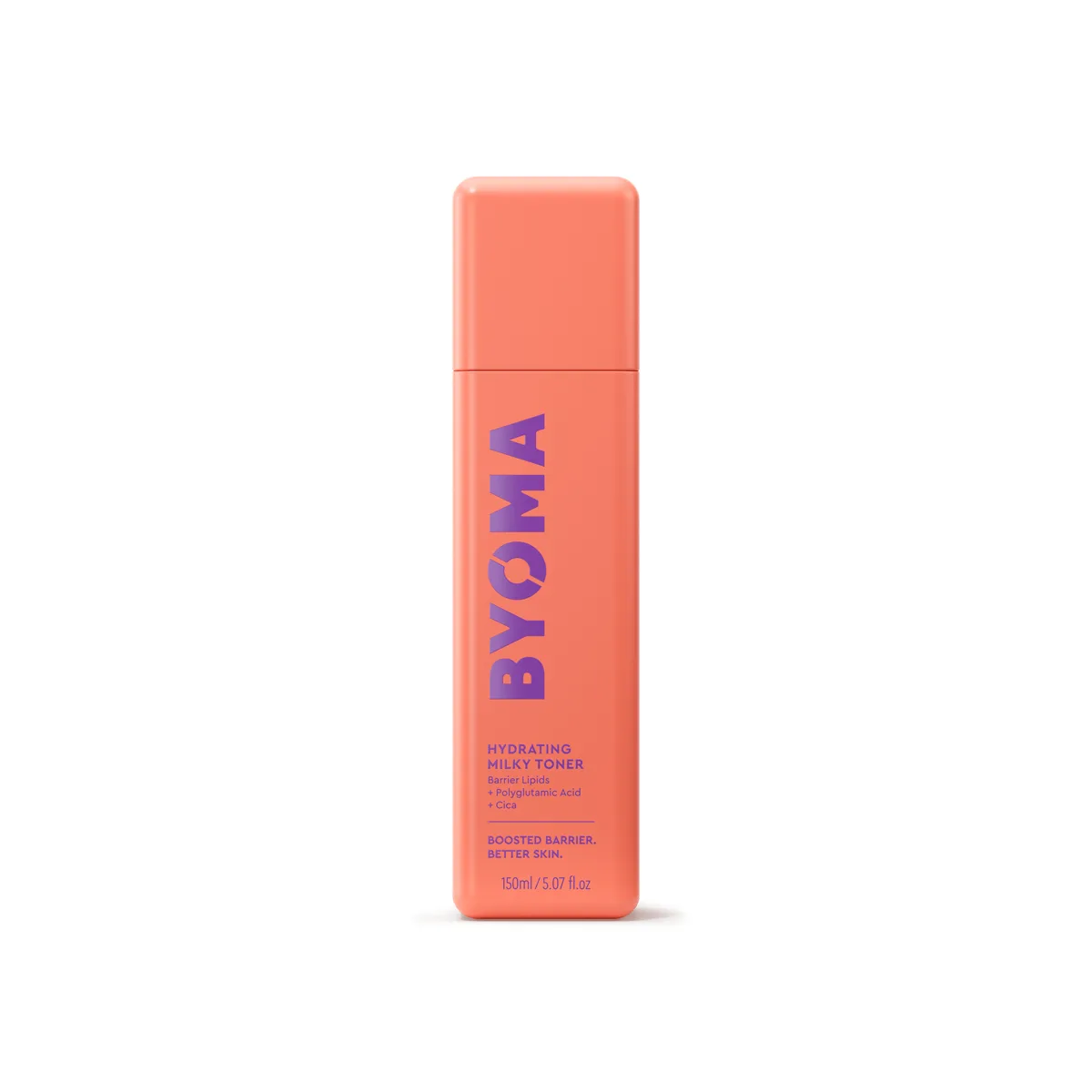
Rather than the typical clear watery toner, this is a milky hydrator that folds the brand's Tri-Ceramide Barrier Lipid Complex into a humectant-heavy base, so it hydrates and reinforces the barrier in one step. The polyglutamic-acid-plus-hyaluronate pairing layers surface and deeper water-binding instead of leaning on a single humectant.
A genuinely well-built milky toner that hydrates and quietly reinforces the barrier at a drugstore price. It is not an exciting active treatment and oily skin won't get much from it, but for dry, tight, sensitised skin it is a soothing, layerable prep step that earns its $14.99.
Because this toner is only a couple of years on the market, the assessment leans on its transparent ingredient list and the roughly one-thousand-plus early retailer reviews rather than a long real-world track record. Its hydrating and soothing performance is well-supported by that feedback, but how it holds up across years of varied use is still being established.
Verdicts
How well it fits each concern
Verdict by concern tap a concern for the case
Good choicefor DrynessIn your profileYou chose · Ceramides is a reference standard by mechanism for dryness; this liquid carries it.Moderate evidenceGentleNo reviews collected yet
The case for it
Ceramide NP has trial-supported standing for this concern.
It is plausibly present at a working level, though the concentration is not declared.
The formula carries none of the triggers this concern is sensitive to.
What would change this: A declared concentration would move this to a firmer reading of the dose.
Same rule for everyone. “Good choice” is the verdict on 9,564 of 45,024 concern verdicts across the catalog; rule R5 decided 9,072 of them.
Unchanged since September 5, 2026, engine 5.1.1.
R5 — Trial-supported or guideline-supported active, adequately or plausibly dosed. · the full register
Carrying active
Ceramide NP
Standing
supported — its mechanism is established
Form
plausible
Tolerability
gentle
Row checked
against its sources on July 17, 2026 (evidence table ev-2026.09-r228)
The studies behind the evidence row
Elias PM, Feingold KR (eds), Skin Barrier — stratum corneum ceramides are the principal intercellular lamellar lipid; their depletion is the biochemical signature of dry/xerotic skin — reference work
Good choicefor DehydrationIn your profileYou chose · Panthenol (Vitamin B5) is a reference standard by mechanism for dehydration; this liquid carries it high in the ingredient list.Moderate evidenceGentleNo reviews collected yet
The case for it
Panthenol has trial-supported standing for this concern.
It is present at an effective concentration, declared or high in the ingredient list.
The formula carries none of the triggers this concern is sensitive to.
Same rule for everyone. “Good choice” is the verdict on 9,564 of 45,024 concern verdicts across the catalog; rule R5 decided 9,072 of them.
Unchanged since September 5, 2026, engine 5.1.1.
R5 — Trial-supported or guideline-supported active, adequately or plausibly dosed. · the full register
Carrying active
Panthenol
Standing
supported — its mechanism is established
Form
adequate — studied range 2.5%, from the trials on the row; needs leave-on contact
Tolerability
gentle
Row checked
against its sources on July 17, 2026 (evidence table ev-2026.09-r228)
The studies behind the evidence row
Cosmetic Ingredient Review assessment of panthenol / dexpanthenol — humectant and moisturizer that raises stratum-corneum water content — reference work
Good choicefor SensitivityIn your profileYou chose · No fragrance, drying alcohol, declarable allergens or sensitising preservatives in this liquid — the profile sensitive skin looks for.Not yet assessedGentleNo reviews collected yet
The case for it
Centella Asiatica Extract has been researched for this concern and the evidence does not support it.
It is plausibly present at a working level, though the concentration is not declared.
The formula carries none of the triggers this concern is sensitive to.
What would change this: A declared concentration would move this to a firmer reading of the dose.
Same rule for everyone. “Good choice” is the verdict on 1,938 of 45,024 concern verdicts across the catalog; rule F2 decided 1,938 of them.
Unchanged since September 5, 2026, engine 5.1.1.
Good choicefor Compromised Skin BarrierIn your profileYou chose · Ceramides is a reference standard by mechanism for compromised skin barrier; this liquid carries it.Moderate evidenceGentleNo reviews collected yet
The case for it
Ceramide NP has trial-supported standing for this concern.
It is plausibly present at a working level, though the concentration is not declared.
The formula carries none of the triggers this concern is sensitive to.
What would change this: A declared concentration would move this to a firmer reading of the dose.
Same rule for everyone. “Good choice” is the verdict on 9,564 of 45,024 concern verdicts across the catalog; rule R5 decided 9,072 of them.
Unchanged since September 5, 2026, engine 5.1.1.
R5 — Trial-supported or guideline-supported active, adequately or plausibly dosed. · the full register
Carrying active
Ceramide NP
Standing
supported — its mechanism is established
Form
plausible — studied range 0.5–1%, from the trials on the row; needs leave-on contact; judge it after ~4 weeks
Tolerability
gentle
Row checked
against its sources on July 17, 2026 (evidence table ev-2026.09-r228)
The studies behind the evidence row
Elias PM, Skin Barrier / Coderch et al., ceramides and skin barrier function — ceramides ~50% of SC intercellular lipid mass, essential to the permeability barrier — reference work
Also listed for Winter Skin — the actives here (Panthenol (Vitamin B5) are in our research queue for that concern; there is no verdict until their evidence rows are written. That is a gap in our table, not a mark against the product.
Does the jobDoes what a toner is for: not alcohol-driven, adds something real. Not measured from the label: restores skin pH, plays well with what follows.
A verdict is DermApproved’s assessment of how well a product’s ingredients fit a concern — never a claim about what the product treats. Evidence dots and collected reviews sit beside it and are never blended in.
Rules 0.5.1 · evidence table ev-2026.09-r228 · how we decide
Assessment
Pros & Cons
Pros
✓ Delivers ceramides and lipids in a watery toner step
✓ Genuinely soothing centella, beta-glucan and panthenol blend
✓ Fragrance-free and gentle for reactive, sensitised skin
✓ Soft milky finish with no sticky residue
✓ Strong value at drugstore pricing for the ingredient list
✓ Recyclable, refill-minded packaging
Cons
✗ Offers little for oily or acne-prone skin
✗ Not fungal-acne safe due to fatty alcohols and lipids
✗ Pump tends to over-dispense, shortening the bottle's life
✗ Results are subtle for anyone wanting a dramatic active
Review
Full Review
Most toners fall into one of two camps: the harsh astringent that leaves your face squeaking and your barrier quietly furious, or the lightly scented water that exists mostly so the brand can sell you another step. Byoma's Hydrating Milky Toner ignores both scripts. It pours out like thin milk, and instead of stripping or merely splashing, it folds the brand's signature ceramide complex into a humectant-heavy base. That is a small but meaningful act of category subversion, and it is the most interesting thing about this otherwise unassuming bottle.
What you are actually getting is a humectant layering exercise with a lipid bonus. The top of the list is glycerin and butylene glycol territory, with panthenol and polyglutamic acid arriving early. Polyglutamic acid is the one worth pausing on: it forms a film that holds water on the surface, and pairing it with the sodium hyaluronate further down means the toner is binding water at more than one depth rather than betting everything on a single humectant. Then comes the part that distinguishes it from a generic hydrating toner. Ceramide NP, sphingolipids and hydrogenated lecithin are tucked into the formula as the brand's Barrier Lipid Complex, so you are not just wetting the skin, you are handing it a few of the actual building blocks it uses to hold moisture in. That is unusual for a watery step, and it is the reason this works better than the price tag suggests.
The soothing side is handled by centella asiatica, beta-glucan and panthenol, a trio that shows up repeatedly in K-beauty barrier formulas for a reason. They do not treat acne or fade dark spots; they settle reactive, tight, flaky skin. If your face has been feeling raw from over-exfoliation, winter air, or simply a barrier that has had enough, this is the kind of formula that calms things down rather than adding to the pile of actives.
In use, it behaves exactly as a milky toner should. The texture is closer to a watery essence than a splash, and it sinks in with a soft, slightly cushioned finish and no tacky film. I would skip the cotton pad here. Pressing it in with your hands wastes less product and lets the humectants and lipids actually settle into the skin instead of being dragged across it. One genuine usability quibble: the pump can be generous to a fault, and it is easy to dispense more than you need, which is how a 150ml bottle that should last a season can disappear faster than expected.
Who is this for? Dry, normal and sensitive skin will get the most out of it, especially anyone nursing a compromised barrier back to comfort. It slots neatly between cleanser and serum as a hydrating prep layer, and it plays well under richer moisturizers when you want to seal all that water in. Combination skin can use it on the drier zones. Oily and acne-prone skin, though, is where I would temper expectations. There is nothing here to manage sebum or unclog pores, and the presence of fatty alcohols and lipids means it is not a fungal-acne-safe pick if that is a concern for you.
On the value question, Byoma sits in an interesting spot. It is a young brand, founded in 2022, which means it does not have the decades of clinical backing that legacy barrier names carry. But it has been refreshingly transparent about its formulations, and the ingredient list here is not hiding behind marketing. At $14.99 for 150ml, you are paying drugstore money for a toner that includes ceramides and a polyglutamic-acid-plus-hyaluronate humectant system, which is genuinely good value. You are not paying for a celebrity name or a heavy jar; you are paying for a competent formula in recyclable packaging. That is the kind of pricing-to-substance ratio that deserves credit.
The honest limitation is that this is a supporting player, not a headline act. It will not transform your skin, and if you are expecting the dramatic results of a strong retinoid or acid, you will find it quiet to the point of being unremarkable. But that is the point of a good hydrating toner. It is there to make the rest of your routine land softer, to keep a fragile barrier comfortable, and to add hydration without drama. Judged on that brief, it does the job well and asks for very little in return. For dry and sensitised skin in particular, it is an easy, low-risk addition that quietly improves how the whole routine feels. One more thing worth flagging for anyone building a barrier-repair routine: this toner plays unusually well with actives applied later. Because it lays down hydration and a few lipids first, it can take some of the sting out of a niacinamide serum or a gentle exfoliant that follows, acting almost like a primer for your skin's tolerance. It is not a dramatic effect, but over weeks of use it is the kind of small, compounding benefit that makes a routine feel more sustainable, and it is the reason this unassuming bottle tends to earn a permanent spot rather than a one-time trial.
Formula
Key Ingredients
The hero actives that drive this product's performance.
Sits high in this toner's humectant stack alongside glycerin and panthenol, forming a film that holds several times its weight in water on the surface. In this milky base it pairs with the sodium hyaluronate further down the list to layer surface and deeper hydration rather than relying on a single humectant.
Part of the brand's Barrier Lipid Complex here with sphingolipids and hydrogenated lecithin, delivering a skin-identical lipid that helps reinforce the barrier rather than just hydrate it. In a watery toner this is what nudges the product from a simple humectant splash toward genuine barrier support.
Established mechanismfor Dryness · established mechanism
Provides the soothing, redness-calming angle this milky toner leans on, working with panthenol and beta-glucan to settle reactive, sensitised skin. It is positioned to counter the tightness dry skin feels rather than to treat acne or pigmentation.
Appears early in this formula as both a humectant and a skin-conditioning agent, helping the toner leave a soft, comforted finish. Alongside the centella and beta-glucan it underpins the product's soothing claim for compromised barriers.
Established mechanismfor Dehydration · established mechanism
A water-binding, soothing polysaccharide that supports the toner's calming profile and adds a cushiony slip. It complements the centella and panthenol rather than acting as a standalone active, reinforcing the overall barrier-comfort theme.
Not yet assessed
Ingredient standings describe the active at treatment-level doses and
vehicles; this product's own condition grades weigh its actual formula.
Smooth on with hands right after cleansing while skin is still damp, then follow with serum and a moisturizer to seal the humectants in. Because it is milky rather than astringent, it works as a hydrating prep step instead of a tightening one.
Results Timeline
Skin feels softer and less tight immediately. Reduced flaking and a calmer, more comfortable barrier typically show within 1-2 weeks of twice-daily use, with the steadiest improvement in dryness over 4-6 weeks.
The interesting science here is not any single hero ingredient but the pairing of surface-binding humectants with skin-identical lipids in one watery step. Polyglutamic acid is a large biopolymer that forms a hydrating film and binds substantial water at the surface; combining it with the smaller sodium hyaluronate molecule lets the formula hold moisture at more than one level rather than saturating a single layer. The barrier angle rests on ceramide NP and sphingolipids. Ceramides are a core component of the stratum corneum's lipid matrix, and topical replenishment is one of the better-supported strategies for reducing transepidermal water loss and reinforcing a compromised barrier, which is why ceramide-containing formulas are a mainstay in barrier-repair and eczema-adjacent skincare. Centella asiatica contributes the soothing claim: its triterpenoid compounds, including asiaticoside and madecassoside, have research support for calming irritation and supporting the skin's recovery response, which aligns with this toner's positioning for sensitised, reactive skin. Panthenol and beta-glucan round out the soothing-and-hydrating profile, both well-documented for water-binding and barrier-comforting effects. None of these are exotic, and that is the point. The formula's value is in assembling a coherent, evidence-aligned barrier-and-hydration system at low concentration in a gentle vehicle, rather than chasing a single buzzy active. For a toner, that restraint is a feature, not a shortcoming.
Dermatologist Perspective
Hydrating, lipid-containing toners like this are generally viewed favorably in clinical guidance for dry and barrier-compromised skin, where the goal is to add water-binding humectants and skin-identical lipids without astringents or fragrance. The combination of ceramides, centella and panthenol maps closely to what is typically suggested for sensitised or over-exfoliated skin: calm the barrier, reduce water loss, and avoid adding irritants. Standard advice is to apply it to damp skin and seal it with a moisturizer, since a humectant-heavy product can pull water from deeper layers in very dry environments if it is not locked in. It is widely considered suitable during pregnancy given the absence of retinoids and high-strength acids, though anyone with a specific reaction history should patch test. For oily or acne-prone skin, this is usually regarded as optional rather than essential.
Guidance
Usage & Recommendations
How to Use
After cleansing, dispense one to two pumps into your palms and press the toner into damp skin rather than wiping it on with a cotton pad, which wastes product. Use it morning and night as your first hydrating layer, then follow with any serums and a moisturizer to seal everything in. In dry climates or winter, make sure to lock it down with an occlusive-leaning moisturizer so the humectants pull water from the air rather than from your skin. It layers cleanly under sunscreen in the morning. Start the pump slowly until you learn how much one press actually delivers.
Value Assessment
At $14.99 for 150ml, this lands firmly in drugstore pricing while offering an ingredient list, ceramides plus a dual humectant system, that you would more often expect a few dollars higher. The per-use cost is low even accounting for a pump that can be heavy-handed. Byoma is a young brand without decades of clinical validation, so you are not paying a heritage premium here, and the price reflects formula substance rather than hype or luxury packaging. Only one size is offered, so there is no bulk-value calculation to make, but the standalone value is strong. For dry and sensitive skin specifically, this is one of the easier toners to justify on price-to-quality grounds.
Who Should Buy
Reach for this if you have dry, normal or sensitive skin and want a hydrating, barrier-supporting prep step that won't sting or strip. It is especially good for anyone recovering a compromised barrier from over-exfoliation or winter dryness, and for those who want ceramides in a lightweight, fragrance-free format at a low price.
Who Should Skip
Oily and acne-prone skin will get little functional benefit and may prefer a lightweight treatment toner instead. Anyone managing fungal acne should pass, since the fatty alcohols and lipids are not fungal-acne safe. If you want a toner with active exfoliation or visible brightening, this gentle hydrator will feel underwhelming.
A thin, milky lotion-toner that feels more like a watery essence than a splash toner. Sinks in with a soft, slightly cushioned finish and no tacky residue.
Scent
No added fragrance; a faint neutral note from the base that fades on application.
Packaging
Frosted recyclable bottle with a pump, in line with the brand's recycle-and-refill packaging system.
Finish
dewylightweightnon-greasy
What to Expect on First Use
Expect immediate softness and a quenched feel rather than the squeaky tightness some toners leave. There is no purging or tingling; the only adjustment is getting the pump volume right so you do not over-apply.
How Long It Lasts
Roughly 2-3 months with twice-daily use, depending on how many pumps you use per pass.
Byoma built its identity around making barrier science approachable and affordable, and this milky toner extends that idea to the toner step, which is often either a stripping astringent or a forgettable water. It exists to give dry, sensitised skin a hydrating prep layer that also delivers lipids.
About Byoma Emerging Brand (2–5 years)
Byoma launched in 2022 with a barrier-first positioning built around its proprietary Tri-Ceramide Barrier Lipid Complex and recyclable, refillable packaging. The brand has earned broad retail distribution and strong drugstore-tier popularity quickly, but as a sub-five-year-old label it has limited independent long-term clinical validation of its specific formulas.
Brand founded: 2022 · Product launched: 2023
Myth vs. Reality
Common Myths
Myth
A toner has to feel astringent or tightening to be doing something.
Reality
This milky formula is the opposite of astringent by design. Its work is humectant layering and lipid delivery, so the soft, non-tight finish is the intended effect, not a sign it is weak.
Myth
Vegan and fragrance-free means a toner can't be effectively hydrating.
Reality
Hydration comes from the humectant and lipid load, not from fragrance or animal-derived ingredients. The glycerin, polyglutamic acid, panthenol and ceramide here do the hydrating work regardless of the clean-formulation flags.
FAQ
Frequently Asked Questions
What does the Byoma Hydrating Milky Toner actually do?
It hydrates and soothes in one step, layering polyglutamic acid and hyaluronate for water-binding while delivering ceramides and lipids to support the barrier. The centella and panthenol calm tight, reactive skin rather than exfoliating or brightening.
Is the Byoma Hydrating Milky Toner good for oily skin?
It is aimed at dry and sensitive skin. Oily and acne-prone users can use it but will find little sebum control or pore benefit, since its job is hydration and barrier comfort, not oil management.
Is this milky toner safe to use while pregnant?
It contains no retinoids or high-strength acids and is generally considered pregnancy-friendly. As with any product, patch test first if you have a sensitive or reactive history.
Is the Byoma Hydrating Milky Toner fungal-acne safe?
No. The formula includes fatty alcohols and lipids that are not considered fungal-acne safe, so those managing malassezia-driven breakouts should choose a different toner.
Should I use a cotton pad with this toner?
Pressing it into damp skin with your hands works better than a cotton pad. The milky humectant-and-lipid formula is meant to soak in rather than be wiped across the face, and using hands wastes less product.
How does this differ from a clear watery toner?
Most clear toners are simple humectant water or astringents. This milky version adds the brand's ceramide-based Barrier Lipid Complex, so it reinforces the barrier as it hydrates instead of only adding surface water.
Reviews
What Reviewers Tend to Say
Recurring themes our editors read across retailer reviews of this product — summaries in our words, not quotations, and not a substitute for your own patch test.
Common Praise
Genuinely hydrating without stickiness
Calms tight, dry skin
Affordable for the ingredient list
Pleasant milky texture
Common Complaints
Not enough for very oily skin
Pump can dispense too much
Subtle results for those expecting a dramatic active
Notable Endorsements
Frequently featured in barrier-repair and budget K-beauty-style roundups
The headline number that fuels every polyglutamic acid launch is real. Whether it means better-hydrated skin than a good hyaluronic acid serum is a much more interesting question.
The internet's favorite hydrator has a counterintuitive dark side — in dry air, a humectant with nothing to seal it can pull water out of your skin instead of into it.
Every cica, calming, and barrier product leans on the same three ingredients, and the real mechanisms are far more specific — and more limited — than 'soothing' lets on.
Jun 14, 2026· 6 min
Questions people ask about sensitive skin
Verified answers from our questions library — the nuance a product page cannot carry.
Products, answers, therapy guides, tools and articles in one search. Brand names,
slang and abbreviations all work — accutane finds isotretinoin, bacne finds truncal acne.