The Ingrown Hair Is a Physics Problem, Not a Hygiene Problem
Body grooming produces the same four complications in the same order, in a predictable population — and almost every fix is upstream of the razor rather than downstream of it.
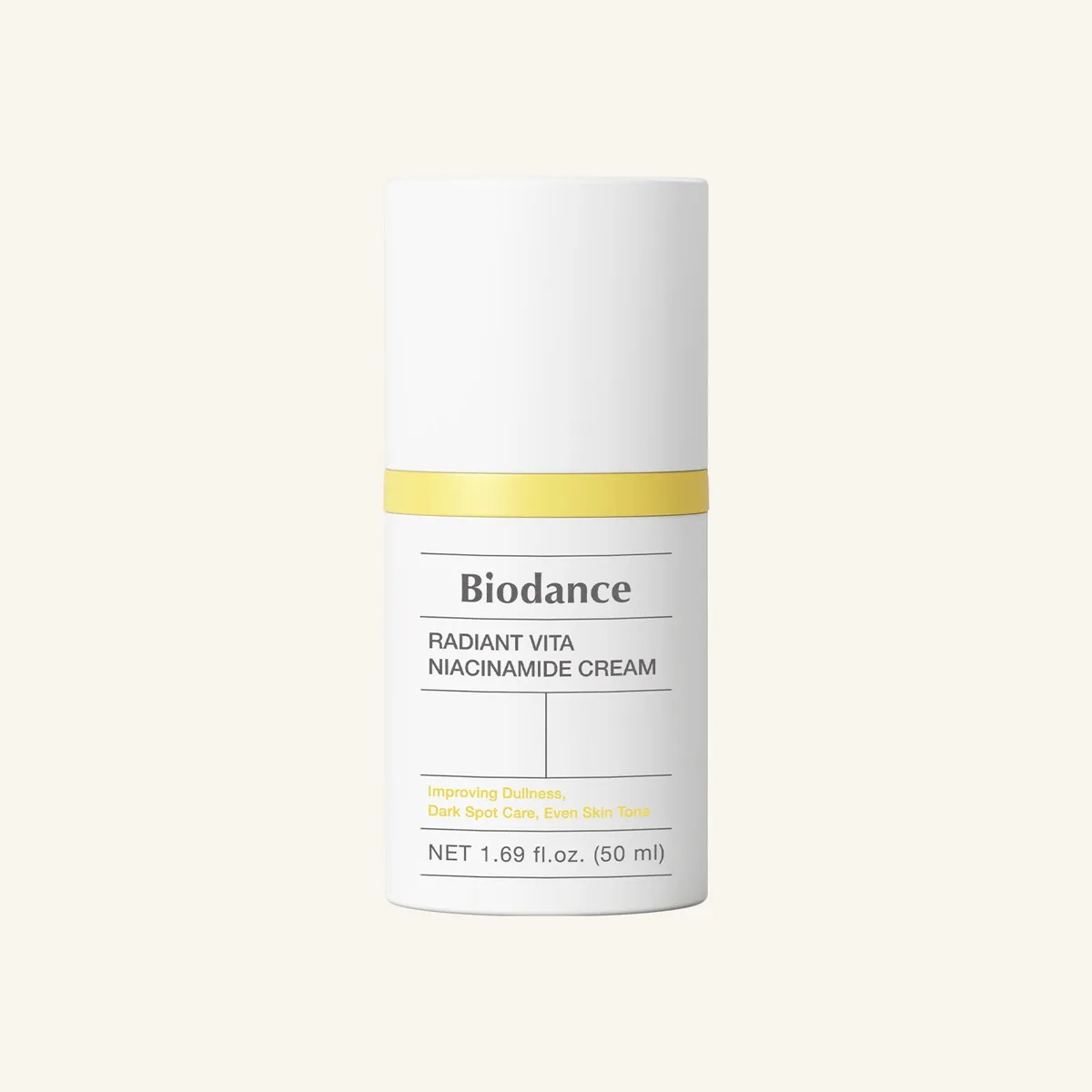
Almost every niacinamide brightening cream is a light gel or lotion; this one is built as a water-in-oil emulsion with pineapple water as the entire aqueous phase and a hydrocarbon-and-ester oil phase carrying the film. That makes it a genuine dry-skin moisturiser that happens to deliver a full 5% niacinamide, rather than a brightening serum pretending to be a cream.
A real 5% niacinamide dose in a cream rich enough for winter dry skin — that combination is rarer than it should be, and it's the whole case for this $29 pump. The glutathione and beta-carotene that justify the 'vita' name are trace decoration, and the water-in-oil texture rules out oily skin. For dry, dull, uneven skin it's a quietly good brightening moisturiser that the marketing overdresses.
Verifiable reviews for this cream were still in the low single digits a year after its September 2025 launch, and the brand offers no instrumental or clinical results, so the assessment rests on the disclosed formula — particularly the declared 5% niacinamide and the water-in-oil structure — and on the published niacinamide literature rather than on accumulated user experience.
The case for it
Same rule for everyone. “Good choice” is the verdict on 9,564 of 45,024 concern verdicts across the catalog; rule R5 decided 9,072 of them. As of September 25, 2026, engine 5.1.1.
Brand or formulator? Disclose a concentration or correct a fact →
The studies behind the evidence row
The case for it
What would change this: Guideline or regulatory standing for the active on this concern would move this from a promising bet to a recommendation.
Same rule for everyone. “Promising” is the verdict on 7,858 of 45,024 concern verdicts across the catalog; rule R9p decided 7,858 of them. As of September 25, 2026, engine 5.1.1.
Brand or formulator? Disclose a concentration or correct a fact →
The studies behind the evidence row
The case for it
What would change this: A researched evidence row for the lead active would replace this with a verdict.
Same rule for everyone. “Supporting role” is the verdict on 8,197 of 45,024 concern verdicts across the catalog; rule R8 decided 4,250 of them. As of September 25, 2026, engine 5.1.1.
Brand or formulator? Disclose a concentration or correct a fact →
The case for it
What would change this: A researched evidence row for the lead active would replace this with a verdict.
Same rule for everyone. “Supporting role” is the verdict on 8,197 of 45,024 concern verdicts across the catalog; rule R8 decided 4,250 of them. As of September 25, 2026, engine 5.1.1.
Brand or formulator? Disclose a concentration or correct a fact →
Also listed for Dullness — the actives here (Emollient Esters, Niacinamide, Adenosine, Glutathione) are in our research queue for that concern; there is no verdict until their evidence rows are written. That is a gap in our table, not a mark against the product.
Falls shortJudged as a moisturizer, it comes up short on: seals moisture in, supplies barrier lipids.
Where our review and the verdict differ. The review below was written on the formulation and the published trials; the verdicts above apply the stricter standing test in our methodology — an active earns a recommendation only with guideline or regulatory standing for the concern. Where the two disagree, the verdict is DermApproved’s position.
A verdict is DermApproved’s assessment of how well a product’s ingredients fit a concern — never a claim about what the product treats. Evidence dots and collected reviews sit beside it and are never blended in. Rules 0.5.1 · evidence table ev-2026.09-r228 · how we decide
Flip through the ingredient lists of niacinamide brightening creams and a pattern emerges: water first, glycerin or butylene glycol next, niacinamide somewhere in the top five, then a light emulsifier and maybe a silicone to give slip. They are, functionally, serums with a little body. Biodance's Vita Niacinamide Cream is built the other way round. Pineapple fruit water is the whole aqueous phase, but the next two ingredients are hydrogenated polydecene and isononyl isononanoate — an oil phase — and the emulsifiers further down (polyglyceryl oleates, sorbitan sesquioleate, polyhydroxystearic acid, a hectorite clay thickener) are the classic toolkit for a water-in-oil emulsion. In plain terms: this is a rich cream with the water tucked inside the oil, the kind of construction usually reserved for barrier balms and cold creams, carrying a full 5% niacinamide. That's an unusual thing to build and it dictates everything about who this is for.
Start with the niacinamide because it's the reason to buy. It's declared at 50,000 ppm, fifth on the list, which is the concentration most of the published pigmentation, barrier and sebum work actually used. Five percent niacinamide is not exotic — it's the workhorse dose — but plenty of creams that shout the ingredient are dosed at two or three, and a declared five in a base that keeps it on the skin is exactly what you'd want for the two-week brightening claim to have any chance of being true. In my experience the claim is directionally honest: tone looks more even and less grey somewhere in the second to fourth week, though discrete dark spots move on the slow niacinamide timescale of two to three months and only if you're wearing sunscreen. The adenosine mid-list gives it a mild firming credential under Korean functional-cosmetic rules, which is a pleasant extra rather than a reason to choose it.
Now the texture, which is where the water-in-oil construction earns and costs. Two pumps come out dense and slightly waxy, and the first minute is undeniably slick; then it warms, thins and settles into a supple, glowing cushion that doesn't sink away the way a gel-cream does. On dry or dehydrated skin in cold, dry air this is lovely — the oil-continuous film reduces water loss overnight far better than the usual niacinamide lotion, and there's none of the tight, matte feeling that some brightening products leave. On combination skin it works as a night cream. On oily skin, or in humid heat, it sits. There's no silicone here to make the film feel weightless, and the hydrocarbon-and-ester oil phase is exactly what a sebaceous T-zone doesn't need more of. The serum in the same line is the right answer for that skin; this cream isn't trying to be everything.
The 'vita' framing is where I'd lower expectations. The vitamins are niacinamide (B3), beta-carotene (provitamin A, declared at 4.5 ppm) and tocopherol (vitamin E, declared at 500 parts per billion), plus glutathione as the brightening co-star at the very end of the list. Some retailer listings mention vitamin C and B12; neither is in the disclosed formula. Glutathione has real pigmentation data when taken orally or given intravenously, and almost none when applied to skin, where it is unstable and poorly absorbed; in this cream it's an antioxidant garnish next to the tocopherol. Beta-carotene at 4.5 ppm is what gives the cream its pale yellow tint and nothing more. None of that makes the product worse — the niacinamide is doing the job — but it means the second half of the name is a story, and you should buy the first half.
The pineapple water deserves a note because people assume fruit means exfoliation. It doesn't here. The fruit water replaces plain water and contributes sugars and organic acids as humectants, plus the faint sweet scent that is the only fragrance in the product — there's no added perfume or essential oil. Any bromelain enzyme content is undeclared and would be inactive in a leave-on emulsion at skin-friendly pH. If you're allergic to pineapple, skip it; otherwise treat it as water with a pleasant smell.
Tolerance is good. No fragrance, no alcohol, no acids, and a preservative system of 1,2-hexanediol and ethylhexylglycerin that rarely troubles anyone. Five percent niacinamide is the dose where a minority of people get a transient flush, so patch test if you've reacted to niacinamide before, but for most sensitive dry skin this is an easy product. The exceptions are predictable from the ingredient list: fungal-acne-prone skin should avoid the oleate emulsifiers and sunflower oil, and acne-prone oily skin may find the ester film comedogenic in practice even though nothing here is notorious on paper.
The packaging is the best decision Biodance made with this cream. It's a pump, not the jar the brand uses for its collagen creams, which keeps the glutathione and tocopherol away from air and fingers and dispenses a consistent dose. Two pumps is genuinely enough; three is the brand being generous with your money.
On which: $29 for 50ml lasts about two months at two pumps twice daily, longer as a night cream, so the daily cost is fair. You're paying for a properly dosed niacinamide in a rich, fragrance-free, well-packaged base, and that's a fair exchange for dry skin. You are not paying for glutathione or beta-carotene, whatever the name suggests, and against a plain 5% niacinamide lotion at half the price the premium buys you the texture, not the brightening.
Biodance is four years old and this cream has been on sale for one, with review pools that are still thin outside Korea, so treat this as a read of the formula and a season of use rather than a track record. On those terms it's a good, slightly odd product: a real brightening dose inside a winter moisturiser, sold with a vitamin story it doesn't need. Dry, dull skin should like it a lot. Oily skin should buy the serum.
The hero actives that drive this product's performance.
| Ingredient | Function | Evidence |
|---|---|---|
| Niacinamide (5%) (5%) | A declared 50,000 ppm, which is the concentration most of the pigmentation trials actually used, dispersed through the pineapple-water phase of a water-in-oil emulsion. That base matters: the oil-continuous film slows evaporation and keeps the niacinamide in contact with skin longer than a gel would, which is the formulation's real argument for the two-week brightening claim. | Emerging for Hyperpigmentation |
| Pineapple Fruit Water | Replaces plain water as the entire aqueous phase and is the source of the faint fruit scent, since there is no added perfume. It contributes sugars and organic acids as humectants; any bromelain enzyme content is undeclared and, in a leave-on emulsion at skin-friendly pH, not a meaningful exfoliant. | Not yet assessed |
| Glutathione | Sits at the tail of the list as the 'vita' brightening co-star. It is a tripeptide antioxidant with oral and intravenous pigmentation data and very little topical evidence, partly because it is unstable and poorly absorbed; in this cream it is an antioxidant garnish beside the tocopherol rather than a second brightener. | Not yet assessed |
| Hydrogenated Polydecene + Isononyl Isononanoate | Second and third on the list, this hydrocarbon-and-ester pair is the continuous oil phase that makes the cream rich and cushioning without vegetable-oil greasiness. It is why the product reads as a dry-skin moisturiser despite being sold on brightening, and why it can feel heavy on oily skin. | Not yet assessed |
| Adenosine | The Korean-registered wrinkle-functional ingredient that lets a niacinamide brightening cream also claim firming. In a water-in-oil base it gets long skin contact, though the effect is a gentle smoothing rather than a structural change. | Not yet assessed |
Ingredient standings describe the active at treatment-level doses and vehicles; this product's own condition grades weigh its actual formula.
Ananas Sativus (Pineapple) Fruit Water, Hydrogenated Polydecene, Isononyl Isononanoate, Butylene Glycol, Niacinamide (50,000 ppm), Propanediol, Glycerin, Polyglyceryl-4 Oleate, 1,2-Hexanediol, Polyglyceryl-6 Oleate, Sodium Chloride, Sorbitan Sesquioleate, Polyhydroxystearic Acid, Disteardimonium Hectorite, Hydrogenated Lecithin, Ethylhexylglycerin, Helianthus Annuus (Sunflower) Seed Oil, Adenosine, Disodium EDTA, Glutathione, Beta-Carotene (4.5 ppm), Tocopherol (500 ppb)
moisturizer
AM & PM
Use it as the final cream over water-based serums; its oil-continuous base seals whatever sits underneath, so put vitamin C or a retinoid on first and let it absorb. Skip a separate facial oil — this already carries one.
Skin looks dewier and feels cushioned from the first application because of the rich oil phase. The niacinamide's effect on dullness and uneven tone begins to show at two to four weeks; fading of actual dark spots is slower, eight to twelve weeks of twice-daily use with sunscreen, and firmer-looking skin from adenosine is a subtle bonus rather than a headline.
The mechanism this cream depends on is niacinamide's effect on pigment transfer rather than pigment production. The foundational work here is Hakozaki and colleagues' 2002 study in the British Journal of Dermatology, which showed in a keratinocyte-melanocyte co-culture that niacinamide inhibited melanosome transfer by 35 to 68 percent without affecting tyrosinase activity, and then demonstrated in Japanese women that 5% topical niacinamide reduced facial hyperpigmentation and lightened skin colour over eight weeks compared with vehicle. That trial concentration is exactly what this cream declares, and it is the reason the brightening claim can be taken seriously even though the brand publishes no data of its own. Niacinamide's separate, well-replicated benefits for barrier lipid synthesis and transepidermal water loss are relevant too, because they are what make a 5% dose tolerable for daily use in dry, sensitive skin.
The emulsion structure changes how that niacinamide behaves. A water-in-oil system — signalled here by polyglyceryl oleates, sorbitan sesquioleate, polyhydroxystearic acid and disteardimonium hectorite — puts the oil as the continuous phase, forming a film that slows water evaporation and lengthens the contact time of water-soluble actives dispersed in the internal phase. That is a plausible formulation-level advantage for a slowly acting brightener like niacinamide, at the cost of a heavier feel and reduced suitability for seborrhoeic skin.
The supporting cast has far less behind it. Glutathione's skin-lightening literature concerns oral and intravenous administration and is itself contested; topical studies are few, small and complicated by the molecule's instability and poor penetration, and at its end-of-list position here no meaningful effect should be expected. Beta-carotene at 4.5 ppm functions as a colourant and minor antioxidant, tocopherol at 500 ppb is a trace antioxidant, and adenosine has modest clinical support for fine-line smoothing that earned it functional-cosmetic status in Korea. Pineapple fruit water is best regarded as a humectant water replacement; enzymatic exfoliation from bromelain requires activity that is not present in a leave-on emulsion at this pH.
Niacinamide is one of the few brightening agents that dermatology guidance treats as suitable for long-term, unsupervised use in every skin tone, and 5% is the dose clinicians generally point to when a patient wants an over-the-counter option for post-inflammatory marks or general dullness. That makes the active in this cream an easy recommendation. What clinicians would add is that the vehicle decides the patient: a water-in-oil emulsion this rich is a good barrier-supporting choice for xerotic or eczema-prone skin and for winter use, and a poor one for acne-prone or oily patients, who tend to be steered toward the same niacinamide dose in a serum or gel. The glutathione is not something a dermatologist would expect to contribute — its pigmentation evidence is oral and intravenous, and topical delivery is unreliable — and the beta-carotene and tocopherol are at levels that colour the cream rather than treat the skin. For patients with melasma or stubborn dark spots, the usual advice holds: niacinamide is an adjunct, strict daily sun protection is the foundation, and prescription agents remain the first line when the pigment is deep. A transient flush from niacinamide in a minority of users is expected and not a reason to stop.
After cleansing and any water-based serum, dispense two pumps — three only if your skin is very dry — and warm the cream between your fingertips until it loosens, then massage it over the face in circular strokes and let it sit for a minute before sunscreen in the morning. At night it can go over a retinoid once that has absorbed. Dry and normal skin can use it twice daily; combination skin will usually prefer it at night only, and oily skin should reach for the serum version instead. Keep it out of direct sun and use daily SPF, without which the niacinamide's slow work on dark spots will be undone.
At $29 for 50ml in an airless pump, this cream lasts around two months at the brand's two-pump dose, putting it near forty-five cents a day. That's a fair price for a properly dosed 5% niacinamide in a rich, fragrance-free, well-packaged base, particularly for dry skin that would otherwise need a separate night cream. It is not a fair price for the glutathione or beta-carotene, which are trace and shouldn't influence the decision. Compared with a basic 5% niacinamide lotion at half the money, the premium buys the water-in-oil texture and the pump, not more brightening. Only one size exists, and Biodance's own site and Korean retailers regularly discount the Radiant Vita duo as a bundle, which is the cheaper way in if you want the serum too.
Dry, normal or dehydrated skin that looks dull or uneven and wants a moisturiser doing double duty — a real 5% niacinamide dose inside a rich, fragrance-free cream that holds up in winter. It's a particularly sensible pick for anyone pairing a retinoid at night who needs both the buffering and the brightening.
Oily or acne-prone skin, anyone in a hot, humid climate, and people managing fungal acne should pass — the water-in-oil oil phase and oleate emulsifiers are the wrong base for them. Those hoping the glutathione will lighten skin on its own should also look elsewhere; it is a trace ingredient here.
Ready to try Biodance Vita Niacinamide Cream?
Buy at Amazon ♥A dense, pale-yellow cream with the slightly waxy, cushioned drag of a water-in-oil emulsion; it warms and thins on the skin, then leaves a supple, dewy film that stays put rather than sinking away.
No added fragrance; a soft, faintly sweet pineapple note from the fruit-water base that fades within a minute.
An opaque 50ml airless-style pump bottle — the right choice for a formula that contains glutathione and tocopherol, and neater than the jars Biodance uses elsewhere.
Two pumps feels like more cream than you expected and the first minute is slick; give it time and it settles into a soft, glowing cushion with no tackiness. There is no tingle and no purge to expect, though oily skin may notice the film sitting on the surface in warm weather. Any brightening takes weeks — the dewiness is the only overnight change.
Roughly eight to ten weeks at two pumps twice daily, longer for those who use it as a night cream only.
fall winter
Biodance built the Radiant Vita line in 2025 to give its collagen-water brand a tone-evening entry point after the Bio-Collagen mask made it a name. Retailers list the cream as 'Radiant Vita Niacinamide Cream', the brand's own site simply as 'Vita Niacinamide Cream', and it launched alongside a matching serum in September 2025 with the promise of visible brightening in two weeks.
Founded in 2022, Biodance broke out globally with its Bio-Collagen hydrogel mask and has since spread into serums, creams and pads under the same collagen-water banner. The Radiant Vita line arrived in September 2025. The brand's product pages carry hypoallergenic and irritant-free claims but no published clinical testing for this cream, and independent evaluation of its formulas remains limited.
The glutathione in this cream will lighten skin the way glutathione injections do.
Topical glutathione is unstable, poorly absorbed and has only weak, small-study support; here it is a trace antioxidant at the end of the list. The brightening in this formula comes from the 5% niacinamide.
Pineapple water makes this an exfoliating cream.
The fruit water is a humectant base with a faint scent, not an enzyme peel. Bromelain content is undeclared and would be inactive in a leave-on emulsion at skin pH; the cream does not exfoliate.
Five percent — the ingredient list declares niacinamide at 50,000 ppm, which is the concentration used in most of the published pigmentation and barrier trials. It sits fifth in the formula, ahead of the humectants.
It's a rich water-in-oil emulsion with a hydrocarbon-and-ester oil phase, so oily skin tends to find it heavy, especially in humid weather. Dry and normal skin are its natural audience; oily skin wanting the same niacinamide dose is better served by the serum in the line.
No. Some retailer listings mention vitamin C and B12, but the disclosed ingredient list contains neither; the 'vita' in the name refers to niacinamide (vitamin B3), beta-carotene (provitamin A) and tocopherol (vitamin E), the last two at parts-per-million levels.
Yes, and it's a good match — the oil-rich base cushions retinoid dryness and 5% niacinamide is well documented to reduce retinoid irritation. Apply the retinoid first, wait a few minutes, then seal with the cream.
There's no added fragrance or essential oil in the formula. The light pineapple scent people notice comes from the fruit water that replaces plain water as the base, and it fades quickly after application.
Overall brightness and evenness typically improve within two to four weeks of twice-daily use, but discrete dark spots respond slowly to niacinamide — allow eight to twelve weeks and pair it with daily sunscreen, otherwise new pigment will outpace the fading.
Recurring themes our editors read across retailer reviews of this product — summaries in our words, not quotations, and not a substitute for your own patch test.
Rich and deeply hydrating
Dewy glow without greasiness on dry skin
Pump packaging is convenient
Too heavy for oily or humid-climate skin
Faint pineapple scent not to everyone's taste