



Hyaluronic Acid Can Actually Dehydrate Your Skin (Here's When)
The internet's favorite hydrator has a counterintuitive dark side — in dry air, a humectant with nothing to seal it can pull water out of your skin instead of into it.
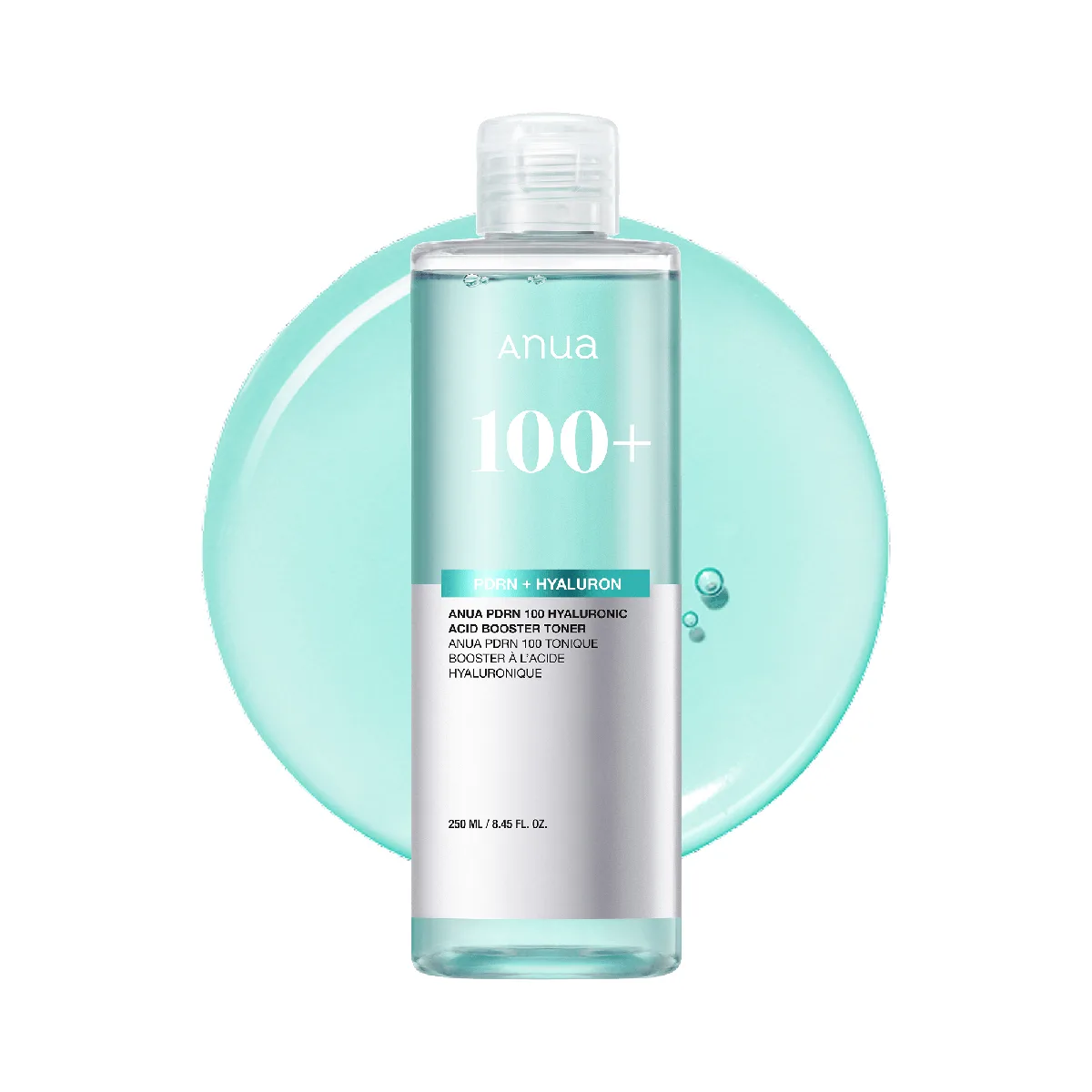
This is one of the first K-beauty toners to center PDRN (polydeoxyribonucleotide from salmon DNA) as its headline active, pairing it with a prebiotic trio of xylitylglucoside, xylitol, and anhydroxylitol for microbiome-aware hydration. The addition of copper tripeptide-1 in a toner-weight formula is unusual and gives this regenerative benefits typically reserved for serums.
A clever translation of K-beauty's salmon DNA injection trend into an affordable daily toner that delivers genuine hydration and a satisfying plumping effect, even if PDRN's topical evidence is still catching up to the hype. At $21 for 250ml, the supporting cast of dual-weight hyaluronic acid, copper peptide, and a prebiotic trio does more than enough heavy lifting to justify the purchase.
Note: This liquid launched in late 2024 and our assessment is based on limited real-world data. Our scoring weights ingredient analysis, formulation quality, and early user feedback.
The case for it
What would change this: A declared concentration would move this to a firmer reading of the dose.
Same rule for everyone. “Good choice” is the verdict on 9,564 of 45,024 concern verdicts across the catalog; rule R5 decided 9,072 of them. Unchanged since September 5, 2026, engine 5.1.1.
Brand or formulator? Disclose a concentration or correct a fact →
The studies behind the evidence row
The case for it
What would change this: A declared concentration would move this to a firmer reading of the dose.
Same rule for everyone. “Promising” is the verdict on 7,858 of 45,024 concern verdicts across the catalog; rule R9p decided 7,858 of them. Unchanged since September 5, 2026, engine 5.1.1.
Brand or formulator? Disclose a concentration or correct a fact →
The studies behind the evidence row
The case for it
What would change this: A researched evidence row for the lead active would replace this with a verdict.
Same rule for everyone. “Good choice” is the verdict on 1,938 of 45,024 concern verdicts across the catalog; rule F2 decided 1,938 of them. Unchanged since September 5, 2026, engine 5.1.1.
Brand or formulator? Disclose a concentration or correct a fact →
Also listed for Dryness and Compromised Skin Barrier — the actives here (Probiotics & Prebiotics, Hyaluronic Acid, Panthenol (Vitamin B5) are in our research queue for those concerns; there is no verdict until their evidence rows are written. That is a gap in our table, not a mark against the product.
Does the jobDoes what a toner is for: not alcohol-driven, adds something real. Not measured from the label: restores skin pH, plays well with what follows.
Where our review and the verdict differ. The review below was written on the formulation and the published trials; the verdicts above apply the stricter standing test in our methodology — an active earns a recommendation only with guideline or regulatory standing for the concern. Where the two disagree, the verdict is DermApproved’s position.
A verdict is DermApproved’s assessment of how well a product’s ingredients fit a concern — never a claim about what the product treats. Evidence dots and collected reviews sit beside it and are never blended in. Rules 0.5.1 · evidence table ev-2026.09-r228 · how we decide
Before PDRN became a buzzword on skincare TikTok, it was a quietly respected molecule in Korean and Italian wound-care clinics. Polydeoxyribonucleotide — the full name that nobody wants to say out loud — had been studied since the early 2000s for its ability to speed tissue repair in surgical patients and chronic wound sufferers. Then Korean aesthetic medicine got hold of it. Salmon DNA injections became one of Seoul's most popular regenerative facials, promising plumper, bouncier, more luminous skin from the inside out. Anua, with the timing instincts that turned their Heartleaf Cleansing Oil into a fifty-thousand-units-per-month Amazon phenomenon, saw the opportunity: take the clinic ingredient and make it a twenty-one dollar toner.
The formula itself is smarter than the trend-chasing premise might suggest. The PDRN here is listed as Sodium DNA, positioned mid-ingredient-list alongside phosphatidylcholine, which likely serves as a delivery vehicle to help the DNA fragments interact with skin cell membranes. The mechanism is genuinely interesting — PDRN engages adenosine A2A receptors, which modulate inflammation and promote cellular turnover. Whether enough of it penetrates through the stratum corneum in a toner format to achieve meaningful regenerative effects is still an open question, but the theoretical framework is legitimate.
What is not theoretical is the hydration. This toner layers on moisture with quiet precision. Dual-weight hyaluronic acid — the full-size molecule sitting on the surface pulling in atmospheric moisture, the hydrolyzed version sinking deeper — forms the backbone of a hydration system that Anua has then bolstered with a prebiotic trio that rarely shows up together in K-beauty toners. Xylitylglucoside, xylitol, and anhydroxylitol work as a moisture-binding relay team: the xylitylglucoside acts as a biological sugar that encourages beneficial skin bacteria, while the xylitol and anhydroxylitol function as humectants that reinforce the skin's own moisture-retention mechanisms. It is a thoughtful, layered approach that goes beyond simply dumping hyaluronic acid into water and calling it hydrating.
The texture is almost suspiciously weightless. It pours like water with the barest hint of viscosity — enough to feel like something is happening, not enough to leave any film or stickiness. On application, there is a brief moment where the skin looks almost wet, then it absorbs and what remains is a subtle, dewy bounce. This is the kind of toner that makes the seven-skin method genuinely enjoyable rather than an exercise in patience. Two to three layers and your skin looks like it just had eight hours of sleep, regardless of what actually happened the night before.
The inclusion of copper tripeptide-1 is a pleasant surprise in a toner-weight formula. Copper peptides typically show up in serums and treatments where they can be concentrated enough to support collagen stimulation and wound healing. Here, at a toner's lighter concentration, the copper tripeptide likely offers a supplementary anti-inflammatory and antioxidant layer rather than dramatic restructuring. But in the context of a product designed to prep and protect skin before heavier treatments, it is a smart ingredient to include — especially for anyone using this as a buffer step before retinol or acids.
Panthenol and allantoin round out the calming profile, and the formula's clean-sheet approach to irritants is notable. No fragrance, no alcohol, no essential oils, no silicones. The botanical extracts lean toward the soothing and antioxidant — turmeric root, holy basil, aloe — rather than the potentially sensitizing. Malachite extract, an unusual inclusion, brings trace copper and antioxidant properties that complement rather than complicate the formula.
There are honest limitations to acknowledge. The PDRN story is the most exciting thing about this product conceptually, but it is also the least proven thing about it scientifically. Published studies on topical PDRN in cosmetic applications are thin. The ingredient's evidence base is robust for injectable delivery but meaningfully less so for leave-on topical products. If you are buying this specifically because you want the regenerative benefits of salmon DNA on your face, temper your expectations — you are likely getting more value from the hyaluronic acid, peptide, and prebiotic complex than from the PDRN itself. That is not a failure of the product; it is just honesty about where the science stands in 2026.
The formula is also not vegan, which will matter to some buyers. Sodium DNA is salmon-derived, and the hydrolyzed collagen is animal-sourced. In a market where vegan K-beauty is increasingly expected, this is worth noting.
For the price, though, there is remarkably little to complain about. Twenty-one dollars for 250ml of a well-constructed, multi-mechanism hydrating toner with copper peptide and a prebiotic system is genuinely excellent value. You could spend three times that on a toner with a less interesting ingredient list. Anua has built a product that works immediately — the plumping and dewiness are real from day one — while also offering the possibility of deeper benefits as your skin acclimates to the PDRN over weeks of consistent use.
This is a toner that knows what it is: an accessible gateway to an ingredient class that used to live exclusively in Seoul's most expensive dermatology clinics. It does not pretend to replace the injections. What it does instead is deliver legitimately good hydration with a forward-thinking formula, packaged in an unpretentious bottle at a price that lets you use it generously without guilt.
The hero actives that drive this product's performance.
| Ingredient | Function | Evidence |
|---|---|---|
| PDRN (Sodium DNA) | The star active in this formula — polydeoxyribonucleotide fragments derived from salmon DNA that engage adenosine A2A receptors to promote cellular regeneration and hydration. Works alongside the multiple forms of hyaluronic acid here to support skin repair and plumping from the inside out. | Not yet assessed |
| Hyaluronic Acid (Multi-Weight) | Present in two forms — full-size hyaluronic acid for surface hydration and hydrolyzed hyaluronic acid for deeper penetration. This dual approach works with the PDRN to create multi-layer moisture that the xylitylglucoside prebiotic complex helps maintain over time. | Established mechanism for Dehydration · established mechanism |
| Copper Tripeptide-1 | A copper-peptide complex positioned at the end of this formula to provide targeted collagen-stimulating and anti-inflammatory support, complementing the regenerative action of PDRN without overwhelming the lightweight toner texture. | Not yet assessed |
| Panthenol | Provitamin B5 that reinforces the hydration strategy here by attracting moisture to the skin and calming any micro-irritation, making this toner gentle enough for sensitive and compromised skin. | Established mechanism for Dehydration · established mechanism |
| Xylitylglucoside | A prebiotic sugar that supports the skin's microbiome while enhancing the formula's moisture-binding capacity. Works synergistically with xylitol and anhydroxylitol to create a three-part prebiotic hydration system unique to this toner. | Not yet assessed |
Ingredient standings describe the active at treatment-level doses and vehicles; this product's own condition grades weigh its actual formula.
Water, Butylene Glycol, Glycerin, Pentylene Glycol, Propanediol, Saccharum Officinarum (Sugarcane) Extract, Xylitylglucoside, Glycine Soja (Soybean) Seed Extract, Malachite Extract, Xylitol, Melia Azadirachta Leaf Extract, Vincetoxicum Atratum Extract, Melia Azadirachta Flower Extract, Coccinia Indica Fruit Extract, Althaea Rosea Flower Extract, Aloe Barbadensis Flower Extract, Hydrolyzed Hyaluronic Acid, Solanum Melongena (Eggplant) Fruit Extract, Ocimum Sanctum Leaf Extract, Corallina Officinalis Extract, Curcuma Longa (Turmeric) Root Extract, 1,2-Hexanediol, Betaine, Hydroxyacetophenone, Panthenol, Ethylhexylglycerin, Anhydroxylitol, Allantoin, Sodium DNA, Dipropylene Glycol, Octanediol, Phosphatidylcholine, Tocopherol, Hyaluronic Acid, Hydrolyzed Collagen, Crosspolymer, C12-13 Alketh-9, Dipotassium Phosphate, Acetyl Glutamine, Copper Tripeptide-1, Cellulose Gum, Disodium EDTA, Xanthan Gum
toner
AM & PM
Apply to damp skin immediately after cleansing for best absorption. Can be layered 2-3 times using the 7-skin method for extra hydration. Follow with serum and moisturizer.
Immediate plumping and hydration visible from first use. Skin texture smoothing noticeable within 1-2 weeks of consistent use. Full barrier-strengthening and sustained hydration benefits develop over 4-6 weeks of twice-daily application.
The central claim of this toner rests on PDRN — polydeoxyribonucleotide — a molecule with a genuinely interesting scientific backstory. PDRN consists of DNA fragments typically 50-2000 base pairs in length, extracted and purified from salmon (Oncorhynchus keta) sperm cells. Its primary mechanism of action involves activation of adenosine A2A receptors on cell membranes, which triggers downstream signaling cascades that promote angiogenesis, reduce inflammation, and support tissue repair.
A 2017 review published in the Journal of Cellular Physiology examined PDRN's tissue regeneration properties across 20 skin-focused studies and confirmed that A2A receptor engagement leads to increased VEGF expression, enhanced collagen synthesis, and accelerated wound closure. A systematic review by Squadrito et al. (2020) in Regenerative Therapy analyzed clinical evidence across wound-healing applications and found consistent support for PDRN's tissue-repairing and anti-inflammatory activities, particularly through the salvage pathway where DNA fragments provide nucleotides for cellular repair.
The critical caveat for this toner is delivery. The published evidence overwhelmingly supports injectable PDRN, where the molecule reaches the dermis directly. Topical delivery faces the stratum corneum barrier, and large-scale clinical trials specifically testing topical PDRN in cosmetic formulations remain limited. The phosphatidylcholine in this formula may enhance penetration by acting as a liposomal-type carrier, but this specific combination has not been validated in published studies.
The supporting ingredients have stronger topical evidence. Hyaluronic acid's moisture-binding capacity is among the most well-documented in skincare science. Copper tripeptide-1 (GHK-Cu) has demonstrated collagen-stimulating and anti-inflammatory properties in multiple peer-reviewed studies. The prebiotic xylitylglucoside complex has shown efficacy in maintaining skin hydration for up to 72 hours in clinical testing by its manufacturer.
The formula represents an honest attempt to bring a clinically interesting ingredient into daily skincare, backed by a supporting cast with more established topical evidence.
Dermatologists approaching this product will recognize PDRN from its established role in aesthetic medicine — particularly the salmon DNA facials that have become standard offerings in Korean dermatology clinics. Within dermatology, while injectable PDRN has demonstrated meaningful tissue regeneration in clinical settings, the topical format faces inherent delivery challenges. The supporting ingredients, however, are dermatologically sound: multi-weight hyaluronic acid, copper peptide, and panthenol are frequently recommended by dermatologists for barrier repair and hydration. The clean, fragrance-free formulation is the type that dermatologists feel comfortable recommending to patients with sensitive or reactive skin, particularly as a hydrating prep step in routines that include prescription retinoids or chemical exfoliants.
Dispense a quarter-sized amount into clean palms immediately after cleansing while skin is still slightly damp. Press gently into the face and neck — patting, not rubbing — to encourage absorption. For enhanced hydration, repeat two to three times using the seven-skin layering method, allowing each layer to absorb for ten to fifteen seconds before applying the next. Follow with your serum and moisturizer. Use both morning and evening. This toner works well as a buffer step before applying retinol or exfoliating acids, as its hydrating and calming ingredients help prep the skin for active treatments.
At $21 for 250ml, this toner punches well above its price class. The inclusion of copper tripeptide-1, a prebiotic complex, and PDRN alongside dual-weight hyaluronic acid is the kind of ingredient list that typically commands $35-50 in the K-beauty toner space. Anua's aggressive pricing likely reflects their strategy of building market share through the PDRN line. For the consumer, this translates to getting a thoughtfully formulated, multi-mechanism hydrating toner at drugstore pricing. The 250ml bottle lasts two to three months with generous twice-daily use, bringing the daily cost to roughly twenty-three cents. Even if you discount the PDRN entirely and evaluate this purely on its hyaluronic acid, copper peptide, and prebiotic content, it remains an excellent value proposition.
Anyone looking for a hydrating toner that goes beyond basic hyaluronic acid, particularly dry and sensitive skin types who want a gentle, fragrance-free option with regenerative ambitions. K-beauty enthusiasts curious about the PDRN trend will find this an accessible and affordable entry point.
Those with soy allergies should check with their dermatologist before use. Strict vegans will want to look elsewhere given the salmon-derived PDRN and collagen content. Very oily skin types may find the multiple hydrating layers unnecessary in their routine.
Ready to try Anua PDRN 100 Hyaluronic Acid Booster Toner?
Buy at Amazon ♥Watery-light liquid with a slightly viscous quality that spreads easily and absorbs within seconds, leaving no sticky residue
Unscented — no detectable fragrance
Tall transparent plastic bottle with a dispensing cap, allowing controlled pouring; the 250ml size is generous for daily use
Expect immediate skin-plumping and a dewy glow from the first application. The watery texture feels refreshing and sinks in almost instantly. No adjustment period needed — the formula is gentle enough for immediate twice-daily use even on reactive skin.
2-3 months applied morning and evening on face and neck
All Year
Anua's PDRN line was born from the Korean aesthetic medicine trend of salmon DNA injections, translating that clinical concept into accessible topical formats. The Booster Toner was designed as the hydrating foundation step for the entire PDRN routine, bringing a dermal procedure ingredient into an everyday K-beauty layering ritual.
Anua was founded in 2019 and has grown rapidly as a K-beauty brand, entering all 1,500 Ulta Beauty stores and exceeding $500 million in retail sales by 2025. Known for its viral Heartleaf Cleansing Oil, the brand has earned Korea's Olive Young Awards and Japan's @cosme Best Cosmetics recognition.
Salmon DNA in skincare means you're putting raw fish products on your face.
PDRN is highly purified polydeoxyribonucleotide — DNA fragments that have been extracted and processed to remove all proteins and potential allergens. What reaches your skin is a biocompatible molecule, not fish tissue.
PDRN in topical products works the same as PDRN injections.
Injectable PDRN delivers the molecule directly into the dermis with well-documented regenerative results. Topical PDRN faces the skin barrier challenge, so while it can provide hydration and surface-level benefits, the depth of cellular regeneration differs from injectable treatments.
PDRN (polydeoxyribonucleotide) is a purified DNA fragment derived from salmon that engages adenosine A2A receptors on skin cells. In this toner, it works alongside dual-weight hyaluronic acid to promote hydration and support cellular renewal. While PDRN is well-studied in medical settings for wound healing, its topical cosmetic applications are still emerging.
Yes — this toner is fragrance-free, alcohol-free, and passed irritation testing with 100% of 51 study participants confirming it felt gentle enough for daily use. The formula includes calming ingredients like panthenol and allantoin that actively soothe reactive skin.
Absolutely. This toner's hydrating and barrier-supporting formula makes it an excellent prep step before retinol application. The panthenol and hyaluronic acid help buffer potential retinol irritation, while the PDRN supports skin recovery.
While the Heartleaf 77% Soothing Toner focuses on calming inflammation with centella-adjacent heartleaf extract, this PDRN toner prioritizes deep hydration and cellular regeneration through salmon DNA and multi-weight hyaluronic acid. Choose the Heartleaf for redness and irritation control; choose the PDRN for hydration-focused plumping.
No — the PDRN (Sodium DNA) is derived from salmon, and the formula also contains hydrolyzed collagen. If you're looking for a vegan Anua toner, consider their plant-based options in the Heartleaf line instead.
Pour a small amount into your palms and press into damp, freshly cleansed skin. For extra hydration, layer 2-3 applications using the Korean 7-skin method. Follow with your serum and moisturizer to seal in the hydration. Use morning and evening.
The PDRN and copper tripeptide-1 in this formula both have research-backed links to collagen stimulation and cellular renewal. While this toner alone won't replace targeted anti-aging treatments, it provides a hydrating foundation that supports skin resilience and plumpness, which contributes to a more youthful appearance over time.
Recurring themes our editors read across retailer reviews of this product — summaries in our words, not quotations, and not a substitute for your own patch test.
Lightweight and non-sticky texture
Noticeable hydration and plumping effect
Absorbs quickly without residue
Gentle on sensitive skin
May not be hydrating enough for very dry climates
PDRN concept unfamiliar to some consumers
Relatively new product with limited long-term feedback
Verified answers from our questions library — the nuance a product page cannot carry.