



Hyaluronic Acid Can Actually Dehydrate Your Skin (Here's When)
The internet's favorite hydrator has a counterintuitive dark side — in dry air, a humectant with nothing to seal it can pull water out of your skin instead of into it.
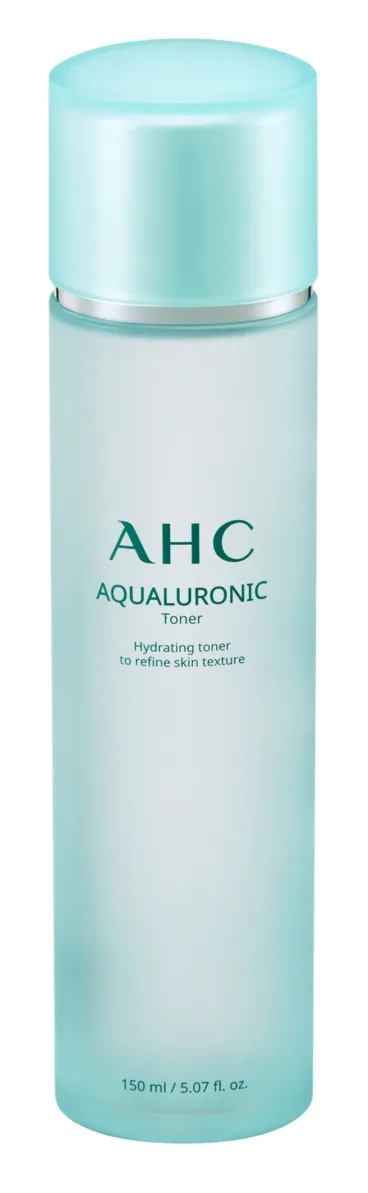
Where most hydrating toners stop at humectants, this one folds in a full five-ceramide-plus-cholesterol barrier complex and around two-percent niacinamide, making it function more like a barrier-repair essence in toner form than a simple prep step.
A genuinely overachieving hydrating toner: a full five-ceramide-and-cholesterol barrier complex plus around two-percent niacinamide and layered humectants give it real substance, not just surface water. It softens and plumps skin fast and supports a stressed barrier. The added alcohol and fragrance keep it from being a sensitive-skin first pick, but for normal-to-dry skin it punches well above its price.
The case for it
What would change this: Removing the trigger named above would let the actives be judged on their own.
Same rule for everyone. “Avoid” is the verdict on 1,909 of 45,024 concern verdicts across the catalog; rule R1 decided 1,304 of them. Unchanged since September 5, 2026, engine 5.1.1.
Brand or formulator? Disclose a concentration or correct a fact →
The studies behind the evidence row
The case for it
Cautions: fragrance.
What would change this: Removing the trigger named above would let the actives be judged on their own.
Same rule for everyone. “Avoid” is the verdict on 1,909 of 45,024 concern verdicts across the catalog; rule R1 decided 1,304 of them. Unchanged since September 5, 2026, engine 5.1.1.
Brand or formulator? Disclose a concentration or correct a fact →
The studies behind the evidence row
The case for it
What would change this: A declared concentration would move this to a firmer reading of the dose.
Same rule for everyone. “Promising” is the verdict on 7,858 of 45,024 concern verdicts across the catalog; rule R9p decided 7,858 of them. Unchanged since September 5, 2026, engine 5.1.1.
Brand or formulator? Disclose a concentration or correct a fact →
The studies behind the evidence row
The case for it
Cautions: known irritants.
What would change this: Removing the trigger named above would let the actives be judged on their own.
Same rule for everyone. “Avoid” is the verdict on 1,909 of 45,024 concern verdicts across the catalog; rule R1 decided 1,304 of them. Unchanged since September 5, 2026, engine 5.1.1.
Brand or formulator? Disclose a concentration or correct a fact →
The studies behind the evidence row
Does the jobDoes what a toner is for: adds something real, not alcohol-driven. Not measured from the label: restores skin pH, plays well with what follows.
A verdict is DermApproved’s assessment of how well a product’s ingredients fit a concern — never a claim about what the product treats. Evidence dots and collected reviews sit beside it and are never blended in. Rules 0.5.1 · evidence table ev-2026.09-r228 · how we decide
Toners occupy a strange place in the skincare hierarchy. For years the category was defined by what it lacked — stripping astringents on one end, glorified rose water on the other — and a lot of people quietly wonder whether the step earns its place at all. AHC's Aqualuronic Toner is a quiet argument that it can, because this is a toner doing considerably more than prepping your skin for the 'real' products to follow. Read the ingredient list and you find something closer to a barrier-repair essence wearing a toner's clothes, and that's what makes it worth talking about.
The giveaway is in the back half of the INCI, where most toners have nothing interesting to offer. Here you find five ceramides — NP, NS, AS, AP and EOP — sitting alongside cholesterol and phytosphingosine. That specific combination matters, because it mirrors the lipid composition of your own stratum corneum; ceramides, cholesterol and fatty acids in the skin's own ratio are the gold-standard approach to actually reinforcing a compromised moisture barrier rather than just coating it. To find that complex in a watery toner, rather than a rich cream, is genuinely unusual and tells you AHC was thinking about substance, not just slip.
The hydration story lives up to the 'Aqualuronic' name too. Betaine sits high on the list, joined further down by sodium hyaluronate and the film-forming biosaccharide gum-1, giving a layered humectancy that makes this feel cushioned and essence-like rather than thin and evaporative. Pat it on and skin softens almost immediately, taking on a dewy, plumped quality. And sitting sixth overall is niacinamide at what reads as roughly a two-percent level — high enough to be a functional active, contributing barrier support, a little oil-balancing and gradual tone-evening on top of everything else. There's even adenosine for a low-key smoothing note and purified centella triterpenes — asiaticoside, asiatic and madecassic acid — at the tail for targeted soothing. For a toner, this is a remarkably complete deck.
So where's the catch, because there usually is one? It's higher up the list, in the form of alcohol denat sitting around sixth to eighth position, plus parfum and a handful of essential-oil-bearing extracts like eucalyptus and citrus unshiu. The alcohol is doing legitimate formulation work — it aids penetration and gives that fast, light finish — and it's clearly buffered by the heavy humectants and ceramides around it, so most people won't find this drying in practice. But its presence, together with the rose-tinged fragrance, is the reason this can't be a no-questions-asked recommendation for sensitive, reactive or rosacea-prone skin. The soothing centella and ceramides pull in the opposite direction, but if your skin reacts to fragrance or alcohol, that tension isn't worth gambling on without a patch test.
In use, the experience is pleasant and uncomplicated. The texture is a lightweight, slightly cushioned liquid with a soft watery-gel slip that sinks in without tackiness, and the rose-floral scent is upfront on application before fading quickly. It layers beautifully — two or three light passes for drier skin, then serums and a ceramide moisturizer on top — and it plays nicely with the rest of a routine rather than pilling or fighting other products. The immediate payoff is softness and plumpness; the slower payoff, over two to four weeks, is the barrier-strengthening and tone work from the ceramides and niacinamide.
Value is a real strength here, especially given the formula. At around twenty dollars for 150ml, with larger value sizes available, you're getting a ceramide-and-niacinamide deck that would feel at home in a more expensive essence, from a brand with genuine heritage. AHC has been around since 1999 with roots in the professional aesthetic market, and that shows in the thoughtfulness of the formulation; this isn't a hype brand charging for buzz, it's a mature label delivering a lot of functional ingredients for the money. The larger sizes improve the per-milliliter economy further if you go through toner quickly.
It's also worth situating this within AHC's wider Aqualuronic range, because the toner is designed to be one piece of a system. The line runs from cleanser through emulsion and cream, each carrying the same triple-hydration-and-ceramide philosophy, and the products are clearly built to stack. That doesn't mean you need to buy the whole set — the toner stands perfectly well on its own under any decent moisturizer — but it does explain why this particular step feels more substantial than a standalone toner might. AHC treats hydration as something you build in layers rather than deliver in a single hero product, and the toner is the foundation layer of that approach. If you already use a barrier cream you love, slotting this in underneath is a low-risk way to add a meaningful dose of ceramides and niacinamide to your routine without overhauling anything.
The verdict, then, is warm and specific. If you have normal, dry or combination skin, especially a barrier that runs dehydrated or stressed, this is a smart, generous, slightly overqualified hydrating toner that does real work for a fair price. If your skin is sensitive, fragrance-averse or reactive to alcohol, the upper half of the ingredient list is your cue to either patch test carefully or choose a fragrance-free alternative. But for the right skin, the Aqualuronic Toner quietly makes the case that the toner step, done well, can be one of the more useful layers in a routine rather than the most skippable.
The hero actives that drive this product's performance.
| Ingredient | Function | Evidence |
|---|---|---|
| Niacinamide (~2%) | Sitting sixth on the list at a roughly two-percent level, it's the toner's most active ingredient, lending barrier support, oil-balancing and gradual tone-evening that complements the ceramide complex rather than just hydrating. | Established mechanism for Compromised Skin Barrier · established mechanism |
| Multi-Ceramide & Cholesterol Complex | Five ceramides (NP, NS, AS, AP, EOP) plus cholesterol and phytosphingosine appear together in the lower third, mirroring the skin's own barrier lipids so this toner can genuinely reinforce a compromised moisture barrier, not merely wet the surface. | Established mechanism for Dryness · established mechanism |
| Triple Hydration Complex (Betaine, Sodium Hyaluronate, Biosaccharide Gum-1) | Betaine high on the list plus hyaluronate and the film-forming biosaccharide gum give layered humectancy and a soft, slightly cushioned slip, the 'aqua' in Aqualuronic that makes this feel more like a hydrating essence than a thin toner. | Established mechanism for Dehydration · established mechanism |
| Centella Actives (Asiaticoside, Asiatic & Madecassic Acid) | The purified centella triterpenes appear at the tail to add targeted soothing, helping calm the skin and offsetting some irritation potential from the alcohol and fragrance higher up. | Not yet assessed |
| Adenosine | A small, well-studied smoothing addition that gives the toner a low-key anti-aging dimension on top of its hydrate-and-repair core. | Not yet assessed |
Ingredient standings describe the active at treatment-level doses and vehicles; this product's own condition grades weigh its actual formula.
Aqua, Dipropylene Glycol, Glycerin, Betaine, 1,2-Hexanediol, Niacinamide, Propanediol, Alcohol Denat, Glycereth-26, Butylene Glycol, Enteromorpha Compressa Extract, Codium Tomentosum Extract, Undaria Pinnatifida Extract, Glycereth-25 PCA Isostearate, Artemisia Princeps Leaf Extract, Ethylhexylglycerin, Maris Aqua, Parfum, Adenosine, Ammonium Acryloyldimethyltaurate/VP Copolymer, Disodium EDTA, Biosaccharide Gum-1, Sodium Hyaluronate, Rosa Damascena Flower Water, Betula Alba Juice, Caprylic/Capric Triglyceride, Hydrogenated Lecithin, Butyrospermum Parkii Butter, Camellia Sinensis Leaf Water, Ceramide NP, Caprylyl Glycol, Anthemis Nobilis Flower Water, Daucus Carota Sativa Root Water, Chamaecyparis Obtusa Water, Thuja Orientalis Extract, Citrus Unshiu Peel Extract, Vitis Vinifera Fruit Water, Oryza Sativa Bran Water, Prunus Mume Fruit Water, Ceramide NS, Ceramide AS, Ceramide AP, Cholesterol, Eucalyptus Globulus Leaf Extract, Phytosphingosine, Asiatic Acid, Madecassic Acid, Asiaticoside, Ceramide EOP
toner
AM & PM
Pat on after cleansing as the first hydrating layer; it layers well under serums and a ceramide moisturizer. For drier skin, apply two or three light passes before sealing with a cream.
Skin feels softer and more cushioned immediately; barrier-strengthening and tone benefits from the ceramides and niacinamide build over two to four weeks of consistent use.
The toner's standout feature is its barrier-lipid complex. It combines five ceramide subtypes (NP, NS, AS, AP, EOP) with cholesterol and phytosphingosine, and a substantial body of dermatologic research shows that ceramides, cholesterol and fatty acids applied in physiologic ratios can restore stratum corneum integrity and reduce trans-epidermal water loss more effectively than any single lipid, making this far more than a humectant toner. Niacinamide, present at an estimated two percent, is one of the most thoroughly validated cosmetic actives, with controlled trials demonstrating improved barrier function, reduced water loss and gradual evening of tone at concentrations in this range. Betaine, sodium hyaluronate and biosaccharide gum-1 provide complementary humectant and film-forming hydration. The centella triterpenes — asiaticoside, asiatic acid and madecassic acid — are the purified actives behind centella's well-documented anti-inflammatory and wound-supportive effects, and adenosine has cosmetic evidence for a smoothing action. The counterweight is alcohol denat and fragrance, which aid texture and penetration but raise irritation potential for sensitive skin. The honest scientific read is a legitimately barrier-supportive, well-evidenced formula whose only meaningful trade-off is the alcohol-and-fragrance content.
Hydrating toners built around physiologic barrier lipids are generally viewed favorably in clinical practice, since the combination of ceramides, cholesterol and fatty acids in skin-identical ratios is a well-supported strategy for repairing a compromised barrier. The inclusion of niacinamide at a functional concentration adds further evidence-based value for barrier support and tone. Dermatology guidance would note, however, that the alcohol denat and added fragrance temper its suitability for sensitive, rosacea-prone or eczema-prone skin, where fragrance-free formulations are typically preferred. For normal-to-dry skin without fragrance sensitivity, it is considered a reasonable, well-formulated hydrating step that layers effectively under a moisturizer. As always, clinicians emphasize that a toner is an optional enhancement rather than an essential step, and that consistent moisturizing and daily sun protection remain the core of barrier health.
After cleansing, dispense the toner into your palms or onto a cotton pad and pat it gently over the face as your first hydrating layer. For drier or dehydrated skin, apply two or three light passes, letting each sink in before the next, to build up the cushioned hydration. Follow with your serums and seal everything with a ceramide-rich moisturizer. Use it morning and night; in the morning, always finish with sunscreen. If you're new to the formula or have reactive skin, patch test first given the alcohol and fragrance content, and reduce frequency if you notice any tightness.
At roughly twenty dollars for 150ml, with larger value sizes offered, this toner delivers a ceramide-and-niacinamide deck that would not look out of place in a pricier essence, making it strong value for the formulation. The presence of a full barrier-lipid complex and a functional niacinamide level means you're paying for genuine actives rather than scented water, and the larger bottles improve per-milliliter economy for heavy users. Coming from AHC, a brand with real aesthetic heritage rather than a speculative new label, the price reflects a mature, well-considered product. The main caveat to the value is fit: if your skin can't tolerate the alcohol or fragrance, the formula's strengths are wasted on you, and a simpler fragrance-free toner becomes the better spend. For suitable skin, it's an easy value win.
Choose it if you have normal, dry or combination skin — especially a dehydrated or stressed barrier — and want a hydrating toner that genuinely reinforces the skin with ceramides and niacinamide rather than just adding surface water. It's a strong value pick for layering enthusiasts who don't mind a light fragrance.
Pass if your skin is sensitive, rosacea-prone or reactive to fragrance and alcohol, since the upper half of the ingredient list carries real irritation potential for you. Those seeking a strictly fragrance-free, minimalist toner will also be happier with a simpler formula.
A lightweight but slightly cushioned liquid with a soft, watery-gel slip that sinks in without tackiness.
A soft floral-rosy fragrance from the rose water and parfum, noticeable on application and fading quickly.
A simple bottle, often sold in larger value sizes; functional rather than premium, with no pump on the standard format.
The first application feels cushiony and immediately softening, sinking in fast to a dewy, plumped finish; the rose-tinged scent is upfront before it dissipates, with no stinging for most users.
Around 2-3 months of morning and night use from the 150ml size, longer with the larger value bottles.
All Year
It anchors AHC's popular Aqualuronic range, built around the brand's 'triple hyaluronic' and ceramide positioning, and reflects AHC's spa-derived heritage of pairing layered hydration with skin-identical barrier lipids.
AHC (Aesthetic Hydration Cosmetics) launched in South Korea in 1999 with roots in the professional aesthetic and spa market, and is now part of the Unilever-owned Carver Korea group. The brand has a long mainstream track record and tends to build well-rounded, ingredient-forward formulas, though its products rely on established actives rather than published in-house clinical trials.
A toner can't meaningfully repair the skin barrier — it's just a prep step.
Most toners are simple humectant water, but this one's skin-identical ceramide-cholesterol-phytosphingosine complex plus niacinamide gives it genuine barrier-supportive substance beyond surface hydration.
Beyond humectants like betaine and hyaluronic acid, it contains a full five-ceramide-plus-cholesterol barrier complex and around two-percent niacinamide, so it actively supports the skin barrier rather than just adding surface water.
Yes, it lists alcohol denat fairly high, around sixth to eighth position. It's buffered by heavy humectants and ceramides, but very dry or alcohol-sensitive skin should be aware of it.
It's a mixed case. The ceramides and centella are soothing, but the added fragrance, alcohol and a few essential-oil extracts make it less ideal for reactive or rosacea-prone skin. Patch testing is wise.
Apply it right after cleansing as your first hydrating step, patting it in. For drier skin, do two or three light layers, then follow with serums and a ceramide-rich moisturizer to seal everything in.
At roughly two percent, the niacinamide can contribute gradual oil-balancing and tone-evening over weeks of consistent use, complementing the toner's main hydrating and barrier-supporting role.
Recurring themes our editors read across retailer reviews of this product — summaries in our words, not quotations, and not a substitute for your own patch test.
Deeply hydrating, cushioned feel
Strong ceramide and niacinamide deck
Layers well under other products
Softens and plumps skin quickly
Good value for the formula
Contains alcohol and fragrance
Scent too strong for sensitive users
Not ideal for very reactive skin