Your Skin Doesn't Need a Whole New Autumn Routine — It Needs About Three Tweaks
Most 'transition your routine for fall' advice is seasonal cosplay. A few changes are real physiology; the rest is marketing selling you a second shelf.
Read the preview
From the DermApproved blog, in Seasonal Skincare: the great autumn routine overhaul. Every September the same message blooms — swap everything, your summer products will betray you now. Here's the honest twist: almost none of that is true, but a sliver of it genuinely is, and the sliver is backed by real data on how your skin changes when the humidity drops. So the game is separating the two or three tweaks that actually matter from the dozen the marketing invented. There's one change actually worth making, one habit worth restarting on exactly this timeline — and one step that must never, ever change with the season, no matter what the seasonal-swap articles insist. Get those three right and you can happily ignore the entire parallel shelf they want to sell you every autumn. Which tweak, which restart, and the step that stays put? It's all waiting at dermapproved.com/blog.
The seasonal-routine industrial complex
Every September, the same content blooms: swap everything, autumn-ify your shelf, your summer products will betray you now. It's a tidy commercial rhythm — a reason to sell you a parallel set of products twice a year — and most of it is seasonal cosplay. Your skin does not become a different organ because the calendar flipped to October.
But here's the honest complication: a small number of these changes are real, and they're rooted in measurable physiology rather than vibes. The trick is separating the two so you make the two or three tweaks that matter and ignore the dozen that don't. Skin genuinely behaves differently as humidity and temperature drop, and there's a legitimate case for adjusting a couple of things when the weather turns. What there isn't a case for is treating the transition as a total teardown. Think of it as a seasonal tune-up: a few dials, not a new engine.
What actually changes when the weather turns
Start with what's real, because it justifies the tweaks that follow. As you move from a humid summer to a dry, cool fall and winter, the air pulls moisture out of your skin more aggressively, and the barrier's job gets harder. This isn't folklore — it shows up in the data. A study of seasonal barrier function found transepidermal water loss and visual dryness were significantly lower in summer while hydration was higher, and that the stratum corneum showed better cohesion in warmer months. A separate study of healthy and sensitive skin likewise found significant differences in water loss, skin pH, and blood flow between winter and summer.
Translated: in cold, dry months your outer barrier holds water less well, its cells stick together a little less tightly, and skin that felt balanced in July can read as tight, flaky, or reactive in November. Low humidity is the main culprit, compounded by cold air outside and dry, heated air inside. This is the genuine physiological basis for a fall adjustment — not a marketing invention. Notably, though, it points to a specific fix (help the barrier hold water) rather than a wholesale routine swap, which is exactly where most seasonal advice overreaches.
The tweak that matters most: texture and occlusion
If summer's shine had you in a featherlight gel, fall is when that gel may stop being enough — not because gels are bad, but because a drier environment asks more of your moisturizer. The single highest-value seasonal change is stepping up occlusion: moving to a richer cream that both hydrates and seals, so the water you put in doesn't evaporate into thirsty autumn air.
A ceramide-and-petrolatum cream like CeraVe Moisturizing Cream is the archetype here — humectants to draw in water, ceramides to reinforce the barrier lipids that thin out in winter, and an occlusive layer to lock it down. That's not a marketing upgrade; it's matching the formula to the physics. If your summer staple was a water-gel like Isntree Hyaluronic Acid Aqua Gel Cream, you don't have to abandon it — a common and sensible move is to keep the hydrating gel and layer a richer cream or occlusive on top as it gets colder, rather than buying an entirely separate routine. Combination and oily skin often only need the change on drier zones — a lighter lotion on the T-zone, something richer on the cheeks. A useful mid-season trick is to add rather than replace: keep your existing hydrator and introduce an occlusive final step only on the nights or in the weeks your skin actually feels tight, so you're responding to the weather instead of committing to a calendar. If you're unsure how to stack a heavier moisturizer with your existing actives, our routine-order tool sorts the layering so you're not guessing which goes where.
Restarting the actives you benched in summer
The other genuinely useful fall move has nothing to do with dryness and everything to do with timing. Plenty of people dial back retinoids and strong exfoliating acids over summer — more sun exposure, more sweat, more chance of irritation meeting UV. Cooler months, with lower UV intensity and less time in direct sun, are a reasonable window to bring them back.
The operative word is 'back,' not 'blast.' If your skin hasn't seen a retinoid in two or three months, its tolerance has reset, and jumping straight to nightly application is how you earn a peeling, inflamed mess right as the air turns harsh. Reintroduce a retinol like Haruharu Wonder Black Rice Night Knight Retinol Serum at two nights a week and build up, ideally buffered with that richer moisturizer so the barrier has support while it re-acclimates. The same slow-ramp logic applies to acids: fewer sessions to start, watching how a barrier that's already working harder in the cold responds. Restarting actives and adding occlusion at the same time is a lot to ask of your skin at once — introduce one change, let it settle, then add the next. Our routine finder can sequence a full cool-weather lineup around your skin type and how much irritation you tolerate.
The one thing that never changes — and the swaps that are just marketing
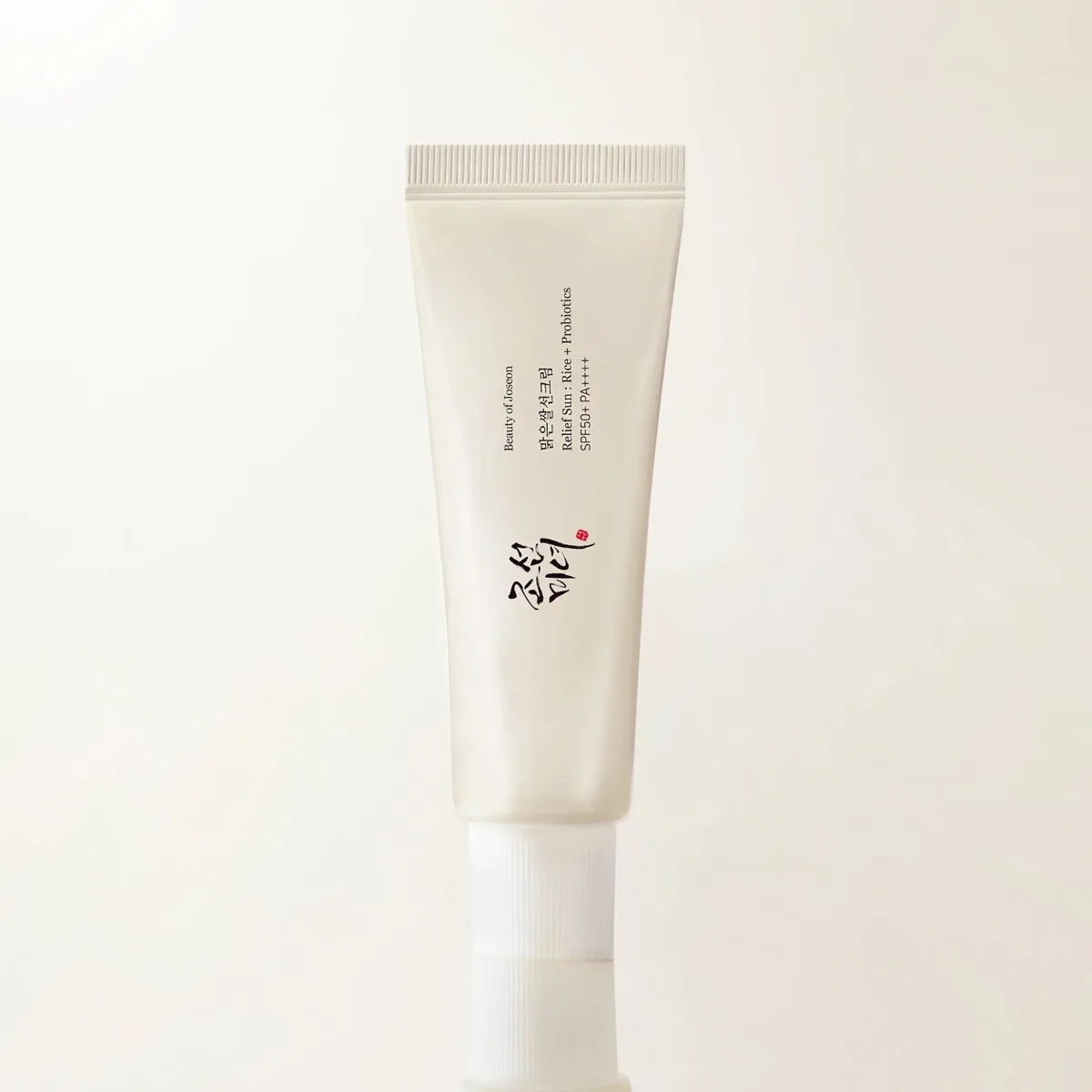
Before you overhaul anything, plant a flag on the non-negotiable: sunscreen does not get a winter off. This is the most persistent seasonal myth, and it's costly. UV exposure continues year-round; the intensity and your outdoor time drop in fall and winter, but ultraviolet — the primary driver of long-term skin aging — is still reaching your face on cloudy days, through car windows, and off snow. A daily SPF like Beauty of Joseon Relief Sun: Rice + Probiotics SPF 50+ belongs in the routine in December exactly as it did in June. If any single 'seasonal swap' article tells you to drop sunscreen for the cold months, close the tab.
As for the rest of the autumn upsell: most of it is a shelf you don't need. A dedicated 'fall cleanser' is rarely meaningful — if anything, a gentler cleanser suits drier skin, but that's a small change, not a new product category. Seasonal toners, 'autumn-repair' essences, and elaborate transition kits are largely marketing dressed as physiology. The changes worth making are unglamorous and few: help the barrier hold water with more occlusion, restart your actives slowly, keep your sunscreen, and cleanse a touch gentler if your skin feels tight. Everything past that is the seasonal-routine industry selling you a second version of a routine you already own.
Products mentioned
Independently reviewed and scored — the real products behind this piece.


References
- Effects of season on stratum corneum barrier function and skin biomarkers — Journal of Cosmetic Science, 2016
- Seasonal changes in the physiological features of healthy and sensitive skin — Journal of Cosmetic Dermatology, 2022
Every cited link is verified to resolve to the paper named. Where a source could not be independently confirmed, it is listed without a link rather than pointing you somewhere wrong.
Frequently asked
Do I really need to change my skincare routine for fall?
Only a little. Skin genuinely loses water faster and gets drier as humidity drops — studies confirm higher water loss and lower hydration in cold months — so the worthwhile change is more occlusion in your moisturizer. A total routine overhaul, though, is mostly marketing. Think a few tweaks, not a new shelf.
Why does my skin feel tight and flaky when the weather gets cold?
Low humidity and cold, dry air pull moisture out of your skin faster than your barrier can replace it, and the stratum corneum's cells cohere a bit less tightly in winter. The result is tightness, flaking, and sometimes reactivity in skin that felt fine in summer. A richer, more occlusive moisturizer is the direct fix.
Is fall a good time to start retinol again?
Yes — cooler months with lower UV intensity and less direct sun are a sensible window to reintroduce retinoids you paused over summer. The key is ramping slowly, because your tolerance resets after a break. Start around two nights a week, buffer with a good moisturizer, and build up rather than jumping straight to nightly use.
Can I stop wearing sunscreen in fall and winter?
No. UV exposure continues year-round and remains the main driver of long-term skin aging, reaching you on cloudy days, through windows, and reflected off snow. Intensity drops, but the need doesn't disappear. Daily sunscreen stays in your routine every season — it's the one step that shouldn't change.
Are 'seasonal' cleansers and autumn kits worth buying?
Mostly no. A slightly gentler cleanser can suit drier winter skin, but that's a minor swap, not a reason to buy a whole 'fall' product line. Seasonal toners, transition essences, and elaborate autumn kits are largely marketing. The changes that actually matter — occlusion, restarting actives, keeping SPF — don't require a parallel routine.