Lab-Grown Ginseng Solves a Real Problem. Just Not the Advertised One.
Cell-cultured botanicals deliver something farming genuinely cannot — an identical compound profile in every batch. Whether they work better is a separate question the marketing keeps folding into the first.
Read the preview
From the DermApproved blog, in Ingredient Science: lab-grown ginseng is real biotechnology solving a real problem — and it isn't the problem the label implies. Growing plant cells in a tank gives every batch an identical compound profile, which agriculture genuinely cannot. Whether that makes the extract work better is a separate question. Nobody has answered it. For the full breakdown, visit dermapproved.com/blog.
What is actually happening in the tank
The process is less exotic than the branding suggests and more impressive than the branding manages to convey. A small piece of plant tissue is wounded and induced to form callus — a mass of undifferentiated cells that has forgotten it was supposed to become a root or a leaf. That callus is transferred into liquid suspension, fed sugars and nutrients, and grown in a sterile bioreactor. Because those cells retain the plant's full biosynthetic machinery, they keep producing the same secondary metabolites the whole plant would have made, without ever assembling into a plant.
Producers then push the yield up using elicitation — introducing a controlled stress signal that convinces the culture it is under attack, since most of the compounds cosmetic chemists want are defensive molecules the plant makes when threatened. Reviews of plant in vitro systems for cosmeceutical use, and of the broader move of plant cells into industrial bioreactors, describe this as a maturing manufacturing route rather than a laboratory curiosity, and the ingredient houses have been treating it that way for several years now.
The end product is not a cell. It is a lysate or an extract of cultured cells — the same category of material as a conventional botanical extract, arrived at by a different road.
Consistency is the real product
This is the half of the story that deserves the attention the marketing spends elsewhere.
A conventional ginseng extract varies. Root age, cultivar, soil chemistry, altitude, rainfall, harvest timing and post-harvest processing all move the ginsenoside profile, which means two batches of the same nominal ingredient can differ meaningfully in what they contain. Formulators handle this with standardisation and specification ranges, but a range is not a fixed value, and every step of that supply chain also carries pesticide residue risk and the possibility of adulteration.
A bioreactor line removes almost all of that. Same cell line, same feed, same conditions, same profile — batch after batch, independent of weather and season. For anyone trying to build a reproducible formula, or to run a clinical study whose result will still apply to next year's production run, that is a substantial and underrated advantage.
It is also a manufacturing advantage rather than a biological one, and that distinction is where most of the consumer confusion lives. Consistency tells you the extract will be the same every time. It does not tell you the extract is better.
The stem cell claim, deflated
The phrase "plant stem cells" appears on a lot of packaging and it is doing something misleading in two directions at once.
First, nothing in the bottle is alive. Cultured cells are harvested, broken open and processed; the resulting material sits on a shelf for months. Live cells do not survive that, and would not penetrate the stratum corneum if they did. What you are applying is an extract, exactly as with a conventionally sourced botanical.
Second, the implied mechanism does not exist. Plant stem cells and human stem cells are not interchangeable actors, and a plant cell's regenerative signalling has no receptor waiting for it in human skin. Whatever benefit a cultured botanical delivers comes from its small-molecule content — the antioxidants, polyphenols, saponins and sugars it contains — behaving exactly like small molecules from any other source. If you want to see what a formula is actually built on rather than what the front of the box says, our ingredient-decoder tool reads the INCI list back in plain language, which is usually a more informative document than the marketing copy.
Where the evidence sits, honestly
The awkward truth about cultured actives is that most of them borrow their evidence.
Ginseng is the clearest illustration. There is a substantial body of laboratory work on ginsenosides in skin cells — barrier signalling, antioxidant behaviour, effects on matrix metalloproteinases — and a much thinner layer of human topical data. A randomised, double-blind, placebo-controlled study of an enzyme-modified ginseng cream published in Rejuvenation Research reported reductions in eye-area roughness measures against placebo, which is real evidence and also a very small trial. That is roughly the state of the field: mechanistically plausible, clinically under-tested.
What almost nobody has published is the comparison that would justify the premium — cultured extract against conventionally sourced extract, same concentration, same vehicle, same endpoints. Until that exists, a cultured active is best understood as the same ingredient with a better-controlled supply chain, not as a more potent one.
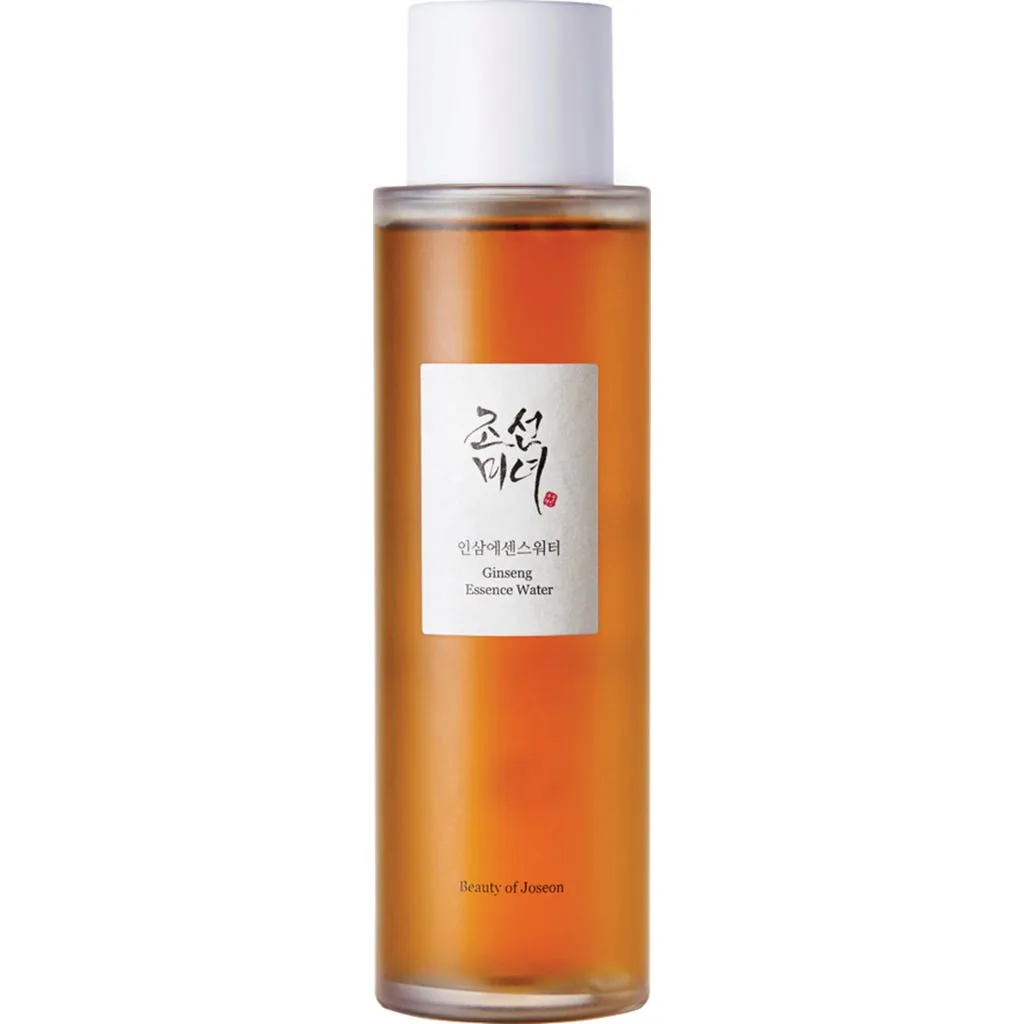
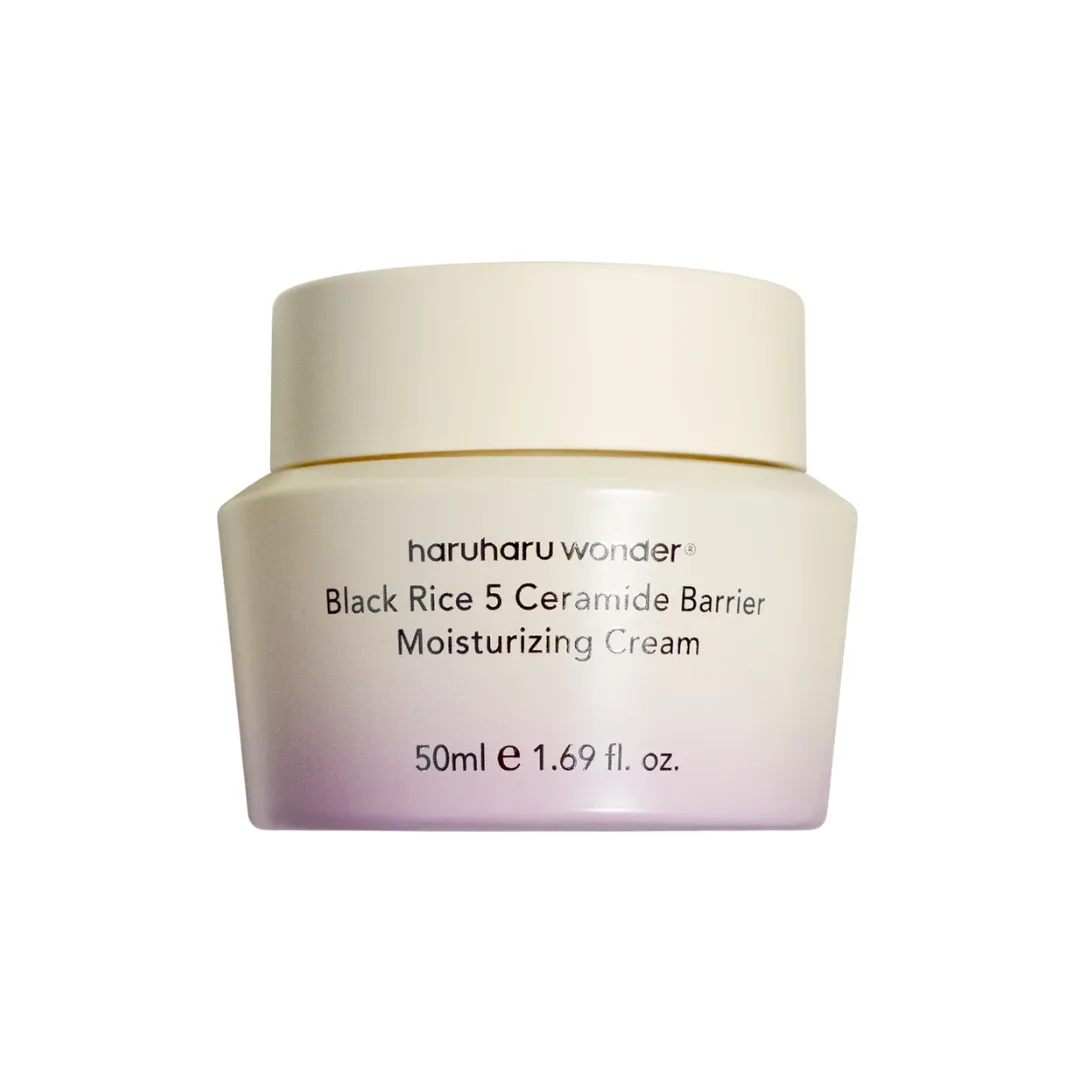
That framing makes the products easier to judge. Beauty of Joseon Ginseng Essence Water and Beauty of Joseon Revive Serum: Ginseng + Snail Mucin are worth using for what the rest of the formula does as much as for the ginseng, and the Revive Eye Serum with retinal earns most of its keep from the retinoid sitting alongside the botanical. Haruharu Wonder Black Rice Ceramide Barrier Cream uses ginseng as a supporting note in a ceramide formula, which is an honest way to deploy an ingredient at this evidence level. Our ginseng ingredient page tracks the claims individually rather than treating the plant as a single verdict.
The sustainability argument, examined
The environmental case is the strongest part of the pitch, and it is stronger in some places than others.
Where it clearly holds: species that grow slowly, occupy a lot of land, or are harvested from the wild. Ginseng takes years to reach usable maturity and is agriculturally demanding; a bioreactor removes the land, the pesticides and the harvest window at once. The same logic explains why cell culture is being pushed hardest for rare botanicals and for fragrance materials from threatened plants — the alternative supply is genuinely constrained.
The most compelling example in skincare is not a plant cell culture at all but a fermentation. Squalane was historically obtained from shark liver oil; the sugarcane-fermentation route replaced an ecologically indefensible input with a renewable one, and produced a purer, more oxidation-stable material in the process. Biossance Squalane + Omega Repair Cream is built on exactly that supply chain, and it is the case where the sustainability claim and the performance claim actually point the same way.
Where the argument softens: bioreactors are not free. They require sterile conditions, continuous energy, and a sugar feedstock that is itself farmed. For a common, fast-growing, low-input plant, culturing it is not automatically the greener option — it is a different set of inputs, and the honest answer depends on a life-cycle analysis that brands rarely publish. Treating "cell-cultured" as a synonym for "sustainable" is the same category error as treating it as a synonym for "more effective." It is a production method. What it produces still has to be judged on its own.
Products mentioned
Independently reviewed and scored — the real products behind this piece.



References
- Plant In Vitro Systems as a Sustainable Source of Active Ingredients for Cosmeceutical Application — Molecules, 2020
- The advent of plant cells in bioreactors — Frontiers in Plant Science, 2023
- Efficacy and Safety of Enzyme-Modified Panax ginseng for Anti-Wrinkle Therapy in Healthy Skin: A Single-Center, Randomized, Double-Blind, Placebo-Controlled Study — Rejuvenation Research, 2015
Every cited link is verified to resolve to the paper named. Where a source could not be independently confirmed, it is listed without a link rather than pointing you somewhere wrong.
Frequently asked
Is a cell-cultured botanical stronger than a normal plant extract?
There is no good evidence that it is. Culturing controls what is in the extract and how reliably it appears there; it does not change how the resulting molecules behave on skin. The comparison that would settle it — cultured versus conventional at matched concentration — is almost never published.
Do products with 'plant stem cells' contain living cells?
No. The cultured cells are harvested and broken down during processing, and nothing living survives months on a shelf. What is in the bottle is an extract of those cells. The phrase describes where the material came from, not what is in the jar.
Can plant stem cells affect my skin's own stem cells?
No. Plant and human cell signalling are not interchangeable, and there is no receptor in human skin waiting for a plant regeneration signal. Any benefit comes from the small molecules the extract contains — antioxidants, saponins, polyphenols — behaving as they would from any source.
Is lab-grown always the more sustainable choice?
Not automatically. It is a clear win for slow-growing, land-hungry or wild-harvested species, and an unambiguous one for squalane, where the alternative was shark liver. For a fast-growing, low-input crop the bioreactor's sterile conditions, energy and farmed sugar feedstock may not come out ahead, and few brands publish the life-cycle analysis that would tell you.
Why does batch consistency matter to me as a buyer?
Because it is the difference between a formula that performs the same each time you repurchase and one that quietly varies with the harvest. It also makes clinical results more meaningful — a trial on a standardised cultured extract still applies to next year's production run in a way that a trial on a variable agricultural input does not.