



The Brightener That Fixes the Redness It's Fading
Licorice root is skincare's rare two-in-one: a pigment inhibitor and an anti-inflammatory in the same molecule — which is exactly why reactive skin should know it.
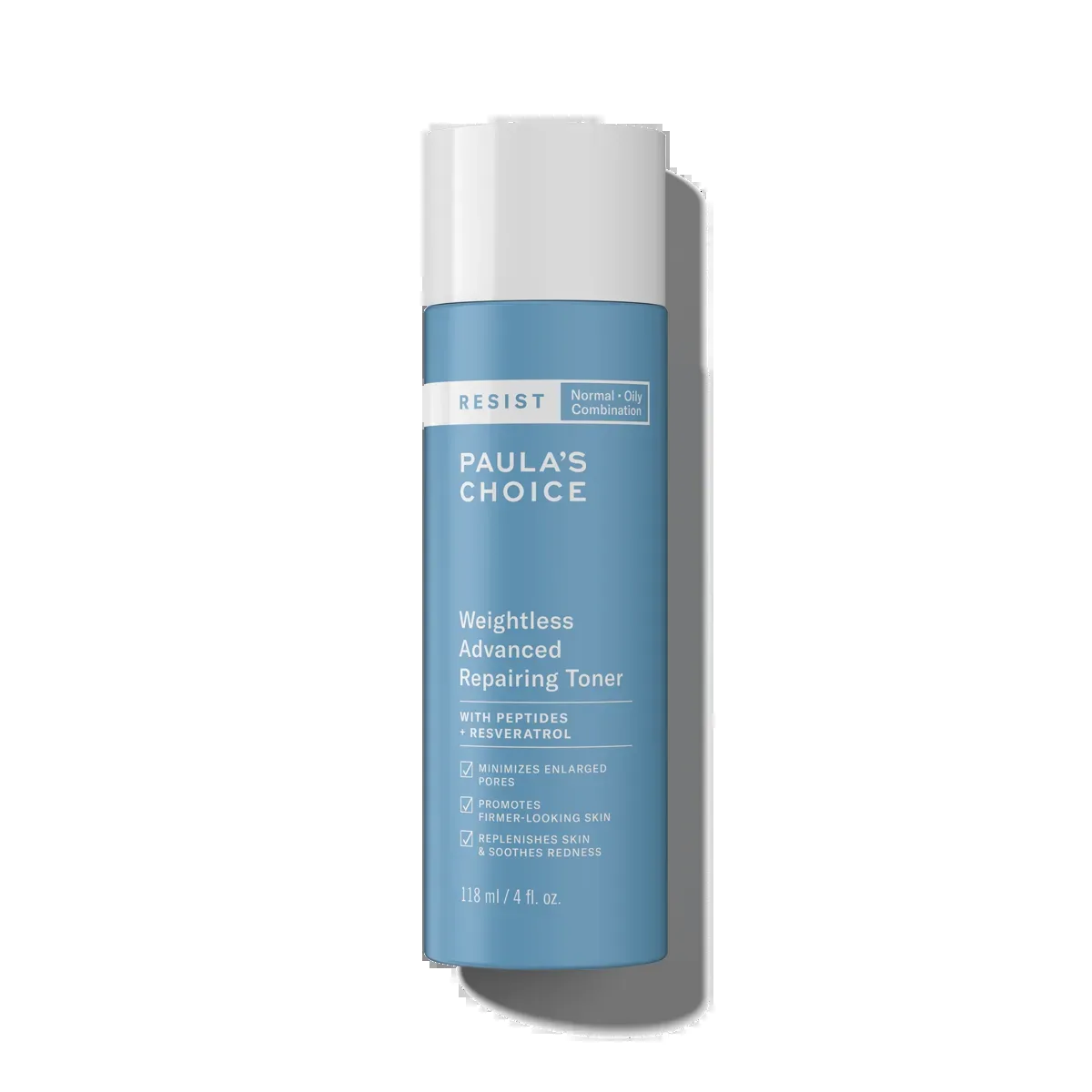
Most toners are glorified water with one or two actives. This formula packs the ingredient density of a serum — niacinamide, acetyl glucosamine, Matrixyl 3000 peptides, resveratrol, EGCG, carnosine, genistein, adenosine, and licorice root — into a weightless liquid vehicle that absorbs before you can blink. It's a serum disguised as a toner, delivering anti-aging, brightening, and antioxidant benefits in a step most people treat as an afterthought.
A toner that refuses to be underestimated — the ingredient list reads like a serum, with niacinamide, Matrixyl 3000 peptides, resveratrol, and EGCG all working in concert. The weightless vehicle is brilliant for oily and combination skin types who want anti-aging benefits without the weight, though the subtlety of results requires patience.
The case for it
What would change this: A concentration inside the studied range would raise this a step.
Same rule for everyone. “Unproven” is the verdict on 1,111 of 45,024 concern verdicts across the catalog; rule R9 decided 1,111 of them. Unchanged since September 5, 2026, engine 5.1.1.
Brand or formulator? Disclose a concentration or correct a fact →
The studies behind the evidence row
The case for it
Same rule for everyone. “Good choice” is the verdict on 9,564 of 45,024 concern verdicts across the catalog; rule R5 decided 9,072 of them. Unchanged since September 5, 2026, engine 5.1.1.
Brand or formulator? Disclose a concentration or correct a fact →
The studies behind the evidence row
The case for it
What would change this: A concentration inside the studied range would raise this a step.
Same rule for everyone. “Unproven” is the verdict on 1,111 of 45,024 concern verdicts across the catalog; rule R9 decided 1,111 of them. Unchanged since September 5, 2026, engine 5.1.1.
Brand or formulator? Disclose a concentration or correct a fact →
The studies behind the evidence row
The case for it
What would change this: Guideline or regulatory standing for the active on this concern would move this from a promising bet to a recommendation.
Same rule for everyone. “Promising” is the verdict on 7,858 of 45,024 concern verdicts across the catalog; rule R9p decided 7,858 of them. Unchanged since September 5, 2026, engine 5.1.1.
Brand or formulator? Disclose a concentration or correct a fact →
The studies behind the evidence row
Also listed for Dullness and Rough Texture — the actives here (Niacinamide, Acetyl Glucosamine, Resveratrol, Matrixyl Peptides) are in our research queue for those concerns; there is no verdict until their evidence rows are written. That is a gap in our table, not a mark against the product.
Does the jobDoes what a toner is for: not alcohol-driven, adds something real. Not measured from the label: restores skin pH, plays well with what follows.
Where our review and the verdict differ. The review below was written on the formulation and the published trials; the verdicts above apply the stricter standing test in our methodology — an active earns a recommendation only with guideline or regulatory standing for the concern. Where the two disagree, the verdict is DermApproved’s position.
A verdict is DermApproved’s assessment of how well a product’s ingredients fit a concern — never a claim about what the product treats. Evidence dots and collected reviews sit beside it and are never blended in. Rules 0.5.1 · evidence table ev-2026.09-r228 · how we decide
Toner is the most undervalued step in skincare. For decades, it meant astringent — alcohol-laden liquids that stripped skin in the name of "closing pores" (a thing that doesn't happen). Then the Korean beauty wave brought hydrating toners, and suddenly the pendulum swung the other way: toners became gentle waters with a single humectant. Paula's Choice took a third path with this formula, packing it with the kind of active ingredient density you'd normally expect from a serum and delivering it in a vehicle so light it barely registers on your skin.
The INCI list is almost aggressively impressive for a toner. Niacinamide at an estimated 3% provides pore refinement, barrier strengthening, and the beginnings of skin-tone evening. Acetyl glucosamine adds a second brightening mechanism through melanin inhibition — and the combination of these two ingredients is supported by a Procter & Gamble study showing significantly greater hyperpigmentation reduction than either alone. The Matrixyl 3000 peptide duo (palmitoyl tripeptide-1 and palmitoyl tetrapeptide-7) stimulates collagen synthesis while reducing inflammatory cytokines. Resveratrol provides polyphenol antioxidant protection. EGCG from green tea adds a second antioxidant pathway. Licorice root contributes a third brightening mechanism. Adenosine offers anti-wrinkle support. Carnosine provides anti-glycation benefits. Genistein, a soy isoflavone, adds a further antioxidant angle, willow bark lends a whisper of gentle exfoliation, and phospholipids help the water-soluble actives cross a lipid barrier that would otherwise resist them. And sodium hyaluronate ensures hydration isn't entirely sacrificed for activity.
The texture is the formula's most distinctive feature. This is water. Not water-like, not lightweight — it is, for all practical purposes, a colorless liquid indistinguishable from water on your skin. It absorbs within seconds, leaves zero residue, and adds nothing perceptible to the tactile surface of your face. For oily and combination skin types who struggle with the layering of multiple products, this disappearing act is transformative. You get a full complement of anti-aging actives without adding a single gram of weight to your routine.
The delivery logic is sound, and it is the direct answer to the enduring accusation that toners are a step invented to sell you a fourth bottle. By loading actives into a toner — the first product applied to clean skin — Paula's Choice ensures these ingredients get direct access to the stratum corneum before heavier serums and moisturizers create a competitive barrier. Peptides and niacinamide, in particular, benefit from this approach: they're water-soluble, they don't need oil-based vehicles, and they penetrate most effectively when the skin surface is clean and slightly damp. The step isn't redundant. It's the most receptive window in the entire routine, and most brands squander it on scented water.
Results accumulate quietly. The first week brings improved hydration — nothing dramatic, just a slight resilience that wasn't there before. By weeks three to four, the niacinamide's pore-refining effects start to manifest: pores look slightly smaller, the skin surface appears smoother, and the overall texture is more refined. The brightening arc takes longer — six to eight weeks for the niacinamide-acetyl glucosamine combination to produce visible tone evening. And the peptide benefits, being structural rather than surface-level, reveal themselves over months rather than weeks.
This subtlety is both the product's greatest strength and its marketing challenge. Users who expect the instant gratification of a tingling exfoliant or the visible glow of a vitamin C serum will look at this toner and wonder if it's doing anything at all. It is — but at a biochemical level that doesn't announce itself with sensory theatrics. The confirmation comes when you stop using it for a week and notice your skin looking slightly duller, slightly less refined, slightly more reactive. It is telling that the most common complaint in the reviews is that the watery texture "feels like it's not doing anything" — an aesthetic objection masquerading as an efficacy one, and a reminder of how thoroughly the industry has trained people to equate sensation with action.
The drawbacks center on hydration and sensitivity. Despite the glycerin, hyaluronic acid, and niacinamide's barrier-supporting effects, this is not a hydrating toner in the K-beauty sense. Dry skin types will need to follow with a dedicated hydrating serum or essence. And the ethoxydiglycol — a solvent that enhances ingredient penetration — can cause stinging in some users, particularly those with compromised barriers. This is a product for skin that can handle activity, not for skin that needs gentle recovery. It is fragrance-free, fungal-acne safe, and pregnancy-safe, but "gentle" and "loaded with actives" are not the same claim, and this formula makes only the second one.
Application technique carries an unusual amount of weight here. Cotton pads absorb thirty to fifty percent of what you pour onto them, which on a product this active is a meaningful tax; pressing it in with the palms delivers it to your face instead. It slots ahead of vitamin C, retinol, or a BHA exfoliant without conflict — its role is to prime, not to compete.
At twenty-nine dollars for four ounces, the price is moderate for the ingredient density. Applied with palms, a bottle lasts three to four months of twice-daily use. The per-use cost is genuinely low for the number of actives being delivered — considerably less than the equivalent serum concentrations of niacinamide, peptides, and resveratrol purchased separately. The review base is modest, a few hundred ratings averaging 4.3, but the praise is precisely calibrated: it refines, it evens, it disappears.
This toner represents what the category could be if more brands took it seriously as a delivery vehicle. It's not a cleansing afterthought, and it's not glorified water. It's a lightweight, invisible treatment layer that delivers meaningful concentrations of anti-aging, brightening, and antioxidant ingredients at the moment your skin is most receptive to them. The results aren't flashy, but they're real — and they compound with every application.
The hero actives that drive this product's performance.
| Ingredient | Function | Evidence |
|---|---|---|
| Niacinamide (~3%) | Provides pore-refining and barrier-strengthening benefits while working synergistically with the acetyl glucosamine in this formula — a combination that research has shown to be more effective at reducing hyperpigmentation and improving skin tone than either ingredient alone. | Emerging for Hyperpigmentation |
| Acetyl Glucosamine (~2.5%) | An amino sugar that inhibits melanin production through a mechanism distinct from niacinamide's, creating a dual-pathway brightening approach in this formula. Also supports hyaluronic acid synthesis in the skin, adding a hydration benefit that complements the sodium hyaluronate already present. | Not yet assessed |
| Palmitoyl Tripeptide-1 + Palmitoyl Tetrapeptide-7 (Matrixyl 3000) | This peptide duo — known commercially as Matrixyl 3000 — stimulates collagen and hyaluronic acid synthesis while simultaneously reducing the inflammatory cytokines (IL-6) that drive photoaging. Delivering these peptides in a toner ensures they reach skin before occlusive moisturizers create a barrier to penetration. | Not yet assessed |
| Resveratrol (~1.5%) | A polyphenol antioxidant present at a meaningful estimated concentration in this formula, providing free radical neutralization and anti-inflammatory benefits that protect against the oxidative stress driving premature aging. Works alongside EGCG and licorice root to create a multi-pathway antioxidant defense. | Not yet assessed |
| Epigallocatechin Gallate (EGCG) | The most potent catechin from green tea, providing antioxidant protection that complements the resveratrol in this formula. EGCG also has documented anti-inflammatory and photoprotective properties, making the toner a meaningful antioxidant prep step before sunscreen application. | Not yet assessed |
| Licorice Root Extract | Adds a third brightening mechanism to the niacinamide and acetyl glucosamine already in the formula — glabridin from licorice inhibits UVB-induced pigmentation through tyrosinase inhibition, while the extract's anti-inflammatory compounds help soothe reactive skin during the toning step. | Limited for Hyperpigmentation |
Ingredient standings describe the active at treatment-level doses and vehicles; this product's own condition grades weigh its actual formula.
Water (Aqua), Glycerin, Ethoxydiglycol, Niacinamide, Acetyl Glucosamine, Salix Nigra (Willow) Bark Extract, Resveratrol, Sodium Hyaluronate, Palmitoyl Tetrapeptide-7, Palmitoyl Tripeptide-1, Phospholipids, Epigallocatechin Gallate, Carnosine, Genistein, Glycyrrhiza Glabra (Licorice) Root Extract, Adenosine, Xanthan Gum, Citric Acid, Polysorbate 20, Butylene Glycol, Ethylhexylglycerin, Carbomer, Tetrasodium EDTA, Phenoxyethanol
toner
AM & PM
Apply after cleansing while skin is still slightly damp. Pat or press into skin with palms — cotton pads absorb product and reduce delivery. Follow with serums, moisturizer, and sunscreen. This toner's lightweight texture makes it an ideal first active layer that won't interfere with subsequent product absorption.
Improved hydration and a subtle glow within the first week. Pore refinement and smoother texture visible at 3-4 weeks. Brightening and reduction in uneven tone typically apparent after 6-8 weeks of consistent twice-daily use.
The niacinamide-acetyl glucosamine combination in this formula is supported by a notable clinical study. Kimball et al. (2010) published in the Journal of Cosmetic Dermatology demonstrated that topical application of niacinamide combined with N-acetyl glucosamine produced significantly greater reduction in facial hyperpigmentation compared to either ingredient alone or vehicle control over an 8-week trial period. The synergy likely occurs because the two ingredients inhibit melanin production through complementary mechanisms — niacinamide blocks melanosome transfer from melanocytes to keratinocytes, while acetyl glucosamine inhibits tyrosinase activity directly.
The Matrixyl 3000 peptide complex (palmitoyl tripeptide-1 + palmitoyl tetrapeptide-7) has its own evidence base. Robinson et al. (2005) in the International Journal of Cosmetic Science reported that this peptide combination stimulated collagen I, collagen IV, and hyaluronic acid synthesis in fibroblast cultures while simultaneously reducing the pro-inflammatory cytokine interleukin-6 (IL-6). The anti-inflammatory component is particularly relevant in a toner applied immediately after cleansing, when the skin may be transiently irritated.
Resveratrol's presence at an estimated 1.5% is noteworthy. Farris (2014) reviewed resveratrol's dermatological applications in the Journal of Drugs in Dermatology, documenting its capacity to neutralize reactive oxygen species, inhibit NF-κB-mediated inflammatory pathways, and enhance the skin's endogenous antioxidant defenses. At the concentration estimated in this formula, resveratrol provides meaningful photoprotective support that complements the EGCG's own well-documented antioxidant activity.
Many dermatologists increasingly recognize the value of active-loaded toners as a delivery mechanism for water-soluble anti-aging ingredients. Dermatologists note that the niacinamide concentration in this formula is sufficient for pore refinement and barrier support without the flushing risk associated with higher concentrations. The peptide and antioxidant payload is considered a meaningful addition to any anti-aging regimen, though dermatologists caution that toner-delivered actives should complement rather than replace dedicated treatment serums for more advanced concerns like deep wrinkles or significant hyperpigmentation.
After cleansing, pour a small amount (about a quarter-sized pool) into your palms. Press gently into face and neck — do not rub. No cotton pad needed; hand application maximizes product delivery. Apply to slightly damp skin for enhanced absorption. Use twice daily, morning and evening. Follow with serums, treatments, and moisturizer. Allow 30 seconds for absorption before applying the next product.
At $29 for 4 oz, this toner offers strong value relative to its ingredient density. Applied with palms (not cotton pads), a bottle lasts 3-4 months at approximately $0.25 per day. Purchasing the equivalent actives — a niacinamide serum, a peptide serum, and a resveratrol antioxidant — as separate products would cost significantly more. The single-size offering is the only limitation; a larger bottle option would improve the value proposition for committed daily users.
Combination and oily skin types seeking anti-aging and brightening benefits without the weight or greasiness of heavier serums. Ideal for those who want to maximize the number of actives in their routine without adding visible layers, and for anyone who believes toner should be more than just water.
Those with very sensitive or compromised skin barriers who react to penetration enhancers like ethoxydiglycol. Dry skin types who need a hydrating toner step should look elsewhere — this formula prioritizes treatment over moisture.
Ready to try Paula's Choice RESIST Weightless Advanced Repairing Toner?
Buy at Amazon ♥Colorless, water-like liquid that feels weightless on the skin. Absorbs almost instantly with zero residue, stickiness, or film. The lightest toner in the Paula's Choice lineup.
No added fragrance. Has a faint, barely perceptible cosmetic note from the ingredients that dissipates immediately. Essentially scentless.
Sturdy plastic bottle with a controlled-dispensing opening and screw cap in the RESIST line's matte blue-gray branding. The small hole opening prevents over-dispensing but can be slow to pour for those who want to saturate a cotton pad.
The first application feels deceptively simple — it's just water on your face, or so it seems. No tingling, no tightening, no visible change. The actives are working invisibly, and the real results emerge over weeks of consistent use. Users who need sensory feedback from their products may feel underwhelmed initially.
3-4 months applied morning and night applied with palms
All Year
The RESIST line was Paula Begoun's most ambitious product collection — an anti-aging system designed around ingredient efficacy rather than luxury marketing. This toner exemplifies the philosophy: pack meaningful concentrations of research-backed actives into every step, even the ones consumers typically undervalue.
Paula's Choice was founded in 1995 by consumer advocate Paula Begoun, known as the 'Cosmetics Cop,' and has built its reputation on evidence-based, fragrance-free formulations. The brand is Leaping Bunny certified and widely recommended by dermatologists for its transparent, research-driven approach.
Toners are just unnecessary water that skincare brands sell to add a step to your routine.
A well-formulated toner like this one delivers actives in a lightweight vehicle that penetrates before heavier creams create an occlusive barrier. The niacinamide, peptides, and antioxidants in this formula are getting first access to clean skin — arguably the most efficient delivery window in any routine.
You need to use a cotton pad to apply toner properly.
Cotton pads absorb 30-50% of the product, wasting actives and money. Pressing this toner into palms and patting onto skin delivers more product to where it actually matters. The cotton pad ritual is left over from the era of astringent toners that needed physical wiping.
This toner prioritizes active ingredient delivery over heavy hydration. It contains glycerin, sodium hyaluronate, and niacinamide for barrier support, but dry skin types should follow with a hydrating serum and rich moisturizer rather than relying on this toner alone for moisture. It's designed as a treatment step, not a hydration step.
Yes — the pH of 5.0 is compatible with most vitamin C serums. Apply this toner first, let it absorb for 30 seconds, then layer your vitamin C serum on top. The antioxidants in this toner (resveratrol, EGCG) actually complement vitamin C's photoprotective benefits.
Stinging is most commonly caused by the ethoxydiglycol (a penetration enhancer) or the niacinamide, particularly if your skin barrier is compromised from over-exfoliation or environmental damage. Try applying to fully dry rather than damp skin, or reduce frequency to once daily until tolerance builds. Persistent stinging may indicate this formula isn't suitable for your skin.
Acetyl glucosamine is an amino sugar that inhibits melanin production through a different pathway than niacinamide, creating a dual-mechanism brightening effect. Research has shown that combining niacinamide with acetyl glucosamine produces significantly better hyperpigmentation reduction than either ingredient alone. It also supports the skin's natural hyaluronic acid production.
Hands are more efficient — cotton pads absorb 30-50% of the product, wasting the actives you're paying for. Pour a small amount into your palms and press gently into clean skin. The watery texture spreads easily and absorbs within seconds without the need for wiping or rubbing.
Recurring themes our editors read across retailer reviews of this product — summaries in our words, not quotations, and not a substitute for your own patch test.
Lightweight watery texture absorbs instantly with no residue
Effective at refining pores and smoothing texture over time
Helps even skin tone and reduce dullness noticeably
Impressive active ingredient list for a toner-step product
Fragrance-free and gentle enough for daily use on most skin types
Layers beautifully under serums and moisturizers
Some users report burning or stinging on application
Results are subtle and hard to notice without consistent use
Not hydrating enough for dry skin types as a standalone toner
Watery texture feels like it's not doing anything
Small bottle for the price compared to other toners
Verified answers from our questions library — the nuance a product page cannot carry.