Niacinamide vs Vitamin C: You're Asking the Wrong Question
They brighten through completely different machinery — which is exactly why the 'pick one' framing is a trap.
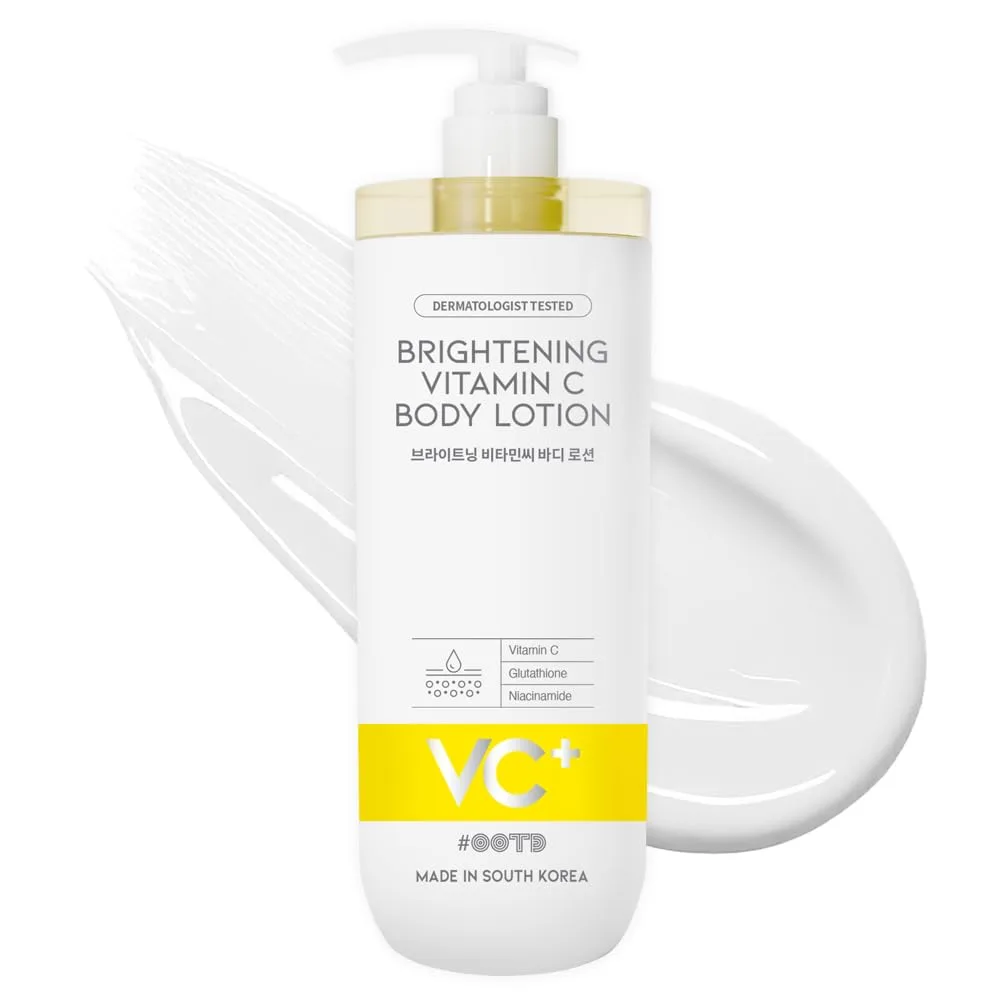
It pairs a generous 750ml pump bottle with a conventional but well-built emollient base and a trio of brightening actives, vitamin C, glutathione and niacinamide. Most of its benefit comes from moisturising rather than brightening.
A generous, affordable 750ml body lotion with a solid glycerin, fatty alcohol and oil base that leaves dry skin soft without stickiness. Its vitamin C and glutathione are cosmetic accents rather than brightening doses, and fragrance with four declared allergens plus retinyl palmitate make it a less straightforward choice for sensitive skin or pregnancy.
More than a hundred Amazon ratings averaging about 4.4 stars support this lotion's comfort and value since its 2025 launch. Its brightening claims have not been independently tested, and the assessment weighs the published ingredient list alongside that user feedback.
The case for it
Cautions: fragrance.
Same rule for everyone. “Good choice” is the verdict on 9,564 of 45,024 concern verdicts across the catalog; rule R5 decided 9,072 of them. As of September 25, 2026, engine 5.1.1.
Brand or formulator? Disclose a concentration or correct a fact →
The studies behind the evidence row
The case for it
What would change this: Guideline or regulatory standing for the active on this concern would move this from a promising bet to a recommendation.
Same rule for everyone. “Promising” is the verdict on 7,858 of 45,024 concern verdicts across the catalog; rule R9p decided 7,858 of them. As of September 25, 2026, engine 5.1.1.
Brand or formulator? Disclose a concentration or correct a fact →
The studies behind the evidence row
Also listed for Winter Skin — the actives here (Caprylic/Capric Triglyceride, Glycerin, Niacinamide, Vitamin C) are in our research queue for that concern; there is no verdict until their evidence rows are written. That is a gap in our table, not a mark against the product.
As a body productNot judged: what a body product is for — real substance, not just slip, realistic to use daily — cannot yet be measured from the ingredient list (only fragrance load can).
A verdict is DermApproved’s assessment of how well a product’s ingredients fit a concern — never a claim about what the product treats. Evidence dots and collected reviews sit beside it and are never blended in. Rules 0.5.1 · evidence table ev-2026.09-r228 · how we decide
The front of OOTD's Brightening Vitamin C Body Lotion is built around three actives: vitamin C, glutathione and niacinamide, grouped under the brand's 'VC+' logo. The ingredient list shows all three, after a long run of emollients and emulsifiers. The first dozen ingredients, water, cetearyl alcohol, glycerin, isopropyl myristate, sorbitan sesquioleate, glyceryl stearate, PEG-100 stearate, palmitic acid, polysorbate 60, caprylic/capric triglyceride, stearic acid and carbomer, form a classic, well-built body lotion. That is what most users are really buying, and it explains the product's strong Amazon ratings better than its brightening claims do.
OOTD, an emerging Korean brand founded around 2021, expanded into body care in 2025 with this lotion and a matching body wash, carrying over the 'VC+' branding from its facial Dark Spot Vitamin C line. It comes in a large 750ml pump bottle and sells for about twenty-five dollars on Amazon, where it has collected more than a hundred ratings averaging around 4.4 stars.
The moisturising base is solid. Glycerin, third on the list, is a reliable humectant that draws water into the skin, and cetearyl alcohol, stearic and palmitic acids, caprylic/capric triglyceride, dimethicone, olive oil and jojoba oil provide an emollient layer that reduces water loss. That combination suits dry arms and legs well, particularly after showering, when the skin is still slightly damp. Several forms of hyaluronic acid appear near the end, adding a light hydrating touch.
The brightening actives sit in the second half of the list. Niacinamide is the most credible, with good evidence for improving uneven tone and barrier function over weeks of use, and body skin can benefit just as facial skin does. Ascorbic acid, the vitamin C, follows directly after, but in a neutral-pH lotion base and at a modest position, it is likely present at a low level and prone to degradation; stable, effective vitamin C brightening typically requires much higher concentrations in specially formulated products. Glutathione, an antioxidant tripeptide popular in brightening products, sits just after vitamin C, again at a low level with limited topical evidence.
There is also retinyl palmitate, a vitamin A ester, placed mid-list. It is a mild retinoid precursor that converts slowly in the skin, and at this level it contributes little. It is worth noting for pregnancy, however: because the lotion is designed to be applied over large areas of the body every day, many clinicians advise checking with a doctor before using vitamin A products this way during pregnancy.
In use, the lotion is pleasant. It spreads easily, absorbs within a minute or two and leaves a soft, satin finish without stickiness, which makes it easy to dress straight after applying. The fragrance is fresh and floral-citrus, and many users list it among the reasons they like the product. The large pump bottle is convenient for daily all-over use, and a bottle lasts two to three months.
The fragrance, however, is the main drawback for some. The list includes fragrance plus four declared allergens, linalool, hexyl cinnamal, limonene and citral, along with lavender, chamomile, borage, cornflower, clary sage and hyacinth extracts. For most skin this is simply a pleasant scent, but for people with eczema, fragrance allergy or very sensitive skin, a daily all-over lotion is exactly where fragrance reactions tend to develop. Isopropyl myristate also makes it a poor choice for acne-prone areas such as the chest and back, and the oils and esters rule it out for fungal acne.
Skin-type fit is fairly clear. Dry and normal body skin will get the most from it, particularly on the shins, arms and knees, which tend to lose moisture fastest. Combination body skin can use it comfortably, though some may want to skip the chest and upper back, where isopropyl myristate and the oils are more likely to cause congestion. People who live in dry climates or spend winters in heated rooms will likely notice the biggest difference in comfort.
Expectations about brightening should be modest. Regular use can make body skin look smoother, softer and more even, partly from better hydration and partly from niacinamide over time. It will not fade significant dark spots, sun damage or post-inflammatory marks on the body; those respond better to targeted actives such as glycolic acid, azelaic acid or dedicated vitamin C products, alongside consistent body sunscreen on exposed areas.
It also pairs sensibly with exfoliation. For rough, bumpy skin such as keratosis pilaris on the upper arms, a moisturiser like this works best alongside an occasional lactic acid, glycolic acid or urea product, which loosens the dead skin cells so the lotion can soften the surface more effectively. On its own it smooths and softens, but it does not exfoliate.
Value is where it shines. At about twenty-five dollars for 750ml on Amazon, and a similar price on OOTD's own store, it costs roughly three cents per millilitre, which is very reasonable for a well-formulated, pleasantly scented body lotion. For everyday moisturising, especially for dry skin in winter, it is an easy recommendation on value alone.
In a routine, it is simple. Apply it after showering to slightly damp skin, all over the body or on dry areas like shins, elbows and knees. In the daytime, follow with sunscreen on exposed areas. It pairs well with an exfoliating body wash or an occasional AHA body lotion for rough texture.
The overall assessment is positive with sensible caveats. The OOTD Brightening Vitamin C Body Lotion is a big, affordable, pleasant body moisturiser that does its core job well and adds a sensible dose of niacinamide. Its vitamin C and glutathione are more branding than brightening, its fragrance makes it less suitable for sensitive skin, and its retinyl palmitate warrants a conversation with a doctor during pregnancy. For dry, non-sensitive skin wanting a generous daily lotion, it is good value.
The hero actives that drive this product's performance.
| Ingredient | Function | Evidence |
|---|---|---|
| Glycerin | Third on the list, the main humectant that keeps the lotion hydrating on dry legs and arms beneath its rich emollient layer. | Established mechanism for Dryness · established mechanism |
| Cetearyl Alcohol + Caprylic/Capric Triglyceride | The fatty alcohol and ester base that gives the lotion its creamy body and reduces water loss, doing most of the moisturising work. | Established mechanism for Dryness · established mechanism |
| Niacinamide | One of the three actives on the bottle, placed after the plant oils, adding gentle barrier support and a gradual evening of tone with regular use. | Not yet assessed |
| Ascorbic Acid | The 'VC' of the name, listed after niacinamide in a neutral-pH lotion base, so its brightening effect is likely minimal. | Not yet assessed |
| Glutathione | The third headline active, an antioxidant tripeptide placed just after vitamin C at a low level. | Not yet assessed |
Ingredient standings describe the active at treatment-level doses and vehicles; this product's own condition grades weigh its actual formula.
Water, Cetearyl Alcohol, Glycerin, Isopropyl Myristate, Sorbitan Sesquioleate, 1,2-Hexanediol, Glyceryl Stearate, PEG-100 Stearate, Palmitic Acid, Polysorbate 60, Caprylic/Capric Triglyceride, Stearic Acid, Carbomer, Dimethicone, Arginine, Ethylhexylglycerin, Retinyl Palmitate, Arachidic Acid, Myristic Acid, Butylene Glycol, Olea Europaea (Olive) Fruit Oil, Simmondsia Chinensis (Jojoba) Seed Oil, Niacinamide, Ascorbic Acid, Glutathione, Tocopherol, Lavandula Angustifolia (Lavender) Flower Extract, Chamomilla Recutita (Matricaria) Flower Extract, Borago Officinalis Extract, Centaurea Cyanus Flower Extract, Salvia Sclarea (Clary) Extract, Hyacinthus Orientalis (Hyacinth) Extract, Sodium Hyaluronate, Sodium Hyaluronate Crosspolymer, Potassium Hyaluronate, Hydrolyzed Glycosaminoglycans, Hydrolyzed Sodium Hyaluronate, Hydrolyzed Hyaluronic Acid, Hyaluronic Acid, Disodium EDTA, Fragrance, Linalool, Hexyl Cinnamal, Limonene, Citral
moisturizer
AM & PM
Apply it to slightly damp skin straight after showering to lock in water; on sun-exposed arms and legs, follow with sunscreen in the daytime.
Skin feels soft and smooth right away. Dryness and rough patches improve over a week or two of daily use; any brightening of dull or uneven body skin from niacinamide is gradual and modest.
The lotion's benefits come mainly from its moisturising system. Glycerin is a well-established humectant that increases stratum corneum hydration and supports barrier recovery, and fatty alcohols, fatty acids, triglycerides, dimethicone and plant oils form an emollient film that reduces transepidermal water loss; applying such lotions to damp skin after bathing is a standard recommendation for dry skin. Niacinamide has controlled evidence for reducing melanosome transfer and improving barrier function, with measurable benefits for uneven tone after several weeks of regular use, and these effects are not limited to facial skin. L-ascorbic acid is an effective antioxidant and tyrosinase inhibitor, but its stability and skin penetration depend on a low pH and high concentration; in a neutral-pH emulsion at a modest level, its brightening effect is likely small. Glutathione has some evidence for lightening from oral supplementation and from topical formulations at around 2 percent, but data at low topical levels are limited. Retinyl palmitate is a retinoid ester that converts slowly to retinol and then retinoic acid in the skin; its activity is weak, but because vitamin A derivatives are generally avoided in pregnancy, large-area daily use is often discussed with a clinician. Fragrance and its declared allergens, particularly oxidised limonene and linalool, are among the most frequent causes of allergic contact dermatitis from cosmetics, and hexyl cinnamal and citral are also recognised sensitisers. Isopropyl myristate is a frequently cited comedogenic ester, relevant for acne-prone body areas.
Dermatologists generally recommend simple, generous body moisturisers applied after bathing for dry skin, and this lotion's glycerin and emollient base fits that role. Its niacinamide is a sensible addition, but clinicians would note that its vitamin C and glutathione levels are unlikely to brighten meaningfully. For patients with eczema or fragrance sensitivity, a fragrance-free body lotion would usually be preferred, and pregnant patients are often advised to discuss large-area use of vitamin A-containing products with their doctor.
After showering, pat skin until it is slightly damp, then pump the lotion into the palms and smooth it over arms, legs and body, massaging until absorbed. Pay extra attention to dry areas such as shins, knees and elbows, and add a second layer if needed. Use once or twice daily. In the daytime, apply sunscreen to exposed areas afterwards. Avoid using it on the face or on acne-prone areas like the chest and back, and consult a doctor before all-over use during pregnancy.
At about twenty-five dollars for 750ml on Amazon, this costs roughly three cents per millilitre and lasts two to three months of daily use, which is excellent value. OOTD is an emerging brand, but more than a hundred Amazon ratings at around 4.4 stars suggest consistent satisfaction. The brightening actives add little measurable value, so it is best judged as a well-priced, pleasant daily body moisturiser.
People with dry or normal body skin who want a generous, affordable, pleasantly scented daily lotion will get the most from this. It suits anyone who values a large pump bottle and a quick-absorbing, non-sticky finish.
Those with eczema, fragrance allergies or very sensitive skin should choose a fragrance-free body lotion, and anyone prone to body acne or fungal acne may want to avoid it on affected areas. Pregnant users should check with a doctor first because of the retinyl palmitate.
Ready to try OOTD Brightening Vitamin C Body Lotion?
Buy at Amazon ♥A smooth, medium-weight white lotion that spreads easily and absorbs into a soft, non-greasy finish.
A fresh, clean floral-citrus fragrance that lingers lightly on the skin.
A 750ml white pump bottle with a yellow band and 'VC+' logo.
It glides on easily, sinks in within a minute or two and leaves skin soft without a sticky film. The fragrance is noticeable and pleasant. Very dry areas like shins may need a second layer.
About two to three months with daily all-over use.
All Year
The lotion is part of OOTD's 2025 move into body care, alongside a matching Brightening Vitamin C Body Wash. It carries over the 'VC+' branding from the brand's facial Dark Spot Vitamin C line.
OOTD is an emerging Korean brand founded around 2021 that expanded from facial skincare into body care in 2025 with this vitamin C lotion and a matching body wash. It sells mainly on Amazon and its own store and has not published independent testing.
A vitamin C body lotion lightens dark spots on the body.
Here, ascorbic acid sits after the plant oils in a neutral lotion. Real brightening needs stable vitamin C at higher levels, or other actives, plus sunscreen.
Glutathione in lotion lightens skin like supplements claim to.
Topical glutathione at low levels has little evidence for visible lightening. The lotion's main benefit is hydration.
It may gradually improve dullness through niacinamide and hydration, but its vitamin C and glutathione are at low levels, so dramatic brightening is unlikely.
No. It contains fragrance plus linalool, hexyl cinnamal, limonene and citral, which sensitive skin should watch.
It is designed for the body; its fragrance and isopropyl myristate make it a poor choice for facial skin, especially if acne-prone.
Yes. Its glycerin, fatty alcohol and oil base moisturises dry arms and legs well, especially applied after a shower.
It contains retinyl palmitate, a vitamin A ester, applied over large areas of skin; many clinicians advise checking with a doctor before using vitamin A products all over the body in pregnancy.
Yes. Its ingredient list contains no animal-derived components.
Recurring themes our editors read across retailer reviews of this product — summaries in our words, not quotations, and not a substitute for your own patch test.
Absorbs well without stickiness
Pleasant scent
Large bottle lasts a long time
Brightening results are subtle