



Niacinamide vs Vitamin C: You're Asking the Wrong Question
They brighten through completely different machinery — which is exactly why the 'pick one' framing is a trap.
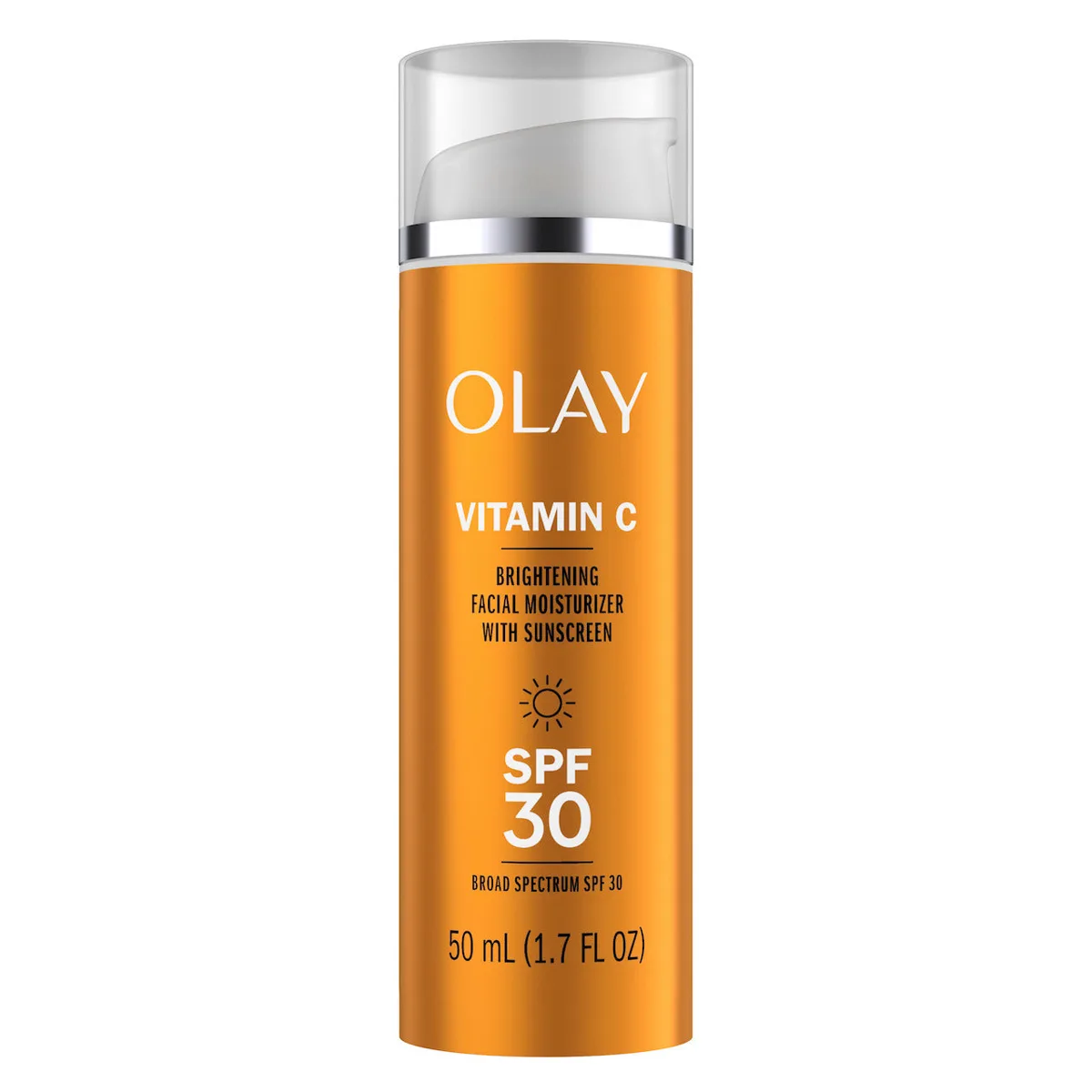
Rather than treating brightening and sun protection as separate steps, this folds a stable vitamin C derivative and a high niacinamide dose into the same SPF 30 base, so the actives that fade dark spots and the filters that prevent new ones live in one pump. The airless packaging is also a genuine upgrade for keeping vitamin C from oxidizing.
A smart morning multitasker that builds a stable vitamin C derivative and a generous niacinamide dose into an SPF 30 cream, so brightening and sun protection happen in one pump. The fragrance and merely-adequate SPF level keep it from being perfect, but for tone-focused users who want fewer steps, it earns its spot.
The case for it
What would change this: A declared concentration would move this to a firmer reading of the dose.
Same rule for everyone. “Full protection” is the verdict on 2,288 of 45,024 concern verdicts across the catalog; rule P1 decided 2,232 of them. Unchanged since September 5, 2026, engine 5.1.1.
Brand or formulator? Disclose a concentration or correct a fact →
The studies behind the evidence row
The case for it
What would change this: A declared concentration would move this to a firmer reading of the dose.
Same rule for everyone. “Full protection” is the verdict on 2,288 of 45,024 concern verdicts across the catalog; rule P1 decided 2,232 of them. Unchanged since September 5, 2026, engine 5.1.1.
Brand or formulator? Disclose a concentration or correct a fact →
The studies behind the evidence row
The case for it
What would change this: A declared concentration would move this to a firmer reading of the dose.
Same rule for everyone. “Full protection” is the verdict on 2,288 of 45,024 concern verdicts across the catalog; rule P1 decided 2,232 of them. Unchanged since September 5, 2026, engine 5.1.1.
Brand or formulator? Disclose a concentration or correct a fact →
The studies behind the evidence row
The case for it
What would change this: A declared concentration would move this to a firmer reading of the dose.
Same rule for everyone. “Full protection” is the verdict on 2,288 of 45,024 concern verdicts across the catalog; rule P1 decided 2,232 of them. Unchanged since September 5, 2026, engine 5.1.1.
Brand or formulator? Disclose a concentration or correct a fact →
The studies behind the evidence row
Also listed for Dullness — the actives here (Avobenzone, Niacinamide, Peptides, Vitamin C) are in our research queue for that concern; there is no verdict until their evidence rows are written. That is a gap in our table, not a mark against the product.
Does the jobDoes what a SPF moisturizer is for: UVA coverage, actually moisturizes. Not measured from the label: wearable all day.
A verdict is DermApproved’s assessment of how well a product’s ingredients fit a concern — never a claim about what the product treats. Evidence dots and collected reviews sit beside it and are never blended in. Rules 0.5.1 · evidence table ev-2026.09-r228 · how we decide
Most skincare routines are a negotiation between what works and what you will actually keep doing, and this Olay cream is built squarely for the second half of that bargain. It takes the two morning steps people most often skip in a rush — the brightening active and the sunscreen — and welds them into one pump. That is a genuinely useful idea, and it is worth examining honestly rather than dismissing as drugstore convenience theater, because the formula behind the marketing is more thoughtful than the citrus-scented packaging suggests.
Start with what is actually in the bottle. The star pairing is 3-O-ethyl ascorbic acid and niacinamide, and the order they appear in the ingredient list tells you something. Niacinamide sits high, well above most of the emollients, which points to a concentration in the range that published research associates with visible tone improvement. The vitamin C here is a derivative, not pure L-ascorbic acid, and that is the right choice for a daytime SPF product. Pure ascorbic acid is notoriously temperamental — it oxidizes, turns orange, and loses potency the moment it meets light and air, which is exactly the environment a sunscreen lives in. Ethyl ascorbic acid is far more stable and still converts to active vitamin C in the skin, so you get the pigment-fading payoff without the formula degrading in your bathroom by week three. The airless-style pump reinforces this, shielding the contents from the light exposure that wrecks vitamin C in jar packaging.
The SPF side is a conventional organic filter quartet: avobenzone for UVA, homosalate and octisalate for UVB, and octocrylene doing double duty as a UVB absorber and, crucially, as the stabilizer that keeps avobenzone from falling apart in sunlight. This is a tried-and-true combination, the same architecture behind countless American facial sunscreens. It delivers SPF 30 broad-spectrum protection, which is solid for daily incidental exposure — your commute, errands, the walk to lunch. It is worth being clear-eyed, though: SPF 30 is the floor for daily facial protection, not the ceiling, and a cream-format SPF only hits its rated number if you apply it at the textbook thickness most people never use on a moisturizer. Treat the sun protection here as a reliable baseline that rewards generous application, not as a license to skip a dedicated sunscreen on a beach day.
Where this product genuinely shines is texture and wearability, and that matters more than enthusiasts sometimes admit, because the best sunscreen is the one you do not resent putting on. It is a soft, lightly whipped cream that spreads thin and settles into a semi-matte, almost weightless finish. There is none of the heavy greasy slip or chalky white cast that makes some chemical sunscreens a chore. It layers under makeup reasonably well, though, like many SPF moisturizers, it can pill if you pile a heavy foundation on top before it has fully set — give it three or four minutes to absorb and that mostly resolves. The peptide in the name, palmitoyl pentapeptide-4, sits low in the formula; think of it as a quiet supporting player for firmness over the long haul rather than a reason to buy.
Now the honest caveats, because no product earns blanket praise. The fragrance is the main one. This is a noticeably scented product — a bright citrus note that announces itself on application and lingers for a few minutes before fading. For most people that is a pleasant, even motivating part of the experience. For genuinely reactive or rosacea-prone skin, fragrance plus a full organic filter load is a combination worth approaching cautiously, and a few days of patch testing along the jaw is the sensible move before trusting it across the whole face. This is not a formula built for the most sensitive complexions, and it does not pretend to be. The other limitation is conceptual: any all-in-one trades a little peak performance for convenience. If your primary goal is aggressive dark-spot correction, a high-percentage standalone vitamin C serum under a separate sunscreen will outpace this. If your goal is to stop skipping steps and gently even your tone while staying protected, this hits the target.
On value, it lands in a fair middle. It costs more than Olay's no-frills moisturizers, which is expected given it is doing two jobs and using a stabilized active in protective packaging. Measured against buying a separate brightening serum and a separate facial sunscreen, it is a clear saving in both money and counter space. Measured against bare-bones drugstore SPF, it is a step up in price you are paying for the actives and the airless pump. Whether that math works depends entirely on whether you would otherwise own and use both products it replaces.
The verdict that emerges is a product that knows exactly what it is. It will not win awards for the strongest vitamin C on the market or the highest SPF, and it is not the pick for fragrance-averse or highly reactive skin. But as a single morning step that protects, hydrates, and slowly brightens, it is a genuinely sensible piece of formulation at an accessible price — the rare two-in-one where the convenience does not feel like a compromise on substance.
The hero actives that drive this product's performance.
| Ingredient | Function | Evidence |
|---|---|---|
| Vitamin C (3-O-Ethyl Ascorbic Acid) | A stable, oil-soluble vitamin C derivative that converts to ascorbic acid in the skin to fade dark spots and even tone. Pairing it with this formula's high niacinamide load is a smart move, since both target uneven pigment through different pathways and the derivative form resists the oxidation that plagues pure ascorbic acid in a daytime SPF base. | Limited for Hyperpigmentation |
| Niacinamide | Sits high in this ingredient list, suggesting a meaningful concentration that does the heavy lifting on tone and barrier support. It works in tandem with the vitamin C derivative here to interrupt melanin transfer while improving the moisture retention that keeps the cream's SPF film comfortable. | Emerging for Hyperpigmentation |
| Palmitoyl Pentapeptide-4 (Matrixyl) | A signal peptide marketed in Olay's 'Peptide 24' branding that supports the appearance of firmness over time. In this particular product it is a supporting act rather than the star — present low in the formula behind the actives and emollients, so treat its anti-aging contribution as gradual and modest. | Limited for Aging |
| Broad-Spectrum Chemical Filters (Avobenzone, Homosalate, Octisalate, Octocrylene) | A standard organic filter quartet delivering SPF 30 broad-spectrum protection, with octocrylene stabilizing the otherwise photo-unstable avobenzone. This is the layer that makes the brightening actives worth using daily, since unprotected UV exposure would undo the vitamin C and niacinamide work on pigment. | Regulator-approved for Sun Damage · emerging certainty |
Ingredient standings describe the active at treatment-level doses and vehicles; this product's own condition grades weigh its actual formula.
Active Ingredients: Avobenzone 3.0%, Homosalate 9.0%, Octisalate 4.5%, Octocrylene 6.0%. Inactive Ingredients: Water, Glycerin, Zea Mays (Corn) Starch, Niacinamide, 3-O-Ethyl Ascorbic Acid, Palmitoyl Pentapeptide-4, Panthenol, Dimethicone, Caprylyl Glycol, Dimethiconol, Cetearyl Glucoside, Cetearyl Alcohol, Stearic Acid, Palmitic Acid, Stearyl Alcohol, Cetyl Alcohol, Behenyl Alcohol, Disodium EDTA, Hydroxyethyl Acrylate/Sodium Acryloyldimethyl Taurate Copolymer, PEG-100 Stearate, 1,2-Hexanediol, Phenoxyethanol, Fragrance
moisturizer
AM
This is your final AM step before makeup. Let serums and any standalone treatments absorb first, then apply two finger-lengths to face and neck so the SPF film forms at an effective thickness. Reapply protection through the day if you are outdoors.
Sun protection and a soft luminous finish are immediate. Tone-evening from the niacinamide and vitamin C derivative typically becomes visible around 4-6 weeks of consistent daily use, with continued fading of stubborn dark spots over 8-12 weeks.
The interesting science here is less about any single ingredient than about the pairing of niacinamide with a stabilized vitamin C derivative inside a sunscreen base. Niacinamide is among the best-evidenced cosmetic actives for uneven tone: it interferes with the transfer of melanin-containing melanosomes from pigment-producing cells to surface keratinocytes, which over weeks reduces the look of dark spots. It also supports the skin barrier by boosting ceramide synthesis, which helps a leave-on daytime product feel comfortable rather than tight. The vitamin C component, 3-O-ethyl ascorbic acid, addresses the most practical obstacle to using vitamin C in an SPF: stability. Pure ascorbic acid degrades rapidly when exposed to light, oxygen, and heat — the exact conditions inside a sunscreen worn outdoors. The ethyl-ether derivative resists that oxidation and is converted to active ascorbic acid once absorbed, so the brightening pathway survives the daytime environment. Because vitamin C and niacinamide reduce pigment through distinct mechanisms, combining them is a sensible layered strategy rather than redundancy. The sunscreen architecture matters too: avobenzone is the workhorse UVA filter but is photo-unstable on its own, and octocrylene is included specifically to stabilize it under sunlight, a well-documented formulation pairing. The honest limit on all of this is dose and application. A derivative at moderate concentration in a moisturizer will brighten more slowly than a high-percentage standalone serum, and a cream sunscreen only achieves its labeled SPF when applied at roughly two milligrams per square centimeter — a thickness most users fall short of. The formula is scientifically coherent; the results depend on using it generously and consistently.
From a clinical standpoint, layering niacinamide with a vitamin C derivative is a frequently endorsed approach to uneven pigmentation, since the two ingredients act on different stages of melanin production and tend to be well tolerated together. Dermatologists often steer patients toward stabilized vitamin C derivatives like ethyl ascorbic acid for daytime use precisely because they hold up better than pure ascorbic acid under sun exposure. The built-in SPF 30 is generally regarded as adequate for daily incidental exposure but not a substitute for a dedicated, generously applied sunscreen during prolonged time outdoors. The main caution raised in clinical guidance concerns the added fragrance and the full organic filter load, which can provoke reactions in sensitized or rosacea-prone skin, so a patch test is the standard recommendation before regular facial use.
Use it as the last step of your morning routine. After cleansing and any lightweight serums have absorbed, dispense roughly two finger-lengths and smooth it evenly over the face and neck, going generously enough that you can feel a real layer — under-applying shortchanges the SPF. Wait three to four minutes before makeup so it sets and resists pilling. Reserve it for daytime only, since the sunscreen actives serve no purpose at night, and reapply protection through the day if you are outdoors for extended stretches.
Priced in the mid-twenties, this sits above Olay's basic creams but below prestige vitamin C products, and the math is mostly favorable. You are effectively buying a brightening serum and a facial sunscreen in one bottle, which saves both money and a routine step if you would otherwise own both. The stabilized active and the light-shielding airless pump justify the premium over bare-bones drugstore SPF. It is a weaker buy if you want maximum-strength dark-spot correction, since a dedicated high-percentage serum will outperform it. Larger sizes are not the norm for this SKU, so per-use cost stays fixed, but as a daily two-in-one for tone-conscious users it represents reasonable value.
Reach for this if you want to streamline your morning into a single step that protects, hydrates, and gradually evens tone. It suits normal, combination, and not-too-dry skin that tolerates fragrance and chemical filters, and it is a sensible pregnancy-safe choice for anyone avoiding retinoids while still wanting brightening actives.
Pass if your skin is fragrance-sensitive, rosacea-prone, or reacts to organic UV filters, since this layers both. Anyone whose top priority is fast, aggressive dark-spot correction will get more from a high-percentage standalone vitamin C serum paired with a separate sunscreen. It is also not the pick if you want SPF 50 for heavy outdoor exposure.
Ready to try Olay Vitamin C Brightening Facial Moisturizer with Sunscreen SPF 30?
Buy at Amazon ♥A soft, slightly whipped cream that melts into a lightweight, semi-matte layer without the heavy cast many chemical SPFs leave behind.
Bright citrus-forward fragrance that is fairly prominent on application and fades within a few minutes.
Opaque airless-style pump bottle that shields the vitamin C from light and dispenses a measured amount, more hygienic than the brand's classic jars.
You will notice the citrus scent and a touch of luminosity right away. There is no purge or tingle to expect, though anyone sensitive to fragrance or chemical filters should patch test on the jaw for a couple of days before committing it to the whole face.
About 2-3 months with once-daily morning application to face and neck.
All Year
It sits within Olay's Vitamin C + Peptide 24 collection, the brand's 2021 push to answer the vitamin C trend with an accessible mass-market line. This SPF version exists for the large group of users who want their morning brightening step and their sunscreen to be the same product, trimming a routine down to one move.
Olay launched in 1952 and has spent decades funding internal skin-science research, most famously the genomics work behind its niacinamide-forward Regenerist line. It is a mass-market brand rather than a clinical one, but its formulations are backed by published company research and consistent third-party review volume.
An SPF moisturizer with vitamin C means you can skip a separate sunscreen.
This does provide real SPF 30 broad-spectrum protection, but only if applied generously — about two finger-lengths for the face. Most people under-apply moisturizers, so for extended sun exposure a dedicated sunscreen at full dose is still the safer call.
The vitamin C in this is too weak to do anything.
3-O-ethyl ascorbic acid is a legitimately stable, skin-penetrating derivative, and here it is reinforced by a high niacinamide level. The combination genuinely nudges tone over weeks, even if it will not match a high-percentage standalone serum.
Yes — it contains avobenzone, homosalate, octisalate, and octocrylene for SPF 30 broad-spectrum protection. It only reaches that rating when applied generously, about two finger-lengths for the face, so for extended outdoor time pair it with a dedicated sunscreen at full dose.
This uses 3-O-ethyl ascorbic acid, a stable derivative that holds up inside a daytime SPF base, alongside a high niacinamide dose. It brightens gradually but at a moderate concentration, so a high-percentage standalone vitamin C serum will fade dark spots faster.
Generally yes — the formula contains no retinoids, salicylic acid, or other actives typically flagged in pregnancy. As with any product during pregnancy, confirm with your provider, especially if you are sensitive to fragrance or chemical sunscreen filters.
It layers under makeup well once it sets. Give it three to four minutes to absorb after applying; rushing foundation on top of a wet layer is what causes the occasional pilling some users report.
Yes, it has a noticeable citrus fragrance that fades within a few minutes. If your skin is fragrance-sensitive or rosacea-prone, patch test along the jaw for a few days before applying it across your whole face.
The sun protection and a soft glow are immediate, but tone-evening from the niacinamide and vitamin C derivative usually becomes visible around 4-6 weeks, with stubborn dark spots continuing to fade over 8-12 weeks of daily use.
Recurring themes our editors read across retailer reviews of this product — summaries in our words, not quotations, and not a substitute for your own patch test.
Doubles as moisturizer and sunscreen
Brightens dull skin over time
Pleasant lightweight texture
Convenient pump packaging
Noticeable citrus fragrance
SPF 30 lower than some want for face
Can pill under heavier makeup
Pricier than basic Olay creams
Verified answers from our questions library — the nuance a product page cannot carry.