Beta-Glucan Does Niacinamide's Job Without the Marketing Budget
It hydrates, calms, and quietly supports the barrier with one of the better safety records in skincare. So why has almost nobody heard of it?
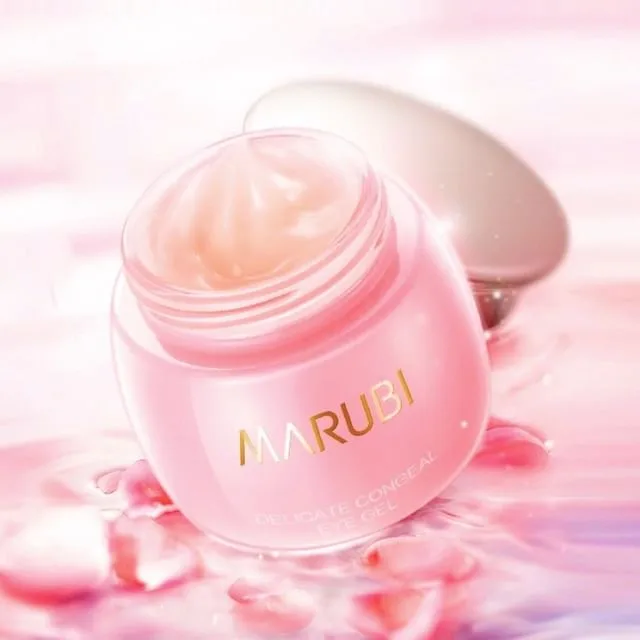
Among Marubi's eye products, most of which are peptide or elastin creams, this is the bare-bones gel: glycols, glycerin, beta-glucan and a mushroom astringent for a cooling, tightening effect. What genuinely sets it apart is its preservative list, methylisothiazolinone alongside iodopropynyl butylcarbamate and three parabens, a combination that has been phased out of leave-on products in most major markets and is a strong reason to pass on the jar.
Marubi's Delicate Congeal Eye Gel is a thin, cooling glycol gel whose only real skincare ingredient is beta-glucan and whose preservative list, methylisothiazolinone with iodopropynyl butylcarbamate and three parabens, plus fragrance and two dyes, has no business on the skin around the eyes. It is cheap and it feels pleasant for an hour; that is not enough reason to import it.
This eye gel has no reviews at the one Western reseller carrying it, an ingredient list that arrived in translation and may reflect a formula since revised domestically, and no published data from Marubi. What is written above reads that disclosed list against the regulatory and allergy literature on its preservatives, and should be revisited if a current, verified ingredient list shows a different system.
The case for it
What would change this: A declared concentration would move this to a firmer reading of the dose.
Same rule for everyone. “Good choice” is the verdict on 9,564 of 45,024 concern verdicts across the catalog; rule R5 decided 9,072 of them. As of September 25, 2026, engine 5.1.1.
Brand or formulator? Disclose a concentration or correct a fact →
The studies behind the evidence row
Does the jobDoes what a eye cream is for: targets a real eye concern, safe for eye skin. Not measured from the label: hydrates without heaviness, stays where it's put.
A verdict is DermApproved’s assessment of how well a product’s ingredients fit a concern — never a claim about what the product treats. Evidence dots and collected reviews sit beside it and are never blended in. Rules 0.5.1 · evidence table ev-2026.09-r228 · how we decide
Marubi is the eye-care brand in China, the company that taught a generation of shoppers there to buy a separate product for the skin under their eyes, and most of what it sells today is peptide and elastin creams that read as modern. The Delicate Congeal Eye Gel is not one of those. Its ingredient list is a snapshot of an earlier moment in Chinese cosmetics, and the snapshot matters because the product is meant to sit, twice a day, on the thinnest and most reactive skin on the face.
The formula itself is almost nothing. Water, propylene glycol, butylene glycol, glycerin: a humectant gel. Beta-glucan sixth, which is a soothing polysaccharide with a reasonable record and the one ingredient here worth naming. Then an agarikon mushroom extract, Fomes officinalis, whose agaric acid content is an astringent that tightens the skin surface, and soy protein, which forms a light film. Tocopheryl acetate for a nod to antioxidants, a trace of sodium hyaluronate after the pH adjuster, and hydrolyzed corn and soy proteins at the very end. Patted along the orbital bone it is cooling, spreads with a watery slip and dries in a minute to a faintly tacky tightness that reads, briefly, as de-puffing. An hour later the sensation is gone and the skin is exactly as it was.
All of that would make for a harmless, forgettable eye gel. What makes it something to warn about is the section of the list between the carbomer and the colorants. Methylparaben, ethylparaben and propylparaben, three of the four common parabens, are there alongside phenoxyethanol, which would already be a belt-and-braces preservative system. Then methylisothiazolinone. Then iodopropynyl butylcarbamate. Then fragrance, and then two azo dyes, CI 16255 and CI 19140, to tint the gel pink.
Methylisothiazolinone is the one to stop on. Through the early 2010s it caused an epidemic of contact allergy across Europe severe enough that the European Commission banned it from all leave-on cosmetics in 2017, and dermatology societies named it allergen of the year before that. It remains permitted in rinse-off products at low levels. In an eye gel, which is a leave-on applied to skin a fraction as thick as the cheek, it is precisely the ingredient a formulator would remove first. Iodopropynyl butylcarbamate is also restricted in leave-on products, with specific limits for eye-area use in the EU. The parabens are safe at cosmetic limits and their reputation is worse than their record, but propylparaben is the one the EU capped more tightly, and three at once alongside two other preservatives signals a formula built to an older domestic standard rather than to the current one. Fragrance and dyes near the eyes need no explanation; they are the two categories eye-care formulators leave out as a matter of course.
The name makes the mismatch worse. Delicate is a rendering of a Chinese word suggesting tenderness, chosen for a market that reads it as a promise of gentleness, and a buyer on a reseller site who sees delicate and eye gel together will reasonably assume a formula made with sensitive skin in mind. The list says otherwise. Sensitive skin, eczema-prone skin and anyone with a history of reacting to cosmetics should not put this near their eyes, and even resilient skin gains nothing from the risk, because the gel does so little.
Marubi as a company deserves fair words. Founded in Guangzhou in 2002, it is one of China's largest homegrown skincare businesses and has real formulation depth in its newer eye creams, several of which are worth a Western buyer's attention. This gel appears to be a legacy product whose formula was carried forward, and it is possible the version now sold domestically has been updated; the ingredient list disclosed by the reseller is what a buyer there would receive, and it is what this assessment reads. No independent testing exists, the reseller listing has no reviews, and everything here comes from that list.
The price, about twenty-eight dollars for 25 grams converted from the reseller's Canadian figure, is low for an eye product and would be a fair deal for a simple beta-glucan gel with a sensible preservative. It is not a fair deal for this one, because the money buys a jar that most people should not use as directed. Cheap is not the same as good value when the product's best outcome is doing nothing.
Oily or normal skin belonging to someone who has never reacted to a cosmetic, who wants a cooling morning gel for a temporary tightened feel and who does not mind fingers in a jar, could use this without incident. Everyone else, and especially anyone who bought it for the word delicate, should look at Marubi's peptide eye creams instead, or at any eye gel from any market that was formulated after preservative science moved on.
The hero actives that drive this product's performance.
| Ingredient | Function | Evidence |
|---|---|---|
| Beta-Glucan | Sixth on the list and the gel's one genuinely useful skincare ingredient, a soothing, film-forming polysaccharide that gives the thin glycol base a soft, hydrated feel around the eyes and some calming action that the preservatives further down rather undo. | Not yet assessed |
| Fomes Officinalis Extract | An agarikon mushroom extract with agaric acid, used in cosmetics as an astringent that tightens the skin surface; here it supplies the temporary firming and de-puffing feel that the product's name promises and a gel base cannot otherwise deliver. | Not yet assessed |
| Soybean Protein | Listed ninth, with hydrolyzed soy and corn proteins trailing at the very end, these form a light conditioning film that adds to the tightened sensation as the gel dries and gives the label a nourishing note. | Not yet assessed |
| Sodium Hyaluronate | A trace of hyaluronate placed after the pH adjuster, contributing a little surface hydration; the heavy lifting in this gel is done by the propylene glycol, butylene glycol and glycerin that make up its first four ingredients. | Established mechanism for Dehydration · established mechanism |
| Tocopheryl Acetate | Vitamin E ester at a modest position, giving the water-based gel a small antioxidant contribution and letting the brand describe the product as nourishing. | Not yet assessed |
Ingredient standings describe the active at treatment-level doses and vehicles; this product's own condition grades weigh its actual formula.
Water, Propylene Glycol, Butylene Glycol, Glycerin, Phenoxyethanol, Beta-Glucan, Fomes Officinalis (Mushroom) Extract, PEG-40 Hydrogenated Castor Oil, Glycine Soja (Soybean) Protein, Methylparaben, Tocopheryl Acetate, Carbomer, Ethylparaben, Propylparaben, Aminomethyl Propanol, Sodium Hyaluronate, Methylisothiazolinone, Iodopropynyl Butylcarbamate, Fragrance, CI 16255, CI 19140, Hydrolyzed Corn Protein, Hydrolyzed Soy Protein
treatment
AM & PM
Pat a rice-grain amount along the orbital bone after serum and before moisturizer, keeping it off the lash line and the lid itself, where the preservatives and fragrance are most likely to sting.
A cool, tightened feel arrives within a minute and fades over the morning as the mushroom astringent and protein film wear off. Hydration from the glycols is immediate and shallow. Nothing in the gel is dosed to change dark circles, lines or puffiness over time, so no longer-term change should be expected.
The gel's activity is limited to humectancy and surface effects. Propylene glycol, butylene glycol and glycerin raise stratum corneum water content briefly; beta-glucan, a large polysaccharide with moderate evidence for soothing and barrier support as a leave-on, forms a hydrating film. Fomes officinalis extract contains agaric acid, which has astringent and pore-tightening activity through protein precipitation at the skin surface, and the soy and corn proteins add to a film that contracts slightly as it dries. These mechanisms account fully for the cooling and tightening users would notice, and none of them alters periorbital fluid, pigment or collagen. Tocopheryl acetate and a trace of sodium hyaluronate add minor antioxidant and hydration contributions.
The preservative system is the scientifically significant part of the formula. Methylisothiazolinone is a potent contact sensitizer; patch-test positivity rates rose sharply across European clinics between 2010 and 2015, prompting the European Commission to prohibit its use in leave-on cosmetic products from 2017 and to restrict it in rinse-off products to fifteen parts per million. Its presence in a leave-on eye gel is inconsistent with current EU rules and with the guidance of most dermatology bodies on periorbital products. Iodopropynyl butylcarbamate is a formaldehyde-free preservative with its own sensitization record and is subject to specific EU concentration limits, including restrictions for eye-area and leave-on use. Methyl-, ethyl- and propylparaben are individually well characterized as safe at regulated concentrations, and the historical alarm about them has not been supported by evidence, but propylparaben is capped more tightly in the EU, and a system combining three parabens with phenoxyethanol, methylisothiazolinone and iodopropynyl butylcarbamate is redundant by modern standards. Fragrance is the leading cosmetic contact allergen in patch-test series, and CI 16255 and CI 19140 are azo dyes with documented, if uncommon, contact reactions; both categories are routinely excluded from eye-area products because periorbital skin is thinner and more permeable. No clinical study of this gel exists; the assessment reads the disclosed list against the regulatory and allergy literature.
A dermatologist reading this ingredient list would focus on one line before anything else. Methylisothiazolinone is a preservative that clinicians spent the better part of a decade tracking as a cause of facial and periorbital allergic contact dermatitis, and its removal from leave-on products in Europe was a public-health measure rather than a precaution; finding it in an eye gel today would end most clinical consideration of the product. The additional presence of iodopropynyl butylcarbamate, three parabens, fragrance and two colorants in a periorbital formula reinforces the concern, since standard guidance for eye-area products is to minimize every one of those categories. Patients with eyelid dermatitis, atopic skin or any cosmetic allergy history would be told plainly to avoid it, and there is no therapeutic ingredient in the gel that would offset the risk for anyone else. Beta-glucan and glycol hydration are available in countless eye products without these preservatives, and a clinician would direct a patient to one of them.
If used at all, use it sparingly: a rice-grain amount per eye, patted along the orbital bone with the ring finger after serum and before moisturizer, morning and evening. Keep it well away from the lash line, the eyelid and the inner corner, where the preservatives and fragrance are most likely to sting, and never apply it to skin that is already irritated or to eyelids with any history of dermatitis. Use a clean fingertip or a small spatula rather than dipping repeatedly into the jar. Patch test on the inner arm for several days before the first eye-area use, and stop at the first sign of watering, itching or redness. Store with the lid tightly closed and discard after a year of opening.
Roughly twenty-eight dollars for 25 g, converted from the reseller's Canadian-dollar price, is among the lowest figures in Marubi's cross-border catalog and, per gram, inexpensive for an eye product; a jar lasts around four months at a rice-grain dose per eye. On paper that is good value. In practice it is not, because the preservative system, fragrance and dyes make the gel a poor choice for its intended use, and a product that most people should not apply as directed has no value at any price. The money would be far better spent on a simple beta-glucan or hyaluronate eye gel from a brand that has updated its preservatives, of which there are many at the same cost, or on one of Marubi's own peptide eye creams, which are formulated to a more current standard. There is one size, no authorized Western distribution, and no reviews to weigh against the list.
Very few people. Someone with resilient, oily or normal skin and no history of cosmetic reactions, who wants a cheap, cooling morning gel for a temporary tightened feel around the eyes and has already read the ingredient list, could use it without harm.
Anyone with sensitive, eczema-prone or reactive skin, anyone who has ever had eyelid dermatitis or a cosmetic allergy, and anyone who chose it for the word delicate. The methylisothiazolinone, iodopropynyl butylcarbamate, parabens, fragrance and dyes are reason enough for most buyers to choose a different eye product.
Ready to try Marubi Delicate Congeal Eye Gel?
Buy at Amazon ♥A pale pink, translucent gel that is watery under the fingertip, spreads with a cool slip and dries within a minute to a faintly tacky, tightened finish.
A light floral perfume, out of place in an eye product and noticeable for a few minutes after application.
A small 25 g frosted pink glass jar with a domed silver lid and no spatula, so fingers go into a product used around the eyes.
The first application is cooling and produces a brisk tightening that reads as de-puffing. Stinging, watering or itching at the lash line within the first few uses is the signal that the preservative system has found a sensitive user, and the product should be stopped at that point rather than pushed through.
Around four months at twice-daily use with a rice-grain amount per eye.
summer
Marubi became China's best-known eye-care brand in the 2000s on affordable eye creams and gels sold through department-store counters, and this gel belongs to that earlier, simpler generation of products, before the brand's move into peptides and elastin. Cross-border resellers listed it with a machine-translated English name, and its ingredient list appears to have been carried forward from a formula that predates current leave-on preservative rules.
Marubi, founded in Guangzhou in 2002, built its position as China's leading eye-care brand on peptide and elastin eye creams, and this lightweight gel is one of its older, simpler eye products; it reaches Western buyers only through cross-border resellers. The preservative system disclosed for it predates current EU and Chinese leave-on rules, and no independent international testing of the product exists.
A gel labelled delicate is formulated to be gentler than a cream around the eyes.
Delicate here is a translation of a Chinese word for tenderness and describes the marketing, not the formula. The gel carries methylisothiazolinone, a preservative so frequently sensitizing that the EU banned it from leave-on cosmetics in 2017, plus fragrance and two azo dyes, none of which belong near the eyes.
The tightened feeling after application means puffiness is being treated.
Fomes officinalis extract is an astringent and the soy and corn proteins form a drying film; together they make the skin feel taut for an hour or two. That is a surface sensation, not a reduction in fluid, and it returns to baseline with the next wash.
The disclosed formula contains methylisothiazolinone, a preservative banned from leave-on cosmetics in the EU since 2017 because of high rates of contact allergy, alongside iodopropynyl butylcarbamate, three parabens, fragrance and two azo dyes. For the thin skin of the eye area that is a poor combination, and most people would be better served by an eye product without it.
It hydrates lightly with glycols and glycerin, soothes a little with beta-glucan, and produces a temporary cooling and tightening feel from a mushroom astringent and protein film. There are no ingredients dosed to treat dark circles, fine lines or puffiness over time.
Yes, fragrance is listed near the end, along with two colorants, CI 16255 and CI 19140, that give the gel its pink tint. Fragrance and dyes are generally avoided in eye-area products because the skin there is thin and reactive.
Phenoxyethanol, methylparaben, ethylparaben, propylparaben, methylisothiazolinone and iodopropynyl butylcarbamate together suggest an older formula built to a domestic Chinese standard from before recent leave-on restrictions. Modern eye gels rely on one or two of the milder options.
An extract of the agarikon mushroom, whose agaric acid content acts as an astringent that tightens the skin's surface. It is the source of the gel's firming, de-puffing sensation, which is real but short-lived.
At around twenty-eight dollars for 25 g, converted from the Canadian listing, it is inexpensive for an eye product, but the preservative system, fragrance and dyes mean the low price does not make it a sensible buy for eye-area use.
Recurring themes our editors read across retailer reviews of this product — summaries in our words, not quotations, and not a substitute for your own patch test.
No review summary for this product yet.