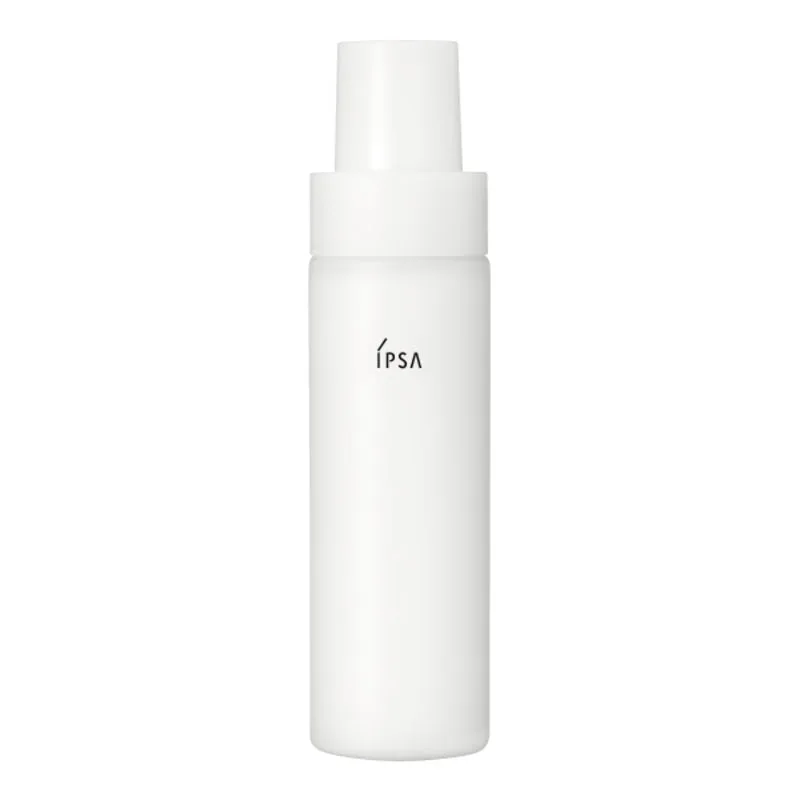
It is the hydrating, gentle half of IPSA's cleanser duo, swapping a pure-soap base for a milder hybrid of amino-acid and amphoteric surfactants and layering in trehalose, a Lipidure moisture polymer, and soothing purslane. The result is a foaming cleanser that genuinely leaves skin hydrated and comfortable, where the 'Fresh' version leaves it matte and clarified.
The gentler, more hydrating half of IPSA's cleanser duo, and the smarter pick for most skin. A milder hybrid surfactant system plus trehalose, a Lipidure moisture polymer, and soothing purslane leave skin clean yet soft and hydrated, never stripped. Genuinely well-built; the premium price and an oleic-acid fungal-acne caveat are the only real reservations.
Here the score leans on the well-understood science of mild hybrid-surfactant cleansing and IPSA's established reputation more than on a large global review base, since feedback is concentrated in Japanese and Asian markets. The gentleness, cleansing efficacy, and moisture-retention are well grounded; what is less documented at scale internationally is broad long-term experience with this specific formula, so the assessment may refine as more global feedback accumulates.
Verdicts
How well it fits each concern
Verdict by concern tap a concern for the case
Supporting rolefor DehydrationIn your profileYou chose · Rinse-off foam: Glycerin gets seconds of contact, so this supports a routine for dehydration rather than treating it.Moderate evidenceStandard tolerabilityNo reviews collected yet
The case for it
Glycerin & Hydrolyzed Hydrogenated Starch has trial-supported standing for this concern.
It is in a rinse-off product, so it gets seconds of contact rather than the leave-on exposure the evidence assumes.
The formula carries no trigger this concern is sensitive to, with the cautions noted.
Cautions: a stronger surfactant system.
What would change this: The same active in a leave-on form would be judged on its evidence rather than its contact time.
Same rule for everyone. “Supporting role” is the verdict on 8,197 of 45,024 concern verdicts across the catalog; rule R6 decided 2,017 of them.
Unchanged since September 5, 2026, engine 5.1.1.
R6 — Contact time cannot deliver a leave-on claim; the product is judged on its job (cleansing without aggravating). Explicit exceptions (BPO wash, SA cleanser, medicated shampoos) never reach this rule because their rows set rinse_off_ok. · the full register
Carrying active
Glycerin & Hydrolyzed Hydrogenated Starch
Standing
supported — its mechanism is established
Form
contact limited — studied range 20%, from the trials on the row; needs leave-on contact; judge it after ~1 weeks
Tolerability
standard — cleanser harshness
Row checked
against its sources on July 17, 2026 (evidence table ev-2026.09-r228)
The studies behind the evidence row
USP glycerin monograph / Fluhr et al., glycerol and the skin (review) — glycerin is the reference humectant, drawing and holding water in the stratum corneum — reference work
Supporting rolefor DrynessIn your profileYou chose · Rinse-off foam: Glycerin gets seconds of contact, so this supports a routine for dryness rather than treating it.Moderate evidenceStandard tolerabilityNo reviews collected yet
The case for it
Glycerin & Hydrolyzed Hydrogenated Starch has trial-supported standing for this concern.
It is in a rinse-off product, so it gets seconds of contact rather than the leave-on exposure the evidence assumes.
The formula carries no trigger this concern is sensitive to, with the cautions noted.
Cautions: a stronger surfactant system.
What would change this: The same active in a leave-on form would be judged on its evidence rather than its contact time.
Same rule for everyone. “Supporting role” is the verdict on 8,197 of 45,024 concern verdicts across the catalog; rule R6 decided 2,017 of them.
Unchanged since September 5, 2026, engine 5.1.1.
R6 — Contact time cannot deliver a leave-on claim; the product is judged on its job (cleansing without aggravating). Explicit exceptions (BPO wash, SA cleanser, medicated shampoos) never reach this rule because their rows set rinse_off_ok. · the full register
Carrying active
Glycerin & Hydrolyzed Hydrogenated Starch
Standing
supported — its mechanism is established
Form
contact limited — studied range 2–20%, from the trials on the row; needs leave-on contact; judge it after ~1 weeks
Tolerability
standard — cleanser harshness
Row checked
against its sources on July 17, 2026 (evidence table ev-2026.09-r228)
The studies behind the evidence row
International Cosmetic Ingredient Dictionary and Handbook — declared function — Personal Care Products Council
Harry's Cosmeticology / Baran & Maibach Textbook of Cosmetic Dermatology — humectant, emollient and occlusive classification — standard reference text
Supporting rolefor DullnessIn your profileYou chose · Rinse-off foam: Glycerin gets seconds of contact, so this supports a routine for dullness rather than treating it.Moderate evidenceGentleNo reviews collected yet
The case for it
Glycerin & Hydrolyzed Hydrogenated Starch has early or mechanistic evidence for this concern, not trial-backed standing.
It is in a rinse-off product, so it gets seconds of contact rather than the leave-on exposure the evidence assumes.
The formula carries none of the triggers this concern is sensitive to.
What would change this: The same active in a leave-on form would be judged on its evidence rather than its contact time.
Same rule for everyone. “Supporting role” is the verdict on 8,197 of 45,024 concern verdicts across the catalog; rule R6 decided 2,017 of them.
Unchanged since September 5, 2026, engine 5.1.1.
R6 — Contact time cannot deliver a leave-on claim; the product is judged on its job (cleansing without aggravating). Explicit exceptions (BPO wash, SA cleanser, medicated shampoos) never reach this rule because their rows set rinse_off_ok. · the full register
Carrying active
Glycerin & Hydrolyzed Hydrogenated Starch
Standing
plausible — trials support it
Form
contact limited — studied range 2–20%, from the trials on the row; needs leave-on contact; judge it after ~1 weeks
Tolerability
gentle
Row checked
against its sources on July 17, 2026 (evidence table ev-2026.09-r228)
The studies behind the evidence row
Harry's Cosmeticology / Baran & Maibach Textbook of Cosmetic Dermatology — humectant, emollient and occlusive classification — standard reference text
Good choicefor SensitivityIn your profileYou chose · No fragrance, drying alcohol, declarable allergens or sensitising preservatives in this foam — the profile sensitive skin looks for.Not yet assessedGentleNo reviews collected yet
The case for it
Glycosyl Trehalose & Polyquaternium-51 has no evidence row yet for this concern — it is in the research queue.
The formula carries none of the triggers this concern is sensitive to.
What would change this: A researched evidence row for the lead active would replace this with a verdict.
Same rule for everyone. “Good choice” is the verdict on 1,938 of 45,024 concern verdicts across the catalog; rule F2 decided 1,938 of them.
Unchanged since September 5, 2026, engine 5.1.1.
Does the jobDoes what a cleanser is for: puts something back, surfactant mildness. Not measured from the label: pH match to skin.
A verdict is DermApproved’s assessment of how well a product’s ingredients fit a concern — never a claim about what the product treats. Evidence dots and collected reviews sit beside it and are never blended in.
Rules 0.5.1 · evidence table ev-2026.09-r228 · how we decide
Assessment
Pros & Cons
Pros
✓ Milder hybrid surfactant system cleanses without stripping the barrier
✓ Trehalose and Lipidure moisture polymer leave skin hydrated, not tight
✓ Soothing purslane and glycerin make it comfortable for sensitive skin
✓ Effectively fragrance-free with only faint botanical notes
✓ Creamy, cushioned lather that rinses clean
✓ Suits the majority of skin types better than the soap-based Fresh Foam
Cons
✗ Contains oleic acid, a fungal-acne concern even in a rinse-off
✗ Premium price for a foaming cleanser
✗ May feel too gentle for very oily, congestion-prone skin
✗ Core formula isn't unique to the brand
✗ Softer lather than fans of a dense soap foam may expect
Review
Full Review
When a brand sells two versions of the same product — a 'fresh' one and a 'moisture' one — there's usually an unspoken hierarchy that the marketing won't tell you, and it's this: the gentle one is the right default for more people than the brand lets on. IPSA's Cleansing Moisture Foam is the softer, more hydrating sibling to its clarifying Fresh Foam, positioned as the choice for dry and sensitive skin. But I'd push that further: unless your skin is genuinely oily and loves a squeaky-clean finish, the Moisture Foam is probably the one you actually want. It reflects a more modern understanding of what good cleansing should do, which is to clean thoroughly without picking a fight with your skin barrier.
The key difference is in the surfactants, and it's a meaningful one. Where the Fresh Foam leans on a classic, higher-pH potassium-soap base for its dense lather and stripped-clean finish, the Moisture Foam blends in milder cleansing agents — amphoteric cocamidopropyl betaine and amino-acid-derived cocoyl methyl taurate — alongside a smaller soap component. This hybrid system is the formulation equivalent of easing off the throttle: it still lifts dirt, sweat, sunscreen, and sebum effectively, and it still produces a pleasant, creamy lather, but it's better buffered and less disruptive to the skin's acid mantle. The result you feel is the absence of something: that tight, taut, squeaky sensation that harsher cleansers leave is simply gone, replaced by skin that feels clean but soft.
IPSA doesn't stop at gentler surfactants, either. The formula folds in genuinely thoughtful moisturizing technology, which is what earns the 'Moisture' name. Glycosyl trehalose, a sugar-based humectant known for protecting cells against dehydration, works alongside polyquaternium-51 — the same Lipidure moisture polymer that anchors IPSA's hydrating gels — to help the cleanser deposit and hold water on the skin even as it washes away grime. Add soothing, antioxidant-rich purslane extract, glycerin, and hydrolyzed starch, and you get a cleanser that leaves behind a soft, conditioned, hydrated finish rather than a depleted one. This is a more sophisticated piece of formulating than a foaming cleanser strictly needs to be, and it's where the brand's prestige positioning starts to feel a little more justified.
In use, it's a quietly pleasant experience. A small amount whips into a soft, cushiony lather — best with one of those Japanese foaming nets — that feels gentle rather than aggressive as you massage it over damp skin. It rinses clean with no residue, and the after-feel is the whole point: comfortable, soft, faintly hydrated skin that transitions smoothly into a hydrating lotion. It's effectively fragrance-free, with only a faint natural note from the botanical extracts (the grapefruit seed extract sits at preservative-aid levels rather than perfume levels), which keeps it friendly to sensitive skin. For dry, normal, combination, and reactive skin, this is exactly what a daily cleanser should feel like.
There are two honest caveats. The first is a specific formulation flag: the cleanser contains oleic acid, a fatty acid that can feed the malassezia yeast behind fungal acne. As a rinse-off product the risk is lower than it would be in a leave-on, but anyone specifically managing fungal acne should be cautious and might prefer a different cleanser to be safe. The second is the now-familiar IPSA refrain: price. At around thirty-three dollars for 125g, this is a premium ask for a foaming cleanser, and while it's genuinely gentler and better-formulated than a basic soap, it's not delivering anything you couldn't approximate with a well-chosen amino-acid cleanser at a lower price. There are excellent gentle Japanese and Korean foaming cleansers for less. What you're paying the premium for is the refinement, the moisture technology, and the cohesion of slotting it into a full IPSA routine — real but not irreplaceable benefits. In its favor, a little lathers a long way, so a tube lasts three to four months, which takes some sting out of the upfront cost.
The comparison to its sibling makes the choice clear. If your skin is genuinely oily, runs to congestion, and craves that deep, matte, freshly-scrubbed finish, the Fresh Foam is built for you. For just about everyone else — dry, sensitive, combination, normal, or simply anyone who's come around to the idea that cleansers shouldn't leave skin tight — the Moisture Foam is the better, smarter cleanser, and the one I'd point most people toward. It cleans properly, respects the barrier, and leaves skin hydrated, which is precisely the brief a daily cleanser should fulfill.
The bottom line: this is a gentle, hydrating, well-made foaming cleanser that gets the fundamentals right and adds genuinely nice moisturizing technology on top. Mind the oleic-acid note if fungal acne is your concern, and go in knowing you're paying a prestige premium for refinement rather than for magic. But as a comfortable, low-strip daily cleanser for the majority of skin types, it's an easy one to recommend — and the sibling most people in the IPSA aisle should be reaching for.
Formula
Key Ingredients
The hero actives that drive this product's performance.
The reason this foam is gentler than its 'Fresh' sibling. Instead of relying on a pure potassium-soap base, it blends amphoteric cocamidopropyl betaine and amino-acid-derived cocoyl methyl taurate with the soap, producing a softer, more buffered cleanse that lifts dirt and sebum while being less stripping. It still foams well, but leaves skin clean and comfortable rather than squeaky.
The moisture-retaining heart of the formula. Glycosyl trehalose is a sugar-based humectant that protects against dehydration, and polyquaternium-51 is a phospholipid-mimicking moisture polymer that helps the cleanser deposit and hold water on the skin even as it washes. Together they are why skin feels hydrated and supple rather than tight after rinsing.
A soothing, antioxidant-rich botanical that calms the skin during cleansing, reinforcing the gentle, comforting character of the formula. It is a K- and J-beauty staple for reactive skin and helps make this foam suitable for normal, dry, and sensitive skin that finds soap cleansers too harsh.
Humectants that counter the moisture loss any foaming cleanser can cause, leaving a soft, conditioned, 'moist' finish — the quality the product is named for. They round out the formula so it delivers a thorough but comfortable cleanse that doesn't leave skin feeling depleted.
Established mechanismfor Dehydration · established mechanism
Ingredient standings describe the active at treatment-level doses and
vehicles; this product's own condition grades weigh its actual formula.
Lather a small amount with water, ideally using a foaming net, and massage gently over damp skin before rinsing. Use it as your main water-based cleanser morning and night, following an oil cleanser or remover in the evening. Because it cleanses gently and leaves a hydrated finish, it transitions smoothly into your hydrating lotion and the rest of your routine.
Results Timeline
Skin feels clean, soft, and comfortably hydrated from the first wash, without the tight, stripped feeling a harsher cleanser leaves. With regular use, dry and sensitive skin tends to feel more balanced and less reactive over a week or two. As a cleanser, its value is the gentle, hydrating foundation it sets rather than standalone treatment results.
The cleanser's gentleness is grounded in surfactant science. Rather than relying solely on alkaline potassium soaps, it incorporates cocamidopropyl betaine, an amphoteric surfactant known for reducing the irritation potential of a cleansing system, and sodium cocoyl methyl taurate, an amino-acid-derived anionic surfactant valued for mildness and good foaming at a more skin-friendly pH than soap. This kind of hybrid system is well documented to clean effectively while being less disruptive to the stratum corneum and acid mantle than pure soap, which is the mechanistic basis for the 'clean but not stripped' result. A small amount of glycolic acid and citric acid help buffer the formula toward a less alkaline pH than a straight soap would have.
The moisture-retention technology is the formula's distinguishing feature. Glycosyl trehalose is a glucosylated trehalose derivative with documented humectant and cell-protective (osmoprotectant) properties, and polyquaternium-51 is a phosphorylcholine-based moisture polymer with research support for binding water to the skin and forming a hydrating film — notable in a rinse-off because it helps counteract the dehydration cleansing can cause. Glycerin and hydrolyzed hydrogenated starch reinforce the humectant load.
Purslane (Portulaca oleracea) extract contributes omega fatty acids and antioxidants with supporting evidence for soothing, anti-inflammatory activity, appropriate for sensitive skin. The one ingredient that complicates an otherwise clean profile is oleic acid: while it functions here as part of the fatty-acid soap component, oleic acid is recognized in the dermatological literature as a monounsaturated fatty acid that can support malassezia growth, which is the basis for the fungal-acne caution even in a wash-off context. The honest scientific summary is that this is a well-formulated, genuinely gentle cleanser whose mildness and moisture retention are supported by sound surfactant and humectant science, with the oleic-acid content being the single meaningful asterisk for a specific subset of users.
Dermatologist Perspective
Gentle, low-stripping cleansers are increasingly favored in clinical guidance as the sensible default for most skin types, and hybrid systems that pair amino-acid or amphoteric surfactants with reduced soap content are regarded as kinder to the skin barrier than traditional high-pH soaps. The inclusion of humectants and soothing botanicals to offset cleansing-related moisture loss aligns with current thinking that a cleanser should not leave skin tight or depleted. A fragrance-free profile further supports use on sensitive and reactive skin. Clinicians would generally view this as an appropriate daily cleanser for normal, dry, combination, and sensitive skin, with the practical notes that very oily skin might prefer a more clarifying option and that patients specifically managing fungal acne should be mindful of the oleic-acid content despite the brief contact time. As always, following cleansing with hydration and daily sun protection rounds out a sound routine.
Guidance
Usage & Recommendations
How to Use
Work it into your routine as the water-based cleanser, morning and night. Squeeze a small amount onto wet hands or a foaming net and work it into a soft, creamy lather with water, then massage gently over damp skin, avoiding harsh rubbing, and rinse thoroughly with lukewarm water. At night, use it after an oil cleanser or makeup remover to complete a double cleanse. Because it leaves a hydrated finish, follow with your hydrating lotion, treatments, and moisturizer, and apply sunscreen in the morning.
Value Assessment
At around thirty-three dollars for 125g, this is a premium price for a foaming cleanser, though it undercuts its own Fresh Foam sibling slightly and delivers a more sophisticated, gentler formula for the money. The milder surfactant system and the trehalose-and-Lipidure moisture technology are genuinely nice and better-considered than a basic soap, but comparable gentle amino-acid cleansers from other Japanese and Korean brands cost less, so the premium pays for IPSA's refinement and routine cohesion rather than exclusive performance. Efficiency helps the math: a small amount lathers fully, so a tube lasts three to four months, lowering the cost-per-use to a reasonable level. For someone who values a gentle, hydrating cleanse and the polished IPSA experience, the spend is defensible; for a value-focused shopper, a budget amino-acid cleanser captures most of the benefit for less.
Who Should Buy
Normal, dry, combination, and sensitive skin that wants a thorough but gentle cleanse without the tight, stripped feeling of a soap-based foam. It is the right pick for most people in the IPSA cleanser aisle, especially anyone who values a hydrated, comfortable after-feel and a fragrance-free formula.
Who Should Skip
Very oily, congestion-prone skin that craves a deep, matte, clarified finish may prefer the Fresh Foam sibling. Anyone specifically managing fungal acne should be cautious of the oleic-acid content, and value-focused shoppers can find comparably gentle amino-acid cleansers for less.
A soft, creamy emulsion that whips into a smooth, comfortable lather with water. Less squeaky and more cushioned than a pure-soap foam, rinsing to a soft, hydrated finish.
Scent
No added fragrance; a very faint natural note from the botanical extracts. Effectively fragrance-free.
Packaging
A squeeze tube that dispenses the cream cleanser cleanly, matching IPSA's understated clinical aesthetic. Practical and travel-friendly.
Finish
non-greasylightweightfast-absorbing
What to Expect on First Use
A small amount lathers into a soft, creamy foam that feels cushioned rather than aggressive. After rinsing, skin feels genuinely clean but also soft and hydrated, with none of the tight, stripped sensation a harsher cleanser leaves. Dry and sensitive skin will notice the gentle, comfortable finish immediately.
How Long It Lasts
About 3-4 months applied morning and evening, since only a small amount lathers fully.
IPSA's two-part cleansing range pairs a clarifying Fresh Foam with this gentler Moisture Foam, letting users match the cleanser to their skin's needs in the brand's analysis-driven spirit. The Moisture Foam was formulated for drier, more sensitive, or moisture-craving skin that wants a thorough cleanse without the stripped feeling soap cleansers often leave behind.
About IPSA Legacy Brand (20+ years)
IPSA, founded in 1986 and part of the Shiseido group, is a prestige J-beauty brand rooted in skin analysis and hydration science. This is the gentler, more hydrating half of its cleansing duo, using a milder hybrid surfactant system and the brand's moisture technology, with Shiseido-group formulation backing behind a more sophisticated take on a foaming wash.
Brand founded: 1986 · Product launched: 2015
Myth vs. Reality
Common Myths
Myth
A gentle cleanser can't clean as well as a foaming soap.
Reality
Gentleness and cleansing efficacy aren't opposites. This foam's milder hybrid surfactant system removes dirt, sweat, and sebum effectively while being less disruptive to the skin barrier than a high-pH soap. For most daily cleansing, especially of skin that isn't heavily oily, a gentle cleanser is the smarter choice.
Myth
If skin doesn't feel tight after washing, it isn't really clean.
Reality
Tightness is a sign of a stripped barrier, not cleanliness. A well-formulated gentle cleanser like this leaves skin clean and soft without that tight feeling, which is actually the healthier outcome — the hydration retained afterward supports the barrier rather than depleting it.
FAQ
Frequently Asked Questions
What is the difference between IPSA Cleansing Moisture Foam and Fresh Foam?
The Moisture Foam is the gentler, more hydrating option, using a milder hybrid surfactant system plus trehalose, a moisture polymer, and purslane to leave skin clean yet hydrated and comfortable. The Fresh Foam is a more clarifying soap-based foam for oily skin. Choose the Moisture Foam if your skin is dry, sensitive, or dislikes a stripped feeling.
Is IPSA Cleansing Moisture Foam good for dry and sensitive skin?
Yes — it is the better of the two IPSA foams for those skin types. Its softer surfactant blend is less stripping than a pure-soap cleanser, and humectants like trehalose and glycerin plus soothing purslane leave skin hydrated and calm rather than tight. It is a comfortable daily cleanser for skin that reacts to harsher washes.
Does the Moisture Foam still cleanse effectively?
Yes. Being gentle doesn't mean weak — the hybrid surfactant system removes dirt, sweat, sunscreen residue, and excess oil effectively while being kinder to the skin barrier. For most everyday cleansing, particularly for skin that isn't very oily, it provides a thorough clean without the downsides of a high-pH soap.
Does the Cleansing Moisture Foam contain added fragrance?
It contains no added fragrance, with only a faint natural note from the botanical extracts, so it is effectively fragrance-free and suitable for most sensitive skin. The grapefruit seed extract is present at very low levels and functions more as an antioxidant or preservative aid than as a perfume.
How should I use the Cleansing Moisture Foam?
Lather a small amount with water, ideally using a foaming net for the best texture, then massage gently over damp skin and rinse thoroughly. Use it morning and night as your water-based cleanser, following an oil cleanser at night, and continue with your hydrating lotion and the rest of your routine afterward.
Can people with fungal acne use this cleanser?
It is worth caution. The formula contains oleic acid, a fatty acid that can feed the malassezia yeast behind fungal acne. As a rinse-off product the risk is lower than in a leave-on, but those specifically managing fungal acne may prefer a different cleanser to be safe.
Is it worth the premium price?
The formula is genuinely gentle and thoughtfully built, with nice moisturizing extras, but at a premium price it is an expensive way to buy a foaming cleanser, and effective gentle cleansers exist for less. You are paying for IPSA's refinement and the cohesion of its routine rather than for unique ingredients.
Reviews
What Reviewers Tend to Say
Recurring themes our editors read across retailer reviews of this product — summaries in our words, not quotations, and not a substitute for your own patch test.
That headline is the story every brand tells about trehalose. It is also, as of a 2017 paper in Molecular Cell, not quite true — which turns out to be the most interesting thing about the ingredient.
The internet's favorite hydrator has a counterintuitive dark side — in dry air, a humectant with nothing to seal it can pull water out of your skin instead of into it.
The burn trials are real and the skeptics who dismiss aloe as folklore are wrong — but the same substance has delayed healing in other wounds, and none of it says anything about what a soothing gel does to intact skin.
Products, answers, therapy guides, tools and articles in one search. Brand names,
slang and abbreviations all work — accutane finds isotretinoin, bacne finds truncal acne.