




Hyaluronic Acid Can Actually Dehydrate Your Skin (Here's When)
The internet's favorite hydrator has a counterintuitive dark side — in dry air, a humectant with nothing to seal it can pull water out of your skin instead of into it.

While the Heartleaf sunscreen goes all-in on skincare complexity (seven HA forms, heartleaf extract, saccharomyces ferment), this Zero-Cast version takes the opposite approach: a streamlined, clean formula focused on one job — invisible, moisturizing UV protection. The 22-ingredient INCI list is remarkably short for a sunscreen, with every ingredient serving a clear purpose.
A refreshingly streamlined SPF 50 that does exactly what its name promises — zero white cast, genuine moisturizing benefits, and a natural finish that makes daily sunscreen feel effortless. Less complex than the Heartleaf sunscreen but arguably more universally wearable, this is Anua's play for the daily driver sunscreen slot in your routine.
Note: This lotion launched in early 2025 and our assessment is based on very limited real-world data. This rating draws mainly on ingredient analysis, UV filter efficacy data, and the brand's track record with sunscreen formulations. We will substantially revise this review as more user data becomes available.
The case for it
Same rule for everyone. “Strong choice” is the verdict on 1,459 of 45,024 concern verdicts across the catalog; rule R2 decided 892 of them. Unchanged since September 5, 2026, engine 5.1.1.
Brand or formulator? Disclose a concentration or correct a fact →
The studies behind the evidence row
The case for it
Same rule for everyone. “Good choice” is the verdict on 9,564 of 45,024 concern verdicts across the catalog; rule R5 decided 9,072 of them. Unchanged since September 5, 2026, engine 5.1.1.
Brand or formulator? Disclose a concentration or correct a fact →
The studies behind the evidence row
The case for it
What would change this: A declared concentration would move this to a firmer reading of the dose.
Same rule for everyone. “Full protection” is the verdict on 2,288 of 45,024 concern verdicts across the catalog; rule P1 decided 2,232 of them. Unchanged since September 5, 2026, engine 5.1.1.
Brand or formulator? Disclose a concentration or correct a fact →
The studies behind the evidence row
The case for it
What would change this: Guideline or regulatory standing for the active on this concern would move this from a promising bet to a recommendation.
Same rule for everyone. “Promising” is the verdict on 7,858 of 45,024 concern verdicts across the catalog; rule R9p decided 7,858 of them. Unchanged since September 5, 2026, engine 5.1.1.
Brand or formulator? Disclose a concentration or correct a fact →
The studies behind the evidence row
Does the jobDoes what a sunscreen is for: UVA coverage, kind to the skin wearing it. Not measured from the label: pleasant enough to actually use.
A verdict is DermApproved’s assessment of how well a product’s ingredients fit a concern — never a claim about what the product treats. Evidence dots and collected reviews sit beside it and are never blended in. Rules 0.5.1 · evidence table ev-2026.09-r228 · how we decide
There is something refreshing about a sunscreen that does not try to be seventeen things at once. Anua's Zero-Cast Moisturizing Finish Sunscreen has twenty-two ingredients. Twenty-two. In an era where K-beauty sunscreens routinely list forty or more, where every SPF feels obligated to include a dozen botanical extracts and a proprietary complex with a trademarked name, this formula strips the category down to its essentials and dares you to find anything missing.
Four chemical UV filters — avobenzone at 3%, homosalate at 7%, octisalate at 5%, and octocrylene at 5% — provide the FDA-verified broad-spectrum SPF 50 protection. Then the skincare component: glycerin, niacinamide, panthenol, tocopheryl acetate (vitamin E), and sodium hyaluronate. That is it. That is the formula. No heartleaf, no ferments, no seven types of hyaluronic acid. Just clean, purposeful ingredients with nothing to justify or explain.
The contrast with Anua's own Heartleaf Silky Moisture Mild Sunscreen is instructive. The Heartleaf version is a skincare-forward SPF packed with forty-plus ingredients, seven hyaluronic acid forms, and a complex botanical soothing system. It is beautiful and impressive. The Zero-Cast takes the opposite approach: be invisible, be hydrating, and get out of the way. These are sunscreens designed for different philosophies of daily protection.
The texture confirms the minimalist intent. It applies like a lightweight moisturizing lotion — thinner than the Heartleaf version, more fluid, faster to absorb. Within about thirty seconds, it has disappeared into the skin, leaving behind a natural finish that is neither matte nor dewy but something genuinely neutral. The dimethicone creates a smooth, silicone-mediated slip without the heavy, silicone-filled feeling of some primers. You put it on, it vanishes, and your skin looks like your skin with slightly better lighting.
The zero-cast claim is absolute. Chemical sunscreens inherently do not leave white residue — they absorb UV rather than reflecting it — but some chemical formulas still leave a visible sheen or slight tint. This one does not. On every skin tone, from the palest to the deepest, it disappears completely. This matters enormously for the product's target market: people who want daily sun protection without any visible evidence of wearing sunscreen.
The moisturizing profile is genuine rather than aspirational. Glycerin is positioned third in the inactive ingredient list, meaning it constitutes a meaningful percentage of the formula. Niacinamide provides both barrier support and gentle brightening. Panthenol conditions and soothes. Sodium hyaluronate adds humectant hydration. Tocopheryl acetate contributes antioxidant protection. Together, these create a moisturizing effect substantial enough that many users with normal-to-combination skin can skip a separate moisturizer underneath — a significant practical advantage for anyone who wants a simpler morning routine.
The fragrance-free formulation distinguishes this from the Heartleaf sunscreen and positions it as the more universally tolerable option. No fragrance means no fragrance sensitivity risk, period. For a product worn daily on the face, this is the right call.
The UV filter discussion mirrors the Heartleaf sunscreen's reality: avobenzone, homosalate, octisalate, and octocrylene are established, effective, FDA-approved filters with decades of safety data. They are not the newest generation (that would be Tinosorb and its relatives), and homosalate and octocrylene face ongoing environmental and safety scrutiny. For the vast majority of users, these filters are perfectly appropriate. For those who follow UV filter discourse closely, it is worth noting.
At nineteen dollars for 50ml — three dollars less than the Heartleaf sunscreen — the pricing reflects the simpler formulation without demanding a premium for complexity. The per-milliliter cost is competitive with drugstore sunscreens while delivering a cosmetically superior texture and genuinely beneficial skincare ingredients. The 50ml tube is the standard K-beauty sunscreen size and lasts two to three months with proper daily application.
The product's greatest strength is also its philosophical statement: not every sunscreen needs to be a treatment product. Sometimes you just need reliable UV protection, decent hydration, zero white cast, and a texture that makes you forget you are wearing sunscreen. The Zero-Cast accomplishes all four objectives with an efficiency that more complex formulas often sacrifice in pursuit of ingredient-list impressiveness.
For those building an Anua routine, the sunscreen choice maps neatly to the product line. Using the Peach or Rice lines with their brightening and barrier-repair actives? The Zero-Cast lets those products do the treatment work while providing clean UV protection. Using the Heartleaf line for sensitive, irritated skin? The Heartleaf sunscreen's soothing complex may be more appropriate. The Zero-Cast is the universal option — the sunscreen that plays well with any routine because it is not trying to do anything except protect and moisturize.
In a category dominated by maximalism, Anua's minimalist approach is a quiet confidence statement. The Zero-Cast trusts that twenty-two well-chosen ingredients, applied consistently, will do more for your skin than sixty ingredients applied intermittently because the texture is too heavy or the white cast is too obvious. It is probably right.
The hero actives that drive this product's performance.
| Ingredient | Function | Evidence |
|---|---|---|
| Niacinamide (Vitamin B3) | Serves double duty as both a brightening active and a barrier-supporting ingredient in this sunscreen. Listed above preservatives and stabilizers, suggesting a meaningful concentration. Works alongside the UV filters to prevent sun-induced hyperpigmentation while strengthening the skin barrier that chemical sunscreens can compromise over time. | Limited for Sun Damage |
| Glycerin | A powerful humectant positioned high in the INCI list, providing the '72-hour hydration' claim. In this water-based sunscreen, glycerin draws moisture from the environment to counteract the potential drying effects of the chemical UV filters, creating a sunscreen that actively hydrates rather than just protects. | Established mechanism for Dryness · established mechanism |
| Dimethicone | Creates the 'zero-cast' finish by forming a transparent, non-comedogenic film that smooths the skin surface without the chalky white residue associated with mineral filters. Also functions as a spreadability enhancer that ensures even distribution of UV filters across the skin. | Regulator-approved for Dryness · established mechanism |
| Panthenol (Vitamin B5) | Provides skin-soothing and barrier-conditioning benefits that complement the moisturizing profile. In a sunscreen worn daily, panthenol helps prevent the cumulative barrier stress that can result from regular chemical filter exposure. | Established mechanism for Dehydration · established mechanism |
| Sodium Hyaluronate | Adds a hydration layer that supports the glycerin's humectant action. Unlike the Heartleaf sunscreen's seven HA forms, this uses a single molecular weight — keeping the formula streamlined and focused on the moisturizing finish rather than layered hydration. | Established mechanism for Dehydration · established mechanism |
Ingredient standings describe the active at treatment-level doses and vehicles; this product's own condition grades weigh its actual formula.
Active Ingredients: Avobenzone 3.0%, Homosalate 7.0%, Octisalate 5.0%, Octocrylene 5.0%. Inactive Ingredients: Water (Aqua), Butyloctyl Salicylate, Glycerin, Dimethicone, Poly C10-30 Alkyl Acrylate, VP/Eicosene Copolymer, Cetearyl Alcohol, Niacinamide, Sodium Stearoyl Glutamate, Ammonium Polyacryloyldimethyl Taurate, Hydroxyacetophenone, Phenoxyethanol, Tocopheryl Acetate, Panthenol, Pentaerythrityl Tetra-Di-T-Butyl Hydroxyhydrocinnamate, Xanthan Gum, 1,2-Hexanediol, Sodium Hyaluronate
sunscreen
AM
Apply as the final step of your morning skincare routine. The moisturizing finish means some users with dry-to-normal skin can skip a separate moisturizer. Works well under makeup without pilling. Reapply every two hours during prolonged sun exposure.
Immediate: hydrated, natural-finish skin with zero white cast. Ongoing: daily UV protection contributes to prevention of sun damage, hyperpigmentation, and premature aging.
The four-filter UV protection system in this sunscreen combines UVA and UVB absorbers for broad-spectrum coverage. Avobenzone (butyl methoxydibenzoylmethane) is the most effective organic UVA filter available in the US market, absorbing across the UVA range (310-400nm). Homosalate and octisalate absorb in the UVB range (280-320nm), while octocrylene absorbs both UVB and short UVA while also photostabilizing the notoriously unstable avobenzone molecule.
The moisturizing claims rest on well-established humectants. Glycerin is one of the most extensively studied humectants in dermatology — a 2016 review in the British Journal of Dermatology confirmed its ability to improve stratum corneum hydration, enhance barrier function, and reduce transepidermal water loss. Niacinamide's barrier-supporting effects — including stimulation of ceramide, cholesterol, and fatty acid synthesis — have been documented across multiple studies since Tanno et al. (2000) first identified its role in lipid biosynthesis.
The streamlined formulation approach — fewer ingredients, each with clear functional justification — reflects a growing formulation philosophy that ingredient synergy and bioavailability matter more than ingredient count. Each of the twenty-two ingredients serves a defined role: UV protection, skin conditioning, emulsification, preservation, or stabilization.
Dermatology professionals consistently emphasize that the best sunscreen is the one a patient will wear every day. The Zero-Cast's invisible texture, fragrance-free formulation, and moisturizing finish align perfectly with this principle. Dermatologists would note that the four-filter chemical system provides reliable broad-spectrum protection, and the addition of niacinamide and panthenol adds preventive skincare value to the daily sun protection step. For patients who cite white cast, greasiness, or complexity as barriers to consistent sunscreen use, dermatologists would likely recommend this type of streamlined, cosmetically elegant formula as a compliance-friendly option.
Apply generously as the final step of your morning skincare routine. Use approximately a nickel-sized amount for face and a similar amount for neck. Spread evenly and allow 30 seconds for absorption. Reapply every two hours during prolonged sun exposure, or after swimming, sweating, or toweling off. Can be applied directly after toner and serum, or over a lightweight moisturizer if additional hydration is needed.
At $19 for 50ml, this is three dollars cheaper than the Heartleaf sunscreen while delivering a more universally wearable formula. The per-milliliter cost of $0.38 is competitive with mid-range sunscreens and significantly below premium brands. The shorter ingredient list does not mean cheaper formulation — it means more efficient formulation. At 2-3 months per tube, the annual cost of $76-114 for daily UV protection with built-in skincare benefits represents solid value.
Anyone who wants a no-fuss daily sunscreen that is truly invisible and genuinely moisturizing. People who have skipped sunscreen because of white cast, greasiness, or heavy texture. Those who prefer a streamlined, fragrance-free formula over ingredient-list complexity. All skin tones — this is specifically designed to leave zero visible residue.
Those who want their sunscreen to double as a complex skincare treatment — the Heartleaf version is better for that. Anyone who requires mineral-only UV protection or reef-safe formulations. Those seeking a fully matte finish for very oily skin.
Ready to try Anua Zero-Cast Moisturizing Finish Sunscreen?
Buy at Amazon ♥A lightweight, fluid lotion that spreads easily and absorbs quickly. Thinner than the Heartleaf sunscreen, with a more water-forward feel. The dimethicone creates a smooth, natural finish without tackiness.
Fragrance-free with a very faint sunscreen base scent that dissipates within seconds.
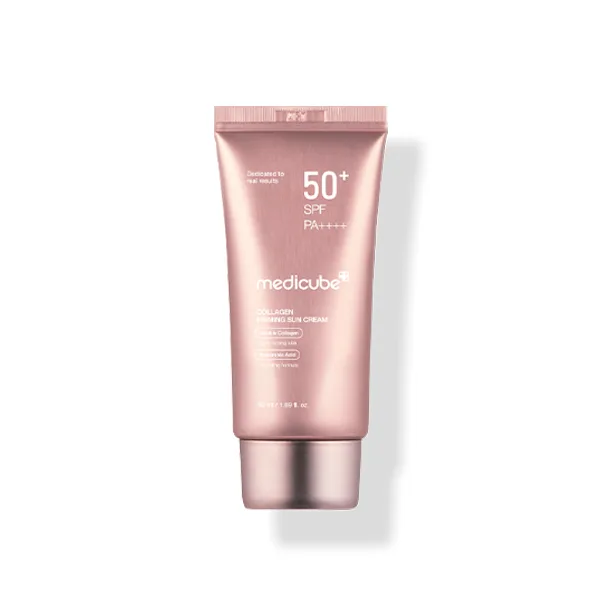
Compact 50ml squeeze tube with Anua branding. Travel-friendly size, easy to dispense.
Applies like a lightweight moisturizing lotion — no thick, sunscreen-like texture. Absorbs in about 30 seconds and leaves skin looking natural and hydrated. Absolutely no white cast. Works immediately under makeup without waiting. The moisturizing effect is noticeable — skin feels conditioned, not just protected.
2-3 months with daily face application at recommended amount
All Year
Developed as Anua's entry into Ulta Beauty's sunscreen category, the Zero-Cast was designed for the US market with a specific mandate: create a chemical sunscreen that is truly invisible on every skin tone while providing genuine moisturizing benefits. The name is the promise — zero cast, zero compromises on hydration.
Anua launched in 2019 as a K-beauty brand built around heartleaf (Houttuynia cordata) extract, gaining massive global traction through social media and Olive Young bestseller rankings. While the brand uses well-studied botanical ingredients, its specific formulations lack independent clinical validation, and its track record is still relatively short.
Chemical sunscreens are less protective than mineral sunscreens.
This broad-spectrum SPF 50 formula provides robust UVA and UVB protection. Avobenzone is one of the strongest UVA absorbers available, and the combination with homosalate, octisalate, and octocrylene creates comprehensive coverage. Both chemical and mineral sunscreens are effective when applied properly — the best sunscreen is the one you actually wear.
Sunscreens labeled 'moisturizing' are always too greasy for daily wear.
This formula achieves its moisturizing claim through glycerin, hyaluronic acid, and panthenol — humectants that hydrate without adding oil. The dimethicone creates a smooth finish without greasiness. The 'moisturizing' label reflects genuine hydration, not lipid overload.
The Zero-Cast is a streamlined, 22-ingredient formula focused on invisible, moisturizing protection with a natural finish. The Heartleaf sunscreen is more complex with seven forms of hyaluronic acid, heartleaf extract, and saccharomyces ferment — focusing on skincare benefits alongside sun protection. Choose Zero-Cast for simplicity and a natural finish; choose Heartleaf for maximum hydration and soothing.
No — this is a 100% chemical sunscreen that leaves absolutely no white cast on any skin tone. The 'Zero-Cast' name is the product's central promise, and user reviews consistently confirm it delivers.
For normal-to-combination skin, yes — the glycerin, niacinamide, panthenol, and hyaluronic acid provide sufficient hydration for many users. For dry skin, you may still want a light moisturizer underneath, particularly in winter. The '72-hour hydration' claim reflects the formula's robust moisturizing profile.
The formula is oil-free and lightweight, but the moisturizing finish may feel slightly dewy on very oily skin. It works for most oily skin types, though those who prefer a completely matte finish may want a mattifying primer underneath or a different sunscreen entirely.
Yes — unlike the Heartleaf sunscreen, the Zero-Cast is fragrance-free. This makes it better suited for sensitive skin and those who prefer unscented products.
Recurring themes our editors read across retailer reviews of this product — summaries in our words, not quotations, and not a substitute for your own patch test.
Truly zero white cast on all skin tones
Moisturizing without being greasy
Lightweight lotion-like texture
Fragrance-free
Sits well under makeup
Uses older UV filter technology
50ml tube runs out quickly
Can feel slightly shiny on very oily skin
Limited track record as a new product
Verified answers from our questions library — the nuance a product page cannot carry.