Yuzu (Citrus junos Extract)
Products with Yuzu (Citrus junos Extract)
 Beginner-Friendly Pick
 Yuzu Blemish Gel Cream
A gentle, eight-dollar gel cream that doubles as a daily moisturizer and a low-key blemish maintainer. The 0.4% salicylic acid keeps pores in check without drying, while yuzu and soothing botanicals add a subtle brightening, calming touch. Lovely for oily and combination skin and beginners, but too mild for stubborn acne and too light for genuinely dry skin.
 Fragrance-Free Yuja Gel Cleanser
 Day By Day Cleansing Gel
An unusually clean, broadly recommendable Sioris cleanser — fragrance-free, essential-oil-free, sulfate-free, vegan, fungal-acne-safe and pH-balanced at 5.5, with a 36% yuja fruit-water base and disclosed 5% aloe. One of the rare K-beauty gel cleansers that earns a near-universal recommendation, with only the premium pricing as a meaningful caveat.
 Vitamin C Mask, 50 ppm Vitamin C
 Vitamin C Astaxanthin Mask
A comfortable, citrus-scented daily hydration sheet with niacinamide fifth on the list, sold at the right tub price, whose own label declares its four vitamin C forms at 50 ppm and about 1,000 ppb and its astaxanthin at 10 ppb, levels that cannot brighten anything. Buy it as a cheap, cool, dewy morning sheet with a yuzu scent; do not buy it as vitamin C.
 Sensitive-Skin Brightener
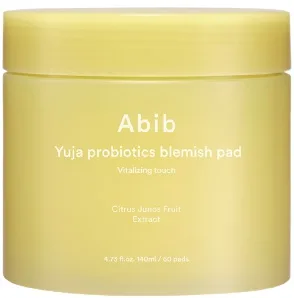
 Yuja Probiotics Blemish Pad Vitalizing Touch
The gentlest brightening toner pad you can reasonably buy. Niacinamide does the heavy lifting, yuja and rice ferment add a hydrating glow, and the formula is so non-irritating you can use it twice a day even with reactive skin. Not a vitamin C replacement, but a perfect daily companion to one.
 Budget Rich Eye Cushion
 Citrus Yuja Vitalizing Eye Cream
A comforting, occlusive eye cream that softens dry under-eye skin with petrolatum, shea butter, emollient esters and glycerin, plus adenosine for modest wrinkle care. It works because of its basics, not its citrus: the yuja extract is declared at a token 145 ppm. The added fragrance is a questionable choice so close to the eyes, and dark circles will not change.
 Brightening On-the-Go Wipe
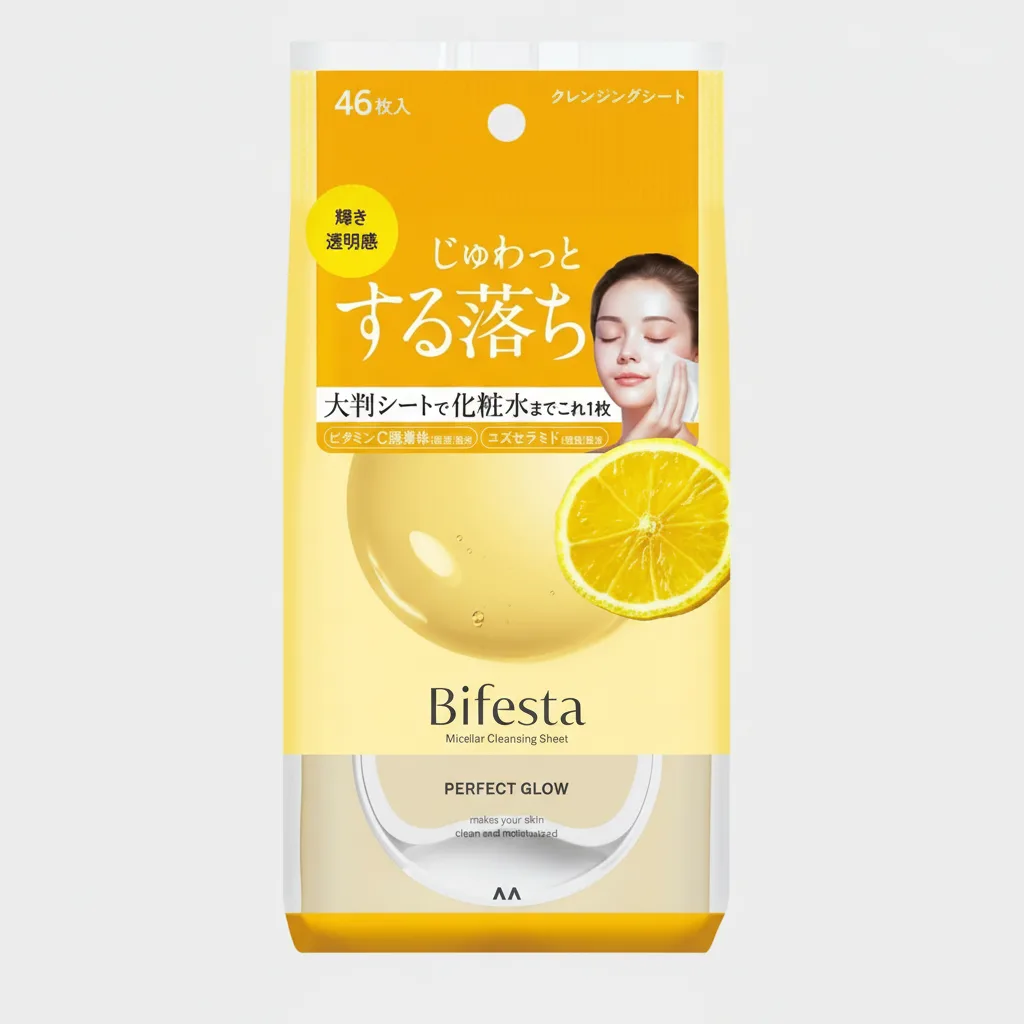
 Micellar Cleansing Sheet Perfect Glow
Bifesta's Perfect Glow sheets take the brand's well-made micellar wipe and add a stable vitamin C derivative, mild lactic acid, and yuzu for a gentle brightening edge — clean off your makeup and nudge dullness in one travel-friendly swipe. The effect is subtle, and the alcohol and paraben keep them below the bottled water, but as a convenient brightening backup they deliver.
 Light Fresh Emulsion
 Citrus Yuja Vitalizing Emulsion
The lightweight lotion step of the yuzu-themed Citrus Yuja line — a fresh, fast-absorbing emulsion with a genuine niacinamide-and-soothing core and a yuzu antioxidant flourish, in a big value bottle. It hydrates oily-to-combination skin nicely or layers under a cream for drier skin. The familiar caveats: the yuzu 'vitamin C' is a token flourish, and the citrus fragrance makes it a poor fit for reactive skin.
 Dollar-a-Sheet Green Tea Fix
 Jeju Rest Green Tea Mask
A simple, refreshing, alcohol-free sheet mask with a surprisingly generous dose of green tea for about a dollar a sheet. It hydrates, calms and freshens without pretending to do more. Fragrance, propolis and wheat sprout extract are the only things to check before buying, and at this price it is one of the easiest recommendations in SNP's range.
 Spring Canola Pick-Me-Up
 Jeju Rest Canola Mask
A cheerful, alcohol-free hydration sheet that trades on Jeju's famous spring canola fields and delivers a reliable, dewy refresh for about a dollar. The canola itself is more postcard than powerhouse, and fragrance, propolis and wheat sprout extract need checking, but for dull, dry skin on a budget it does exactly what it promises.
 Biphasic Yuzu Mist
 Time Is Running Out Mist
An unusually well-built biphasic facial mist whose 78% yuzu fruit water base, real oil layer and Korean-medicine soothing system put it well above the category baseline. The shake-and-spray ritual is genuinely satisfying and the conditioning finish is real. Essential oils and a not-fungal-acne-safe lipid blend are the constraints that narrow the audience.
 10% Niacinamide Brightener
 Yuja Niacin Anti Blemish Serum
The brightening hero of the Yuja Niacin line: a robust 10% niacinamide plus two stable vitamin C derivatives and an 83% yuja base, aimed squarely at dark spots and post-blemish marks. For the price, it's a genuinely loaded brightening serum that works with consistency. The trade-offs are real, though — the citrus peel oil, limonene, and linalool make it a poor fit for sensitive skin, and the name oversells active-acne clearing.
 Budget Glow Sheet Mask
 Wafood Made Sakekasu Facial Masks 10pcs
A genuinely hydrating, lightly brightening Japanese sheet mask built around sake kasu (fermented-rice lees), backed by a real amino-acid complex, rice ceramides, and evidence-based arbutin — all for about a dollar a sheet. The thick three-layer carrier and follow-up essence make it a standout budget glow mask, as long as you seal it in with moisturizer.
 Daily Brightening Sheet
 Yuja Niacin Anti Blemish Daily Mask
A pleasant, citrus-scented way to put 2% niacinamide on your face every morning, which is the one thing in this tub that will actually soften post-acne marks over a couple of months. The arbutin, vitamin C derivatives and yuja are supporting colour at undisclosed doses, the anti-blemish name oversells its effect on live breakouts, and the peel oil rules it out for reactive skin. As a brightening habit with a sunscreen on top, it works; as a treatment, it is a whisper.
 Gentle Brightening Daily
 Real Vitamin C Serum
A pleasant, gentle brightening ampoule that's more niacinamide-and-botanical than hard-hitting vitamin C. NEEDLY's 'Vita C_Trus' complex of Kakadu plum, yuzu and grapefruit extracts is a nice touch, but don't expect it to replace a serious L-ascorbic acid serum. At $22 it's priced like it competes with the heavy hitters, and it really doesn't.
 Affordable Asian-Market SPF
 Vitamin C Brightening Serum Cream SPF 30
The Indian and Asian-market sibling of the European Garnier SkinActive vitamin C SPF cream — different UV filter chemistry, niacinamide as the primary brightening active instead of vitamin C derivative, and SPF 30 rating with a more affordable price point. Conventional formulation but solid value for the markets where it is distributed; the fragrance allergen load and paraben preservation system are the main considerations.
 K-Beauty Brightening Pick
 Yuja Niacin Brightening Moisture Gel Cream
A bouncy K-beauty gel cream that stacks four brightening mechanisms into a single moisturizer. Nicely made, genuinely effective with consistent use, and priced sensibly — but the added fragrance and citrus notes make it a harder sell for sensitive skin.
 Antioxidant Brightening Serum
 Vitamin C Astaxanthin Serum
An ambitiously loaded brightening serum that stacks four vitamin C forms with astaxanthin, niacinamide, glutathione, kojic and ferulic acids and CoQ10 — an encapsulated antioxidant powerhouse on a yuzu base. It brightens and defends genuinely well, and the encapsulation helps the notoriously unstable vitamin C. The citrus oil and dense active load are the main caveats for sensitive skin.
 Fresh Brightening Cream
 Citrus Yuja Vitalizing Cream
A fresh, affordable brightening-themed moisturizer built on a genuine niacinamide-adenosine-polyglutamic-acid core under a yuzu-and-vitamin-C banner. It hydrates and plumps nicely, the niacinamide does real tone work, and the value is good. The familiar budget-brand caveats: the yuzu 'vitamin C' is a token antioxidant flourish, not a treatment, and the added fragrance plus citrus extract make it a poor fit for reactive skin.
 Vitamin C Starter Pick
 Freshly Juiced Vitamin Drop
The K-beauty vitamin C serum that defined the gentle-introduction category — 5% pure L-ascorbic acid combined with a substantial soothing botanical complex that makes it usable on skin types that cannot tolerate higher-concentration formulas. The essential oil load is the formula's biggest compromise, and oxidation is faster than higher-stability formulations, but for the right user this remains a credible entry point into pure vitamin C.
 Affordable Brightening Eye Pick
 Yuzu Vitamin C Bright Eye Cream
A genuinely well-rounded, fragrance-free brightening eye cream that overdelivers for thirty-two dollars: stable vitamin C and niacinamide for dullness, caffeine for puffiness, plus adenosine and peptides, all in an eye-friendly texture. Just know the yuzu is marketing, there's no retinol despite some listings, and no topical erases structural dark circles - within those limits, it's a smart, gentle pick.
 Ester Oil, Glutathione Name
 Glutathione Cleansing Oil
A competent, thin, fast-rinsing ester cleansing oil that takes off sunscreen and makeup in a minute and emulsifies cleanly, named for a glutathione-and-niacinamide pairing that a rinse-off cannot use and padded with eighteen plant oils that leave with the dirt. Fair value for the cleansing, a congestion risk from the palmitate esters, and the wrong pick for fragrance-reactive skin.
 Softest Scrub in the Aisle
 Vitamin C Gentle Face Scrub
A soft, creamy, sulfate-free scrub whose real exfoliant is jojoba wax beads, not the Bora Bora sand on the tube, and whose vitamin C is a rinse-off derivative that brightens nothing. As a gentle polish for normal-to-dry skin it is pleasant and well made; as a vitamin C brightening product it is a name on a label. The yuzu oil is the one thing reactive skin should weigh.
 Japanese Brightening Cleanser Sleeper Hit
 Perfect Whip Vitamin C Poreless Glow
Senka's vitamin C extension is a genuinely interesting Japanese drugstore brightening cleanser — stable magnesium ascorbyl phosphate, yuzu extract, and a touch of salicylic acid layered into the same dense Perfect Whip foam base. Strong value for oily-to-combination skin with dullness or congestion; less interesting for sensitive or established-pigmentation cases needing leave-on actives.
 Amino Foam with a BHA Edge
 Botanicoil Indulging Cleansing Foam
A well-conceived amino-acid foam that does more than rinse, folding a mild salicylic-acid clarifying step and a barrier ceramide into a gentle, non-soap lather, then finishing with the Botanicoil aroma. It cleans comfortably and adds a light texture benefit, but the essential-oil scent and a steep price for 125ml temper the appeal.
 Low-pH Brightening Cleanser
 Yuja Niacin Brightening All in One Cleanser
A pleasant low-pH gel cleanser that brightens gently — 11% yuja for freshness, gluconolactone PHA for mild exfoliation, and a generous hyaluronic acid roster so it cleanses without stripping. It's a genuinely nice daily wash. But be clear-eyed: the 'niacin' in the name is essentially trace (1ppm), the brightening is light, and the added fragrance rules it out for sensitive skin.
 Vitamin C + Retinol Combination Serum
 Vitamin-C Serum
Pixi's Vitamin-C Serum combines L-ascorbic acid (6.20-7.60%) with ferulic acid + vitamin E classic synergy, retinol (0.20-0.35%), multi-citrus brightening, caffeine, and carotenoids at $24 for 30ml. Distinctive vitamin C + retinol combination at drugstore-prestige value. Pregnancy contraindicated; substantial allergen load.
 Citrus Brightening Toner
 Yuja Niacin 30 Days Miracle Brightening Toner
A fresh, citrus-forward brightening toner built on 90% yuja and a well-judged 5% niacinamide, with a stable vitamin C derivative and a multivitamin flourish. It hydrates lightly and brightens gradually at a friendly price. The catches: the '30 days' name oversells the timeline, whole-fruit yuja is milder than a real vitamin C serum, and the citrus peel oil makes it a poor fit for sensitive skin.
 Radiance Boost Mask
 Afterglow Yuja Gel Mask
A radiance-focused hydrogel that turns out to be more than its trendy yuja citrus branding: niacinamide and stabilized vitamin C do the real brightening, backed by a multivitamin-and-astaxanthin antioxidant panel and deep hydration. The gentle vitamin C form even lets it work overnight. Added fragrance and citrus extracts keep it from being a sensitive-skin pick, but for dull, tired skin it's a genuine glow-giver.
 Body Brightening Mist
 Yuja Niacin Brightening Body Serum Mist
The rare body mist with a facial-serum dose in it: 5% niacinamide, declared and listed second, in a shakeable bi-phase spray that leaves shoulders dewy and smelling of citron tea. It will slowly soften sun-mottled shoulders and dark elbows if sunscreen protects them, and it is pleasant enough to keep using. The 80 mL bottle is small for a body product and the citrus peel oil is a daily allergen exposure — buy it for targeted areas, not as an all-over lotion.
 Discontinued — Japanese Botanical Tinted SPF
 Waso Color-Smart Day Moisturizer SPF 30
A charming concept — Japanese botanicals meet color-adapting tinted SPF in a single step — that doesn't fully deliver in execution. The lightweight texture and tone-evening effect work well for fair-to-light skin, but weak UVA protection, poor shade inclusivity, and a fragrance load that includes an EU-banned ingredient explain why Shiseido retired this formula. The Shikulime replacement addresses most of these issues.
 Shiseido Heritage Essence
 Eudermine Activating Essence
Shiseido's 125-year-old heritage essence reformulated for 2023 — multi-HA hydration plus potassium methoxysalicylate and ethyl ascorbic acid brightening chemistry, all in the distinctive pink-tinted essence format that has anchored Shiseido's identity since 1897. Heavy fragrance allergen load is the formulation choice that limits sensitive-skin applicability.
 Aromatherapy Cleansing Ritual
 Botanicoil Indulging Cleansing Oil
A genuinely lovely, nourishing cleansing oil that turns makeup removal into a relaxing aromatherapy ritual, built on rich plant oils and a layered essential-oil bouquet. It conditions dry skin beautifully, but that same fragrant blend carries a heavy load of contact allergens, and the luxury price makes it an indulgence rather than a sensible everyday pick.
The full yuzu (citrus junos extract) guide
Japan's most beloved culinary citrus turns out to be unusually well-suited for skincare — not because of marketing, but because its peel genuinely packs a dense payload of ascorbic acid, flavonoids, and limonoids that collectively point toward antioxidant defense, brightening, and moisture support.
The research so far is largely in vitro, but it's substantive enough to take seriously. Think of it as a gentler, more formulation-friendly cousin to pure vitamin C — not a replacement, but a meaningful contributor.
How it's regulated in the US
FDA does not classify ingredients — it classifies products, by what they are sold to do. The same molecule can be a drug active in one product and a cosmetic ingredient in the next, and only the claim on the label decides which. What follows is a statement about that legal standing, not about whether it works — the evidence question is answered separately above.
Cosmetic Yuzu (Citrus junos Extract) is a cosmetic ingredient in the US: no OTC monograph covers it and it is not an active in any FDA-approved drug, so a product built around it is a cosmetic rather than a drug.
Most of the published data on yuzu (Citrus junos) comes from cell culture and animal studies rather than randomized controlled human trials, so claims should be calibrated accordingly. A 2022 study in Antioxidants tested yuzu (yuja) peel fractions in HaCaT, HDF, and B16F10 cells and reported antioxidant activity under UVB stress, reduced melanin content, and increased procollagen I and hyaluronic acid levels — all in vitro. A separate 2017 Molecules study on Citrus junos callus extract found a 176% increase in fibroblast procollagen synthesis and a 1.85-fold reduction in melanin versus arbutin controls, again in cell models. Human trial data remains sparse, so the brightening and anti-aging claims are mechanistically plausible but await confirmation at cosmetic-use concentrations in clinical settings. The photosensitivity concern that applies to some citrus oils appears largely absent in yuzu — its furanocoumarin levels are low enough that phototoxicity is not considered a significant risk in properly formulated extracts.
How it works
Yuzu peel is rich in ascorbic acid — reportedly higher per gram than lemon — along with a constellation of flavonoids including hesperidin, narirutin, naringenin, and rutin, plus limonoids concentrated in the seeds. Each contributes through distinct pathways. Ascorbic acid scavenges reactive oxygen species and inhibits tyrosinase, the enzyme that drives melanin synthesis; hesperidin appears to dampen certain inflammatory mediators in keratinocytes; and limonoids have shown melanogenesis-inhibiting activity in cell studies independent of the vitamin C pathway. The antioxidant story runs deeper than any single compound. Because yuzu delivers a matrix of polyphenols alongside ascorbic acid, the antioxidant effect may be more stable than isolated L-ascorbic acid in a serum — flavonoids can help regenerate oxidized vitamin C, potentially extending its active lifespan in the formula. Cosmetically, yuzu extracts typically sit at a skin-compatible pH (around 5 to 5.5), which sidesteps the low-pH stability headaches that make pure ascorbic acid formulations tricky to work with. On the hydration side, yuzu components have stimulated hyaluronic acid synthesis in fibroblast cultures, hinting at a secondary moisturizing mechanism beyond simple humectancy. That combined profile — brightening, barrier-supporting, antioxidant-rich — helps explain why it turns up so often in Japanese and Korean serums and SPF moisturizers, where it can do useful work without the irritation ceiling that limits higher-concentration vitamin C formats.
Key benefits
- Scavenges UV-generated free radicals through a multi-compound antioxidant matrix
- Inhibits tyrosinase to help reduce melanin production and even skin tone
- Stimulated fibroblast procollagen synthesis in cell studies, suggesting collagen support
- Contributes hesperidin, which may help calm reactive or sensitized skin
- Boosted hyaluronic acid production in fibroblast cultures for secondary moisturizing support
- Works at a skin-compatible pH, making it easier to layer than low-pH vitamin C
Concentration & usage
Standardized cosmetic concentrations for yuzu extract haven't been established in regulatory or clinical literature the way they have for ingredients like niacinamide or retinol. In formulations it typically appears as CITRUS JUNOS FRUIT EXTRACT or CITRUS JUNOS PEEL EXTRACT (sometimes CITRUS JUNOS (YUZU) PEEL EXTRACT) — those are the INCI names to look for. Its placement in the ingredient list varies widely, sitting high or low depending on whether a formula is marketing-led or active-led. For yuzu essential oil specifically, dilution matters given the limonene content, and undiluted application is not appropriate. In serums and other leave-on products, the extract form rather than the essential oil is standard and is generally considered low-risk at typical cosmetic use levels.
Who it's for & who should be cautious
Who it's for
People working on dullness, uneven tone, or early photoaging who want antioxidant support without committing to a high-potency, low-pH vitamin C regimen. It's also a natural fit for anyone whose skin has reacted poorly to pure L-ascorbic acid — yuzu offers overlapping benefits at a gentler pH. Because it shows up frequently in SPF moisturizers and brightening serums, it slots neatly into daytime routines.
Who should be cautious
Anyone with a documented citrus allergy should approach yuzu with caution — rare cases of anaphylaxis to yuzu specifically have been reported, and cross-reactivity with other citrus is plausible. Those with limonene sensitivity should patch-test products containing yuzu essential oil, since oxidized limonene is a known sensitizer. The extract form carries lower risk than the essential oil, but cautious patch-testing is still sensible for reactive skin types.
Pairs with & conflicts
Myths & facts
Myth: Yuzu is just a trendy repackaging of regular vitamin C with no unique benefit
Reality: Yuzu does supply ascorbic acid, but the co-occurring flavonoids — hesperidin, narirutin, naringenin — contribute antioxidant and anti-inflammatory activity that isolated ascorbic acid doesn't. That flavonoid matrix may also help stabilize the vitamin C, extending its useful life in the formula. It's not a substitute for high-potency ascorbic acid treatments, but it's not an empty rebrand either.
Myth: Citrus extracts are photosensitizing, so yuzu should only be used at night
Reality: Phototoxicity from citrus comes mainly from furanocoumarins concentrated in bergamot, lime, and lemon peel oils. Yuzu carries very low furanocoumarin levels — low enough that it's not considered phototoxic in properly formulated products. That's why it appears routinely in SPF moisturizers and daytime serums.
Myth: Yuzu extract delivers the same results as a 10–15% L-ascorbic acid serum
Reality: It does not. The ascorbic acid in yuzu extract occurs at naturally low levels within a plant matrix, which makes it gentler but also less potent than a dedicated high-concentration vitamin C serum. Yuzu is a complementary antioxidant ingredient, not a clinical-strength brightener, and treating it as a like-for-like swap will lead to unmet expectations.
Frequently asked questions
Is yuzu extract the same as having vitamin C in your serum?
Yuzu extract carries vitamin C (ascorbic acid) alongside flavonoids and limonoids, but its total ascorbic acid is far lower than what you'd get from a dedicated 10–15% L-ascorbic acid serum. Treat it as a multitasking antioxidant ingredient that happens to include some vitamin C, not a clinical-strength brightener. For serious hyperpigmentation work, a standalone vitamin C formula will act faster.
Can I wear yuzu products during the day?
Yes — yuzu is not phototoxic the way bergamot or lime peel oil can be. Its furanocoumarin content is low, and it shows up regularly in SPF moisturizers and daytime serums. Just keep up your usual sun protection, which you should be doing regardless of what's in the bottle.
Will yuzu bother my skin if I react to citrus fruits?
If you have a known citrus allergy, proceed carefully — documented allergic reactions to yuzu exist, and cross-reactivity with other citrus is possible. Patch test any yuzu-containing product for a few days before full-face use. The extract form is considerably lower risk than the essential oil, but it isn't a zero-risk ingredient for citrus-allergic individuals.
Does yuzu genuinely brighten skin, or is that mostly a marketing angle?
The brightening claim has real mechanistic backing — ascorbic acid and certain yuzu limonoids inhibit tyrosinase, the enzyme behind melanin synthesis, and cell studies show measurable drops in melanin content. The catch is that most of this evidence is in vitro, with limited human-trial confirmation of cosmetically meaningful brightening. Expect gradual, subtle improvement rather than dramatic change.
What does yuzu smell like, and will it scent my whole routine?
Fresh yuzu has a distinctive aroma — floral and tart, somewhere between grapefruit and mandarin with herbal undertones. In products built on the extract rather than the essential oil, the scent contribution is usually minimal. Formulas featuring yuzu essential oil will carry that citrus-floral note, which could be a draw or a drawback depending on your fragrance sensitivity.