Neem (Azadirachta Indica)
Products with Neem (Azadirachta Indica)
 Gen Z Glow Getter
 Float On Soothing Facial Oil
A refreshingly simple facial oil that punches above its $19 price tag with quality botanicals like prickly pear and buriti oil, plus a clever penetration enhancer that most affordable oils skip entirely. Best suited for dry-to-normal skin types looking for an uncomplicated glow without the luxury markup.
 Calming Workhorse
 Madagascar Centella 86% Ampoule
A genuinely well-built high-concentration cica ampoule that uses centella leaf water as the solvent base rather than just adding centella extract — a structurally different mechanism than its main competitors. Broadly suitable for sensitive, reactive, and breakout-prone skin, with a small alcohol caveat that keeps it from a perfect sensitivity score.
 Generous Hydration Shot
 Hyaluron Shot Hydration Serum
A generous, fragrance-free hydration serum that does more than its 'hyaluron shot' name suggests — multiple hyaluronic acid weights plus niacinamide, a xylitol moisture complex, and adenosine in one big 100ml bottle. It plumps and lightly brightens, suits every skin type, and represents solid value. The long list of exotic botanicals is mostly decorative; the workhorses do the real lifting.
 Cushioned Budget Niacinamide
 Niacinamide (B3) Facial Serum
A soft, fragrance-free niacinamide serum that puts the vitamin third in the list and wraps it in plant oils, so it hydrates like a light lotion while doing niacinamide's slow, reliable work on oil, pores and tone. It is one of the cheapest good niacinamide serums on Amazon; the missing percentage and the oil-bearing base are the only reasons to hesitate, and only oily or fungal-acne-prone skin needs to.
 Gentle-Dose Niacinamide
 Niacinamide Vitamin B3 Serum
The older, gentler of Eva Naturals' two niacinamide products, and for most faces the more sensible one: 5 percent niacinamide, the dose the trials actually used, in a light avocado-and-fatty-alcohol lotion that drier and reactive skin can wear twice a day. It smells faintly of neem, it is a lotion masquerading as a serum, and the hyaluronic acid is a trace, but it does the niacinamide job quietly and well.
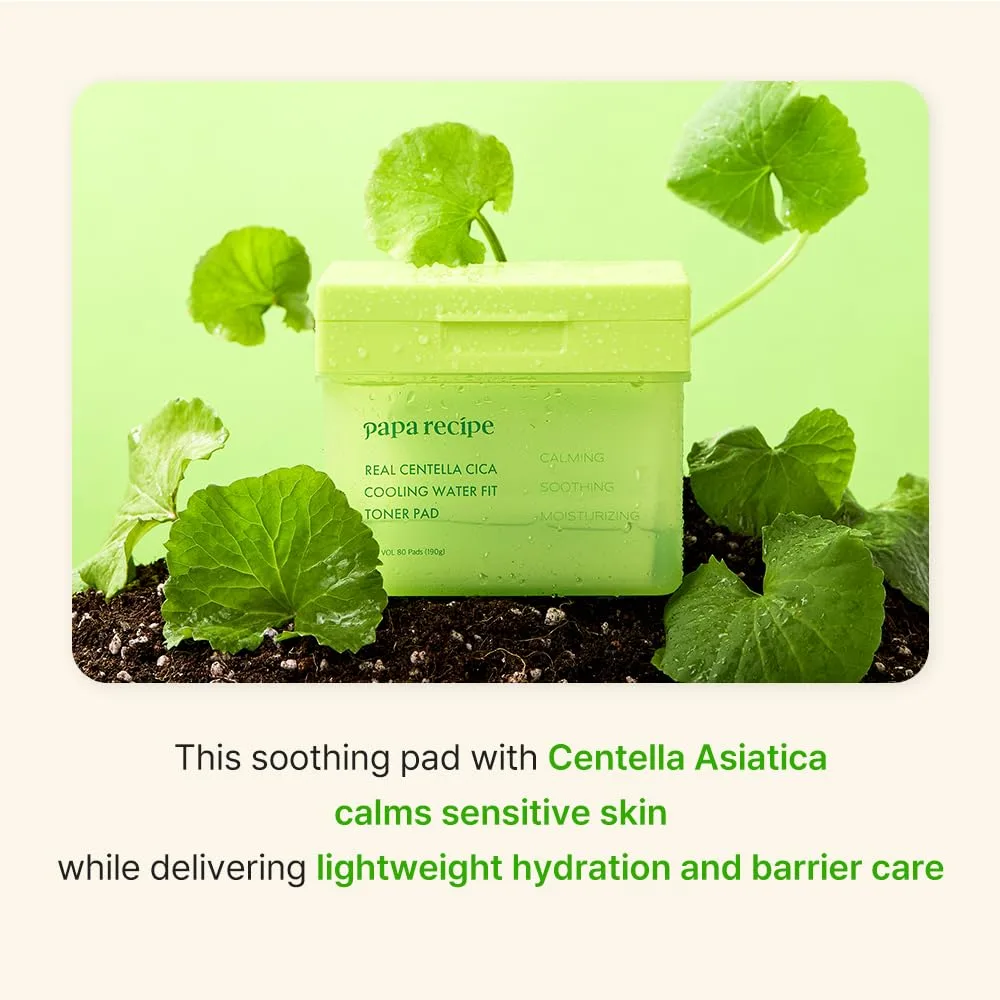 Cooling Acne Pick
 Real Centella Cica Cooling Water Fit Toner Pad
The one scented, playful member of Papa Recipe's otherwise fragrance-free Real Centella line: cooling toner pads pairing standardized centella with neem's traditional antibacterial action for hot, congested, blemish-prone skin. Genuinely soothing and refreshing, even better fridge-cold, and good value at 80 pads. The added fragrance is the catch — it rules out the sensitive skin the rest of the line courts.
 Summer Oily-Skin Cooler
 Refreshing Sea Kelp Serum
A cold, weightless, fragrance-free serum that does exactly what hot, oily, easily-irritated skin wants at 8am in July: it soothes, it de-shines for a few hours, and it stays out of the way of your actual acne treatment. The kelp-ferment base is more pleasant than proven, but with niacinamide underneath it and a price under $22, it earns a place on a summer shelf.
 Budget Tea Tree Acne Cleanser
 Tea Tree Oil Face Wash
A well-priced gel cleanser for oily, acne-prone skin built on a genuinely gentle sulfate-free surfactant base, with tea tree and neem for an acne-targeted angle. It cleanses without over-stripping and won't blow your budget — but the rinse-off format limits how much the tea tree can do, and the essential oils make it a poor fit for sensitive skin.
 Oily-Skin Overnight Mask
 Refreshing Sea Kelp Real Deep Mask
The Biodance overnight mask for people who thought the format was not for them. Oil-free, vegan, soothing and genuinely cooling, it hydrates oily and reactive skin without the morning-after film, and its kelp and sea-water story is pleasant rather than proven. It will not treat acne or shrink pores, but it is the safest mask in the line to sleep in.
 Gentle Herbal Cleanser (Ignore the 'Fairness' Claim)
 Bio White Advanced Fairness Face Wash
Judged purely as a cleanser, this is a fine, gentle, very cheap herbal face wash: soap-nut saponins clean without stripping, and fruit enzymes add mild exfoliation for a temporary fresher look. But it is sold as a skin-'whitening fairness' wash, and that claim is simply false — a rinse-off cleanser cannot lighten skin tone, and the 'fairness' framing reflects colorism we don't endorse. Buy it as a cheap cleanser and ignore the name, or better, choose one without the baggage.
 Oily Skin Starter Kit
 Balance It All Essentials Set
A thoughtfully designed three-step acid system for oily skin that delivers visible oil control and glow within days. The travel sizes make it an ideal trial run for the Balance line, though sensitive skin types should steer clear of the eucalyptus-peppermint-and-acids combination.
 Luxury Sulfate-Free Ayurvedic Cleanser
 Kashmiri Saffron & Neem Delicate Facial Cleanser
One of Forest Essentials' most genuinely well-rounded products — a gentle, sulfate-free gel cleanser that pairs its traditional Kashmiri saffron and neem with real modern actives like niacinamide and hyaluronic acid. It cleanses thoroughly without stripping, suits a wide range of skin types, and holds up on a modern ingredient checklist, with the natural jasmine fragrance and luxury price as the main caveats.
 Oily-Skin Summer Pad
 Sea Kelp Gel Toner Pads
The coldest, calmest thing you can wipe across an oily, breakout-prone face without an acid in sight — kelp water and fermented kelp as the base, allantoin and neem for the soothing, and a cooling agent that makes the gel feel refrigerated. It keeps angry skin quiet and shine down for a few hours; it does not clear a pore, and the sebum percentages on the tub are the brand's own.
 Nourishing Herbal Oil Mist
 Secret of Sahara Oil Mist Sense of Balance
The richer, oil-forward sibling to Huxley's Essential Mist — a dual-layer mist whose oil phase is an unusual Ayurveda-leaning blend of black cumin, andiroba, tulsi, neem, and turmeric that genuinely nourishes and conditions dry skin while sealing in hydration. Distinctive and lovely on dry skin, but too rich for oily types, and the heavy fragrance undercuts its sensitized-skin claim.
 Gentle Blemish Option
 Anti-Blemish Serum
A gentle, botanically driven blemish serum that calms congested, oily skin without the sting of conventional acne actives, leaning on turmeric and polylysine instead of salicylic acid. It is pleasant and low-irritation, but the actives are promising rather than proven and the price is hard to justify for what is, ingredient-wise, a fairly simple formula.
 Botanical Plaque Soother
 Psorzema Cream
A decades-old botanical cream that soothes and softens the dry, scaly, itchy skin of psoriasis and eczema without fragrance or stinging. Its standout, Oregon grape extract, has real psoriasis research behind it, but with no FDA OTC active this is a moisturizing comfort cream, not a medicated treatment. A gentle daily support option rather than a plaque-clearing fix.
 Scented Hydration Mist
 Mami Wata Ultra-Calming Rescue Mist
A lovely-feeling, lovely-smelling emulsified hydration mist with panthenol, neem and a token dose of ectoin and madecassoside, sold as ultra-calming rescue for sensitive skin while carrying sixteen essential oils including bergamot, lemon, lime, thyme and nutmeg. Calm, normal skin will enjoy it as a scented refresher. Reactive skin, the skin it is named and marketed for, should not go near it, and $44 is a lot for the privilege of finding that out.
 Combination-Skin Day Driver
 Balancing Ultra-Light Day Moisturiser
Aurelia London's answer to combination-skin customers who loved the brand's postbiotic philosophy but found the Cell Revitalise range too rich for daily wear. A genuinely lightweight gel-cream with Bifida ferment at INCI position two — the same concentration discipline the brand applies to its hero products, translated into a texture that disappears under SPF and makeup.
 Cooling Refresh Peel-Off
 Aqua Refresh Relief Peel-Off Mask Pack
A cooling, glow-leaving peel-off mask that feels lovely on hot or tired skin, with genuinely soothing beta-glucan and a ferment behind the sensation. The catch is a heavy essential-oil load — bergamot, lavender, rosemary, geranium — plus denatured alcohol that undercut the relief branding and make it a poor pick for sensitive skin. Enjoyable as an occasional sensory treat, not a gentle daily soother.
 Pregnancy-Safe Retinol Alternative
 Bakuchiol Complete Plant-Based Retinol Alternative Serum
Cosmedix professional clean-skincare bakuchiol serum at 0.5% bakuchiol in comprehensive 17-ingredient botanical-oil matrix with sunflower + jojoba + squalane + moringa base + turmeric + vitamin E + extensive Ayurvedic botanical stack + marine and plant extracts. Pregnancy-compatible retinol alternative. $85 for 1 fl oz is premium professional-skincare pricing.
 Botanical Retinol for Acne
 Phyto Clear
Graydon's Phyto Clear is a genuinely smart botanical-retinol gel for oily, acne-prone skin: bakuchiol — a clinically promising, gentle retinol alternative — paired with fungal-acne-safe squalane and purifying neem in a lightweight, pH-balanced vegan formula. It smooths and clarifies without retinoid irritation. The one real catch is the blend of essential oils, which undercuts its gentleness for sensitive skin.
 K-Beauty Cleansing Balm Favorite
 Fig Cleansing Balm
A sherbet-to-oil cleansing balm anchored in a specific 7.8% fig fruit extract that melts sunscreen and makeup efficiently and leaves skin comfortable without residue. The fragrance is the main note of caution, but for non-sensitive users looking for a mid-tier K-beauty first cleanser with an actual ingredient story, this earns its spot on the shelf.
 Oil-Balancing Heritage Oil
 Clarifying Day Oil
An oil for oily skin built on the anthroposophic principle that lipid application signals sebaceous glands to reduce production — anthyllis vulneraria anchors the formula, jojoba supplies the sebum-mimetic argument, and neem extract handles the antimicrobial work. The peanut oil, wheat content, and natural-fragrance allergens narrow the suitable audience meaningfully, and $30 for 18ml is steep for the volume. For the right user, the philosophy delivers; for everyone else, modern alternatives serve better.
 Traditional Ayurvedic Glow Ubtan
 Soundarya Facial Ubtan
A genuine traditional Ayurvedic ubtan — a fragrance-free blend of over fifty hand-pounded herbs, grain flours, and nut meals you mix fresh into a brightening paste. It delivers a lovely immediate glow and a satisfying ritual, judged honestly as a craft tradition rather than a clinical actives product, with nut grit, allergens, and a luxury price as the main caveats.
 On-the-Go Cuticle Fix
 Neem Nail & Cuticle Oil Pen
A simple, effective vegan cuticle oil made genuinely better by its pen format — neem and chamomile in a light conditioning base that softens ragged cuticles and keeps nails looking healthier. The convenience is the selling point; the catches are a peanut oil base, a few fragrance allergens, and a small amount of product for twenty dollars.
 Hygienic Grinding Balm
 Green Plum AHA BHA Makeup Remove Cleansing Oil Balm
A clever grinding jar that keeps a cleansing balm hygienic and neatly dosed, filled with a competent, well-emulsifying formula that melts makeup and rinses cleanly. The AHA and BHA are present only at trace levels, a heavy citrus and rosemary essential-oil blend limits it for sensitive skin, and it costs more per use than most balms.
 Honest Natural Wax
 Flexible Hold Wax Pomade for Men
The one Brickell styler that is exactly what the label says — fourteen natural ingredients, castor oil and three waxes, a pliable hold and a soft sheen — and a decent old-fashioned wax pomade for dry, medium hair. It cannot go firm, it will not rinse out with water, the castor-oil growth claim is baseless, and the eucalyptus-lemongrass scent divides the room.
The full neem (azadirachta indica) guide
Long before retinol had a TikTok following or niacinamide became a household name, neem was already on the job — woven into South Asian Ayurvedic practice for centuries to address everything from blemishes to wound infections.
What makes it worth a second look in 2026 is that a few of those traditional claims hold up when you put the extract under a lab microscope, even though robust human trial data is still scarce. It earns a spot on an INCI list, but think of it as a supporting player rather than a solo act.
How it's regulated in the US
FDA does not classify ingredients — it classifies products, by what they are sold to do. The same molecule can be a drug active in one product and a cosmetic ingredient in the next, and only the claim on the label decides which. What follows is a statement about that legal standing, not about whether it works — the evidence question is answered separately above.
Cosmetic Neem (Azadirachta Indica) is a cosmetic ingredient in the US: no OTC monograph covers it and it is not an active in any FDA-approved drug, so a product built around it is a cosmetic rather than a drug.
Most neem research sits in the in vitro and animal-model tier, with only a handful of small human studies. A 2022 narrative review in Cosmetics (MDPI) gathered evidence that neem extracts show antimicrobial activity against Cutibacterium acnes and other skin pathogens, alongside anti-inflammatory effects linked to COX and LOX pathway inhibition — while flagging that controlled human trials remain few and small. A 2022 open-label study in the Journal of Cosmetic Dermatology reported that a neem-based face wash reduced acne lesion counts over four weeks, though the formula contained multiple actives, so neem's isolated contribution is hard to pin down. The fair read: genuine traditional-use backing and biologically plausible mechanisms, but not the depth of evidence behind a workhorse like salicylic acid or benzoyl peroxide.
How it works
The skin activity attributed to neem traces back to a cluster of limonoid compounds — chiefly azadirachtin, nimbin, nimbidin, and nimbolide — concentrated in the seeds, leaves, and bark of Azadirachta indica. Rather than one tidy mechanism, these compounds appear to act through several overlapping routes. Nimbidin and nimbolide have been shown in laboratory work to inhibit cyclooxygenase (COX) and lipoxygenase (LOX), the same inflammatory enzymes targeted by familiar anti-inflammatory drugs, which may explain why neem-containing formulas tend to read as calming on irritated, blemish-prone skin. The antimicrobial side looks more direct: in cell-based testing, neem compounds disrupt bacterial membranes and interfere with metabolic enzymes, with measured activity against Staphylococcus aureus, S. epidermidis, and Cutibacterium acnes. Seed-derived neem oil also carries oleic acid and other fatty acids, lending emollient, barrier-friendly qualities separate from its bioactive content. At the 0.5% to 5% range typical of cosmetics, the biological effect is plausible but modest; pushing concentration higher raises potency but also the odds of sensitization, which is why formulators usually deploy neem alongside other ingredients rather than as the headline active. The pungent seed oil tends to be richer in bioactives, while the gentler leaf extract is easier to work into rinse-off products.
Key benefits
- Shows lab activity against Cutibacterium acnes and other skin-colonizing bacteria
- Associated with reduced inflammatory acne lesions in early clinical work
- May calm visible redness via COX and LOX enzyme inhibition
- Demonstrates antifungal activity relevant to dandruff and fungal-acne scenarios
- Seed-oil fatty acids lend emollient, barrier-supporting properties
- Carries a long Ayurvedic safety record at cosmetic use levels
Concentration & usage
Cosmetic formulas usually deploy neem leaf extract or seed oil somewhere between 0.5% and 5%. Below roughly 0.5% the antimicrobial contribution becomes negligible; above 5% the risk of irritation and sensitization climbs, especially on sensitive or compromised skin. On an INCI list it can appear as Azadirachta Indica Leaf Extract, Azadirachta Indica Seed Oil, Melia Azadirachta Leaf Extract, or Melia Azadirachta Seed Oil. The seed oil tends to be the more potent — and far more pungent — form, while leaf extract reads milder and shows up more often in serums and cleansers. No specific pH dependence has been established for its topical activity, in contrast to actives like vitamin C or AHAs.
Who it's for & who should be cautious
Who it's for
Oily and acne-prone skin types after botanical antimicrobial support are the natural audience, especially in cleansers and rinse-off serums where contact time stays short and sensitization risk drops. Neem also fits scalp- and body-care formulas aimed at dandruff or fungal overgrowth. Anyone gravitating toward Ayurvedic or plant-forward routines will find a real evidence base here, even if it does not run as deep as the data behind synthetic actives.
Who should be cautious
Skip neem if you have a known allergy to plants in the Meliaceae family — documented cases of allergic contact dermatitis exist in the medical literature, and a few reactions have even been airborne. Raw neem oil should never go straight onto skin undiluted; even within finished products, anyone with reactive or barrier-compromised skin should patch-test first. Pregnant individuals are commonly advised to steer clear of concentrated neem oil, since azadirachtin has shown reproductive effects in animal studies, making precautionary avoidance of leave-on formulations sensible.
Pairs with & conflicts
Pairs well with: Tea Tree Oil (Melaleuca alternifolia), Salicylic Acid (BHA), Niacinamide (Vitamin B3), Zinc, Centella Asiatica (Cica), Willow Bark Extract, Green Tea Extract
Use with care alongside: Retinol, Benzoyl Peroxide
Myths & facts
Myth: Neem oil is an essential oil you can apply straight to skin like a serum.
Reality: Neem oil is a cold-pressed fixed (carrier) oil from the seed, not an essential oil — the two should not be confused. Even so, pure undiluted neem oil can irritate and sensitize, especially on reactive skin, and is best used within a properly formulated product or diluted to roughly 1–2% in a carrier.
Myth: Neem is a proven acne treatment on par with salicylic acid or benzoyl peroxide.
Reality: Neem has plausible antimicrobial mechanisms and some small-scale trial support, but its evidence base is nowhere near as deep. Most positive human studies used multi-ingredient formulas, so the results can't be cleanly credited to neem. It sits in the supportive-botanical category, not the proven-active tier.
Myth: Centuries of traditional use mean neem is safe for everyone, no precautions needed.
Reality: Long use establishes a general safety profile at typical cosmetic concentrations, but case reports of allergic contact dermatitis — some airborne — appear in the dermatological literature. Sensitization risk, particularly with concentrated seed oil, is real, so a patch test is a sensible step for reactive skin.
Frequently asked questions
What does neem actually bring to an acne formula?
Its contribution is mainly antimicrobial and anti-inflammatory. The limonoid compounds in neem have been shown to inhibit Cutibacterium acnes in lab settings and may temper inflammatory redness through COX and LOX enzyme pathways. It tends to perform best as one piece of a multi-active formula rather than a standalone fix.
Is neem oil safe to put on your face?
Within properly formulated products at 0.5–5%, it's fine for most skin types. Undiluted neem oil is another story — it's potent, intensely odorous, and carries a genuine risk of irritation or sensitization, especially on reactive or sensitive skin. If you're buying raw neem oil to DIY, dilute it well before it touches your face.
Will neem help with fungal acne (Malassezia folliculitis)?
Neem has shown antifungal activity against Malassezia and related fungi in laboratory work, which makes it a reasonable supporting ingredient in fungal-acne-aware formulas. It hasn't been tested in controlled trials for Malassezia folliculitis specifically, though, so it shouldn't replace proven antifungal treatments in stubborn or severe cases.
Why does raw neem oil smell so unpleasant?
That sulfurous, nutty, almost garlicky odor of unrefined neem seed oil comes from sulfur-containing compounds released during extraction. Leaf extracts and refined or deodorized neem oils smell far milder — which is why formulators often reach for those in rinse-off products or pair them with masking scents in leave-on formulas.
Can you use neem while pregnant?
Caution is the wise default. Azadirachtin, one of neem's key bioactives, has shown reproductive effects in animal studies. Topical exposure from a face wash is very different from systemic exposure, but most practitioners still advise pregnant individuals to avoid leave-on neem oil products as a precaution and to check with a healthcare provider when unsure.
How do you recognize neem on an INCI list?
It hides under a few names depending on the plant part: Azadirachta Indica Seed Oil and Azadirachta Indica Leaf Extract are most common, while Melia Azadirachta Seed Oil and Melia Azadirachta Leaf Extract are alternate botanical names for the same species. All four point back to neem.