Ginkgo Biloba
Products with Ginkgo Biloba
 Budget Acne Charcoal Wash
 Tomatoes Detoxifying Charcoal Facial Cleanser
Yes To's Tomatoes Charcoal Cleanser is a better acne wash than its trendy branding suggests, because underneath the charcoal theatrics sits a genuinely effective 1% salicylic acid. The BHA does real pore-clearing work, soothing botanicals soften the formula, and it's cheap. The alcohol and fragrance make it a skip for dry or sensitive skin, but for oily, blackhead-prone skin on a budget, it delivers.
 Oat-Water Comfort Cream
 Oatmeal Waterfull Cream
A gentle, fragrance-free gel-cream whose water is mostly ginkgo and oat water, with polyglutamic acid and hyaluronate for lasting plumpness and a light four-oil lipid phase for comfort. It does nothing but hydrate and soothe, and it does that well for sensitive and seasonal skin at a fair price for 80 grams. The silicone finish and the import are the only real caveats.
 Post-Flight Rescue Mask
 Ginkgo Mask
A rich shea, glycerin and macadamia cream mask, preserved without parabens or formaldehyde releasers, that puts water and lipids back into dry, tight or post-flight skin over twenty minutes or overnight and leaves it plumped for a day. The ginkgo and kiwi are trace label botanicals and the fragrance sits ninth; otherwise an honest comfort mask for dry skin, too rich for oily faces, and one of the better-built products in the brand's mask range.
 Pharmacy Pore Primer
 Sebium Pore Refiner
A multi-mechanism pore treatment that goes beyond cosmetic blurring with genuine biological innovation, but undermined by fragrance, mineral oil, and a tiny tube that feels overpriced. Best as a dual-purpose treatment-primer for oily skin types who want immediate visual refinement alongside gradual pore improvement.
 Multi-Active Acne Treatment
 Sébium Global Intensive Purifying Care
A genuinely sophisticated multi-active acne treatment that targets all four pathological steps of acne in one cream — salicylic exfoliation, bakuchiol cell turnover, zinc sebum and bacteria control, glycyrrhetinic acid anti-inflammation. Held back by a 30 ml size that finishes faster than the 8-12 week treatment timeline, plus fragrance inclusion that's unwelcome in an acne product.
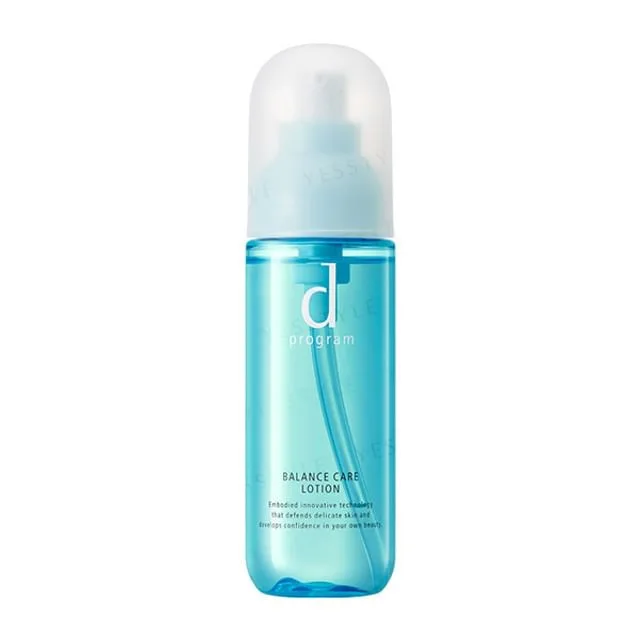 Japanese Pharmacy Combination Sensitive Toner
 Balance Care Lotion W
The combination-skin variant in d program's premium sensitive-skin toner range — same dual quasi-drug actives as the other d program variants, with humectant load calibrated specifically for combination skin's mixed dry/oily distribution. Earns its premium for sensitive combination-skin users for whom no real mid-tier alternative offers comparable formulation depth and dual-sensitivity-and-combination-type focus.
 J-Beauty Cult Peeling Gel
 Natural Aqua Gel Exfoliator
Cure has built a two-decade cult following on a single very specific chemistry trick — an acrylate crosspolymer that rolls into fibrous pellets on dry skin, lifting surface keratin without abrasive granules. The 'hydrogen water' antioxidant marketing is thin, and the per-gram price runs above equivalent Korean peeling gels, but for sensitive skin that cannot tolerate acid exfoliants, this is one of the most reliably gentle physical exfoliators on the market.
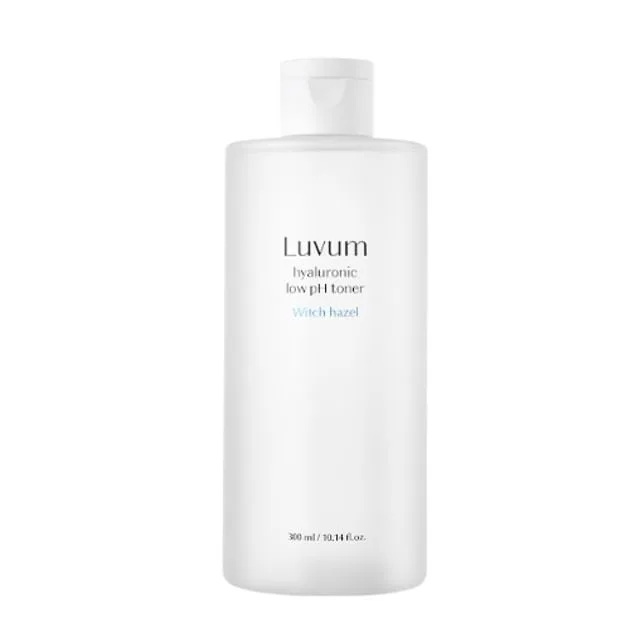 Budget Hydration Hero
 Witch Hazel Hyaluronic Low pH Toner
A smart rehabilitation of witch hazel: the gentle, alcohol-free leaf water as a balancing base, paired with hyaluronic acid at a barrier-friendly pH 5.5 so it hydrates instead of strips. The formula is simple rather than action-packed, but for oily and combination skin wanting a fresh, balancing prep step, a generous 300ml for around $24 is excellent value.
 Oily Skin's Micellar Match
 Sebium H2O Micellar Water
A micellar water that actually does something for oily skin beyond basic cleaning. Bioderma Sebium H2O combines the brand's signature gentle micelle technology with zinc and copper purifying actives — a combination that makes it less of a passive cleanser and more of a treatment step disguised as makeup removal.
 Under-Makeup Eye Gel
 Eye Contour Gel
A pleasantly light, fast-absorbing eye gel that hydrates and sits beautifully under concealer, with adenosine for modest fine-line improvement. It has no caffeine and relies on botanicals with limited evidence for dark circles, and its alcohol and fragrance make it a poor choice for sensitive eyes. Good for makeup days, not a dark-circle fix.
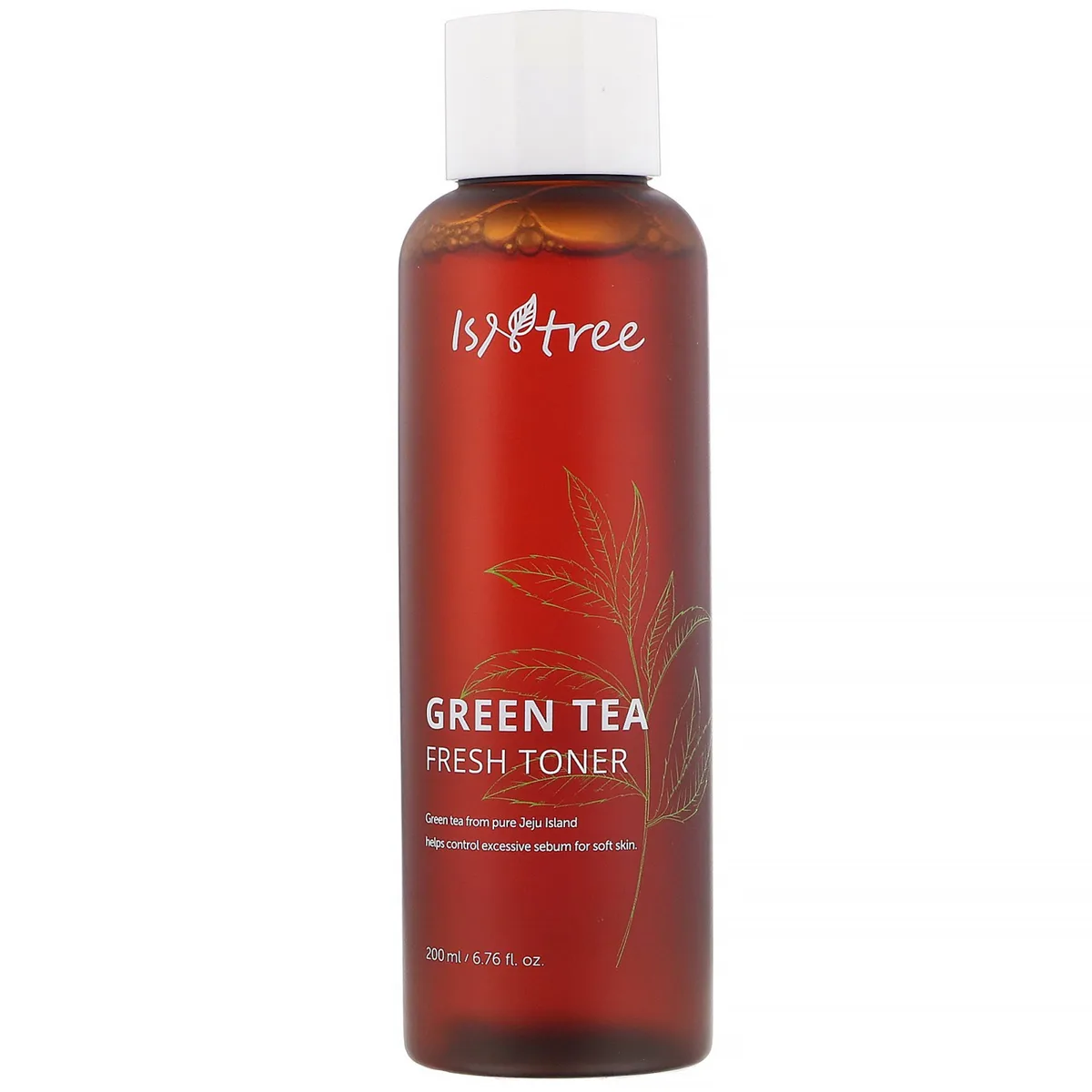 K-Beauty Green Tea Value
 Green Tea Fresh Toner
Isntree K-beauty green tea hydrating toner with Camellia sinensis first-INCI dominance, centella + willow bark + 5+ botanical antioxidant pool, hydrolyzed HA + beta-glucan + allantoin humectant + soothing pool. Vegan + fragrance-free + alcohol-free formulation. Exceptional suitability breadth and irritation risk scoring at K-beauty $22 value tier.
 Dual-Action Pore Polisher
 Sébium Exfoliating Gel
A smart two-in-one exfoliant that pairs biodegradable scrub beads with glycolic and salicylic acid, so you get surface polish and pore-clearing in one rinse-off step. Best for resilient oily, blackhead-prone skin used once or twice a week. The SLS and fragrance keep it from being a sensitive-skin pick, but it's well-priced and genuinely effective.
 Korean Drugstore Astringent Classic
 Wonder Pore Freshner
An honest-to-goodness alcohol astringent from a brand better known for gentle cica creams: it cools, degreases and mattifies an oily T-zone instantly, costs almost nothing per use, and does none of the pore-shrinking its ten-in-one label promises. Oily, resilient skin can enjoy it as a summer shine-wiper; everyone else should treat the alcohol-second ingredient list as the warning it is.
 Menopause Skin MVP
 Neovadiol Longevity Revolumizing Cream
Vichy's most ambitious Neovadiol reformulation yet — Proxylane at second-position concentration, paired with a thoughtful barrier-supporting cast that addresses post-menopausal skin biology with more specificity than most competitors at this price tier. The rich shea-led texture rules out oily mature skin, and the fragrance keeps it off-limits for some sensitive users, but for the target audience this is a serious cream with documented mechanisms behind its claims.
 Clean Daily Essential
 Atmosphere Protection Cream
A thoughtfully formulated daily moisturizer that addresses the often-overlooked role of environmental pollution in skin aging. The seaweed-and-amino-acid approach to atmospheric defense is genuinely novel, and the lightweight texture makes it one of the most versatile daily moisturizers in the clean beauty space — though the $54 price for 2 ounces and the lack of SPF are notable considerations.
 Pharmacy Daily Brightening SPF
 Pigmentclar Dark Spot Cream
Pigmentclar UV is a quietly clever three-in-one: a daily moisturizer, a brightening treatment, and an SPF 30 with a modern European multi-filter system that outclasses most US sunscreens on UVA coverage. It's a solid morning shortcut for anyone managing mild discoloration. The catches are the fragrance, a comedogenic emulsifier load, and SPF 30 being a touch low for serious pigment routines.
 Premium Mineral SPF Workhorse
 Urban Environment Mineral Clear Sunscreen SPF 50
Shiseido's Urban Environment Mineral Clear is one of the most comprehensively engineered mineral sunscreens in the prestige market — 100% mineral UV filters at serious concentrations (TiO2 4.5% + ZnO 17.2%) combined with 65% skincare ingredients including botanical antioxidants, layered humectants, and licorice anti-inflammatory chemistry. The fragrance-free formulation suits sensitive skin, and the minimal white cast on light-to-medium skin tones makes the high-zinc protection wearable for daily use. At $39 for 30ml, the price reflects Shiseido's prestige positioning but the formulation depth justifies the tier.
 Japanese Pharmacy Sensitive-Acne Toner
 Acne Care Lotion W
A genuinely sophisticated Japanese pharmacy-brand acne toner that uses tranexamic acid and dipotassium glycyrrhizate (rather than salicylic acid) to address both inflammatory acne and post-inflammatory hyperpigmentation simultaneously. Earns its place for sensitive acne with PIH concerns where standard salicylic-acid toners over-irritate; less directly effective for pure comedonal acne where exfoliation is the primary need.
 Luxury Preparation Lotion
 Sisleÿa Essential Skin Care Lotion
Sisley Sisleÿa Essential Skin Care Lotion is a botanical preparation lotion featuring marshmallow root, alkekengi calyx, ginkgo biloba, padina pavonica, squalane, and adenosine in a lightweight essence-style format at 245 dollars for 150ml.
 Luxury Hydration Icon
 Pro-Collagen Marine Cream
An iconic luxury gel-cream moisturizer that delivers immediately noticeable hydration and plumping in a genuinely beautiful texture — though the $145 price is driven more by two decades of brand prestige and the exquisite sensory experience than by the cutting-edge potency of its marine actives.
 Japanese Pharmacy Sensitive Aging Toner
 Vital Act Lotion W
A genuinely thoughtful Japanese pharmacy-brand toner combining dual quasi-drug actives (tranexamic acid + dipotassium glycyrrhizate) with a multi-botanical antioxidant layer, all built on d program's sensitive-skin formulation discipline. Earns its premium pricing through formulation depth, regulatory backing, and the Shiseido pharmaceutical heritage. Best suited for sensitive aging skin users who want medicated efficacy without irritation.
 Ultra-Luxury Anti-Aging
 Sisleÿa Longevity Essential Serum
Sisley Sisleÿa Longevity Essential Serum is a botanical-rich luxury anti-aging serum featuring ginkgo biloba, lentil extract, marine algae, grape leaf, dual-weight hyaluronic acid, and a plant-oil emollient base — but the 690-dollar price for 30ml puts it in the territory where ingredient sophistication alone cannot justify the cost.
 Clinical Vitamin C Classic
 Isdinceutics Flavo-C Vitamin C Serum
A deliberately minimal, fragrance-free pure vitamin C serum from a credible clinical brand: L-ascorbic acid plus a ginkgo co-antioxidant and a pH-supporting acid, and almost nothing else. It brightens and defends reliably for those who want vitamin C without a long ingredient list. The drawback is a premium price for an unusually simple formula. Best for purists who value clean, no-frills antioxidant protection.
 Botanical Antioxidant Cleanser
 Gentle Matter Cleanser
A thoughtful, fragrance-free gel cleanser built on antioxidant teas and conditioning oils from a sustainability-minded indie — it cleans without stripping and feels considered. The honest caveats: it's premium-priced for a cleanser, and despite the clean-beauty framing it leans on an ammonium lauryl sulfate base, which is a slightly conventional choice.
 Vitamin-C-Free Antioxidant Serum
 Multirepair S-Ferulic Serum
A thoughtfully built daytime antioxidant serum that swaps vitamin C for a ferulic-acid-plus-superoxide-dismutase system, with supporting peptides and a touch of mandelic acid. It's a stable, low-sting route to free-radical defence from a legacy Italian house — premium-priced and fragranced, and not for anyone set on classic vitamin C brightening.
 Mature Skin Ritual
 Regenerating Intensive Treatment
An old-world, biodynamic take on firming skincare, run as a 28-day botanical course rather than a daily serum. The warm sandalwood blend feels lovely and can leave mature skin looking freshened and lightly firmed, but the anti-aging actives are dilute and traditional, and $95 for a small water-based bottle is a price you pay for philosophy as much as performance.
 Luxury Day Step with Modest SPF
 Protective Day Emulsion SPF 25
A beautifully weightless day emulsion with a real brightening active in 4MSK, a clever sterol-and-oryzanol lipid base and a refillable bottle that makes the ritual feel considered. Its SPF 25, with a light dose of avobenzone and a two-pump application, is the weak link in a product sold as a day's protection, and $190 buys elegance more than defence. A lovely moisturiser; wear a real sunscreen over it.
 Antioxidant Eye Booster
 Ultimune Power Infusing Eye Concentrate
An elegant, lightweight antioxidant eye serum that extends Shiseido's reishi-and-iris defense complex to the under-eye, with an immediate soft-focus smoothing that primes the area nicely for makeup. What it isn't is a wrinkle or dark-circle treatment — there's no retinol or peptide muscle here. At $70 for 15ml with fragrance and alcohol near the eyes, it's a fans-of-the-line purchase more than a results buy.
The full ginkgo biloba guide
One of the oldest living tree species on earth, ginkgo biloba has been used in traditional Chinese medicine for millennia — and its leaf extract has earned genuine attention in modern skincare beyond its ancient credentials.
The leaves carry an unusually rich cocktail of flavonoids and terpene lactones that deliver measurable antioxidant and mild anti-inflammatory activity at the concentrations typically found in cosmetics. The research base is encouraging but still weighted toward laboratory work, so calibrating expectations matters.
How it's regulated in the US
FDA does not classify ingredients — it classifies products, by what they are sold to do. The same molecule can be a drug active in one product and a cosmetic ingredient in the next, and only the claim on the label decides which. What follows is a statement about that legal standing, not about whether it works — the evidence question is answered separately above.
Cosmetic Ginkgo Biloba is a cosmetic ingredient in the US: no OTC monograph covers it and it is not an active in any FDA-approved drug, so a product built around it is a cosmetic rather than a drug.
Most of ginkgo biloba's skincare evidence comes from laboratory and preclinical studies, with a smaller handful of human trials. In vitro work consistently shows free-radical scavenging from its flavonoid fraction (quercetin, kaempferol, rutin) and anti-inflammatory activity from biflavones such as ginkgetin, which down-regulates COX-2 expression in animal skin-inflammation models. A 1998 study (PMID 9413894) documented enhanced human skin fibroblast proliferation and increased collagen and fibronectin production in cell culture. A 2014 clinical trial in the Journal of Drugs in Dermatology (n=48) reported that a green tea plus ginkgo biloba combination improved skin barrier function, elasticity, and microrelief, and increased viable epidermis thickness on histology over a 30-day application. A 2023 preliminary cosmeceutical assessment in Drug Development and Industrial Pharmacy tested a ginkgo leaf cream on human volunteers and observed anti-wrinkle and texture effects over a short two-week trial. The evidence is real but thin — most trials are small, short, and frequently pair ginkgo with other actives, which makes its individual contribution hard to isolate. That combination of legitimate but limited data is why it sits at "promising" rather than "well-established."
How it works
Ginkgo biloba leaf extract operates through two complementary chemical fractions, and knowing which compounds drive each effect explains why it turns up across so many product categories. The flavonoid fraction — quercetin and kaempferol glycosides, plus distinctive biflavones like ginkgetin and bilobetin — carries the antioxidant load. These polyphenols donate hydrogen atoms to neutralize reactive oxygen species, including those generated by UV exposure and pollution. It's a well-characterized mechanism for plant flavonoids broadly, and ginkgo's particular profile gives it scavenging reach across peroxide, hydroxyl, and superoxide radicals. Since oxidative stress feeds collagen breakdown and uneven pigmentation, this steady antioxidant buffering is where ginkgo most clearly contributes to anti-aging formulas. The terpene lactone fraction — ginkgolides A, B, and C alongside bilobalide — feeds into anti-inflammatory signaling. Ginkgetin specifically has been shown in mouse models to dose-dependently suppress COX-2 induction and prostaglandin production after topical application, which is part of why ginkgo shows up in calming toners and barrier-minded cleansers aimed at low-grade redness. Separately, fibroblast studies suggest the flavonoid fraction can stimulate skin fibroblast proliferation and support collagen and fibronectin synthesis — a plausible explanation for the texture and elasticity changes seen in the small human trials. That pathway is far better demonstrated in cell culture than in people, so it remains the most speculative thread rather than a settled one.
Key benefits
- Scavenges a broad range of free radicals via its flavonoid fraction, easing oxidative stress on the skin
- Mild COX-2-modulating activity from biflavones helps quiet redness and low-grade irritation
- May support fibroblast activity, with early signals toward firmer-feeling skin and improved texture
- Improved barrier function and elasticity reported when paired with other antioxidants in clinical testing
- Adds antioxidant coverage that complements UV protection as part of a layered defense
- Moisturizing and microrelief improvements measured in small human cosmeceutical studies
Concentration & usage
Ginkgo biloba leaf extract (INCI: Ginkgo Biloba Leaf Extract) appears in cosmetics at concentrations up to roughly 1%, with many formulas using considerably less. The Cosmetic Ingredient Review safety assessment found the leaf-derived ingredients safe at current practices of use and concentration when formulated to be non-sensitizing. Standardized pharmaceutical-grade extracts are often defined as 24% flavone glycosides and 6% terpene lactones — when those figures show up on a supplier spec sheet, it signals a characterized, active extract rather than a generic plant powder. On a product's INCI list, ginkgo placed before the 1% threshold marker suggests a level high enough to be functional, while ginkgo buried at the tail end of a long botanical blend is more likely there for label appeal. Formulas that build their pitch around ginkgo as a lead active tend to use it at more meaningful amounts.
Who it's for & who should be cautious
Who it's for
Ginkgo biloba suits anyone assembling an antioxidant-focused routine who wants to branch out beyond vitamin C and vitamin E — it brings a different molecular profile that complements those staples rather than echoing them. It's a sensible pick for people dealing with dullness, the early visible signs of aging, or environmental-stress redness, and it shows up often in toners and essences aimed at sensitive or combination skin. If you gravitate toward botanically driven formulas and want a plant ingredient that carries both a long history of use and a real, if still-growing, modern evidence base, ginkgo is one of the more substantiated options in that lane.
Who should be cautious
If the Anacardiaceae family gives you trouble — poison ivy, poison oak, mango, cashew — approach ginkgo biloba cautiously, since cross-reactivity has been documented and traces back to ginkgolic acids, the plant's principal allergens. A patch test is especially worthwhile for this group before committing to a leave-on product. People with highly reactive or already-sensitized skin should also keep in mind that, although ginkgo is broadly well-tolerated in cosmetic extracts, the allergen concern is real enough that manufacturers are advised to keep ginkgolic acid levels low — and extract quality can vary between products.
Pairs with & conflicts
Myths & facts
Myth: Ginkgo biloba in skincare is just a marketing ingredient with no real effect on the skin
Reality: The extract contains well-characterized flavonoids and terpenes with documented free-radical scavenging and mild anti-inflammatory activity, and small human trials have reported improvements in barrier function, elasticity, and microrelief. The evidence base isn't as deep as vitamin C or niacinamide, but writing it off as purely cosmetic overcorrects in the other direction.
Myth: Because ginkgo biloba is natural and traditional, it's automatically safe for sensitive skin
Reality: Ginkgolic acids in ginkgo are genuine allergens that can cross-react with poison ivy and related plants, and contact dermatitis from ginkgo is recorded in the dermatological literature. Cosmetic extracts are processed to keep allergen levels low, but the sensitivity risk is real enough to justify a patch test for anyone who reacts to the Anacardiaceae plant family.
Myth: Topical ginkgo skincare delivers the same anti-aging benefits as taking oral ginkgo supplements
Reality: Oral and topical ginkgo act through entirely different mechanisms at different sites in the body. The cognition and circulation effects studied in supplement research don't transfer to the skin surface; what topical ginkgo offers is localized antioxidant and mild anti-inflammatory activity — a narrower but legitimate benefit.
Frequently asked questions
Does the ginkgo in my toner actually do anything, or is it a token botanical?
It hinges on concentration and extract quality. When a product uses a standardized Ginkgo Biloba Leaf Extract positioned before the 1% threshold on the INCI list, there is documented antioxidant and mild anti-inflammatory activity to draw on. If ginkgo sits at the very end of a long ingredient list among a dozen other botanicals, the level is probably too low to matter much — so it's worth scanning where it lands.
Is ginkgo skincare safe to use if I'm allergic to poison ivy?
Proceed with real caution. The ginkgolic acids in ginkgo share structural features with the urushiol allergens in poison ivy, oak, and sumac, and cross-reactivity has shown up in the dermatological literature. A patch test is strongly advised, and anyone with a history of severe urushiol reactions should consider checking with a dermatologist before adding leave-on ginkgo products.
How does ginkgo stack up against vitamin C or vitamin E as an antioxidant?
It's complementary, not a head-to-head replacement. Vitamin C is the more potent and better-studied topical antioxidant, with stronger evidence for pigment correction and collagen support. Ginkgo contributes a different flavonoid profile that mops up a broad set of reactive oxygen species, and its biflavone fraction adds a COX-2-modulating anti-inflammatory angle the vitamins don't. Running them together widens your antioxidant coverage rather than duplicating it.
How soon might I notice anything from a ginkgo product?
The 2014 Journal of Drugs in Dermatology trial recorded measurable barrier and elasticity improvements after 30 days of consistent use, and that was in combination with green tea. Antioxidant benefit is cumulative — daily application builds a defense against oxidative damage that pays off gradually. Dramatic overnight change isn't realistic here; ginkgo behaves more like a steady protective ingredient than an acute corrector.
Will I be able to smell the ginkgo in a finished product?
The raw leaf extract has a faint, slightly earthy-green note, but at the low cosmetic concentrations used it's effectively odorless once blended. Most ginkgo-containing formulas are either fragrance-free or carry a light scent from other components, so the ingredient itself rarely registers on the skin.
Can I use a ginkgo leaf extract product while pregnant?
Topical cosmetic use at skincare concentrations is generally regarded as low-risk, but oral ginkgo supplements are usually discouraged in pregnancy because of potential effects on platelets. A toner or moisturizer with ginkgo as a mid-list ingredient is a very different exposure than a daily capsule; if you're unsure, it's reasonable to run the specific product by your OB.