Amorepacific's heritage K-beauty brand using native Korean botanicals like artemisia, rice, and yuja.

The story behind Hanyul Read the full story

Think of it as Sulwhasoo's younger, more affordable sibling. Within Amorepacific's deep bench of hanbang houses, Hanyul was positioned for a generation that wanted the herbal-medicine heritage without the prestige-counter price, translating five thousand years of Korean folk remedy into formulas pitched as premium yet reachable. The conceptual spine is seasonal: the brand frames itself around harvesting native ingredients across Korea's four distinct seasons, treating timing and terroir as part of the formulation rather than an afterthought.

That philosophy shows up in unusually specific sourcing. The signature Pure Artemisia line leans on mugwort from Ganghwa Island, long regarded as Korea's finest growing region for the herb, and the catalog reaches for indigenous botanicals that rarely headline Western shelves — black beans, Jeju baekhwago mushroom, brown pine needles, white chrysanthemum, yuja — alongside the rice that anchors its most famous toners. The brand's stated method is to identify what each native plant does best, then apply modern extraction technology to pull out that benefit, a deliberate marriage of the home-remedy archive with corporate R&D and traceable local farms.

The products themselves favor calm over aggression: water creams, softeners and gentle cleansers built to soothe rather than resurface, a counterpoint to the actives-heavy direction much of skincare has taken. That gentleness, paired with recognizable heritage ingredients, has been the consistent selling point across two decades.

The brand's international moment came recently. In May 2025 it launched in the United States exclusively through Sephora, appearing online and in more than three hundred doors, with Amorepacific signaling further expansion through the year. As with most heritage-ingredient lines, its authority rests on a coherent botanical philosophy and the muscle of a major research operation rather than a thick stack of product-specific clinical trials — but the sourcing discipline behind that philosophy is more concrete than the category norm.

Sources:[1][2][3]

Founded
2003
Origin
South Korea
Parent company
Amorepacific
Heritage
Established
Type
K-beauty
Verdicts
0 Strong choice · 0 Good choice of 5 assessed
5 products reviewed

All Hanyul Products

Avoid sensitivity
No.1
Hanyul Pure Artemisia Hydrating Calming Water Cream jar, lightweight Korean mugwort gel cream with niacinamide, panthenol and centella Lightweight Calming Gel Cream
Hanyul moisturizer

Pure Artemisia Hydrating Calming Water Cream

A lightweight mugwort gel cream that punches above its texture: over 3.5% artemisia leaf water plus niacinamide, panthenol and centella soothe and support the barrier in a barely-there water-gel that oily and combination skin actually enjoy. It is one of the better calming moisturizers for skin that hates heavy creams. The recurring caveat is added fragrance, plus a small jar.

combinationoily
4.5 (1.8k)
$32.00
Not yet assessed dullness
No.2
Hanyul Rice Essential Skin Softener bottle, Korean glow toner with fermented rice filtrate, niacinamide and adenosine Korean Rice Glow Toner
Hanyul toner

Rice Essential Skin Softener

Hanyul's flagship rice toner delivers the soft, luminous 'rice glow' it promises, and backs the heritage concept with two real actives — niacinamide and adenosine — for brightening and a light smoothing. With Amorepacific's research behind it, it is a credible glow toner. The main caveats are added fragrance and a moderate alcohol level that keep it off the list for sensitive skin.

normalcombination
4.4 (2.5k)
$25.00
Supporting role excess oiliness
No.3
Hanyul Pure Artemisia Mild Cleansing Foam tube, Korean mugwort foam cleanser with artemisia leaf water and gentle surfactants Mugwort Foam Cleanser
Hanyul cleanser

Pure Artemisia Mild Cleansing Foam

A satisfying mugwort foam cleanser that lathers richly and leaves skin thoroughly clean, with a meaningful dose of soothing artemisia and gentler secondary surfactants softening the wash. Just read the 'mild' with a grain of salt: it is built on a potassium-soap base that runs higher-pH, plus added fragrance, so it suits oily and combination skin far better than dry or sensitive.

normalcombination
4.3 (1.5k)
$20.00
Avoid sensitivity
No.4
Hanyul Pure Artemisia Watery Calming Toner bottle, Korean mugwort calming toner with artemisia leaf water, copper tripeptide and amino acids Mugwort Calming Toner
Hanyul toner

Pure Artemisia Watery Calming Toner

A genuinely soothing mugwort toner that puts substance behind the calming claim: baby mugwort leaf water in place of plain water, plus copper tripeptide and an amino-acid NMF complex to settle and hydrate reactive skin. Broadly suitable and lightweight, it is a sensitive-skin favorite for good reason. The one self-inflicted flaw is added fragrance in a product meant to calm.

sensitivedry
4.5 (3.0k)
$22.00
Unproven aging
No.5
Hanyul Red Rice Essential Skin Softener bottle, Korean firming toner with twice-fermented red rice ferment, niacinamide and adenosine Firming Korean Rice Toner
Hanyul toner

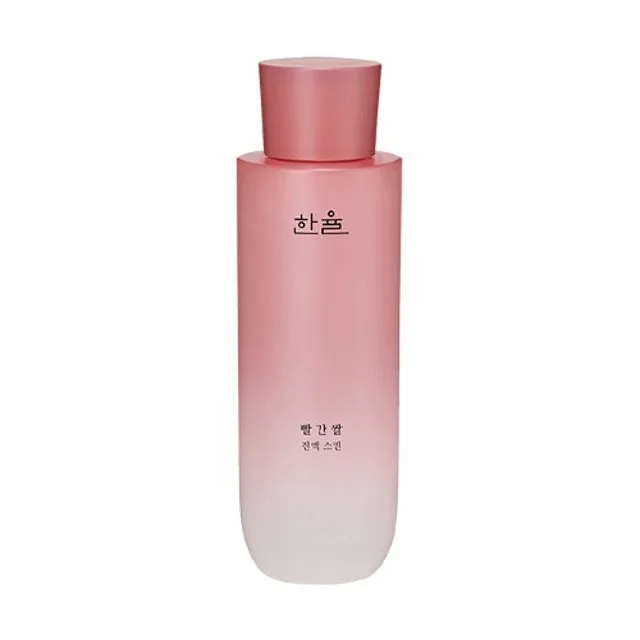
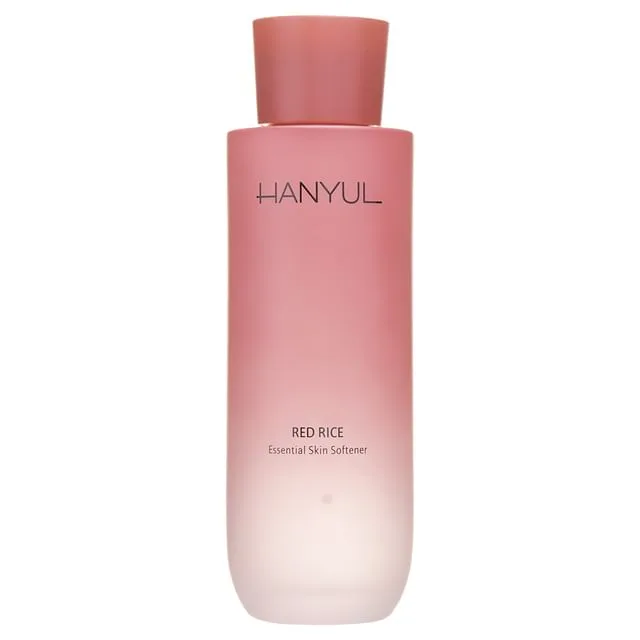
Red Rice Essential Skin Softener

The firming-focused evolution of Hanyul's rice toner: twice-fermented red rice for extra antioxidants, a slightly richer feel for drier skin, and effective levels of niacinamide and adenosine doing the real tone-and-smoothness work. It plumps and brightens nicely. The honest caveats are added fragrance, a moderate alcohol level, and an active base that closely echoes the cheaper original Rice version.

drynormal
4.5 (2.0k)
$28.00

More about Hanyul

Hanyul is a Korean skincare brand launched in 2003 and owned by Amorepacific Corporation, one of Korea's largest beauty conglomerates.

It is built around hanbang-inspired use of native Korean botanicals such as rice, artemisia, and yuja, combining traditional herbal heritage with modern formulation. Backed by Amorepacific's research infrastructure, it has a solid track record, though its positioning rests more on heritage ingredients and brand R&D than on a large body of independent clinical trials.