PFAS in Your Makeup Bag: The 'Forever Chemicals' Story, Minus the Panic
Forever chemicals in cosmetics became a 2026 regulatory flashpoint. The concern is legitimate — and, like every 'toxic ingredient' headline, easy to distort in both directions.
Read the preview
From the DermApproved blog, in Clean Beauty and Marketing: 'forever chemicals' in your makeup bag. PFAS became a 2026 flashpoint — state bans, an FDA report, alarming headlines. And the concern is legitimate: these compounds are built to never break down, and for years almost nobody disclosed them. But here's the twist the panic misses — the risk hides in one corner of your routine, not the whole thing, and 'PFAS-free' is already being slapped on products that never contained them. We separate the real regulatory story from the fear badge, and hand you a quick way to check the labels that actually matter. What to know, at dermapproved.com/blog.
Why fluorine ended up in your foundation
Per- and polyfluoroalkyl substances — PFAS, the 'forever chemicals' — earned their nickname honestly: the carbon-fluorine bond is one of the most durable in chemistry, which is exactly why they resist water, oil, heat, and time. Those same properties are useful in cosmetics, where they deliver the waterproof mascara that survives a cry, the foundation that doesn't budge through a workday, and the slip that makes a product glide. PFAS aren't in cosmetics by accident; they're there because they work.
Crucially, they cluster in specific categories. A widely-cited 2021 screening of 231 North American cosmetics found the highest fluorine levels concentrated in foundations, mascaras, and lip products — the long-wear, water-resistant end of the makeup bag. The finding that actually moved regulators, though, wasn't the presence of PFAS but the secrecy: only about 3% of the products where fluorinated compounds were detected disclosed any on the ingredient list. The problem was never just the chemical — it was that you had no way to know it was there.
Why 2026 is the tipping point
For years, US cosmetics operated under famously light federal oversight, but two forces converged. First, the Modernization of Cosmetics Regulation Act of 2022 (MoCRA) gave the FDA new authority and mandated a report on PFAS in cosmetics, which the agency delivered at the end of 2025. Second — and moving faster — states stopped waiting. Bans on intentionally added PFAS in cosmetics took effect on January 1, 2025 in California (under its PFAS-Free Cosmetics Act), Minnesota (under the sweeping 'Amara's Law'), Colorado, Maryland, and Washington, with more states phasing in restrictions through the end of the decade.
The scale, per the FDA's own listings, is worth holding in mind for perspective: a few dozen distinct PFAS are intentionally used across roughly 1,744 formulations — under half a percent of registered cosmetic products. That's a real, addressable problem driving genuine reformulation, not evidence that every jar on the shelf is a hazard. The regulatory wave is a response to a specific, concentrated use, and the industry is already reformulating ahead of the deadlines.
Real concern, meet fear marketing
The legitimate worry is straightforward: PFAS are environmentally persistent and bioaccumulative, and several are linked to health harms from long-term exposure through water and diet. How much you absorb through skin from a cosmetic is far less established than that big-picture concern — but combine persistence with a labeling gap and you have a fair case for caution and disclosure. That's the defensible core of the story.
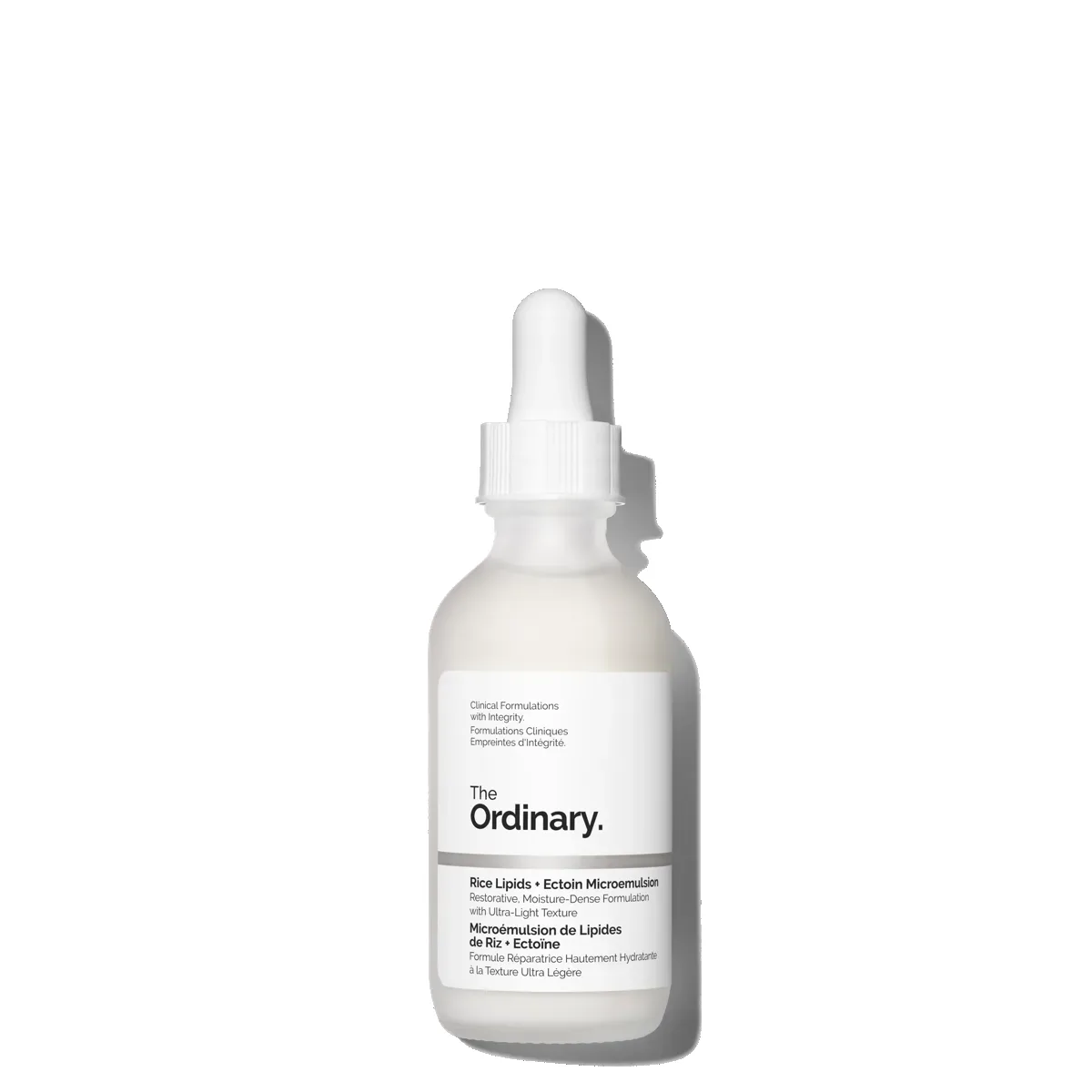
Then there's the opportunistic layer. 'Clean beauty' marketing has a long habit of turning any scary-sounding chemical into a fear badge, and 'PFAS-free' is the newest sticker — increasingly slapped on skincare that never contained PFAS to begin with. Most moisturizers, serums, and cleansers simply don't use fluorinated compounds; a straightforward barrier cream like CeraVe Moisturizing Cream, a lipid-replenishing formula like The Ordinary Rice-Lipids + Ectoin Microemulsion, or a ceramide-and-niacinamide cream like Versed Daily Recovery Rich Barrier Cream was never a PFAS risk, so paying a premium for a 'PFAS-free' version of that category is buying reassurance, not safety. Save the scrutiny for where the chemicals actually are.
How to check a label without spiraling
You don't need to fear your whole routine — you need to know where to look and what to look for. The categories worth checking are the long-wear and waterproof ones: liquid foundation, mascara, waterproof eyeliner, long-wear and 'transfer-proof' lip products. Scan those ingredient lists for tells — anything with 'fluoro' or 'perfluoro' in the name, PTFE (polytetrafluoroethylene), perfluorodecalin, and C-number perfluoro compounds. If you live in a state with a ban, the newest stock is likely already reformulated.
Our take: this is a case where the regulators and the fear-marketers are, unusually, pulling in the same direction, and it's worth keeping them separate. The disclosure gap was a genuine failure and the bans are a reasonable fix; the persistence of these chemicals justifies removing them from products where they were never essential. But a 'PFAS-free' label on a plain moisturizer is marketing theater. Check your long-wear makeup, favor brands that disclose fully, run anything ambiguous through our ingredient decoder — and don't let a real environmental story get laundered into blanket panic about skincare that was never the problem.
Products mentioned
Independently reviewed and scored — the real products behind this piece.


References
- Fluorinated Compounds in North American Cosmetics — Environmental Science & Technology Letters, 2021
Every cited link is verified to resolve to the paper named. Where a source could not be independently confirmed, it is listed without a link rather than pointing you somewhere wrong.
Frequently asked
What are PFAS and why are they in cosmetics?
PFAS are a large family of fluorinated 'forever chemicals' valued for resisting water, oil, and wear. In cosmetics they deliver waterproofing, long wear, and smooth application, which is why they show up most in foundations, mascaras, and long-wear lip products rather than in typical skincare.
Is skincare a big source of PFAS exposure?
Generally no. Screening found the highest levels in long-wear and waterproof makeup, not moisturizers or cleansers. Most basic skincare doesn't use fluorinated compounds at all, which is why a 'PFAS-free' label on an ordinary cream is more marketing than meaningful protection.
Are PFAS in cosmetics actually banned now?
In some states, yes. Bans on intentionally added PFAS in cosmetics took effect January 2025 in California, Minnesota, Colorado, Maryland, and Washington, with more states phasing in through 2032. There's no blanket federal ban yet, so state laws are driving most reformulation.
How do I check if a product contains PFAS?
Scan the ingredient list of long-wear and waterproof makeup for names containing 'fluoro' or 'perfluoro,' plus PTFE (polytetrafluoroethylene) and perfluorodecalin. A major caveat: historically most products didn't disclose PFAS, so buying newer stock from states with bans and brands that disclose fully is the safer bet.