

Peptides: Signal, Carrier, Copper — Which Ones Actually Do Anything?
'Peptides' is one word standing in for a dozen unrelated molecules with wildly different evidence — most serums are hope in a bottle, but a few classes earn their place.
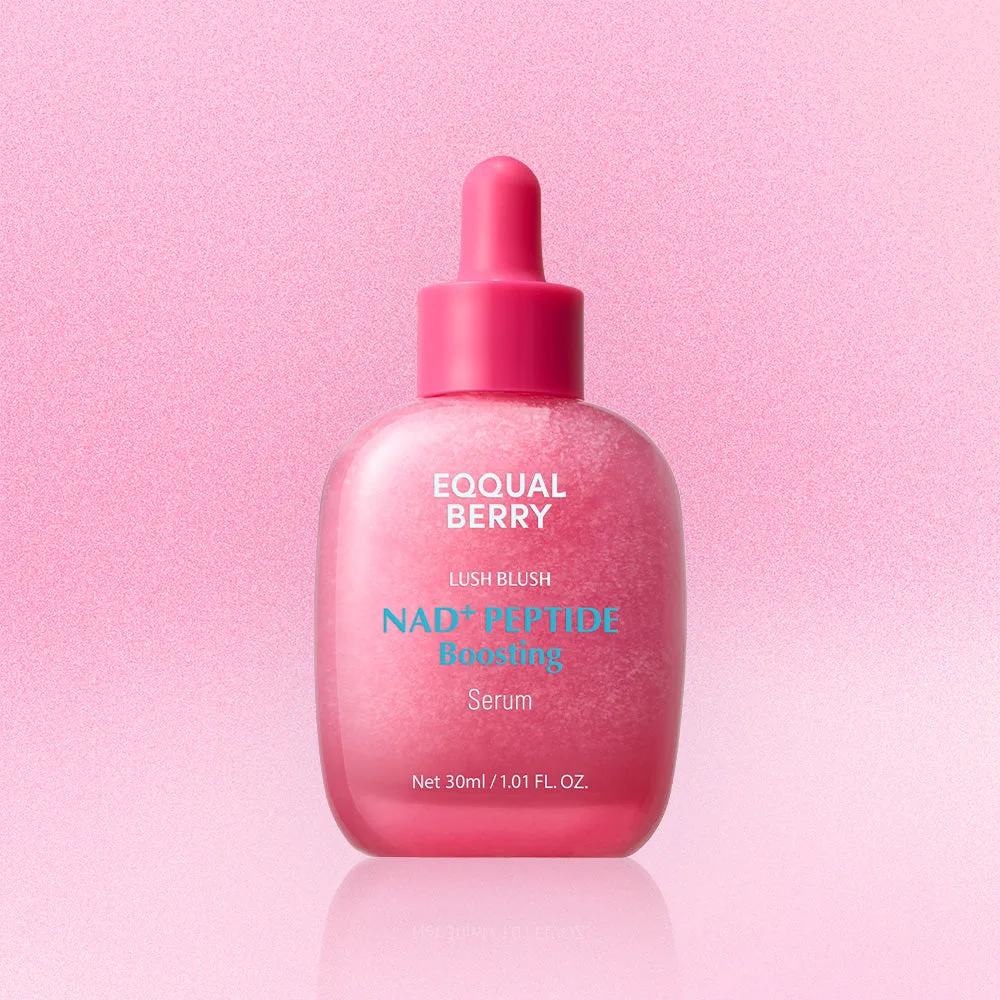
It bottles the NAD+ longevity trend topically and stacks it with a 14-peptide complex, copper peptides, niacinamide, soluble collagen, five ceramides and astaxanthin — an aging-skin kitchen sink that would cost three to five times as much under a buzzier label.
An ambitious, kitchen-sink anti-aging serum that bottles the NAD+ longevity trend and stacks it with a 14-peptide complex, copper peptides, niacinamide and ceramides — all for under $25. The NAD+ hook is more marketing than proven topical science, but the peptide-and-niacinamide backbone is real, and the value is hard to argue with.
Given Eqqualberry's youth and the novelty of topical NAD+, the independent evidence for this serum is limited and largely retailer-based, so the score leans on a transparent ingredient list and the established science of its peptides, niacinamide and ceramides rather than demonstrated anti-aging outcomes. Expect the assessment to firm up as more verified, long-term reviews appear.
The case for it
What would change this: A declared concentration would move this to a firmer reading of the dose.
Same rule for everyone. “Promising” is the verdict on 7,858 of 45,024 concern verdicts across the catalog; rule R9p decided 7,858 of them. Unchanged since September 5, 2026, engine 5.1.1.
Brand or formulator? Disclose a concentration or correct a fact →
The studies behind the evidence row
The case for it
Same rule for everyone. “Good choice” is the verdict on 9,564 of 45,024 concern verdicts across the catalog; rule R5 decided 9,072 of them. Unchanged since September 5, 2026, engine 5.1.1.
Brand or formulator? Disclose a concentration or correct a fact →
The studies behind the evidence row
The case for it
What would change this: A researched evidence row for the lead active would replace this with a verdict.
Same rule for everyone. “Supporting role” is the verdict on 8,197 of 45,024 concern verdicts across the catalog; rule R8 decided 4,250 of them. Unchanged since September 5, 2026, engine 5.1.1.
Brand or formulator? Disclose a concentration or correct a fact →
Also listed for Dullness — the actives here (Niacinamide, Copper Peptides, Ceramides, NAD+) are in our research queue for that concern; there is no verdict until their evidence rows are written. That is a gap in our table, not a mark against the product.
Where our review and the verdict differ. The review below was written on the formulation and the published trials; the verdicts above apply the stricter standing test in our methodology — an active earns a recommendation only with guideline or regulatory standing for the concern. Where the two disagree, the verdict is DermApproved’s position.
A verdict is DermApproved’s assessment of how well a product’s ingredients fit a concern — never a claim about what the product treats. Evidence dots and collected reviews sit beside it and are never blended in. Rules 0.5.1 · evidence table ev-2026.09-r228 · how we decide
NAD+ has had a remarkable few years. The coenzyme became the darling of longevity science, fueling a booming market in oral NMN supplements and breathless talk of 'recharging' aging cells. So of course it was only a matter of time before it migrated onto a skincare label, and here it is, headlining a serum from a Korean indie brand that prices the whole longevity fantasy at $24.99. The marketing writes itself: tired skin, cellular energy, vitality restored. The science requires a more skeptical read — and the good news is that, buzzword aside, there's a genuinely decent serum underneath.
Start with the headline honestly. NAD+ (nicotinamide adenine dinucleotide) and its precursor NMN are real, important molecules in cellular metabolism. The catch is that NAD+ is large and electrically charged, which makes it a poor candidate for crossing the skin barrier intact, and the human evidence for topical NAD+ doing anything meaningful at the surface is thin to nonexistent. Most of the excitement comes from oral and injectable research that simply doesn't transfer to a leave-on serum. So when you see NAD+ and NMN sitting eleventh and twelfth on this list, the fair interpretation is that they're the trend that got you to click, not the engine of any results you'll see. That's not a scandal — it's how a lot of skincare marketing works — but you deserve to know where the substance actually is.
Where it actually is, is the peptides and the niacinamide. The serum stacks fourteen peptides, and while a number that high is partly a flex, the lineup includes some of the better-regarded ones: copper tripeptide-1, the wound-healing-derived signal peptide with the strongest research behind it, sits high among the actives; Matrixyl-type penta- and tripeptides aim at collagen support; and Argireline-style and SNAP-8 peptides target the muscle signaling behind expression lines. Individually, peptides offer modest, gradual benefits, and stacking many at necessarily low concentrations doesn't multiply the effect the way the label implies — but copper tripeptide in particular earns its place, and the overall direction is sound. Just above all of it sits niacinamide, the quiet MVP: well-evidenced for barrier support, tone, and the look of fine lines, and the most dependable performer in the entire bottle.
The base is the same thoughtful construction Eqqualberry uses across its line. A full five-ceramide complex with cholesterol reinforces the barrier, a spread of hyaluronic acid weights handles hydration, soluble collagen and adenosine add to the firming story, and a tail-end touch of astaxanthin brings a potent antioxidant note. Panthenol, allantoin and squalane keep everything soothing and soft. It's fragrance-free, absorbs into a light satin finish, and comes in an opaque pump bottle that sensibly shields the peptides and antioxidants from light and air. As an everyday anti-aging serum to wear under moisturizer, it's pleasant and easy.
The trade-offs stack up the way they do for the rest of this brand's catalog. There's the inevitable fairy-dusted tail — blackberry, cranberry, blueberry, raspberry, elderberry and pomegranate extracts sitting after the preservatives, present in amounts too small to matter. There's the brand-maturity question: Eqqualberry is young, the independent review base is thin, and there's no long record of proven outcomes to lean on, so the score reflects a strong ingredient list more than demonstrated results. And there's a practical layering note — copper peptides and pure vitamin C can chemically blunt each other, so this is best kept at the opposite end of the day from any L-ascorbic serum.
The right way to judge it is to mentally delete the NAD+ from the name and ask whether a fragrance-free peptide-niacinamide-ceramide serum with copper peptides and astaxanthin is worth $24.99. The answer is an easy yes — that combination routinely costs three to five times as much under a buzzier label. You're getting a competent, gentle, well-constructed early-anti-aging serum at a budget price, with a trendy coenzyme tacked on top as a conversation piece rather than a load-bearing active.
It's worth being clear-eyed, too, about how peptide serums tend to perform in the real world. Their effects are cumulative, subtle, and easy to miss day to day — you don't get the dramatic 'retinoid uglies' or the sudden glow of an acid, just a gradual, low-key improvement in firmness and smoothness that you mostly notice in its absence when you stop. That makes them a poor fit for anyone chasing fast, visible change, and a good fit for the patient maintainer who wants to support their skin gently over months. Frame your expectations that way and this serum won't disappoint.
Set expectations accordingly. This won't replace a retinoid or deliver dramatic lift, and the NAD+ won't 'recharge' anything you can see. But for someone easing into anti-aging who wants peptides and barrier support without irritation, who likes the idea of the longevity trend but is clear-eyed about its limits, it's a likable, generous, sensibly built option. Pair it with diligent sunscreen, give the peptides their eight-to-twelve weeks, and enjoy the fact that the most reliable ingredient in the bottle was never the one on the label.
The hero actives that drive this product's performance.
| Ingredient | Function | Evidence |
|---|---|---|
| NAD+ and NMN (Nicotinamide Adenine Dinucleotide / Mononucleotide) | The serum's marquee, longevity-science duo — coenzymes tied to cellular energy that the brand pairs to suggest a 'recharge' for tired skin; their topical role here is more headline than proven mechanism, so they ride alongside the niacinamide above them rather than carrying the formula. | Not yet assessed |
| 14-Peptide Complex | A dense stack of signal and carrier peptides — Matrixyl-type penta- and tripeptides, Argireline-style acetyl hexapeptide, SNAP-8 and more — meant to nudge collagen support and soften expression lines; together with the soluble collagen below them they're the formula's real firming bet, though each sits at a modest concentration. | Limited for Aging |
| Copper Tripeptide-1 | The best-evidenced peptide in the lineup, placed high among the actives — a wound-healing-derived signal peptide associated with skin remodeling and firmness, anchoring the otherwise sprawling peptide list with one ingredient that has genuine research behind it. | Not yet assessed |
| Niacinamide | Sitting sixth on the list, well above the trendier actives, it's quietly the most reliable performer here — supporting barrier lipids, improving the look of fine lines and tone, and giving the serum a proven backbone beneath the NAD+ and peptide marketing. | Established mechanism for Compromised Skin Barrier · established mechanism |
| Five-Ceramide Complex & Astaxanthin | Ceramides NP, NS, AS, AP and EOP with cholesterol shore up the barrier so the actives land on resilient skin, while a tail-end touch of astaxanthin adds a potent antioxidant note to round out the aging-skin brief. | Established mechanism for Compromised Skin Barrier · established mechanism |
Ingredient standings describe the active at treatment-level doses and vehicles; this product's own condition grades weigh its actual formula.
Aqua/Water/Eau, Butylene Glycol, Glycerin, Cetyl Ethylhexanoate, 1,2-Hexanediol, Niacinamide, Hydrogenated Lecithin, Pentaerythrityl Tetrabehenate, Betaine, Diethoxyethyl Succinate, Nicotinamide Adenine Dinucleotide, Nicotinamide Mononucleotide, Copper Tripeptide-1, Acetyl Hexapeptide-8, Palmitoyl Pentapeptide-4, Palmitoyl Tripeptide-1, Tripeptide-1, Hexapeptide-9, Nonapeptide-1, Oligopeptide-32, Oligopeptide-29, Acetyl Tetrapeptide-2, Acetyl Tetrapeptide-3, Acetyl Octapeptide-3, Palmitoyl Tetrapeptide-7, Oligopeptide-6, Soluble Collagen, Ceramide NP, Ceramide NS, Ceramide AS, Ceramide AP, Ceramide EOP, Sodium Hyaluronate, Hydrolyzed Hyaluronic Acid, Hydrolyzed Sodium Hyaluronate, Hyaluronic Acid, Hydroxypropyltrimonium Hyaluronate, Potassium Hyaluronate, Sodium Hyaluronate Crosspolymer, Sodium Acetylated Hyaluronate, Hydroxyethyl Urea, Panthenol, Cetearyl Alcohol, Squalane, Carbomer, Butyrospermum Parkii (Shea) Butter, Tromethamine, Xanthan Gum, Allantoin, Ethylhexylglycerin, Adenosine, Disodium EDTA, Cyanocobalamin, 2,3-Butanediol, Dipropylene Glycol, Caprylyl Glycol, Rubus Fruticosus (Blackberry) Fruit Extract, Vaccinium Macrocarpon (Cranberry) Fruit Extract, Vaccinium Angustifolium (Blueberry) Fruit Extract, Rubus Idaeus (Raspberry) Fruit Extract, Sambucus Nigra Fruit Extract, Punica Granatum Fruit Extract, Polyglyceryl-10 Laurate, Octyldodecanol, Polyglyceryl-4 Caprate, Glyceryl Stearate, Methylpropanediol, Cholesterol, Pentylene Glycol, Astaxanthin
serum
AM & PM
Apply to clean skin before moisturizer; keep it away from a same-time vitamin C application, since copper peptides and pure vitamin C can blunt each other — use them at opposite ends of the day.
Immediate softness and hydration; smoother, more supple-looking skin over 4-6 weeks; any firming or fine-line softening from the peptides is gradual and subtle, realistically taking 8-12 weeks of consistent use.
This serum is a useful case study in separating evidence levels. NAD+ and NMN, the headline actives, have a strong basic-science story in cellular metabolism but little credible human data for topical use; NAD+ is a large, charged molecule with poor skin penetration, and the longevity research driving its popularity comes overwhelmingly from oral and injectable models that don't extrapolate to a leave-on product. The peptides are on firmer, if still modest, ground. Copper tripeptide-1 (GHK-Cu) has the deepest literature, with studies linking it to collagen and elastin support and improved skin firmness, derived from its role in wound healing. Matrixyl-type peptides (palmitoyl pentapeptide-4, palmitoyl tripeptide-1) have small controlled studies suggesting they can improve the appearance of fine lines, while neuropeptides like acetyl hexapeptide-8 (Argireline) and acetyl octapeptide-3 (SNAP-8) are proposed to soften expression lines by modulating muscle-signaling pathways, with limited but real supporting data. Stacking fourteen peptides, however, dilutes each below the concentrations used in those studies, so the realistic effect is gentle and cumulative. The most dependable evidence belongs to niacinamide, which is high on the list and well-supported for barrier function, tone, and fine-line appearance, and to the ceramide-and-cholesterol blend for barrier repair. The berry and pomegranate extracts at the tail are present at non-functional levels.
Peptide serums are generally positioned in clinical guidance as gentle, low-irritation options for early anti-aging or for people who can't tolerate retinoids, with the candid acknowledgment that their effects are subtle and gradual compared with prescription actives. Copper peptides have the most clinical interest of the group for skin remodeling. Topical NAD+ is viewed with caution in dermatology, since the molecule's size and charge make meaningful penetration unlikely and human data are scarce — it's regarded more as a marketing-forward ingredient than an established active. The fragrance-free, ceramide-supported base is the kind of formulation considered appropriate for sensitive and barrier-compromised skin. A practical point clinicians raise is ingredient compatibility: copper peptides are typically recommended to be used apart from pure vitamin C and strong acids to avoid blunting either, which is sensible guidance for anyone layering this serum into an existing routine.
Apply a few drops to clean skin, morning or night, before moisturizer. If you use a pure vitamin C serum, keep it at the opposite end of the day from this one, since copper peptides and vitamin C can interfere with each other. In the morning, always finish with sunscreen — peptides support collagen, but UV undoes it. There are no acids or retinoids here, so it can be used daily from the start, and it layers comfortably under richer creams. Give the peptides a full eight to twelve weeks before assessing any firming or fine-line change.
At $24.99 for 30ml, the value is clear once you set the NAD+ marketing aside. A serum combining copper peptides, a broad peptide complex, niacinamide, a complete five-ceramide blend, soluble collagen and astaxanthin would commonly run $70-150 under a more established or buzzier brand, so getting that spread for under $25 is the product's strongest argument. The bottle lasts roughly two to three months with daily use. The honest counterweight is maturity and proof rather than price — you're paying a budget figure for an ambitious formula from a young label, and the headline ingredient is more trend than proven active — but judged on its peptide-and-niacinamide substance, it's genuinely good value.
Reach for this if you're easing into anti-aging and want a gentle, fragrance-free peptide serum with real barrier support, at a price that won't sting. It suits people who like the idea of trend-forward longevity skincare but want clear eyes about where the actual benefits come from.
Skip it if you're specifically chasing topical NAD+ results — the evidence isn't there — or if you want dramatic anti-aging, in which case a retinoid will do more. Those needing fungal-acne-safe products should also pass, and anyone wanting a long, proven track record may prefer a more established brand.
Ready to try Eqqualberry NAD+ Peptide Boosting Serum?
Buy at Amazon ♥A light, milky-clear fluid that absorbs quickly into a smooth, slightly cushioned finish without grease or tack.
No added fragrance; clean and essentially neutral.
An opaque pump bottle that protects the peptides and antioxidants from light and limits air exposure.
Sinks in fast and leaves skin feeling soft and plumped from day one, with no sting expected. The firming brief is a slow build, so early use is about comfort and smoothness rather than visible lift.
Roughly 2-3 months with daily once- or twice a day from the 30ml bottle.
All Year
Eqqualberry built this serum around NAD+ and NMN as skincare adopted the longevity-science vocabulary popularized by oral supplement trends, pairing the buzzy coenzymes with a conventional peptide-and-ceramide anti-aging base.
Eqqualberry is an emerging Korean indie brand whose 'smoothie' serums each target one goal; this is its anti-aging entry, riding the NAD+ longevity trend. Its formulas use recognized actives, but the brand is young and its specific products lack independent clinical validation.
Topical NAD+ recharges skin cells the way NAD+ supplements are claimed to.
NAD+ is a large, charged molecule with questionable skin penetration, and topical human evidence is thin; the firming and smoothing this serum can offer comes mainly from its peptides, niacinamide and ceramides, not from NAD+ 'energizing' your cells.
The honest answer is that topical NAD+ is an emerging idea with limited human evidence — it's a large, charged molecule that doesn't penetrate skin easily. Treat it as the trend-driven headline; the serum's real anti-aging work comes from its peptides, niacinamide and ceramides.
They're a mix of signal and carrier peptides — Matrixyl-type, copper tripeptide, Argireline-style and others — aimed at supporting collagen and softening expression lines. Copper tripeptide is the best-evidenced; the rest add modest, gradual support at the concentrations used.
Use them at different times of day. Copper peptides and pure vitamin C can chemically interfere with each other, so apply this serum at night and your vitamin C in the morning, or vice versa, rather than layering them together.
Generally yes — it's fragrance-free, the actives are non-irritating, and a five-ceramide base supports the barrier. There are no retinoids or acids here, so it's a low-irritation way to approach early anti-aging.
Its core actives — peptides, niacinamide, ceramides and hyaluronic acid — are generally considered pregnancy-friendly, with no retinoids. As always, clear any new product with your doctor, especially given the long, novel ingredient list.
Recurring themes our editors read across retailer reviews of this product — summaries in our words, not quotations, and not a substitute for your own patch test.
Skin feels firmer and more hydrated
Impressive ingredient list for the price
Gentle, fragrance-free
Anti-aging effects are subtle
Lots of buzzwords to wade through
Too new to judge long-term