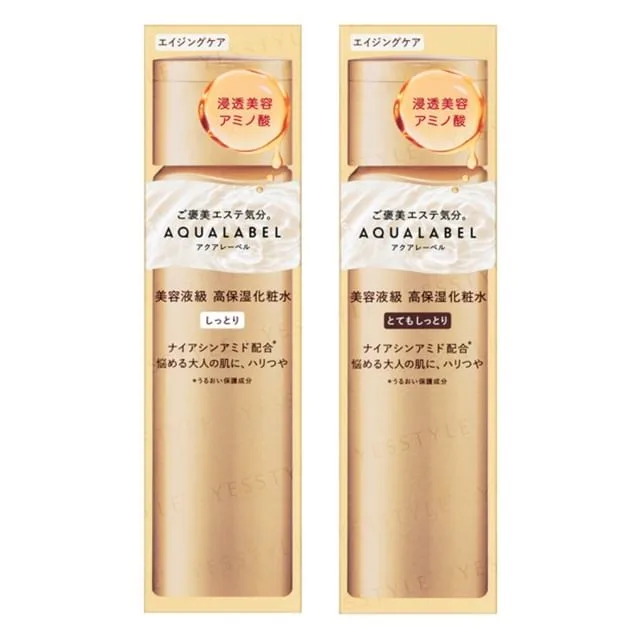
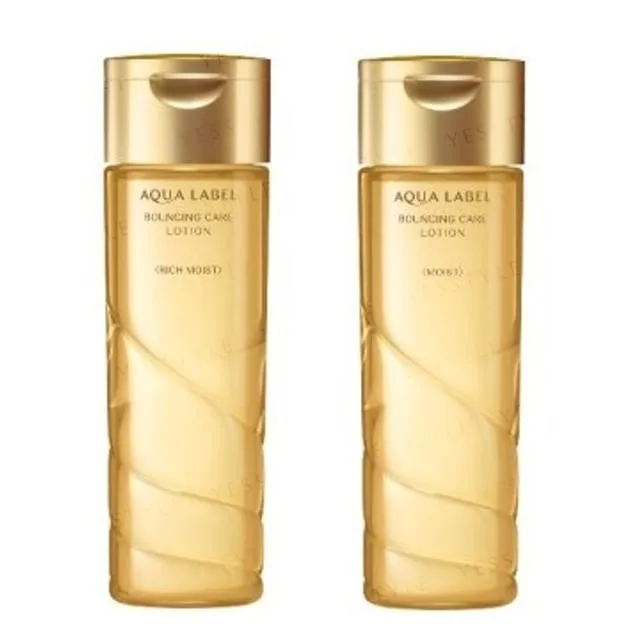
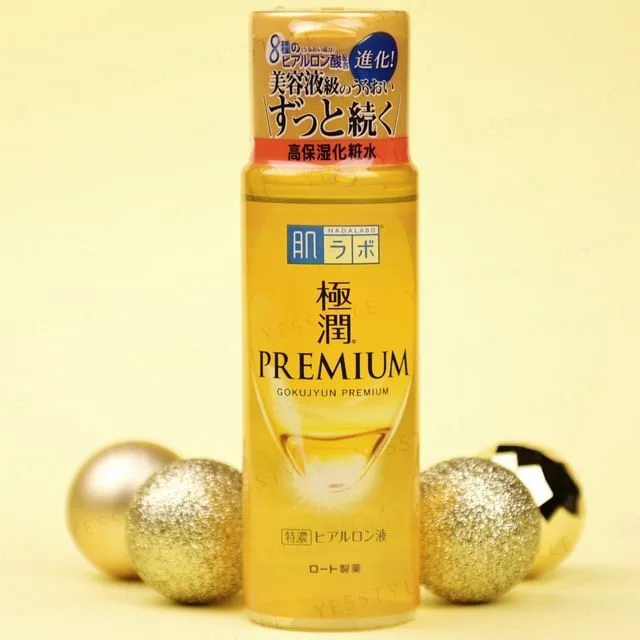
Combines Shiseido's patented 4MSK brightening molecule with stable vitamin C, two molecular weights of hyaluronic acid (including the acetylated 'super HA' form), peptides, and an oil-in-water emulsion delivering macadamia phytosterols — all in a single drugstore-tier lotion. Most Western toners are pure humectants or astringents; this delivers six different mechanisms in one bottle at the J-beauty drugstore price point.
An unusually well-formulated J-beauty drugstore lotion that earns its position as one of Shiseido's strongest non-prestige sellers — six mechanisms in one bottle, including the brand's patented 4MSK brightening molecule, stable vitamin C, and an emulsion-oil hybrid that delivers skin-mimetic lipids without the slick. The petrolatum and isostearic acid limit oily-skin and fungal-acne-prone suitability, and US buyers face import friction, but for dry-to-normal skin chasing the J-beauty hydration experience this is among the most thoughtful drugstore-tier options available.
Good choicefor DehydrationIn your profileYou chose · Hyaluronic Acid is a reference standard by mechanism for dehydration; this liquid carries it.Moderate evidenceGentleNo reviews collected yet
The case for it
Sodium Acetylated Hyaluronate has trial-supported standing for this concern.
It is plausibly present at a working level, though the concentration is not declared.
The formula carries none of the triggers this concern is sensitive to.
What would change this: A declared concentration would move this to a firmer reading of the dose.
Same rule for everyone. “Good choice” is the verdict on 9,564 of 45,024 concern verdicts across the catalog; rule R5 decided 9,072 of them.
Unchanged since September 5, 2026, engine 5.1.1.
R5 — Trial-supported or guideline-supported active, adequately or plausibly dosed. · the full register
Carrying active
Sodium Acetylated Hyaluronate
Standing
supported — its mechanism is established
Form
plausible — studied range 0.1%, from the trials on the row; needs leave-on contact; judge it after ~1 weeks
Tolerability
gentle
Row checked
against its sources on July 17, 2026 (evidence table ev-2026.09-r228)
The studies behind the evidence row
Draelos ZD, Cosmetic Dermatology: Products and Procedures — hyaluronic acid classified as a humectant water-binding agent holding many times its weight in water — reference work
Promisingfor AgingIn your profileYou chose · Peptides has trial-level evidence for aging but no guideline or regulatory standing yet — promising, short of a recommendation; the other actives here are not yet assessed for it.Moderate evidenceGentleNo reviews collected yet
The case for it
Dipeptide-15 has trial-level evidence for this concern but no guideline or regulatory standing yet.
It is plausibly present at a working level, though the concentration is not declared.
The formula carries none of the triggers this concern is sensitive to.
What would change this: A declared concentration would move this to a firmer reading of the dose.
Same rule for everyone. “Promising” is the verdict on 7,858 of 45,024 concern verdicts across the catalog; rule R9p decided 7,858 of them.
Unchanged since September 5, 2026, engine 5.1.1.
R9p — 0.5.0: 'Unproven' beside three filled dots read as one question answered twice with opposite words (7,018 rows). The chip measures standing, the dots measure trial volume; where the row carries at least one RCT or a tier-2 source (moderate dots) and the active is present at a working level, the honest word is Promising. Unproven is reserved for plausible-standing rows with limited or weak evidence, or an under-dosed form. Same rank as Unproven — a bet either way; the dots order them. · the full register
Carrying active
Dipeptide-15
Standing
plausible — trials support it
Form
plausible — studied range 0.0003%, from the trials on the row; needs leave-on contact
Tolerability
gentle
Row checked
against its sources on July 17, 2026 (evidence table ev-2026.09-r228)
Promisingfor DullnessIn your profileYou chose · Hyaluronic Acid has trial-level evidence for dullness but no guideline or regulatory standing yet — promising, short of a recommendation; the other actives here are not yet assessed for it.Moderate evidenceGentleNo reviews collected yet
The case for it
Sodium Acetylated Hyaluronate has trial-level evidence for this concern but no guideline or regulatory standing yet.
It is plausibly present at a working level, though the concentration is not declared.
The formula carries none of the triggers this concern is sensitive to.
What would change this: A declared concentration would move this to a firmer reading of the dose.
Same rule for everyone. “Promising” is the verdict on 7,858 of 45,024 concern verdicts across the catalog; rule R9p decided 7,858 of them.
Unchanged since September 5, 2026, engine 5.1.1.
R9p — 0.5.0: 'Unproven' beside three filled dots read as one question answered twice with opposite words (7,018 rows). The chip measures standing, the dots measure trial volume; where the row carries at least one RCT or a tier-2 source (moderate dots) and the active is present at a working level, the honest word is Promising. Unproven is reserved for plausible-standing rows with limited or weak evidence, or an under-dosed form. Same rank as Unproven — a bet either way; the dots order them. · the full register
Carrying active
Sodium Acetylated Hyaluronate
Standing
plausible — trials support it
Form
plausible
Tolerability
gentle
Row checked
against its sources on July 17, 2026 (evidence table ev-2026.09-r228)
Also listed for Dryness, Winter Skin and Compromised Skin Barrier — the actives here (4MSK (Potassium Methoxysalicylate) are in our research queue for those concerns; there is no verdict until their evidence rows are written. That is a gap in our table, not a mark against the product.
Does the jobDoes what a toner is for: not alcohol-driven, adds something real. Not measured from the label: restores skin pH, plays well with what follows.
Where our review and the verdict differ. The review below was written on the formulation and the published trials; the verdicts above apply the stricter standing test in our methodology — an active earns a recommendation only with guideline or regulatory standing for the concern. Where the two disagree, the verdict is DermApproved’s position.
A verdict is DermApproved’s assessment of how well a product’s ingredients fit a concern — never a claim about what the product treats. Evidence dots and collected reviews sit beside it and are never blended in.
Rules 0.5.1 · evidence table ev-2026.09-r228 · how we decide
Assessment
Pros & Cons
Pros
✓ Six active mechanisms in one drugstore-tier lotion — unusual at any price
✓ Shiseido's patented 4MSK brightening molecule with established Japanese clinical support
✓ Two molecular weights of HA including the acetylated 'Super HA' form for sustained hydration
✓ Stable 2-O-ethyl ascorbic acid adds antioxidant and brightening capacity
✓ Fragrance-free composition extends reach across sensitive-skin users
✓ Refill cartridge availability brings per-mL cost down 30% for committed users
Cons
✗ Petrolatum and microcrystalline wax disqualify it for fungal-acne-prone routines
✗ Texture too rich for genuinely oily skin types
✗ US availability restricted to J-beauty retailers with 30-50% import markup
✗ Conchiolin protein common-allergen flag for shellfish-protein-sensitive users
✗ J-beauty application technique learning curve for Western users new to the category
Review
Full Review
The first thing to clear up about Aqualabel Treatment Lotion Oil-In is the category confusion that costs the product attention. In Western skincare, a 'lotion' is either a lightweight moisturizer or, in toner contexts, a low-active astringent. The Japanese 'lotion' (in Japanese: 化粧水, keshōsui) is something different — closer to an essence in viscosity, active load, and ritual role within a routine. It's the workhorse step between cleansing and serum, where most of the hydration and supporting active work happens. Mistranslating that category as 'toner' has historically led Western buyers to underestimate what these products do, and to pass over formulations that deserve attention on their merits.
This product earns the attention. The formula combines six different active mechanisms in a single drugstore-tier bottle, which is unusual at any price point and structurally unfamiliar to anyone whose mental model of toners is a $15 alcohol-based astringent. The hero ingredients break down across moisturization, brightening, antioxidant, peptide signaling, and barrier replenishment. Each does meaningful work, and the formulation balance suggests Shiseido's chemistry team took the assignment seriously rather than packaging a humectant base with marketing claims.
The brightening component is led by potassium methoxysalicylate — known in the Shiseido system as 4MSK, the brand's patented salicylic acid derivative that addresses pigmentation through melanocyte quieting rather than tyrosinase blockade. The molecule has accumulated substantial Japanese clinical research support since its introduction and is one of the few ingredients in the brightening category with genuine pedigree distinct from the hydroquinone-kojic-arbutin family. Paired with stable 2-O-ethyl ascorbic acid, the lotion delivers a two-mechanism approach to tone-evening that competing drugstore products rarely match.
The hydration architecture is the next layer. Two molecular weights of hyaluronic acid, including Shiseido's signature acetylated form (sometimes branded as 'Super Hyaluronic Acid'), which binds more tightly to skin and resists wash-off better than standard HA. The acetylated HA is what gives J-beauty its characteristic mochi-mochi plumping sensation that Western reviewers find difficult to describe but immediately recognize on first application. Glycerin, butylene glycol, and dipropylene glycol round out the humectant base. Soluble collagen and hydrolyzed conchiolin protein (a pearl-shell-derived J-beauty signature ingredient) add surface humectant work without claiming dermal penetration.
The 'Oil-In' element is the most distinctive aspect of this variant. The formula incorporates a stabilized oil-in-water emulsion delivering macadamia phytosterols and triethylhexanoin lipids alongside the watery active load. The macadamia phytosterols are particularly close to skin's native sebum lipids in composition, which is why the lotion absorbs without the slick of a face oil while delivering the barrier-replenishing effect. The petrolatum and microcrystalline wax in the formula add occlusive support — a meaningful design choice for the variable humidity of Japanese climate, where pure water-based products dry down too fast in winter and feel heavy in summer.
Dipeptide-15 contributes peptide signaling work, contributing to fine-line smoothing over weeks of consistent use. Methionine and glutamic acid add amino acid support for the skin's NMF (natural moisturizing factor) pool. The supporting cast extends to silica for soft-focus texture, behenyl alcohol as a fatty alcohol skin softener, and the standard preservation and texturizing system that any commercial lotion requires.
The sensory experience matches the formulation ambition. The lotion is slightly more viscous than Western toners, breaks into water on contact when warmed in the palms (the recommended J-beauty application technique), and absorbs in about a minute through pressing rather than rubbing. The recommended three-layer technique — pat in one light layer, wait for absorption, repeat — produces a visible plumping effect that single-layer application doesn't deliver. This is the application ritual that the formulation is designed for, and using the lotion in a Western splash-and-go fashion misses what makes it work.
Its caveats fall along three axes. The petrolatum and isostearic acid content make this not fungal-acne-safe and questionable for genuinely oily skin types. For oily skin interested in the Aqualabel platform, the standard Treatment Lotion (without the Oil-In addition) or the Brightening variant is the better fit. The conchiolin protein is a less-common allergen but worth flagging for users with shellfish-protein sensitivities. And the US availability is restricted to J-beauty-focused retailers — YesStyle, Stylevana, specialty Amazon sellers — with the typical 30-50% markup over Japanese drugstore pricing. At roughly $28 in the US versus around $18 in Japan, the value math is still reasonable, but the friction is real.
The Japanese review picture is consistent and overwhelmingly positive. Cosme.net rankings — the most-trusted Japanese consumer review platform — place this lotion in the upper tier of moisturizing-lotion rankings, with users consistently flagging the mochi-mochi plumping, the variable-climate performance, and the brightening effect over weeks of use. The reformulation in 2018 to add the Oil-In variant was specifically a response to consumer demand for richer hydration than the original Treatment Lotion delivered, and the data suggests Shiseido executed that brief well.
For a J-beauty drugstore lotion, this is among the smartest options currently in production. The multi-mechanism formulation, the established 4MSK brightening platform, the deliberately tuned emulsion-oil hybrid, and the J-beauty application ritual all point to a product that delivers meaningfully beyond its category-name expectations. The structural barriers — US availability, the petrolatum-fungal-acne issue, the routine technique learning curve — are real but bounded. For dry-to-normal skin chasing the Japanese skincare experience, this earns its place in the routine and its price.
Formula
Key Ingredients
The hero actives that drive this product's performance.
Pairs Shiseido's signature acetylated HA — modified to bind more tightly to skin and resist wash-off — with standard sodium hyaluronate for layered humectant work. The acetylated form is what gives the J-beauty 'mochi-mochi' bounce sensation users report, with longer retention than standard HA can deliver in an emulsion-oil hybrid.
Established mechanismfor Dehydration · established mechanism
Shiseido's patented brightening molecule — a salicylic acid derivative that inhibits melanin synthesis through a melanocyte-quieting mechanism distinct from tyrosinase blockade. In this lotion it's the active doing the formula's tone-evening work, supported by the ethyl ascorbic acid antioxidant alongside it.
Stable vitamin C derivative that converts to L-ascorbic acid in skin without the pH and oxidation challenges of pure ascorbic acid. Pairs with the methoxysalicylate on the brightening front and contributes antioxidant capacity to the oil-rich phase of this hybrid formula.
The 'Oil-In' part of the name — a stabilized oil emulsion delivered within a watery lotion vehicle. Macadamia phytosterols are particularly close in composition to skin's natural sebum lipids, which is why this lotion absorbs without the slick of a typical face oil while delivering the barrier-replenishing effect.
Skin-signaling peptide that contributes to the formula's anti-aging side alongside the structural moisturizers. Dipeptide-15 is one of Shiseido's recurring ingredient picks across J-beauty franchises with documented effects on fine line smoothing and skin elasticity over weeks of use.
Two protein humectants — collagen for surface plumping and conchiolin (a pearl-shell protein, characteristic of J-beauty formulation) for structural moisture binding. Neither delivers collagen into the dermis, but both contribute to the immediate plumping sensation users associate with the Aqualabel line.
No qualifying studyfor Aging
Ingredient standings describe the active at treatment-level doses and
vehicles; this product's own condition grades weigh its actual formula.
After cleansing, pat 2-3 pumps into the palms, warm slightly, and press into face in the J-beauty layering technique — three light layers typically work better than one heavy application. Follow with serum and cream. The oil content means this can substitute for both toner and a light essence step in minimalist routines.
Results Timeline
Immediate hydration and the characteristic J-beauty plumping is visible within minutes. Brightening effect from the 4MSK and ethyl ascorbic acid develops over 4-8 weeks of consistent twice-daily use. The smoothing and fine-line claims tied to the peptide-collagen system register over 8-12 weeks.
The formulation case for this lotion combines several well-validated mechanisms. Hyaluronic acid's role in topical hydration has been characterized across multiple molecular weight ranges, with research published in dermatology journals including the International Journal of Cosmetic Science showing that combining high-weight and low-weight HA delivers both immediate surface plumping and sustained upper-epidermal hydration. The acetylated sodium hyaluronate form specifically has been shown in Shiseido's published research to have improved keratin binding and substantivity versus standard sodium hyaluronate, supporting longer-lasting hydration delivery.
Potassium methoxysalicylate (4MSK) is the most distinctive active here. Shiseido's research program around 4MSK has produced peer-reviewed publications including work in the Journal of Dermatological Science demonstrating its mechanism on melanin synthesis through pathways distinct from tyrosinase blockade. The molecule was approved as a quasi-drug brightening active in Japan and has accumulated substantial real-world use over the past two decades.
2-O-ethyl ascorbic acid occupies a useful niche in the vitamin C derivative family. Studies have shown it converts efficiently to L-ascorbic acid in skin while offering substantially better pH stability and oxidation resistance than pure ascorbic acid, making it formulation-compatible with a wider range of products including this oil-in-water lotion.
Dipeptide-15 has documented effects on skin signaling pathways relevant to fine-line smoothing, though its evidence base is younger than the standard signal peptides like Matrixyl. Its inclusion alongside the 4MSK and vitamin C creates a multi-axis approach to visible skin quality that single-active products cannot match.
The macadamia phytosterol lipid blend leverages the chemical similarity between macadamia seed lipids and human skin sebum — a similarity that has been characterized in skin science literature and is the reason macadamia derivatives appear frequently in barrier-replenishing skincare. The phytosterol component specifically has documented effects on barrier function and inflammation reduction.
The overall formulation design — combining established hydration architecture with the brand's patented brightening platform, supporting actives, and a skin-mimetic lipid delivery — represents a thoughtful J-beauty drugstore formulation that delivers meaningful work across multiple mechanisms in a single application.
Within Japanese dermatological practice, the Aqualabel franchise has occupied the recommended J-beauty drugstore tier for patients wanting Shiseido formulation quality without the prestige-tier price. The Treatment Lotion Oil-In variant is generally suggested for patients with dry-to-normal skin, those managing mild hyperpigmentation, and routines where a single lotion replaces both a toner and a light essence step. The 4MSK brightening mechanism is widely cited by Japanese dermatologists as one of the few topical brightening platforms with genuine independent clinical support beyond hydroquinone and tyrosinase-blocker alternatives. Outside Japan, the product is most commonly recommended through J-beauty-focused dermatologists and aestheticians familiar with the Shiseido ingredient library — Western dermatology coverage is sparser, reflecting the import-only distribution rather than the formulation's merit.
Guidance
Usage & Recommendations
How to Use
Dispense 2-3 pumps into the palms after cleansing. Warm slightly by pressing palms together. Press the lotion gently into face in a light layer, focusing on areas of dehydration or dullness. Allow about thirty seconds for absorption, then apply a second light layer. Repeat for a third layer if skin runs particularly dry. Follow with serum and moisturizer in the standard order. Use morning and night — the brightening actives benefit from twice-daily exposure. The pressing technique matters more than the product; using this lotion in a typical Western splash-and-go fashion misses what makes the formulation work.
Value Assessment
$28 USD via J-beauty retailers is reasonable for what amounts to a multi-mechanism essence-tier product. Comparison against the broader market: Western drugstore lotions in the $10-20 range typically deliver pure humectant work; prestige toners and essences in the $40-80 range deliver active loading comparable to this Aqualabel formula. The drugstore Japanese pricing translates favorably for users willing to navigate the import friction. The 200 mL size lasts approximately three months at the recommended J-beauty layering technique, putting the per-day cost around $0.30 — excellent value for the active load. The refill cartridge version, available after the first bottle, drops the per-mL cost by roughly 30% and is the right choice for committed users. For users not committed to a J-beauty routine or unable to absorb import friction, Western alternatives like CeraVe Hydrating Toner or Avène Hydrance Essence cover the entry-level hydration case at lower price and easier availability.
Who Should Buy
Dry-to-normal skin focused on hydration depth, mild hyperpigmentation, and the J-beauty plumping sensation. Particularly strong for users who can navigate import friction and want Shiseido formulation chemistry at drugstore pricing. Existing J-beauty enthusiasts should consider this an obvious addition; new J-beauty entries will find this a thoughtful introduction to the category. Useful for users in variable-climate environments where hydration needs shift seasonally.
Who Should Skip
Oily skin and fungal-acne-prone routines should pass — the petrolatum and isostearic acid content rule both out. Users wanting easy US drugstore availability without import friction should look at Western alternatives. Anyone with shellfish protein allergies should avoid due to the conchiolin content. Users wanting a single-active focused product (pure HA, pure vitamin C, etc.) will find the multi-mechanism approach unnecessary.
Slightly viscous emulsion-lotion that breaks into water on contact and absorbs in about a minute. The oil phase delivers without the slick of a face oil, leaving a satin finish that primes skin for serum.
Scent
Truly fragrance-free per Aqualabel's positioning — a clean, neutral profile.
Packaging
200 mL clear plastic bottle with a pink cap reflecting the Aqualabel brand identity. A refill cartridge version is available at approximately 30% lower cost per mL, which most regular users transition to after the first bottle.
Finish
satinnon-greasyvelvety
What to Expect on First Use
First application feels noticeably more substantial than typical Western toners — the J-beauty 'lotion' category is closer to an essence in viscosity and active load. The recommended technique of pressing three light layers into skin produces the characteristic plumping that defines premium Japanese skincare experience.
How Long It Lasts
Approximately three months with twice-a-day use face use at the recommended 2-3 layer J-beauty technique.
Aqualabel launched in 2006 as Shiseido's positioning play for the Japanese premium-drugstore segment — pharmacy pricing with prestige-tier formulation chemistry. The Oil-In variant joined the Treatment Lotion line in 2018, reflecting the J-beauty market trend toward emulsion-oil hybrid lotions that deliver both water-phase actives and skin-replenishing lipids in a single application step.
About Aqualabel Established Brand (5–20 years)
Aqualabel is Shiseido's premium-drugstore J-beauty franchise launched in 2006, leaning on Shiseido's 150-year cosmetic-chemistry library and the brand's deep penetration of the Japanese pharmacy market; the line accounts for one of Shiseido's strongest non-prestige sellers in Asia.
Brand founded: 2006 · Product launched: 2018
Myth vs. Reality
Common Myths
Myth
Japanese lotions are basically just toners with marketing.
Reality
The Japanese 'lotion' category occupies a different position than Western toners — closer to a watery essence with substantial active loading. This Aqualabel lotion contains six classes of actives that would typically require separate serums in a Western routine. The category name overlap creates confusion; the products are not equivalent.
Myth
Conchiolin and collagen in skincare can't penetrate skin to do anything useful.
Reality
True that neither penetrates as intact protein — but both function effectively as surface humectants and water-binding agents, contributing to the immediate plumping users notice. The marketing language sometimes implies deeper effects than the chemistry supports, but the surface humectant function is real and useful.
FAQ
Frequently Asked Questions
What is the difference between Aqualabel Treatment Lotion Oil-In and Brightening versions?
Same Aqualabel platform with different positioning. Oil-In adds a macadamia oil blend for richer hydration suited to normal-to-dry skin; Brightening focuses on the 4MSK and stable vitamin C combination for hyperpigmentation work without the additional oil load. For dry mature skin focused on hydration, Oil-In is the pick; for normal-to-combination skin focused on tone-evening, Brightening is the better choice.
How is Aqualabel different from Hada Labo Premium Hyaluronic Acid Lotion?
Both J-beauty drugstore lotions but different formulation philosophies. Hada Labo is a focused multi-weight HA delivery vehicle with minimal supporting actives. Aqualabel is a multi-mechanism formula with brightening, peptide, and oil components added on. For pure HA hydration at lowest cost, Hada Labo wins; for broader multi-active work at slightly higher price, Aqualabel delivers more.
Is Aqualabel Treatment Lotion Oil-In suitable for oily skin?
It can work on oily skin but the oil blend may feel too rich for genuinely oily types. For oily skin interested in the Aqualabel platform, the standard Treatment Lotion (without the Oil-In addition) or the White-Up Lotion is a better fit. The Oil-In variant is specifically tuned for normal-to-dry skin where the additional lipid replacement is welcome.
How do you apply Japanese J-beauty lotions correctly?
The technique matters more than the product. Dispense 2-3 pumps into the palms, warm slightly by pressing palms together, then press the lotion gently into face in repeated light layers — three is typical. Each layer should absorb before the next. This delivers more product into skin without the runoff of a single heavy application and is meaningful for getting full value from the active load.
Is Aqualabel Treatment Lotion Oil-In pregnancy-safe?
Yes. The formula contains no retinoids (retinyl palmitate is at low cosmetic concentration), no salicylic acid above rinse-off levels, no hydroquinone. The 4MSK, hyaluronic acid, peptides, and vitamin C derivative are all considered acceptable during pregnancy and breastfeeding.
Where can you buy Aqualabel Treatment Lotion Oil-In in the US?
Through J-beauty-focused retailers like YesStyle, Stylevana, Tofu Cute, and select Amazon sellers. Aqualabel is not officially distributed through US pharmacy or department stores, so the buying experience requires importing or specialty retailers, typically at a 30-50% markup over Japanese drugstore pricing.
Reviews
What Reviewers Tend to Say
Recurring themes our editors read across retailer reviews of this product — summaries in our words, not quotations, and not a substitute for your own patch test.
Common Praise
Users consistently note the unusual mochi-mochi plumping sensation characteristic of premium J-beauty formulations
Effective hydration that holds through Japan's variable humidity
Brightening effect visible within weeks of regular use
Common Complaints
Texture too rich for some oily-skin users
Packaging requires the separate refill purchase for full value
The collagen in your 'collagen cream' is far too big to enter skin. But a short list of actives genuinely convinces your skin to build its own — and telling the two apart is the entire game.
The internet's favorite hydrator has a counterintuitive dark side — in dry air, a humectant with nothing to seal it can pull water out of your skin instead of into it.
Skin can shed nearly a third of its collagen in the first few years after menopause — one of the biggest, fastest, and least-discussed shifts your face will ever go through.
Products, answers, therapy guides, tools and articles in one search. Brand names,
slang and abbreviations all work — accutane finds isotretinoin, bacne finds truncal acne.