The Six-Serum Routine and Why Dermatologists Are Worried
TikTok made layering half a dozen serums a night look like devotion. In clinic, it looks like a wrecked barrier — and the science says less would do more.
Read the preview
From the DermApproved blog, in Viral and TikTok Trends: the six-serum nightly routine, and why dermatologists are quietly alarmed. It looks like devotion — toner, essence, three serums, an acid, a retinol, all layered on with real care. In clinic, it looks like a wrecked barrier wearing a glow filter. Here's the twist the trend never mentions: each gentle-seeming layer can prime your skin to react worse to the next, so more products quietly become more damage. And that famous fear about two ingredients canceling each other out? Mostly a myth — the real culprit is something else entirely. What derms recommend instead, and how to strip back without losing what works — at dermapproved.com/blog.
How six serums became a nightly ritual
Open TikTok on any given night and you can watch someone layer their way through a skincare routine with the solemnity of a tea ceremony: a hydrating toner, an essence, a hyaluronic serum, a niacinamide serum, a peptide serum, an exfoliating acid, a retinol, and a slugging balm to seal it all in. The aesthetic is abundance — the crowded shelfie, the glass bottles, the sense that more steps equal more care.
Some of it traces back to a misreading of the famous Korean multi-step routine, which was always more about gentle layering of hydration than about piling on active after active. Somewhere in the translation to Western maximalism, "lots of light hydrating layers" became "stack every potent serum you own," and the trend acquired a competitive edge.
Now the bill is coming due, and dermatologists are the ones seeing it. Clinics report a steady stream of patients with red, stinging, weirdly bumpy skin who are convinced they need to add another product to fix it — when the actual diagnosis is that they've been quietly dismantling their own skin barrier, one earnest layer at a time.
Why stacking backfires
The problem isn't that any single serum is bad; it's what happens when several actives hit compromised skin in sequence. A revealing study on barrier damage found that when skin was subclinically irritated first — a level of insult you can't even see — a subsequent irritant produced significantly more severe contact dermatitis, with slower recovery and higher water loss, than the same irritant on intact skin. In plain terms: each mild insult primes the skin so the next one lands harder. A six-serum routine is a daily assembly line of exactly that priming.
Retinoids sharpen the point. Research on the cumulative irritation potential of topical retinoids shows that tolerance depends heavily on concentration, formulation, and repeated exposure — and clinical guidance is to avoid piling AHAs, salicylic acid, and vitamin C on top during retinization precisely because the irritation compounds. Redness, flaking, stinging, and new breakouts from a loaded routine are usually a barrier crying for mercy, not evidence the actives are "working."
Worth debunking one myth in the other direction, though, because honesty cuts both ways: the old panic that niacinamide "cancels" vitamin C is largely bunk, a relic of 1960s experiments run at high heat that don't reflect modern formulas. The real enemy of the maximalist routine isn't molecular sabotage between ingredients — it's cumulative irritation and the sheer redundancy of doing the same job five times.
What dermatologists actually recommend
The clinical counter-message is almost boringly simple, which is part of why it struggles against a flashy trend: most people need a lean, consistent core, not a shelf. By day, that's a gentle cleanser, a moisturizer, and sunscreen — the only step with unambiguous anti-aging evidence. By night, it's a cleanser, a moisturizer, and at most one targeted active, used at a frequency your skin actually tolerates.
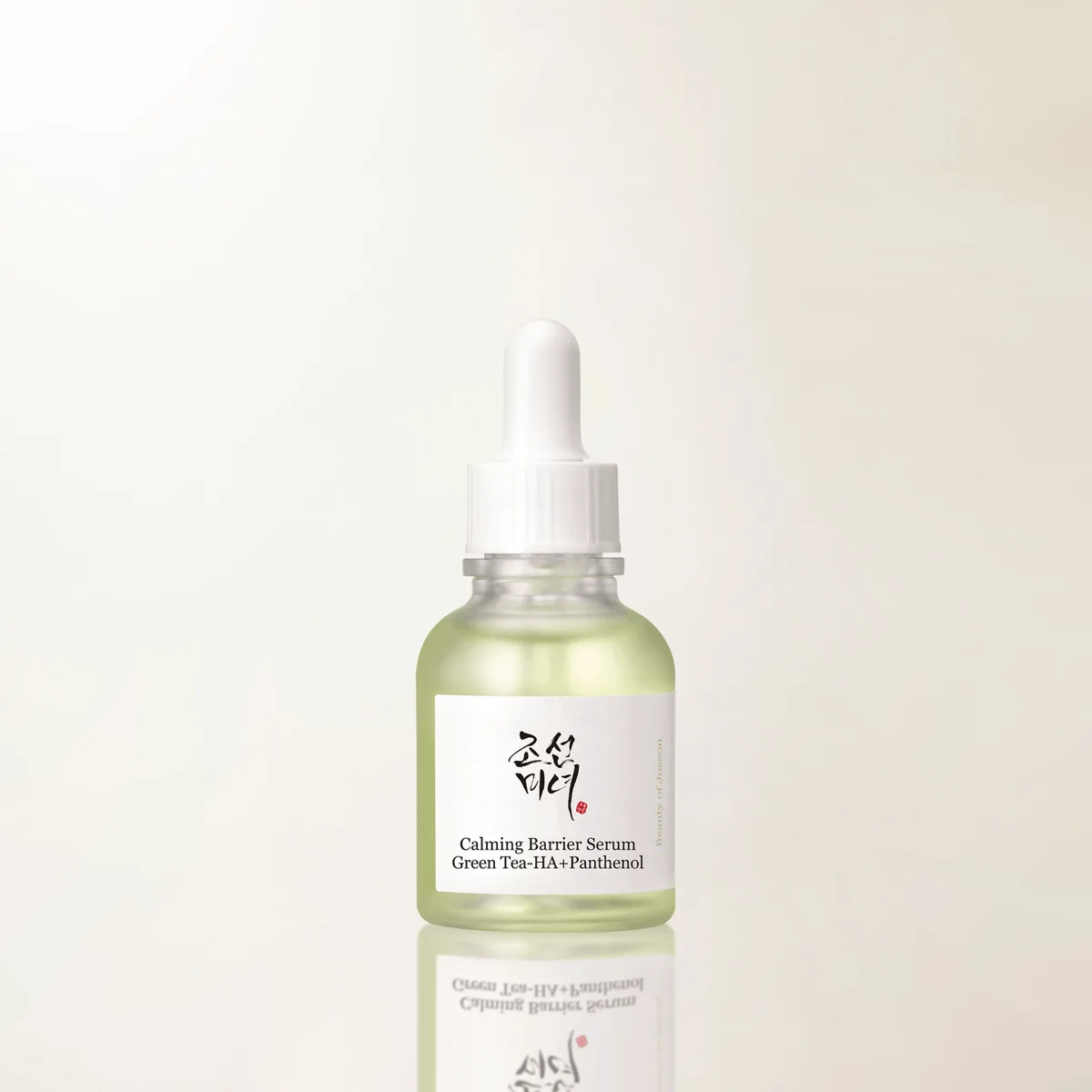
Within that frame, hydrating and barrier-supporting serums are the friendly workhorses, not the problem — a single one, chosen well, is plenty. A calming barrier serum like Beauty of Joseon Calming Barrier Serum or a soothing Torriden Balanceful Cica Serum does the hydration-and-comfort job that four stacked serums were fighting over, and a straightforward hydrator such as Geek & Gorgeous HA-5 covers the rest. The actives you keep should earn their place on evidence. Before you combine any two, run them through our [conflict-checker](/tools/conflict-checker/), and if you're unsure what goes on in what order, the [routine-order](/tools/routine-order/) tool sequences it for you — usually revealing that half the steps were redundant.
How to simplify without losing what works
Paring back doesn't mean abandoning results — it means keeping the steps that pull their weight and cutting the ones that only pull on your barrier. Start by auditing for redundancy: if you're using three products that all mainly hydrate, that's two you can drop without losing a thing. Keep the genuinely evidence-backed actives — a retinoid, a vitamin C, and sunscreen carry real data — and treat everything else as optional.
Then change how you deploy them. Instead of stacking actives on the same night, alternate: retinoid one evening, exfoliating acid another, with plain hydration and recovery nights in between. Introduce anything new one at a time, so that if your skin reacts you know the culprit. And when the barrier is already angry, the fix is subtraction, not addition — a gentle cleanser, a solid moisturizer, an antioxidant serum like Cetaphil PM Antioxidant Serum, and time.
The uncomfortable truth for a maximalist era is that skincare has strong diminishing returns. Past a small, well-chosen core, each additional serum adds more irritation risk than benefit. Dermatologists aren't worried because people care about their skin — they're worried because the trend has people caring it into inflammation. More products was never the metric. Consistency with the right few always was.
Products mentioned
Independently reviewed and scored — the real products behind this piece.


References
- The effect of damaged skin barrier induced by subclinical irritation on the sequential irritant contact dermatitis — Cutaneous & Ocular Toxicology, 2011
- Cumulative irritation potential of topical retinoid formulations — Journal of Drugs in Dermatology, 2008
Every cited link is verified to resolve to the paper named. Where a source could not be independently confirmed, it is listed without a link rather than pointing you somewhere wrong.
Frequently asked
Is layering six serums bad for your skin?
For most people, yes. Research shows that even subclinical barrier damage makes the skin react more severely to the next irritant, so stacking multiple actives sets off a compounding cycle of irritation. The result is often redness, stinging, peeling, and breakouts that get mistaken for the products 'working.' A smaller, well-chosen routine almost always outperforms a crowded one.
Does niacinamide cancel out vitamin C?
No — that's a largely debunked myth. It came from 1960s experiments run at high heat that produced an irritating byproduct, conditions that don't reflect modern, room-temperature formulas. Used together, niacinamide and vitamin C are stable and can improve tone and pigmentation. The real risk in over-layering isn't ingredients sabotaging each other; it's cumulative irritation from doing too much.
How many skincare products do I actually need?
Far fewer than the trend implies. A strong core is a gentle cleanser, a moisturizer, and daily sunscreen, plus at most one targeted active at night used as often as your skin tolerates. Hydrating and barrier serums are helpful, but one is plenty. Past a small, well-chosen routine, each extra serum tends to add more irritation risk than benefit.
How do I know if my skin barrier is damaged from too many products?
Common signs are persistent redness, stinging or burning when you apply products, tightness, rough or flaky texture, and unexpected breakouts — especially if they appeared after you added several actives. It's frequently misread as 'purging,' which prompts people to add more. The fix is subtraction: strip back to a gentle cleanser, moisturizer, and time, and reintroduce actives one at a time.