Microdermabrasion vs Dermaplaning vs Dermabrasion: The Physical-Exfoliation Procedures, Compared
Three treatments that rhyme, sit worlds apart in intensity — and one persistent myth about peach fuzz that refuses to die despite a century of evidence against it.
Read the preview
From the DermApproved blog, in Treatments and Procedures: microdermabrasion, dermaplaning, and dermabrasion — three treatments that rhyme and could not be more different. One is a gentle lunchtime buff. One shaves your face with a scalpel. And one is genuine surgery that sands into living skin under anesthesia. Book the wrong one for your goal and you'll either waste your money on a placebo or badly underestimate a real procedure. Then there's the myth — the one your mother warned you about, that shaving your peach fuzz makes it storm back thicker and darker. A century of evidence says something surprising, and we'll show you exactly why your own eyes keep lying to you. Which of the three actually earns its price — and which you can do yourself for pennies? Find out at dermapproved.com/blog.
One family name, three very different animals
The shared syllables do these procedures no favors. 'Dermabrasion' and 'microdermabrasion' differ by one prefix and by an entire order of magnitude of intensity, and dermaplaning gets lumped in because it also physically abrades the surface. Mixing them up is not a trivial vocabulary slip — it's how someone books a $150 lunchtime buff expecting to erase a scar, or, worse, underestimates a genuine surgical resurfacing.
Picture a gradient of depth. At the shallow end, microdermabrasion and dermaplaning work only on the stratum corneum, the layer of already-dead cells sitting on top of your skin. Removing dead cells is pleasant, brightening, and low-risk, but it is cosmetic housekeeping — the living skin underneath is untouched. At the deep end, dermabrasion is a controlled surgical wound: a rapidly rotating abrasive tool sands through the epidermis and into the upper dermis, the living, collagen-rich layer, to force a true remodeling response.
That difference in depth is the difference between a treatment you can have on your lunch break and one performed under local or general anesthesia with weeks of healing. Everything else — the price, the risk, the who-it's-for — flows from where on that gradient each procedure lands. So let's place them properly.
What each one actually removes
Microdermabrasion uses either a stream of fine crystals blasted at the skin and vacuumed away, or, more commonly now, a diamond-tipped wand that mechanically sands the surface while suction lifts off the debris. Either way it targets the stratum corneum and stops there. The clinical literature confirms how superficial this is: a 2016 study in the Journal of Cosmetic Dermatology using eight weekly sessions found statistically significant but 'mild to moderate' improvement in roughness, mottled pigmentation, and overall appearance — and notably no meaningful improvement in wrinkles. Histology showed the stratum corneum thinned and, over a series, some increase in collagen density. Real, but modest, and only after repeated sessions.
Dermaplaning does something microdermabrasion doesn't: it uses a sterile surgical blade held at an angle to shave off both the dead surface layer and the fine vellus hair (the 'peach fuzz'). The appeal is instant — makeup sits flatter, skin looks smoother and brighter, and there's zero downtime. But like microdermabrasion, it's a surface act; it removes what's already dead plus some hair, and does nothing to the deeper structure.
Dermabrasion is the outlier and the reason confusion here is dangerous. It's a true surgical procedure that mechanically removes the epidermis and part of the dermis to treat deep acne scars, surgical scars, and severe photoaging. It hurts, it bleeds, it requires anesthesia and real aftercare, and it produces genuine remodeling because it wounds the living skin on purpose. Grouping it with a lunchtime buff is like grouping a filling with open-heart surgery because both involve a doctor.
The peach-fuzz myth that will not die
Every conversation about dermaplaning eventually hits the same anxious question: won't shaving my face make the fuzz grow back thicker and darker? It's the single most durable myth in personal grooming, and it has been wrong for a very long time.
The biology is unambiguous. The thickness, color, and growth rate of a hair are set below the skin, at the follicle, by genetics and hormones. A blade cuts the shaft at the surface — it has no contact with, and no influence on, the follicle that determines what the next hair looks like. A controlled 1970 study in the Journal of Investigative Dermatology had subjects shave for months and measured the results directly: no significant difference in hair width, growth rate, or coarseness could be attributed to shaving. Earlier work going back to 1928 reached the same conclusion.
So why does the illusion feel so convincing? Two reasons. A natural, uncut hair tapers to a fine, soft point at its tip; when you shave, you slice across the thickest part of the shaft, so the regrowing stubble emerges with a blunt end that feels coarser and looks darker simply because you're seeing its full diameter rather than a wispy tip. And new hair hasn't yet been lightened by sun exposure, so it can look darker against skin where older hairs had faded. Both are perceptual artifacts. Dermaplane your fuzz or don't — it makes no difference to what grows back.
Who benefits, and the risk gradient
Matching the procedure to the goal is the whole game, and the risk you accept should scale with the change you're actually after. Microdermabrasion suits someone with dull, rough, congested skin or mild uneven pigmentation who wants a gentle, no-downtime refresh and is willing to do a series. Its ceiling is low, but so is its risk — transient redness at most. It's maintenance, not transformation.
Dermaplaning fits people who want that same surface smoothness plus hair removal, especially before events or for flawless makeup application. The main risks are minor nicks and, if done on active inflammatory acne, aggravating breakouts — you don't want to drag a blade across a pustule. Skin prone to cystic acne is generally a poor candidate.
Dermabrasion is a different category of decision entirely. It's for significant concerns — deep acne scarring, surgical scar revision, severe rhytides — and it carries the risks of a real wound: prolonged redness, infection, and most importantly, post-inflammatory hyperpigmentation and scarring, which are more likely in deeper skin tones. It demands a trained surgical provider and honest candidate selection, and it is emphatically not something to attempt with any at-home gadget. The rule of thumb: the deeper the procedure promises to go, the more the outcome depends on the operator's skill and your individual skin. Whatever you're introducing to your routine before or after any of these, a [patch-test](/tools/patch-test/) on new actives prevents a bad reaction from compounding an already-sensitized surface.
Recreating the buff at home — safely
Here's the pragmatic reality: the two gentle procedures deliver benefits you can largely reproduce yourself, while the serious one is off-limits to DIY entirely. At-home dermaplaning tools exist and can be used safely if you go slowly, use a fresh sterile blade each time, keep the skin taut, work in short downward strokes, and — crucially — skip it entirely over active breakouts. Follow with hydration and diligent sunscreen, since freshly de-fuzzed, exfoliated skin is more exposed.
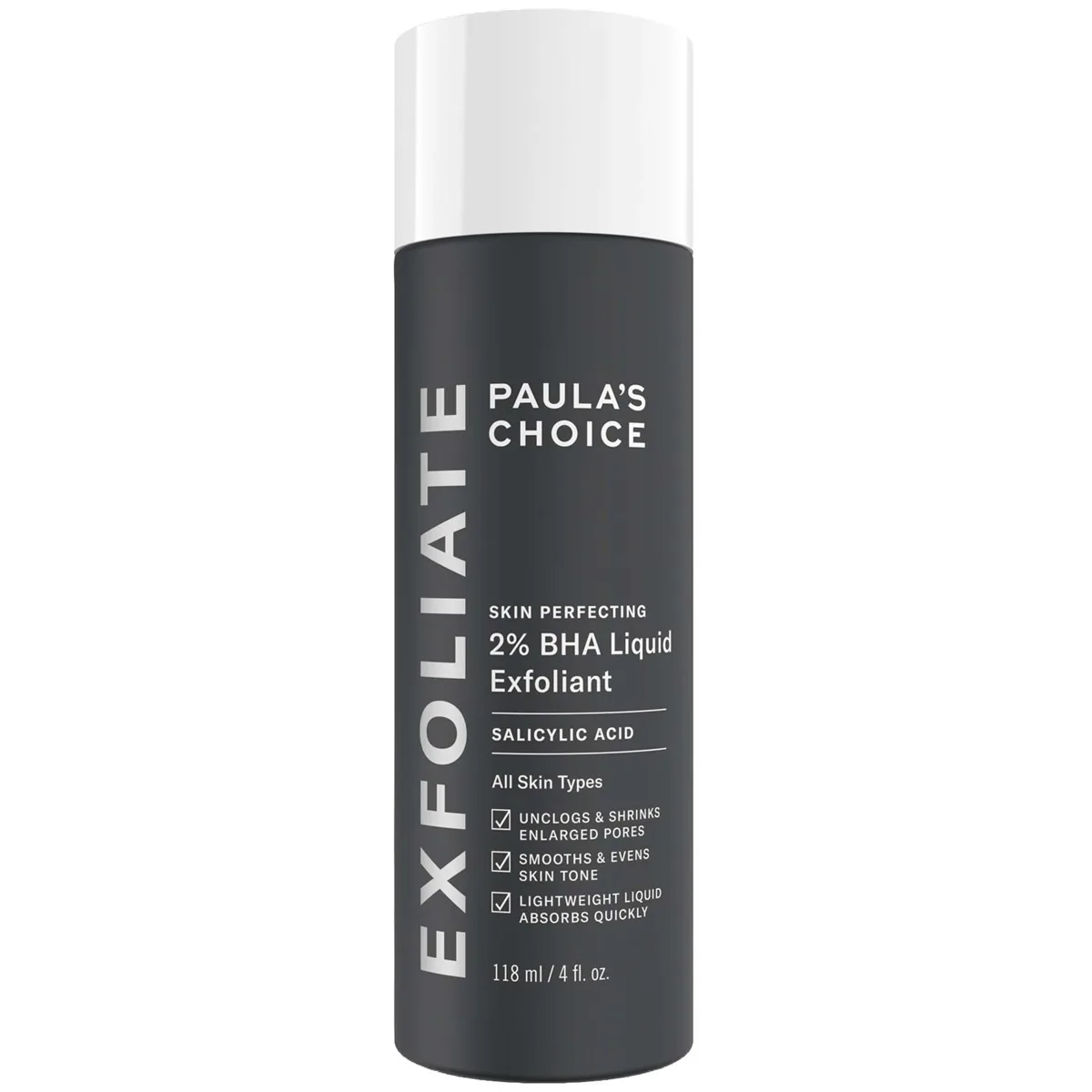
But for the exfoliation half of the equation, a well-formulated chemical exfoliant is often the smarter, more even option than any mechanical buffing. Acids dissolve the bonds between dead cells rather than scraping them off, which is gentler and reaches into pores. A low-strength, well-tolerated option like The Ordinary Mandelic Acid 10% + HA delivers gradual surface renewal with less irritation risk than grittier physical methods, while a BHA staple such as Paula's Choice 2% BHA Liquid Exfoliant clears the congestion microdermabrasion targets by getting inside oily pores. For an occasional, more facial-like polish, an enzyme treatment like Alpha-H Illuminating Enzyme Polish loosens dead cells without abrasive particles.
Two housekeeping notes. Don't stack aggressive exfoliation on top of dermaplaning or microdermabrasion — you've already removed the surface layer, and piling on acids the same day invites irritation. And keep an eye on how old your actives are; potency fades, and our [shelf-life](/tools/shelf-life/) tool flags when an opened exfoliant has passed its useful window. If you want to understand exactly what any of these formulas are doing before you layer them, run the label through our [ingredient-decoder](/tools/ingredient-decoder/). The honest bottom line: microdermabrasion and dermaplaning are nice-to-haves you can mostly self-provide, dermabrasion is a real medical procedure for real structural problems, and the peach fuzz was never the thing to worry about.
Products mentioned
Independently reviewed and scored — the real products behind this piece.


References
- Microdermabrasion: a clinical, histometric, and histopathologic study — Journal of Cosmetic Dermatology, 2016
- Shaving and hair growth — Journal of Investigative Dermatology, 1970
Every cited link is verified to resolve to the paper named. Where a source could not be independently confirmed, it is listed without a link rather than pointing you somewhere wrong.
Frequently asked
What's the real difference between microdermabrasion and dermabrasion?
Intensity and depth. Microdermabrasion buffs off only the dead stratum corneum with a crystal or diamond-tipped wand, no downtime, and mild results over a series. Dermabrasion is a surgical procedure that sands into the living dermis under anesthesia to treat deep scars, with real bleeding, downtime, and risk. The one prefix hides an enormous gap.
Does dermaplaning make facial hair grow back thicker or darker?
No. A blade only cuts the hair shaft at the surface and has no effect on the follicle, which determines thickness and color. A controlled 1970 study found no change in hair width, growth rate, or coarseness from shaving. Regrowth just feels blunter and can look darker before sun exposure lightens it — both are illusions.
Is microdermabrasion worth it for acne scars or wrinkles?
Only marginally. Because it removes just the surface layer, studies show mild-to-moderate improvement in roughness and pigmentation but essentially no wrinkle improvement, and it does little for true scars. Deep scarring needs a procedure that reaches the dermis, like dermabrasion, laser resurfacing, or microneedling.
Is at-home dermaplaning safe?
It can be, with care: use a fresh sterile blade each time, keep skin taut, use short gentle strokes, and never dermaplane over active breakouts. Follow with hydration and sunscreen. Anyone with cystic or inflammatory acne should skip it, as the blade can spread bacteria and aggravate lesions.
Can I combine exfoliating acids with microdermabrasion or dermaplaning?
Not on the same day. These procedures already strip the dead surface layer, so adding strong acids immediately after removes too much and invites irritation. Wait a few days, keep the skin hydrated and protected, then resume a gentle exfoliant on its normal schedule.