Tasmannia Lanceolata (Pepper Berry)
Products with Tasmannia Lanceolata (Pepper Berry)
 Psoriasis Management MVP
Psoriasis Moisturizing Cream
CeraVe's Psoriasis Moisturizing Cream brings clinical-grade descaling and barrier repair together in a formula that psoriasis patients will actually want to use every day — combining 2% salicylic acid with urea, niacinamide, and the full ceramide complex in a cream that feels more like a luxury moisturizer than a medicated treatment. For mild-to-moderate psoriasis management, it sets the standard for OTC care.
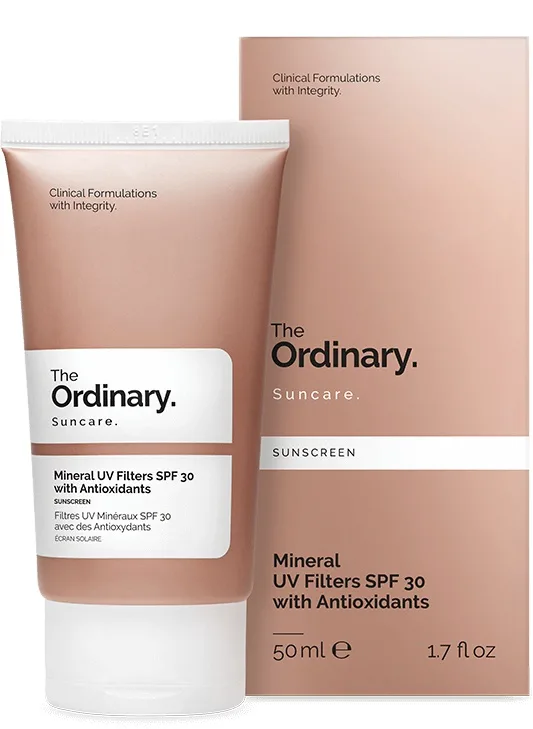 Budget Mineral Shield
Mineral UV Filters SPF 30 with Antioxidants
A discontinued mineral sunscreen that was, for its brief run, one of the best-value mineral SPFs ever made. The antioxidant blend was genuinely impressive, the mineral filters provided gentle broad-spectrum protection, and the under-0 price was unmatched. The white cast and thick texture were its undoing — cosmetic elegance matters, and this product lacked it.
 Itch-Scratch Cycle Breaker
Itch Relief Moisturizing Cream
The CeraVe Itch Relief Moisturizing Cream is the rare medicated product that is genuinely excellent at both of its jobs — delivering fast, steroid-free itch relief via pramoxine while providing ceramide-based barrier repair and rich moisturization that addresses the root cause of the itch. For anyone trapped in the dry-skin itch-scratch cycle, this cream breaks it at multiple points simultaneously.
 Beginner's Best AHA
Lactic Acid 5% + HA
The gateway AHA — a 5% lactic acid serum gentle enough for sensitive skin that still delivers real exfoliation results, backed by the same smart supporting ingredients as its 10% sibling. For first-time acid users and reactive skin types, this is where the journey begins.
 Skincare's Viral Disruptor
AHA 30% + BHA 2% Peeling Solution
The most democratizing product in modern skincare — a genuinely powerful 30% acid peel for under ten dollars that delivers visible results competitive with products costing four to ten times more. Not without risks for the uninitiated, but for experienced acid users, the value is nearly without equal.
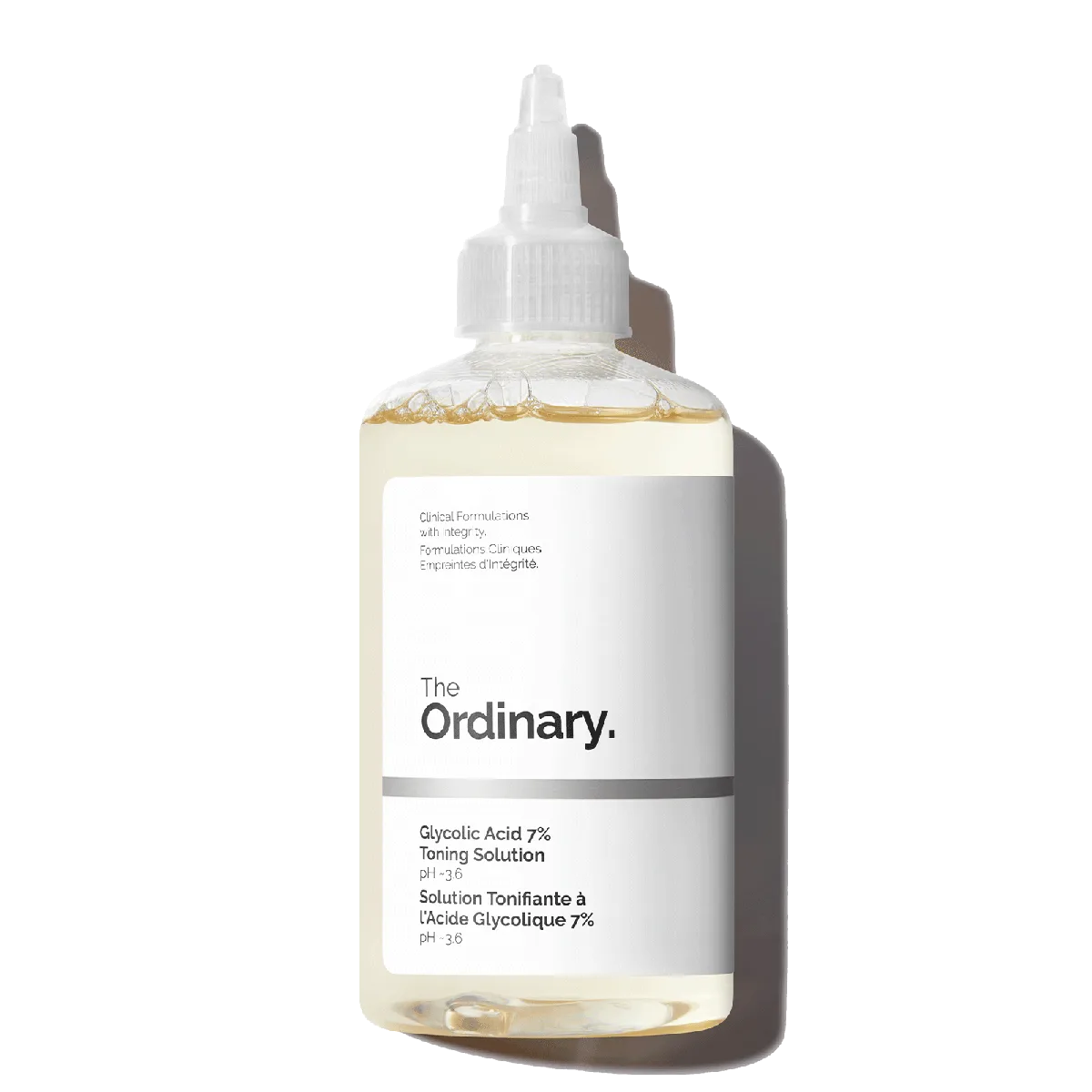 Budget Exfoliation Champion
Glycolic Acid 7% Toning Solution
The gold standard for budget AHA exfoliation — a properly formulated 7% glycolic acid toner at a pH that actually works, delivered in a generous bottle for the price of a fancy coffee. It won't win any packaging awards, but your skin won't care.
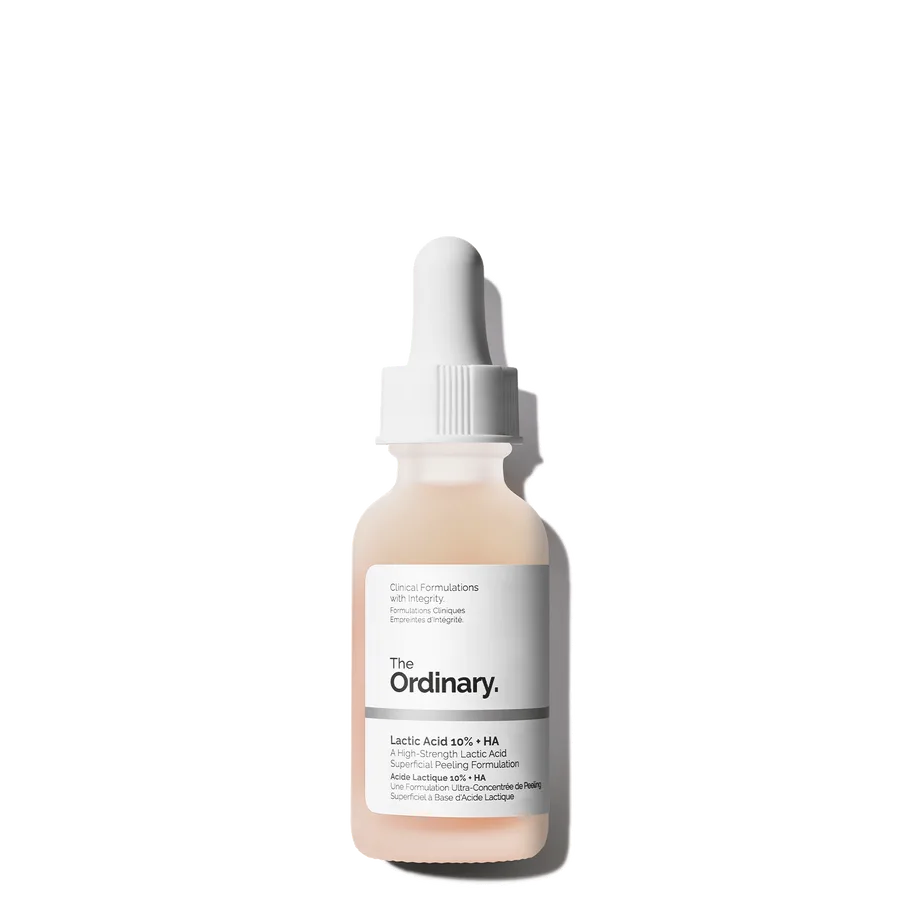 The Dry-Skin Exfoliator
Lactic Acid 10% + HA
The exfoliant that dry skin has been waiting for — a 10% lactic acid serum that genuinely hydrates while it exfoliates, wrapped in a minimalist formula with built-in irritation control. Proof that effective acid exfoliation doesn't have to leave your skin feeling stripped.
 Steroid-Free Itch Solution
Itch Relief Moisturizing Lotion
A smartly constructed dual-mechanism product that provides genuine fast-acting itch relief while simultaneously rebuilding the compromised barrier causing the itch. The pramoxine-ceramide combination addresses both symptom and cause — something most anti-itch products can't claim. The steroid-free formula with NEA Seal of Acceptance makes it a reliable choice for eczema-prone skin, though the premium over regular CeraVe moisturizers may frustrate users with only mild itch.
 Retinoid Training Wheels
Granactive Retinoid 2% Emulsion
A cleverly formulated dual-retinoid treatment that pairs next-generation HPR with traditional retinol in a lightweight emulsion — all for 2.10. It won't replace prescription tretinoin for serious anti-aging, but as a gentle on-ramp to retinoid therapy, it is one of the smartest buys in skincare.
 Gentlest AHA Entry Point
Mandelic Acid 10% + HA
The AHA for people who thought AHAs were not for them. Mandelic acid's larger molecular weight delivers real exfoliating results — smoother texture, faded dark spots, clearer skin — without the burning, peeling, and general hostility that glycolic acid can inflict on sensitive skin. At .80, it is practically free.
 Budget Peel Pick
Multi Acid AHA + BHA Peeling Solution
Revolution's Multi Acid Peeling Solution is a competent, near-identical clone of The Ordinary's AHA 30% + BHA 2% at a meaningfully lower price. For budget acid users who want a real at-home peel and can handle aggressive concentrations, this delivers exactly what it promises. The undisclosed pH and the citrus extracts are fair criticisms, but the value proposition is hard to argue with.
 Sensitive-Skin Comfort Cream
Superkind Calming Crème
The best-loved product in Tata Harper's sensitive-skin line, and deservedly: a thick, pillowy, genuinely unscented cream of plant sterols, olivate esters, squalane and bisabolol that stops the sting and the tightness within minutes and cocoons dry, flushed skin through a winter. It carries no ceramide, its pepperberry and microalgae headliners are trace-level, its 87 percent figure is a survey, and $168 for 50 mL is the highest price in the barrier-cream class for what is a very good plain cream. Comfort, at a luxury tariff.
The full tasmannia lanceolata (pepper berry) guide
A deep purple-black berry from the cool mountain forests of Tasmania and southeastern Australia, pepper berry has flavored indigenous cooking for centuries — but what earned it a spot on INCI lists is polygodial, a sesquiterpene dialdehyde with documented anti-inflammatory and antioxidant activity that separates it from the crowd of generic botanical extracts.
You'll most often find it in products aimed at reactive, sensitized, or environmentally stressed skin, where the goal is fast-acting comfort rather than long-game correction.
How it's regulated in the US
FDA does not classify ingredients — it classifies products, by what they are sold to do. The same molecule can be a drug active in one product and a cosmetic ingredient in the next, and only the claim on the label decides which. What follows is a statement about that legal standing, not about whether it works — the evidence question is answered separately above.
Cosmetic Tasmannia Lanceolata (Pepper Berry) is a cosmetic ingredient in the US: no OTC monograph covers it and it is not an active in any FDA-approved drug, so a product built around it is a cosmetic rather than a drug.
The evidence here is genuinely encouraging without rising to the level of a well-established active. The strongest human data is a 2021 double-blind, randomized, placebo-controlled trial in the Journal of Cosmetic Dermatology (Gaillard et al.), which enrolled 29 women — 15 applying Tasmannia lanceolata leaf extract and 14 placebo — for 8 weeks; the extract group showed significantly reduced dermal roughness and increased firmness of stretch marks, while paired ex vivo human skin explants showed elevated pro-collagen I and elastin synthesis. Beyond that single RCT, much of the soothing reputation rests on supplier in-vivo testing that is not independently published: those tests report roughly a 79% reduction in itching and 58% reduction in burning within about 5 minutes in a small sensitive-skin panel, attributed to suppression of pro-inflammatory cytokines. In vitro work supports free-radical scavenging via phenolic compounds (rutin, quercetin, chlorogenic acid, anthocyanins), fibroblast activity, and NF-κB modulation, and polygodial is a characterized TRPA1 agonist in peer-reviewed channel studies. The honest read: a well-mapped phytochemistry with solid in vitro and ex vivo support and one published RCT, but thin independent large-scale human data. Promising, not proven.
How it works
What makes pepper berry interesting is that it leans on a small cast of compounds rather than one star active. Polygodial leads — a sesquiterpene dialdehyde characterized in peer-reviewed studies as a selective TRPA1 agonist. Because TRPA1 sits on sensory nerve fibers in the skin, engaging it is associated with modulation of neurogenic signaling, the nerve-driven pathway behind much of the stinging and discomfort reactive skin feels. Polygodial also shows NF-κB modulation in fibroblast work, which tracks with lower output of pro-inflammatory cytokines. The practical takeaway is a two-tier action: quieting surface sensory signaling while tempering the deeper inflammatory chatter that keeps skin red and irritable. Alongside that sits the antioxidant fraction. Anthocyanins (notably cyanidin-3-glucoside) plus rutin, quercetin, and chlorogenic acid mop up reactive oxygen species generated by UV, pollution, and ordinary metabolism, easing the oxidative load that ages skin and amplifies inflammation. Rutin additionally lends support to capillary integrity, which may help with the visible flush common in sensitive complexions. In ex vivo explant models, the extract nudges fibroblasts toward greater extracellular matrix output — specifically more pro-collagen I and elastin — which is the proposed basis for its observed effects on texture and stretch mark appearance. Worth noting: fruit extracts skew higher in anthocyanins while leaf and stem material yields more polygodial, so many cosmetic actives blend fruit and leaf to capture both ends of the chemistry.
Key benefits
- Linked to rapid easing of reactive redness, itching, and burning in supplier sensitivity panels
- Polygodial engages TRPA1, the sensory channel tied to neurogenic skin discomfort
- Anthocyanin- and phenolic-rich profile neutralizes UV- and pollution-driven free radicals
- Raised pro-collagen I and elastin output in ex vivo human skin explants
- Demonstrates antimicrobial and antifungal activity in laboratory testing
- Supports fibroblast activity associated with skin repair and matrix renewal
Concentration & usage
In finished products the extract typically lands somewhere between 0.1% and 2%, with the 1–2% range generally treated as functionally active. Percentage alone is a weak signal here because potency hinges on how an extract is standardized — to total phenolics, to polygodial, or to anthocyanin content — so an INCI listing described as standardized for polygodial or phenolic content tells you more than a bare number. The compound holds up best in the mildly acidic pH 4–6 window typical of well-built serums and essences; strongly alkaline systems can degrade polygodial, so steer clear of those pairings. On labels it surfaces as Tasmannia Lanceolata Fruit Extract, Tasmannia Lanceolata Leaf Extract, or Tasmannia Lanceolata Fruit/Leaf Extract.
Who it's for & who should be cautious
Who it's for
Reactive and sensitized complexions stand to gain the most — especially skin that flushes easily, stings in response to environmental triggers, or feels perpetually on edge. The pairing of nerve-calming soothing with antioxidant defense also makes it a sensible pick for compromised or post-procedure skin. It turns up in body-care and exfoliant formulas too, where a buffering, calming presence rounds out more assertive actives.
Who should be cautious
Those allergic to Winteraceae-family plants should patch-test first — cross-reactivity is plausible even though documented cosmetic-use cases are scarce. People with pronounced sensitivity to pepper spices may want to ease in cautiously, since polygodial is the source of the plant's culinary heat; topical concentrations are generally well tolerated, but individual responses differ. There is no established photosensitization concern at cosmetic levels, yet the usual rule for any new botanical applies: test on a small patch before committing it to your whole face.
Pairs with & conflicts
Myths & facts
Myth: It's just another antioxidant berry with nothing special going on
Reality: The anthocyanin content is real, but the distinguishing feature is polygodial's TRPA1 agonism and NF-κB modulation — anti-inflammatory pathways generic berry extracts don't engage. That's what makes it relevant for reactive skin beyond plain antioxidant coverage.
Myth: An 'antioxidant power 3x that of blueberries' claim means it works better in your skincare
Reality: Those ORAC-style comparisons come from food science, not topical delivery. Whether an antioxidant helps on skin depends on formulation, standardization, and penetration — a high food-based score doesn't carry over into proven cosmetic performance.
Myth: It comes from a pepper plant, so it must sting sensitive skin
Reality: The fresh plant's bite comes from polygodial at culinary strength. At cosmetic levels (0.1–2%), the same molecule is associated with calming sensory reactivity — supplier panels report reductions in burning and itching, not the reverse.
Frequently asked questions
Will pepper berry extract irritate rosacea-prone or easily-flushed skin?
The available evidence points toward soothing rather than provocation. Supplier testing reported quick drops in itching and burning, and the proposed mechanism quiets sensory nerve activity instead of triggering it. It isn't on standard lists of rosacea aggravators, but since it's a botanical, a patch test before full-face use is still the sensible move.
On an ingredient label, what's the practical difference between the fruit and the leaf extract?
Fruit material is richer in anthocyanins, so it brings more antioxidant pigment depth, while leaf and stem material delivers proportionally more polygodial — the compound tied to the soothing, anti-inflammatory side. Plenty of formulas split the difference with 'Tasmannia Lanceolata Fruit/Leaf Extract' to pull from both chemistries at once.
Is the stretch mark claim for this berry actually backed by a study?
There's one published randomized, placebo-controlled trial — Gaillard et al. (2021) in the Journal of Cosmetic Dermatology — reporting reduced dermal roughness and improved firmness of stretch marks after 8 weeks, with raised collagen and elastin in paired ex vivo models. With only 29 participants (15 on the extract), treat it as promising rather than settled.
How is polygodial thought to calm skin at a biological level?
It acts as a TRPA1 agonist in sensory nerve models, engaging ion channels involved in neurogenic skin reactivity — the nerve-driven kind of sensitivity rather than purely immune-driven inflammation. It also modulates NF-κB signaling in fibroblasts, which lowers output of pro-inflammatory cytokines. The effect is anti-inflammatory action working along two separate routes.
How sustainable is sourcing this Tasmanian berry?
It's native to Tasmania and southeastern Australia and is now cultivated commercially for both food and cosmetics, which eases pressure on wild stands. Some suppliers highlight sustainable wildcrafting or cultivation, but ingredient-level sustainability claims aren't universally audited — if provenance matters to you, it's worth confirming how a given brand's supplier sources it.
Is it better suited to a serum or a moisturizer?
Its soothing and anti-inflammatory action doesn't depend on deep penetration, so it can work in either. The deciding factor tends to be pH: polygodial keeps its activity best in the mildly acidic 4–6 range, which serums and essences hit more naturally than higher-pH creams. In practice you'll spot it across calming treatments, exfoliant serums, and body-care formulas.