Starches & Absorbent Powders
Products with Starches & Absorbent Powders
 Oily Skin Sunscreen Staple
Clear Face Break-Out Free Liquid Lotion Sunscreen SPF 50
A genuinely useful drugstore sunscreen for oily and acne-prone skin that backs up its 'breakout free' promise with real formulation choices — oil-absorbing starches, antimicrobial botanicals, and a water-light texture that disappears on skin. Not for the sensitive-skinned, but for those battling both breakouts and UV damage, it's a reliable daily shield at a fair price.
 Pediatrician-Tested Essential
Baby Rich Moisture Lotion
A smartly formulated baby lotion that applies the moisture-locking principles Dove has refined for over sixty years to the most delicate skin in the house. The glycerin-petrolatum-dimethicone triple layer provides genuine 24-hour hydration with a surprisingly non-greasy finish, and the price-to-performance ratio is hard to beat.
 Budget-Friendly Beach Day Essential
Light As Air Sunscreen Lotion SPF 50
A genuinely impressive lightweight chemical sunscreen that punches well above its drugstore price point, delivering cosmetically elegant SPF 50 protection with 80-minute water resistance. The oxybenzone-free formula and matte finish are modern touches, though fragrance and high homosalate concentration may give sensitive skin users pause.
 Gentle Acne-Skin Cleanser
Cleanance HYDRA Soothing Cleansing Cream
A fragrance-free, sulfate-free cream cleanser that flips the usual acne-cleanser logic — instead of stripping oily skin squeaky, it cleans gently with amino-acid surfactants, glycerin and soothing seed oils to calm skin irritated by acne treatments. It won't deeply degrease the oiliest faces, but for blemish-prone skin pushed into dryness, it's a genuinely smart, well-priced choice.
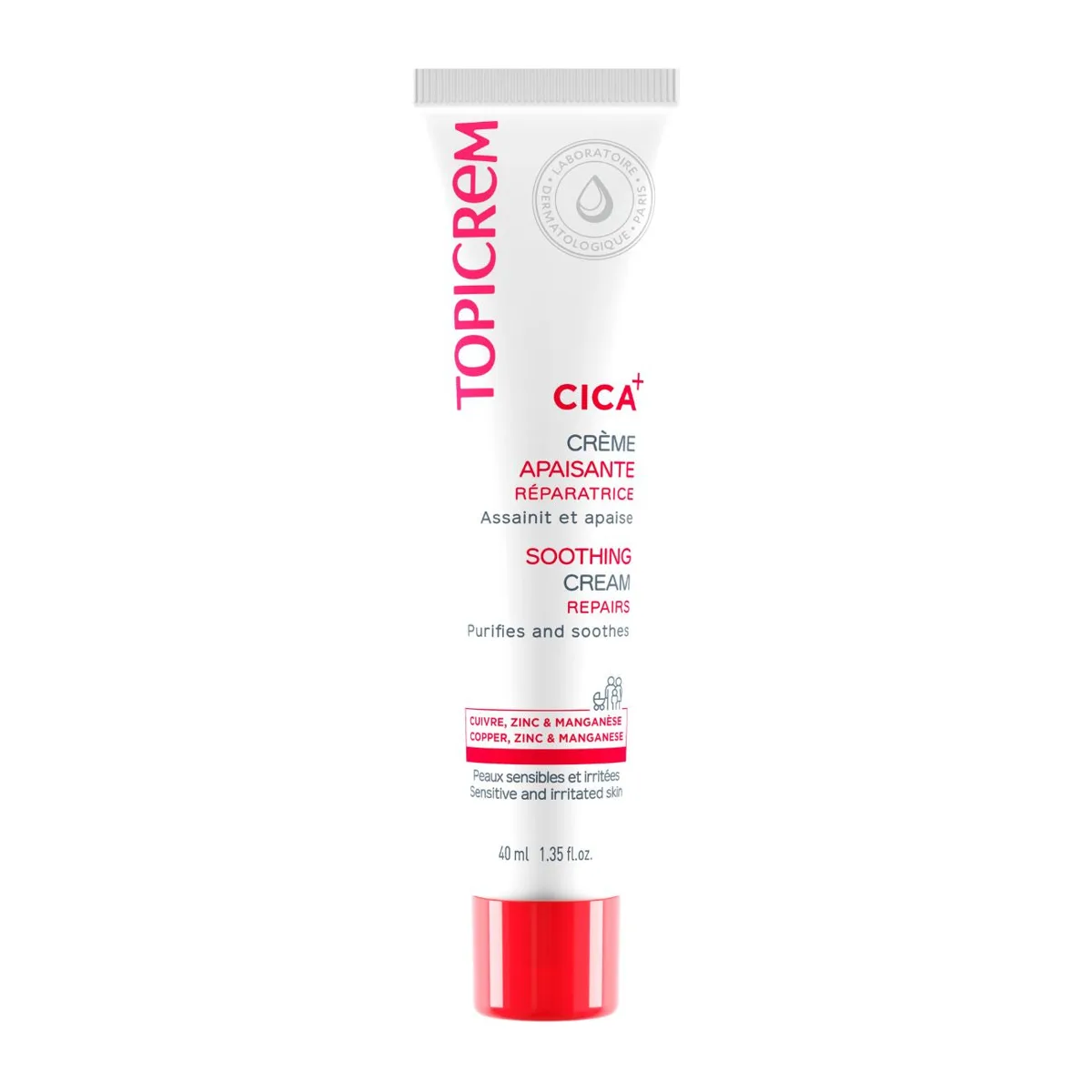 French Pharmacy Cica Repair Balm
CICA+ Soothing Cream
A clinically-positioned French pharmacy barrier-repair balm with the brand's signature copper-zinc-manganese gluconate trio plus bisabolol for genuine anti-inflammatory work. Direct competitor to La Roche-Posay Cicaplast Baume B5 at similar pricing and mechanism. Heavy occlusive base targets compromised skin specifically rather than daily full-face use. Fragrance-free and unusually fungal-acne-safe for the category. Beeswax excludes vegan use; the mineral oil base will alienate natural-skincare-purists.
 Multi-Amino-Acid Pore Cleanser
Pore Perfecting Cleanser
Peace Out Skincare exfoliating cleanser combining salicylic acid + substantial 6-component amino-acid + amphoteric + glucoside surfactant pool + exceptional 8-amino-acid skin-conditioning pool + niacinamide + corn starch physical exfoliation + multi-component humectant + NMF pool. Vegan + fragrance-free formulation. Strong scores across formulation dimensions.
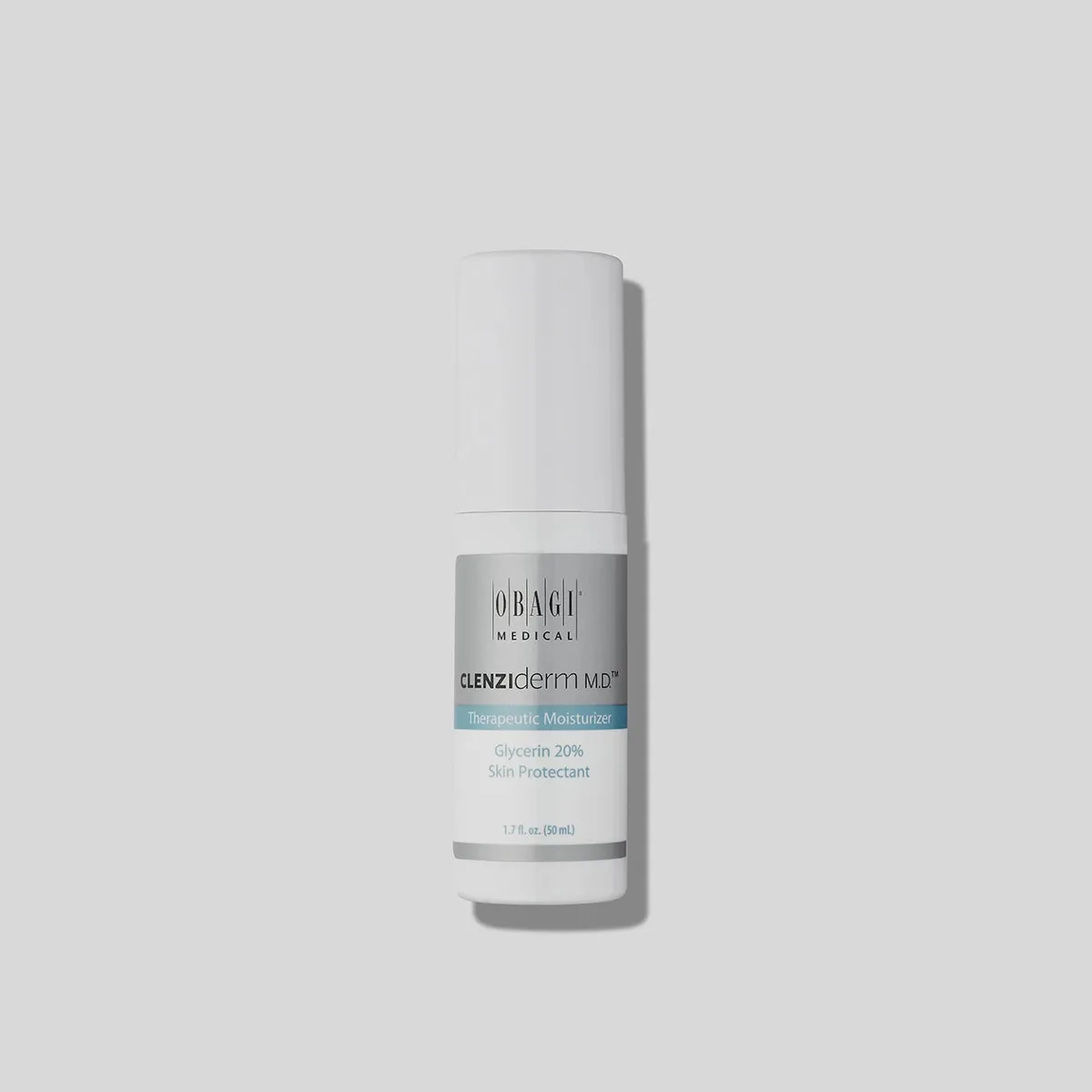 Acne-Treatment Companion
Therapeutic Moisturizer
The unglamorous third step of a physician-dispensed acne system, and a good one: twenty percent glycerin declared as a monograph active in an oil-free silicone cream that keeps peroxide-and-retinoid skin comfortable without clogging it. It does exactly that job and nothing else, its five-paraben preservative system now bars it from two states, and fifty dollars is a physician-shelf price for glycerin and dimethicone.
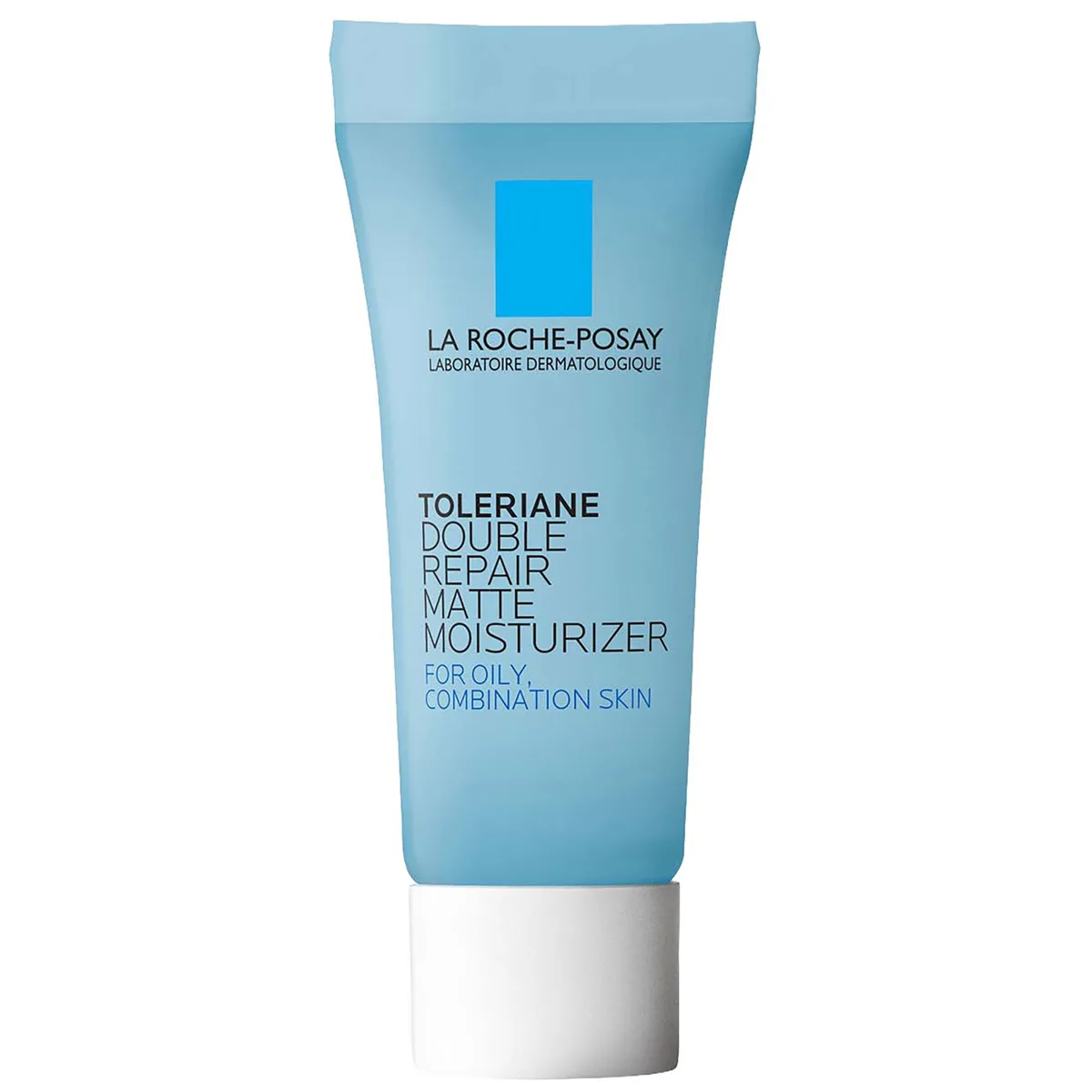 Oily Skin Essential
Toleriane Double Repair Matte Face Moisturizer
A smartly engineered solution to the oily-skin moisturizer paradox — delivering ceramide barrier repair without a single drop of added oil or silicone. The mineral-based mattifying system provides 6-8 hours of shine control while niacinamide works beneath the surface to regulate sebum production at its source. Not a universal moisturizer, but a precise tool for oily and combination skin that finally gets what it needs.
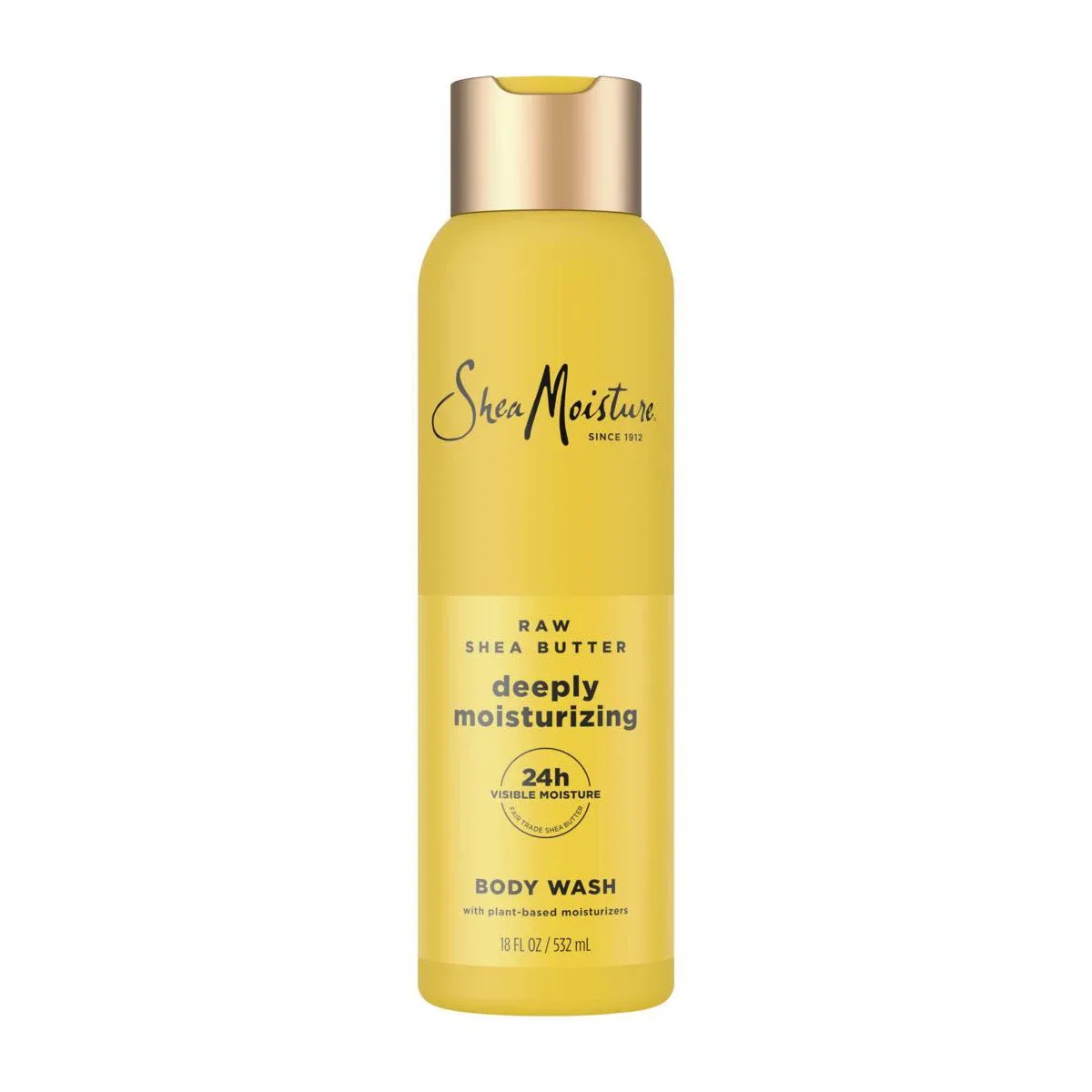 The Lotion-Like Wash
Raw Shea Butter Deeply Moisturizing Body Wash
The richest wash SheaMoisture makes and one of the richest on a drugstore shelf: Fair Trade shea fifth, soybean lipids and glycerin behind it on a gentle isethionate-betaine base, so dry skin steps out of the shower soft and coated. It is honest value at about 67 cents an ounce; it is not the ceramide wash the label hints at, the frankincense and myrrh are scent rather than treatment, and oily, breakout-prone or fragrance-reactive skin should choose something lighter and plainer.
 European Pharmacy MVP
Photoderm Aquafluid SPF 50+
A genuinely water-light SPF 50+ that delivers serious UVA protection (PPD 26) without the greasy, heavy feel that makes most high-SPF sunscreens a chore. The silicone-free matte finish and Cellular BIOprotection technology make it a standout, though the 40ml tube size stings almost as much as the price.
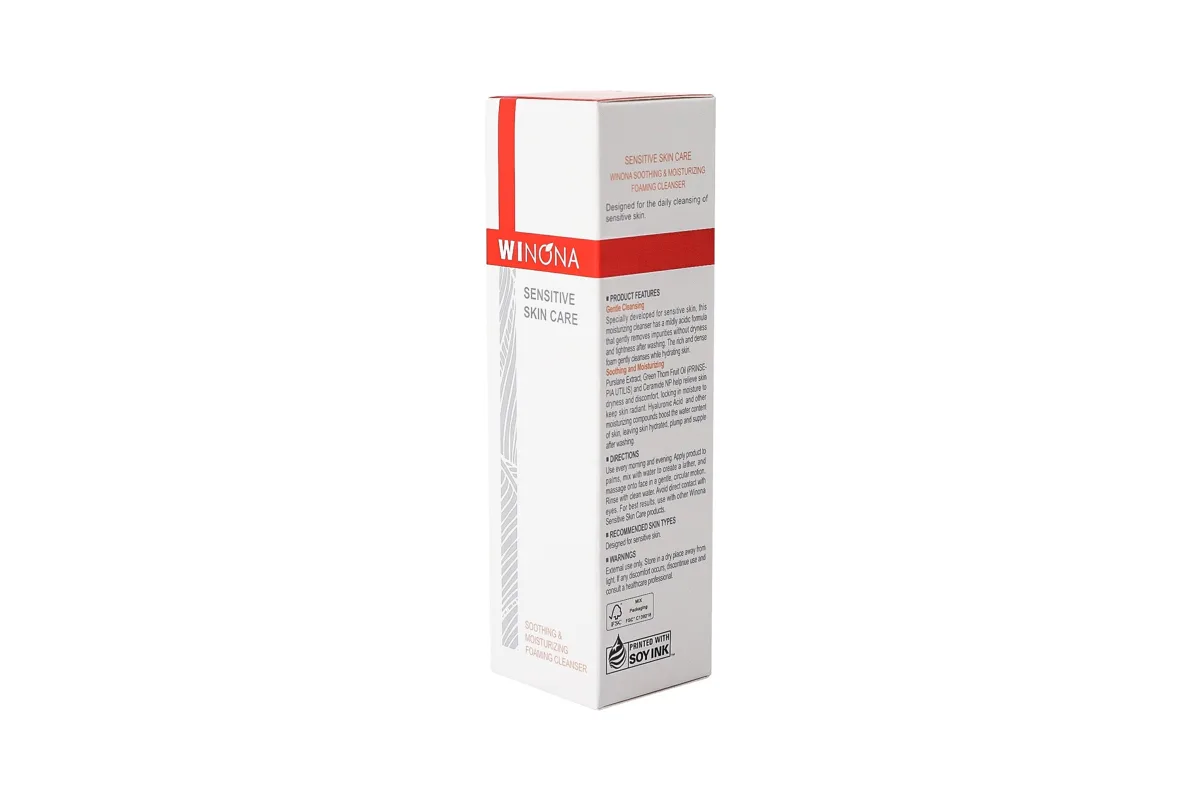 Ceramide Foam for Reactive Skin
Soothing & Moisturizing Foaming Cleanser
The gentler of Winona's two soothing cleansers by a clear margin: a sulfate-free pump foam with a starch mildness modifier and a small ceramide, phytosphingosine and lecithin deposit that leaves reactive skin clean and calm rather than tight. It will not shift heavy makeup and the 50ml bottle is gone in a month, but as a daily wash for sensitive, dry or barrier-compromised skin it is quietly excellent.
 Classic Scent, Fast Finish
Essentially Enriched Hand Cream
A well-engineered drugstore hand cream that dries in under a minute, survives a hand wash or two and softens chapped knuckles within days, thanks to glycerin, a silicone film and a starch rather than to the shea and almond oil on the front. It wears the full Nivea perfume with six allergens declared, which makes it a joy for people who love the scent and a poor choice for anyone whose hands react to fragrance, at around seven dollars for a tube newly arrived in the US.
 No-Wipe Lip Scrub
2 in 1 Lip Balm & Scrub Aloe Vera
A clever, gentle answer to the lip-scrub-in-a-pot: starch granules in a standard Nivea beeswax, castor and shea balm that buff away flakes for a few seconds, dissolve, and leave an ordinary moisturizing film with nothing to wipe off. It is mild enough for daily use, too mild for badly flaky lips, flavoured and dyed, and increasingly hard to find in the US at a normal balm price; a smart small product whose aloe is decoration.
 Matte Primer Meets SPF
Sun Face Sunscreen SPF 35
A cleverly designed sunscreen serum that doubles as a mattifying makeup primer for oily skin — the micro-powder system genuinely controls shine while niacinamide and green tea add skincare value beyond UV protection. The small size and premium pricing limit its practical appeal, but for oily-skinned consumers tired of greasy sunscreens, this solves a real problem.
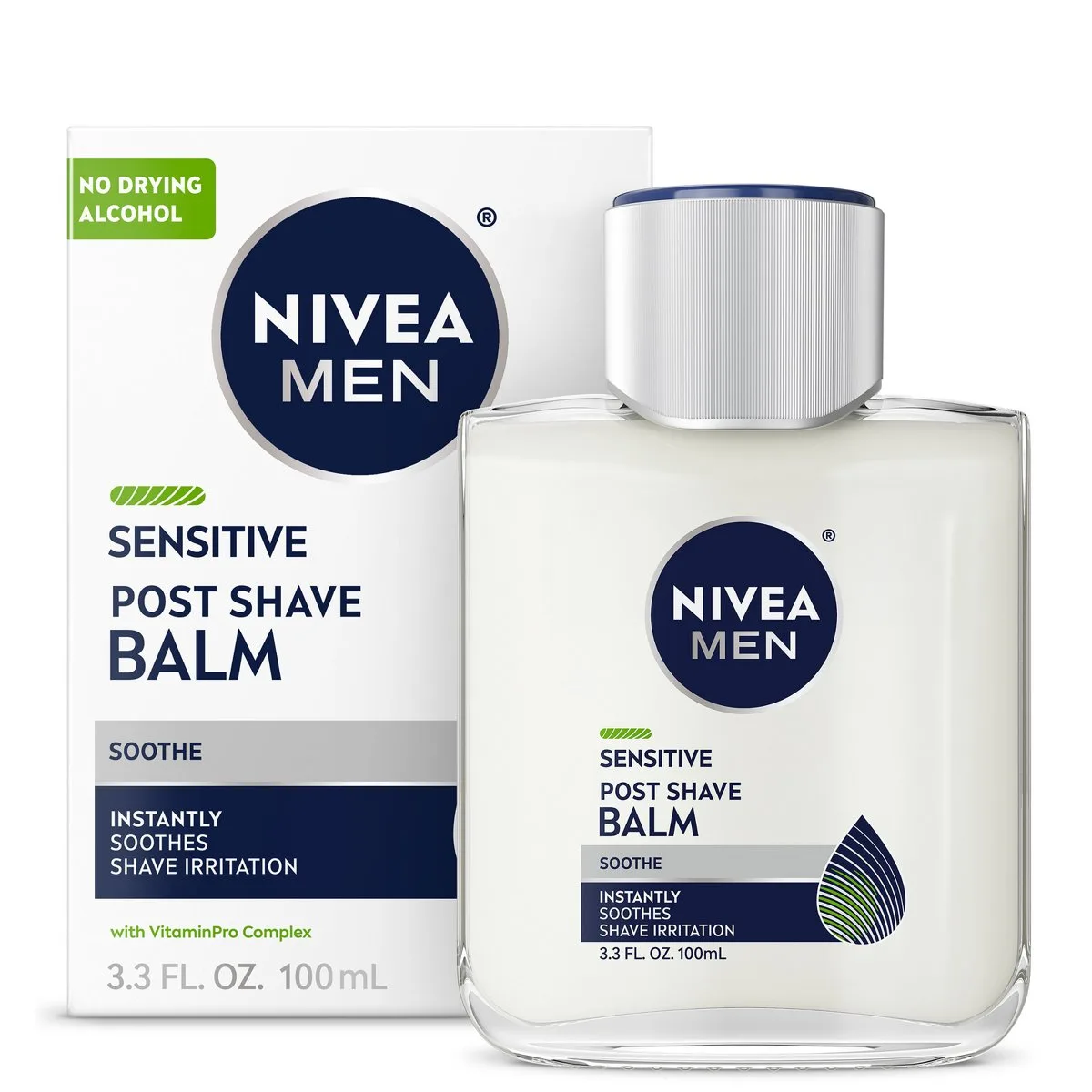 Cult Classic Crossover
MEN Sensitive Post Shave Balm
The most unexpectedly famous men's skincare product of the 2010s delivers honest, no-frills post-shave relief at a price that makes it nearly impossible not to try. The ingredient list is simple rather than sophisticated, but 20,000+ glowing reviews across two decades suggest that sometimes simple is exactly enough.
 Sensitive Skin Exfoliator
Pineapple Exfoliating Powder
A gentle, daily-use enzyme exfoliant that brings the powder-to-foam format to the budget tier without sacrificing the key ingredients that make it work. At $16 for 60g, it lasts months and delivers consistently smoother, brighter skin through pineapple and papain enzymes backed by calamine soothing and vitamin C. It won't replace strong acid exfoliants for stubborn texture, but it's the gentlest on-ramp to exfoliation money can buy.
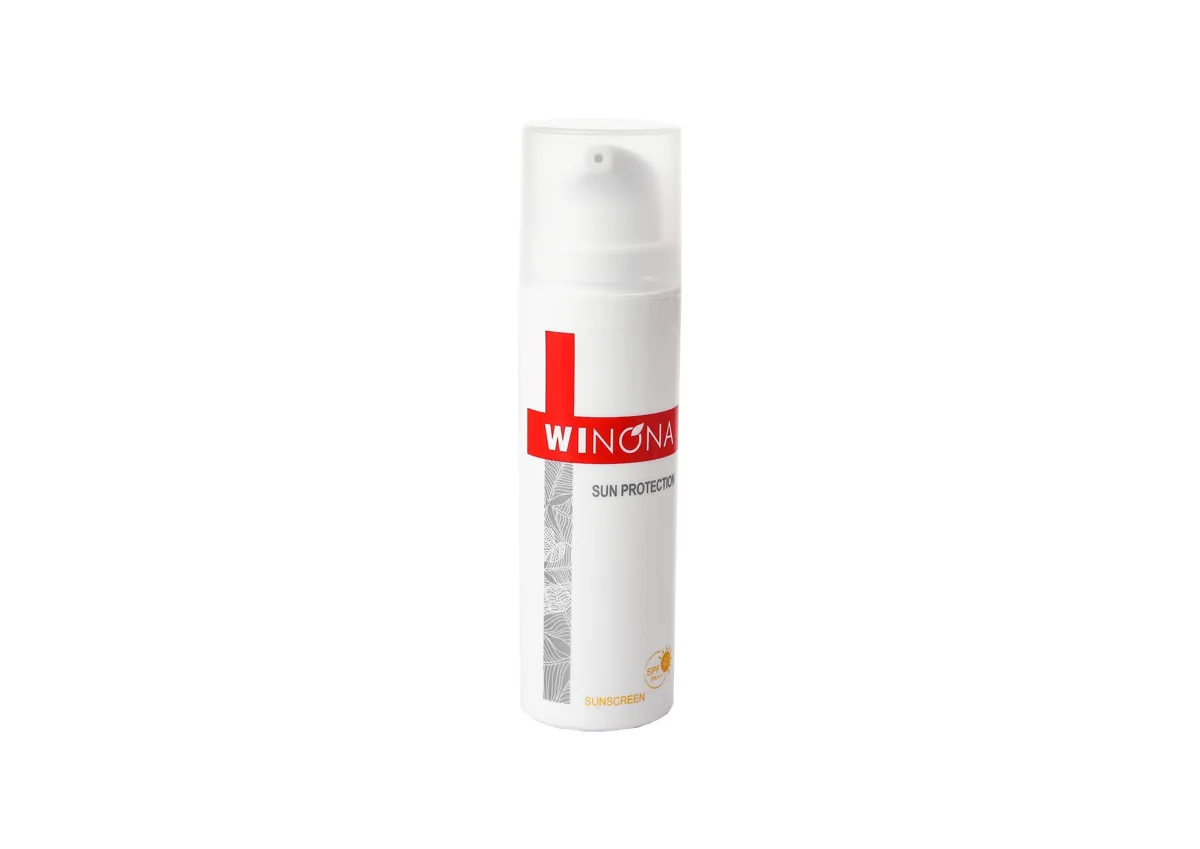 Everyday Matte SPF
Sunscreen SPF 48 PA+++
Winona's everyday sunscreen is quietly one of the better-specified all-organic formulas you can buy for under thirty dollars: four modern filters including both Tinosorbs, no fragrance, no alcohol, and a starch-matte finish that behaves under makeup. It isn't water-resistant and its SPF is the brand's own number, but as a daily office sunscreen for combination and sensitive skin it makes a strong case.
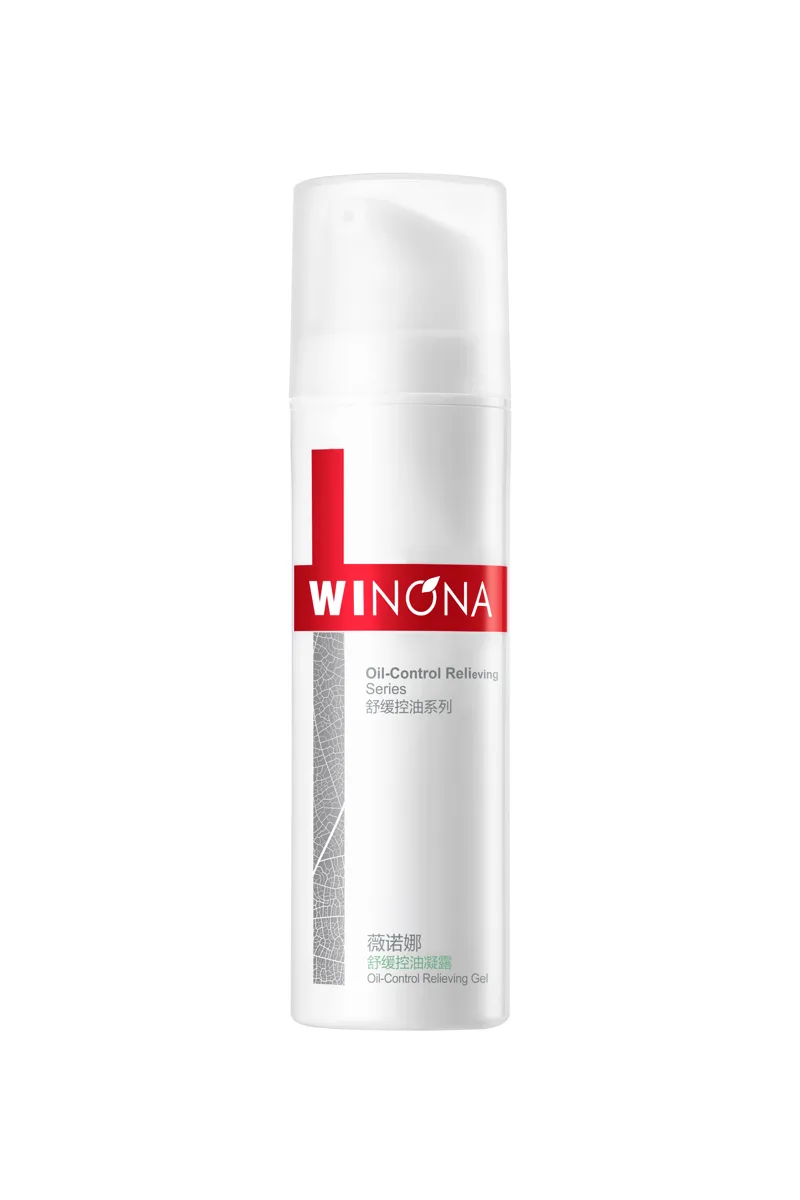 Reactive Oily-Skin Mattifier
Oil-Control Relieving Gel
A well-behaved mattifying gel for oily skin that also flushes: an absorbent starch does the shine control, beta-glucan and hyaluronate do the hydration, and purslane and allantoin keep the whole thing calm. It is honest, fragrance-free and pleasant under sunscreen. It will not shrink pores or change how much oil you make, and the botanical story around it is mostly translation.
 Barrier-Shield Serum
Soothing Moisturizing Essence
A light silicone emulsion with a powdery, primer-like finish and a genuinely useful dose of panthenol — a barrier-shielding step that suits combination and oily skin better than most calming serums do. The cica and beta-glucan on the label are trace, the fragrance is a misstep in a sensitive-skin product, and the small bottle prices it like a treatment it is not. Comforting, competent, oversold.
 Best Post-Extraction Powder
Blemish Repairing Powder
Mario Badescu's 2024 reformulation of the cult Special Healing Powder — bismuth subgallate, sulfur, kaolin, zinc oxide in a talc-free arrowroot base. Specifically for popped, picked, or extracted blemishes where wet treatments cannot apply. Effective, affordable at 14 dollars, and one of the few dry-powder spot treatments still made.
 Marzipan Polish
Almond & Honey Face Scrub
A creamy, marzipan-scented cornmeal-and-oat scrub in a talc, kaolin and zinc oxide paste that polishes and mattifies on contact and costs almost nothing per use. The grit is rougher than it feels, and fragrance, two parabens, a formaldehyde releaser and five dyes are a lot to massage into a face; resilient skin once a week is fine, reactive or acne-prone skin should pass.
 The Non-Greasy One
Atoderm Hands & Nails
A shea-based hand cream that dries to a matte, powdery finish within a minute thanks to a starch sitting third on the list, with a wash-resistant humectant and a fair $11 price — the rare rich hand cream that people who hate hand cream will reapply. The fragrance at the end of the list is a real mark against it in a range built for atopic skin.
 Oily-Skin SPF Primer
Superactive Moisturizer SPF 50: Mattifying Oil + Pore Control
An oil-control SPF that does the job with engineering rather than alcohol: starch and silicone elastomer up front for an all-day blurred matte, the Superactive line's hydration set underneath so oily skin is not stripped, a gentle LHA for pores and a well-stabilised SPF 50. It is one of the better mattifying sunscreens for oily skin. The bitter-orange fragrance with five declared allergens is a strange choice for a breakout-prone audience, and forty-eight dollars for 50 mL is a lot.
 Sensitive Skin's Acne Ally
Gentle Clear Mattifying Acne Moisturizer SPF 30
A refreshingly gentle approach to acne moisturizing that treats breakouts as a skin health issue rather than an emergency to blast with maximum-strength acids. The prebiotic-botanical combination is genuinely innovative for the drugstore, though the ultra-gentle 0.5% salicylic acid may not satisfy those with active, persistent breakouts.
 Oily Skin Sunscreen Champion
Anthelios Clear Skin Dry Touch Sunscreen SPF 60
The gold standard for oily-skin sunscreen: SPF 60 broad-spectrum protection in a genuinely matte, oil-free formula that won't break you out or make you look like a glazed donut by noon. Not for dry skin, but for its target audience, this is as good as daily facial sunscreen gets at this price.
 Lightweight Hydration Hero
Hydra-Essentiel Light Cream
A smartly formulated lightweight moisturizer that solves the combination-skin dilemma of needing hydration without shine. The double hyaluronic acid plus tapioca starch combination delivers genuine plumping with a matte finish, though the limited active ingredient complexity and fragrance inclusion keep it from being exceptional at this price.
 Everyday Eight Hour Lotion
Eight Hour Daily Hydrating Body Lotion
A properly made everyday body lotion, glycerin and mineral oil doing the work with shea, beta-glucan and panthenol in support, that absorbs in a minute and keeps normal-to-dry skin soft all day. Its problem is the perfume: eight declared allergens plus bergamot, lemon and orange peel oils in a lotion applied over the whole body twice daily is a lot to ask of skin, and $45 for a pump of it is Eight Hour money for a formula a pharmacy brand would sell for a third. Good lotion, loud scent, luxury price.
 Men's Grooming Best Buy
Exfoliating Face Wash with Peppermint
A surprisingly thoughtful men's exfoliating cleanser that goes beyond the category's typical bar-soap-with-grit approach, featuring volcanic rock, willow bark, and a generous botanical lineup at a genuinely fair price. The peppermint-eucalyptus experience is invigorating but limits its audience — this is a face wash for people who like their skincare to feel like something is happening.
 Men's Drugstore Daily Driver
Face Wash
A perfectly serviceable men's daily face wash that does its job at an honest price, though its similarity to Harry's own Exfoliating Face Wash makes it a confusing addition to the lineup. The peppermint experience is refreshing for those who enjoy it, but the multiple essential oils and perlite particles make this less 'daily gentle' than the positioning implies.
 European Spa Combo-Skin Pick
Skinovage Balancing Cream
A genuinely thoughtful combination-skin moisturizer with an unusually high modified rice starch position, paired with a smart glycerin-trehalose-pullulan humectant stack so a single cream can mattify the T-zone and hydrate the cheeks. The catch is the milk protein active's marketing-leaning evidence and a price that sits above clinical alternatives.
 Biodance's Best Pad
Vita Niacinamide Gel Toner Pads
The best of Biodance's gel pads and the one with a real reason to exist: an honest 2 percent niacinamide on a thick, acid-free, fragrance-free pad, with a trace of PHA and a soft-focus powder that makes skin look better today while the vitamin gets on with the slow work. The pineapple and glutathione are decoration; the pad underneath them is genuinely good.
 Daily Grit in a Gentle Gel
Clearly Corrective Brightening & Exfoliating Daily Cleanser
A genuinely gentle amino-acid gel with a hard mineral grit stirred through it, sold for twice-daily use under a brightening name its rinse-off extracts cannot honour. The base is excellent and the after-feel is polished, but the perlite makes daily use a question for anything but oily skin, the lavender rules out reactive faces, and thirty-nine dollars is a lot for a face wash that would be better without its own headline feature.
 Weekend Polish
Pacific Polish Facial Exfoliator
A cushioned, pleasant physical scrub, rounded volcanic perlite and dissolving sea salt in a rich stearic-acid cream, that leaves skin instantly smoother and does nothing beyond that. It is scented, oily and salted, so acne, rosacea and sensitive skin should pass, and $32 is a lot for a once-a-week polish whose main virtue is that it feels like the beach.
 Oil Control MVP
Effaclar Mat Mattifying Moisturizer
The mattifying moisturizer that oily skin types didn't know they needed — volcanic perlite absorbs oil all day while dual acids keep pores clear underneath. The matte finish doubles as an excellent makeup primer. The inclusion of fragrance and alcohol denat. in an acne-focused product is the one formulation misstep in an otherwise smart formula.
 Five-Ingredient Root Refresh
Dry Shampoo - All Hair Types
Five organic ingredients, no propellant, no alcohol, seven dollars, and it works: corn starch and arrowroot soak up the oil, baking soda kills the smell, rosemary and mint make it pleasant. It is the dry shampoo format that came out of the 2021 benzene recalls looking best, and Acure's is a good version of it. The white powder shows on dark hair, the baking soda can itch a sensitive scalp, and the puff bottle takes practice.
 Boob Sweat Pioneer
Bust Dust Anti-Boob-Sweat Powder
Bust Dust does one thing and does it well: it keeps your under-bust area dry, comfortable, and rash-free with a clean, talc-free formula. The pump applicator is a genuine improvement over loose powders, and the ingredient list is refreshingly short and transparent. It's not reinventing skincare — it's solving a specific, underserved problem with quiet competence.
 Brightening-and-Building Eye Cream
TNS Eye Repair
An unusually well-rounded eye cream that pairs instant soft-focus brightening with a long-term active story built on growth factors, peptides, and a high-position vitamin C ester. The $106 price is steep and the retinyl palmitate rules it out for pregnancy, but the formula itself is one of the better professional-channel eye creams on the market.
 Daily Clay-Style Pore Wash
Perfect Whip White Clay
Senka's white-clay extension is a sensible daily-format pore-care cleanser — mattifying, easy to use, affordable — though the 'clay' in question is mineral absorbents (titanium dioxide, talc, aluminum hydroxide) rather than traditional kaolin or bentonite. Earns its place in oily-skinned routines as a maintenance step, not as a replacement for weekly proper clay masking.
 Instant Shine Killer
Anti-Shine Mattifier
Stryx's Anti-Shine Mattifier is a tinted mineral powder tool that does one thing genuinely well: it erases forehead, nose, and scalp shine the instant you apply it, and it looks natural doing so. Just be clear on what it is — a cosmetic oil-absorber, not a skincare treatment — and that oily and combination skin are the only real audience.
 Brunette-Proof Root Refresh
Dry Shampoo - Dark Hair
The brunette answer to the one problem powder dry shampoos have: organic cocoa in the starch base so the puff lands brown and vanishes into dark roots. Same propellant-free, alcohol-free, six-ingredient formula as Acure's white version, same seven dollars, same oil absorption. It transfers if rushed, it is too dark for light brown or highlighted hair, and the baking soda and mint carry the usual cautions for reactive scalps.
 Sensitive Skin Deodorant
Sweet Pitti Deodorant Cream
A clever, science-informed approach to natural deodorant that uses mandelic acid to kill odor-causing bacteria rather than masking smell or blocking sweat. It's the gentlest deodorant option for sensitive underarms, but limited sweat management makes it a lifestyle-dependent choice.
 Sensitive-Skin Chafe Shield
Anti-Chafe Stick with Shea Butter + Colloidal Oatmeal
An anti-chafe stick that treats the problem as skincare rather than lubrication: a triglyceride-and-ozokerite glide with a starch-and-magnesium dry-touch system, colloidal oatmeal and shea for skin that is already sore, and piroctone olamine keeping fungus out of the folds it lives in, all fragrance-free and allergen-screened in eleven ingredients. It needs reapplying through heavy sweat and costs twice a drugstore stick, and for sensitive skin it is worth every dollar of that.
 Fix for Oxidized Vitamin C
Found the Light Vitamin C Powder
A stability-first vitamin C powder using 3-O-ethyl ascorbic acid in a tapioca starch base, designed to sidestep the oxidation problem of liquid vitamin C serums. The format is clever and gentle, but ethyl ascorbic acid has a weaker evidence base than pure L-ascorbic acid, and the mix-it-yourself workflow is harder to justify unless you have specifically been burned by oxidized traditional serums.
 Rash-Free Natural Stick
Lavender & Coconut Magnesium Deodorant
A well-reasoned baking-soda-free stick that pairs magnesium hydroxide with zinc ricinoleate, the two aluminium-free odour technologies worth taking seriously, in a soft ten-ingredient balm and a paper tube for twelve dollars. It holds an ordinary day without a rash and gives up on a hard one, as natural deodorants do. The catch is that Acure has discontinued it, so enjoy the remaining stock rather than getting attached.
 Rose-Scented Makeup-Friendly Day Cream
Smoothing Day Cream
The Weleda day cream you can actually wear under makeup: apricot and babassu oils with starch and clay for a powdery satin, musk-rose seed oil with a modest real literature, and a white tea antioxidant added in 2024. Rose-scented with five declared allergens, no SPF, and a 'clinically shown' line that means an in-use survey. A good light natural day cream for normal-to-dry skin at the first signs of aging — thirty dollars for 40 mL.
 Gentle Polish, Not a Grind
Radiance Face Scrub
A cushioned, rose-scented cream scrub that polishes without the raw, tight feeling physical exfoliants are known for, thanks to shea butter and a coconut ester carrying fine apricot kernel and perlite grit. It is well made for what it is, but $29 for 75 ml is a lot for a product used twice a week, and sensitive skin still has better options than any scrub.
 Eleven-Ingredient Enzyme Foam
Mugwort Calming Powder Wash
An eleven-ingredient enzyme powder wash: corn starch, a mild isethionate-glutamate syndet pair with a soap salt for foam, papain for a gentle daily exfoliation, diglycerin, sea salt, mugwort leaf powder and allantoin, no fragrance, no oil, no water and therefore no preservative. It foams creamily, rinses clean and leaves skin smooth, and it is fungal-acne-safe and cheap; the soap raises the lather's pH a little, the enzyme argues for once a day on sensitive skin, and the mugwort is green flecks rather than calm. One of the shortest and most honest powder washes sold.
 Dual-Charcoal Oil Absorber
Charcoal Pore Pudding Cleanser
Boscia's Charcoal Pore Pudding is a flexible, genuinely de-shining wash-off treatment for oily skin that doubles as a quick cleanser or a longer clay mask. The swirled black-and-white charcoal is mostly a photogenic gimmick — the kaolin and montmorillonite clays do the real work. It works, but SLS, geranium oil, and a steep price make it a niche pick for oily skin only.
 Effortless Lip Definition Pick
Peptide Lip Shape
Rhode's Peptide Lip Shape is a beautifully comfortable lip liner that prioritizes the feeling of wearing it over the longevity of its stay. The creamy, hydrating formula and soft-focus finish deliver an effortlessly contoured look, but the limited wear time and chunky tip mean it works best as a blendable base layer rather than a precise, all-day liner.
 The Acid-and-Starch Body Deodorant
Whole Body Deodorant Cream
A well-reasoned acid-and-starch deodorant cream that keeps skin folds smelling of nothing through a normal day, glides on silicone so thighs stop chafing, and vanishes without a trace on fabric — genuine deodorant engineering from the company that also makes Secret. It does nothing about sweat, it stings on shaved or chafed skin, and it is scented with bergamot and petitgrain on a product for intimate areas from a brand famous for leaving fragrance out. Good at its job; not the sensitive-skin slam dunk the label suggests.
 Prodigieuse Perfume, Leave-In Edition
Intense Nourishing Cream
A genuinely good silicone-free leave-in — starch, squalane and a plant-derived cationic ester make damp hair comb through and dry silky without weight, and the film buys real everyday heat protection. The 'repair' is a surface coat that washes out, the fermented camellia is a story, and the Huile Prodigieuse fragrance, declared with seven allergens including isoeugenol, is worn against the scalp and neck all day — which is the only thing standing between this and an easy recommendation.
 Treatment-Room Polish
MultiVitamin Thermafoliant
A polished, multi-tasking treatment scrub that throws physical grains, an AHA/BHA blend, and real retinol into one warming powder. The exfoliation and instant smoothness are legitimately good, but a heavy essential-oil fragrance and the over-exfoliation risk make it a poor match for sensitive or reactive skin, and $69 is a lot to ask for a scrub.
 Baking-Soda-Free Natural Stick
Deodorant For Men
A properly modern natural deodorant: magnesium hydroxide and zinc ricinoleate in an olive-wax base, no baking soda, a real unscented option, and a recent reformulation that cut the greasy coconut feel. It controls odour for a working day without the rash that sank the first generation of aluminium-free sticks. It does nothing about wetness, its probiotic language outruns the evidence, and heavy sweaters will need a top-up — but as a deodorant, it's one of the better-built ones.
 Six-Peptide Lid-to-Lash Cream
Ideal Complex Restorative Eye Cream
An unusually ambitious eye cream: six peptides, two of them lifted from lash serums, niacinamide, a comfortable shea-and-squalane base and a mineral soft-focus system that brightens the moment it goes on. It softens dry, crepey lids and crow's feet over weeks, does almost nothing for puffiness, streaks if overused, and carries a citrus oil that has no business in a lid product. Good cream, overreaching label, professional price.
The full starches & absorbent powders guide
Somewhere between pigment and perfume on the formulator's palette sits a class of ingredients that never gets its own glow-up moment — starches and absorbent powders, the unsung architects of how a sunscreen glides on without leaving a greasy film, how a moisturizer finishes matte instead of shiny, how a cleansing powder transforms from dry flakes to foam with a splash of water.
These plant-derived granules — drawn from tapioca, corn, rice, potato, and oat sources — do the quiet structural work that determines whether you actually enjoy wearing a product. They show up on INCI lists as Tapioca Starch, Zea Mays Starch, Oryza Sativa Starch, Solanum Tuberosum Starch, and the modified derivative Aluminum Starch Octenylsuccinate, among others.
How it's regulated in the US
FDA does not classify ingredients — it classifies products, by what they are sold to do. The same molecule can be a drug active in one product and a cosmetic ingredient in the next, and only the claim on the label decides which. What follows is a statement about that legal standing, not about whether it works — the evidence question is answered separately above.
Mixed Topical starch at 10 to 98 percent and talc at 45 to 100 percent are skin protectant drug actives. The starches and powders used at a few percent for texture are cosmetic.
The functional evidence for starches in cosmetics is well-established at the formulation-science level, summarized in a 2025 review in Carbohydrate Polymers (PubMed 40484581) and tested directly in a 2025 controlled study in Polymers (PMC12252369) that compared corn, rice, tapioca, waxy corn, and potato starches head-to-head in anhydrous body bars. Oil absorption is a measurable, reproducible property: rice and tapioca starch tend to rank highest among tested botanical starches, and modified derivatives like Aluminum Starch Octenylsuccinate are engineered specifically for higher oil-binding (representative figures of roughly 0.4–0.45 g oil per gram have been reported for some wheat-based ASO grades). Where the evidence thins out is skin outcomes themselves — controlled human trials on acne reduction, transepidermal water loss, or comedogenicity are sparse, so claims about skin health rest more on mechanism and in-vitro work than on randomized trials. Safety is solidly characterized: the Cosmetic Ingredient Review panel concluded Aluminum Starch Octenylsuccinate is safe as used, at concentrations reported as high as 30%, and native food-grade starches carry a low irritation profile. In short, the performance claims (oil absorption, texture, mattifying) are well-supported, while skin-benefit claims are reasonable but not clinically proven.
How it works
Picture each starch granule as a microscopic, porous sphere — a tiny sponge with a lot of surface area for its size. When it meets an oil or lipid, whether that's an emollient in the formula or sebum from your own skin, capillary action pulls the oil into the granule's internal structure and holds it there, turning a liquid sheen into a dry, powdery film. That's why a sunscreen built around tapioca starch can feel non-greasy the instant it hits your fingertip: the starch is physically sequestering the very oils that would otherwise sit on the surface. The behavior splits between native and modified types. Native tapioca, corn, and rice starches rely on that passive physical absorption. Modified derivatives such as Aluminum Starch Octenylsuccinate are chemically treated — the octenylsuccinate groups add lipophilic chains to the starch backbone — which raises hydrophobicity and oil affinity and gives the ingredient a dual absorbent-and-texturizer role prized in pressed powders and mattifying SPFs. There's more going on than blotting. The granules' rounded geometry scatters light at many angles, softening the look of pores and fine texture in what formulators call a soft-focus effect. They also act as anti-caking agents, pulling in trace moisture so loose and pressed powders don't clump. And in waterless cleansing powders, starch doubles as a bulking agent and surfactant carrier that activates the moment water hits it. The 2025 Polymers study reported that roughly a 2.5% starch addition — across botanical origins — struck the best balance of viscosity and skin feel in those anhydrous bars.
Key benefits
- Absorbs excess sebum and emollient oils for a longer-lasting matte finish
- Creates a soft-focus optical effect that visually softens pores and surface texture
- Improves skin feel in high-oil formulas without changing the active ingredient profile
- Offers a plant-derived, biodegradable alternative to synthetic mattifying polymers
- Enables waterless cleansing powders that activate the moment they meet water
- Reduces caking and supports stability in pressed and loose powder formats
Concentration & usage
Native starches (Tapioca Starch, Zea Mays Starch, Oryza Sativa Starch) typically appear at roughly 1–10% in leave-on products and climb to 20–30% in powder-dominant formats like loose and setting powders. Aluminum Starch Octenylsuccinate, the most common modified variant in sunscreens and mattifying moisturizers, generally sits in the low single digits up to around 15% in leave-on formulas; the CIR safety assessment reports use at concentrations as high as 30%. On an INCI list, scan for any name ending in "Starch" or containing "Amylum" (the Latin term some EU-market brands prefer). When Aluminum Starch Octenylsuccinate sits in the first third of the list, the formula is probably engineered around mattifying performance. These ingredients aren't pH-dependent, so they don't need to be timed in a routine the way an acid or vitamin C does.
Who it's for & who should be cautious
Who it's for
Oily and combination skin that fights midday shine sees the most direct payoff — starches are the reason a photo-friendly mineral SPF doesn't sit on your face like a film of vegetable oil. They're also a quiet win for anyone who recoils at the texture of heavy sunscreens or rich moisturizers: starch is often what makes a 20% zinc oxide formula feel like something a real person would willingly reapply. Normal skin types simply get a more comfortable finish with nothing to lose.
Who should be cautious
If you're prone to fungal acne (Malassezia folliculitis), it's worth scrutinizing starch-heavy leave-on formulas — Malassezia metabolizes certain carbohydrates, and while the fungal-acne risk is far better established for oils than for starches, the caution is reasonable in occlusive contexts. Very acne-prone skin should also be wary of high-concentration starch powders in hot, humid conditions: once granules are saturated with both oil and moisture, they can theoretically contribute to congestion rather than absorbing it. Anyone with a confirmed corn or grain allergy should check the botanical source, though highly refined cosmetic starches retain little of the protein that drives food reactions.
Pairs with & conflicts
Pairs well with: Silica (Silicon Dioxide), Dimethicone, Zinc Oxide, Titanium Dioxide, Kaolin (White Clay), Niacinamide (Vitamin B3), Zinc
Myths & facts
Myth: Starch in skincare is just filler — it doesn't actually do anything for your skin.
Reality: Starches do measurable functional work: they absorb oil (engineered grades report figures in the range of 0.4 g or more per gram), scatter light to soften pore appearance, and produce the non-greasy afterfeel in many SPF and moisturizer formulas. 'Filler' implies inertness, but starch is actively shaping how the product behaves on your skin.
Myth: Cornstarch is basically talc — a natural powder doing the same job.
Reality: They share a 'dry powder' role but differ in particle shape, surface chemistry, and risk profile. Talc has drawn scrutiny over potential asbestos contamination and was reclassified by the WHO's IARC in 2024 as probably carcinogenic to humans (Group 2A); cornstarch is biodegradable and pH-neutral. Cornstarch also absorbs more water but resists microbial growth less well, which is why talc-free formulas often blend starch with kaolin or silica.
Myth: If a sunscreen lists tapioca starch, the starch is boosting its SPF.
Reality: Starch doesn't filter UV and adds nothing to the SPF number. It improves how the sunscreen feels, which matters in practice because people apply more of a product they enjoy wearing — but that's a compliance benefit, not a photochemical one. The actual protection comes solely from the certified UV filters.
Frequently asked questions
Does the tapioca starch in my sunscreen protect my skin, or just improve how it feels?
Feel only — tapioca starch has no UV-filtering ability. What it does is make a high-SPF formula less greasy and more wearable, which matters because consistent, generous application is how sunscreen actually works in real life. A sunscreen you'll reapply willingly beats a theoretically stronger one you avoid.
Can starch-based powders clog pores if my skin is acne-prone?
It depends heavily on context. In rinse-off products like cleansing powders, starch has essentially no comedogenic potential. In leave-on products worn in hot, humid weather — where granules can saturate with sweat and sebum at once — there's a plausible route to congestion. If you're acne-prone, look for formulas that pair starch with kaolin or silica, which hold up better against moisture.
On an INCI list, how is Tapioca Starch different from Aluminum Starch Octenylsuccinate?
Tapioca Starch (from cassava root) is native, unmodified starch that absorbs oil passively through its porous granules. Aluminum Starch Octenylsuccinate is a chemically modified version with lipophilic chains grafted onto the starch, giving it stronger oil-binding and better dispersion in emulsions. You'll find the modified one in mineral sunscreens and mattifying SPFs, and the native one more often in powder cosmetics and waterless cleansers.
Should I worry about starch in skincare if I have a corn or wheat allergy?
Highly refined cosmetic starches have their protein content reduced to negligible levels during processing, and those proteins are what trigger food-type reactions. That said, topical sensitivity isn't impossible, so anyone with a severe IgE-mediated grain allergy should patch-test first. The botanical source — corn, tapioca, or rice — still matters if you're avoiding a specific grain on principle, even when the actual risk is low.
Why do some 'clean beauty' brands choose rice starch over silica for mattifying?
Silica is a synthetic mineral, while rice starch (Oryza Sativa Starch) is plant-derived and biodegradable, which fits natural and organic certification frameworks. Both absorb oil and modify texture, but rice starch tends to feel slightly creamier while silica gives a more powdery, blotting-paper finish. The performance gap is small; the choice is usually about sourcing philosophy and certification more than results.
Will starches dry out my skin by soaking up its natural oils?
They pull in surface sebum and product emollients, not the lipids built into your barrier. Starches sit on top of the stratum corneum rather than disrupting transepidermal water loss or stripping intracellular lipids the way surfactants can. The matte effect is about cutting surface shine — dry skin may simply find it unnecessary rather than dehydrating, since the ingredient itself doesn't draw water out of the skin.