Rhealba Oat Extract (Oat Plantlet Extract)
Products with Rhealba Oat Extract (Oat Plantlet Extract)
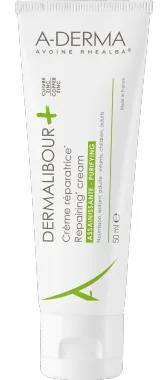 French Pharmacy Repair Pick
Dermalibour+ Cica Repairing Cream
A-Derma flagship Dermalibour+ repair cream built around the brand patented Rhealba oat plantule extract — the signature ingredient providing anti-inflammatory action paired with zinc oxide, Cu-Zn purifying complex, and occlusive-emollient pool. Strong suitability breadth covering compromised-barrier, eczema-prone, post-procedure, and pediatric routines.
 Eczema Routine Completer
Exomega Control Emollient Shower Oil
A proper oil-based shower cleanser for atopic-prone skin that uses sunflower oil, Rhealba oat, and niacinamide to handle the cleansing step without undoing the work of your moisturizer. The lather is lighter than conventional body wash and the post-rinse feel is noticeably more comforted. For eczema-prone routines, the cleanser choice matters almost as much as the emollient, and this is one of the better options.
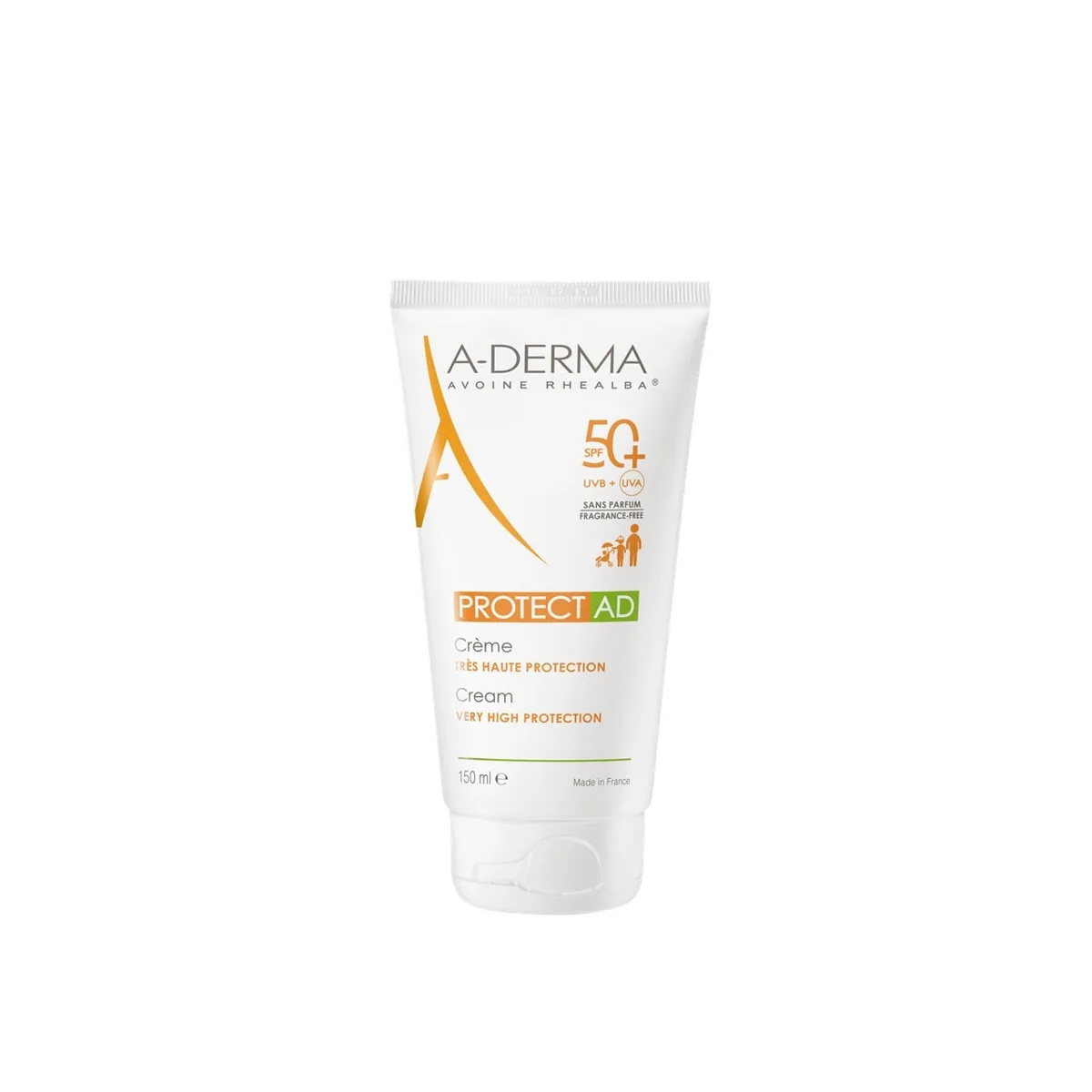 Atopic-Skin Sunscreen Specialist
Protect AD Cream SPF 50+
A-Derma's Protect AD Cream SPF 50+ is the rare sunscreen that treats atopic skin as its primary customer rather than an afterthought. It layers high broad-spectrum protection onto the brand's soothing Rhealba oat base, which is exactly what eczema-prone skin needs when heat and UV start provoking flares. It's cosmetically heavier than modern facial SPFs, but that's the tradeoff.
 Atopic-Prone Body Cleanser
Exomega Control Emollient Cleansing Oil
A-Derma atopic-prone body cleansing oil built around the brand Rhealba oat plantule signature ingredient with glycerin, amino-acid surfactant pool, evening primrose oil, and royal jelly acid in soap-free physiological pH formulation. Strong suitability for eczema-prone and compromised-barrier routines including pediatric use. Fragrance is the only meaningful sensitization concern.
 Pharmacy After-Sun for Atopic Skin
Protect AH After-Sun Repairing Lotion
A-Derma's Protect AH After-Sun Repairing Lotion is the after-sun you actually want if your skin reacts to fragrance, alcohol, or anything resembling a menthol kick. It pairs the brand's Rhealba oat with panthenol and shea butter into a lightweight body lotion that genuinely supports post-UV barrier recovery. Conventional, but quietly excellent at its job.
 Pharmacy Anti-Redness Cream
Rheacalm Soothing Cream
A-Derma's Rheacalm Soothing Cream is a quietly effective fragrance-free moisturizer aimed squarely at the chronically flushed face. It stacks the brand's Rhealba oat with bisabolol and allantoin for real anti-inflammatory work, in a lightweight cream that doesn't trap heat or feel heavy. Not flashy, but the kind of formula derms keep recommending because it works.
 Specialized Drying Treatment
Cytelium Drying Spray
A-Derma specialized drying spray for exudative skin lesions — chickenpox, weeping eczema, diaper dermatitis with exudate, skin fold maceration. Substantive zinc oxide concentration paired with Rhealba oat plantule signature ingredient in 7-ingredient minimalist formula. Few comparable products address this specific clinical use case.
 French Pharmacy Rosacea Pick
Biology A.R Anti-Redness Dermatological Cream
A minimalist pharmacy-grade cream that does exactly one job — calming reactive, flushing skin — and does it well. Built around Pierre Fabre's proprietary Rhealba oat extract and a short list of well-tolerated emollients, it's the kind of focused European pharmacy product that earns its place in rosacea routines without any theatrics.
 Pharmacy HA Pick
Biology Hyalu Triple Action Serum
A dependable three-weight hyaluronic acid serum with A-Derma's Rhealba oat folded in for sensitive-skin tolerance. It's not flashy and it's not cheap per milliliter, but it's one of the more reliable fragrance-free hydrators in the French pharmacy aisle — and it layers cleanly with everything, which is half the job for a hydrating serum.
 Adult Acne Companion Cream
Biology AC Compensating Cream
A smart, quiet moisturizer for adult acne that actually earns its 'compensating' name. Rhealba oat and bisabolol soothe, niacinamide and zinc handle sebum, and a low leave-on dose of salicylic acid keeps pores in check — all in a lightweight base that holds up under sunscreen and layers with adapalene without drama.
 Post-Procedure MVP
Epitheliale A.H Ultra Repairing Cream
One of the best-formulated French pharmacy repair creams on the market, full stop. Rhealba oat, three-weight HA, madecassoside, trace minerals, panthenol, and shea butter come together in a cream that handles post-procedure skin, eczema flares, friction damage, and compromised barriers with unusual competence for the price.
 Persistent Acne Treatment
Phys-AC Global Severe Blemish Care
A-Derma's most treatment-forward acne cream, layering salicylic acid, a three-acid AHA trio, niacinamide, zinc PCA, and the brand's Myrtacine myrtle extract into a single nightly leave-on formula. For persistent adult acne on oily-to-combination skin, it's one of the more comprehensive pharmacy-level treatment creams available — provided you introduce it carefully and always wear SPF.
 Eczema Itch Relief Pick
Epitheliale A.H Ultra Soothing Repairing Cream
The Epitheliale A.H Ultra Repair formula with a stable cooling agent added for itch-dominant flare skin. For eczema, psoriasis patches, or post-procedure skin where itch is the main complaint, the cooling sensation from menthoxypropanediol makes a genuine difference without the irritation risk of traditional menthol.
 Atopic-Prone Staple
Exomega Control Emollient Balm
A legitimately excellent daily emollient for eczema-prone skin, built on A-Derma's Rhealba oat research with sunflower oil unsaponifiables and niacinamide as supporting actives. The balm texture is rich enough to actually work for severe dryness but non-greasy enough to be realistic for daily head-to-toe application — which is the whole point.
 Daily Atopic Companion
Exomega Control Emollient Cream
The lighter sibling of A-Derma's Exomega Control balm — same Rhealba oat, sunflower oil unsaponifiables, and niacinamide active set, in a cream base that works better for year-round daily use and milder atopic-prone skin. For most adult users and for summer routines, this is the more practical choice of the two Exomega variants.
The full rhealba oat extract (oat plantlet extract) guide
Harvested from young Avena sativa shoots — the plantlet stage, well before the plant forms the grain that becomes oat flour — Rhealba is a proprietary oat plantlet extract developed by Pierre Fabre Laboratories, the French dermatology group behind A-Derma.
What sets it apart from colloidal oatmeal or standard oat kernel extracts is partly what it leaves out: a patented extraction process yields material with no detectable oat proteins, which addresses the main sensitization concern that keeps some oat ingredients off atopic-prone labels. The result is a calming, barrier-supporting botanical with a published body of clinical research and a particular following among clinicians treating reactive, compromised, and post-procedure skin. It is not a brightening or anti-aging multitasker — it sits firmly in the soothe-and-repair lane.
How it's regulated in the US
FDA does not classify ingredients — it classifies products, by what they are sold to do. The same molecule can be a drug active in one product and a cosmetic ingredient in the next, and only the claim on the label decides which. What follows is a statement about that legal standing, not about whether it works — the evidence question is answered separately above.
Cosmetic Rhealba Oat Extract (Oat Plantlet Extract) is a cosmetic ingredient in the US: no OTC monograph covers it and it is not an active in any FDA-approved drug, so a product built around it is a cosmetic rather than a drug.
Several peer-reviewed studies, including a number in the Journal of the European Academy of Dermatology and Venereology, document clinical and mechanistic outcomes. A 2011 in vitro paper (Planta Medica) confirmed the extract's protein-free status by electrophoresis and Western blot, and showed inhibition of 6-keto prostaglandin F1α production by up to 57% along with suppression of IL-2 in activated T lymphocytes. A 2018 study examined microinflammation and barrier function in atopic dermatitis patients, reporting improvements in inflammatory markers and skin barrier measures. A 2017 crossover trial in elderly outpatients with xerosis-associated chronic pruritus found itch reduction on the Visual Analogue Scale, with about 30% of participants reporting complete resolution by study end. A 2018 meta-analysis of more than 2,000 post-procedure patients across eight countries reported that a Rhealba-containing repair cream was rated good or very good for efficacy in 96.8% of cases. The evidence fits the "promising" tier: multiple human trials with meaningful endpoints and a consistent mechanistic story, but no large body of independent replication — most research originates from Pierre Fabre or its collaborators, a typical limitation for a proprietary branded active. Read the percentage figures as encouraging signals from manufacturer-linked research, not as settled clinical proof.
How it works
Young oat plantlets concentrate two specific flavonoids — isoorientin-2''-O-arabinoside and isovitexin-2''-O-arabinoside — together with two saponins, avenacosides A and B, and these four compounds carry the activity. The flavonoids act on the arachidonic acid cascade, dampening prostaglandin synthesis; in cell models this shows up as reduced 6-keto prostaglandin F1α production, the marker measured in the 2011 study. The saponins, particularly avenacoside A, appear to temper the adaptive immune response: in vitro work reported downregulation of the Th2 cytokines IL-4, IL-5, and IL-13 (by roughly 21%, 17%, and 26% respectively) — signals tied to the chronic itch-scratch loop in atopic skin. Avenacoside A also reduced the ability of epidermal dendritic cells to drive T-cell proliferation, which may help quiet the immune overactivity seen in reactive skin. Separately, the extract has been shown to inhibit bacterial adhesion on the skin surface, a plausible secondary benefit in post-procedure and acne-adjacent use where compromised skin is more easily colonized. Because intact proteins are stripped during extraction, these effects come without the immunogenic load of whole oat proteins. Barrier improvement seems to follow indirectly: as inflammatory signaling settles, normal barrier architecture and water-retention can recover, which may explain the reduced transepidermal water loss reported in atopic dermatitis studies. Most of this mechanism rests on cell and small clinical work rather than large independent trials.
Key benefits
- Eases itch and visible redness without reaching for a corticosteroid
- Downregulates IL-4, IL-5, and IL-13 in cell studies — cytokines tied to atopic itch
- Supports barrier recovery as inflammatory disruption settles
- Protein-free extraction lowers the sensitization risk that worries oat-reactive users
- Inhibits bacterial adhesion, a plus for post-procedure and acne-prone skin
- Reduced reported pain and downtime in post-peel recovery trials
Concentration & usage
Rhealba is a proprietary branded active, not a commodity raw material, so it does not appear at a labeled percentage the way niacinamide or glycolic acid would. On an INCI list it shows up as Avena Sativa (Oat) Leaf/Stem Extract or Avena Sativa Plantlet Extract, predominantly in Pierre Fabre's A-Derma line. In the in vitro research, prostaglandin inhibition was demonstrated at 10–30 µg/mL, but finished formulas are not standardized to a disclosed percentage, so chasing a number on the label won't tell you much. A more useful signal is placement: look for the extract in the mid-to-upper portion of the ingredient list, ideally alongside complementary barrier ingredients. The manufacturer states the extract is held to a standardized flavonoid and saponin content through its own quality controls — relevant context when weighing an A-Derma formula against a generic "oat plantlet extract" from another supplier making similar claims, since those may not match the same specification.
Who it's for & who should be cautious
Who it's for
People managing reactive, inflamed, or barrier-compromised skin tend to get the most out of it — think atopic dermatitis, persistent dry itch, or rosacea-adjacent redness where you want calming support without steroids or aggressive actives. It's also a sensible pick for post-procedure recovery, where peel and laser aftercare formulas have used it with documented results. And sensitive skin types who've avoided conventional oat products out of protein-allergy concern can generally approach Rhealba formulas with more confidence, thanks to the protein-free extraction.
Who should be cautious
The protein-free profile makes it more accessible to oat-reactive skin, but a confirmed Avena sativa allergy still warrants a patch test first — "no detectable protein" under one testing protocol is not an absolute guarantee for every allergic individual. Anyone shopping for standalone brightening, exfoliation, or meaningful anti-aging activity should look elsewhere; this is a repair-and-calm ingredient, not a do-everything active. And because most published research uses Pierre Fabre's own formulas, generic oat plantlet extracts from other brands may not deliver comparable standardized activity.
Pairs with & conflicts
Myths & facts
Myth: Rhealba oat extract is just fancy colloidal oatmeal with a premium price tag.
Reality: Colloidal oatmeal is finely milled oat kernel flour that works largely through physical barrier formation and beta-glucan content. Rhealba is extracted from young oat plantlets — shoots, not kernels — standardized for specific flavonoids and saponins, and processed to remove detectable proteins. The active compounds, the proposed mechanism, and the absence of sensitizing proteins are genuinely different. Both come from Avena sativa, but treating them as interchangeable is like equating green tea leaves with matcha powder.
Myth: Because it's protein-free, it can't cause any reaction in someone allergic to oats.
Reality: Removing detectable proteins significantly lowers the main sensitization risk, and tolerability studies in hypersensitized atopic subjects have been reassuring. But 'no detectable protein' under the manufacturer's assay is not the same as a zero-risk guarantee for everyone with an oat allergy. A patch test remains the sensible step before full-face use in confirmed oat-allergic individuals.
Myth: Something this gentle can't do much for genuinely inflamed skin.
Reality: The available data pushes back on that. In the 2017 chronic pruritus crossover trial, roughly 30% of elderly participants with xerosis-associated itch reported complete resolution by the end of the treatment phase, with VAS improvement noted after early application. In the 2018 post-procedure meta-analysis of over 2,000 patients, physicians rated efficacy good or very good in 96.8% of cases. Gentle describes its tolerability, not a ceiling on what it can do.
Frequently asked questions
If oat proteins normally trigger my eczema, is a Rhealba formula actually safer?
That's the specific problem it was designed around. The patented extraction removes detectable oat proteins — the molecules most linked to IgE-mediated reactions — while keeping the active flavonoids and saponins. Tolerability studies, including in atopic children, have been favorable. Even so, a patch test before first use is a reasonable precaution if you have a confirmed oat allergy.
Which brands actually put Rhealba oat extract in their products?
Rhealba is a Pierre Fabre Laboratories ingredient and the signature active across the A-Derma brand (Epitheliale A.H, Exomega, and Dermalibour lines, among others). Because it's a branded raw material, you'll see it mostly in Pierre Fabre formulas rather than across the wider market. A generic 'oat plantlet extract' from another supplier may not be made to the same standardized flavonoid and saponin specification.
How fast does it actually calm itching?
In the 2017 crossover trial in elderly patients, itch relief on the Visual Analogue Scale was recorded early in the treatment phase, suggesting an acute soothing effect. Structural improvements such as reduced transepidermal water loss and better xerosis scores built up over the roughly two-week period, pointing to a longer-term barrier-rebuilding action with consistent use.
Can I layer it with retinol or other actives that tend to sting?
It's a logical buffer in routines that include retinoids or exfoliants. Its calming, barrier-supportive profile works against the irritation those actives can cause, and it doesn't bring sensitization risk or pH conflicts that would limit pairing. Using a Rhealba-containing moisturizer as the final step after a retinol serum is a sensible way to fold it in.
What does 'oat plantlet' even mean — is this young oat grass?
Essentially, yes. The extract comes from the seedling stage of Avena sativa — young shoots, harvested before the plant matures into the grain-bearing stage that gives us oat flour and colloidal oatmeal. At this early stage the plant carries high concentrations of two flavonoid glycosides and two saponins, which are the focus of most of the anti-inflammatory research.
Is there any reason to use it on acne-prone skin?
There is published interest — a 2014 cosmeceutical study looked at Rhealba-based formulas as adjuncts to standard acne care, reasoning that the extract lowers inflammatory signaling and inhibits bacterial adhesion on the skin. The evidence here is thinner than for atopic and dry-skin uses. In practice it's most helpful in acne routines as a calming layer that protects barrier integrity alongside actives like benzoyl peroxide or salicylic acid, rather than as a treatment on its own.