Reishi Mushroom (Ganoderma Lucidum)
Products with Reishi Mushroom (Ganoderma Lucidum)
 Budget Hydrating Daily SPF
Blueberry Hydrating Air Fit Sunscreen SPF 50
Frudia's Blueberry Air Fit is the budget hydrating sunscreen that actually delivers on both words: a triple hyaluronic acid complex and fruit-and-reishi extras make it genuinely moisturizing, while a weightless chemical filter base keeps it fresh and cast-free — all fragrance-free for under $20. The UVB-leaning filter set and chemical-filter pregnancy caveat are the only real asterisks.
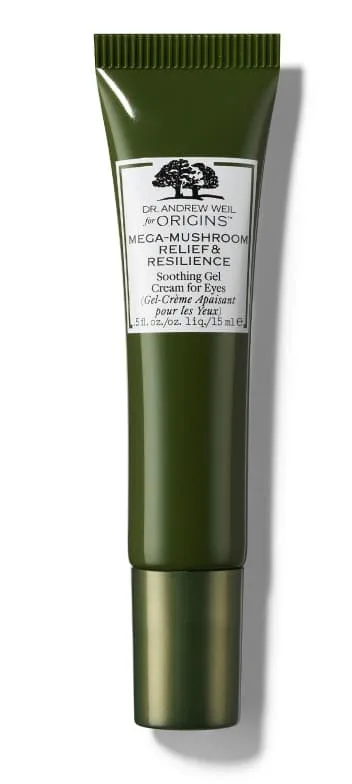 Cooling De-Puff Pick
Mega-Mushroom Relief & Resilience Soothing Gel Cream for Eyes
The smartest product in the Mega-Mushroom range for one simple reason: it drops the heavy fragrance the rest of the line is known for and leads with a high level of niacinamide, plus a genuinely satisfying cooling applicator. Fragrance-free, broadly tolerable, and refreshing, it is a solid de-puffing eye gel, if not a miracle for dark circles, and reasonably priced for what it does.
 Herbal Anti-Wrinkle Emulsion
Wrinkle Supreme Emulsion
A lightweight herbal-mushroom emulsion that wraps a traditional Korean tonic theme — eight medicinal mushrooms and red ginseng — around one genuinely evidence-backed anti-wrinkle active, adenosine. It moisturizes nicely and softens lines gradually, but the smoothing credit belongs to the adenosine and emollients, not the mushrooms. Added fragrance, propolis, and a slightly steep price keep it a likeable mid-tier pick rather than a must-have.
 Sensitive Skin MVP
Supershroom Calm Cleanser
A standout gentle cleanser that actually backs up its 'calm' billing — ceramide NP, oat oil lipids, snow mushroom, and soothing adaptogenic mushrooms in a fragrance-free, non-stripping base. It leaves sensitive and dry skin soft and comfortable rather than tight, and while it's premium-priced and too mild for very oily skin, it's one of the more thoughtfully built cleansers for reactive complexions.
 Gentle Eye Retinol
Anti-Wrinkle Eye Treatment
A featherlight, aloe-based eye gel that delivers a gentle dose of retinol alongside grape seed and reishi antioxidants. It's cooling, fast-absorbing, and an affordable, low-key way to bring retinol to the under-eye area — just temper expectations around dark circles, mind the added fragrance, and skip it during pregnancy.
 Acne-Friendly Vitamin C
Vitamin C Serum + Hyaluronic Acid
A smartly-conceived vitamin C serum for the acne-prone: a stable vitamin C derivative to brighten and fade acne marks, hyaluronic acid to hydrate, and a low 0.5% salicylic acid to keep pores clear so a brightening serum doesn't cause breakouts, all in a lightweight, oil-free base. It genuinely helps fade the discoloration acne leaves — the caveats are the milder derivative vitamin C, added fragrance, and a price above the brand's other products.
 Vitamin C, Bedtime Edition
Triple C Night Cream
A rich, fragrance-free shea-and-safflower night cream with three vitamin C derivatives placed unusually high, which makes it a genuinely useful antioxidant moisturizer for dry and normal skin and a comfortable partner to a retinoid. The mushrooms are decoration, the derivatives are undosed, and the jar is the wrong home for them, but seven years and thousands of warm reviews say it does its job well.
 Creamy Comfort Mask
Mega-Mushroom Relief & Resilience Soothing Face Mask
A creamy, comforting wash-off mask carrying the full Mega-Mushroom antioxidant roster, lovely for dry, stressed skin that enjoys an aromatherapy ritual. But it repeats the line's central flaw, perfuming a soothing product with a heavy load of essential oils, and at $44 for a rinse-off treatment whose actives get only a few minutes of contact, it is more indulgence than necessity.
 Foamy Amino-Acid Basics
Revitalizing Purifying Cleanser
A well-built amino-acid foaming wash whose glycinate-betaine-sulfosuccinate system cleans thoroughly without the squeak, let down only by a mid-list fragrance and a set of herbal extracts that are rinsed away before they can matter. Normal and combination skin will like it; reactive skin should keep looking.
 Fragrance-Free Squalane Splurge
Superkind Bio-Shield Face Oil
The best face oil Tata Harper makes for sensitive skin, because it is the only one that smells of nothing: squalane first, sterol esters, bisabolol, centella and a wide omega seed-oil set, with no essential oils and a National Eczema Association seal. The postbiotic and adaptogen story is trace-level decoration, the oil is too light for very dry winter skin on its own, and $132 for 30 mL of mostly squalane is a price for the brand rather than the bottle. Gentle and good; costly for what it is.
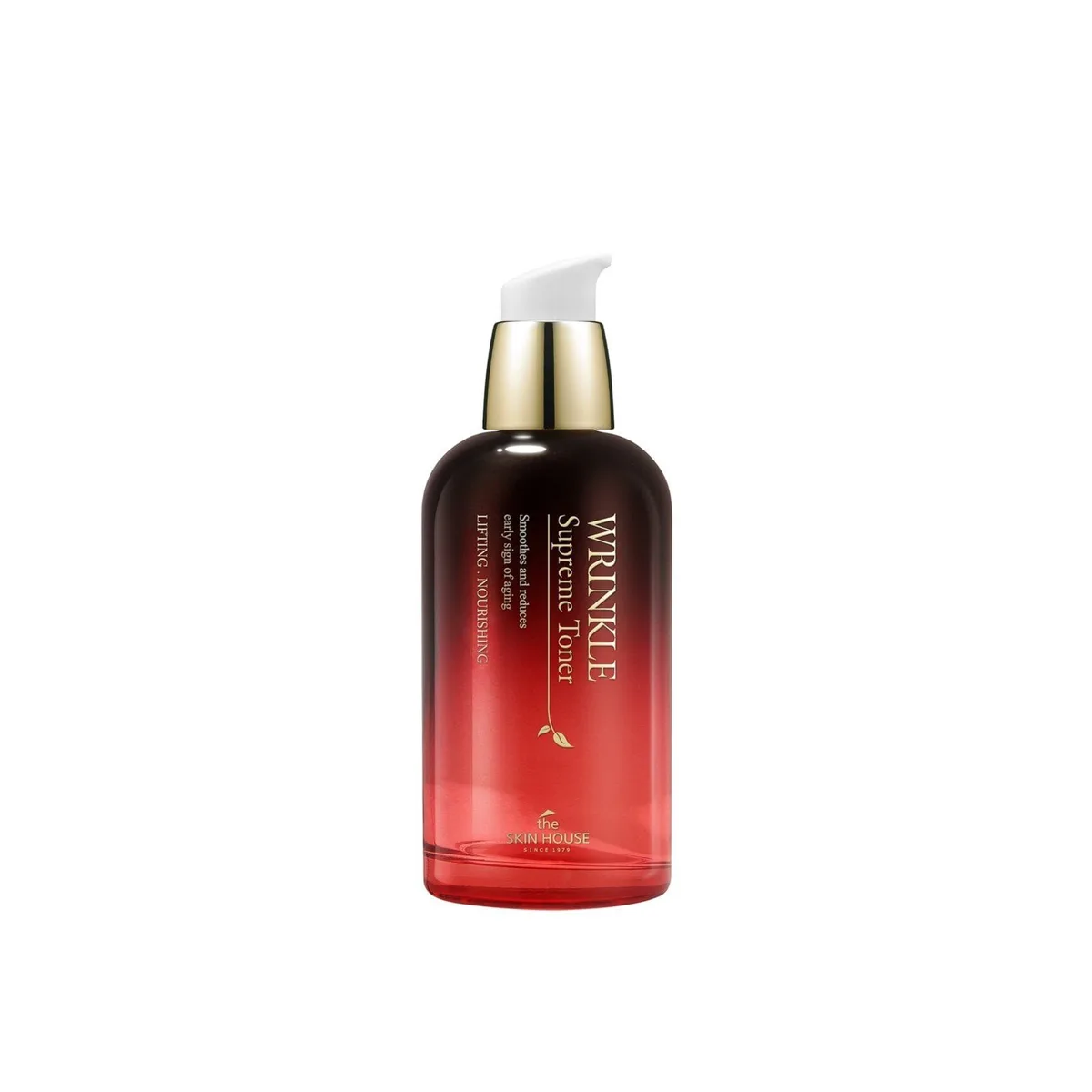 Hydrating Anti-Wrinkle Toner
Wrinkle Supreme Toner
A hydrating first-step toner with more under the hood than most: a rich natural-moisturizing-factor amino-acid complex for deeper hydration and genuine adenosine behind its anti-wrinkle claim, all wrapped in the line's eight-mushroom-and-ginseng theme. It preps and hydrates well, but it's a prep step, not a wrinkle eraser — and the added fragrance, propolis, and toner-high price keep it mid-tier.
 Spa-Program Water Cream
AA Moisturizer
A pleasant, weightless gel-cream whose real strengths are unglamorous: a deep humectant base and adenosine placed high enough to matter. The mushroom trio and edelweiss callus are mostly decoration, and the fragrance and clary oil make it a poor fit for sensitive skin. For normal, combination or oily skin that wants hydration without heaviness at a fair price, it does its job well.
 Dewy Refresh Mist
Mega-Mushroom Soothing Hydra-Mist with Reishi & Snow Mushroom
A genuinely refreshing, prettily dewy hydration mist built around snow mushroom and humectants, lovely as a midday spritz or hydrating prep step for fragrance-tolerant skin. But spraying a fragranced essential-oil blend directly onto the face is a questionable choice for a soothing product, and $38 is a lot for what is, at its core, scented humectant water.
 Undercover Niacinamide Toner
Revitalizing Moisturizing Lotion
Read past the reishi and ginseng and this is a niacinamide-fourth hydrating toner with a good humectant stack, which is more than most herbal waters at its price can say. What holds it back is a preservative system from another decade, DMDM hydantoin, methylparaben and IPBC with fragrance on top, that makes it a fine pick for tolerant skin and a pass for reactive skin.
 Featherweight Herbal Emulsion
Revitalizing Moisturizing Emulsion
A light, silky, sunscreen-friendly emulsion built on a modern isoparaffin-silicone-jojoba base, with a little niacinamide and licorice tucked in behind the reishi story. Pleasant for normal, combination and oily skin, too thin for dry skin, and saddled with a formaldehyde-releaser preservative system and fragrance that reactive users will rightly walk away from.
 Longevity-Trend Serum
CellularYouth Longevity Serum
A gentle, fragrance-free, elegantly made anti-aging serum from a careful formulator — and the brand's deliberate entry into the skin-longevity trend. The base is pleasant and well tolerated; the headline 'NAD+ support' and 'phyto-exosome' actives are trend-forward with emerging rather than established topical evidence, and at $56 you pay partly for the concept.
 Adaptogenic Milk Cleanser
Tulsi & Snow Mushroom Cleansing Milk
Eminence's Tulsi & Snow Mushroom Cleansing Milk is a gentle adaptogen-anchored milk cleanser combining tulsi (holy basil) with snow mushroom and reishi polysaccharides plus mild sugar-derived surfactants. At $52 for 5oz the pricing is mid-luxury within the cleanser category. Genuinely gentle for dry and sensitive skin without sacrificing cleansing effectiveness. Contains honey (not vegan).
 Elevated Melting Body Balm
All In All Melting Body Balm
A genuinely rich, well-made melting body balm that treats body care like skincare — dual shea butters for deep nourishment, plus a gentle plant-based retinol alternative (sea fennel) and an adaptogenic mushroom aimed at smoother, more elastic skin. It melts in beautifully and softens dry, rough areas, with a premium price and the modest, emerging evidence behind the retinol-alternative claim as the main caveats.
 Mushroom-Powered Nourisher
Wrinkle Supreme Cream
A step up from the brand's entry collagen cream, this nourishing 'supreme' moisturizer is built on a genuinely good ceramide-and-mango-butter base and a striking nine-mushroom antioxidant complex with red ginseng and propolis. Rich and comforting for dry, mature skin at $27 — but a heavy fragrance load with six declared allergens keeps it off the sensitive-skin list.
 Botanical-Anchored Brightening Moisturizer
Mega-Mushroom Dark Spot Brightening Moisturizer
Origins' March 2025 launch extends the longer-running Dr. Andrew Weil Mega-Mushroom line into brightening territory — combining ascorbyl glucoside with Trametes versicolor (turkey tail) and Ganoderma (reishi) mushroom extracts, mulberry root, Dictyopteris brown algae, and ceramide NP. The fragrance-free formulation suits sensitive skin with pigmentation concerns. At $72 for 50ml, the price reflects the brand's prestige positioning more than the formulation depth, but the multi-mechanism botanical-plus-synthetic approach is genuinely engineered.
 Organic Hydrating Eye Cream
Snow Mushroom Moisture Cloud Eye Cream
Eminence's Snow Mushroom Moisture Cloud Eye Cream combines certified-organic snow mushroom and reishi polysaccharides with quinoa botanical peptides, birch water, and an extensive biocomplex antioxidant blend. At $79 for 0.5oz the pricing is luxury, justified by the organic certifications and spa-channel positioning. Genuinely cushiony hydration; essential oil fragrance limits sensitive-eye-area use.
 Spa-Day Comfort Cream
Mega-Mushroom Relief & Resilience Soothing Cream
An ingredient-dense, deeply comforting cream with a genuinely fascinating roster of mushroom and antioxidant actives, and a relaxing spa scent its fans adore. But the soothing claim sits awkwardly next to a heavy essential-oil fragrance that can irritate the very reactive skin it targets, and at $72 it is an expensive way to find out whether your skin agrees.
 Peptide-Loaded Essence Toner
Youth-Revitalizing Essential Toner
A milky essence sold as a toner that carries more active chemistry than most Western serums at three times the price: niacinamide fifth on the list, six peptides, four hyaluronic acid forms, two ferments, ectoine, adenosine and reishi. It leaves skin silky and brighter at once and evens tone over a month; the peptide and ferment promises are subtler and rest on Pechoin's own lab. A fragrance and a yellow dye are the price of the price.
 Primer That Calls Itself a Serum
Revitalizing Firming Serum
Strip away the reishi story and this is a silicone-forward smoothing serum with a mid-list niacinamide, an acid-free HEPES smoother and one thinly evidenced density active, dressed in fragrance and a yellow dye. It makes skin look better for the evening and softer within weeks, but it will not firm anything in the sense the name implies, and reactive skin should give its preservative system a wide berth.
 Redness-Relief Powerhouse
Mega-Mushroom Relief & Resilience Advanced Face Serum
A botanically ambitious serum that brings functional mushroom science to the skincare shelf, with a triple-mushroom complex backed by turmeric, sea buckthorn, and ginger for comprehensive redness relief. The ingredient story is compelling and the results are real for many users — but the essential oil load in a sensitive-skin product remains a frustrating contradiction.
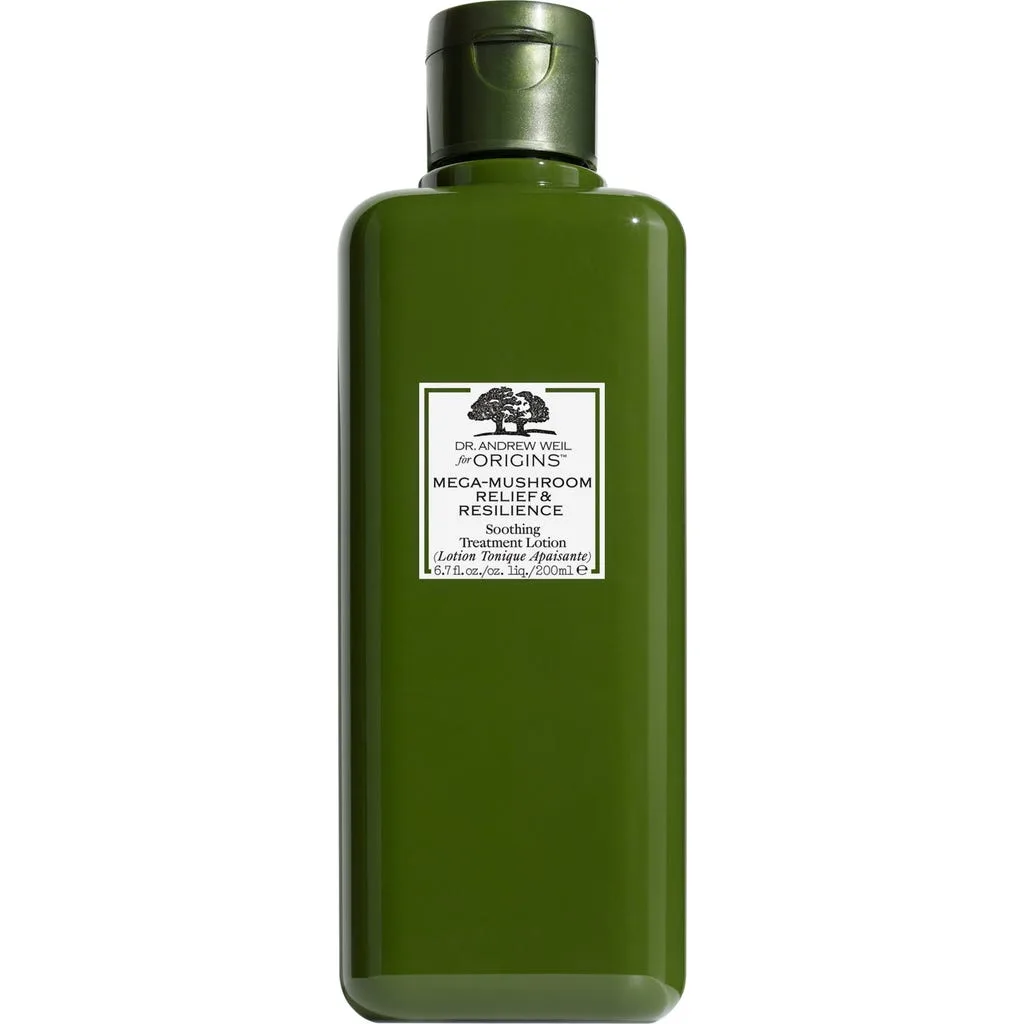 First-Step Skin Calmer
Mega-Mushroom Relief & Resilience Soothing Treatment Lotion
A sophisticated treatment lotion that brings the full Mega-Mushroom complex into an ultra-lightweight, layerable format. The ferment filtrate and reishi combination is genuinely innovative, the texture is impeccable for any routine, and the 200 mL size offers excellent value — though the persistent essential oils remain a puzzling choice for a sensitivity-focused product.
 Iconic Immunity Serum
Ultimune Power Infusing Concentrate
Shiseido's flagship serum delivers impressive radiance and resilience backed by genuine scientific pedigree — four generations of reformulation and 30 years of immunity research — though the denatured alcohol and luxury pricing demand trust in proprietary technology that independent science has yet to fully validate.
 Apex Ginseng Cream, Apex Price
Timetreasure Honorstige Cream
A superbly built rich cream, squalane, meadowfoam, a sterol amino-acid ester and shea over two hydrolysed ginseng saponin fractions and a long Korean herbal tail, with a scent and a jar engineered for gifting. It will make dry, mature skin look plush and rested. It is also $800, its headline reishi is forty-ninth on the list and its cultured ginseng cells are dead last, and its fragrance carries eugenol. The moisturiser is excellent; the price is a sculpture.
 Luxury Caviar Legacy Icon
Skin Caviar Luxe Cream
The most nourishing expression of La Prairie's three-decade caviar legacy — an alcohol-free, deeply emollient cream that genuinely pampers dry, aging skin with caviar PDRN, ceramides, and quality plant oils. At 10, it's the most approachable entry in La Prairie's upper tier, though the word "approachable" is doing extraordinary work in that sentence.
 Hydrating Clay Mask
Snow Mushroom & Reishi Masque
Eminence's Snow Mushroom & Reishi Masque is an organic hydrating clay mask — an unusual category combining kaolin's cleansing action with snow mushroom polysaccharide hydration, paracress firming, and caffeine. At $70 for 2oz it sits in luxury pricing. Genuinely plumps without drying like traditional clay masks. Essential oil fragrance load is the main sensitive-skin limitation.
 Eight-Hundred-Dollar Primer-Serum
Timetreasure Honorstige Serum
The most expensive serum in Korean prestige beauty is, by its own ingredient list, a superb silicone primer-serum: seven silicones and a good humectant phase produce an instant velvety blur and lasting softness, two hydrolysed ginseng saponin fractions sit behind the fragrance as the only credible actives, and the reishi and cultured ginseng cells on the box are thirty-ninth and second to last. It feels wonderful under makeup. It costs $800. Those two sentences do not meet.
 Antioxidant Eye Booster
Ultimune Power Infusing Eye Concentrate
An elegant, lightweight antioxidant eye serum that extends Shiseido's reishi-and-iris defense complex to the under-eye, with an immediate soft-focus smoothing that primes the area nicely for makeup. What it isn't is a wrinkle or dark-circle treatment — there's no retinol or peptide muscle here. At $70 for 15ml with fragrance and alcohol near the eyes, it's a fans-of-the-line purchase more than a results buy.
 Men's Daily Antioxidant Pick
Men Ultimune Power Infusing Serum
A genuinely well-tuned men's antioxidant serum that earns its gendered label through real choices — a Power Peptide for deeper lines and peppermint for sebum control — on top of Shiseido's camellia-and-reishi resilience core. It's a pleasant, low-effort daily step for normal-to-oily skin, though the alcohol-and-fragrance load rules out dry or reactive skin, and $120 is a luxury price for foundational benefits.
The full reishi mushroom (ganoderma lucidum) guide
Used in Traditional Chinese Medicine for over two thousand years under the name lingzhi — "herb of spiritual potency" — reishi has made a methodical transition from tonics and teas into serums and moisturizers.
Its appeal isn't mystery or mystique; it's a genuinely layered chemistry of polysaccharides, beta-glucans, and triterpenoids that show, in lab settings, the ability to dampen inflammation, mop up oxidative stress, and slow melanin production through distinct mechanisms. The topical evidence is still maturing — most of it is in-vitro rather than from controlled human trials — but the underlying biochemistry is solid enough that formulators have real reasons to reach for it, and consumers have real reasons to look past the label and ask what concentration is actually in the bottle.
How it's regulated in the US
FDA does not classify ingredients — it classifies products, by what they are sold to do. The same molecule can be a drug active in one product and a cosmetic ingredient in the next, and only the claim on the label decides which. What follows is a statement about that legal standing, not about whether it works — the evidence question is answered separately above.
Cosmetic Reishi Mushroom (Ganoderma Lucidum) is a cosmetic ingredient in the US: no OTC monograph covers it and it is not an active in any FDA-approved drug, so a product built around it is a cosmetic rather than a drug.
Preclinical and in-vitro data for topical reishi are reasonably substantial: Ganoderma lucidum extracts have shown antioxidant activity, tyrosinase inhibition, and anti-collagenase/anti-elastase activity that points toward barrier and elasticity support. A 2022 study in Polymers on beta-glucan recovered from G. lucidum fruiting body confirmed anti-tyrosinase, antioxidant, anti-collagenase, and anti-hyaluronidase activity in vitro, with no skin irritation in safety testing. A 2008 Mycopathologia paper measured meaningful tyrosinase inhibition (IC50 ~0.32 mg/ml), and a 2016 study identified ganodermanondiol as a specific melanogenesis-inhibiting compound. Human clinical trials on topical reishi specifically are scarce; most human data come from oral supplementation. The "promising" rating reflects strong mechanistic and in-vitro support plus meaningful traditional use, set against an absence of rigorous randomized controlled trials on finished topical formulations. Anything beyond hydration and mild soothing should be read as plausible rather than proven.
How it works
Three compound classes in reishi pull in different directions, which is part of why researchers have taken it more seriously than the average botanical. Beta-glucans, the long-chain polysaccharides, are the hydration workhorse: they bind water and form a light film over the stratum corneum that improves moisture retention without feeling heavy or occlusive. They also engage immune receptors such as dectin-1 in skin, which in lab models appears to modulate inflammatory signaling rather than simply blunt it at the surface. Triterpenoids — the ganoderic acids and their relatives — supply the antioxidant and anti-inflammatory side, scavenging free radicals and, in cell studies, reducing the output of pro-inflammatory mediators like TNF-alpha, IL-1beta, and IL-6. That dual role makes the extract interesting both for reactive, easily-provoked skin and for the slow grind of oxidative photoaging. A separate compound, ganodermanondiol, has been characterized as a melanogenesis inhibitor that suppresses tyrosinase-driven melanin production, which is what puts reishi in conversation for uneven tone — though that work sits in melanoma-cell and in-vitro models, not controlled human trials. Finally, beta-glucans show anti-collagenase and anti-elastase activity in the lab, hinting they may help shield the structural proteins that keep skin firm from enzymatic breakdown. Whether any of this carries over at the modest concentrations used in real products is an open question, but the mechanisms are at least directionally credible rather than invented.
Key benefits
- Helps calm reactive skin by tempering inflammatory signaling in lab models
- Draws and holds moisture through beta-glucan's film-forming, water-binding action
- Scavenges free radicals, which may slow UV-driven oxidative damage over time
- Inhibits tyrosinase in vitro, suggesting gradual support for more even tone
- May help protect collagen and elastin from enzymatic degradation, per lab data
- Generally low irritation potential, making it friendly to sensitive, compromised skin
Concentration & usage
Topical formulas tend to use reishi extract somewhere in the 1–5% range. Drop below roughly 0.5% and the active dose is mostly cosmetic; push past 8% and stability can get fussy. On the INCI list, look for Ganoderma Lucidum Extract sitting in the first half of the ingredient deck — that's a rough proxy for a dose that does something. Fermented versions appear as Lactobacillus/Ganoderma Lucidum Ferment Extract and may have improved bioavailability, though that hasn't been settled in head-to-head human data. The extract behaves best in mildly acidic to near-neutral formulas, around pH 4.5–6.0, which lines up with most well-built serums and toners. Be skeptical of standardized extract ratios printed on packaging (e.g. 10:1) as a stand-in for quality — those numbers don't reliably predict how a finished formula performs.
Who it's for & who should be cautious
Who it's for
Reishi suits people wrangling reactive, sensitive, or chronically inflamed skin — rosacea-prone, post-procedure, or anyone whose face flushes at the slightest excuse. It also fits comfortably into antioxidant-leaning routines for those who prefer botanical actives, given its free-radical and enzyme-inhibiting properties in the lab. And for dull or uneven tone, it's a gentler, lower-irritation companion to a brightening regimen than many dedicated tyrosinase inhibitors — useful when stronger brighteners are too much for your skin to take.
Who should be cautious
There's no long list of people who must steer clear, but a few should pause. Anyone with a known mushroom or mold allergy should patch test carefully, since cross-reactivity to topical extracts is possible. If you're chasing fast, dramatic brightening or anti-aging results, reishi will disappoint — it works slowly and belongs in a supporting role, not as the headline active. And if a product is asking luxury-tier money largely on the strength of reishi as its lead ingredient, the price-to-evidence ratio deserves a hard, unsentimental look before you commit.
Pairs with & conflicts
Myths & facts
Myth: Reishi is just a trendy wellness ingredient with no real skin science behind it
Reality: The evidence base is more developed than most botanical-extract hype. PubMed-indexed studies have measured G. lucidum's tyrosinase inhibition, identified a specific melanogenesis-inhibiting compound (ganodermanondiol), and documented beta-glucan's film-forming and antioxidant activity in vitro. The real gap is between strong lab and preclinical data and the scarcity of robust human clinical trials — not between marketing and zero science.
Myth: All mushroom extracts are interchangeable in skincare formulas
Reality: Reishi, tremella, shiitake, and chaga carry distinct compound profiles and different primary actions. Tremella leans heavily humectant; reishi brings triterpenoids and a tyrosinase-inhibiting compound most other fungi lack. A generic 'mushroom complex' can be useful but obscures which species is doing which job — and at what dose.
Myth: If reishi appears on the label, the formula contains a meaningful dose
Reality: Like most botanical extracts, reishi can sit near the bottom of an INCI list at trace levels that do little. Look for it in the first half of the deck, ideally with a stated percentage. A product that shouts 'reishi mushroom' in its marketing while burying it after fragrance is selling the idea of the ingredient, not the ingredient itself.
Frequently asked questions
How quickly does a reishi serum or moisturizer actually do anything?
Hydration and a calmer-looking complexion can show up within days, since beta-glucans act fast as humectants and surface soothers. The antioxidant payoff and any tone-evening effect build slowly over 6–12 weeks of consistent use. Don't expect the pace of an AHA or a dedicated niacinamide treatment — reishi is a steady supporting player, not a quick fix.
Is reishi extract safe to keep using while pregnant?
Topical reishi is generally treated as low-risk given its botanical origin and the lack of documented systemic absorption from cosmetic use. That said, there are no dedicated human pregnancy safety studies on topical reishi formulations, so running it past your OB or dermatologist is the sensible, conservative move.
Can I layer reishi with retinol without triggering irritation?
Yes, and it's a thoughtful pairing. Reishi's soothing, anti-inflammatory leanings may help cushion some of the dryness and barrier disruption retinol is known for, especially during the early adjustment weeks. Apply a reishi serum before or after your retinol depending on the textures involved, or look for a moisturizer that builds in both.
What's the difference between plain reishi extract and a fermented reishi ingredient on the INCI?
Fermented reishi — listed as Lactobacillus/Ganoderma Lucidum Ferment Extract — has been processed by lactobacillus bacteria, which can break down the mushroom's cell walls and may free up more of the polysaccharides and triterpenoids. Fermentation can also generate extra metabolites. Whether fermented forms genuinely outperform standard extracts in skin hasn't been proven in head-to-head human trials, so treat it as a plausible edge, not a guarantee.
Does reishi genuinely help with redness and rosacea-prone skin?
The in-vitro evidence for tamping down inflammatory signaling is real and directionally encouraging, and rosacea-prone users often describe reishi products as calming without the sting some other actives bring. But no large randomized controlled trials test topical reishi for rosacea specifically — so it's a well-reasoned pick rather than a clinically validated one.
Why do some premium brands charge so much more for reishi products?
High-potency, fruiting-body reishi extract does carry real sourcing and processing costs, so some premium is legitimate. But a lot of the markup in mushroom skincare reflects brand positioning and marketing as much as formulation. A 3% reishi extract in a sensible base shouldn't cost five times a comparable serum — check the full INCI and the concentration before crediting the price to the star ingredient.