Propylene Glycol
Products with Propylene Glycol
 OTC Retinoid Gold Standard
Evenly Clear Facial Retinoid
A genuine prescription-origin retinoid — adapalene 0.1% — and one of the most evidence-backed acne treatments you can buy without a prescription, at an honest drugstore price. The 'Facial Retinoid' name undersells what this is. It demands patience through an adjustment period, is off-limits in pregnancy, and is essentially branded generic adapalene.
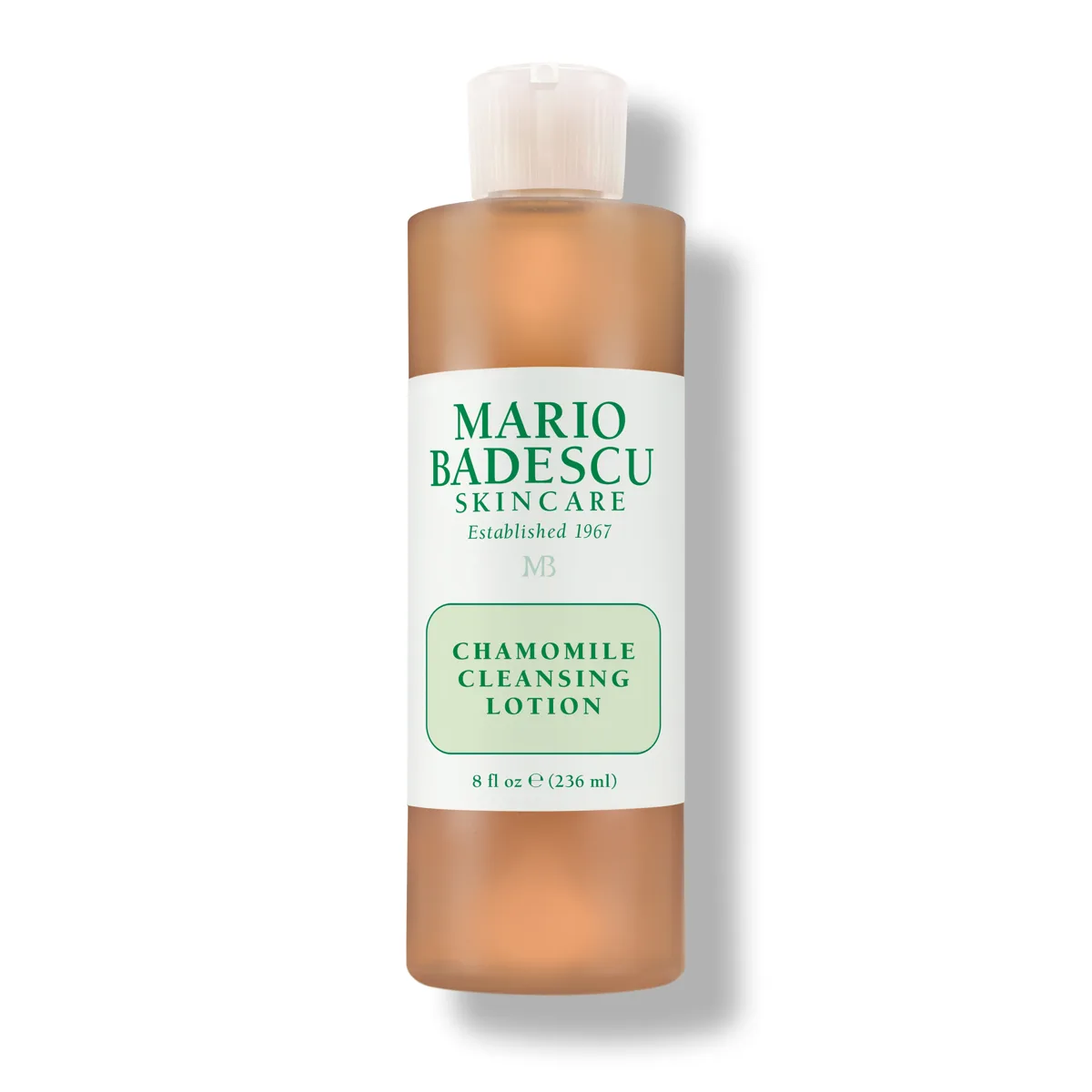 Seven-Ingredient Calming Toner
Chamomile Cleansing Lotion
Seven ingredients, no alcohol, no fragrance, no dyes, no witch hazel: a preserved glycol water with a trace of chamomile that removes cleanser residue, wets the skin for the next step and does nothing else. For sensitive skin that is the whole recommendation, and at two dollars an ounce it is one of the safest toners on a drugstore shelf; the chamomile is a name, and a hydrating toner does more.
 Sensitive Skin Staple
Moisturizing Lotion
A deliberately boring moisturizer — and that's the highest compliment in dermatology. Eleven ingredients, zero fragrance, and decades of clinical trust make this the lotion dermatologists reach for when they need to rule out every possible irritant. It won't transform your skin, but it absolutely will not betray it.
 Pharmacy-Counter Legend
Moisturizing Skin Cream
The original sensitive-skin moisturizer — eleven ingredients, zero fragrance, forty-five years of dermatologist trust. It's thick, it's basic, and it works. This is the cream that proved skincare didn't need to be complicated to be effective, and 30,000 reviews later, nothing about the formula has needed to change.
 Daily Driver Body Lotion
Original Healing Lotion
Eucerin's daily-use body lotion counterpart to the Original Healing Cream — same century-old heritage formulation philosophy in a lighter texture appropriate for whole-body application. Mineral oil and lanolin-alcohol-based emollient lotion with sorbitol and propylene glycol humectants. Exceptional drugstore pricing for clinical-grade body lotion; same lanolin allergen consideration as the Cream.
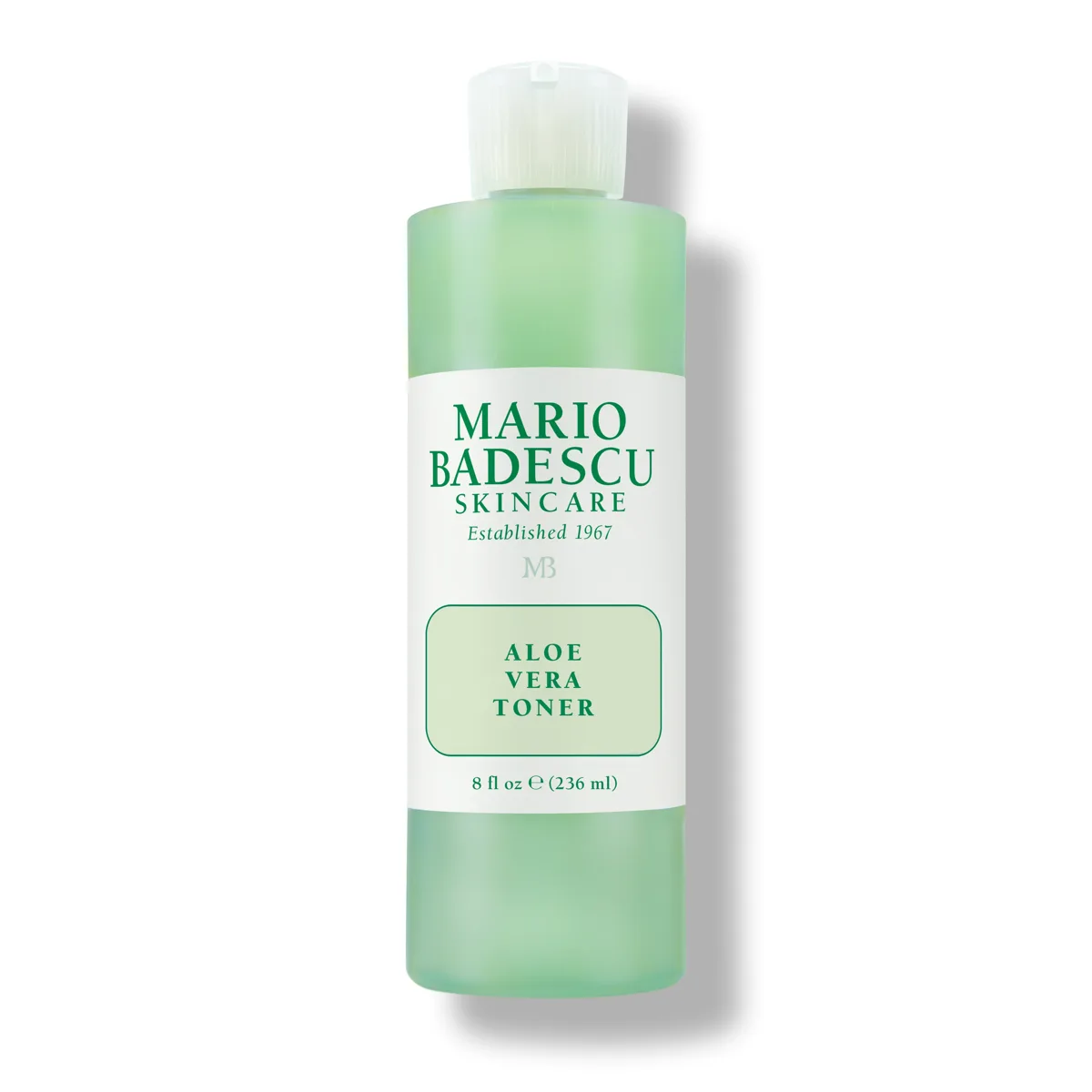 Bare-Bones Aloe Basic
Aloe Vera Toner
Preserved aloe water with a little glycol and, needlessly, three dyes: alcohol-free, fragrance-free, oil-free and about as inoffensive as a toner can be, in a big bottle at two dollars an ounce. It refreshes, removes cleanser residue and leaves the skin damp for what comes next, and it does nothing else, which for sensitive skin is exactly the recommendation.
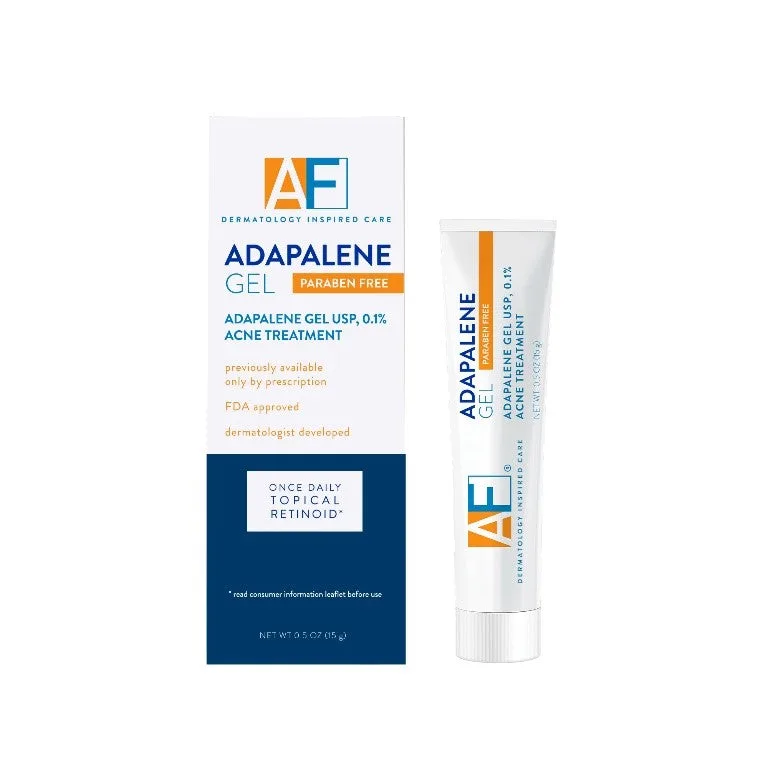 Gold-Standard OTC Retinoid
Adapalene Gel USP 0.1%
The single most evidence-backed acne active you can buy without a prescription — 0.1% adapalene, the same gold-standard retinoid as Differin — in a clean, fragrance-free, oil-free gel, often at a competitive price. It genuinely prevents and clears acne, smooths texture, and fades marks with consistent nightly use. The only real caveats are universal to retinoids: an adjustment period, mandatory sunscreen, and a firm no during pregnancy.
 Calming Mugwort Essence
Artemisia Calming Essence
A beautifully simple calming essence, five ingredients built around 100-day double-fermented mugwort, that soothes redness and settles sensitive, blemish-prone skin with almost no irritation risk. Fragrance-free, alcohol-free and fungal-acne-safe, it is a near-perfect gentle layer for reactive skin. The catch, as with its red-algae sibling, is paying a premium price for such a minimal formula.
 No-Nonsense BPO Wash
Acne Wash 5%
A plain, effective workhorse. Benzagel Acne Wash delivers a micronized 5% benzoyl peroxide in a rinse-off cleanser that genuinely cuts breakouts and oil. There's nothing fancy here, a sulfate base, parabens, real drying potential, and it bleaches fabrics, but as a no-frills BPO wash from a pharmacy line, it does its single job.
 Fragrance-Free Heat-Set Anti-Frizz
Humidity Hero Anti-Frizz Styling Spray
A nine-dollar heat-activated anti-humidity spray built on the same cross-linking silicone polymer as the thirty-dollar prestige versions, in a thirteen-ingredient list with no fragrance and no alcohol. Used exactly as the label says, sprayed on damp hair and blow-dried hot under tension, it delivers sleek blow-outs that survive humid days; used any other way it does very little, and the reviews split along precisely that line.
 Men's Everyday Essential
Men+Care Extra Fresh Body and Face Bar
The bar that tricked millions of men into better skincare — same syndet technology as the original Dove Beauty Bar, repackaged with a cooling, masculine scent profile that men actually want to use. At roughly $1-2 per bar in multi-packs, it's the most accessible upgrade from soap that exists in men's grooming.
 Light Ginseng Day Cream
Ginseng Moist Cream
A light, comfortable glycerin, dimethicone and rice bran oil day cream with beeswax for body and a ginseng extract at a modest position for the name, that hydrates normal and dry skin well and sets satin under makeup for eighteen dollars. It has no SPF in a product sold for the day, and a fragrance, a formaldehyde releaser and two parabens date it; the base is one of the nicer light creams in the brand's old range, and the name is the least of what it does.
 The Range's Strong Acid
Glycolic Gel
The strongest leave-on glycolic in the brand's range: acid in third place, no neutraliser, a thin oil-free sclerotium gum gel that is paraben-free and fungal-acne-safe, and that visibly resurfaces congested, dull, oily skin when used two or three nights a week. It stings, the dose and pH are undisclosed, fragrance and three dyes ride along on an unbuffered acid, and the audience is narrow; for resilient, oily, congested skin it is an effective twenty-five dollars, and for anyone else it is the one to leave alone.
 Best of the Men's Line
Pre-Shave Conditioner
The best product in the brand's men's line and one of the few in its whole range a modern formulator would sign off on: a fourteen-ingredient, oil-free, paraben-free propylene glycol and carbomer gel that holds water against the stubble for a minute before the lather, so tough beards cut with less drag, fewer passes and less razor burn, for eight dollars a jar that lasts three months. Lavender essential oil and two dyes on skin about to be shaved are the only real reservations, and a warm flannel does much of the same job for free.
 Dry-Patch Rescue Stick
Skin Food Repairing Serum Stick
A pocketable gel stick that cools and hydrates a tight, flaky patch within seconds and calms it over a week, dressed in centella, a probiotic ferment, a trace of ceramide and the Skin Food botanicals. It is a good rescue product for dehydrated skin on the move and a poor substitute for a barrier cream, whatever the word repairing implies; the propylene glycol base and light fragrance are the cautions, and fifteen grams for twenty-two dollars is the cost of the format.
 Salon-Era Astringent
Aloe Lotion Toner
A salon-era aloe-and-alcohol astringent that lifts oil on contact and leaves the T-zone tight and matte, scented with a fragrance whose declared components include lilial, banned from EU cosmetics since 2022, and tinted with three dyes. It does what alcohol toners do, cheaply and for a big bottle; almost every other toner in the brand's range is a better choice, and its alcohol-free sibling costs the same.
 Best-Selling Starter Acid
Glycolic Acid Toner
A mild, alcohol-free glycolic acid toner in an aloe base that exfoliates gently enough for nightly use, brightens tone over a few weeks and costs very little per ounce, with nearly five hundred brand-site reviews saying so. The undisclosed acid dose, the partial neutralisation and a long tail of fragrance allergens, a formaldehyde releaser, sulfite and dyes make it a reasonable starter acid for resilient skin and a poor one for anything reactive.
 Vitamin C on a Stick
Skin Food Brightening Serum Stick
A clever piece of packaging chemistry: a stable vitamin C ether and the Skin Food botanicals set into a clear glycol-and-soap gel stick that glides on cool, hydrates on contact and lives in a pocket. It brightens gently and slowly at a stick's modest dose, feels tacky for a few seconds, softens in heat, and costs like a liquid serum for fifteen grams. Good for travel and touch-ups; not a substitute for a proper vitamin C.
 Oil-Free Lash-Friendly Cleanser
Absowater Clear Cleansing Gel
A gentle, oil-free and fragrance-free cleansing gel that removes everyday makeup and sunscreen cleanly and suits people with eyelash extensions. It rinses without residue and leaves skin comfortable. The arbutin and long botanical list are mostly wasted in a rinse-off, heavy waterproof makeup needs extra help, and the price is salon-level.
 Great Scent, Drying Splash
Deep After Shave Lotion
Nivea Men's Deep After Shave Lotion is bought, and genuinely loved, for one thing: its rich, warm vanilla-bourbon scent, which is excellent and long-lasting for the money. As skincare, though, it's a traditional splash aftershave with essentially nothing going for it — denatured alcohol is the second ingredient, it's stacked with fragrance allergens and essential oils, and it has virtually no moisturizing ingredients, so it's drying and potentially irritating on just-shaved skin. Buy it as a cheap scented splash if you love the smell and your skin is resilient; don't buy it as post-shave care. For that, Nivea's own alcohol-free Sensitive balm is far better for about the same price.
 Cosmetic Repair, Not A Cure
Fungal Nail Renewal
A well-built seven-ingredient keratolytic that softens, smooths and visibly improves a fungus-damaged nail — and contains no antifungal whatsoever. Kerasal says so plainly on its own product page, which is more honesty than the product name offers. Judged as cosmetic repair alongside real treatment it earns its place; judged as a cure it is not one and never claimed to be.
 Potent Vitamin C Splurge
eX Real C-serum
A serious, refreshingly minimalist vitamin C serum that suspends a high dose of pure ascorbic acid in a water-free base to keep it potent. The chemistry is genuinely good and the brightening payoff is real with consistent use, but a salon-tier price for a tiny 18ml bottle and a tingle-prone formula mean it's a splurge that demands you actually finish it.
 Post-Gel Rescue
Multi-Purpose Nail Repair
A seven-ingredient Swedish pharmacy solution that treats a wrecked nail as a keratin problem rather than a cosmetic one, and has the rare distinction of a published placebo-controlled trial behind its exact formula. It works, slowly, and only if you accept months with bare nails. Nothing about it is glamorous, which is rather the point.
 Bare-Bones Nightly Wipe
Hydrating Makeup Remover Deep Cleansing Towelettes
Big, soft, well-soaked cloths with a bare-bones, oil-free lotion that takes off everyday makeup quickly. The hydrating hyaluronic acid claim is not reflected in the published ingredient list, the lotion is fragranced, and wiping is friction, so these are a practical first step before a proper wash, not a skincare product in their own right.
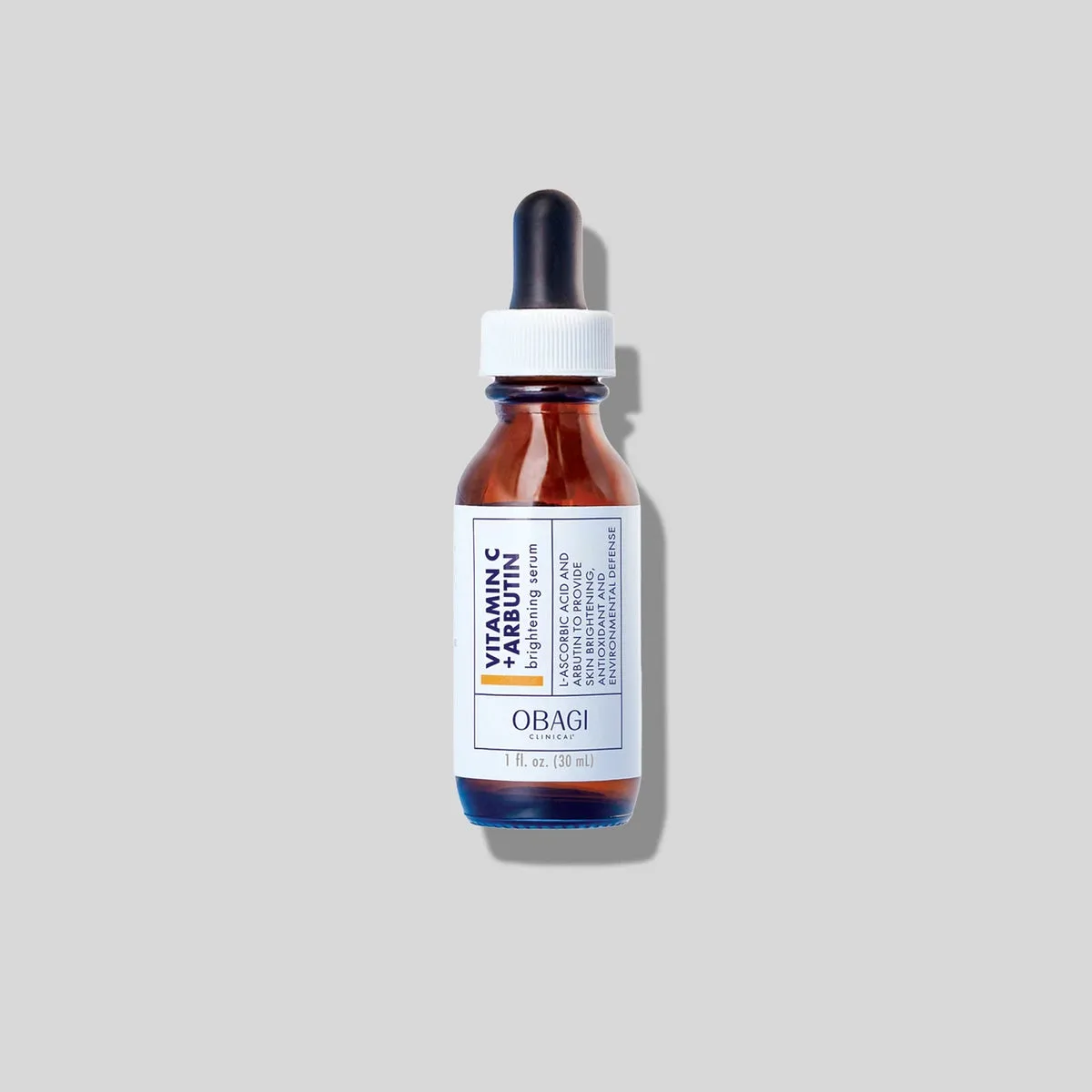 Minimalist Brightening Power
Clinical Vitamin C+ Arbutin Brightening Serum
A radically minimalist vitamin C serum that pairs L-ascorbic acid with arbutin for dual-pathway brightening. Effective for evening skin tone, but the inclusion of alcohol denat. and SLS in a leave-on formula — at $92 for one ounce — asks you to pay luxury prices while accepting drugstore-era compromises.
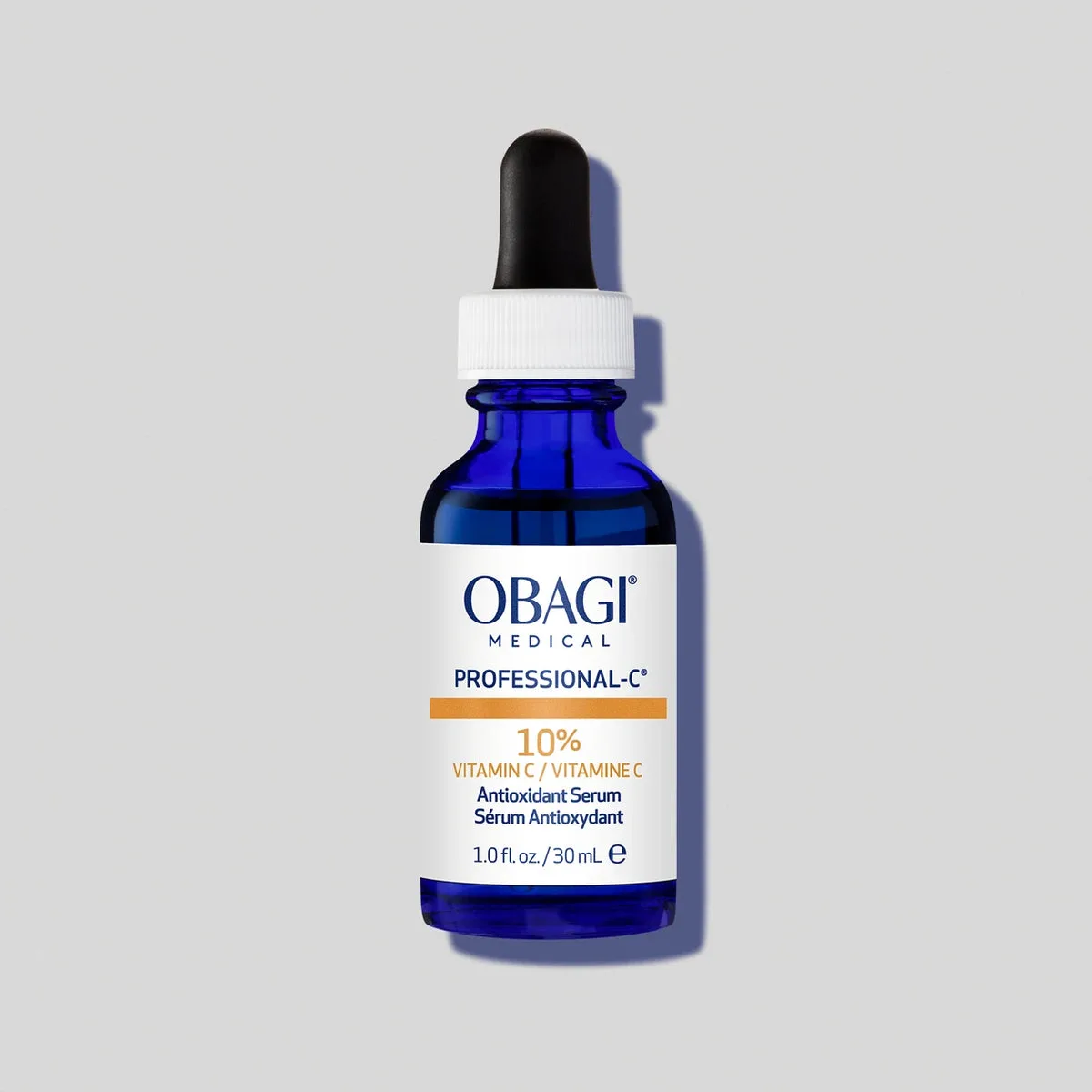 Gentle Vitamin C Entry Point
Professional-C Serum 10%
An ultra-minimalist 5-ingredient vitamin C serum designed as the gentle on-ramp for sensitive skin. Effective at providing baseline antioxidant protection, but the lack of supporting ingredients and high retail price make it hard to recommend over more complete formulations.
 The Botanical Upgrade
Fungal Nail Renewal + Natural Tea Tree Oil
Two ingredients separate this from the plain version: a solubiliser and tea tree oil. That makes it the only formula in the range containing anything with antifungal credentials, and it also makes it the version where the marketing leans hardest on an association the concentration cannot support. The keratolytic base is as good as ever; the botanical mostly buys you a smell and a story.
 System Centrepiece, Unstabilised
FX C-Clarifying Serum Brightening Essence
The centrepiece of a physician-dispensed vitamin C system, stripped to eight ingredients: ten percent L-ascorbic acid, four percent arbutin, and a glycol-and-alcohol vehicle to carry them. Both actives are at working doses and both do what the literature says, brightening in weeks and softening spots in months; the vehicle is drying and old-fashioned, the serum yellows without a stabiliser, and one hundred and forty-five dollars is the top of the market for a formula this basic.
 At-Home Clinical Peel
Rejuvenating Mini Peel Gel
A true wash-off glycolic peel at 10.8% PFAV and pH 2.5 — clinical-tier intensity in a non-prescription bottle, designed for tolerance-built users wanting an at-home alternative to dermatology-office peel sessions. Aggressive, strict-protocol product that delivers meaningful single-session results but is genuinely inappropriate for the wrong skin type.
 @cosme Triple Award Winner
Radiant Skin Refiner
Three consecutive @cosme Best Cosmetics Awards (2023, 2024, 2025) is genuinely unusual recognition for a Japanese toner, and the Radiant Skin Refiner earns it through effective dual-action humectant chemistry, distinctive Teatopia fragrance, and Kanebo's nearly century of cosmetic credibility. The premium positioning is real but justified by consistent market reception.
 Single-Dose Salon Trick
Hyaluronic Acid Super Aqua Hair Filler
A clever single-dose conditioner that turns from clear liquid to cream in your hands and leaves hair slippery, soft and glossy until the next wash. The hyaluronic acid on the box is 0.13 percent and doing almost nothing; three cationic conditioners and a silicone are doing everything. Buy the ten-pack as an occasional treat for dry or damaged lengths, keep it off a sensitive scalp, and ignore the filler language.
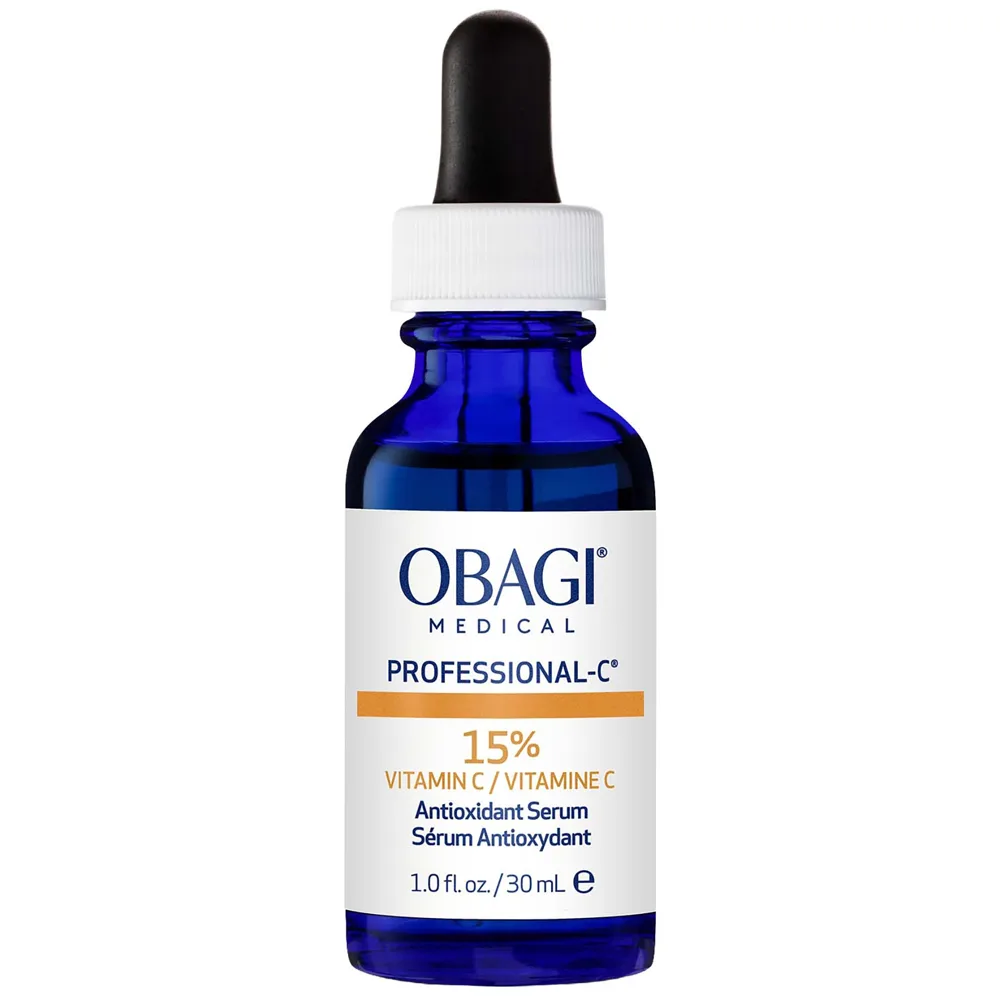 Science-Optimal Vitamin C
Professional-C Serum 15%
The scientifically optimal concentration in Obagi's Professional-C line, with a clever dual-form vitamin C approach. Would be a standout product if it included ferulic acid and vitamin E — as it stands, it is a solid but incomplete vitamin C serum at a premium price.
The full propylene glycol guide
Quietly essential rather than headline-grabbing, propylene glycol is rarely the active your serum is named after — yet it's often the reason that active penetrates and the formula stays hydrated and stable.
It appears near the top of ingredient lists across nearly every product category, pulling two jobs at once: drawing moisture into the skin and helping other ingredients become more bioavailable. That dual role comes with a genuinely nuanced safety profile, one the "natural beauty" corner of the internet has managed to distort in both directions.
Where the evidence stands, by concern
Evidence for an ingredient is not one grade — it differs concern by concern. Each row below was researched separately against regulatory approvals, clinical guidelines, and trials our team opened and verified; the band and dots rank how central propylene glycol is to treating that concern, from first-line therapy down to supportive care, at treatment-level doses and vehicles. A product's own grade weighs its actual formula.
How it's regulated in the US
FDA does not classify ingredients — it classifies products, by what they are sold to do. The same molecule can be a drug active in one product and a cosmetic ingredient in the next, and only the claim on the label decides which. What follows is a statement about that legal standing, not about whether it works — the evidence question is answered separately above.
Cosmetic Propylene Glycol is a cosmetic ingredient in the US: no OTC monograph covers it and it is not an active in any FDA-approved drug, so a product built around it is a cosmetic rather than a drug.
The humectant and solvent functions of propylene glycol rest on decades of cosmetic and pharmaceutical use and are well-established. Its role as a skin-penetration enhancer is mechanistically documented: a 2024 molecular dynamics study in The Journal of Physical Chemistry B found that PG localizes in the headgroup region of stratum corneum lipid bilayers, occupies lipid-water hydrogen-bonding sites, and increases lipid tail disorder in a concentration-dependent manner — consistent with experimental observations that it can extract cholesterol and lower barrier resistance. On allergy and irritancy the picture is more layered. PG was named the American Contact Dermatitis Society's Allergen of the Year in 2018, a designation that flags an underdiagnosed sensitizer rather than a newly dangerous one. The Mayo Clinic patch-test series (11,738 patients) found positive reactions in 0% at 5% PG and 0.26% at 10%, rising to about 1.9% at 20% — true sensitization is real but uncommon at cosmetic levels. The Cosmetic Ingredient Review panel concludes PG is safe as used when formulated to be non-irritating, with high concentrations in some product types. Overall the evidence supports effectiveness and general tolerability at standard levels, alongside a small, genuine sensitization risk in susceptible individuals.
How it works
A small, water-soluble diol — two hydroxyl groups hung on a three-carbon chain — propylene glycol owes nearly all of its behavior to that compact, polar shape. Like glycerin, it binds water through hydrogen bonding, pulling moisture from the deeper dermis and from ambient humidity up into the stratum corneum. Its smaller size and lower viscosity, though, let it spread thinly without the tacky drag heavier humectants can leave behind. The more interesting half of the story is what it does to the barrier itself. Those same hydroxyl groups let it compete with water at hydrogen-bonding sites within the intercellular lipids of the stratum corneum. Molecular dynamics work suggests it settles into the lipid headgroup regions and nudges the tightly packed lipid tails into slightly greater disorder, which makes the membrane measurably more permeable. That's precisely why formulators reach for it when an active needs to reach viable skin — PG eases the door open just enough for other molecules to travel through alongside it. It pulls a third shift as a solvent, keeping stubborn, poorly soluble actives dissolved in water-based systems and improving freeze-thaw stability in emulsions. The practical upshot is one ingredient doing several jobs in a single formula: holding texture together, contributing hydration, and quietly boosting the delivery of whatever the product is actually built around.
Key benefits
- Draws water into the stratum corneum through hydrogen bonding
- Eases penetration of co-formulated actives at typical 3-10% levels
- Cuts the tackiness of glycerin-heavy or water-based formulas
- Solubilizes hard-to-dissolve actives and stabilizes emulsions
- Improves freeze-thaw stability and texture across temperature swings
- Delivers lightweight hydration without an occlusive or greasy film
Concentration & usage
In cosmetics, propylene glycol commonly sits at 3-10% for its combined humectant and penetration-enhancing role; as a pure solvent or co-solvent it can appear lower, around 1-3%. The Cosmetic Ingredient Review panel concluded it is safe as used when formulated to be non-irritating — its 1994 review cited a 50% ceiling, but later assessments documented much higher concentrations in certain product types without a single fixed limit. Practically, irritant and allergic reactions climb above 20%, so leave-on facial products keep it modest. On an INCI list it reads simply as "Propylene Glycol"; finding it in the first third usually means it's doing meaningful formulation work, while a position below roughly 5% suggests it's acting more as a solvent and texture modifier than a primary humectant. It has no notable pH dependence and performs across the usual skincare range of pH 4-7.
Who it's for & who should be cautious
Who it's for
Most skin types tolerate propylene glycol comfortably at cosmetic concentrations, and it especially suits anyone who finds glycerin-based products too tacky or heavy. For oily and combination skin it's a practical hydrator precisely because it adds water without the viscous film of richer humectants. People building routines around retinol, vitamin C, or exfoliating acids can also benefit from its penetration-enhancing effect when PG is co-formulated alongside those actives, since it helps them reach the skin layers where they work.
Who should be cautious
Anyone with a propylene glycol contact allergy confirmed by patch testing should steer clear of it in leave-on and prolonged-contact products. Those with a compromised or inflamed barrier — active eczema, perioral dermatitis, freshly post-procedure skin — may find higher-concentration PG products transiently stingy, since the same penetration-enhancing effect can amplify exposure to everything else in the formula. One often-missed scenario: people who react to their topical corticosteroids should check the inactive ingredients, because PG is common in steroid bases and is a frequently overlooked trigger that mimics the very dermatitis being treated.
Pairs with & conflicts
Myths & facts
Myth: It's an industrial antifreeze chemical, so it's dangerous in skincare
Reality: Propylene glycol is used in some antifreeze formulations, but the identical molecule is also an FDA-approved food additive and a staple of pharmaceuticals and inhalers. What matters is concentration and context: at 3-10% in a leave-on moisturizer, it behaves nothing like its industrial applications. Ethanol is used as motor fuel, too — that doesn't make a toner hazardous.
Myth: If a product turns your skin red, propylene glycol is the likely cause
Reality: PG sensitization is real but uncommon. Large patch-test data put true allergic reactions in the low single digits of a percent at cosmetic concentrations. Most product-induced redness traces to other sources — fragrance, essential oils, low pH, or a barrier already reacting to anything applied. Pinning every flare on propylene glycol overstates the risk and tends to obscure the actual culprit.
Myth: It dries skin out over time by wicking moisture from deeper layers
Reality: That concern belongs to very high humectant loads applied in bone-dry air with no occlusive on top — and even there the evidence is thin. At standard cosmetic levels in a balanced formula, propylene glycol contributes to hydration rather than depleting it, and its penetration-enhancing effect doesn't meaningfully raise transepidermal water loss at the amounts used in skincare.
Frequently asked questions
Why does propylene glycol keep showing up so high on ingredient lists?
A high position reflects both its concentration and the number of jobs it's handling at once. Formulators lean on it to hydrate, to thin out sticky humectants, to keep actives dissolved, and to help other ingredients penetrate. When PG sits second or third after water, the formula is usually relying on it for several of those functions simultaneously — more efficient than adding three single-purpose ingredients.
Is propylene glycol the same thing as propanediol?
Related but not identical. Propylene glycol is 1,2-propanediol, typically petroleum-derived; propanediol is usually 1,3-propanediol, a corn- or other plant-sourced isomer. Both are diols with similar humectant behavior, but their molecular geometry differs slightly. Brands often swap in propanediol for its 'natural' or 'plant-derived' positioning, though the functional difference in a finished formula is small.
Can I use products with propylene glycol if I have eczema?
It depends on whether you carry a confirmed PG sensitivity — worth ruling out with patch testing if you react to several different products. Plenty of well-tolerated eczema treatments, including some topical steroids and barrier creams, contain propylene glycol without trouble for most people. But if your skin reliably flares on PG-containing products and calms on PG-free ones, that pattern is meaningful and worth raising with a dermatologist.
Does propylene glycol make actives like retinol or vitamin C sting more?
It can — because it boosts penetration of everything it's formulated with, not just the marquee active. At levels where it noticeably loosens the barrier, any co-formulated irritant reaches living skin cells more readily. Well-built products account for this by balancing PG against the strength of the active. It's less a reason to avoid PG than a reminder to ramp up potent products gradually, which is sound practice regardless.
What did its 2018 Allergen of the Year title actually mean?
The American Contact Dermatitis Society uses that designation to spotlight underdiagnosed sensitizers, not to brand an ingredient newly hazardous or commonly reactive. PG earned it because it's so ubiquitous — including in the topical medications used to treat dermatitis — that it was being overlooked as a culprit in contact dermatitis cases. The reaction rate in the general population stays low.
Is propylene glycol okay to use while pregnant?
At the levels found in leave-on skincare, it's considered low-risk. It's an approved food additive, hasn't been linked to reproductive toxicity at typical cosmetic exposures, and absorbs only modestly through skin compared with ingestion. Anyone wanting extra caution can choose propanediol- or glycerin-based formulas instead, but there's no established reason to avoid standard PG products during pregnancy.