Phenylethyl Resorcinol (SymWhite 377)
Products with Phenylethyl Resorcinol (SymWhite 377)
 Loaded Brightening Gel
SymWhite 377 Dark Spot Moisture Gel
A brightening moisturizer that punches well above its price, stacking SymWhite 377, tranexamic acid, glutathione, and niacinamide on a full five-ceramide base. It targets dark spots from several angles while staying hydrating and, crucially, fragrance-free this time. Results demand patience and daily sunscreen, and it isn't fungal-acne safe, but the value is genuinely impressive.
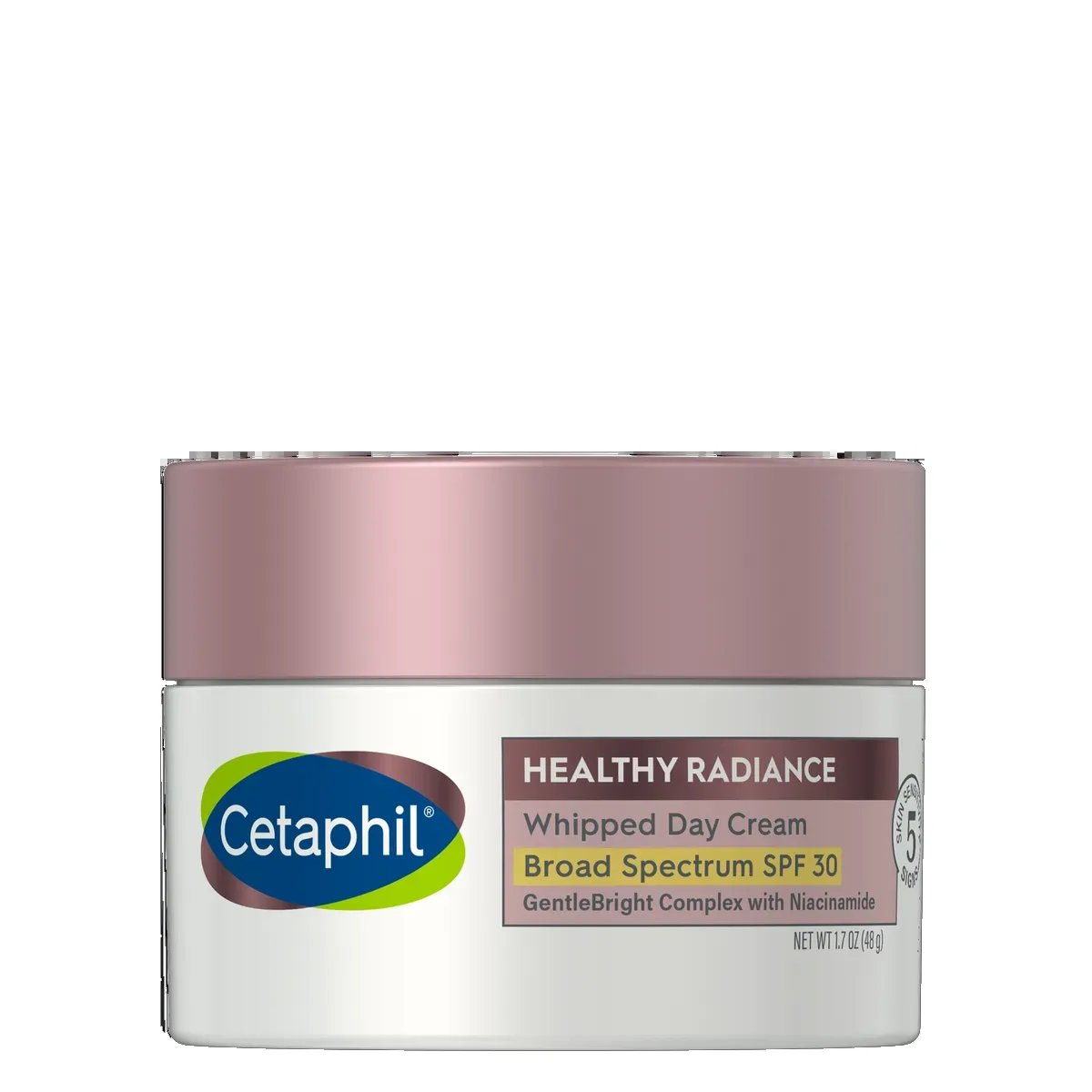 Brightening Multitasker
Healthy Radiance Whipped Day Cream SPF 30
A genuinely multifunctional product that combines clinical brightening actives with broad-spectrum SPF 30 and instant optical luminosity — three products in one jar. The formulation sophistication is real, but the small size, chemical sunscreen filters, and insufficient moisture for dry skin narrow its ideal audience.
 Budget Multi-Pathway Brightener
377 Dark Spot Serum
Skintific's flagship brightener packs a resorcinol, niacinamide, tranexamic acid and arbutin onto a ceramide base for fifteen dollars, fragrance-free, and it works — quickly on red post-acne marks, slowly on brown ones. The brand's 14-day claim oversells the second half of that sentence, and no concentrations are declared, but as a budget multi-pathway dark-spot serum it is hard to beat.
 Sulfur Paste, Updated
Rapid Acne Spot Treatment
A sulfur paste that has been to finishing school: 10% monograph sulfur to dry and flatten a spot overnight, plus a stated 4% niacinamide, 2.5% glycolic acid, phenylethyl resorcinol and licorice for the redness and the mark it leaves. Fragrance-free, bleach-safe, fast on whiteheads, and it smells like a struck match. Sulfur's evidence is old and thin, and this treats the bump in front of you, never the acne behind it.
 Brightening Multitasker
Skin Renewing Brightening Lotion SPF 30
CeraVe's first product to use L'Oréal's Melasyl pigmentation molecule is also a competent SPF 30 day cream and a barrier-supporting lotion in one step. The size is small for the price, but the formula is genuinely impressive — this is CeraVe taking a real swing at the dark spot treatment category.
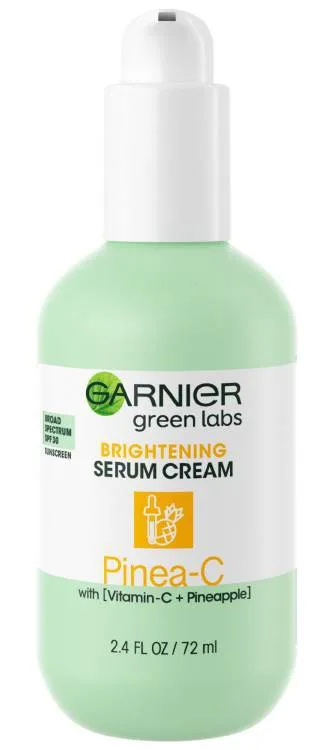 3-in-1 Drugstore SPF Cream
Green Labs Pinea-C Brightening Serum Cream SPF 30
One of the more thoughtful drugstore SPF moisturizers in the brightening category — combines phenylethyl resorcinol (a research-supported tyrosinase inhibitor) with vitamin C ester and pineapple extract under SPF 30 chemical UV protection. For shoppers wanting brightening-plus-sunscreen at drugstore pricing, this is one of the better-formulated options. Fragrance and chemical filters limit pregnancy and sensitive-skin appropriateness.
 Adult-Acne Night Oil
Retinoid Acne Clearing Oil
An original answer to adult acne: the full 2 percent salicylic acid dose carried in a cushioning oil so it clears without stripping, with a serious brightener for the marks and a retinyl ester gentle enough to sit beside the acid nightly. It works, and hundreds of reviews say so. The retinoid is the weakest form on the market, though, and eighty-nine dollars an ounce is a lot to pay for salicylic acid in nicer clothes.
 Melasma Day Cream MVP
Melascreen Depigmenting Cream SPF 50+
One of the most thoughtful melasma day creams on the European pharmacy market — four brightening mechanisms layered with broad-spectrum SPF 50+ in a single daily product. Specifically built for the patient population most prone to melasma treatment failure: people who skip either the active treatment step or the sunscreen step. Pregnancy-safe, well-tolerated, and clinically credible.
 Hyperpigmentation Specialist
Advanced Fade Cream Hydroquinone-Free
A genuinely well-formulated hydroquinone-free dark-spot corrector from the brand that helped define fade creams for skin of color: 5% niacinamide, a gentle PHA, potent phenylethyl resorcinol, and licorice in a moisturizing base, all for around ten dollars. It fades stubborn discoloration through multiple gentle pathways rather than one harsh one — the caveats are added fragrance, the patience required, and the non-negotiable need for daily sunscreen.
 Multi-Pathway Drugstore Brightener
Vitamin C Glow Boost Serum
A surprisingly well-formulated drugstore brightening serum that delivers a multi-pathway architecture — niacinamide as primary active, ascorbyl glucoside as vitamin C derivative, phenylethyl resorcinol as a more potent tyrosinase inhibitor, and trace salicylic acid for surface renewal. The alcohol denat content and fragrance load are real limitations for sensitive skin, but the active complexity at this price point is genuinely strong, and the L'Oréal Group's broader R&D infrastructure shows up in the phenylethyl resorcinol inclusion that competing drugstore brands rarely match.
 French Pharmacy Hand SPF
Melascreen Anti-Spots Hand Cream SPF 50+
Ducray French pharmacy hand SPF 50+ cream specifically positioned for hand photo-aging and dark spot prevention. Comprehensive modern EU UV filter pool (Tinosorb M + Tinosorb S + Uvasorb HEB + avobenzone) combined with phenylethyl resorcinol brightening, soy isoflavones, garden cress sprout extract, and HA + glycerin humectant pair. Few hand SPF products offer this comprehensive modern EU UV filter loading.
 Hydroquinone-Free Pigment Staple
Even Tone Correcting Serum
A seriously considered alternative to prescription hydroquinone, targeting pigmentation through three different biological pathways in a single serum. Elegant texture, genuine efficacy on stubborn melasma and post-inflammatory marks, and dermatologist-dispensed credibility. The $160 price tag and 30ml size are the main friction points.
 Pharmacy Daily Brightening SPF
Pigmentclar Dark Spot Cream
Pigmentclar UV is a quietly clever three-in-one: a daily moisturizer, a brightening treatment, and an SPF 30 with a modern European multi-filter system that outclasses most US sunscreens on UVA coverage. It's a solid morning shortcut for anyone managing mild discoloration. The catches are the fragrance, a comedogenic emulsifier load, and SPF 30 being a touch low for serious pigment routines.
 Dark Circle Specialist
Instant Bright Eye Cream
A sophisticated eye cream that delivers both instant optical brightening and long-term treatment for dark circles, backed by SkinMedica's clinical pedigree. The multi-pathway approach genuinely sets it apart, though $92 for half an ounce is a serious ask and the pilling issue is a real annoyance for some users.
 Brightening Cleansing-Oil Specialist
Blanc:Chroma Brightening Gentle Cleansing Oil
The most chemically interesting cleansing oil Shu Uemura makes — phenylethyl resorcinol plus capryloyl salicylic acid in a mineral-oil base is a genuinely serious brightening formula in a rinse-off format. Modest standalone results but a meaningful addition to a brightening routine that includes leave-on actives and SPF.
 Luxury Glow Day Cream
Blue Peptides Uplift Day Cream
A rich, glow-giving luxury day cream that does the visible part of its job immediately and the real part slowly and modestly. Matrixyl 3000, barrier lipids and a generous plant-oil base make it a pleasure for dry, mature skin; alcohol, coconut oil and a strong perfume make it a poor fit for reactive or congestion-prone faces. At $109 you are paying for the jar, the panel percentages and the brand, because the peptide dose costs pennies elsewhere.
 Men's 2-in-1 SPF Pick
SPF Moisturizer
Stryx's SPF Moisturizer is the rare men's daily SPF that actually earns the 'moisturizer' half of its name — broad-spectrum SPF 30 filters joined by a collagen peptide, green tea and vitamin E antioxidants, and a brightening agent, all in a matte, white-cast-free finish men will actually wear. The chemical filters and a dose of coconut oil are the only real caveats.
 Pink-Pearl Night Nourisher
Rénergie Multi-Glow Night Cream
A rich, pink-pearl night cream whose morning glow is mostly its own pigments still on your face, wrapped around a genuinely comforting coconut-and-mango-butter base and two quiet actives, phenylethyl resorcinol and adenosine, that do slow, real work. Lovely on dry mature skin that likes a full Lancôme fragrance; wrong for anyone oily, reactive or expecting the schisandra to do the glowing.
 Pigment-Prone Skin's Daily SPF
Daily Brightening UV Defense SPF 30
The idea is exactly right — put the pigment-pathway actives into the sunscreen that dark-spot-prone skin should be wearing every morning anyway — and the three declared doses plus a 44-person, 12-week study make it more than a gimmick. The execution is where it wobbles: an avobenzone-and-alcohol base, a lemongrass fragrance carrying six declared allergens, mica shimmer and an SPF of 30 rather than 50, at $65 for an ounce. A luminous, hydrating daily SPF for pigment-prone skin that tolerates fragrance; a puzzling choice for the reactive skin that often comes with it.
 Derm Office Staple
Even & Correct Advanced Brightening Treatment
A serious multi-pathway brightening serum that stacks hexylresorcinol, tranexamic acid, phenylethyl resorcinol, and niacinamide to address pigmentation from several angles at once. On stubborn melasma and post-inflammatory hyperpigmentation, it genuinely outperforms single-active brighteners — but the price is steep and you have to commit to consistent sunscreen for it to pay off.
 Anti-Aging SPF Multitasker
LiftActiv Peptide-C Face Sunscreen Moisturizer SPF 30
A smart daytime multitasker that builds broad-spectrum SPF 30 into an anti-aging moisturizer with vitamin C, pea peptides, and a potent dark-spot brightener. It closes the loop that most brightening routines miss — fading pigment while blocking the UV that causes it — in one soft, powder-finish step. Fragrance and a chemical-filter base are its main drawbacks.
 Targeted Brightening Pick
Visible Brightening Clearly Radiant Spot Correcting Capsules
A genuinely well-stacked brightening capsule that attacks dark spots through several pathways — stable vitamin C, potent phenylethyl resorcinol, and licorice — in the brand's reliable sealed-dose format. It delivers a real radiant finish and visible fading over time, but the added fragrance with multiple allergens is an odd choice for a targeted-treatment product, and the prestige price and 2024 newness ask for some patience.
 Glow-Forward Day Cream
Visible Brightening Clearly Radiant Bounce Cream
A genuinely well-thought-out brightening day cream that pairs niacinamide with the potent tyrosinase inhibitor phenylethyl resorcinol in a delightfully light, bouncy gel-cream. The dual-action targeting and pleasant texture are real strengths; the steep luxury price, added fragrance and small jar keep it from being a no-brainer.
 China's 377 Spot Serum
Crystal White Spot-Targeting Serum
A genuinely well-constructed brightening serum: niacinamide, phenylethyl resorcinol and a stable vitamin C ether in a lipid base that actually solves the delivery problem 377 serums usually ignore. It works, slowly and with sunscreen. The fragrance, the undisclosed doses and the absence of any US retail listing are the reasons it is a considered buy rather than an automatic one.
 HQ-Free Spot Corrector
Pigment Gel HQ Free
A blunt, effective, hydroquinone-free spot corrector that stacks kojic acid, azelaic acid and phenylethyl resorcinol on a lactic acid exfoliant, with two decades of clinic use and nearly a thousand reviews behind its results on post-acne marks and sun spots. It is delivered in an alcohol-and-witch-hazel gel that stings and dries, which keeps it strictly a spot treatment and rules it out for sensitive skin, and ninety-six dollars is a lot for thirteen ingredients, however well chosen.
 Nourishing Night Firmer
Blue Therapy Red Algae Uplift Night Cream
The most substantive product in Biotherm's Red Algae Uplift line: a genuinely rich night cream that pairs peptides, the brightening agent phenylethyl resorcinol, and a real ceramide-squalane-oil base for overnight nourishment and firmness support. It's a better formula than its daytime sibling, but the heavy fragrance, richness, and $93 price still ask a lot.
The full phenylethyl resorcinol (symwhite 377) guide
Most tyrosinase inhibitors force a trade-off between potency and gentleness — phenylethyl resorcinol is one of the few brightening actives with a credible claim to both.
It's a synthetic resorcinol derivative that, in laboratory testing run by its manufacturer, inhibits tyrosinase far more strongly than kojic acid, yet most skin tolerates it at concentrations well under 1%. You'll find it anchoring dark-spot serums, built into SPF moisturizers, and inside under-eye treatments, often as the lead active in a multi-ingredient brightening blend.
How it's regulated in the US
FDA does not classify ingredients — it classifies products, by what they are sold to do. The same molecule can be a drug active in one product and a cosmetic ingredient in the next, and only the claim on the label decides which. What follows is a statement about that legal standing, not about whether it works — the evidence question is answered separately above.
Cosmetic Phenylethyl Resorcinol (SymWhite 377) is a cosmetic ingredient in the US: no OTC monograph covers it and it is not an active in any FDA-approved drug, so a product built around it is a cosmetic rather than a drug.
The human evidence is modest but encouraging rather than definitive. Manufacturer-run in-vivo testing at 0.5% over 12 weeks reported significant reductions in hyperpigmentation with tolerability better than hydroquinone, and a 2021 split-face study in the Journal of Cosmetic Dermatology (Yu et al.) found that nano-microneedle-assisted topical application meaningfully lowered the melanin index in infraorbital dark circles over eight weeks. The mechanistic picture is the strongest part of the file: a 2019 Phytomedicine paper established that activation of p44/42 MAPK signaling, which drives degradation of the MITF transcription factor, is a primary anti-melanogenic route alongside direct tyrosinase inhibition. A 2024 ChemMedChem review of resorcinol-containing tyrosinase inhibitors situates the meta-dihydroxy scaffold among compounds that resist tyrosinase-mediated oxidation, part of why this class works at the enzyme's active site. The honest weakness: most efficacy data is small, short, and tied to the ingredient's manufacturer, with no large independent randomized controlled trials of the kind that back niacinamide or azelaic acid. The signal is real and well-explained, but independent confirmation at scale is still missing.
How it works
What separates this molecule from single-target brighteners is that it interrupts melanin production at two points at once. Directly, it competitively inhibits tyrosinase — the copper-dependent enzyme that converts tyrosine into L-DOPA and then dopaquinone, the immediate precursor to melanin. The resorcinol scaffold's two hydroxyl groups engage tyrosinase's paired copper ions at the active site, inactivating the enzyme rather than just slowing it, and the meta-dihydroxy arrangement helps the compound resist being oxidized by the enzyme it targets. The second route works further upstream. A 2019 Phytomedicine study (PMID 30849679) showed that phenylethyl resorcinol activates the p44/42 MAPK cascade, which promotes degradation of MITF — the master transcription factor that switches on tyrosinase gene expression. By reducing how much tyrosinase a melanocyte produces in the first place while also blunting the enzyme already present, the molecule attacks the pathway from both ends. Neither mechanism is unique on its own; engaging both at a cosmetically usable dose (roughly 0.1–0.5%) is the distinguishing feature. It also scavenges free radicals, which matters because UV-generated reactive oxygen species can independently trigger pigmentation signaling — a secondary, additive contribution in formulas that pair it with UV filters. Because the molecule is oil-soluble and light-sensitive, formulation genuinely matters: it degrades under light and at alkaline pH, so well-made products rely on lipid encapsulation and opaque or airless packaging to keep it stable and active.
Key benefits
- Inhibits tyrosinase far more potently than kojic acid in manufacturer lab testing
- Works on two fronts: blocks the enzyme and suppresses its gene expression via MAPK-MITF signaling
- Targets post-inflammatory marks, melasma, and UV-induced dark spots
- Reported tolerability better than hydroquinone at brightening-effective concentrations
- Adds antioxidant activity that supports defense against UV-triggered pigmentation
- Studied specifically for infraorbital dark circles in a split-face clinical trial
Concentration & usage
Cosmetic formulas typically run from 0.1% to 1.0%, with 0.5% the most commonly used and studied leave-on dose. To stay stable the formula should sit at roughly pH 4.0–5.5, since the molecule breaks down at alkaline pH and is strongly light-sensitive — favor opaque or airless packaging. Being oil-soluble, it's often encapsulated in lipid carriers such as liposomes, nanostructured lipid carriers, or smartLipids to improve dispersion and protect it from light. On the label it reads as Phenylethyl Resorcinol. China caps it at 0.5%; the EU and US set no explicit maximum, but allergic contact dermatitis has been documented even below 1%, so a patch test before regular use is sensible.
Who it's for & who should be cautious
Who it's for
It suits anyone working on stubborn discoloration — melasma, lingering post-acne marks, sun spots, or uneven tone from years of UV exposure — who wants a route other than hydroquinone or has found kojic acid too irritating. It slots cleanly into multi-active brightening routines and is a reasonable pick for deeper skin tones where hydroquinone's depigmentation risk is a concern. Because it turns up so often in SPF moisturizers and eye creams, plenty of people will benefit from it without ever shopping for it by name.
Who should be cautious
Anyone with a known resorcinol allergy should steer clear entirely — this chemical family has documented sensitization potential. Allergic contact dermatitis has been reported at levels as low as 0.1–0.5%, and a 2021 case series (PMID 33745162) describes facial reactions, so for sensitive or reactive skin a patch test before full-face use isn't a nicety, it's warranted. During pregnancy, the cautious move is to lean on better-characterized alternatives, since safety data specific to this ingredient in pregnancy is lacking.
Pairs with & conflicts
Myths & facts
Myth: Phenylethyl resorcinol is just a fancier kojic acid with no real difference
Reality: The two are different enough to be complementary rather than interchangeable. Kojic acid chelates copper loosely; phenylethyl resorcinol inactivates the enzyme's active site and also suppresses tyrosinase gene expression through MAPK-MITF signaling, a route kojic acid doesn't use. Manufacturer in-vitro testing puts its tyrosinase inhibition far above kojic acid's, and the scaffold resists oxidative breakdown better at skin-surface pH.
Myth: If it inhibits tyrosinase, it must act like hydroquinone
Reality: Hydroquinone is cytotoxic to melanocytes at therapeutic strengths — it damages the pigment-producing cells themselves, which is both its power and its danger. Phenylethyl resorcinol modulates enzyme activity and gene expression without that melanocyte toxicity, which is why its safety profile is cleaner at effective doses and why it isn't associated with hydroquinone's rebound pigmentation risk.
Myth: More is always better — a higher percentage means faster results
Reality: The available data doesn't back that for this molecule. The 0.5% dose in manufacturer testing performed comparably to 2% hydroquinone, and pushing past 1% tends to raise irritation and sensitization risk without a clear efficacy payoff. Its light-instability also means an unprotected 1% formula can underperform a well-stabilized, encapsulated 0.5% one.
Frequently asked questions
How long before phenylethyl resorcinol visibly fades dark spots?
Most study endpoints land at 12 weeks, with some users noticing early change around the four-week mark. Plan on meaningful improvement in stubborn discoloration somewhere between 8 and 12 weeks of consistent daily use — quicker for fresh post-inflammatory marks, slower for older sun spots or melasma.
Is it a safe brightener for deeper skin tones?
Unlike hydroquinone, it carries no documented risk of paradoxical darkening or ochronosis, which makes it a more frequently suggested option for Fitzpatrick III–VI skin. As with any tyrosinase inhibitor there's a theoretical chance of over-lightening, so easing in with a lower application frequency and watching for evenness is a reasonable habit.
Why does a serum with this ingredient need to stay out of the light?
The molecule is strongly photo-unstable — light exposure degrades it and saps its effectiveness. That's why well-built formulas use opaque or airless packaging and sometimes add photo-stabilizers. Keeping the product off windowsills and away from direct light preserves its potency across its shelf life.
Can I use phenylethyl resorcinol around my eyes?
Yes — a 2021 Journal of Cosmetic Dermatology split-face study evaluated it for infraorbital dark circles and reported a significant drop in melanin index by eight weeks without notable side effects. Several eye creams use it as their lead brightener. Since under-eye skin is thinner, starting with a product formulated for that area rather than dabbing on a strong serum is the smarter approach.
Does it clash with the SPF in a moisturizer that contains both?
Not in any functional sense. Its antioxidant activity can actually complement UV filters by mopping up free radicals they don't catch, and formulation studies have shown improved photo-stability when it's paired with inorganic filters like titanium dioxide. The risk runs the other way — UV degrades the resorcinol itself, so wearing sunscreen protects the active, not just your skin.
Is SymWhite 377 the same as phenylethyl resorcinol?
Yes — SymWhite 377 is Symrise's trade name for the commercial grade of phenylethyl resorcinol used in cosmetics, and the INCI name you'll spot on labels is Phenylethyl Resorcinol. Same molecule; the '377' in the trade name nods to its molecular weight.
Sources
- https://pubmed.ncbi.nlm.nih.gov/30849679/
- https://pubmed.ncbi.nlm.nih.gov/31302211/
- https://pmc.ncbi.nlm.nih.gov/articles/PMC7032258/
- https://pubmed.ncbi.nlm.nih.gov/33745162/
- https://onlinelibrary.wiley.com/doi/abs/10.1111/jocd.13641
- https://chemistry-europe.onlinelibrary.wiley.com/doi/10.1002/cmdc.202400314