Milk & Silk Proteins
Products with Milk & Silk Proteins
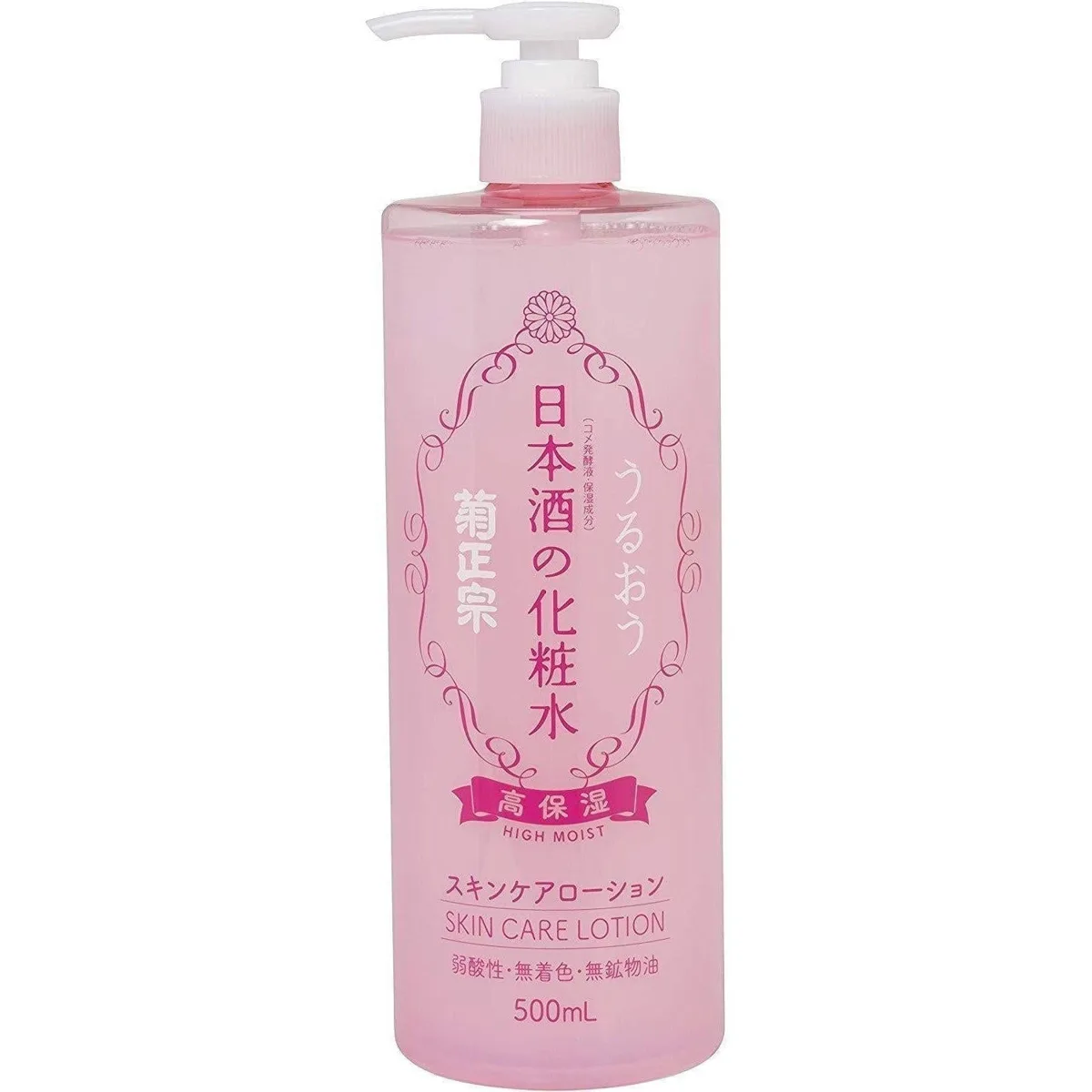 Cult J-Beauty Value Pick
High Moist Lotion
A 350-year-old sake brewery turned its own fermentation byproduct into one of the best-value hydrating essences in skincare — $14 for 500ml, with real sake ferment, dual ceramides, an amino acid complex, and arbutin. The per-ml price is almost unbelievable. The trade-off is a fragranced, paraben-containing formula and an undisclosed placental protein, which keep it from being a clean recommendation for everyone.
 Budget Collagen Refresh Spray
Collagen Daily Hydrating Face Mist
An inexpensive, pleasant refresh spray that states its collagen dose honestly — 150mg per bottle — and delivers a soft, smooth skin feel from glycerin and film-forming proteins. Alcohol in third place and added fragrance limit it for dry or reactive skin. Think comfort and convenience, not treatment.
 Budget Nail Rescue
Healthy Hands Stronger Nails Hand Cream
A no-frills, fast-absorbing hand lotion that quietly delivers on its dual promise of softer hands and stronger nails — all for under $4. It's lighter than you'd expect from a hand cream, which makes it genuinely practical for daytime use, though it won't satisfy those with severely cracked winter hands.
 Edible-Grade Eczema-Friendly Cream
Full Cream Moisturiser
A simple, richly nourishing edible-grade oil cream that has genuinely earned its devoted following among people with dry, eczema-prone skin — sweet almond, olive and coconut oils with honey and allantoin soothing parched skin. It is comforting and natural. The honest catch: 'natural' here still includes nut, dairy and honey allergens, a vanilla fragrance, and comedogenic coconut oil.
 Morning-Specific Cleanser Pick
Softening Milk Wash
Fancl built a morning-specific cleanser by pulling the polyglyceryl ester system from its bestselling Mild Cleansing Oil and reducing the surfactant load. The result is a dry-applied milk wash that conditions while it cleanses, and the formula's biggest claim — that it improves how morning sunscreen lays on the skin — is honest and observable within the first week.
 Milk-and-Collagen Pump Foam
Barrier Cream Bubble Cleanser
A mild, fragrance-free pump foam that cleans without tightening and leaves a silky after-feel, which is the entire useful content of a cleanser and it delivers it. The five ceramides, five milk derivatives, two collagens, ectoin and PDRN on the label spend thirty seconds on the face and rinse away, the dairy is an unflagged allergen note, and nineteen dollars is a little dear for the chemistry; a good gentle cleanser with an oversized story.
 Soft-Skin Sheet
Pure Skin Milk Essence Mask Sheet
A softening budget sheet mask that builds the shared Esfolio essence around milk protein for a silky, conditioning finish. The milk is a low-list accent and the fragrance-and-alcohol base limits it for reactive skin, with a milk allergen worth noting, but as a comforting, soft-skin hydration hit at a couple of dollars, it delivers a pleasant result.
 Zinc Paste for Breakouts
Dr. Troub Skin Returning Zinc Cream
Nappy-rash logic for the face: ten percent non-nano zinc oxide in a jojoba-and-beeswax paste, fragrance-free, that dries and calms inflamed spots overnight better than most spot treatments and does nothing else. The waxy texture, the white cast and a base that fungal-acne-prone skin should avoid are the trade-offs, and it has to be imported, but as an honest containment paste for angry breakouts it is hard to fault.
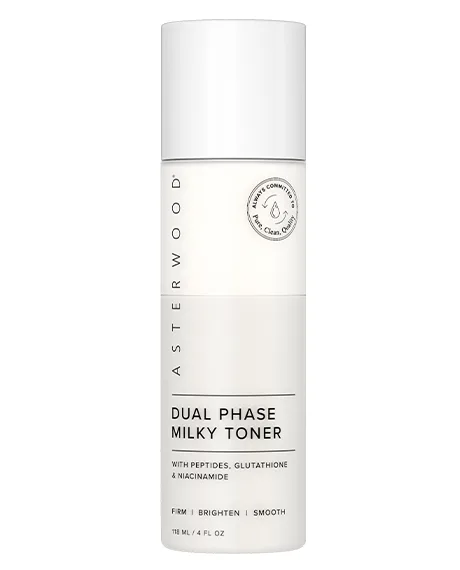 Shake-to-Mix Peptide Toner
Dual Phase Milky Toner
A shake-to-mix emulsion that puts niacinamide fourth and Matrixyl 3000 sixth in a toner — more active than most serums at twenty dollars — under a cushiony castor-oil phase and a glutathione headline that is mostly a name. Dewy, fragrance-free, richer than a typical milky toner, oddly scented for a minute, and four months old. A good step for dry-to-normal skin; skip it if you are oily, vegan or shopping for the glutathione.
 Japanese Anti-Aging Cleansing Gel
Cleansing Paste Gel
Rosette's modern gel-format makeup remover layers Japanese anti-aging marketing language onto a competent cleansing emulsion. The hyaluronic acid, hydrolyzed collagen, and eggshell membrane additions soften the after-feel meaningfully, even if their wash-off skincare contributions are modest. For mature-skin users who want a gentle Japanese first cleanse, this is a sensible affordable option from a century-old brand.
 Cult Natural Udder Cream
Skin Milk Udder Cream
The cult Australian moisturizer with the unforgettable origin story: a gentle, lightweight natural cream of almond and olive oils, aloe, and a hydrolyzed milk protein that soothes dry and sensitive skin and works face-to-body. It's lovely, affordable (especially in big sizes), and beloved by eczema-prone skin — just know it's a simple emollient, it's fragranced, and the milk protein makes it non-vegan.
 Barrier-Building Eye Cream
Youth Age Hyaluron Eye Cream
A hydrating anti-aging eye cream that quietly out-formulates its own marketing: a real four-ceramide barrier complex, several hyaluronic acid forms and proven adenosine make it genuinely nourishing for dry under-eyes. The catches are added fragrance, a eucalyptus extract, and a price that's high for 25ml, plus front-of-tube claims of collagen and peptides the formula doesn't actually contain.
 Sulfate Foam in Natural Clothing
Coconut & Honey Hydrating Foaming Cleanser
A twelve-dollar sulfate foaming wash wearing a coconut-and-honey costume. It cleans oily skin thoroughly and lathers like a shampoo, because it is built like one; the 'hydrating, non-stripping' promise on the front is contradicted by the second and third ingredients on the back. Fine for oily skin on a budget, wrong for anyone who bought it for gentleness.
 Drugstore Wipe-Off Workhorse
Nature Conc Medicated Clear Lotion
An exceptionally well-priced Japanese drugstore wipe-off lotion that punches well above its $20 price point — Japan quasi-drug certified placental protein and dipotassium glycyrrhizate brightening chemistry plus Job's tears and multi-fruit extracts, all in a fragrance-free, alcohol-free formulation. One of the best per-dollar values in the global exfoliating-toner category.
 Pre-Makeup Glaze
Collagen Milky Glow Daytime Wrapping Mask
A twenty-minute peel-off that leaves a glazed, soft-focus finish and is best understood as a primer with a hydration bonus. The glow is real and immediate, but it comes from emollients and a touch of titanium dioxide left behind after the peel, not from the collagen, glutathione or milk protein on the label. Fun before an event; not a treatment.
 Cystic Acne Underground Favorite
Buffering Lotion
A niche cystic acne fighter that takes an unconventional B-vitamin-and-zinc approach to under-the-surface bumps. Genuinely helpful for its narrow purpose, but the aggressive alcohol base and comedogenic isopropyl myristate make it a product you reach for surgically, not daily.
 Glazed-Skin Milk
Collagen Glow Booster Milk Serum
A cleverly packaged glazing milk that gives dry, dull skin an instant reflective finish and a pleasant cushiony feel, with a modest niacinamide dose behind it. It is also fifteen millilitres of perfumed emollient emulsion for twenty-four dollars, with the collagen and PDRN it is named for sitting at the very bottom of the list. Nice to use, hard to justify.
 Novelty Tube, Honest Formula
Magic Food Banana Hand Milk
The rare novelty hand cream that is better than its packaging: a light, fast-absorbing lotion with shea butter, two plant oils and a little urea, in a banana-shaped tube with a banana-bread scent that vanishes in five minutes. It is small, dyed, fragranced and too light for badly cracked hands, but as a handbag hand milk it has earned its decade on shelves.
 Budget Frizz Fighter
Keratin Hair Mask
The more honest of Advanced Clinicals' two masks: a strong cationic conditioner with coconut oil and a modest dose of hydrolysed keratin that genuinely can reduce breakage in damaged hair, for twelve ounces at a price most keratin masks charge for six. Frizzy, bleached and relaxed hair will love it; fine hair and fragrance-sensitive scalps should read the label first.
 European Spa Combo-Skin Pick
Skinovage Balancing Cream
A genuinely thoughtful combination-skin moisturizer with an unusually high modified rice starch position, paired with a smart glycerin-trehalose-pullulan humectant stack so a single cream can mattify the T-zone and hydrate the cheeks. The catch is the milk protein active's marketing-leaning evidence and a price that sits above clinical alternatives.
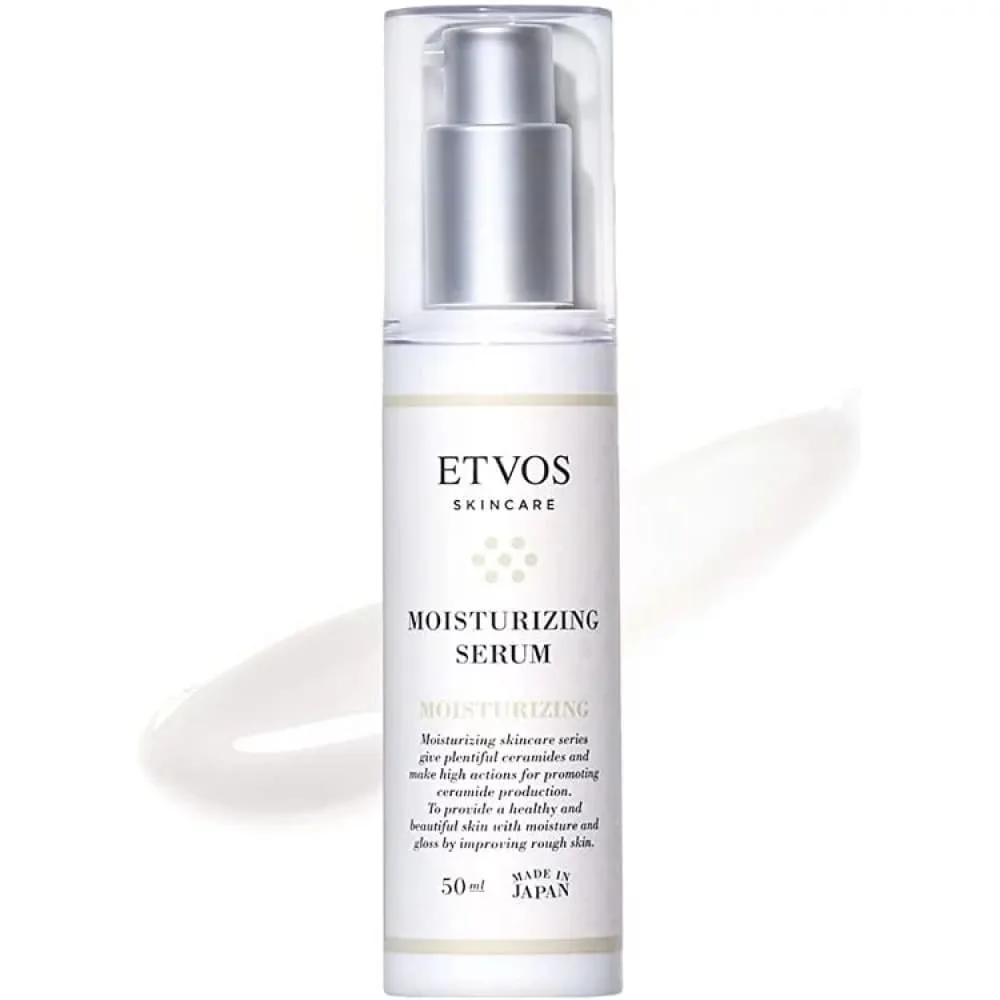 Ceramide Hydrating Serum
Moisturizing Serum
The leave-on serum companion to ETVOS's Moisturizing Lotion — same five-human-type-ceramide chemistry plus deeper emollient stack (squalane + jojoba + shea butter), six-flower botanical complex, and plant placenta extract. Genuinely depth-rich for a sensitive-skin serum, with the trade-off of a more prominent fragrance load than the matching lotion.
 Cat-Burglar Mask Treat
Cat's Purrfect Brightening Eye Mask
A black masquerade-style eye-zone sheet that hydrates for fifteen minutes and photographs well, sold on pumpkin, watermelon and lettuce extracts that are not in the ingredient list and carrying seven essential oils millimetres from the eye. Buy it as a novelty or a gift with a laugh; do not buy it for dark circles, and do not buy it at all if your eyes are reactive.
 Glycerin-Rich Milk Soap Bar
Dr. Troub Skin Returning Cleansing Milk Bar
A glycerin-heavy soap bar engineered to behave like a cream cleanser: lauryl glucoside softens the soaps, camellia and sunflower oils superfat it, and a fragrance-free fifteen-ingredient list keeps it simple. It rinses soft, suits oily and combination skin as a second cleanse, and costs little, but it is still a true soap, mildly alkaline and quick to go mushy, and dry or eczema-prone skin should reach for a syndet instead.
 Japanese Drugstore Aging-Care Cleanser
Face Wash Pasta Aging Clear
The most thoughtfully formulated variant in the Rosette Face Wash Pasta line — layered eggshell membrane, three hyaluronic acid forms, hydrolyzed collagen, sake and rice ferments, four-seed antioxidant oils, alongside the brand's signature soap-based foam architecture. At fourteen dollars for 120g, this is exceptional value for a drugstore aging-care cleanser, and earns its place for mature skin routines that benefit from a hydrating cleansing step.
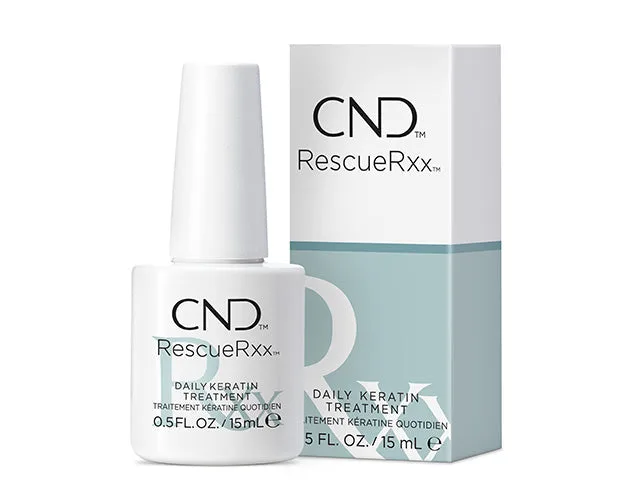 Post-Acrylic Recovery
RescueRXx
Sold as a keratin treatment, this is really a smart little delivery vehicle — an oil-continuous emulsion smuggling water-soluble protein and a binding polymer onto a nail plate that repels almost everything. Peeling and white spots genuinely improve over about a month. The catch is twice-daily use from a small expensive bottle, and no polish for the duration.
 Lazy Morning Skincare Standard
Morning Face Mask Premium
The richer Premium sibling in Saborino's 60-second morning-mask line — the milk-emulsion chemistry (sphingomyelin + hydrolyzed milk protein) genuinely upgrades the post-mask after-feel over the standard Saborino sheets. Built around a convenience promise that is real but comes with menthol, citrus, and tea tree oil sensitization risks.
 Budget Detangler, Lighter Cut
Keratin Leave In-Conditioner
A light, effective detangling spray — sold under three names since 2020 — with hydrolysed keratin and coconut oil high enough on the list, and left on long enough, to do a little real good for damaged hair. It de-frizzes without weight, which makes it the Advanced Clinicals leave-in for fine hair; the citrus-floral perfume and its three declared allergens are the reason to keep it off the scalp.
 Silicone-Free Detangler
Folligen Treatment
Strip away the Folligen branding and this is a very competent silicone-free conditioner: behentrimonium slip, real hydrolysed proteins, urea, thermal spring water, no dimethicone. The medicated actives on the label are stranded by directions that keep the product off the scalp. Judge it as a conditioner and it earns its place; just not at 200 ml for twenty-one dollars.
 Spicule-Then-Gel Ritual, Collagen at 1 ppm
Collagen Reedle Shot 100 2 Step Hydrogel Mask
A clever two-step ritual, a beginner-strength spicule ampoule followed by a cold carrageenan hydrogel, that leaves skin plump, calm and tingle-treated for about four dollars a session and is the gentlest door into VT's Reedle Shot range. The collagen it is named for is declared by the brand at 0.979 ppm and 0.002 ppm, and milk protein makes it non-vegan; buy it for the needling-and-soaking, not for the name.
 Travel Double-Cleanse
Pore Deep Cleansing Pad
An effective, well-made one-step cleansing pad that removes daily makeup and sunscreen fast and packs neatly into a gym bag. The added fragrance, peppermint and a price close to two dollars per pad make it a travel convenience rather than an everyday cleanser.
 Luxury Brightening Splurge
Future Solution LX Intensive Firming Brilliance Serum
A genuinely effective brightening serum that pairs Shiseido's clinically-backed 4MSK with a stable vitamin C derivative in a beautifully refined, fast-absorbing texture. It evens tone and lifts dullness over four to eight weeks — but at $335 you're paying a steep luxury premium for actives available far cheaper, and the fragrance rules it out for sensitive skin.
The full milk & silk proteins guide
Proteins derived from dairy and silk cocoons share more than a reputation for luxury — at the formulation level, both deliver amino acids and small peptides that function as film-formers, humectants, and skin-conditioning agents in a single pass.
Where milk proteins (primarily casein and whey fractions) lean into barrier support and moisture retention, silk proteins (sericin and fibroin from Bombyx mori) add antioxidant and mild UV-absorbing properties to the mix. The combination shows up most often in moisturizers and cleansers where long-lasting softness and a smooth, slip-enhanced texture are the goal.
How it's regulated in the US
FDA does not classify ingredients — it classifies products, by what they are sold to do. The same molecule can be a drug active in one product and a cosmetic ingredient in the next, and only the claim on the label decides which. What follows is a statement about that legal standing, not about whether it works — the evidence question is answered separately above.
Cosmetic Milk & Silk Proteins is a cosmetic ingredient in the US: no OTC monograph covers it and it is not an active in any FDA-approved drug, so a product built around it is a cosmetic rather than a drug.
The published evidence for milk proteins in topical cosmetics centers on their film-forming and humectant behavior. A 2021 review in Molecules documents their role in hydration and mild anti-inflammatory effects, and notes lactoferrin's reported modulation of aquaporin-3 — a water channel linked to stratum corneum water content. For silk proteins, a body of mostly in-vitro and small volunteer studies supports moisturizing and barrier-protective effects: a 2025 review in Macromolecular Bioscience surveyed sericin's antioxidant, anti-inflammatory, and tyrosinase- and elastase-inhibiting properties, much of it from cell and preclinical models. Supplier-led volunteer testing has reported fibroin reducing transepidermal water loss, though that work sits in trade literature rather than peer-reviewed clinical trials. Across both protein families, controlled human trials in isolation remain scarce — most data comes from in-vitro assays, ingredient-supplier studies, or multi-ingredient formulas, which makes it hard to isolate either ingredient's individual contribution. The picture is promising rather than well-established: solid enough to justify their presence in moisturizers and cleansers, not yet sufficient to back strong anti-aging claims on their own.
How it works
Milk proteins reach cosmetics most often as hydrolyzed fractions — enzymatic or acid hydrolysis cleaves native casein and whey into shorter peptides and free amino acids small enough to interact meaningfully with the stratum corneum. On application they deposit a lightweight, flexible film that physically slows water escape, a mechanism related to but distinct from occlusive lipids: the protein film stays breathable and keeps a soft, non-tacky feel rather than sealing the surface. The free amino acids in the hydrolysate overlap with the skin's own natural moisturizing factor (NMF), helping draw and hold water in the upper epidermis. Silk proteins work along overlapping but not identical lines. Sericin is serine-rich and carries a broad amino acid set; its structure lets it absorb and bind water efficiently, comparable to hyaluronic acid in some in-vitro assays. Fibroin, the structural core of the silk fiber, adds to the film-forming layer and has been reported to lower transepidermal water loss in volunteer testing — promising data, though largely from supplier studies rather than controlled trials. Sericin also inhibits elastase and tyrosinase in vitro — enzymes tied to collagen breakdown and melanin synthesis — but turning those enzyme findings into proven clinical outcomes would take more direct human evidence than currently exists. Together, the two protein families reinforce surface moisture while delivering conditioning amino acids, producing the distinctive "silk-skin" slip people associate with protein-enriched moisturizers.
Key benefits
- Deposits a breathable film that slows transepidermal water loss without heavy occlusion
- Delivers natural-moisturizing-factor amino acids that draw and bind water to the stratum corneum
- Sericin inhibits elastase and tyrosinase in vitro, hinting at anti-aging and brightening potential
- Improves skin feel on contact — less friction, more immediate softness
- Lactoferrin in milk fractions is associated with mild soothing, anti-inflammatory activity
- Film persists through rinse-off, so it earns its place in cleansers as well as leave-on products
Concentration & usage
Hydrolyzed milk protein is generally used around 1–5% in leave-on formulas; below roughly 0.5% the film-forming and humectant effects fade toward negligible, and pushing past about 7% can introduce tackiness or formulation instability. On an INCI list, look for "Hydrolyzed Milk Protein," "Lactoferrin," or "Casein" in the upper half of the deck as a sign of a meaningful level. Silk proteins show up as "Hydrolyzed Silk," "Silk Amino Acids," "Sericin," or "Silk Peptide" — no minimum effective concentration for topical silk has been established in peer-reviewed literature, so INCI placement is the most practical proxy. No pH dependency has been established for either protein class in topical use.
Who it's for & who should be cautious
Who it's for
Milk proteins are most at home on dry, dehydrated, or sensitive skin — the pairing of film-forming and humectant action tackles surface dryness and water loss at once, without piling on actives that can sting a compromised barrier. These proteins also pull their weight in cleansers for anyone who finds surfactant washes stripping, since the residual film offsets some of the moisture lost during rinsing. And if you'd rather get softness and a texture upgrade from one multi-tasking ingredient than juggle several separate actives, the amino acid profile is an efficient way to do it.
Who should be cautious
A milk protein allergy (casein or whey hypersensitivity) warrants treating topical hydrolyzed milk protein with the same caution as dietary exposure — hydrolysis lowers but does not fully erase allergenic potential for sensitized individuals. Worth noting: lactic acid, a separate dairy-derived compound, does not carry this allergenicity and is fine for those with a milk protein allergy. People with known silk or fibroin hypersensitivity — uncommon but documented — should patch-test silk protein products. Neither ingredient has notable conflicts with standard actives, but anyone juggling multiple sensitizations is wise to patch-test before folding in a new protein-containing formula.
Pairs with & conflicts
Pairs well with: Hyaluronic Acid, Glycerin, Ceramides, Panthenol (Pro-Vitamin B5), Niacinamide (Vitamin B3), Amino Acids, Beta-Glucan, Colloidal Oatmeal, Squalane, Peptides
Myths & facts
Myth: Milk and silk proteins "feed" the skin the way drinking milk nourishes the body
Reality: Topically applied proteins don't penetrate intact skin to any meaningful depth or enter circulation. Their benefit is at the surface — film formation, amino-acid humectancy, and in-vitro enzyme modulation in the stratum corneum — not nutritional delivery to living cells.
Myth: If you're lactose intolerant, you can't use milk protein skincare
Reality: Lactose intolerance is a digestive issue with the sugar lactose, not a protein allergy. Milk protein in skincare matters only for people with a true casein or whey hypersensitivity; most lactose-intolerant individuals can use milk protein cosmetics without trouble, though a patch test is always reasonable.
Myth: Silk proteins are pure luxury marketing with no real skin benefit
Reality: The evidence is thinner than for heavily-studied actives like niacinamide or ceramides, but it isn't absent — peer-reviewed work supports sericin's water-binding capacity and in-vitro enzyme inhibition, and volunteer testing has reported fibroin lowering transepidermal water loss. They're genuinely functional. The fair critique is the gap between that modest evidence and premium pricing, not a flat "no benefit."
Frequently asked questions
Can I use products with hydrolyzed milk protein if I have a dairy allergy?
It depends on the kind of dairy allergy. Hydrolyzed milk protein keeps some allergenic potential from casein and whey fractions, so anyone with a confirmed milk protein hypersensitivity should clear it with an allergist first. Lactose intolerance is a completely different mechanism and doesn't affect tolerance to milk protein in cosmetics.
Does milk protein genuinely help moisturize, or is that just marketing?
The hydration effect is real and mechanistically grounded. Hydrolyzed milk protein acts both as a film-former that physically slows surface water loss and as a source of amino acids that overlap with the skin's natural moisturizing factor. Research has also pointed to lactoferrin modulating aquaporin-3 as a plausible hydration pathway, though that sits alongside the more straightforward surface effects.
How do milk proteins and silk proteins differ on an ingredient label?
Milk proteins appear as Hydrolyzed Milk Protein, Casein, Lactoferrin, or Whey Protein and come from bovine dairy. Silk proteins read as Hydrolyzed Silk, Silk Amino Acids, Sericin, or Silk Peptide and come from silkworm cocoons. Their amino acid profiles overlap, but sericin carries specific in-vitro properties — notably tyrosinase and elastase inhibition — that milk fractions don't.
Why bother putting these proteins in a cleanser if it just rinses off?
Hydrolyzed proteins are substantive enough that a thin film survives rinsing — the same reason they turn up in conditioning shampoos and facial washes. Even that residual layer can blunt the net moisture loss surfactants would otherwise cause, leaving skin feeling less tight and stripped after a wash.
Is silk protein in skincare cruelty-free?
Conventional sericin and fibroin come from Bombyx mori cocoons, and standard processing usually kills the larvae. Some brands instead source from wild or "peace silk" methods, or use synthetic silk-protein analogues — but the label rarely says which. If this matters to you, contacting the brand directly is the only reliable way to find out.
How quickly will I notice anything from a milk or silk protein product?
The softening and surface-hydration effects are largely immediate, since the film-forming mechanism works on contact. Product-level testing has reported sustained gains in texture and moisture retention over a couple of weeks of consistent use, but evidence for longer-term structural change — elasticity or wrinkle depth — is considerably thinner and would take months to meaningfully assess.