Marula Oil
Products with Marula Oil
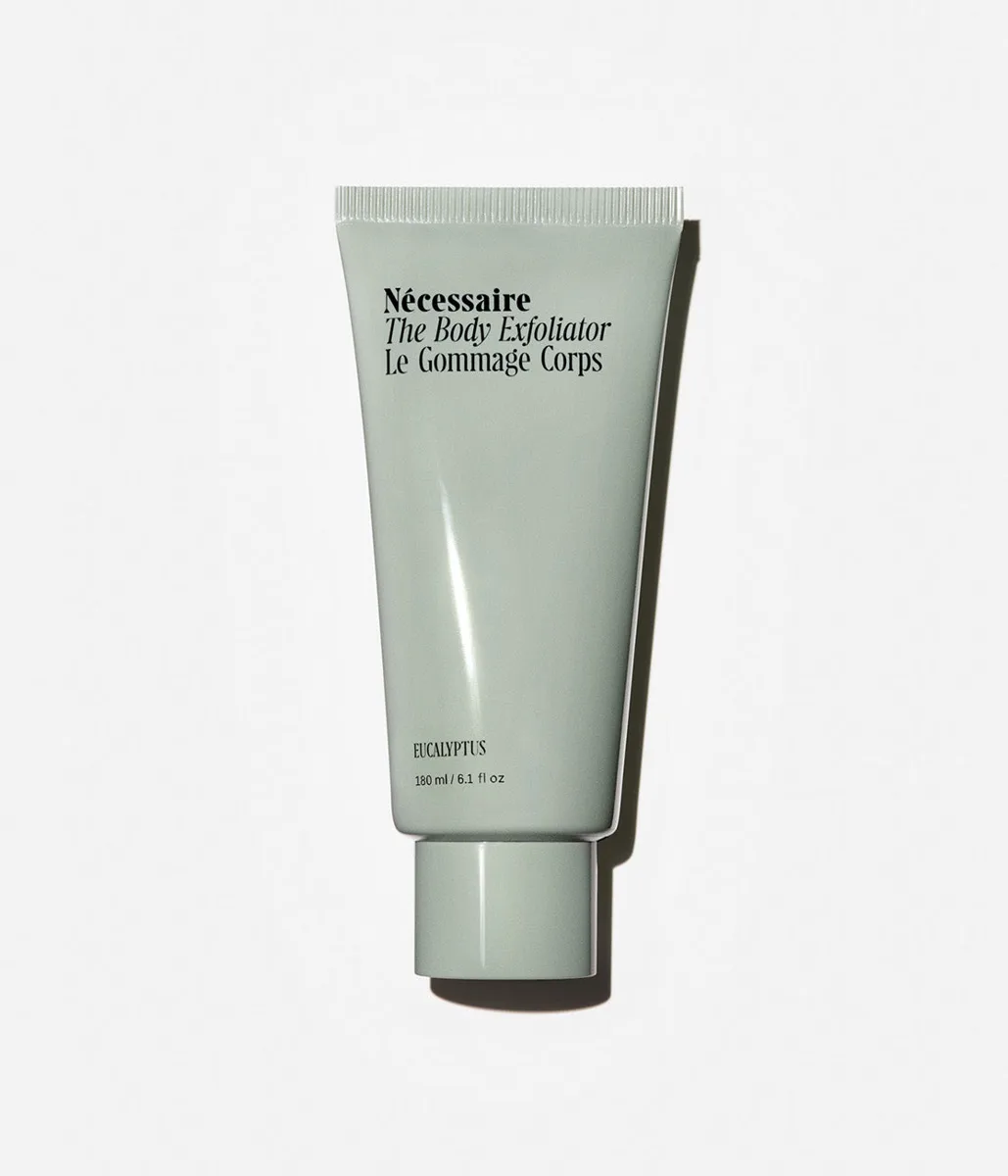 Keratosis Pilaris MVP
The Body Exfoliator
A body exfoliator built with facial-skincare seriousness — volcanic pumice plus a full AHA/BHA/PHA acid system in one shower step. It genuinely smooths keratosis pilaris, rough patches, and ingrown-hair-prone skin, and it doesn't leave you stripped. The scented version can sting reactive or freshly shaved skin, and it is easy to overuse, but as a body resurfacer it earns its spot.
 Reddit-Approved Barrier Oil
Fortify Barrier Recovery Moisturizer
A facial oil that reads like a love letter to dermatological research — nine carefully selected oils delivering a balanced omega profile without a single unnecessary ingredient. Quiet, effective, and designed for people who read ingredient lists before they read product claims.
 Elegant Everyday Face Oil
Organic Marula Oil for Face and Hair
A pure, virgin marula oil that does what marula does well: sinks in fast, softens dry skin, adds a glow and keeps for a year without turning, at a price that buys twice the usual volume. The anti-ageing and brightening promises on the listing are not things an emollient can keep, and oily skin should look elsewhere, but as a plain everyday face and hair oil for dry skin it is a good buy.
 Celebrity Glazed-Skin Icon
Peptide Glazing Fluid
Rhode's Peptide Glazing Fluid delivers exactly what it promises — an instant, dewy, glazed-skin finish that photographs beautifully and layers seamlessly. The formula itself is competent but uncomplicated, and the peptide name-drop is more aspirational than transformative at this concentration. You're paying partly for the glow, partly for the cultural moment.
 Clean Hydration Cult Classic
B-Hydra Intensive Hydration Serum
A genuinely pleasant hydrating serum that does exactly what it says — and nothing more. The dual HA, panthenol, and marula oil create reliable, lightweight hydration in a truly clean formula. But at fifty-four dollars for technology that's available at a fraction of the price, you're paying for the brand philosophy and the cocktailing ecosystem more than any proprietary innovation.
 Clean Beauty SPF Pick
Umbra Sheer Physical Daily Defense SPF 30
A thoughtfully formulated mineral sunscreen with an impressive antioxidant supporting cast, but the oil-rich base limits its audience to dry and normal skin types willing to pay a premium for the Drunk Elephant philosophy. Sensitive skin will love it; oily skin will fight it all day.
 Multitasking Oil
The Essentials Marula Oil
A pure, USDA-organic, cold-pressed marula oil that punches above its single-ingredient simplicity thanks to a remarkably light, fast-absorbing feel. It is a versatile, low-irritation face and hair oil that excels at sealing in moisture for dry skin, though it is not a standalone moisturizer and not a friend to oily, breakout-prone complexions.
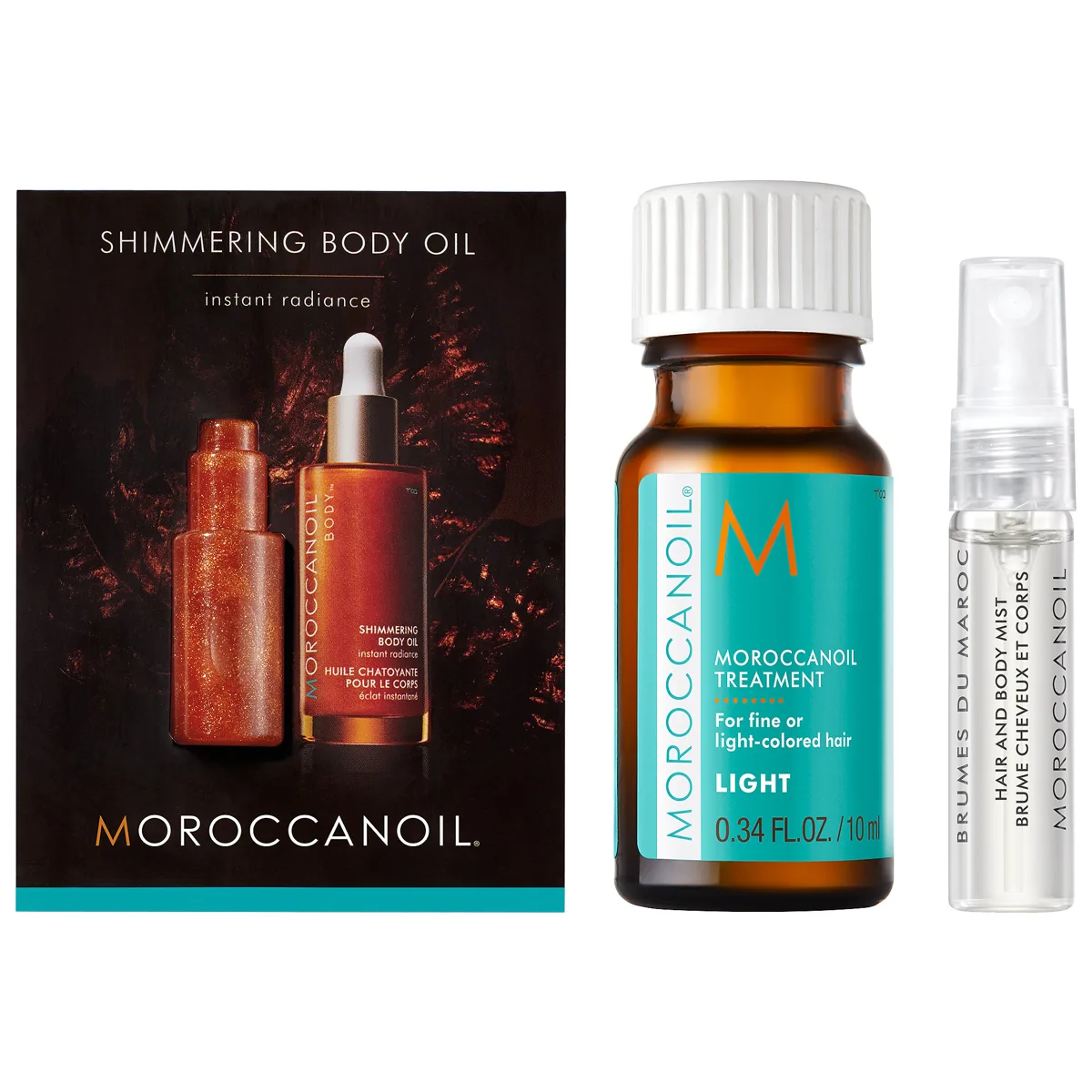 Clean Body Care Pioneer
Sili Body Lotion
A body lotion with facial-grade ambitions — five ceramides, squalane as the second ingredient, marula butter, amino acids, and panthenol elevate this far above typical body care. The lightweight texture and clean formula make it ideal for sensitive skin and warmer months, though very dry skin types may find it insufficiently rich.
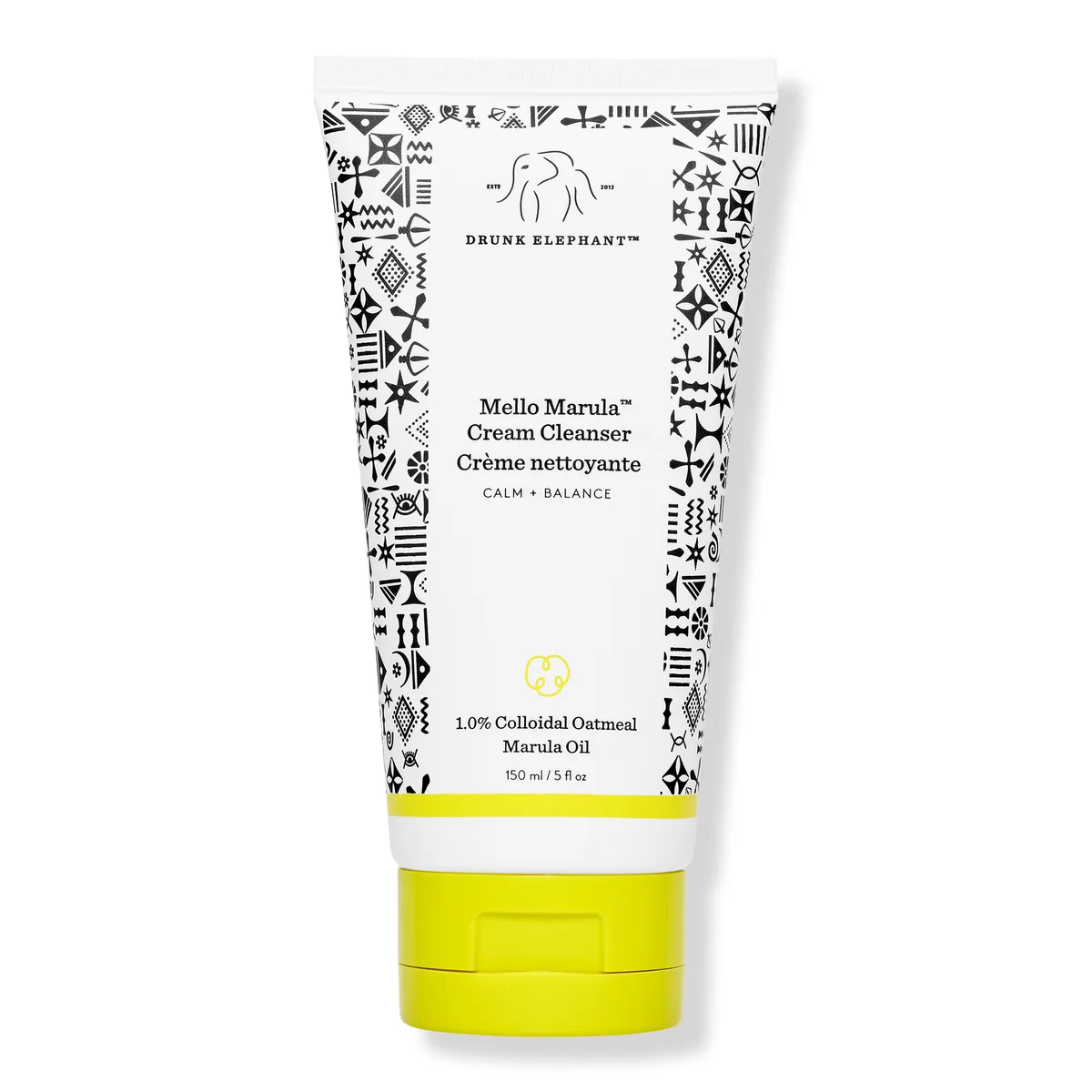 Sensitive-Skin Daily Wash
Mello Marula Cream Cleanser
A genuinely gentle, barrier-respecting cream cleanser built around 1% colloidal oatmeal and marula oil, ideal for sensitive, dry and reactive skin. It cleans without stripping and leaves skin soft and calm, though it won't tackle heavy makeup solo and asks a slight premium for the privilege of being this kind.
 Urban Skin Shield
Defense Nightly Reconditioning Moisturizer
A thoughtfully formulated antioxidant night cream that delivers genuine environmental protection without the marketing fluff you'd expect from the anti-pollution category. Not the richest moisturizer in the Paula's Choice lineup, but its superfood-driven defense system and gentle, fragrance-free formula make it a smart nightly shield for city-dwelling skin that faces more than just time.
 Gentle Cleanse Innovator
E-Rase Milki Micellar Water
A thoughtfully engineered micellar water that flips the script on what a cleanser can do — replenishing barrier lipids with ceramides while dissolving impurities with a six-oil blend. Exceptionally gentle for sensitive and dry skin, but underwhelming for heavy makeup removal and hard to justify at three times the price of drugstore alternatives.
 Bouncy Budget Peptide Cream
Collagen Face Gel-Cream
A bouncy, thirteen-dollar gel-cream that hydrates combination skin well, sets under sunscreen without pilling and carries Matrixyl 3000, 2 percent marula oil and glucosamine at credible positions. The collagen it is named for is a surface film and the 'multi-lift' is the film drying. A grapefruit oil and a sulfite are the avoidable irritants in an otherwise sensible budget moisturizer.
 Barrier Repair Powerhouse
Bora Barrier Repair Cream
A remarkably dense, comprehensive barrier repair cream that packs ceramides, peptides, four antioxidants, dual vitamin C forms, and six botanical oils into one richly formulated product. It delivers genuinely transformative hydration for dry and compromised skin, but the ultra-thick texture and premium price tag keep it firmly in niche territory.
 Overnight Barrier Hero
F-Balm Electrolyte Waterfacial
A genuinely sophisticated overnight mask that goes beyond surface hydration with a five-ceramide complex, electrolyte minerals, and meaningful niacinamide concentration. It's the sleeping mask for people who understand that dehydrated skin needs barrier repair, not just more water.
 Potent Retinol Heavyweight
A-Passioni Retinol Cream
A powerhouse 1% retinol cream with an impressively engineered support system of peptides, ceramides, niacinamide, and plant oils. The formulation intelligence is genuinely top-tier — but the potency limits its audience, the price demands a deep wallet, and the tube packaging needs a redesign.
 Barrier Repair MVP
Lala Retro Whipped Cream
A texturally brilliant barrier-repair cream that manages to feel like whipped air while delivering a ceramide complex, fermented oils, and six African plant oils. It's the moisturizer for people who need serious hydration but refuse to look like they greased their face.
 Best Value Post-Shave Soother
Post Shave Balm
The best product in Harry's skincare lineup and one of the most thoughtfully formulated mass-market aftershaves available. The inclusion of phytosphingosine, bisabolol, and marula oil delivers genuine post-shave recovery at a drugstore price. The fragrance is the one concession that prevents it from being universally recommendable for freshly compromised skin.
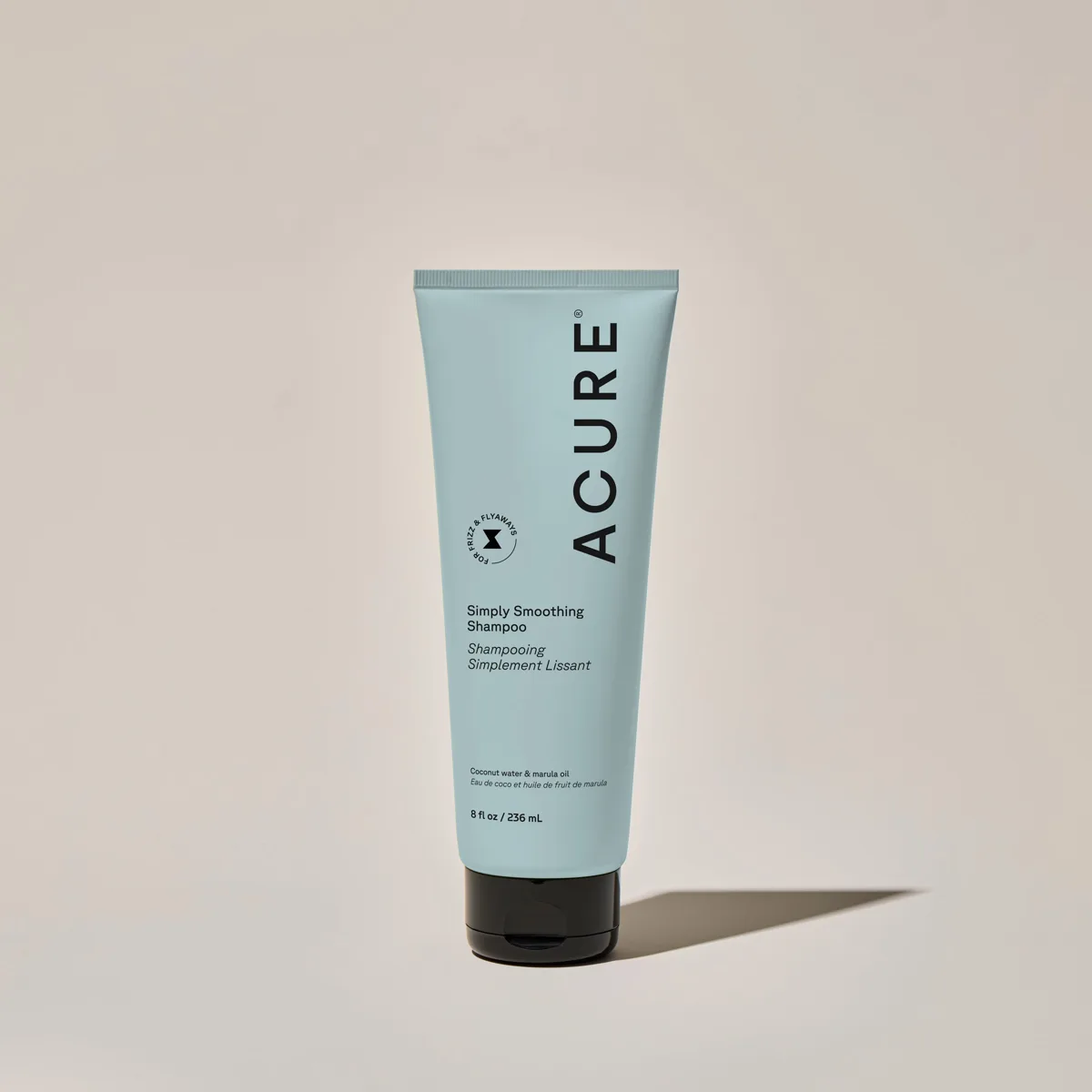 Rich Sulfate-Free Smoother
Simply Smoothing Shampoo
The richest of Acure's sulfate-free shampoos, with seven oils in the list and two cationic polymers that do the real smoothing, and a good wash for coarse, wavy and frizz-prone hair at ten dollars. Fine hair will feel it as weight, the marula and coconut water are mostly rinsed away, and the clove-and-citrus essential-oil scent makes it the wrong choice for a reactive scalp.
 Sensitive Skin Staple
Beste No. 9 Jelly Cleanser
A thoughtfully engineered gel cleanser that lives up to its name — nine iterations of refinement produced a surfactant system that genuinely respects sensitive skin. The price is steep for a wash-off product, but the formula's restraint and intelligence make it a reliable daily cleanser for most skin types.
 Makeup Meltdown Expert
Slaai Makeup-Melting Butter Cleanser
A richly formulated cleansing balm that dissolves makeup beautifully while delivering a botanical oil pharmacy to freshly cleansed skin. The borage oil and African oil blend are genuinely special, but the incomplete emulsification and comedogenic base mean it works best as the first half of a double-cleanse routine.
 SOS Dry Skin Rescue
Wonderwild Miracle Butter
A thoughtfully assembled emergency kit for severely dry skin, built from 17 plant oils and butters that deliver powerful occlusive moisturization. Excellent as a targeted rescue balm for lips, cuticles, and dry patches — but the coconut oil and heavy finish limit its usefulness as the all-purpose wonder product Drunk Elephant markets it as.
 Nourishing Retinol Oil
A-Gloei Marula + Retinol Oil
A nourishing way to take retinol, delivering a real 0.5% dose in a marula-oil-and-ceramide base that buffers the usual dryness. It's a smart pick for dry skin wary of harsh retinoids, though the oil format suits a narrow audience, the price is steep, and retinol stability in an oil base is a fair question to ask.
 Body Care Purist's Pick
Kamili Cream Body Cleanser
A beautifully formulated cream body cleanser that prioritizes skin health over sensory spectacle. The five-oil blend and amino acid complex leave body skin genuinely conditioned, but the premium price and rapid consumption rate make it a luxury commitment rather than a casual swap.
 Sensitive-Lip Pick
Lippe Balm
A genuinely nourishing, fragrance-free lip balm that pairs a serious emollient-and-wax base with skincare-style antioxidant extras. It's a standout for sensitive, reactive lips that can't handle flavored or mentholated balms, and the main drawback is paying prestige money for what is, fundamentally, a very good lip balm.
 Dewy Zinc Tint
Umbra Tinte Mineral Cream SPF 30
A genuinely well-built tinted mineral sunscreen: 20 percent zinc in a silicone-free squalane-and-marula base, iron oxides for visible-light cover, and an antioxidant cluster most sunscreens skip. Dry, sensitive and melasma-prone skin in the light-medium to medium range will find it close to ideal. Everyone else runs into the single shade, the richness or the pilling, and thirty-five dollars for 60ml is real money at proper application.
 Luxury Minimalist Cult Favorite
Virgin Marula Luxury Facial Oil
A gorgeous, fast-absorbing facial oil that delivers on moisturization and glow, but at $72 for a single ingredient available elsewhere for under $15, you are paying almost entirely for the Drunk Elephant name and the pretty bottle it comes in.
 Peptide Powerhouse
Protini Polypeptide Cream
A genuinely innovative nine-peptide moisturizer that combines growth factor analogs, copper peptide complex, and Matrixyl 3000 with amino acid building blocks in a lightweight, universally wearable gel-cream. The 'signal plus supply' formulation philosophy is smart science — but the premium price and emerging evidence base for several of its peptides keep it from being a slam dunk.
 Antioxidant Powerhouse
C-Firma Fresh Day Serum
A clinically grounded vitamin C serum that solves the category's biggest problem — oxidation — with a clever powder-to-serum mixing system. The 15% L-ascorbic acid, ferulic acid, and vitamin E triad is the gold standard, and the freshness guarantee justifies the price for anyone serious about photoprotection and brightening.
 OG Cleansing Bar
Pekee Bar
A simple, effective syndet bar that cleanses at a gentler pH than traditional soap, with marula oil and honey adding modest conditioning benefits. It's a perfectly fine face cleanser — but the $28 price tag asks you to pay a premium for an ingredient list that doesn't quite earn it.
 Mixable Glow Drops
D-Bronzi Anti-Pollution Bronzing Drops
A genuinely clever, gentle hybrid that drops a sheer, buildable bronze glow into your existing moisturizer or SPF, with credible peptides and antioxidants riding along. It's fragrance- and essential-oil-free, lasts forever because you use so little, and delivers a lovely sun-kissed finish — just don't mistake it for a treatment serum, and know the color reads subtle on deeper skin tones.
 Antioxidant Overachiever
C-Tango Multivitamin Eye Cream
A maximalist antioxidant eye cream that stacks five vitamin C derivatives, eight peptides and a full ceramide trio into a buttery, non-stinging texture. It genuinely brightens tired-looking eyes and feels lovely, but at over four dollars a milliliter you're paying a real premium for the privilege.
 Peptide Powerhouse
Protini Polypeptide Firming Refillable Moisturizer
A masterfully formulated peptide moisturizer with nine peptides, ten amino acids, and a texture that feels like luxury distilled into a gel. Whether the undisclosed peptide concentrations justify $72 is the question Drunk Elephant would rather you not ask — but the skin feel is undeniably exceptional.
 Sensitive Skin Deodorant
Sweet Pitti Deodorant Cream
A clever, science-informed approach to natural deodorant that uses mandelic acid to kill odor-causing bacteria rather than masking smell or blocking sweat. It's the gentlest deodorant option for sensitive underarms, but limited sweat management makes it a lifestyle-dependent choice.
 Budget Double-Cleanse Starter
Day Dissolve Cleansing Balm
A botanically rich cleansing balm that makes the double-cleanse ritual accessible at drugstore pricing. Six plant oils dissolve makeup effectively, but the unnecessary inclusion of eucalyptus and clove essential oils keeps this from being the universal recommendation it could be.
 Luxury Splurge
The Blue Cocoon
The Blue Cocoon is a gorgeously made, deeply sensory balm whose vivid blue comes from genuinely anti-inflammatory blue tansy. As an experience and as a softening treatment for dry skin, it delivers. But it is built on a heavy load of fragrant essential oils, an awkward fit for an anti-inflammatory product, and at its price you are paying largely for ritual and reputation. Lovely if your skin tolerates it and the splurge appeals; risky and overpriced if not.
 Oily-Skin Scrub Bar
Juju Exfoliating Face Cleansing Bar
A pH-balanced, fragrance-free syndet cleansing bar with fine bamboo exfoliants and oil-absorbing clay, best suited to oily, congested skin that likes a good buff. It's effective, travel-friendly and reasonably priced, but the physical scrub and sulfate base make it the wrong pick for dry, sensitive or barrier-compromised skin.
 Budget Peptide Powerhouse
Radically Rejuvenating Whipped Night Cream
An ingredient deck that has no business being on a $25 jar — five growth factor analogs, a copper peptide, ferulic acid, marine ferment, marula oil, and a slow-release AHA. Not a luxury equivalent, but the most ambitious peptide formulation you can find in the drugstore tier.
 Bakuchiol Starter for Retinol-Averse Skin
Plant Stem Cell Retinol Alternative Moisturizer
A genuinely thoughtful bakuchiol moisturizer wrapped in COSMOS-organic credentials and a price tag that reflects the paperwork more than breakthrough science. If you want the collagen benefits of retinoids without the irritation — and you appreciate ethical sourcing — this delivers. If you're already deep in actives, it will feel gentle to the point of quiet.
 Clean Botanical Oil Balm
Deep Moisture Face Balm
A genuinely premium, minimalist botanical oil balm — marula, rosehip, and rare Amazonian cacay in a clean, vegan, fragrance-free base that deeply nourishes dry skin and offers a gentle natural-retinol-alternative angle. The standout caveat is real: it uses whole bakuchi seed rather than purified bakuchiol, so treat it as a nighttime product with diligent sunscreen, and know it's too rich for oily skin.
 Luxury Aromatherapy Cleanse
Restorative Cleansing Balm
A beautifully composed luxury cleansing balm — camellia, marula, baobab, and tropical butters melting into a silky, aromatic ritual that removes makeup and leaves dry skin soft, not stripped. The oils and the aromatherapy craft are genuinely lovely. The hard part is the price: $112 to wash premium oils down the drain is a lot, and the essential-oil load rules out sensitive skin.
The full marula oil guide
Cold-pressed from the kernels of a drought-resistant Southern African tree, marula oil sits closer to skin science than folk remedy — a small clinical study found it non-irritating and measurably moisturizing on human skin.
The catch lives in the fatty acid profile: at roughly 70% oleic acid and under 10% linoleic, it is an excellent barrier oil for dry and mature skin, but a genuine comedogenic risk for acne-prone skin.
How it's regulated in the US
FDA does not classify ingredients — it classifies products, by what they are sold to do. The same molecule can be a drug active in one product and a cosmetic ingredient in the next, and only the claim on the label decides which. What follows is a statement about that legal standing, not about whether it works — the evidence question is answered separately above.
Cosmetic Marula Oil is a cosmetic ingredient in the US: no OTC monograph covers it and it is not an active in any FDA-approved drug, so a product built around it is a cosmetic rather than a drug.
A peer-reviewed clinical study in the Journal of Ethnopharmacology (2015, PMID 26528587) tested marula oil on 20 healthy adult female volunteers and found it non-irritating, with measurable moisturizing and hydrating effects on skin and occlusive effects on normal skin — useful, but a single small trial rather than a large body of evidence. Separate in vitro work on anti-aging found that marula stem extracts inhibit collagenase and elastase, while the same researchers explicitly noted the pressed oil itself showed no such activity; that distinction is often blurred in marketing. Antioxidant benefits (gamma-tocopherol at roughly 13 mg/100g, plus minor vitamin C analogs and epicatechin) are biologically plausible and supported by compositional analysis, though clinical outcomes on photoprotection remain unstudied. The biomimetic argument — that oleic- and palmitic-heavy oils integrate with stratum corneum lipids — has reasonable mechanistic grounding from barrier-function research, without RCTs specific to marula.
How it works
The oil's main job is barrier-level emolliency. Its dominant fatty acid, oleic acid (C18:1), is a monounsaturated fat making up around 70% of the composition. Oleic acid can intercalate into the lamellar lipid structures of the stratum corneum, temporarily loosening the tightly packed bilayers. That has a dual effect: it softens the barrier and can enhance how well co-applied ingredients penetrate, while also forming a semi-occlusive film that slows transepidermal water loss. The remaining fatty acids — palmitic (~15%), linoleic (~9%), palmitoleic (~4%), and stearic (~1.5%) — mirror sebum and the skin's own lipid pool closely enough that marula is often called biomimetic, meaning it tends to assimilate into the barrier rather than just sit on the surface. Beyond the fatty acids, marula's tocopherols (chiefly gamma-tocopherol) contribute antioxidant activity by donating hydrogen atoms to neutralize lipid peroxyl radicals, slowing oxidation in the oil itself and, to a degree, at the skin surface. Phytosterols such as campesterol and stigmasterol may support membrane stability and have shown enzyme-inhibiting activity in isolated lab settings — but translating that into meaningful collagen preservation on intact skin would require far more evidence than currently exists, so it is best treated as a plausible bonus rather than a proven mechanism.
Key benefits
- Moisturizing and occlusive effects shown in a small clinical study of healthy adults
- Biomimetic fatty acid profile integrates with stratum corneum lipid layers
- Gamma-tocopherol content (~13 mg/100g) offers antioxidant defense against lipid oxidation
- Lighter feel than most lipid-rich oils — absorbs relatively quickly without heavy residue
- Phytosterols may support membrane stability, though skin benefits are unproven
- Works as a carrier oil that can aid penetration of co-applied actives
Concentration & usage
No standardized minimum effective concentration has been established in human trials. The clinical research applied marula oil neat (100%). Commercial formulations span a wide range — from a few percent in emulsions and serums to 100% in straight face oils. The INCI name to look for is Sclerocarya Birrea Seed Oil; for meaningful emolliency it should appear in the first half of the ingredient list. Cold-pressed, unrefined versions retain more tocopherol and phytosterol content than refined ones, which smell more neutral but lose some bioactive richness. No specific pH requirement applies — unlike acids or vitamin C, the oil functions across the pH range of typical cosmetic formulas.
Who it's for & who should be cautious
Who it's for
Dry, mature, and barrier-compromised skin gets the most documented benefit — the moisturizing evidence is real, and the oleic-rich profile suits skin that needs lipid replenishment rather than pore-tightening. It earns its place in colder climates and dry-season routines where transepidermal water loss is the main concern. Normal skin can use it as an occlusive finishing step in a PM routine without trouble.
Who should be cautious
Anyone prone to closed comedones or fungal acne should be cautious. Its oleic-dominant profile — roughly the inverse of the linoleic-heavy oils typically suggested for acne-prone skin — plus a comedogenic rating commonly cited around 3–4 on the 0–5 scale means it can aggravate breakouts in susceptible people. Oily skin in humid climates will likely find it too rich. Anyone with tree-nut sensitivities should patch test, since Sclerocarya birrea belongs to the Anacardiaceae family alongside mango and cashew.
Pairs with & conflicts
Pairs well with: Hyaluronic Acid, Glycerin, Ceramides, Squalane, Vitamin C (L-Ascorbic Acid), Vitamin E (Tocopherol), Ferulic Acid, Retinol, Peptides, Rosehip Oil
Use with care alongside: Salicylic Acid (BHA), Benzoyl Peroxide
Myths & facts
Myth: Marula oil is non-comedogenic and safe for every skin type, including acne-prone
Reality: Most formulation guides put marula around 3–4 out of 5 for comedogenicity, driven by its roughly 70% oleic acid content. It genuinely suits dry and mature skin but poses a real clogging risk for acne-prone and oily types. Claims that it 'balances' oil production or is universally safe aren't supported by clinical evidence.
Myth: Marula oil's anti-aging benefit comes from it blocking collagen-breakdown enzymes
Reality: Collagenase and elastase inhibition has been shown for marula bark and stem extracts in vitro — and the same researchers found the pressed seed oil had no such activity. The oil's antioxidants and phytosterols may support skin integrity, but the anti-collagenase claim applied to the oil itself misreads the research.
Myth: Marula is just another lightweight facial oil, interchangeable with argan or rosehip
Reality: Their fatty acid profiles differ meaningfully. Rosehip is linoleic-dominant (around 40–50% linoleic) and often preferred for acne-prone skin; argan sits near 45% oleic. Marula at ~70% oleic is closer to olive oil in behavior, so matching the oil to your skin type is not splitting hairs.
Frequently asked questions
Can I use marula oil on its own, or does it work better layered over something water-based?
As a lipid-rich oil with no humectants of its own, marula works best applied over a water-based moisturizer or serum. Oils seal in hydration that is already present — on bare dry skin it provides emolliency but not the moisture draw that glycerin or hyaluronic acid would deliver first. That said, some people with very dry skin use it as a final PM step over damp skin with good results.
Will marula oil clog my pores or trigger breakouts?
It depends heavily on your skin type. The high oleic acid content and a comedogenic rating around 3–4 make it a genuine concern for acne-prone and oily skin. If your skin reacts to pore-clogging lipids, patch test on the jawline before going full-face. For dry, mature, or normal skin, breakouts from marula are far less common.
Is marula oil actually better than argan oil for aging skin?
It depends what you mean by 'anti-aging.' Marula has slightly more tocopherol and a more oleic-heavy profile that favors very dry and barrier-compromised skin, while argan's higher linoleic percentage suits a broader range of skin types. Neither has RCT-level evidence for wrinkle reduction — the anti-aging case for both rests on antioxidant content and fatty acid benefits rather than measured outcomes on facial aging.
Does marula oil go rancid quickly?
Compared with highly unsaturated oils like rosehip, marula is relatively stable thanks to its monounsaturated oleic base and natural tocopherols. In cold-pressed, unrefined form, expect roughly 12–18 months of shelf life with storage away from heat and light. Rancid marula smells distinctly off — a bit like crayons or stale nuts — and should be tossed rather than used.
Can I wear marula oil in the morning under sunscreen?
Yes. Its faster absorption makes it more practical as a daytime oil than heavier butters — apply it before sunscreen and give it a minute or two to sink in so it doesn't disturb the SPF film. The tocopherols add some antioxidant support against free radicals, but they are not a substitute for sunscreen; the two serve different purposes.
Is the ethical-sourcing angle on marula a real issue or just marketing?
It's a real consideration. Marula is harvested largely from wild and semi-wild trees across Southern Africa, and the work often falls to rural communities, predominantly women. Unsustainable commercial demand can strain both the wild tree populations and those livelihoods. Fair-trade or Access and Benefit Sharing (ABS) certifications signal that a brand has engaged with sourcing transparency, though such labeling is not yet consistent across the industry.