Mango Butter
Products with Mango Butter
 Ceramide Lip Science
Lip Sleep Balancium Ceramide Lip Butter Sleeping Mask
A ceramide-first lip sleeping mask that treats lip dryness as a barrier problem rather than just a surface one. The fragrance-free, non-sticky butter texture and Ceramide NP + phytosphingosine combination set it apart from the scented gel masks that dominate the category. For sensitive or chronically dry lips, it is the smarter science play.
 Budget Holy Grail
Daily Face & Body Moisturizer
A genuinely rich, fragrance-free whipped cream that deeply moisturizes dry and melanin-rich skin for around thirteen dollars — shea and mango butters plus seven nourishing seed oils, balanced so it's not greasy. Too heavy and coconut-oil-rich for oily or fungal-acne-prone skin, but for dry skin craving relief from tightness and ashiness, it's a budget standout.
 Sensitive Skin Daily Essential
Sensitive Skin Herbal Body Moisturizer
Hempz listened to their sensitive-skin customers and delivered a genuinely gentler formula — stripping the fragrance and MIT, adding a triple oat soothing system, and keeping the same generous size and price. Not quite as clean as a true dermatological sensitive-skin product, but a major upgrade for Hempz loyalists with reactive skin.
 Sun-Kissed Glow Multitasker
The Golden Glow
The Golden Glow is a charming little hybrid: a fragrance-free, mango-butter lotion with a niacinamide bonus that doubles as a wearable golden shimmer. The radiance is cosmetic and washes off, and it can look greasy on oily skin, but as a sub-eight-dollar glow multitasker it is a genuinely fun, gentle buy.
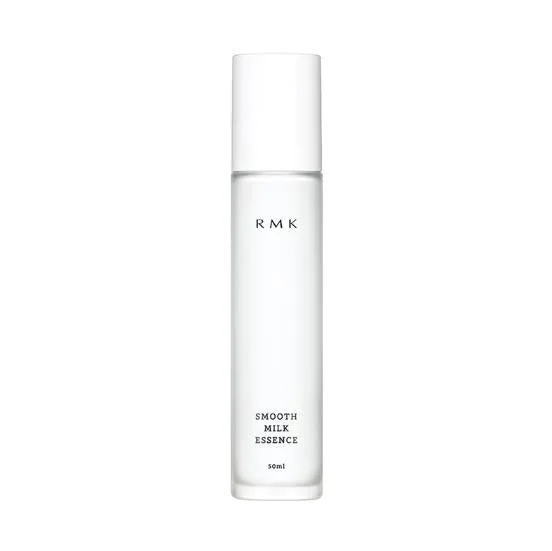 Lipid-Rich Milk Essence
Smooth Milk Essence
A milk-type hydrating essence that stands out by carrying skin-identical barrier lipids, hydrogenated lecithin and cholesterol, alongside humectants and mango butter, wrapped in RMK's signature milk-tea scent. It's a genuinely comforting barrier-support layer for dry and normal skin, but the fragrance rules out sensitive types and grey-market pricing dents the value.
 Winter Skin Emergency Kit
SOS Comfort Nourishing Balm Mask
A genuinely effective rescue mask that delivers on its comfort promise through a dual-mango butter system and thoughtful barrier-repair ingredients. The thick, golden balm provides immediate relief for dry, distressed skin, with visible results after a single 10-minute session. Purpose-built for dry skin types, and priced fairly for the generous tube.
 Cica Lip Treat
Centella Lip Essence
A quietly thoughtful lip treatment that pairs a skin-affinity plant-oil and butter base with the same purified centella actives Sidmool uses in its facial cica products. Fragrance-free, non-sticky, and very affordable, it is a soothing pick for chapped or irritated lips, though it is a niche product with subtle rather than headline-grabbing results.
 Coral-Tinted Ceramide Balm with a Vitamin Story
Multi-Vitamin Barrier Baste Lip Baste
The brand's dependable ceramide-squalane-shea-oat barrier balm in a warm coral tint, with mango seed oil and vitamin E and C esters that behave as antioxidants for the oils rather than as anything the lips can use. It repairs chapped lips like the original, drops the original's peppermint and wears as a comfortable tropical gloss; the 'multi-vitamin' is a framing, the mango flavour carries four declared allergens, and $24 for 10 ml is a prestige tinted-balm price for therapy the untinted tube already sells.
 Orange Winter Cream That Evens Tone
C-Niacin Toning Cream
A rich, fragrance-free, orange-tinted cream that swaps water for a declared 69 percent sea buckthorn extract, puts niacinamide where it can work, and moisturises dry skin with mango butter and four plant oils, with a ceramide and a trace of everything else. It evens tone and comforts winter skin well for under $17; the ten-vitamin complex is a label count with a trace retinyl palmitate in it, the butter and esters make it heavy for oily and fungal-acne-prone skin, and the brightening is niacinamide's, not the fruit's. A good cream sold on the wrong ingredient.
 Body Exfoliation Workhorse
Glycolic Renewal Smoothing Lotion 10 AHA
NeoStrata's body-focused glycolic lotion brings the same pharmaceutical-grade AHA science to your arms, legs, and chest that the Smoothing Cream delivers to your face. At 200 mL for $55, it's dramatically better value than the cream, and for anyone battling keratosis pilaris, crepey texture, or years of sun damage below the neck, it's one of the most effective daily treatments available.
 Barrier Body Upgrade
Skin Restore Body Cream
A surprisingly active-rich body cream that brings niacinamide, a ceramide, squalane, and fruit enzymes to skin below the neck — and actually places them where they'll work. It's rich without being greasy and genuinely helps crepey, weathered texture, though $45 for 8 ounces makes it a treat rather than an everyday lotion.
 Warming Facial Massage Ritual
AW Massage Cream
A genuinely lovely warming facial massage cream with a long, melting slip that makes the massage ritual a pleasure, plus mango seed butter to condition dry skin. But be clear on what it is: a sensory, occasional-use ritual product, not a treatment. The fragrance, ethanol and steep $50 import price for a non-essential step make it a luxury indulgence rather than a must-have.
 Luxury Daily Cleanser
Active Renewal Cleanser
A genuinely gentle, conditioning cream cleanser with mild fruit-acid renewal and a thoughtful botanical roster, wrapped in a spa-like cooling finish. It cleans beautifully — but the menthol and essential oils exclude sensitive skin, and $105 for a product you rinse straight down the drain is the hardest value proposition in the whole line.
 Dry, Reactive-Skin Rescue
Intral Redness Relief Recovery Balm
A genuinely rich, barrier-rebuilding recovery balm that targets the exact overlap of dryness and redness on reactive skin, pairing mango and shea butters with cholesterol and the soothing Intral botanicals. It works beautifully for dry, raw, winter-stressed complexions, but the luxury price, the heavy texture, and added fragrance in a sensitive-skin product keep it from being a universal pick.
 Peptide Overachiever
Strength Trainer Peptide Boost Moisturizer
The most ambitiously loaded peptide moisturizer on the market — eight peptides, three ceramides, dual HA, niacinamide, and collagen in a single cream. The ingredient list reads like an entire anti-aging routine condensed into one product, and the visible firming and plumping effects are immediate. The added fragrance is the only real misstep in an otherwise exceptional formula.
 Natural-Luxury Best-Seller
Rejuvenating Serum
The serum that built Tata Harper is a silky, mango-butter-rich, hyaluronic-led hydrator that leaves normal and dry skin plumper and more luminous within days, wrapped in an earthy-floral aroma that is half the reason people buy it. Its firming and turnover claims are botanical stories without trials, its seven essential oils and thirteen allergens rule it out for sensitive skin, and $148 is a luxury price for hydration. A pleasure, honestly described; not a treatment.
 Natural-Luxury Winter Cream
Repairative Moisturizer
A rich, silky, butter-led cream that comforts dry winter skin beautifully and smells like a citrus-rose garden, sold as a day moisturiser while carrying bergamot and grapefruit peel oils that photosensitise, plus fourteen declared allergens, arnica and alcohol. Its hydration is real and its wrinkle claims are not, and $118 buys a Vermont farm's philosophy with a formulation error at its centre. Lovely at night on calm, dry skin; a poor idea in the sun on any.
 Cult Sugar Scrub
Sugar Face Polish Exfoliator
A two-decade-old cult sugar scrub that genuinely earns its staying power: real sugar granules buff away dullness while an emollient, oil-rich base leaves skin soft and conditioned rather than stripped, and it doubles as a brief hydrating mask. The fragrance and luxury price are the main caveats, but as a gentle, satisfying physical exfoliant it is a deserved classic.
 Perfumed Luxury Anti-Aging Cream
L'Intemporel Global Youth Cream
A rich, perfumed luxury cream that hydrates dry skin beautifully and feels indulgent — but the 'global youth' promise rests on a modest bacterial ferment and a supporting cast of common antioxidants, wrapped in a surprisingly heavy load of fragrance allergens and synthetic dyes. It moisturizes well; it doesn't transform skin, and the perfume makes it a poor fit for the delicate aging skin it targets.
The full mango butter guide
Pressed from the seed kernels of Mangifera indica, mango butter sits in a useful middle ground that most plant butters can't claim: rich enough to help a compromised barrier and light enough that facial formulas don't feel suffocating.
Its roughly equal split of oleic and stearic acid gives it a near-skin-temperature melt point, so it glides on without the waxy drag of cocoa butter or the slow absorption of heavier occlusives. If you've ever reached for a lip balm or body moisturizer and noticed the ingredient list reads more interesting than the usual suspects, there's a decent chance mango butter is doing the quiet structural work.
How it's regulated in the US
FDA does not classify ingredients — it classifies products, by what they are sold to do. The same molecule can be a drug active in one product and a cosmetic ingredient in the next, and only the claim on the label decides which. What follows is a statement about that legal standing, not about whether it works — the evidence question is answered separately above.
Cosmetic Mango Butter is a cosmetic ingredient in the US: no OTC monograph covers it and it is not an active in any FDA-approved drug, so a product built around it is a cosmetic rather than a drug.
The evidence base for mango butter is mostly traditional use plus in-vitro and small observational work. A 2009 study (PMC2792546) on a mango butter-based foot cream reported repair of cracked skin across its small group of volunteers and wound healing in rat models — encouraging, but small-scale and formula-specific rather than a controlled trial of the butter alone. Separately, Thai mango seed kernel extracts have shown hyaluronidase inhibition and antioxidant activity in lab assays, though that work uses concentrated polyphenol extracts, not the cosmetic butter as sold. The fatty acid story is the most solid piece: the oleic/stearic profile is well characterized analytically and mechanistically plausible for barrier support. What's missing is a large randomized trial isolating mango butter from other formula components, so any anti-aging or acne claims are extrapolated from constituent chemistry, not demonstrated for the butter itself. The fair read: a reliable emollient with interesting ancillary chemistry, where benefits beyond hydration and softening remain unproven for the finished butter.
How it works
Two jobs explain most of what mango butter does on skin: emollient softening and gentle occlusion, both traceable to its fatty acid makeup. The butter runs roughly 40-50% stearic acid and around 41% oleic acid, with smaller amounts of palmitic, linoleic, and arachidic acids filling out the rest. Stearic acid, being saturated, gives the butter its semi-solid texture and its knack for laying down a smooth, pliable film that slows transepidermal water loss without sealing the skin shut. Oleic acid, an omega-9, penetrates the stratum corneum more readily and is thought to slot into the intercellular lipid layers, where it appears to support the supple feel of well-conditioned skin. There's more in the kernel than fatty acids. Mango butter carries phytosterols (beta-sitosterol, campesterol, avenasterol), squalene, and polyphenols such as catechin and epicatechin. Phytosterols resemble the skin's own cholesterol closely enough that they may lend modest barrier and soothing support, while the polyphenols behave as antioxidants in lab settings, mopping up free radicals before they can do oxidative damage. Because mango butter melts near skin temperature, products built around it skip the waxy resistance you get from cocoa butter. Formulators lean on it as a texture-softener in balms and body butters, and at roughly 3-15% in facial creams it adds slip and moisture-sealing without the occlusive heaviness that oilier skin tends to dislike.
Key benefits
- Seals in moisture with a near-skin-temperature melt that absorbs cleanly
- High stearic acid content forms a barrier film that helps reduce transepidermal water loss
- Oleic acid penetrates the stratum corneum and supports a supple, conditioned feel
- Phytosterols offer mild soothing support alongside barrier reinforcement
- Polyphenol antioxidants (catechin, epicatechin) help neutralize free radicals in lab assays
- Lower comedogenic rating (~2) than cocoa butter, so it tends to suit combination skin
Concentration & usage
In commercial skincare, mango butter typically appears at 3-15% in facial creams and serums, 5-30% in body butters and richer creams, and up to 50-100% in balms and solid sticks. On the INCI list it reads as Mangifera Indica Seed Butter. Its position is a rough gauge of dose: high on the list (ahead of the bulk of emollients) usually signals a meaningful amount, while a spot down near the preservatives points to a texture or marketing-level inclusion under about 1%. No minimum efficacy threshold has been established in clinical research — the emollient benefit is generally attributed to the whole butter's share of the finished formula rather than to an isolated active percentage.
Who it's for & who should be cautious
Who it's for
Dry, very dry, and combination skin types stand to gain the most — mango butter's barrier-supporting fatty acids help address the lipid shortfall behind chronic dryness without the density of heavier occlusives. It's a natural fit for people who love how shea butter feels but find pure shea too thick for daytime, and for anyone wanting a plant-based emollient for chapped lips or rough patches on the body. Since it melts cleanly and leaves a soft rather than greasy finish, it works year-round but really earns its place in fall and winter, when cold air and indoor heating chip away at barrier function.
Who should be cautious
If your skin runs very oily or breaks out easily, treat mango butter products with some care: as an occlusive-class ingredient, a heavy layer over congested areas can trap sebum, sweat, and debris and may aggravate clogging, even with its modest comedogenic rating of around 2. Anyone with a confirmed tree-nut or mango fruit allergy should patch-test deliberately, since cross-reactivity between mango seed components and related Anacardiaceae-family allergens (cashew, pistachio) has been reported; the refined cosmetic butter carries a low but non-zero sensitization risk. And if you're hoping mango butter will deliver real anti-aging or brightening results, you'll likely be let down — those uses aren't backed by clinical evidence and are better handled by established actives.
Pairs with & conflicts
Myths & facts
Myth: Mango butter is too heavy for the face and will clog pores
Reality: Mango butter carries a comedogenic rating of around 2 — lower than cocoa butter (3-4) and comparable to shea. At the 3-15% range typical of facial products, it adds emolliency without the pore-blocking tendency of denser occlusives. Whether it suits you comes down to the overall formula and your skin type, not the butter being inherently troublesome.
Myth: Mango butter is basically a tropical version of shea butter with identical chemistry
Reality: They overlap but aren't interchangeable. Shea is also stearic- and oleic-rich, but it carries a notable triterpene fraction and a different phytosterol profile. Mango butter often shows a higher stearic-to-oleic ratio, melts at a slightly different point, and contributes polyphenols like catechin and epicatechin that shea lacks. The feel differs too — mango butter generally absorbs faster and reads lighter.
Myth: The antioxidants in mango butter are clinically proven to prevent wrinkles
Reality: The polyphenols in mango butter genuinely neutralize free radicals in lab settings, but no controlled human trial has shown that topically applied mango butter prevents or reverses wrinkles. The biological plausibility is there; the clinical proof at the finished-product level isn't. For validated anti-aging, retinoids and vitamin C carry the human data — mango butter is a supportive emollient, not a treatment.
Frequently asked questions
Is mango butter gentle enough for sensitive or eczema-prone skin?
Usually, yes — in its natural state mango butter is fragrance-free, and its fatty acids resemble the lipids already in your skin's barrier, so most sensitive skin tolerates it well. If you're eczema-prone and trialing a new product, scan the rest of the formula for common sensitizers like fragrance and certain preservatives, since those are far likelier to cause a reaction than the butter itself.
Can I put mango butter on my face, or is it really a body-only ingredient?
It shows up in both. At the 5-15% concentrations typical of facial products, mango butter absorbs reasonably and doesn't leave a heavy residue. The deciding factor is the formula around it — a whipped face cream using mango butter as a supporting emollient behaves nothing like a thick body butter where it's the star. If you're applying it around the T-zone, reach for a face-specific formulation.
Does mango butter actually do anything for stretch marks or scars?
It's marketed heavily for stretch marks, but that reputation rides on its general moisturizing and barrier support rather than studies aimed at striae or scarring. Keeping skin well-hydrated during rapid growth can help with comfort and elasticity, yet no ingredient — mango butter included — has been shown to erase existing stretch marks. For textural scars, silicone-based products and prescription retinoids hold the stronger evidence.
How do I tell whether a product has a real dose of mango butter or just a token amount?
Find Mangifera Indica Seed Butter on the INCI list. Ingredients run in descending order of concentration, so if it lands in the first third — ahead of most emollients and thickeners — it's probably at a functional level. If it's tucked down near the preservatives and fragrance, it's likely under 1% and there mainly for the label.
Is mango butter vegan, and is it a sustainable choice?
Being plant-derived, mango butter is inherently vegan. Sustainability depends on the supplier — mango seeds are frequently a byproduct of food processing, which makes refined mango butter a relatively low-waste ingredient, but how transparently it's sourced varies a lot between brands. If that matters to you, look for ones that disclose their supply chain or hold third-party certifications.
Does mango butter play nicely in a routine with AHAs or retinol?
It often does. As an emollient-occlusive, mango butter in a moisturizer can help cushion the dryness and irritation that sometimes tag along with exfoliating acids or retinoids. Stick to the usual order: apply your active first, give it time to absorb, then layer the mango-butter moisturizer on top as the barrier-sealing final step.
Sources
- https://www.ncbi.nlm.nih.gov/pmc/articles/PMC2792546/
- https://cjfs.agriculturejournals.cz/artkey/cjf-201801-0002_fractionation-antioxidant-and-inhibitory-activity-of-thai-mango-seed-kernel-extracts.php
- https://us.typology.com/library/the-biochemical-composition-of-mango-butter
- https://skintypesolutions.com/blogs/skincare/mango-butter