Kukui Nut Oil
Products with Kukui Nut Oil
 Mineral Sunscreen Made Wearable
Mineral Skin Nourishing Milk SPF 30
Hawaiian Tropic's most interesting formulation challenge: make a mineral sunscreen that feels like the brand's famous chemical lotions. The milky texture is genuinely impressive for a 100% mineral formula, and the kukui nut and coconut oils deliver real nourishment. But adding fragrance and alcohol to a mineral sunscreen partially defeats the purpose for the sensitive-skin consumers most likely to seek mineral protection.
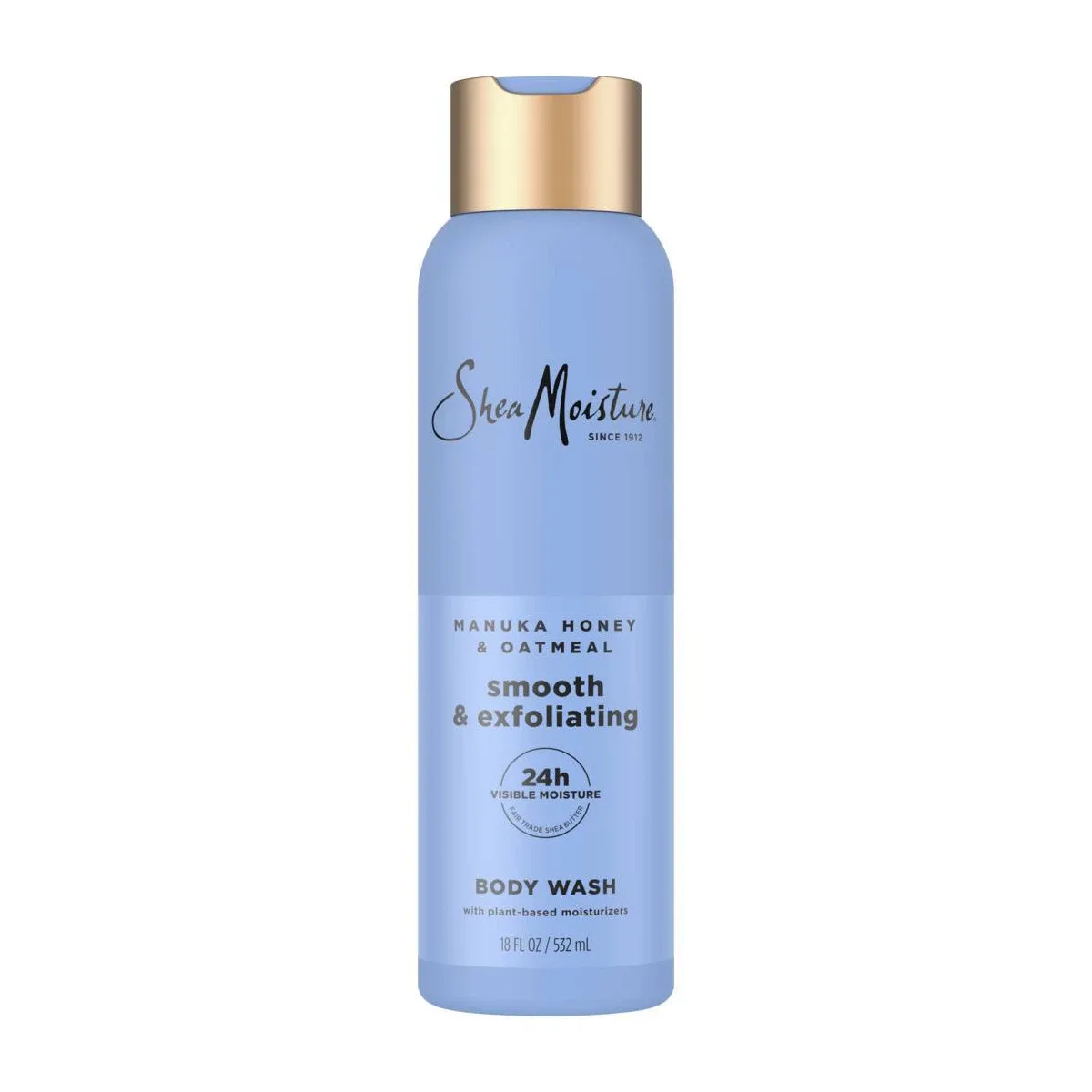 Gentle Everyday Body Polish
Manuka Honey & Oatmeal Smooth & Exfoliating Body Wash
A mild silica polish inside a shea-rich, sulfate-free wash, and the combination does what rough body skin wants: smoother after one shower, softer over a month, for $12 a pint. The manuka, oat and yogurt on the front are story, and the yogurt is not even on the label; the fragrance carries three declared allergens that reactive skin should heed. For everyone else with bumpy arms and dry legs, it is an easy, cheap yes.
 Sensitive Skin MVP
The Light Fantastic Ceramide Face Oil
A genuinely innovative approach to ceramide delivery — wrapping barrier-repair lipids in an ultralight, organic oil vehicle that sensitive skin can actually tolerate. It won't replace your retinol or vitamin C, but as a calming, barrier-strengthening finishing step, it's one of the most thoughtful face oils on the market.
 Cult Blue Tansy Face Oil
Lapis Blue Tansy Face Oil
A genuinely well-conceived face oil that proves oily skin can use oils — squalane and jojoba mimic sebum, blue tansy calms breakouts. But six declared fragrance allergens in a product aimed at reactive, acne-prone skin is a real formulation contradiction, and $72 for 1.7 ounces is steep for what's mostly squalane. Beloved for good reasons; flawed for honest ones.
 Omega-Rich Glow Oil
Supercharge Serum
A genuinely high-quality botanical face oil masquerading under the 'serum' name — an omega-loaded blend anchored by rare echium and sacha inchi oils that nourishes, conditions and adds a real glow to dry, dull skin, all in a fast-sinking 'dry oil' texture. Lovely for the right skin; the essential-oil fragrance and oil-only nature mean it isn't for oily, reactive or actives-seeking users.
 Golden Glow Oil
Radiance Face Oil
A genuinely lovely golden glow oil that earns its name through buriti, one of nature's richest beta-carotene sources, balanced with rosehip and six other plant oils into something that absorbs rather than smothers. It nourishes, plumps and subtly brightens dry-to-normal skin beautifully — just don't expect it to suit oily or fragrance-reactive complexions.
 Luxury Invisible SPF
The Broad Spectrum SPF 50 UV Protecting Fluid
An undeniably elegant sunscreen that delivers SPF 50 protection in a texture so lightweight it could pass for a serum. The application experience is exceptional and the formula layers perfectly under makeup. But at $130 for 1.7 oz, and with oxybenzone still in the formula in 2026, this is a luxury tax on sun protection rather than a functional necessity.
 Double Cleanse Pioneer
Precleanse Cleansing Oil
A thoughtfully formulated multi-oil cleansing oil with professional-grade pedigree that dissolves makeup and sunscreen thoroughly. The botanical oil blend is genuinely nourishing, but the steep price for a rinse-off product and the abundance of essential oil irritants make it a harder sell for sensitive skin types and budget-conscious buyers.
 The Original Double Cleanse
Precleanse
The oil cleanser that taught Western skincare how to double cleanse — and two decades later, it still dissolves everything from waterproof mascara to mineral sunscreen with effortless efficiency. The plant oil blend conditions while cleansing, though the essential oil scent and premium price give plenty of room for competitors to chip away at its throne.
 J-Beauty Cleansing Gold Standard
BC Cleansing Oil
A preservative-free, fragrance-free cleansing oil that removes every scrap of long-wear sunscreen and makeup while leaving skin genuinely cushioned. The kukui nut, rosehip, and oil-soluble vitamin C upgrade over Fancl's Mild Cleansing Oil is modest but real. The price is higher than the Mild version but the experience lives up to Fancl's J-beauty reputation.
The full kukui nut oil guide
Before anyone called it an emollient, Hawaiians called the kukui tree the ancestral source of light — its oily nuts were burned for torches and the pressed oil rubbed into sunburned skin and chapped scalps.
That centuries-old topical use now has a partial biochemical explanation: kukui nut oil carries one of the highest combined polyunsaturated fatty acid loads of any cosmetic plant oil, with roughly 40% linoleic acid and 25 to 30% alpha-linolenic acid. The clinical evidence for kukui oil specifically is thin and largely traditional, though the general fatty acid chemistry that underpins its emollient behavior is better understood.
How it's regulated in the US
FDA does not classify ingredients — it classifies products, by what they are sold to do. The same molecule can be a drug active in one product and a cosmetic ingredient in the next, and only the claim on the label decides which. What follows is a statement about that legal standing, not about whether it works — the evidence question is answered separately above.
Cosmetic Kukui Nut Oil is a cosmetic ingredient in the US: no OTC monograph covers it and it is not an active in any FDA-approved drug, so a product built around it is a cosmetic rather than a drug.
Kukui nut oil's fatty acid composition is its best-documented property. A study by Ako and colleagues in Industrial Crops and Products (2005) profiled the linoleic and linolenic content across sourcing regions and over time, confirming the unusually high polyunsaturated load. Clinical evidence for the oil itself is sparse. The one kukui-specific human trial — Brown and colleagues' 12-week double-blind, placebo-controlled pilot in the International Journal of Dermatology (2005), with 30 enrolled and 24 completing — found kukui oil no more effective than a mineral oil placebo for mild plaque psoriasis, though both groups improved modestly. That null result against an occlusive control suggests any benefit may come from basic emolliency rather than something unique to kukui. Broader fatty acid research is mixed: topical linoleic acid has been linked to barrier support in some contexts, but at least one in vivo study found unsaturated fatty acids can transiently disrupt the barrier rather than reinforce it, so the mechanism is not settled. The evidence is appropriately graded as traditional-use with mechanistic plausibility — not clinical proof.
How it works
Pressed from the seeds of Aleurites moluccana, a tree native to Southeast Asia and naturalized across Polynesia, kukui oil owes its distinct feel to an uncommon fatty acid mix. Most cosmetic plant oils lean heavily on oleic acid, which makes them thick, occlusive, and slow to sink in. Kukui instead carries roughly 40% linoleic acid alongside 25 to 30% alpha-linolenic acid, and that double dose of polyunsaturated fats produces a notably light, fast-absorbing oil that leaves a dry rather than slick finish. At the skin surface, linoleic acid is a natural component of the lipids between corneocytes, so topically supplied linoleic acid can integrate into that matrix. Skin that runs low in linoleic acid — a pattern often noted in acne-prone sebum, which skews toward oleic acid — is the scenario where replenishment is most plausible, though the clinical case for this remains modest. Alpha-linolenic acid, an omega-3, may contribute mild calming activity at the surface by influencing inflammatory lipid pathways. The oil also holds tocopherols (vitamin E) and trace beta-carotene, which lend some antioxidant character, but at naturally occurring levels these are minor players rather than the headline. Its featherweight texture means kukui works best as a treatment-stage or finishing oil, or as a slip agent in cleansing oils, rather than as a heavy occlusive sealing layer.
Key benefits
- Absorbs quickly and leaves a dry, non-greasy finish unusual for a plant oil
- High linoleic acid content suits skin whose own lipids skew low in linoleic
- Light enough to layer on oily and combination skin without a heavy feel
- Alpha-linolenic acid may offer mild surface-level soothing
- Long traditional use as a salve for sun-exposed and weather-stressed skin
- Comedogenic rating around 2 keeps pore-clogging risk modest for most users
Concentration & usage
No effective percentage has been established for kukui nut oil, and it appears anywhere from a fraction of a percent (as an emollient modifier in cleansers or sunscreens) up to 100% as a neat carrier oil. On an ingredient deck it is listed as Aleurites moluccana seed oil or Aleurites moluccanus seed oil — both spellings refer to the same thing. Cold-pressed, unrefined oil retains more tocopherols and beta-carotene and tends to carry a faint nutty scent and golden color, while refined versions trade some of that nutrient content for a longer, more stable shelf life. The fatty acid backbone survives standard refining largely intact.
Who it's for & who should be cautious
Who it's for
Combination and oily skin types looking for a facial oil that won't sit heavy are the natural fit — kukui sinks in fast where oleic-rich oils tend to linger. It's a particularly sensible pick for acne-prone skin that still wants some lipid support, since its linoleic-forward profile aligns with the lipid imbalance often seen in clog-prone follicles. It also earns a place in body care, cleansing oils, and lightweight blends where slip and a quick-absorbing feel matter more than deep occlusion.
Who should be cautious
Anyone with a tree nut allergy should be cautious; allergic contact reactions to nut-derived oils are uncommon but biologically plausible, so a patch test is wise. People with highly reactive or compromised skin should also patch-test first, since a comedogenic rating around 2 still carries a small congestion risk for the susceptible. And anyone hoping for a real fix for psoriasis or eczema should look elsewhere — the only controlled trial on kukui found it no better than mineral oil, so treat it as a comfort emollient, not a therapy.
Pairs with & conflicts
Pairs well with: Ceramides, Hyaluronic Acid, Squalane, Vitamin E (Tocopherol), Jojoba Oil, Panthenol (Pro-Vitamin B5), Rosehip Oil
Myths & facts
Myth: Kukui oil is too heavy or greasy for oily skin
Reality: Kukui actually absorbs faster and feels lighter than oleic-dominant oils like argan or marula, and its linoleic-forward profile lines up with the lipid pattern common in clog-prone skin. A comedogenic rating around 2 keeps it within the range commonly used in oils marketed for oily skin.
Myth: It's a proven treatment for psoriasis or eczema
Reality: The single controlled trial on kukui (Brown et al., International Journal of Dermatology, 2005) found it performed no better than mineral oil for mild plaque psoriasis. It can be a pleasant emollient for dry, scaly skin, but it has shown no disease-modifying effect in a controlled setting.
Myth: Cold-pressed kukui is dramatically more effective than refined kukui
Reality: Cold pressing does preserve more tocopherols and beta-carotene, but the fatty acids that drive the oil's emollient feel largely survive standard refining. The real-world difference in how the two perform on skin is likely small, though unrefined oil may oxidize sooner.
Frequently asked questions
Can I put kukui nut oil straight on my face without diluting it?
Yes — it's a carrier oil, so unlike essential oils it doesn't need to be diluted. A few drops pressed into damp skin is a common way to use it. If your skin is acne-prone, start with a small amount to gauge how your pores respond, since any oil carries some congestion risk for susceptible skin even at a low comedogenic rating.
What does 'Aleurites moluccana seed oil' on the label refer to?
That's the INCI name for kukui nut oil, and you may see it spelled Aleurites moluccana or Aleurites moluccanus depending on the supplier. The common name candlenut oil refers to the very same ingredient. Either Aleurites species name on a deck means you're looking at kukui.
Does kukui oil actually help with breakouts?
It may lend supportive value to acne-prone skin because its high linoleic content matches the lipid profile those follicles often lack, but it is not an active acne treatment the way salicylic acid or benzoyl peroxide are. Think of it as a lightweight emollient rather than a spot treatment, and its low comedogenic rating means most acne-prone users can try it without triggering clogs.
How does kukui stack up against other oils for dry skin?
Its polyunsaturated-heavy makeup gives kukui a lighter, quicker-absorbing feel than oleic-rich oils such as argan or avocado. Genuinely dry, flaky skin that needs serious sealing will get more from denser oils or petrolatum. Kukui sits in a middle lane — richer than squalane, lighter than marula — which makes it a flexible option for combination and moderately dry skin year-round.
Is kukui nut oil considered safe to use during pregnancy?
As a plain topical emollient with no pharmacologically active actives, kukui is generally regarded as low-risk in pregnancy. It contains no retinoids or potent actives and no essential-oil components at concerning levels. The main caveat is a nut allergy, and as with any new product during pregnancy, running it by your provider is reasonable.
Will kukui oil go rancid fast because it's so high in polyunsaturated fats?
Polyunsaturated-rich oils do oxidize more readily than saturated or oleic-heavy ones, and kukui is no exception. Keep it somewhere dark and cool — the fridge once opened is ideal — and favor blends that include a stabilizer like tocopherol or rosemary extract. Opened unrefined kukui typically keeps for around 6 to 12 months, with refined and antioxidant-stabilized versions lasting longer.