Inositol
Products with Inositol
 Multi-Acid Peel-Off
RED RICE INOSITOL Exfoliating Care Pore Wash-Off Peel Serum
A clever two-in-one exfoliant: the satisfying roll-off of a gommage peeling gel plus a real multi-acid stack of glycolic, salicylic and phytic acids, buffered with rice ferment, ceramide and licorice. It refines texture and clears pores effectively at $22, but the acid blend and a touch of isopropyl alcohol make it a once-or-twice-weekly treatment best kept away from sensitive, dry or barrier-compromised skin.
 Low-pH Pore Refresher
RED RICE INOSITOL Pore Clarifying Deep Cleanser
A low-pH, amino-acid deep cleanser that gets pores genuinely clean without the stripped, squeaky aftermath — kaolin and mild acids do the clarifying while rice ferment, ceramide and hyaluronic acid keep the barrier comfortable. It doubles neatly as a wash-off clay mask, and at $20 for a versatile 150mL tube it's an easy, well-built daily wash.
 Instant Tone-Up Base
Glass Skin Tone Up Cream
An honest eighteen-dollar tone-up cream that does the instant thing well on lighter skin, blurs pores like a primer and hides a real niacinamide dose behind its titanium dioxide, so there is a slow, genuine brightening under the optical one. The arbutin and vitamin C are trace decoration, the fragrance is unnecessary, and on medium and deep skin the pigment turns from glow to grey.
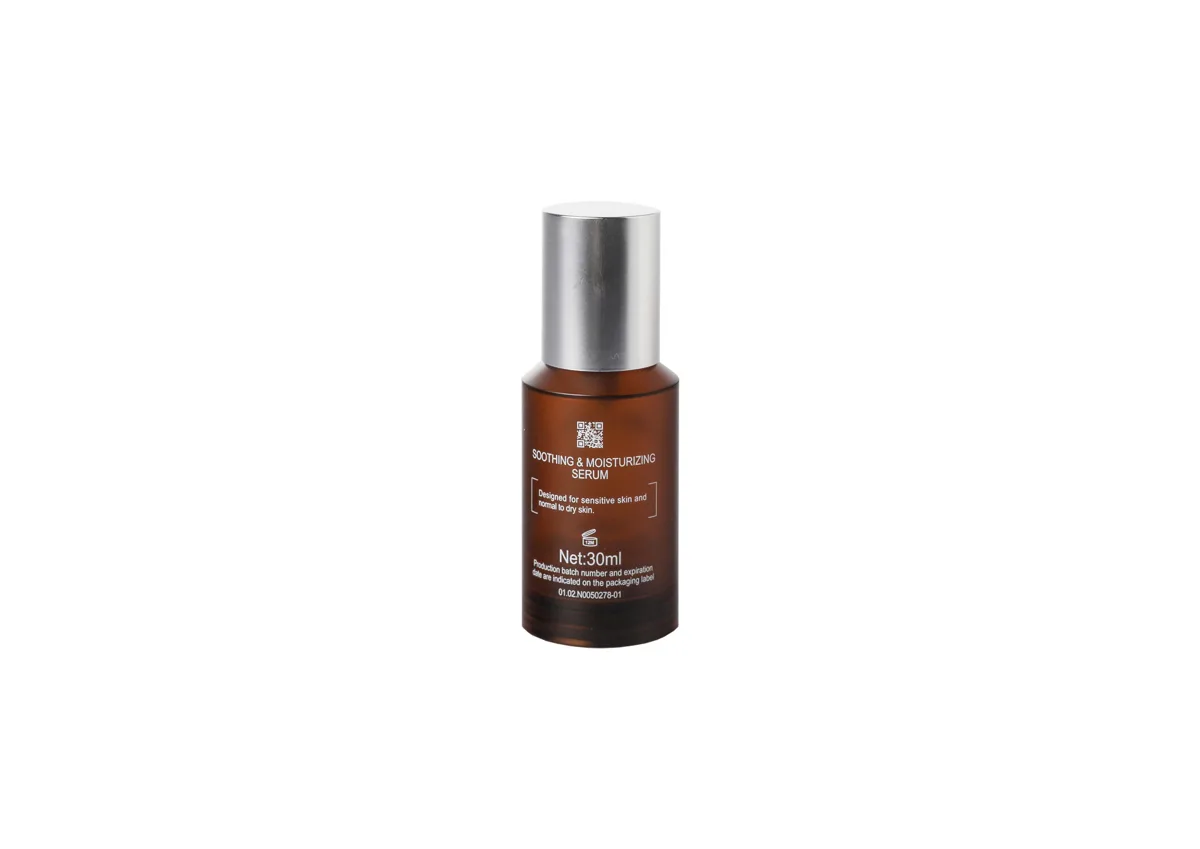 Ectoin Barrier Serum
Soothing & Moisturizing Serum
A barrier serum with more substance than its gentle name suggests: ectoin with real trial evidence, osmolyte humectants, a ceramide-cholesterol-squalane lipid trio and Winona's patented soothers, in a fragrance-free fluid that reactive skin accepts on day one. The 24-hour barrier claim is marketing, the price is high for 30ml, and neither stops this being one of the better sensitive-skin serums we have seen from any market.
 J-Beauty Lift Workhorse
Lift Moist Lotion W
A well-formulated J-beauty anti-aging lotion built around quasi-drug-designated tranexamic acid with Shiseido's signature collagen-conchiolin sensory architecture. The lightweight W variant suits combination and normal mature skin without the richness of the II and III alternatives in the same line. Methylparaben and fragrance limit suitability around the edges, but for the target demographic this is among the stronger J-beauty anti-aging lotions currently available at the premium-drugstore price tier.
 Elastin Line Toner, Priced High
Elastin Protein Firming Nourishing Lotion
Marubi's Elastin lotion is a watery hydrating toner with a convincing tightening feel borrowed from witch hazel and a protein film, decent glycerin-and-hyaluronate hydration, and a handful of avoidable extras: alcohol, rose flower oil and a yellow dye. At around seventy dollars for 100 ml on reseller sites it is expensive for what it is, and the firming in the name is a sensation, not a result.
 Gentlest GenOptics Upgrade
GenOptics Advanced Spot Essence
A genuinely refined upgrade to SK-II's spot serum, built on an over-90% Pitera base with soothing inositol and bisabolol that make it the gentlest, most hydrating expression of the GenOptics approach. It's lovely for sensitive skin — but the 'Advanced' upgrades are incremental refinements, not a new tier of efficacy, and at $225 the value problem of cheap core actives in a luxury bottle remains unchanged.
 J-Beauty Brightening Icon
GenOptics Aura Essence
A beautifully engineered brightening essence that delivers genuine results through four distinct anti-pigmentation pathways, but the luxury price tag asks you to pay a steep premium for Pitera's mystique when comparable actives exist at a fraction of the cost. Best suited for SK-II devotees who value the complete sensorial experience.
The full inositol guide
Inositol is a carbocyclic sugar the body makes from glucose, best known from oral supplements for PCOS and metabolic health.
In skincare it appears as a quiet supporting player, a humectant and skin-conditioning sugar alcohol found in rice bran and in the fermented Pitera behind SK-II. It rarely headlines a formula, instead rounding out hydration and texture alongside the actives doing the heavier lifting.
How it's regulated in the US
FDA does not classify ingredients — it classifies products, by what they are sold to do. The same molecule can be a drug active in one product and a cosmetic ingredient in the next, and only the claim on the label decides which. What follows is a statement about that legal standing, not about whether it works — the evidence question is answered separately above.
Cosmetic Inositol is a cosmetic ingredient in the US: no OTC monograph covers it and it is not an active in any FDA-approved drug, so a product built around it is a cosmetic rather than a drug.
Topical inositol is lightly studied. It is well established as a humectant and conditioning agent and is recognized as safe in cosmetics, but most research on its cellular-signaling benefits comes from oral supplementation, not skin application. Treat its topical role as reliable hydration support rather than a proven active.
How it works
Inositol, most commonly the myo-inositol isomer, is a sugar alcohol with multiple hydroxyl groups, which makes it a natural humectant: it binds water and helps draw moisture into the upper layers of the skin and hold it there. That water-attracting behavior is the most dependable thing it does in a topical formula, smoothing and softening the surface much like glycerin or other small humectants. Inositol also has a genuine biological role inside cells as a building block of membrane phospholipids and a participant in transmembrane signal transduction, ion-channel regulation, and cellular transport. Brands often invoke this cell-signaling and metabolism-support angle to justify including it in anti-aging and brightening formulas. The honest caveat is that this signaling role is best documented from the inside, through diet and supplements, and there is little evidence that topically applied inositol meaningfully drives these pathways in living skin. In rice-based and ferment formulas it works largely as a conditioning, hydrating partner to the rice ferments and hyaluronic acids, and during exfoliating steps it helps replenish moisture lost to the active.
Key benefits
- Acts as a humectant that attracts and helps retain water in the skin
- Conditions and smooths the skin surface for a softer feel
- Supports hydration during drying steps like exfoliation
- Recognized as safe and well tolerated in cosmetic formulations
- Complements rice ferments and other humectants in hydrating formulas
- A natural component of skin-relevant systems like Pitera and rice bran
Concentration & usage
Inositol is typically used at modest supporting levels as a humectant and conditioner rather than dosed as a star active. Because its proven topical role is hydration and conditioning, there is no efficacy-driven target percentage to chase. It is well tolerated across product types, so judge a formula by its overall hydration and active lineup rather than the inositol amount.
Who it's for & who should be cautious
Who it's for
Anyone wanting extra lightweight hydration, especially fans of rice, ferment, and Japanese skincare formulas. It suits all skin types, including sensitive and dehydrated skin, and works as a gentle conditioning addition that layers easily within an existing routine.
Who should be cautious
There is little reason to avoid topical inositol, as it is gentle and broadly safe. People should simply not expect it to act as a standalone treatment for acne, pigmentation, or aging, since those claims rest mostly on oral supplement research. As always, patch test new products if your skin is reactive.
Pairs with & conflicts
Pairs well with: Hyaluronic Acid, Glycerin, Niacinamide (Vitamin B3), Rice (Oryza Sativa Extract), Panthenol (Pro-Vitamin B5)
Myths & facts
Myth: Topical inositol treats acne and PCOS skin the way the supplement does.
Reality: The acne and PCOS evidence comes from oral myo-inositol affecting metabolism and hormones from the inside. Applied to skin, its proven role is hydration and conditioning, not hormonal or anti-acne action.
Myth: Inositol is a powerful anti-aging active because it supports cell signaling.
Reality: Inositol does play real signaling roles inside cells, but there is little evidence that topical inositol drives those pathways in skin. In a formula it functions chiefly as a humectant and conditioner.
Frequently asked questions
What does inositol do in skincare?
Topically, inositol works mainly as a humectant and skin-conditioning agent, attracting water and helping smooth and soften the surface. It is a sugar alcohol found in rice bran and ferments like SK-II's Pitera, where it supports overall hydration.
Is topical inositol the same as the inositol supplement for PCOS?
It is the same molecule, but the uses differ. The PCOS and metabolic benefits come from taking inositol orally, where it affects insulin signaling and hormones. Applied to skin, its evidence-backed role is hydration, not hormonal effects.
Is inositol safe for the skin?
Yes. Inositol is recognized as safe in cosmetics and is gentle and well tolerated across skin types. It is a common supporting ingredient in hydrating and rice-based formulas, with no notable irritation concerns for most people.
Can inositol help with hydration?
Yes, hydration is its most reliable topical benefit. As a multi-hydroxyl sugar alcohol it behaves like a humectant, drawing and holding water in the upper skin layers, which is why it appears in moisturizers, toners, and essences.
Should I choose a product because it contains inositol?
Inositol is a nice supporting ingredient, but it is rarely the reason to buy a product on its own. Look at the overall formula, including the main actives and other humectants, and treat inositol as a helpful conditioning extra.