Horse Chestnut (Aescin)
Products with Horse Chestnut (Aescin)
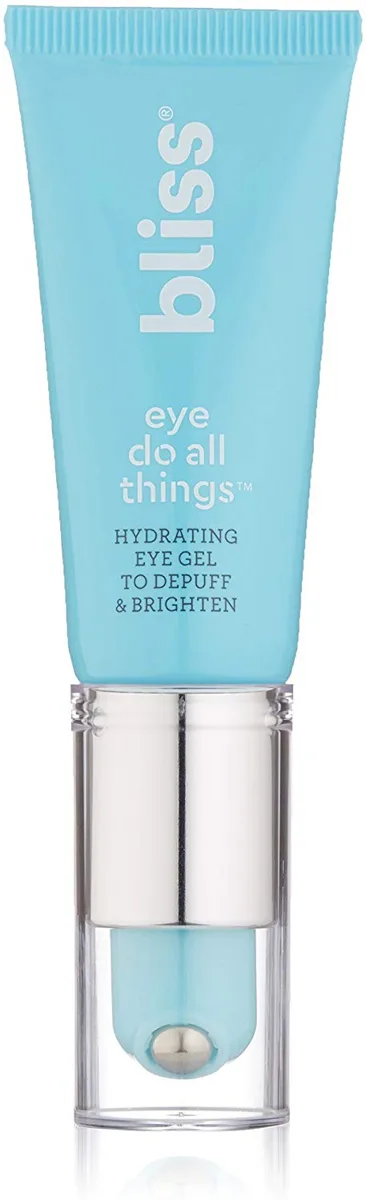 Wide-Awake Eye Gel
Eye Do All Things Eye Gel
A lightweight, refreshingly fragrance-free eye gel that does exactly what its caffeine-and-horse-chestnut formula promises: an instant, cooling depuff that makes tired eyes look wide awake, plus a slow peptide firming angle. The catch is honesty about scope — the depuffing is temporary and it won't touch pigment-based dark circles. As a gentle daily morning refresh at a fair price, it earns its keep.
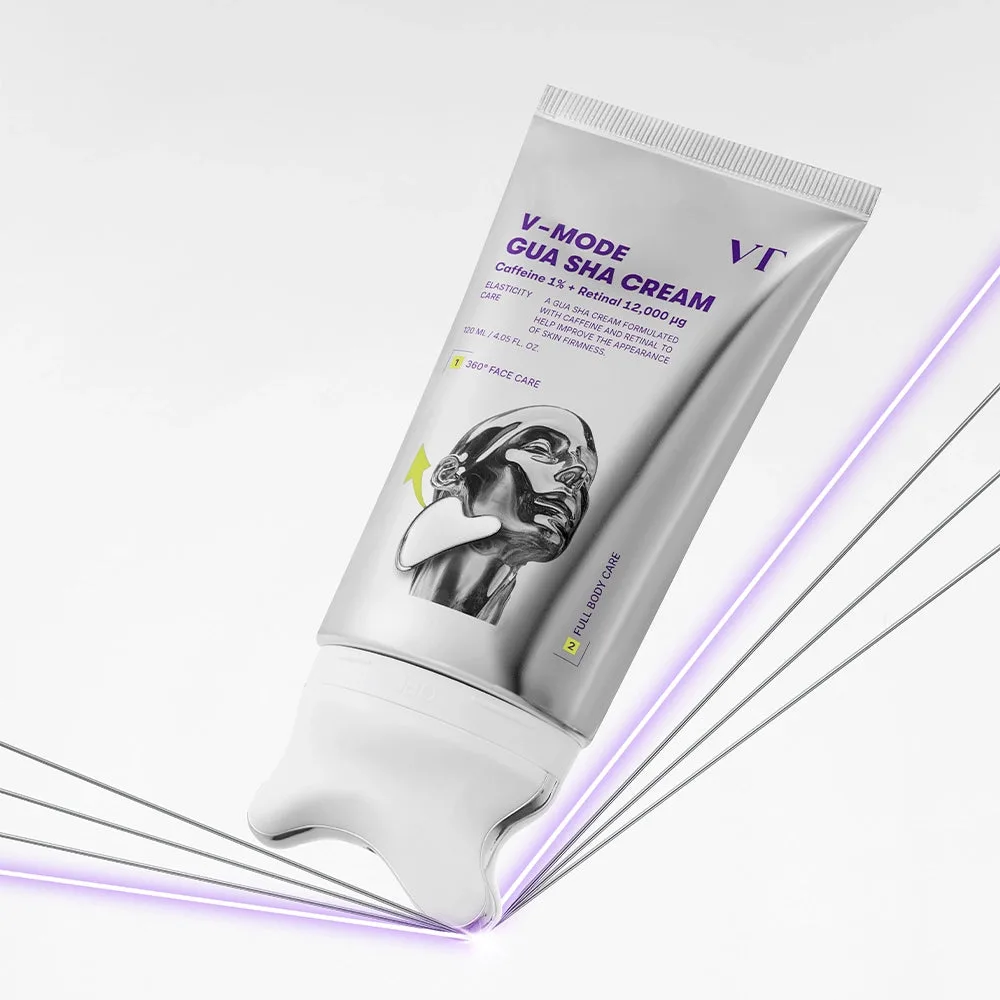 Caffeine Massage Cream with Built-In Gua Sha
V-Mode Gua Sha Cream
A rich, fragrance-free massage cream with the gua sha moulded into the tube and a declared one percent caffeine that genuinely de-puffs for an hour or two, which is a coherent little product. The retinal on the front is a nominal 0.01 percent, the seven collagens, ten hyaluronic acids and nine peptides are label furniture, the lifting is the massage rather than the cream, and it is too heavy for oily faces.
 Oily-Skin Hydration Match
Metabolizer Regular 1
IPSA's cult Metabolizer lotion, in the Type 1 formula calibrated for oily, lustrous skin: a humectant-heavy, emollient-light moisturizing lotion that floods oily skin with water without adding a drop of unwanted oil. The numbered, diagnosis-matched system is genuinely clever and the fresh, refined finish earns its fans. The reservations are the alcohol content, a single-skin-type design, and a clear import premium.
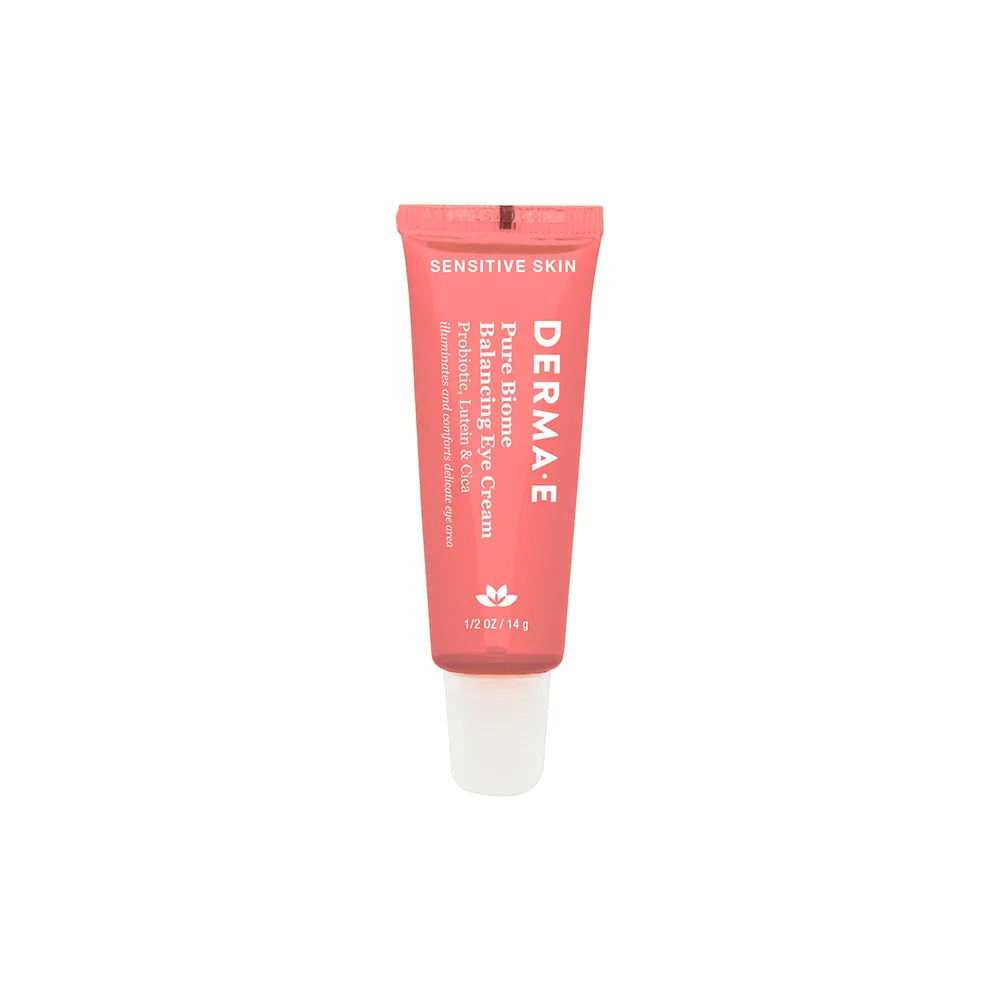 Brightening Eye Soother
Pure Biome Balancing Eye Cream
A gentle, fragrance-free eye cream that brightens instantly with light-reflecting minerals, de-puffs temporarily via caffeine and horse chestnut, and hydrates with shea and jojoba. The biome angle adds little, but the genuine eye-targeted actives and fair price make it a likable, low-risk pick.
 Combination-Skin Balancer
Metabolizer Regular 3
The Metabolizer tuned for the most exasperating complexion of all — combination skin that is oily in some places and dry in others at the same time. Type 3 hydrates the whole face with a humectant-rich lotion while giving the dry zones a little more comfort than the oiliest numbers, all in one watery step. It is an elegant answer to a real problem, dimmed only by alcohol, a strict single-type fit, and an import-level price.
 Clean-Beauty Eye Serum
I-Waken Eye Serum
A clean-beauty eye serum that takes the herbalist's route to depuffing — horse chestnut, arnica, witch hazel and cornflower instead of the usual caffeine-and-peptide playbook. It earns its place for vascular puffiness and morning bloat, but at $65 for 15ml it's a luxury entry, and it won't budge pigmented dark circles no matter how diligently you tap it in.
 Brightening Lotion Upgrade
Metabolizer ME Extra 3
The brightening sibling of IPSA's matched Metabolizer lotion: the same Type 3 hydration for oily-yet-dry combination skin, with tranexamic acid pushed to the front to tackle dark spots and uneven tone. Unlike much of the range, the headline upgrade here rests on a genuinely well-evidenced active. The caveats are familiar — alcohol, a strict single-type fit, and a price step up over the Regular version — plus the patience any brightening lotion demands.
 Rinse-Off Eye Ritual
Luxury Caviar Eye Mask
A comfortable, fragrance-free rinse-off eye cream with caffeine and escin in a dense emollient base that leaves under-eyes soft and briefly depuffed. The rinse-off format limits how much its actives can do, and the caviar is a trace ingredient. At around $90 for 15g, it is a pricey ritual rather than a treatment.
 Morning-After Eye Roller
Clearly Brighter Anti-Puff Eye Roller
A thirteen-dollar morning trick that works exactly as long as a trick does: a cold steel ball, caffeine and horse-chestnut escin take the puff down for a few hours, and mica makes the shadows look fainter until lunch. The pairing of caffeine with escin is smarter than the price suggests. The alcohol and peppermint that make it feel effective also make it a poor daily habit for dry or reactive eyes, and nothing in the tube changes anything permanently.
 Pola B.A Anti-Aging Eye Cream
B.A The Eye Cream
Pola B.A The Eye Cream (also marketed as B.A Eye Zone Cream N) is the dedicated eye treatment in the brand's flagship B.A line — glucosyl hesperidin and horse chestnut escin for microcirculation support, mussel glycogen for surface conditioning, the broader B.A botanical complex, and Pola's signature 3D Build Up hybrid silicone system. The 160-dollar price for 26g is steep but more reasonable per-gram than the broader B.A Cream, and the eye-area-specific vasoactive actives genuinely earn the dedicated-formulation positioning.
 Gentle Vegan Eye Pick
Advanced Peptides and Vegan Flora-Collagen Eye Cream
A quietly competent vegan eye cream that goes beyond plain hydration with peptides for firmness and horse chestnut plus Pycnogenol for puffiness. It is gentle, fragrance-free, and well-suited to the eye area, though the small jar and slow, subtle firming keep it a solid-rather-than-spectacular pick.
 Pre-Event Jawline Trick
V.T.R Stretching Patch
More gadget than serum: a stretchy band that hooks over both ears to physically hold your cheeks and jaw taut, delivering a genuinely visible, if temporary, sculpted look that most lifting masks only promise. The adenosine-and-centella essence is a pleasant bonus rather than the point. At around two and a half dollars a use it is a fun pre-event trick, not an anti-aging treatment.
 Luxury Anti-Aging Eye Treatment
Absolue Revitalizing Eye Cream
A scientifically credible luxury eye cream that pairs L'Oréal's well-researched Pro-Xylane with escin for a dual-mechanism approach to periorbital aging. The melting texture, gentle profile, and real clinical data behind its actives justify the prestige positioning — though the $165 price for 0.7 ounces means you're still paying a substantial brand premium.
 Depuffing Innovation
Génifique Yeux Light-Pearl Eye Illuminator
A well-engineered eye serum where the innovative cooling applicator is as much of the product as the formula inside. Genuine depuffing actives and microbiome-supporting Bifida ferment make a clinically backed case, but the steep per-ounce price demands realistic expectations about what any eye serum can achieve.
 Instant Brightening Eye Treatment
Auto Correct Brightening + De-Puffing Eye Contour Cream
A clever hybrid eye cream that delivers instant optical brightening through light-reflecting particles while deploying caffeine, horse chestnut, and acmella oleracea as longer-term treatment actives. The immediate visible correction is genuinely impressive, but the $65 price tag for a half-ounce with fragrance compounds near the eye area is a hard sell for sensitive skin types.
 Prestige Mature Skin Nourisher
Nutri-Lumière Day Cream
A prestige-tier moisturizer that takes a genuinely different approach to mature skin — feeding it with lipids, micronutrients, and circulation boosters rather than bombarding it with aggressive actives. The results are real (luminosity, nourishment, gradual brightening), but the $175 price tag demands serious commitment to the Clarins philosophy of botanical luxury over clinical potency.
 Post-Procedure Antioxidant
Repair Serum NAC Y2
A genuinely thoughtful luxury antioxidant serum with a credible clinical origin and a layered active complex centered on N-acetyl cysteine. Best for post-procedure recovery, mature skin with healing concerns, and those who value brand credibility from a surgeon-founded line. The price is hard to justify against simpler equivalents.
 Heritage Cellular Eye Cream
Longue Vie Yeux Eye Cream
Guinot's Longue Vie Yeux is the eye-area sibling of the brand's signature cellular cream, and it inherits both its character and its problems: pleasant hydration and a mild depuffing touch from horse chestnut, wrapped around the same trace-level '56 active' cocktail and a heavy fragrance. Fragrance near the eyes is the real misstep, and at a salon price for 15ml, value is hard to defend.
 Iconic Japanese Prestige Toner
Skin Conditioner Essential N
A genuinely iconic Japanese prestige toner with 50 years of continuous formulation history, 47 million bottles of consumer track record, and Japan quasi-drug certification anchoring its anti-inflammatory positioning. The cotton-pad-compress ritual delivers a meditative spa experience that few skincare products can match. Ethanol and fragrance disqualify it for reactive skin.
 Smooth-Canvas Eye Pick
Lotus Youth Preserve Eye Cream
A likeable, lightweight eye cream that delivers a real soft-focus smoothing effect and gentle depuffing, helped by adenosine, squalane, and horse chestnut. It is genuinely good as makeup prep and broadly tolerable, but the tiny 0.5-ounce jar at a luxury price and a faint citrus note mean you are paying prestige money for a competent, not miraculous, product.
The full horse chestnut (aescin) guide
If your under-eye area looks like it holds onto every late night and salty meal, horse chestnut is the botanical that cosmetic chemists reach for to work on the plumbing.
Its active compound, aescin — a triterpene saponin — has a genuine track record in vascular medicine, and formulators have increasingly borrowed that to build eye creams and de-puffing serums. The catch worth saying up front: the strongest evidence comes from oral capsules taken for leg veins, while the topical-on-your-face data is thinner. Cautious optimism is warranted here, breathless hype is not.
How it's regulated in the US
FDA does not classify ingredients — it classifies products, by what they are sold to do. The same molecule can be a drug active in one product and a cosmetic ingredient in the next, and only the claim on the label decides which. What follows is a statement about that legal standing, not about whether it works — the evidence question is answered separately above.
Cosmetic Horse Chestnut (Aescin) is a cosmetic ingredient in the US: no OTC monograph covers it and it is not an active in any FDA-approved drug, so a product built around it is a cosmetic rather than a drug.
The most robust clinical evidence for aescin comes from oral use. A Cochrane review of 17 randomized controlled trials concluded that horse chestnut seed extract appears to reduce leg pain, oedema, and itching in chronic venous insufficiency (CVI), while noting that the included trials had methodological limitations and that larger, better-designed studies are still needed. The proposed mechanism is reasonably well-characterized: aescin inhibits hyaluronidase (the enzyme that degrades the matrix supporting capillary walls), interacts with calcium handling in vascular smooth muscle to raise venous tone, and dampens inflammatory signaling. Topical evidence is narrower. A trial of 43 women with chronic venous stasis reported skin improvements across multiple measures after 30 days of once-daily 2% aescin emulsion, and 2% topical aescin-plus-phospholipid gels have been studied for venous microcirculation. Extrapolating from leg-vein research to periorbital eye creams is a real leap — ingredient suppliers typically suggest 0.5–2% extract in finished formulas, but controlled trials specifically on under-eye puffiness or dark circles are essentially absent. The extract's bioflavonoids (quercetin, kaempferol) add some antioxidant activity as a secondary perk. On balance this sits in promising rather than proven territory: the biology is plausible and backed by vascular research, but cosmetic-concentration trials on the face are lacking.
How it works
The story of horse chestnut seed extract begins at the capillary wall. Its primary active, aescin (also spelled escin), is a mixture of triterpene saponins thought to inhibit hyaluronidase — an enzyme that breaks down the hyaluronic acid cushioning the tissue around capillaries. When that scaffold degrades, capillary walls leak more readily, and fluid pools into surrounding tissue, producing the puffiness and shadowing that make the eye area read as perpetually tired. Slowing hyaluronidase is believed to help keep that vascular scaffold intact.\n\nAescin also appears to have a venotonic effect, interacting with calcium handling in vascular smooth muscle so vessel walls hold tone rather than going slack. That matters around the eyes, where tiny vessels respond to fluid intake, sleep position, and inflammation. Walls that are both sturdier and more contractile are less likely to let fluid escape into the tissue.\n\nThere is an anti-inflammatory angle too, attributed to dampened inflammatory signaling that limits downstream production of prostaglandins and related mediators. Rounding things out, the flavonoids in the extract — notably quercetin and kaempferol — scavenge reactive oxygen species, layering modest antioxidant support on top of the vascular work.\n\nOne practical wrinkle: applied to skin, aescin has to cross the stratum corneum to reach dermal capillaries at all, which is why the carrier matters and why gels and emulsions show up in the clinical work. At the 0.5–2% finished-product levels common in eye creams, you are getting some real activity, though typically below the 2% pure-aescin doses studied for medical swelling.
Key benefits
- May reduce periorbital puffiness by limiting capillary fluid leakage
- Supports fragile capillary walls and microvascular resilience
- Venotonic action may help tone slack vessels in the under-eye area
- Anti-inflammatory effect can calm reactive, easily-flushed skin
- Quercetin and kaempferol content adds secondary antioxidant defense
- Hyaluronidase inhibition helps preserve the matrix around small vessels
Concentration & usage
Topical cosmetic formulas usually use horse chestnut extract at 0.5–2% in the finished product. Because supply-chain extracts are often standardized to around 20% aescin, a 1% extract usage delivers roughly 0.2% actual aescin. Medical work on swelling and sports injuries has used 2% aescin in gel or cream bases applied several times daily — the upper end of what shows up in research, and well above a typical once-daily eye cream. On an INCI label, look for Aesculus Hippocastanum Seed Extract. Its position is a rough clue to concentration: mid-list suggests a functional dose, while a spot near the end of a long ingredient list often signals a token cosmetic amount. No specific pH dependence has been established for topical aescin activity.
Who it's for & who should be cautious
Who it's for
People dealing with stubborn puffiness, visible under-eye bags, or dark circles driven by pooled blood and lymph (the blue-to-purple kind, not brown pigment) are the clearest candidates. It also tends to suit those with rosacea or visible surface vessels who want gentle vascular support without sensitizing actives. Across most skin types, horse chestnut works as a quiet supporting player in circulation-focused eye creams and serums rather than a headline active.
Who should be cautious
Anyone with a known horse chestnut or mugwort allergy should patch-test carefully. Research has identified a cross-reactive seed allergen (Aes h 1, a defensin-type protein structurally similar to mugwort's Art v 1), so people sensitized to mugwort pollen may be at higher risk of a reaction. Those with highly reactive or broken skin should introduce it slowly, since saponins can be mildly irritating on a compromised barrier. Oral horse chestnut is avoided in pregnancy and alongside blood thinners; topical cosmetic use at low concentrations carries a much smaller risk, but pregnant individuals with circulatory concerns should check with a healthcare provider before regular facial use of stronger formulas.
Pairs with & conflicts
Myths & facts
Myth: Horse chestnut fixes all dark circles
Reality: Dark circles come in two main flavors: vascular pooling (blue-purple) and melanin pigmentation (brown). Aescin targets the vascular type by supporting capillaries and reducing fluid leakage — it does little for pigment-driven discoloration. Pairing it with a brightener like vitamin C or niacinamide is how you cover both bases.
Myth: Oral supplement studies prove the eye cream works
Reality: The well-reviewed evidence is for oral horse chestnut seed extract in chronic venous insufficiency — systemic dosing that reaches veins throughout the body. A topical eye cream depends on aescin penetrating skin to reach dermal capillaries, which is mechanistically reasonable but rests on a far smaller trial base. The biology may translate; the head-to-head clinical proof for cosmetic use simply isn't there yet.
Myth: More aescin always means better results
Reality: The medical topical studies used 2% aescin gels for things like post-surgical swelling, applied several times a day. In a once- or twice-daily eye cream, cranking concentration to the max offers diminishing returns, and high saponin levels can disturb the skin barrier over time. The common 0.5–2% finished-product range exists for a reason.
Frequently asked questions
Why do so many eye creams reach for horse chestnut?
Periorbital skin is the thinnest on the face, and its capillaries sit close to the surface — making this zone especially prone to fluid pooling and visible vascular shadowing. Aescin's combination of supporting capillary walls and nudging up venous tone lines up neatly with those issues, which is why formulators lean on it when building puffiness or dark-circle products.
How quickly might a horse chestnut eye cream show results?
Expect a gradual curve. Mild puffiness relief from steadier capillary tone can show up within one to two weeks of consistent use, especially when the puffiness is positional or fluid-driven. Any sturdier improvement to capillary resilience tends to build over four to eight weeks. If nothing has shifted after eight weeks, your circles may be pigment-based rather than vascular — in which case the mechanism just doesn't match the cause.
Is horse chestnut a safe pick for rosacea-prone skin?
It's generally regarded as a reasonable option, because its action centers on vascular fragility and surface vessel reactivity — close to the physiology behind rosacea flushing and visible capillaries. It also skips the fragrances and harsh actives that often trigger flares. Even so, patch-testing any new ingredient on reactive skin is the smart move.
Can I keep using a horse chestnut serum during pregnancy?
Oral horse chestnut supplements are explicitly avoided in pregnancy because of systemic vascular effects, but topical cosmetic products at typical concentrations carry a much lower risk profile. There's no documented harm from topical use in pregnancy in the literature — though that partly reflects how little has been studied. If you're applying a stronger formula daily around the eyes, it's worth flagging to your OB, particularly if you're also managing varicose veins.
Will it do anything for broken capillaries or spider veins on the face?
Aescin may improve the tone and resilience of superficial vessels over time and shows up in products aimed at surface redness. What it won't do is erase spider veins that have already permanently dilated — those generally need laser or IPL. Its realistic role is reducing reactivity and helping prevent further worsening by supporting capillary wall integrity.
Which INCI name should I scan the label for?
Look for Aesculus Hippocastanum Seed Extract — the seed-derived form is the one tied to the standardized aescin research and usually standardized to around 20% aescin. You may occasionally see Aesculus Hippocastanum Extract without 'Seed' specified; when in doubt, the seed version is the better-studied choice for vascular benefits.
Sources
- https://pubmed.ncbi.nlm.nih.gov/23152216/
- https://www.cochrane.org/evidence/CD003230_horse-chestnut-seed-extract-long-term-or-chronic-venous-insufficiency
- https://www.sciencedirect.com/science/article/pii/S0102695X15001003
- https://pubmed.ncbi.nlm.nih.gov/18503457/
- https://onlinelibrary.wiley.com/doi/10.1111/all.16335