Honey (Mel)
Products with Honey (Mel)
 Honey Wash for Dry Bodies
Face and Body Ultra-Rich Cleansing Gel
A body-and-face wash that foams like a normal shower gel and leaves dry skin feeling nothing like one washed it, thanks to five mild surfactants and a humectant stack most face cleansers would envy. It is refillable, cheap per millilitre and fine for children, with the honey-floral perfume the only real reservation. For dry, tight, winter-prone skin, this is the shower gel to switch to.
 Intensive Propolis Mask
Propolis B5 Glow Barrier Calming Mask
The intensive weekly boost of the Propolis B5 line — a 56% propolis wash-off mask that floods stressed skin with antioxidant, soothing and humectant actives for a dewy, radiant rinse-off glow. As a periodic treatment it works well and costs little. But it's the most bee-heavy product in the range, adding pollen to propolis, honey and royal jelly, so anyone with bee or pollen allergies should steer well clear.
 Sensitive Skin MVP
Hydrate & Cleanse Bar
Proof that a gentle, genuinely hydrating cleanser doesn't have to cost much. This five-dollar syndet bar uses a skin-friendly pH plus shea butter, squalane, and nourishing oils to cleanse dry and sensitive skin without the tight, stripped feeling of ordinary soap. Too rich for oily types and still no substitute for moisturizer, but for parched winter skin, it's a budget gem.
 Honeyed Hydration Hit
Full Fit Propolis Nourishing Magnet Sheet Mask
A comforting, honey-scented sheet mask built around a bee-derived trio — propolis, royal jelly and honey at 1,000ppm each — plus soothing panthenol, on a honeycomb sheet that drapes closely. It delivers exactly what a good hydrating mask should: instant plumping and a dewy glow. Just know it's an occasional treat, not a cumulative treatment, and the botanical scent and oils make it a poor fit for sensitive or acne-prone skin.
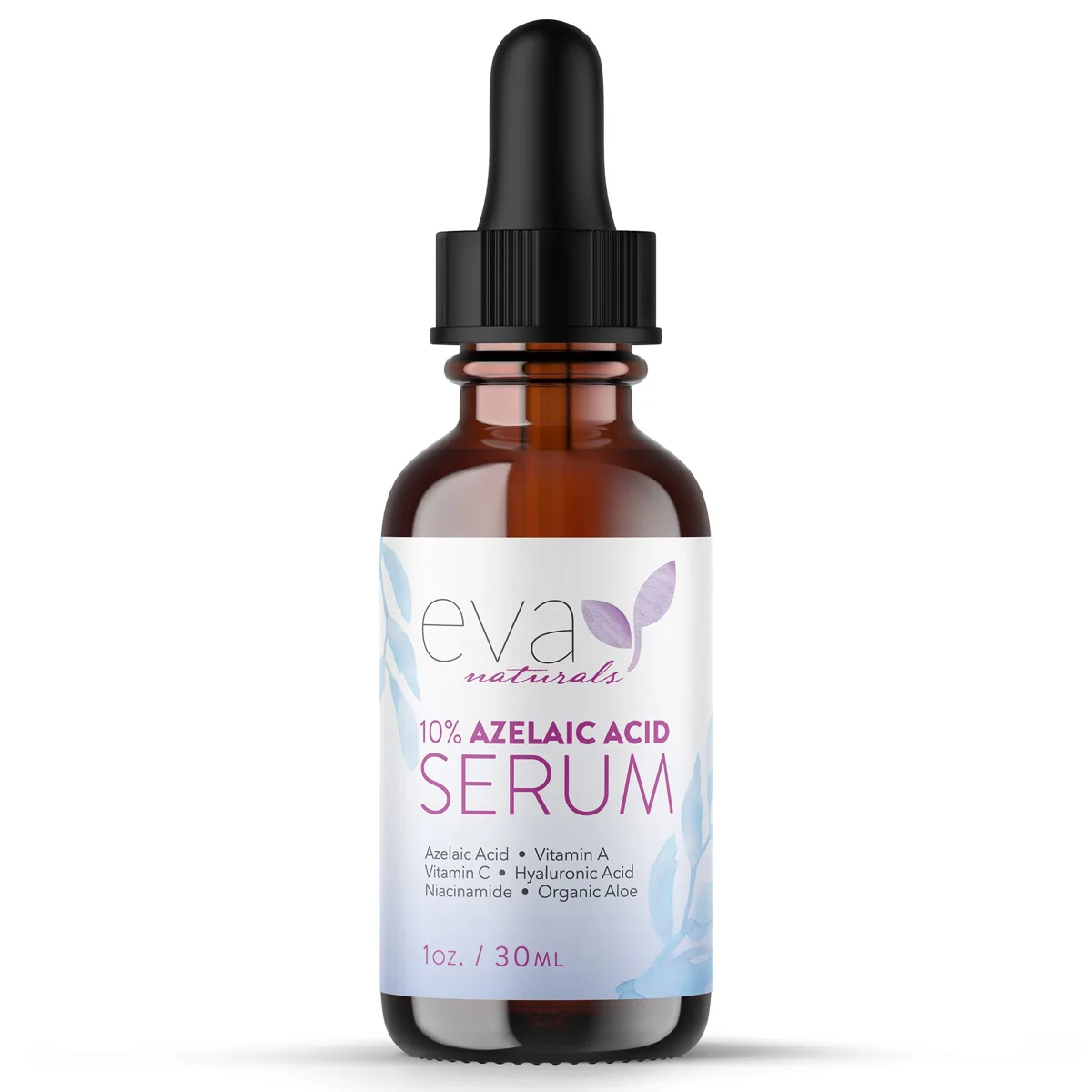 Budget Azelaic Workhorse
Azelaic Acid 10% Facial Serum
The best-value azelaic acid in Eva Naturals' range and one of the cheapest credible ones anywhere: a declared 10 percent with a working dose of niacinamide and real hyaluronate in a fragrance-free aloe gel, 60ml for under fifteen dollars. The aloe base leaves a faint grit and the trace retinyl palmitate muddies the pregnancy question, but for mild redness, blemishes and marks it earns a place.
 One-Step Honey Wash
Face Cleansing and Make-Up Removing Gel
An amber honey gel that does what most gel cleansers cannot: takes off everyday make-up and sunscreen in one wash and leaves dry skin soft instead of tight, for $20. The betaine, the perfume and the benzyl alcohol keep it off the shortlist for the most reactive faces, and it cannot handle waterproof mascara. For everyone else with dry or normal skin, it is one of the best-value things Nuxe makes.
 J-Beauty Travel-Friendly Pick
Mild Foam Wash
DHC's tube version of its decades-old Mild Soap is the rare traditional Japanese potassium-soap cleanser that doesn't punish dry skin. The olive oil and snow mushroom polysaccharide soften what would otherwise be a high-pH formula, and at about fifteen dollars it remains one of the best-value J-beauty cleansers a sensitive-skin routine can include.
 Sensitive-Skin Milky Toner
Hydrating Toner with Squalane + Oats
One of the best-value products First Aid Beauty makes: a milky, alcohol-free, fragrance-free toner that leads with three forms of oat, a serious glycerin dose and emulsified squalane, and calms a freshly cleansed face within seconds. Honey and propolis keep it off the vegan and bee-allergic lists, and oily skin may find it a touch rich. For dry, sensitive, reactive skin, at $24 for six ounces, it is an easy yes.
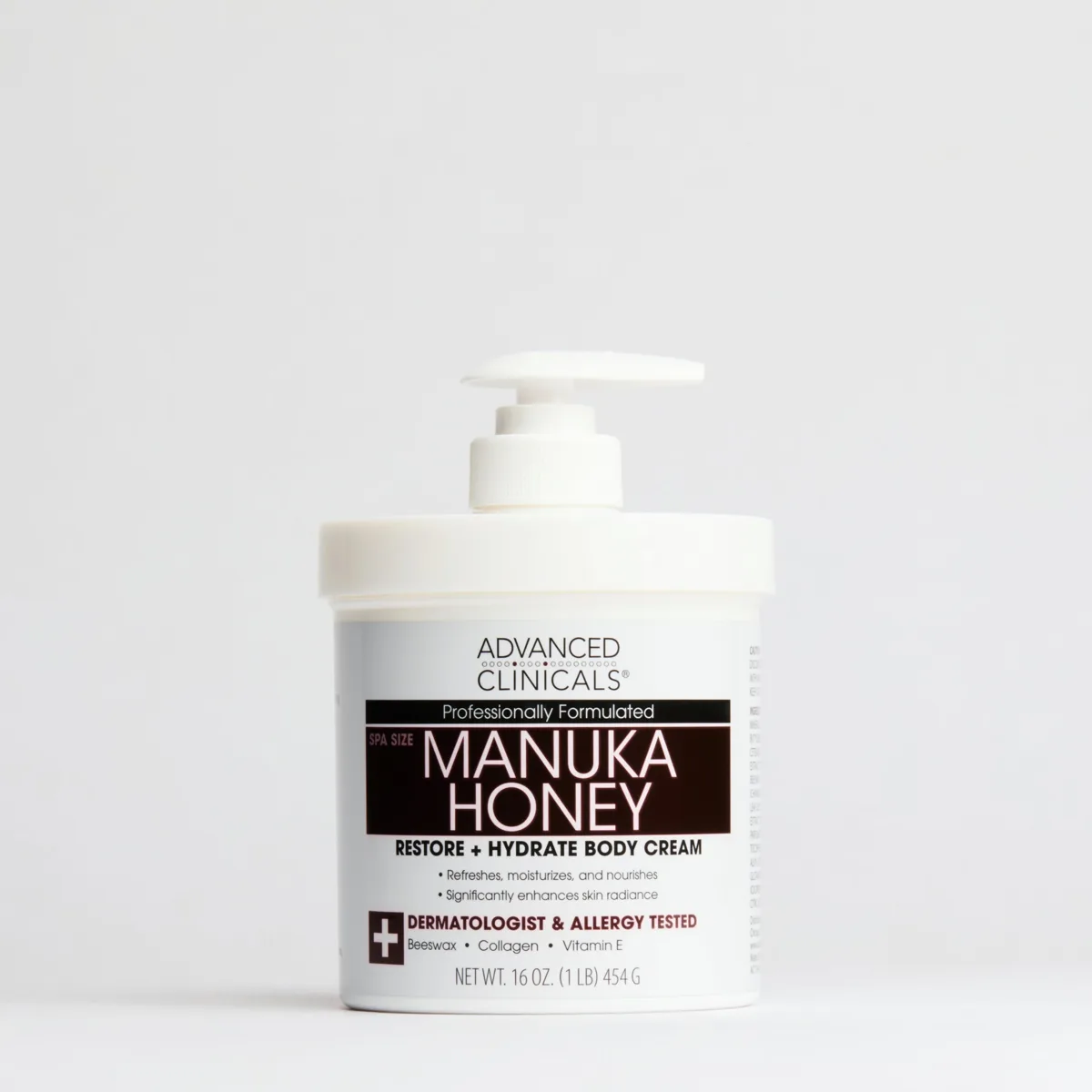 Winter Rescue Jar
Manuka Honey Body Cream
The heavy-duty jar in the Advanced Clinicals range and the best-reviewed of them, with honey placed high, beeswax doubling the occlusive seal and a base that rescues cracked winter skin for sixteen dollars a pound. The honey is not identified as manuka, the collagen is surface decoration, and the fragrance, rose, chamomile and iodopropynyl butylcarbamate rule it out for sensitive skin. For tolerant dry skin in a cold month, it is the one to buy.
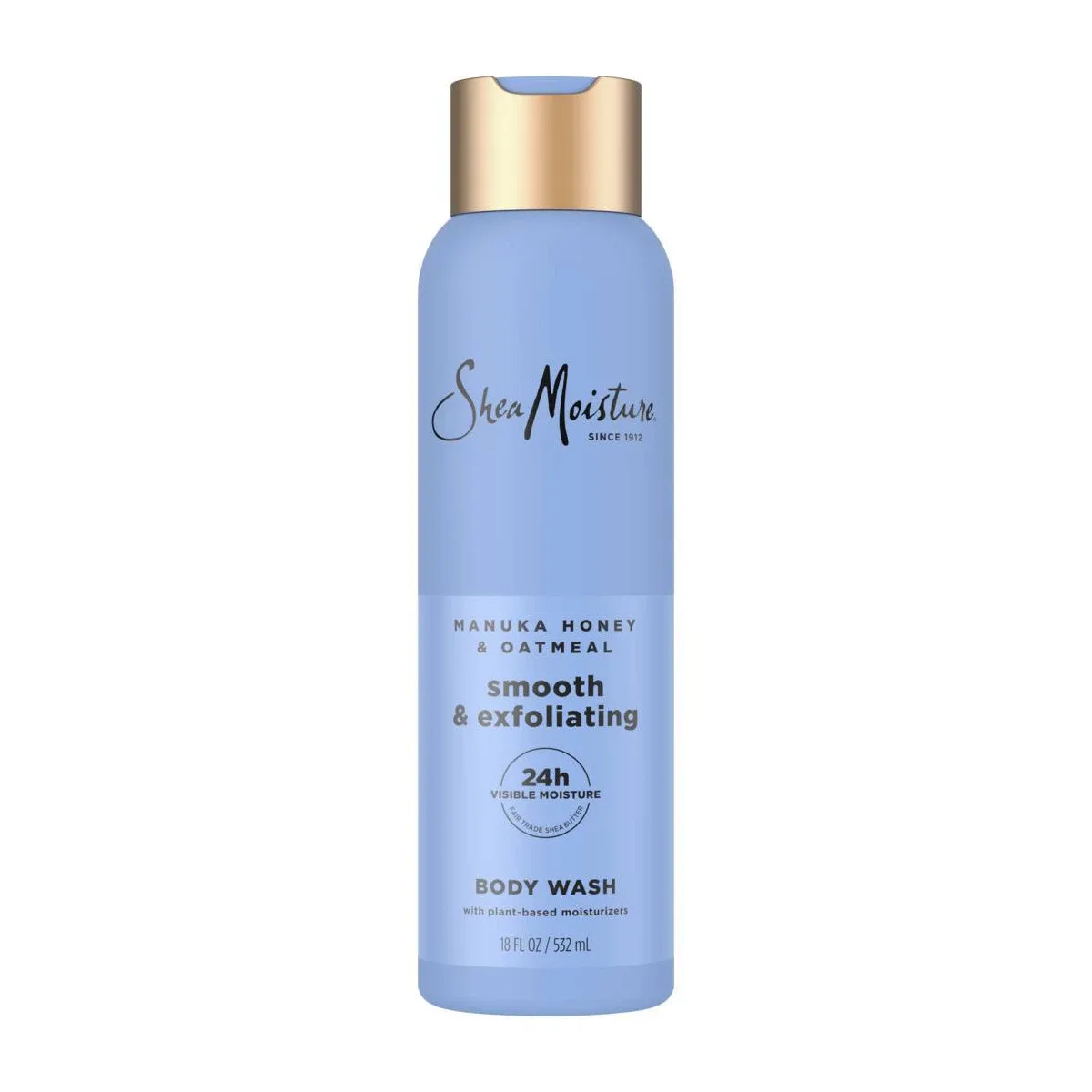 Gentle Everyday Body Polish
Manuka Honey & Oatmeal Smooth & Exfoliating Body Wash
A mild silica polish inside a shea-rich, sulfate-free wash, and the combination does what rough body skin wants: smoother after one shower, softer over a month, for $12 a pint. The manuka, oat and yogurt on the front are story, and the yogurt is not even on the label; the fragrance carries three declared allergens that reactive skin should heed. For everyone else with bumpy arms and dry legs, it is an easy, cheap yes.
 Sensitive Skin Daily Cleanser
Goat Milk Face Wash
A genuinely gentle goat milk face wash built on a mild isethionate surfactant system rather than the soap chemistry most goat milk cleansers use — fragrance-free, sensitive-skin-friendly, and one of the cleanest daily cleanser options in the goat milk niche. The small 2 oz size at $16 is the main drawback, but the formulation work justifies the per-ml price.
 Soothing Honey Moisturizer for Dry Skin
Manuka Honey Face Cream
Look past the '12-in-1 superfood' marketing and this is a genuinely gentle, fragrance-free moisturizer built on an aloe-juice base and manuka honey that soothes dry, sensitive skin nicely. It's rich, calming, and well-reviewed, but the crowded ingredient list does more for the label than for results, and the coconut-and-cocoa-butter richness makes it a poor fit for oily or acne-prone skin.
 Sulfate-Free Hydrating Body Wash
Manuka Honey & Mafura Oil Intensive Hydration Body Wash
A standout in the under-$10 body-wash crowd: a genuinely sulfate-free, mild surfactant base loaded with shea butter, manuka honey and African seed oils that cleanses dry skin without leaving it tight. The warm honey scent is lovely if you like sweet, and a hard pass if you don't. Pair it with a lotion on damp skin and it punches well above its drugstore price.
 Soothing Hydration Hero
Royal Honey Propolis Enrich Essence
A refreshingly honest bee essence that leads with 63% propolis plus generous royal jelly and honey, delivering real soothing and hydration in a fragrance-free base for a very fair price. It's a near-ideal comfort step for dehydrated and reactive skin — with the one non-negotiable caveat that anyone with a bee or honey allergy must steer clear.
 Winter Rescue Mask
Intensive Moist Sauce Modeling Mascream
The richer, more comforting sibling in Sur.Medic's modeling-mask line, this moist version trades the firming one's collagen film for real nourishment, ceramide, avocado oil, shea butter and honey, making it a genuine winter rescue for dry, depleted skin. The ritual is messy and the result is a day-or-two of softness rather than a lasting change, but at nine dollars it's a comforting weekly treat for parched complexions.
 Budget Hydration Workhorse
Bio-Hydratante Moisturizer
A no-frills, surprisingly lightweight drugstore moisturizer that delivers solid hydration at an unbeatable price point. The ingredient list won't win any clean-beauty awards, but for normal-to-combination skin that just needs reliable daily moisture, this 180-year-old brand still knows how to get the basics right.
 NEA-Certified Honey Barrier Cream
Honey Cloud Lightweight Barrier Repair Moisturizer
Excellent lightweight barrier-repair moisturizer from Farmacy combining Hawaiian white honey, triple hydration trio (ectoin + sodium polyglutamate + sodium hyaluronate), squalane plus ceramide NP plus glycosphingolipids barrier architecture, calendula plus chamomile soothing pair, and Leuconostoc/radish root ferment in fragrance-free NEA-certified clean-beauty formula at $48. The lightweight texture extends barrier-care to demographics where heavier creams feel too occlusive.
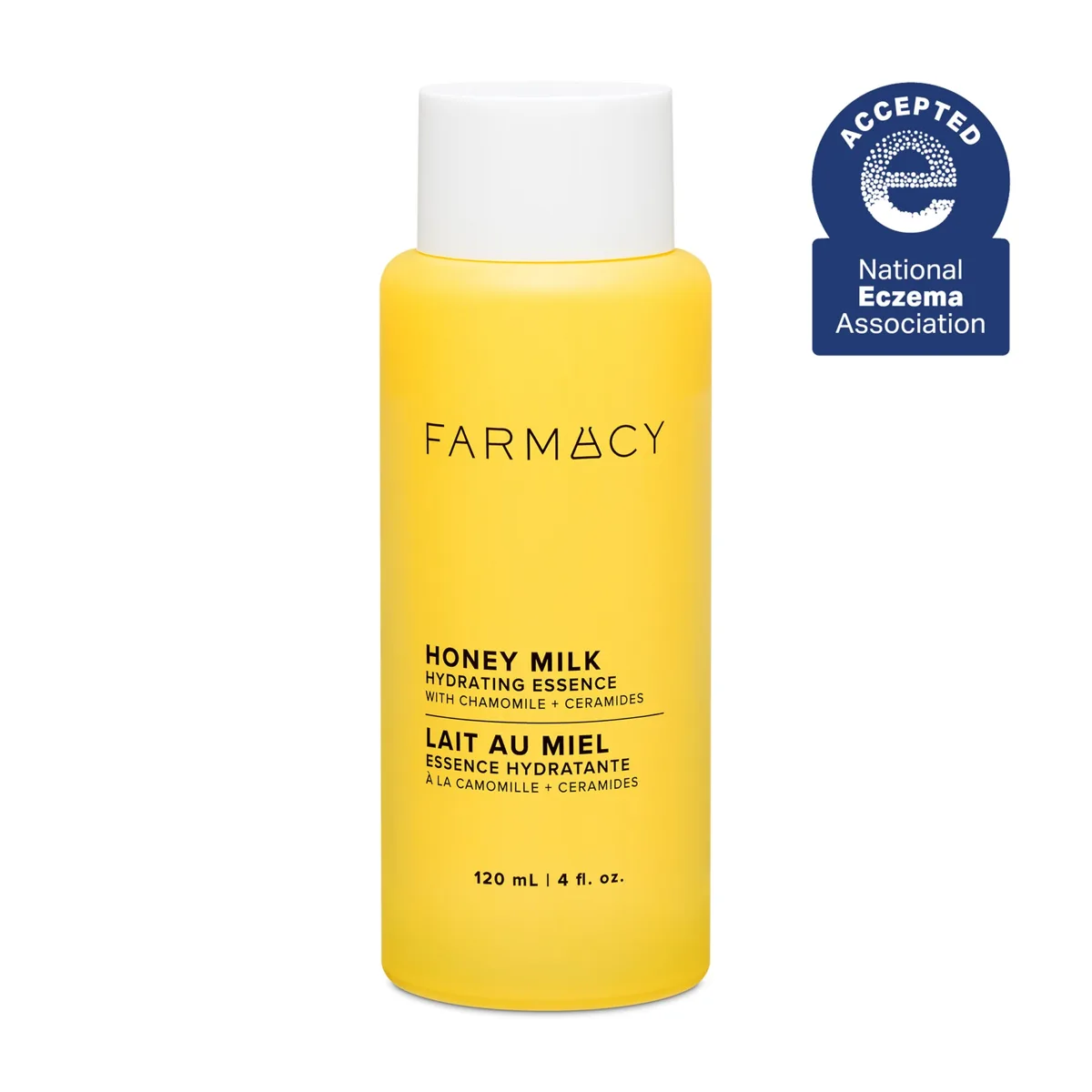 Sensitive-Skin Hydration Step
Honey Milk Hydrating Essence
A genuinely barrier-savvy hydrating essence that pairs Farmacy's honey with ceramide NP, squalane, chamomile, and a hefty dose of ferment filtrate, all fragrance-free and carrying a National Eczema Association seal. It hydrates, plumps, and visibly calms redness, making it one of the better essences for sensitive skin. The main hesitation is a $34 price that sits above many comparable options.
 Propolis Daily Moisturizer
Full Fit Propolis Light Cream
The daily-wear companion to COSRX's propolis line — lighter than the overnight mask, more moisturizing than the ampoule, and carrying the same clean, high-concentration propolis philosophy throughout. A dependable moisturizer for dry-to-normal skin that actually delivers on its ingredient promises.
 Gentle Lip Revival
Lip Scrub Full Fit Honey Sugar
A thoughtfully formulated lip scrub that solves the category's biggest problem — most scrubs exfoliate and strip, while this one exfoliates and conditions simultaneously. The dissolving sugar, honey, and shea butter base make it genuinely pleasant to use, and the results are immediate. The $19 price for 20g is the only real objection, and even that's softened by how sparingly you use it.
 French Skincare Ritual Staple
Tonique Confort Re-Hydrating Comforting Toner
A comforting, milky hydrating toner that embodies the French philosophy of toning as nourishment rather than stripping. The honey and hyaluronic acid formula genuinely soothes dry skin, though the parabens, fragrance allergens, and comedogenic ingredients date a formula that is otherwise a pleasant daily ritual.
 Hanbang Glow Ritual
Ground Rice and Honey Glow Mask
A wash-off mask that actually understands the assignment: purify pores and exfoliate dead skin without turning your face into the Sahara. The honey-meets-clay formula delivers an instant glow that feels earned rather than manufactured, and at $14.40 for 150ml, it'll last most people half a year of weekly use.
 Gentle Ritual Cleanser
Golden Cleanser with Manuka Honey
Keys Soulcare's Golden Cleanser is more substance than its celebrity name suggests: a genuinely gentle, sulfate-free amino-acid-surfactant gel that cleans without stripping, with soothing honey, turmeric, and chamomile and the credibility of a dermatologist co-founder. It suits most skin and makes a lovely daily cleanser. The added fragrance, central to the brand's ritual positioning, is the main caveat for sensitive skin.
 Cheap Hydration Hit
Pure Skin Honey Essence Mask Sheet
A couple-of-dollars hydrating sheet mask that leans on honey extract for a soft, conditioning twist on Esfolio's shared essence formula. The honey is a low-list accent and the added fragrance plus alcohol make it a skip for reactive skin, but for an instant dewy boost on resilient skin at pocket-change pricing, it does exactly what a budget sheet mask should.
 Barrier Repair Overnight Hero
Full Fit Propolis Honey Overnight Mask
A sleeping mask that is actually a concentrated propolis treatment in disguise. With nearly 60% propolis extract leading the formula — not water — this delivers genuine overnight barrier repair and deep hydration that most sleeping masks only promise. Just keep it away from anyone with a bee allergy.
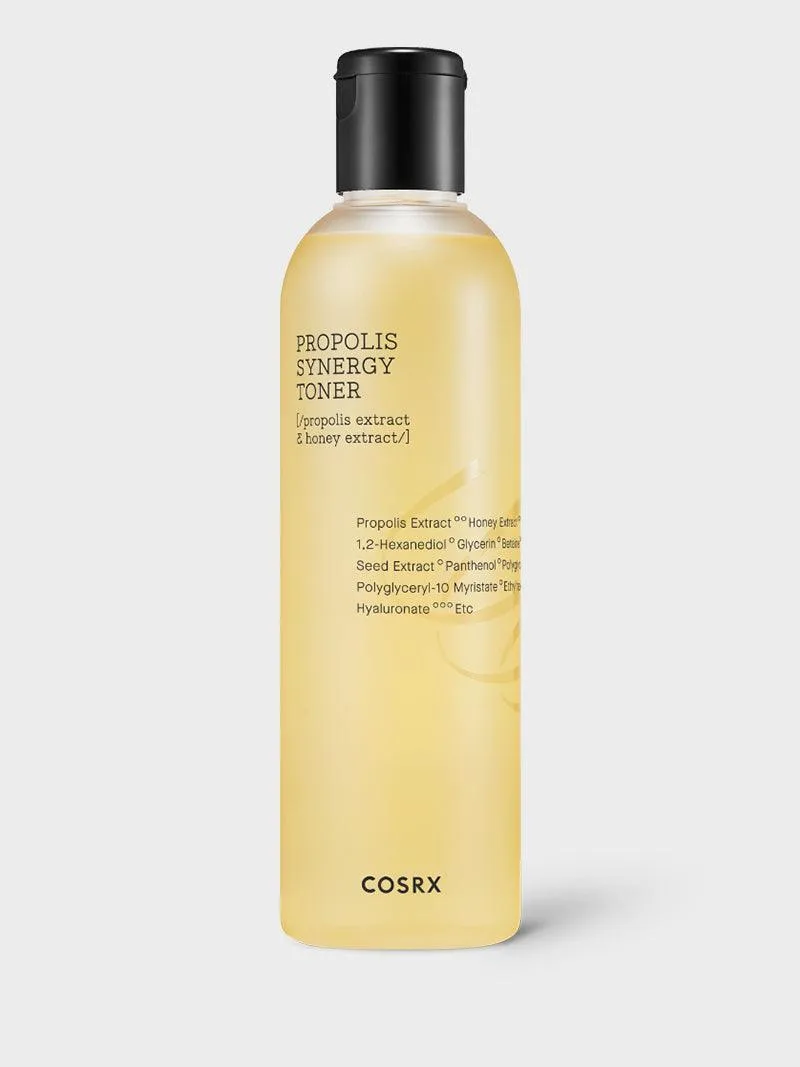 Propolis-First Prep Step
Full Fit Propolis Synergy Toner
A toner that defies the category by replacing water with 83% bee-derived active ingredients. The 72.6% propolis and 10.7% honey concentration makes this the most treatment-forward prep step in any K-beauty line — and the generous 280mL size means you get months of genuinely effective propolis delivery for under $30.
 Clean Beauty Comfort Blanket
Honey Halo Ceramide Face Moisturizer
A luxurious honey-and-ceramide cream that delivers genuine barrier repair in a clean, silicone-free formula. The balm-like texture melts into dry skin beautifully, but the polarizing honey scent and rich consistency make this a love-it-or-leave-it proposition. For the dry-skinned among us, it's one of the most satisfying moisturizers in the clean beauty space.
 Winter J-Beauty Pick
Marshmallow Whip Rich Moisture
The pink-labeled Rich Moisture variant is the most ambitious humectant engineering in the Marshmallow Whip line, softening a traditional Japanese soap base with glycerin, lecithin, and honey to make it tolerable for dry skin. The result is a meaningfully gentler wash than the Fresh Clear flagship, though still fundamentally a soap-based, fragranced cleanser rather than a true barrier-respecting one.
 K-Beauty Cult Favorite
Bombee Honey Mask
The sheet mask that put Papa Recipe on the global map, and it still earns the love: a thick, almost overflowing honey-and-propolis essence that floods dry, tired skin with comfort and glow. At under two dollars a sheet it is a genuine value, as long as you do not mind the signature stickiness and are not reactive to fragrance or bee ingredients.
 Budget Mature-Skin Cream
50 no Megumi Medicinal Wrinkle Cream 90g
An unusually feature-dense drugstore anti-aging cream for mature skin: a Japan-approved niacinamide wrinkle active, triple collagen and dual hyaluronic for plumping hydration, and a long botanical list, all in one rich all-in-one jar at a basic-moisturizer price. Fragrance and alcohol are the catch, but the value for dry mature skin is hard to argue with.
 One-Bottle Mature-Skin Routine
50 no Megumi Nourishing Solution Premium 230ml
A genuinely clever 5-in-1 'nourishing liquid' for mature skin: a watery, fast-absorbing lotion that still nourishes like a cream by emulsifying olive oil, shea, and squalane into the base, anchored by a real niacinamide active. The big 230ml bottle replaces several steps for very little money — fragrance and alcohol are the main caveats.
 Cult Honey Foam
Bombee Honey Moisture Facial Cleanser
The cleanser from the Bombee Honey range that made Papa Recipe famous, and it earns its cult status: a soap-based foam that whips into a genuinely luxurious, dense lather yet rinses soft instead of squeaky, thanks to glycerin sitting as its biggest ingredient. The honey theme is mostly charm — the moisture is from humectants — and the alkaline base, fragrance, and propolis mean sensitive skin should be careful. For the price, it's a deeply satisfying everyday foam.
 Post-Peel Comfort, Pre-Peel Price
Hydrating Mask
A comfortable oat-glycerin-and-plant-oil cream mask that eases the tightness of a retinoid week or a peel in ten minutes and can stay on overnight for dry skin. Its real workers sit at the top of the list while the hyaluronate and panthenol on the label sit near the bottom, and a benzoin-and-rosewood scent is an odd inclusion in a mask sold to reduce irritation. Good at its job, oddly perfumed, and priced like a treatment it is not.
 Honey Winter Comfort
Ultra Comforting Face Balm
A soft, honey-scented beeswax balm rebuilt in 2026 as a lighter squalane emulsion, and it does exactly one thing well: takes the tight, drawn feeling out of dry skin and keeps it out. There are no actives and no anti-aging pretensions, the fragrance rules out the most reactive faces, and combination skin will find it heavy. For dry skin in winter, at $42, it is an easy yes.
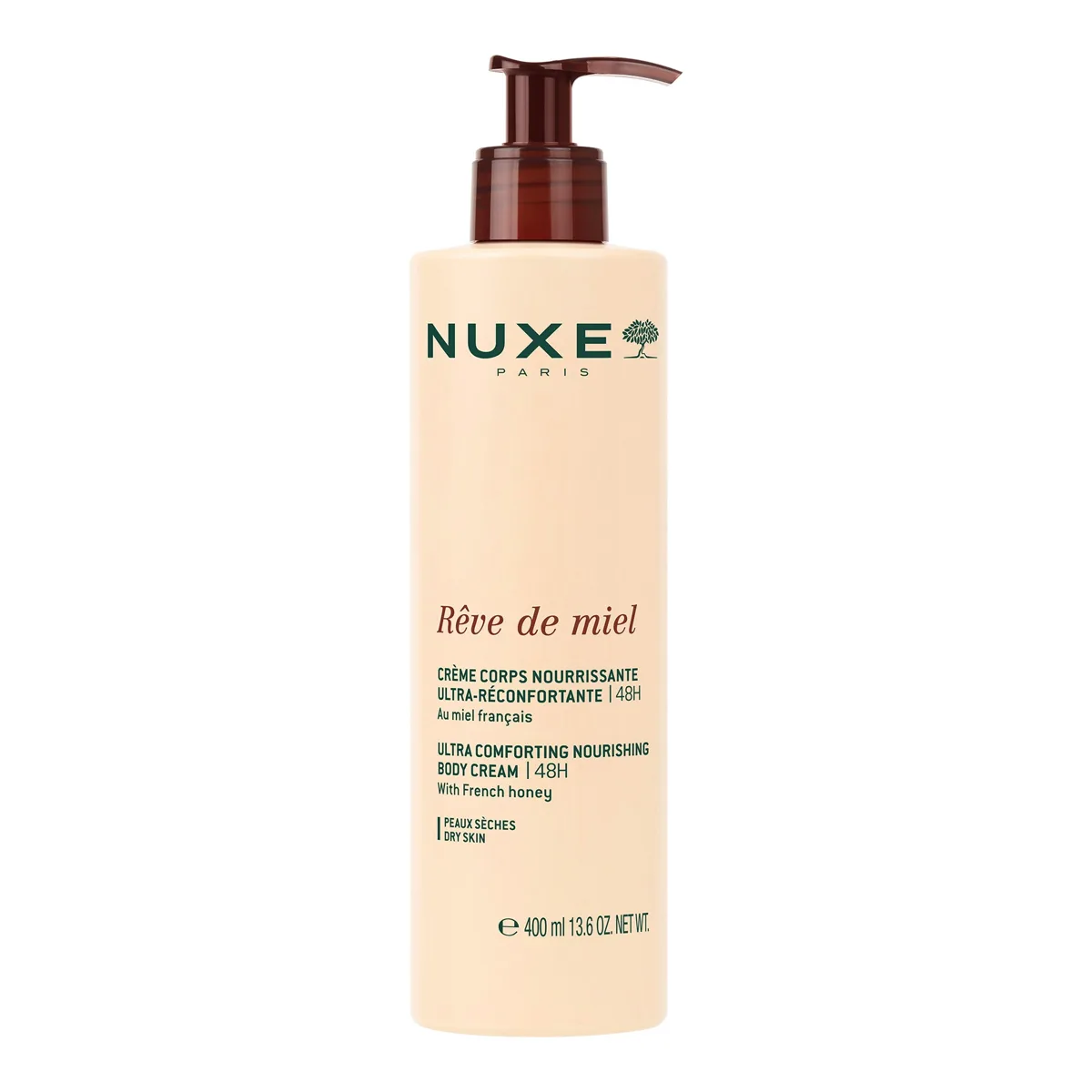 Winter Body Cream Workhorse
Ultra Comforting Nourishing Body Cream 48h
A serious dry-skin body cream hiding inside a comfort-food brand: glycerin and diglycerin for water, squalane and sweet almond for lipids, shea to seal it, and a velvet finish that sets in a minute. The honey is mostly scent and the fragrance rules it out for the most reactive skin, but at $42 for 400 ml it is one of the better-value pharmacy body creams for anyone whose shins crack in January.
 Literally a Jar of Honey
Raw Honey Crystal Mask
One ingredient, raw crystallised wildflower honey, in an 8-ounce jar: a soothing, hydrating, gently clarifying mask that reactive skin can use without fear and that leaves any face soft and plumped after twenty minutes. It is also, chemically, a jar of good raw honey, and $65 is a price for the crest on the label rather than for anything a beekeeper's jar would not do; a lovely mask, honestly labelled, and the least necessary purchase in the range.
 Plumping Honey Peptide Mask
Bombee Pepta Ampoule Honey Mask Pack
A well-built hydrating sheet mask that upgrades the classic Bombee honey formula with six hyaluronic acid forms, ceramide, cholesterol and a copper peptide. It plumps and soothes nicely, but the 'Pepta' is a single peptide, and the honey, propolis, royal jelly and fragrance make it a poor pick for bee-allergic or very sensitive skin.
 French Pharmacy Icon
Rêve de Miel Ultra-Comforting Lip Balm
A French pharmacy icon that earns its cult status on the strength of a genuinely thoughtful honey-propolis-shea repair formula, not nostalgia. It's the best answer in Nuxe's range for chapped corners and winter-wrecked lips, provided you can live with the fragrance and the jar.
 K-Beauty Propolis Calm-Serum
Honey Glow 65% Propolis Serum
An unusually honey-forward propolis serum that flips the K-beauty category convention — honey-water at 65% as the lead vehicle, propolis as a supporting actor, and a disclosed 2% niacinamide plus kojic acid for tone-evening work. The high honey load gives it a distinctively sticky-honey feel during application that settles into a real glow, and the formula calms reactive skin meaningfully faster than typical propolis serums do.
 K-Beauty Bee-Active Nourishing Cream
Honey Glow 47% Propolis Cream
The cream sibling of TOSOWOONG's 65% Propolis Serum — slightly lower honey content (47%) traded for a real ceramide-cholesterol-phytosphingosine complex, niacinamide, and three more bee-derived actives including royal jelly and bee venom. Genuinely nourishing for dry and barrier-compromised skin, and notably credible on the lipid-replacement front. The four-bee-ingredient stack is the differentiator and the limiting factor — incredible for tolerant users, off-limits for anyone with bee allergies or fungal acne.
 Lightweight Honey Cleansing Oil
Softymo Honey Cleansing Oil
Kose's honey-themed entry in the Softymo cleansing oil family lives up to its lightweight positioning with an ester-based lipid phase that feels meaningfully less heavy than mineral-oil cleansing oils. The honey contributes more to scent than skincare, but at this price point it earns its place as a competent daily light-cleansing option.
 Gentle Sensitive-Skin Cleanser
Manuka Honey Face Wash
A genuinely gentle, aloe-based cleanser that lives up to its sensitive-skin billing: sulfate-free, non-stripping, and soothing enough for dry, reactive faces. The manuka honey is more a gentle humectant here than a treatment, and the orange oil is a small fragrance caveat, but for the price this is an honest, no-drama wash for skin that hates foaming cleansers.
 Eczema & Rosacea Soother
The Putty
Graydon's The Putty is a genuine soothing-cream cult favorite, and deservedly so: colloidal oatmeal, manuka honey and zinc oxide anchor a rich, balmy formula that calms dry, irritated, eczema- and rosacea-prone skin. It's nourishing without being a mere occlusive, and it earns its following. The trade-offs are its richness (too much for oily skin), a few botanicals that can irritate, and honey that makes it non-vegan.
 Marine Hydration Cream
Marine Active Cream
An ocean-themed hydrating cream built around four seaweed extracts and sea water, grounded by a genuine hyaluronic-acid-and-ceramide core plus honey, pearl, and squalane. Fresh, comfortably hydrating, and fairly priced at $27 — the marine benefits are more pleasant conditioning than clinical, and added fragrance keeps it off the sensitive-skin list.
 Marzipan Polish
Almond & Honey Face Scrub
A creamy, marzipan-scented cornmeal-and-oat scrub in a talc, kaolin and zinc oxide paste that polishes and mattifies on contact and costs almost nothing per use. The grit is rougher than it feels, and fragrance, two parabens, a formaldehyde releaser and five dyes are a lot to massage into a face; resilient skin once a week is fine, reactive or acne-prone skin should pass.
 Drugstore Slip, Vitamin Story
Biotin Hair Mask
A big, cheap, perfectly decent conditioning mask that makes dry or coarse hair softer and easier to comb, sold on a biotin promise that dead hair cannot cash. The coconut oil is the real reason to buy it; the fragrance, the pink dye and the weight are the reasons fine-haired people put it back.
 Sulfate Foam in Natural Clothing
Coconut & Honey Hydrating Foaming Cleanser
A twelve-dollar sulfate foaming wash wearing a coconut-and-honey costume. It cleans oily skin thoroughly and lathers like a shampoo, because it is built like one; the 'hydrating, non-stripping' promise on the front is contradicted by the second and third ingredients on the back. Fine for oily skin on a budget, wrong for anyone who bought it for gentleness.
 Dewy Drugstore Pick
Citrus-Honey Aqua Glow Moisturizer
Peach Slices Citrus-Honey Aqua Glow Moisturizer is a pleasant, affordable K-beauty gel-cream that pairs a functional niacinamide concentration with a dewy, citrus-scented personality. It delivers on lightweight hydration and glow without the heavy finish of traditional moisturizers, though the added fragrance and citrus extracts make it a better fit for resilient skin than reactive or rosacea-prone types.
 Pre-Event Glow Mask
Aura Manuka Honey Mask
A genuine prestige-tier hydrating mask that earns its long-running cult status with substantive ingredient choices — New Zealand manuka honey at INCI position two, avocado oil and Vinanza grape extract supporting, the brand's signature pohutukawa botanical adding regional distinctiveness. The fragrance load and sticky texture are real considerations, but the visible same-session glow is the product's calling card and it consistently delivers.
 K-Beauty Daily SPF
Aqua Bomb SPF 45
belif Aqua Bomb SPF 45 combines a four-filter chemical UV complex (avobenzone, homosalate, octisalate, octocrylene) with niacinamide, multi-botanical antioxidants (marigold, noni, woodbine), and belif's signature apothecary herbal complex in a moisturizing K-beauty SPF at 42 dollars for 50ml.
 Face & Scalp SPF Spray
SPF 50 Face & Scalp Mist
Australian Gold's SPF 50 Face & Scalp Mist combines US chemical filter quartet with Australian botanical chemistry (desert honey myrtle, sea kale, lupinus, melaleuca) in a spray format positioned for dual face-and-scalp use at $14.99 for 3.4oz. Addresses the commonly neglected scalp/hair-part SPF gap. Alcohol and fragrance limit sensitive use.
 Legacy Hand-Cream Benchmark
Shea Butter Hand Cream
The hand cream that taught a generation what shea butter is supposed to feel like. At a declared 20% Burkina Faso shea sitting first on the INCI, it genuinely rescues cracked, weather-beaten hands rather than just glossing them. You're paying prestige money for a simple formula and a famous scent — but it works, and it has worked, unchanged, for three decades.
 Soothing Botanical Cream
Redness Relief Moisturizer
A genuinely soothing, fragrance-free botanical cream that calms dry, irritated skin and hydrates richly — with one head-scratching choice. For a product aimed at rosacea-prone faces, it includes retinol and coconut oil, two ingredients that can do the opposite of soothe reactive skin. The calming actives are real, but the formula contradicts its own brief, so patch testing is non-negotiable.
 Maximalist Honey Hydrator
Royal Honey Peptide Deep Moisture Sleeping Pack
A maximalist, fragrance-free overnight hydrator that piles 40% honey on top of hyaluronic acid, aloe, peptides, propolis, royal jelly, and even growth factors — and genuinely delivers next-morning plumpness for around fifteen dollars. The honey-and-humectant hydration is the real, reliable star; the growth-factor anti-aging claims outrun the evidence, and bee ingredients mean allergic skin must tread carefully.
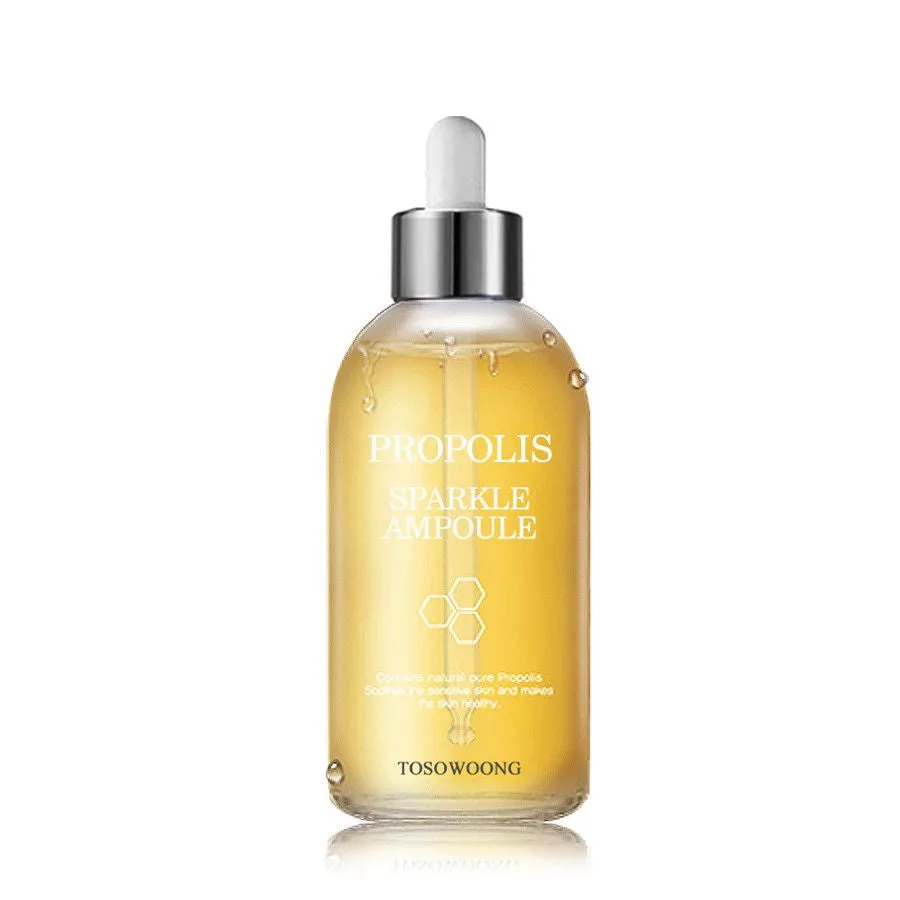 Mid-2010s Propolis Cult Ampoule
Propolis Sparkle Ampoule
A mid-2010s cult ampoule that still does what made it famous: a honeyed, propolis-dense glow for very little money in a generous bottle. It also still carries six essential oils, four of them citrus and one bergamot, on top of propolis, itself an allergen, which makes it a poor bet for the sensitive skin propolis is meant to soothe. Good value for resilient, dry-to-normal skin that wants a dewy layer; a sting waiting to happen for everyone else.
 Two-Ingredient Trend Jar
Tallow & Honey Whipped Moisturizer
Whipped beef fat with a spoonful of manuka honey, and nothing else — which makes it a genuinely effective night-time seal for very dry skin and a poor idea for almost everyone else. The two-ingredient simplicity is real, the vitamin and blemish claims are trend-speak, and the open jar with no preservative is the detail the marketing skips.
 Scrub That Rinses Clean
Rêve de Miel Deliciously Nourishing Body Scrub
A body scrub built the way more of them should be: a glycerin-and-sunflower balm with rice powder and dissolving sugar that turns to milk under water, rinses clean, and leaves a rinse-resistant humectant behind. It smells of honey and caramel, it is fairly priced at $32.90 for 200 ml, and its only real limits are the fragrance and the fact that friction is friction, which keeps it off sensitive or compromised skin.
 Overnight Redness Rescue
Antioxidant Tetrapeptide Soothing Treatment
An overnight rescue layer for skin that runs hot, tight and red: a declared oat complex, glycerin and cooling plant waters, a ceramide-cholesterol set and anti-inflammatory plant oils in a fragrance-free gel-cream that calms flushing by morning and buffers retinoids and acids without a sting. The tetrapeptide in the name is a supplier story and the honey makes it non-vegan, but for reactive, rosacea-prone or post-procedure skin it is a well-judged product at a fair $36.
 Hive-Themed Glow Cream
Propolis Facial Cream
A nicely balanced glow cream in a hygienic tube, carried by glycerin, squalane, beeswax and a solid niacinamide dose rather than the 110ppm of propolis printed on the front. Normal and dry skin should enjoy it; anyone allergic to bee products, fragrance-sensitive or acne-prone should pass.
 Gen Z Glow Pad
Insta Swipe Lemon Honey AHA Pads
A friendly, well-priced glycolic and malic acid pad that delivers a genuine next-morning glow and lands in the sweet spot for Gen Z shoppers who want a clean-beauty acid without the aesthetic baggage of older toners. The inclusion of lemon peel oil is the one real misstep, and the jar packaging is less practical than the formula deserves.
The full honey (mel) guide
Before humectants were a marketing category, bees were already solving the moisture problem.
Honey has been used on skin for healing across millennia, but what keeps it relevant in modern dermatology is the overlap of several distinct mechanisms at once: low pH, high osmotic pressure, a slow trickle of hydrogen peroxide, and a load of polyphenol antioxidants. The wound-care and atopic dermatitis evidence is the most developed; the cosmetic anti-aging story is newer, smaller, and best read as a reasonable hypothesis rather than settled fact.
Where the evidence stands, by concern
Evidence for an ingredient is not one grade — it differs concern by concern. Each row below was researched separately against regulatory approvals, clinical guidelines, and trials our team opened and verified; the band and dots rank how central honey (mel) is to treating that concern, from first-line therapy down to supportive care, at treatment-level doses and vehicles. A product's own grade weighs its actual formula.
Researched, not established: Fungal Acne. We looked at this concern and the current evidence does not clear our bar for a treatment standing — that is a finding, not a gap in our research.
How it's regulated in the US
FDA does not classify ingredients — it classifies products, by what they are sold to do. The same molecule can be a drug active in one product and a cosmetic ingredient in the next, and only the claim on the label decides which. What follows is a statement about that legal standing, not about whether it works — the evidence question is answered separately above.
Cosmetic Honey (Mel) is a cosmetic ingredient in the US: no OTC monograph covers it and it is not an active in any FDA-approved drug, so a product built around it is a cosmetic rather than a drug.
Honey's most developed evidence is in wound care. The first FDA 510(k) clearance for a honey-based wound dressing (a Manuka honey dressing from Derma Sciences) came in 2007, and a 2024 review in the International Journal of Dermatology (Jodidio et al., epub late 2023) surveyed honey's use across wound healing, ulcers, and infection with broadly encouraging results, while noting that trial quality varies. A small 2017 split-body study of 14 atopic dermatitis patients (Alangari et al., Immunity, Inflammation and Disease) found Manuka honey applied overnight improved lesions versus untreated control sites — a promising but limited signal. The humectant and hydration claims rest on honey's composition (high sugar content, hygroscopic behavior) rather than on large cosmetic moisturization RCTs, which remain sparse. Anti-aging effects such as collagen stimulation and pigment evening appear mostly in vitro and early-stage work and sit a tier below the wound-healing data.
How it works
What sets honey apart is that several mechanisms operate together rather than relying on a single hero molecule. Its sugar concentration (roughly 80% by weight) drives an unusually low water activity, around 0.56–0.62 — well below the 0.9-plus most bacteria need — so it both dehydrates microbial cells and behaves as a humectant, pulling water toward the stratum corneum. That same sugar chemistry is why honey feels tacky and why it holds moisture against the skin. There's also an enzymatic angle. Honey carries glucose oxidase, which sits dormant until honey is diluted on the skin; once activated, it generates a slow, low-level release of hydrogen peroxide — antimicrobial without the oxidative jolt that would damage tissue. Acidity adds a third layer: honey's pH typically sits near 3.2–4.5, an environment that many common skin pathogens such as S. aureus and P. aeruginosa struggle to colonize, and one that aligns with the skin's own slightly acidic surface. Finally, honey carries polyphenols and flavonoids whose exact profile shifts with floral source; these act as antioxidants and likely contribute to the anti-inflammatory behavior seen in the eczema work. Manuka honey is a special case — its elevated methylglyoxal content supplies a non-peroxide, heat-stable antimicrobial activity that ordinary table honey largely lacks.
Key benefits
- Draws and holds water in the stratum corneum as a natural humectant
- Generates low-level hydrogen peroxide for a gentle, tissue-sparing antimicrobial effect
- Naturally acidic pH discourages colonization by common skin pathogens
- Polyphenols and flavonoids scavenge free radicals and help calm inflammation
- Improved atopic dermatitis lesions in a small overnight-application study
- Long track record supporting wound healing in medical-grade dressing form
Concentration & usage
On an INCI list, honey appears as Mel (raw or processed honey) or Mel Extract (a concentrated, often glycerin-based extract). Reported cosmetic use spans product type: leave-on creams and lotions tend to use Mel Extract at the lower single digits up to around 7%, while rinse-off masks, paste, and mud packs are formulated higher — into the low-20s percent in some assessments. As a supporting hydration ingredient in cleansers and moisturizers it often sits in the 1–5% range, sometimes below the 1% line where INCI order stops being meaningful. There isn't a single agreed minimum effective dose for cosmetic use; the humectant and soothing effects are dose-responsive but show up across a fairly wide band. For active management of acne or eczema, the clinical literature leans on standardized medical-grade Manuka (rated by UMF or MGO) at concentrations well above anything typical in a consumer jar.
Who it's for & who should be cautious
Who it's for
Dry, sensitive, and eczema-prone skin tends to get the most out of honey: the pairing of humectant hydration with anti-inflammatory activity speaks to both the moisture deficit and the reactive, compromised barrier those skin types live with. It's also a sensible pick for anyone who wants a gentler, plant-derived alternative to synthetic antimicrobials in a daily cleanser or weekly mask, and it folds easily into a calming, barrier-focused routine.
Who should be cautious
Bee-pollen, propolis, or royal-jelly allergies call for a deliberate patch test, since true honey allergy is uncommon but the reactive components usually trace back to residual pollen or bee proteins, and topical exposure can provoke contact dermatitis in sensitized people. Those with a serious bee-venom allergy should clear honey-containing products with an allergist first. Very oily or congestion-prone skin should simply be diligent about rinsing, since honey's stickiness can trap debris if left behind, even though honey itself reads as broadly low on the comedogenic scale.
Pairs with & conflicts
Myths & facts
Myth: Raw honey is dramatically more effective in skincare than processed honey
Reality: Processing does blunt some enzymatic activity, and raw honey keeps a fuller polyphenol and enzyme profile. But in a finished cosmetic the practical gap is modest — the osmotic, humectant, and pH-based mechanisms aren't enzyme-dependent, and most consumer products don't use raw honey to begin with. For antimicrobial uses, floral source and MGO content (especially for Manuka) matter far more than the raw-versus-processed distinction.
Myth: Honey clogs pores and makes acne worse
Reality: Honey itself reads as broadly non-comedogenic. The worry comes from its texture — leave a sticky film on and residue can trap debris. Applied and then rinsed off cleanly, honey's mild antimicrobial and anti-inflammatory activity is more likely to support acne-prone skin than aggravate it. It's no substitute for a proven active like salicylic acid, but it isn't a troublemaker either.
Myth: Any pharmacy honey works the same as medical-grade Manuka for skin conditions
Reality: The wound-healing and dermatitis studies behind the strongest evidence typically use standardized, medical-grade Manuka with verified MGO or UMF ratings. Food-grade retail honey is inconsistent in potency and isn't held to those controls. For everyday hydration and light soothing the difference matters less — but for anyone leaning on honey to manage an active skin condition, source and grade genuinely change the picture.
Frequently asked questions
Is the honey in my moisturizer doing real work, or is it there for the label?
At a meaningful dose, honey pulls genuine humectant weight — its sugars are hygroscopic and draw water toward the skin surface, with the anti-inflammatory polyphenols and gentle antimicrobial action layered on top. Whether a given product includes enough to count comes down to where Mel or Mel Extract lands on the INCI list; high up means a real contribution, near the bottom means mostly a supporting role.
Can honey actually help eczema or atopic dermatitis?
There's some clinical support, though it's modest. A small split-body study of 14 patients (Alangari et al., 2017) found overnight Manuka honey improved atopic dermatitis lesions versus untreated skin, and a later International Journal of Dermatology review described honey's dermatological use as broadly promising. It's a reasonable complementary option — particularly in a fragrance-free formula — not a replacement for prescribed eczema treatment.
Is Manuka honey worth paying extra for in a skincare product?
For straightforward hydration, usually not — the humectant and barrier-soothing effects show up across honey types. Manuka's premium is driven mainly by its elevated methylglyoxal, which gives a stronger, heat-stable antimicrobial punch. That edge matters most in products aimed at acne or compromised skin, far less in an everyday moisturizer where any honey will hydrate.
Are honey-based products fine to use while pregnant?
Applied topically, honey is generally regarded as safe in pregnancy — the cautions around honey and pregnancy concern eating it, not putting it on skin. The thing to actually check is the rest of the formula: if honey is paired with actives that carry pregnancy warnings, like certain essential oils or strong vitamin A derivatives, those are what deserve a second look, not the honey.
How long should a honey mask stay on, and why does rinsing matter so much?
Ten to twenty minutes is the usual window — long enough for the humectant and soothing effects to act without leaving a film behind. Rinse thoroughly with lukewarm water afterward, because honey's stickiness is its one real downside, and leftover residue is what feeds the occasional pore-clogging complaint.
Why is honey acidic, and does that change how it behaves on skin?
Honey's pH usually falls between about 3.2 and 4.5, thanks to organic acids (chiefly gluconic acid) formed as it ripens. On skin, that mild acidity sits comfortably with the surface's own acid mantle and helps create conditions that many common pathogens don't tolerate well — a passive, built-in antibacterial property that doesn't depend on any added active.
- Clean Beauty & MarketingVegan, Cruelty-Free and Leaping Bunny Are Three Different Claims. Only One Is Audited.A lip balm can be certified cruelty-free and made largely of sheep wool grease and beeswax. Both statements are true, both are on the packaging, and most people buying it think they cancel out.
- DIY & At-HomeA Field Guide to DIY Skincare: What Works, What's Pointless, What Sends You to HospitalKitchen skincare is neither the fraud dermatology implies nor the liberation your feed promises. It is three completely different categories wearing the same costume.
- DIY & At-HomeFour Kitchen Masks, Graded: One Is a Drug, One Stains, Two Are Just NiceThe blanket dismissal of DIY masks is lazy, because these four grade completely differently once you look at what is actually in them and at what dose.
- Natural & BotanicalPropolis, Honey, and the Hive: What Bee Ingredients Actually Do for Your SkinThe glass-skin glow on the label is marketing. The antimicrobial resin and the water-pulling sugars underneath are real — and so is an allergy risk nobody prints on the box.