Hibiscus (Hibiscus Sabdariffa Extract)
Products with Hibiscus (Hibiscus Sabdariffa Extract)
 Cult Drugstore Niacinamide Serum
Holy Hydration! Thirst Burst Drops
e.l.f. Skin Holy Hydration Thirst Burst Drops delivers 5% niacinamide + 1% Hydrating Hibiscus Complex + hyaluronic acid + multi-layer humectant chassis at $18 for 1oz. Fragrance-free, vegan, fungal-acne safe. The chemistry matches prestige niacinamide serums at fraction of the price.
 Mineral SPF for Melasma
Sunny Daze SPF 50 Moisturiser
A 25% zinc oxide mineral face moisturizer with a built-in universal tint that provides both visible-light protection and white-cast neutralization — one of the better-engineered mineral SPF moisturizers in its price tier. The single universal shade is a real limitation, but for anyone managing melasma or reactive skin, this is a surprisingly thoughtful drugstore option.
 Gen Z Mattifying MVP
Skincare Cloud Surf Water Cream Moisturizer
Bubble's third moisturizer slots neatly between its richer Slam Dunk cream and lighter Level Up gel, hitting a smart middle ground for the normal-to-combo skin that constitutes most of its Gen Z audience. The water cream texture is genuinely nice, the lilac-hibiscus-clover botanical complex actually does work on sebum balance, and at $16 it punches above its weight against prestige-brand water creams. It will not transform dry skin, but for the right user it is one of the better-value moisturizers in the mass-retail aisle.
 Weightless Hydration Hero
Cloud Surf Water Cream Moisturizer
A featherweight water cream that gets the balance right for combination skin — enough hydration to satisfy without any heaviness, a natural matte finish without silicones, and a clean formula that earns its near-perfect user ratings. The botanical star ingredients lack deep clinical backing, but the base formula is solid and the user experience is genuinely excellent for the price.
 Gentle Cooling De-Puffer
Revitalizing Eye Cream
A gentle, fragrance-free eye cream that hydrates beautifully and depuffs satisfyingly thanks to its cool metal tip. Cocokind's Revitalizing Eye Cream leans on Persian silk tree and darutoside for dark circles, with pleasant but subtle results. Best viewed as a soothing hydrator with a nice ritual rather than a dramatic dark-circle eraser.
 Shea-Rich Budget Body Wash
Coconut & Hibiscus Glowing Radiance Body Wash
A rich, sulfate-free body wash that leaves real shea behind and costs $12 for eighteen ounces, which is most of what anyone needs from a shower gel. The brightening story, songyi mushroom, papaya and a vitamin C that is not on the label, is marketing that a rinse-off cannot cash, and the fragrance and betaine keep it off sensitive skin. Buy it for the lather and the softness, not for the glow.
 Australian Daily SPF Sleeper Hit
Sunny Daze SPF 50 Moisturiser Tinted
An Australian-formulated tinted mineral SPF that quietly packs 25% zinc oxide — a higher load than US monograph rules permit — and balances it with a universal iron oxide tint that actually delivers on the non-ghosting promise. The 72-hour hydration claim is more marketing than mechanism, but the formula itself is a legitimate daily-wear option for people who want serious mineral protection without the white cast tax.
 Budget Glow Body Lotion
Coconut & Hibiscus Body Lotion
A reinvented drugstore classic that finally absorbs the way a body lotion should: glycerin and dimethicone up front, niacinamide at a useful position, fair-trade shea and coconut in the supporting cast, and a coconut scent that sells the whole thing. It is not a ceramide lotion whatever the label says, and very dry winter skin will want more. For about $13 a pint, it is one of the better everyday body lotions on the shelf.
 Plant-Based Hydration Serum
Cloud Jelly Tremella + Strawberry Plumping Hydration Face Serum
Herbivore Cloud Jelly delivers tremella polysaccharide and glycerin-based hydration with strawberry, peach, hibiscus, and rosewater fruit-extract complex in plant-based plumping serum format. Premium clean-beauty pricing at 39 dollars for 30ml with natural fragrance.
 Sensitive-Skin Enzyme Polish
Illuminating Enzyme Polish
Alpha-H's Illuminating Enzyme Polish is the brand's sensitive-skin-friendly answer to its aggressive AHA exfoliants — protease and lipase enzymes with kaolin clay, colloidal oatmeal, rice powder, and Australian native rosella flower in a water-activated powder format. At $46 for 50g the upfront price is mid-luxury but powder longevity makes per-use cost reasonable. Genuinely suitable for very sensitive skin types.
 Indie Acne Gel Moisturizer
Acne Gel Moisturizer
Peace Out Skincare acne gel moisturizer combining 2% salicylic acid + niacinamide + squalane + ceramide NP + humectant pair + hibiscus AHA-source. Substantive BHA + barrier-supportive balance. Lavender + bergamot oil sensitization concerns + $36 indie premium pricing limit broader appeal.
 Silicone Glow Primer
Vital Rush Skin Renewal Serum
A silky silicone primer-gel with aloe, glycerin and a superfruit garnish, and no active that renews anything. It makes skin look smoother the moment it goes on, sits beautifully under makeup and sunscreen, and at $52 it charges serum prices for a primer's job. Pleasant, well-reviewed and, as skincare, almost entirely surface.
 Luxury Hydration Ritual
Daily Hydro-Drops Facial Serum
A visually striking hydrating serum with a proprietary droplet delivery system that delivers genuine moisture and a pleasant ritual — but at 00 an ounce for a modest niacinamide concentration and botanical oils, you're paying premium prices for a beautiful vehicle rather than breakthrough actives.
 Microbiome Night Pick
Culture Probiotic Night-Recovery Water Cream
An ahead-of-its-time probiotic night cream that places lactobacillus ferment high enough on the INCI to actually matter, pairs it with proper prebiotic fuel, and weaves in indigenous New Zealand botanicals nobody else uses at this price. The cloud-soft water-cream texture is genuinely lovely, but a meaningful fragrance load with five EU allergens disqualifies the reactive-skin users who would otherwise benefit most.
 Australian Affordable SPF 60
Sunny Drops SPF 60 Face Serum
Bondi Sands Sunny Drops SPF 60 Face Serum combines four FDA-approved chemical UV filters (avobenzone 3%, homosalate 12%, octisalate 5%, octocrylene 5%) with vitamin E, hibiscus extract, glycerin, and aloe in a lightweight oil-free serum format at 17 dollars for 30ml.
 Botanical Barrier Cream
Floral Moisture Cream
A botanical-branded cream that's genuinely serious underneath the flowers: a real ceramide-cholesterol-fatty-acid barrier system plus biomimetic ceramides, hibiscus, and adenosine in a rich but non-greasy formula. It's a legitimately good barrier-repair cream for dry skin, held back only by a slightly high price and an added fragrance.
 Luxury Anti-Aging Staple
Revitalizing Supreme+ Moisturizer
A beautifully textured luxury moisturizer that delivers genuine hydration and subtle anti-aging benefits through its peptide-botanical formula, but the steep price tag reflects the brand cachet and sensorial experience more than breakthrough ingredient technology.
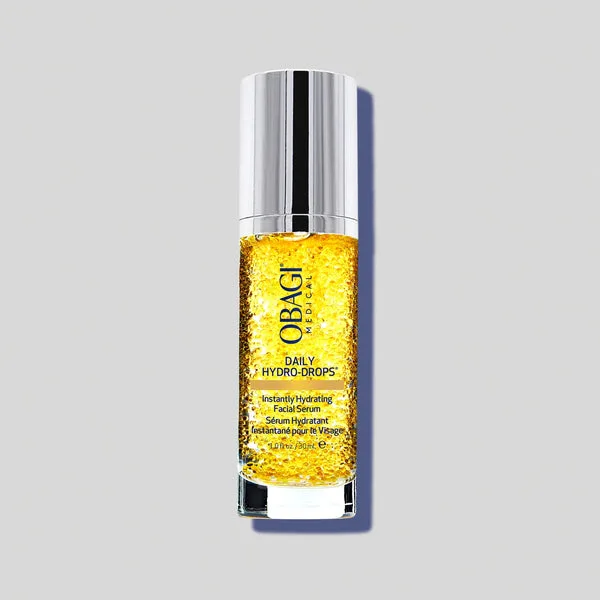 Luxury Hydration Experience
Daily Hydro-Drops Face Moisturizer
A beautifully crafted sensorial experience disguised as a clinical serum. The Isoplentix oil-droplet technology creates an undeniably luxurious application ritual, and the immediate smoothing and dewy effect is real. But at $115 for an ounce of glycerin, sub-optimal niacinamide, and seed oils you can find in $20 products, this is a case where the packaging and brand name carry more weight than the ingredient list warrants.
 Botanical Night Oil
The NightNectar Facial Oil
The elderberry-boosted evolution of Pholk's cult H2Oil: a lightweight, hemp-based botanical night oil that absorbs beautifully and leaves skin dewy and nourished, with genuinely good antioxidant carrier oils. Its plant-forward charm is also its main caveat — a heavy essential-oil load, including photosensitizing lime, raises irritation risk and makes it a night-only oil best kept away from sensitive skin.
 Romantic Rose Ritual
Kenyan Hibiscus + Moroccan Rose Beauty Butter
The same beloved dual-shea body butter, here crowned with real rose absolute for a genuinely romantic, luxe-smelling floral indulgence. The nourishment is excellent and the scent is gorgeous and authentic — but rose absolute is potent, carrying allergens that make this the most fragrant and least sensitive-skin-friendly of the range. A lovely fragrant body treatment for those who adore rose and tolerate it well.
 Potent Multi-Acid Resurfacer
Maximum Glycolic Meta Serum
Consonant's Maximum Glycolic Meta Serum is the brand's potent outlier: a serious 10% glycolic acid stacked with a lactic-malic-citric-salicylic blend, buffered by niacinamide and soothing botanicals, and — refreshingly for Consonant — fragrance-free. It genuinely resurfaces, brightening tone and smoothing texture. The flip side of that potency is real irritation risk, so it's strictly for resilient skin used with discipline.
 Multi-Acid Powerhouse
Honeymoon Glow AHA Resurfacing Night Serum
Farmacy's now-discontinued Honeymoon Glow was a cleverly formulated multi-acid serum that paired clinical-strength AHAs with bee-derived soothing agents and dual-weight hyaluronic acid. It delivered genuine overnight radiance without the harshness of simpler acid products, though its premium price and bee-derived ingredients limited its audience.
 Influencer Favorite
Holi(Bright) Resurfacing Mask
Holi(Bright) is a thoughtfully formulated three-acid powder mask that delivers genuine resurfacing — but you're paying a serious clean-beauty premium for what is essentially mandelic and lactic acid with botanical color. If you love the powder ritual and the brand ethos, it earns its place. If you're shopping ingredients, look elsewhere.
 Eminence Brand-Signature Luminosity
Kombucha Luminosity Serum
Eminence's Kombucha Luminosity Serum pairs proprietary kombucha ferment with niacinamide, five-fruit natural AHA complex, and pearl powder optical luminosity. Real brightening chemistry inside the biotech-meets-botanical positioning — at 102 dollars for 30ml it's upper-tier organic skincare pricing.
 Luxury Splurge
N°1 de Chanel Revitalizing Mask
The N°1 de Chanel Revitalizing Mask is a pleasant, gently exfoliating gel mask wrapped in Chanel's camellia heritage and genuinely commendable refillable packaging. It brightens and smooths well enough as a weekly treatment. But the formula is conventional AHA exfoliation, the alcohol sits high in the list, it is fragranced, and the price is firmly luxury. Nice to use, easy to skip.
The full hibiscus (hibiscus sabdariffa extract) guide
The "natural botox" nickname does hibiscus a slight disservice, because the actual chemistry is more interesting than the marketing.
Its deep-crimson calyxes are unusually loaded with organic acids — citric, malic, tartaric, plus a compound called hibiscus acid that turns up almost nowhere else in nature — sitting alongside anthocyanin pigments that double as free-radical scavengers. That combination lets a single botanical behave like a gentle exfoliant, an antioxidant, and (in lab settings) an elastase inhibitor all at once. The research is still maturing and most of it lives in petri dishes rather than on faces, but what exists leans consistently in the plant's favor.
How it's regulated in the US
FDA does not classify ingredients — it classifies products, by what they are sold to do. The same molecule can be a drug active in one product and a cosmetic ingredient in the next, and only the claim on the label decides which. What follows is a statement about that legal standing, not about whether it works — the evidence question is answered separately above.
Cosmetic Hibiscus (Hibiscus Sabdariffa Extract) is a cosmetic ingredient in the US: no OTC monograph covers it and it is not an active in any FDA-approved drug, so a product built around it is a cosmetic rather than a drug.
The most-cited topical data comes from a 2022 Molecules paper (Wang et al.), where a hibiscus ethanol extract raised collagen secretion by 48.1% and hyaluronic acid synthesis by 24.3% in skin fibroblasts at 500 μg/mL — promising but in-vitro. A 2020 study in the Journal of the Science of Food and Agriculture (PMID 31583701) found that a calyx aqueous extract suppressed collagenase, inhibited tyrosinase and downstream melanin pathway factors, and cut UVB-induced reactive oxygen species in fibroblasts without cytotoxicity. A 2025 randomized placebo-controlled pilot in 98 participants tested an oral hibiscus-derived collagen alternative (VC-H1) and reported improved hydration, elasticity, and wrinkle depth over 12 weeks — but that was an ingested supplement, not a topical, so it can't be read across to creams and serums. Reports that hibiscus acid out-exfoliates lactic and glycolic acid at low concentrations trace back to a single commercial research pipeline and lack independent replication. The honest read: the mechanisms are credible and the in-vitro signal is consistent, but human topical trials are scarce, so this sits firmly at promising rather than well-established.
How it works
Three overlapping mechanisms make hibiscus more versatile than most single-purpose botanicals. The first is mild chemical exfoliation. Calyx material carries a blend of AHAs — citric, malic, tartaric — plus hibiscus acid, a dihydroxytartaric acid derivative unique to the genus. These acids loosen the calcium-dependent bonds holding dead corneocytes together in the stratum corneum, encouraging them to shed without scrubbing. Because several of these molecules are heavier than glycolic acid, they tend to act nearer the surface, which generally means a gentler effect and less sting. The second mechanism is antioxidant defense. Anthocyanins, the polyphenols behind the flower's red color, donate electrons to reactive oxygen species generated by UV and pollution before those radicals can oxidize skin lipids, proteins, and DNA. Accompanying flavonoids add to that scavenging capacity, which is why hibiscus often shows up in formulas as much for protection as for resurfacing. The third mechanism is enzyme inhibition and matrix support. In cell and tissue studies, hibiscus extract has slowed elastase and collagenase — the enzymes that dismantle elastin and collagen — while nudging fibroblasts toward producing more collagen and hyaluronic acid. Hibiscus acid has also tamped down nitric oxide in activated immune cells, hinting at an anti-inflammatory side. Taken together these point toward slower structural breakdown in aging skin, though fibroblast wins don't automatically become visible results in a finished product, so the lab-to-face leap deserves caution.
Key benefits
- Surface-level AHA exfoliation from citric, malic, and unique hibiscus acid
- Anthocyanin antioxidants help neutralize UV- and pollution-driven free radicals
- Slowed elastase and collagenase activity in lab studies may help protect structural proteins
- Boosted collagen and hyaluronic acid output in fibroblast research
- Tyrosinase-inhibiting activity that could support a more even tone over time
- Anti-inflammatory polyphenols that may help calm oxidative stress
Concentration & usage
On INCI lists, hibiscus shows up as Hibiscus Sabdariffa Flower Extract, Hibiscus Sabdariffa Calyx Extract, or Hibiscus Sabdariffa Flower Acids — the "flower acids" wording usually signals a concentrate standardized for its acid content. The ex-vivo work on hibiscus acid exfoliation used 0.25% to 1%, which sits within ordinary cosmetic ranges, and some standardized extracts are benchmarked to a minimum anthocyanoside content rather than a fixed percentage. Since hibiscus is rarely the only exfoliant in a formula, brands seldom disclose exact levels; a position within the first third of the ingredient list is a reasonable proxy for meaningful inclusion. No minimum effective topical concentration has been established in published human trials, so treat any precise number on packaging as a formulation choice rather than a proven threshold.
Who it's for & who should be cautious
Who it's for
Reach for hibiscus if you want plant-derived exfoliation with built-in antioxidant support but find straight glycolic or lactic formulas too punchy. It tends to flatter dull, uneven, or early-aging skin, and because the acids are mild while the anthocyanins work in parallel, it's a comfortable multitasker for normal and combination skin that wants a little resurfacing without the downtime of stronger peels.
Who should be cautious
If your skin is very reactive or your barrier is currently compromised, go slowly — even gentle acids can tip already-stressed skin into irritation. Anyone allergic to the Malvaceae family (cotton, okra, marshmallow root) should patch-test first, since cross-reactivity is plausible. And as with any AHA, hibiscus can heighten sun sensitivity, so skipping daily SPF doesn't just risk a burn — it also undercuts the very antioxidant protection the ingredient is there to provide.
Pairs with & conflicts
Pairs well with: Vitamin C (L-Ascorbic Acid), Glycerin, Hyaluronic Acid, Niacinamide (Vitamin B3), Vitamin E (Tocopherol), Ferulic Acid, Green Tea Extract, Centella Asiatica (Cica), Panthenol (Pro-Vitamin B5), Peptides
Use with care alongside: Retinol, Salicylic Acid (BHA), Glycolic Acid (AHA), Benzoyl Peroxide
Myths & facts
Myth: Hibiscus exfoliates strongly enough to replace glycolic acid
Reality: Hibiscus acid and its companion AHAs work mainly at the surface of the stratum corneum and skew gentler than glycolic acid thanks to higher molecular weights. They're a good option for people who can't tolerate stronger acids, not a swap for clinical-strength glycolic formulas that penetrate deeper and carry decades of peer-reviewed data.
Myth: The 'natural botox' label means hibiscus relaxes muscles like injectable botulinum toxin
Reality: The nickname loosely references the elastase-inhibiting and collagen-stimulating effects seen in lab studies — it has nothing to do with relaxing facial muscles or mimicking a neurotoxin. That elastase data is in-vitro, and any real-world cosmetic effect is far subtler than the catchy name suggests.
Myth: A redder hibiscus product means more anthocyanins and a more effective formula
Reality: Color in a finished product depends on formulation, added pigments, and pH as much as on hibiscus content. Anthocyanins are pH-sensitive and can shift hue or degrade during processing, so a verified standardized extract tells you far more than how vivid the bottle looks on a shelf.
Frequently asked questions
Can I use a hibiscus product daily, or should I space it out?
Daily use is fine for most people when the hibiscus sits in a moisturizer or serum and is mainly doing antioxidant work. If it's the headline exfoliant in a dedicated treatment, easing in at two to three times a week lets skin adjust, especially if other actives are already in your rotation.
Does hibiscus genuinely help with brightening, or is that just a marketing angle?
There's a real mechanism behind it: hibiscus extract has inhibited tyrosinase in lab studies, the same melanin pathway that kojic acid and alpha-arbutin target. But the evidence is thinner than for those dedicated brighteners, so it's fair to treat hibiscus as a supporting player in a brightening formula rather than the main event.
Is hibiscus in my skincare the same as drinking hibiscus tea for my skin?
Not really. Topical extracts are standardized for acid and polyphenol content and delivered straight to the skin, whereas how much of those compounds from a beverage actually reach skin tissue is indirect and unestablished. The 2025 oral trial that showed skin benefits used a specific collagen-alternative supplement (VC-H1), not brewed tea, so a cup of agua de Jamaica isn't a stand-in.
What exactly is hibiscus acid, and how does it differ from other AHAs?
Hibiscus acid (a dihydroxytartaric acid derivative) is found almost only in the Hibiscus sabdariffa calyx. Unlike glycolic or lactic acid, it's rarely used in isolation — it usually arrives as part of the whole calyx extract. One ex-vivo study reported it outperforming lactic and glycolic acid as an exfoliant at similar low concentrations, but that finding comes from a single research pipeline and hasn't been independently replicated.
Will hibiscus stain my skin red or clash with the rest of my routine?
Well-formulated hibiscus extracts won't stain — the anthocyanin pigments are at low levels and blended into a formula that manages their color. The interaction worth watching is stacking hibiscus on top of other acid exfoliants; piling on multiple AHAs raises irritation risk without a matching payoff, so check what else in your routine is exfoliating before layering.
Is hibiscus skincare safe to use during pregnancy?
Topical hibiscus extract is generally regarded as low-risk; the pregnancy caution around hibiscus relates to consuming it, where it can lower blood pressure. Even so, running any new active past your OB or midwife is the sensible move during pregnancy, botanical or not.